

Winter doesn’t have to mean a dull, lifeless garden. In fact, some of the most striking landscapes shine brightest when berries steal the show. Pops of red, orange, yellow, and even purple can turn a cold, quiet yard into something that feels alive and intentional—even under frost.
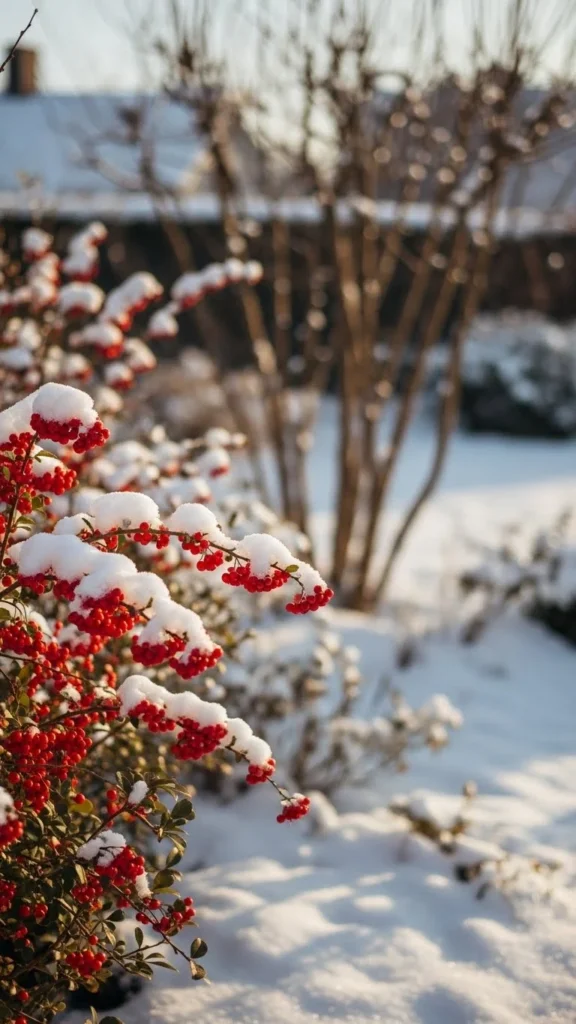
If you’ve ever admired winter gardens on Pinterest and wondered how they stay colorful all season, the secret is thoughtful berry-focused design. Let’s walk through how to plan, plant, and style a winter berry garden that looks beautiful from late fall through early spring.
Understand Why Winter Berries Matter
Before choosing plants, it helps to know why berries are such powerful winter features.
Berries:
- Add strong color contrast against snow, mulch, and bare branches
- Create structure and focal points when flowers are gone
- Support birds and wildlife during colder months
- Look just as good in real life as they do in photos
Unlike blooms that come and go, berries stick around. That staying power makes them perfect anchors for winter garden design.
Choose Berry Plants That Shine in Cold Weather
Not all berry plants hold up through winter, so plant selection matters.
Focus on varieties known for reliable winter color:
- Holly (red berries with glossy evergreen leaves)
- Winterberry (bare branches covered in bold berries)
- Beautyberry (unexpected purple tones)
- Cotoneaster (low-growing with clusters of red berries)
- Firethorn (bright berries with architectural branches)
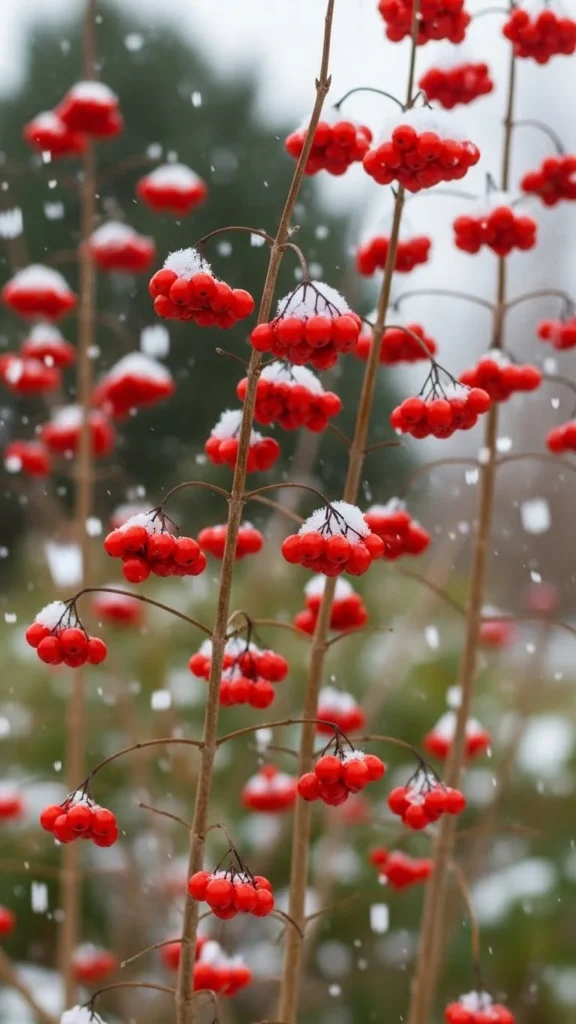
Design tip: Mix evergreen berry plants with deciduous ones. Evergreens give structure, while bare branches make berries pop even more.
Plan Your Layout for Maximum Visual Impact
Where you place berry plants matters just as much as which ones you choose.
Think in layers:
- Background: Taller shrubs with berries near fences or walls
- Mid-layer: Medium shrubs grouped in odd numbers
- Foreground: Low berry plants edging paths or beds
Grouping is key. One berry plant looks nice. Three to five together look intentional and dramatic.
Helpful layout ideas:
- Frame entrances with berry shrubs
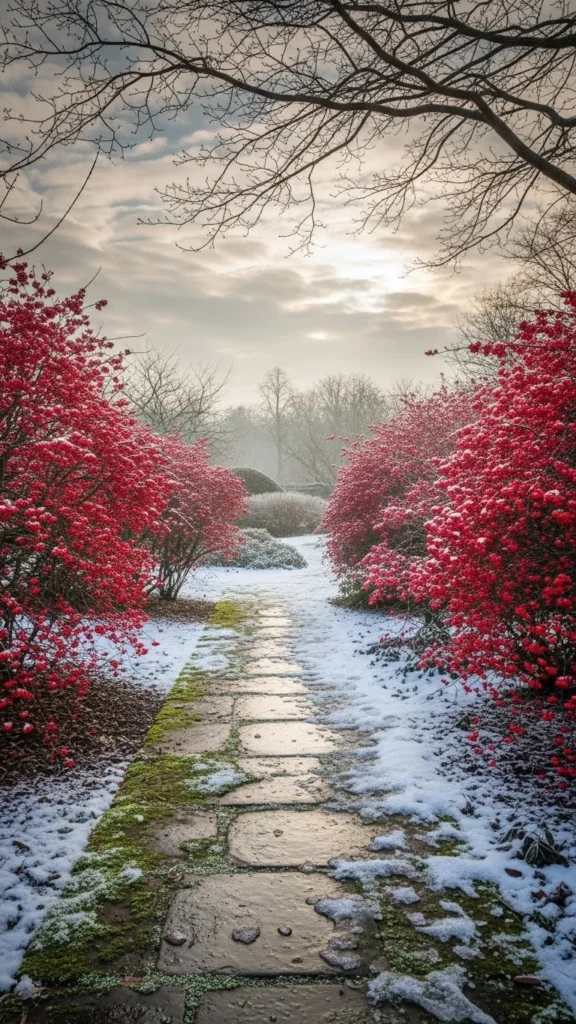
- Line walkways so color guides the eye
- Cluster berries near windows for indoor views
Pair Berries With Winter-Friendly Companions
Berries stand out even more when paired with the right supporting plants.
Great companions include:
- Evergreen shrubs for year-round fullness
- Ornamental grasses left standing for texture
- Bare deciduous trees for contrast
- Ground covers that hold shape in cold weather
Avoid overcrowding. Winter gardens look best when there’s space for shapes and colors to breathe.
Simple rule: If everything is bold, nothing stands out. Let berries be the stars.
Design With Color Balance in Mind
It’s tempting to plant only red berries—but variety makes the garden feel richer.
Try mixing:
- Red with deep green foliage
- Orange berries with warm-toned bark
- Purple berries against pale stone or mulch
[Image Prompt] Mixed winter berry garden featuring red, orange, and purple berries with evergreen foliage and natural mulch, soft cloudy light, high-resolution outdoor photography.
To keep things cohesive:
- Limit your palette to 2–3 main colors
- Repeat the same berry plants in different spots
- Use neutral backgrounds like gravel, wood, or stone
This approach keeps the garden Pinterest-worthy without looking busy.
Think About Birds (Without Sacrificing Style)
Berry gardens naturally attract birds, which adds movement and life in winter.
To balance beauty and function:
- Plant more berries than you think you need
- Mix early- and late-holding varieties
- Place some shrubs away from high-traffic areas
Birds will snack, but a well-planned garden still looks full and vibrant.
Bonus: A berry garden with visiting birds feels cozy and alive, even on the coldest days.
Keep Maintenance Simple and Winter-Friendly
A winter berry garden shouldn’t feel like extra work.
Low-effort care tips:
- Prune after berry season ends, not before
- Mulch well in fall to protect roots
- Water deeply before the ground freezes
- Skip heavy fertilizing late in the year
Most berry plants thrive when left alone during winter. Their natural form is part of the charm.
Style Your Garden for the Off-Season
Once planted, a few styling choices can elevate the look.
Easy upgrades:
- Dark mulch to highlight berry colors
- Natural stone borders for structure
- Simple garden lighting aimed at berry clusters
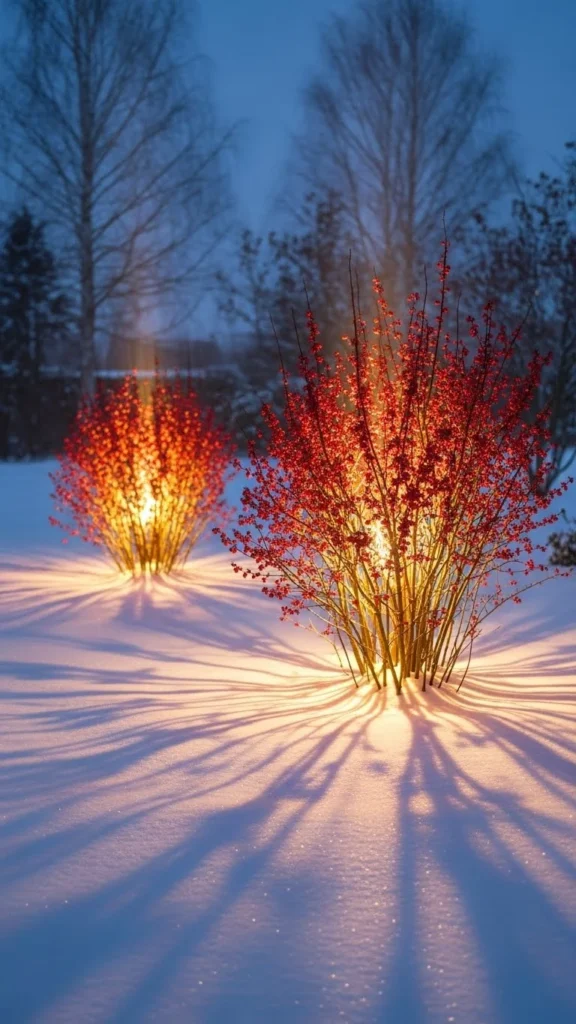
Even subtle lighting can turn a quiet winter yard into something magical.
Final Takeaway
Designing a winter berry garden is about planning ahead—and letting nature do the rest. With the right plants, smart placement, and simple styling, your garden can glow with color long after flowers fade.
If you want a winter landscape that looks good in real life and in photos, berries are your secret weapon.
Save this idea for later and start planning your winter berry garden today!
Leave a Reply