

Winter doesn’t have to mean the end of fresh herbs. In fact, some of the most flavorful, aromatic herbs are evergreen and surprisingly tough. With a little planning, you can step outside on a frosty morning and snip green leaves straight from your garden—even when everything else looks asleep.
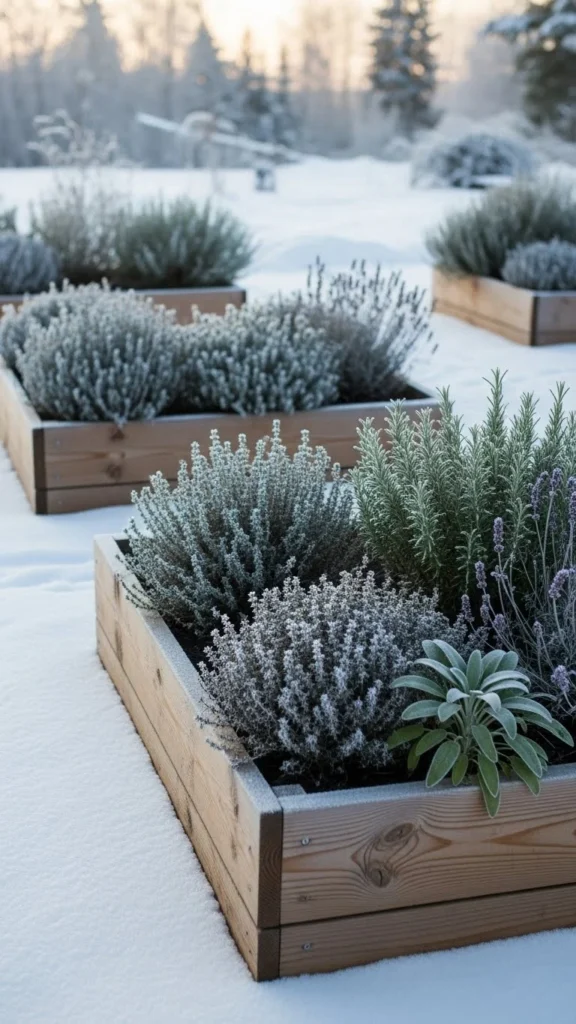
If you love year-round gardening and the idea of fresh flavor even in cold weather, this guide is for you. Let’s walk through exactly how to grow evergreen winter herbs so they thrive, not just survive.
What Are Evergreen Winter Herbs?
Evergreen winter herbs are plants that keep their leaves year-round, even in chilly temperatures. Unlike tender herbs that disappear after the first frost, these herbs stay green and usable through much of winter.
Common evergreen winter herbs include:
- Rosemary (cold-hardy varieties)
- Thyme
- Sage
- Bay laurel (in milder climates or containers)
- Lavender (certain varieties)
They grow more slowly in winter, but their leaves remain aromatic and useful.
Choose the Right Herbs for Your Climate
Not all evergreen herbs handle cold the same way. Picking varieties that match your climate is the first step to success.
Cold-tolerant favorites:
- Thyme – One of the toughest herbs for winter gardens
- Sage – Thick leaves protect it from cold
- Winter rosemary varieties – Look for cold-hardy labels
- English lavender – More winter-resistant than other types
Tip:
- If your winters are harsh, grow herbs in containers so you can move them to sheltered spots.
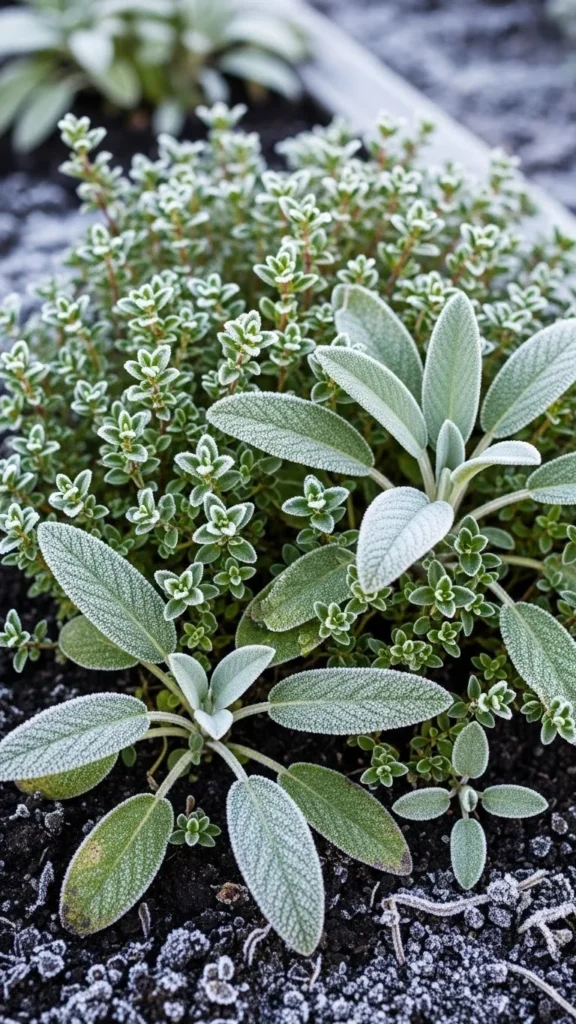
Pick the Warmest Spot in Your Garden
Location matters more in winter than any other season.
Look for:
- South-facing areas with maximum sunlight
- Spots near walls, fences, or stone paths that hold heat
- Areas protected from strong winter winds
Avoid low spots where cold air settles. Even a few degrees of extra warmth can make a big difference.
Quick checklist:
- At least 4–6 hours of winter sun
- Good drainage
- Wind protection
Prepare the Soil Before Cold Sets In
Healthy soil acts like insulation for herb roots.
Before winter arrives:
- Loosen soil to improve drainage
- Mix in compost for nutrients and warmth
- Avoid heavy, soggy soil that freezes easily
Well-drained soil helps roots stay dry and prevents damage during freeze-and-thaw cycles.
Mulch Like a Pro for Cold Protection
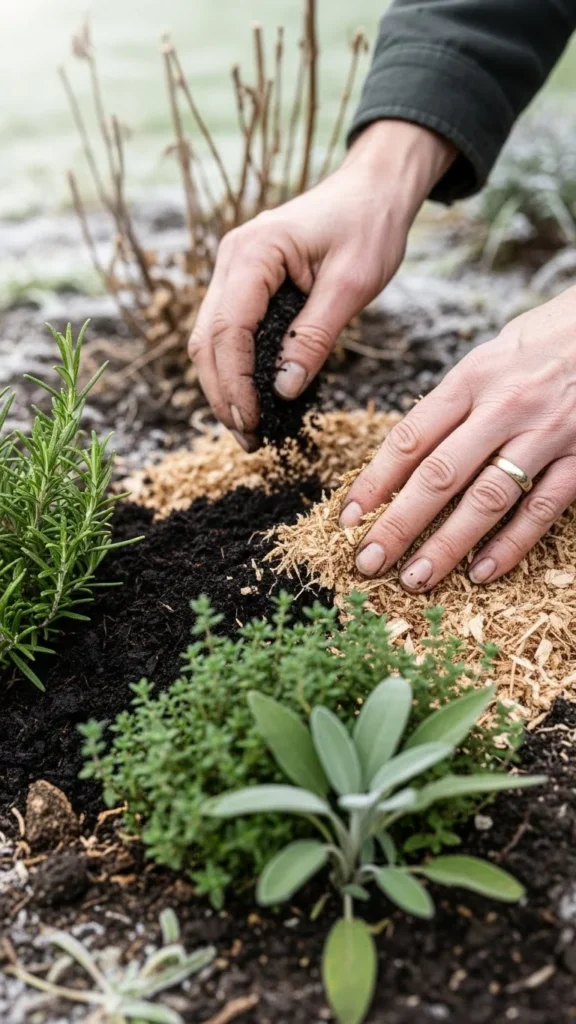
Mulching is one of the most important steps for winter herbs.
Best mulch options:
- Straw
- Shredded leaves
- Pine needles
- Bark mulch
How to mulch:
- Apply 2–4 inches around plants
- Keep mulch slightly away from stems
- Replenish after heavy wind or snow
Mulch helps:
- Insulate roots
- Prevent soil temperature swings
- Reduce moisture loss
Water Less, but Don’t Let Roots Dry Out
Evergreen herbs still need water in winter—but much less than in summer.
Winter watering tips:
- Water on mild days when soil isn’t frozen
- Check moisture before watering
- Focus on container herbs, which dry out faster
Too much water in cold soil can cause root problems, so always err on the dry side.
Protect Herbs from Snow and Wind
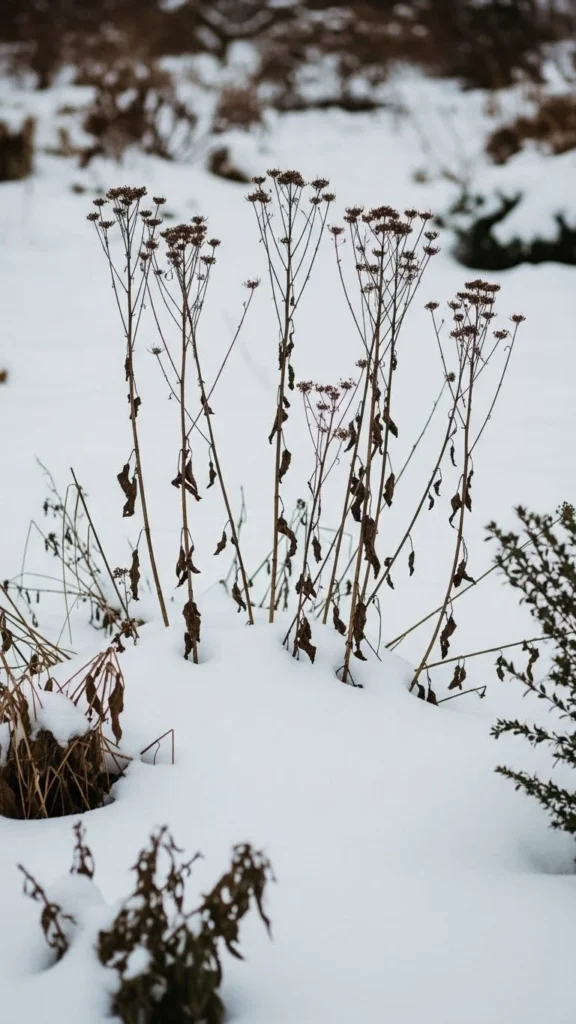
Snow can actually insulate plants, but heavy buildup and icy winds can cause damage.
Simple protection ideas:
- Garden fleece or breathable fabric covers
- Small hoops with cloth over beds
- Moving containers close to walls or under eaves
Avoid plastic covers that trap moisture and cause rot.
Harvest Carefully During Winter
Yes—you can still harvest evergreen herbs in winter.
How to harvest safely:
- Pick only what you need
- Use clean, sharp scissors
- Harvest during warmer parts of the day
Never remove more than one-third of the plant at a time. Gentle harvesting keeps herbs healthy and growing.
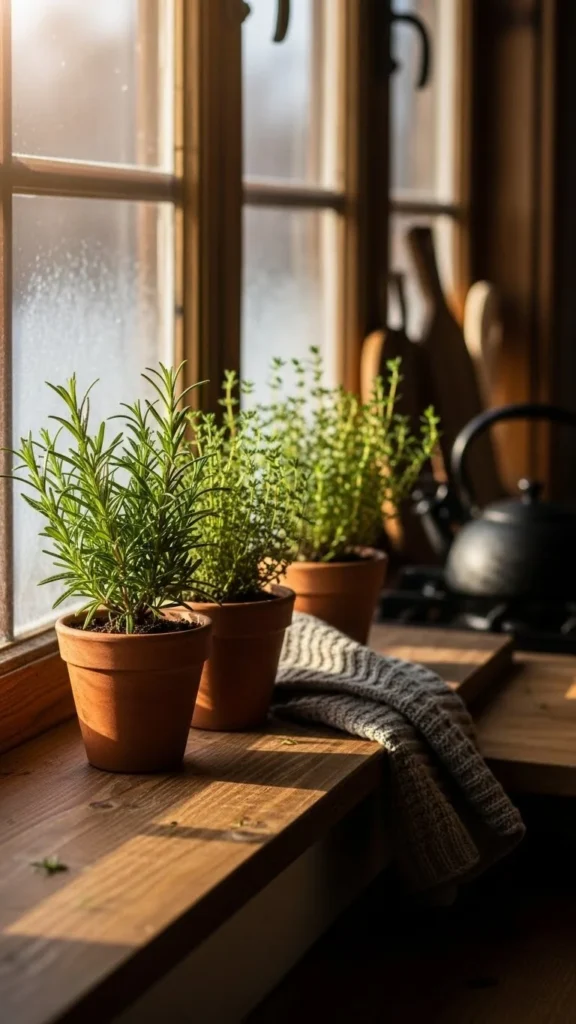
Growing Evergreen Herbs Indoors as Backup
If outdoor conditions are extreme, bring herbs inside.
Indoor tips:
- Place near bright windows
- Rotate pots weekly
- Avoid overwatering
- Keep away from heat vents
Indoor herbs grow slowly in winter, but they provide fresh flavor when outdoor plants need a rest.
Final Takeaway: Green Herbs, Even in Winter
Growing evergreen winter herbs is one of the easiest ways to keep your garden alive through cold months. With the right plants, smart placement, and simple protection, you can enjoy fresh herbs long after most gardens have gone quiet.
Start small, experiment with a few varieties, and build confidence each season.
Save this guide for later and enjoy fresh, green flavor all winter long.

Leave a Reply