

Snow doesn’t have to mean a bare, lifeless garden. In fact, some of the toughest and most beautiful groundcovers actually thrive under a blanket of snow. These low-growing plants use snow as insulation, protecting their roots and foliage from harsh winter winds while quietly preparing for spring.
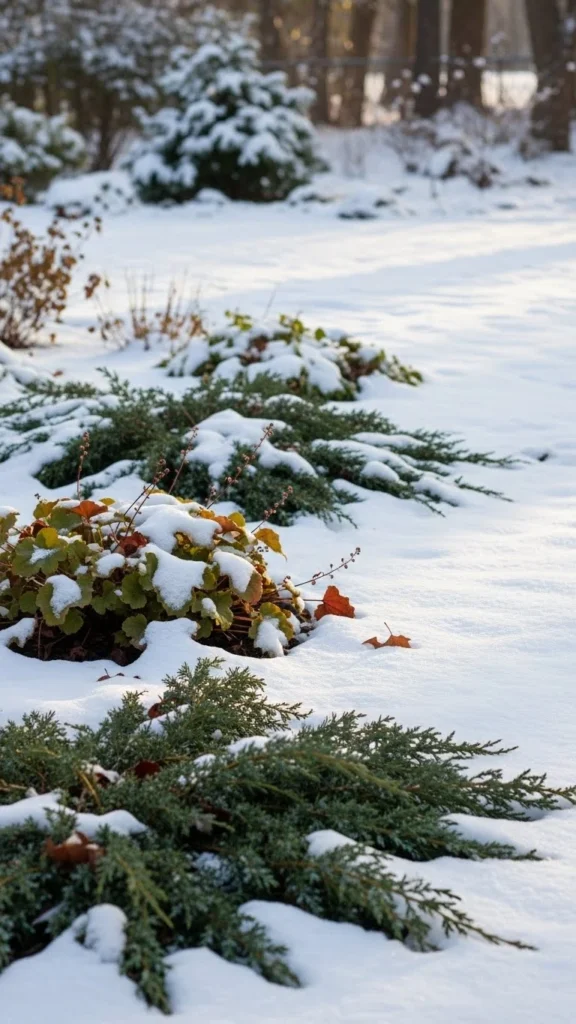
If you’ve ever wished your garden looked alive even in the coldest months, this guide is for you. Let’s walk through how to choose, plant, and care for snow-tolerant groundcovers so they come back stronger every year.
Why Snow Can Actually Help Groundcovers
It sounds surprising, but snow is often a plant’s best winter ally. Rather than freezing solid, soil beneath snow stays more stable in temperature.
Snow-tolerant groundcovers benefit because:
- Snow acts like a natural blanket, protecting roots from extreme cold
- Moisture from melting snow feeds plants slowly
- Low light reduces stress during dormancy
Plants that hug the ground are especially good at using this protection to survive winter without damage.
Choose the Right Snow-Tolerant Groundcovers
Not all groundcovers are built for snowy climates. The key is selecting varieties that evolved to handle cold, moisture, and limited sunlight.
Popular snow-friendly groundcovers include:
- Evergreen mat-forming plants
- Cold-hardy creeping varieties
- Alpine or woodland groundcovers
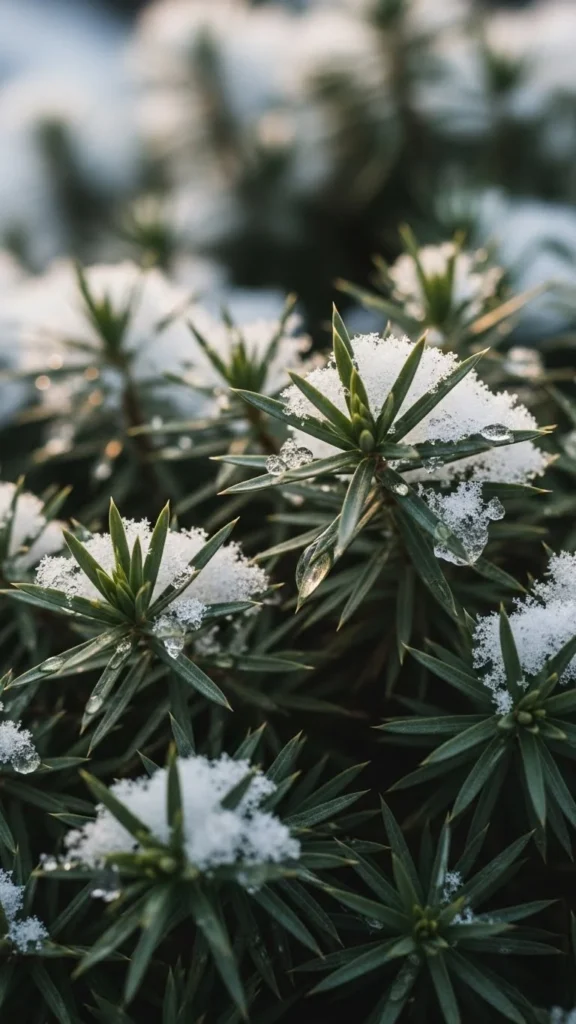
Look for plants labeled cold-hardy, evergreen, or zone-appropriate for your region. These types stay compact, flexible, and resilient under snow weight.
Prepare the Soil Before Winter Arrives
Strong winter performance starts months earlier with proper soil prep. Healthy roots are what help groundcovers survive long snow cover.
Before planting:
- Loosen soil to improve drainage
- Mix in compost for slow-release nutrients
- Remove weeds that compete for moisture
Avoid heavy clay soil that traps water. Groundcovers sitting in soggy soil are more likely to struggle when freeze-thaw cycles hit.
Plant at the Right Time for Best Results
Timing matters more than most gardeners realize. Snow-tolerant groundcovers need time to establish roots before winter arrives.
Best planting windows:
- Early fall (ideal for most regions)
- Late summer in colder zones
This gives plants enough warmth to settle in while avoiding heat stress. Avoid planting right before the first heavy snowfall, as roots won’t have time to anchor.
Mulch Smartly (But Don’t Overdo It)
Mulch helps protect soil temperature, but too much can smother groundcovers.
Use mulch to:
- Stabilize soil temperatures
- Prevent frost heaving
- Reduce winter moisture loss
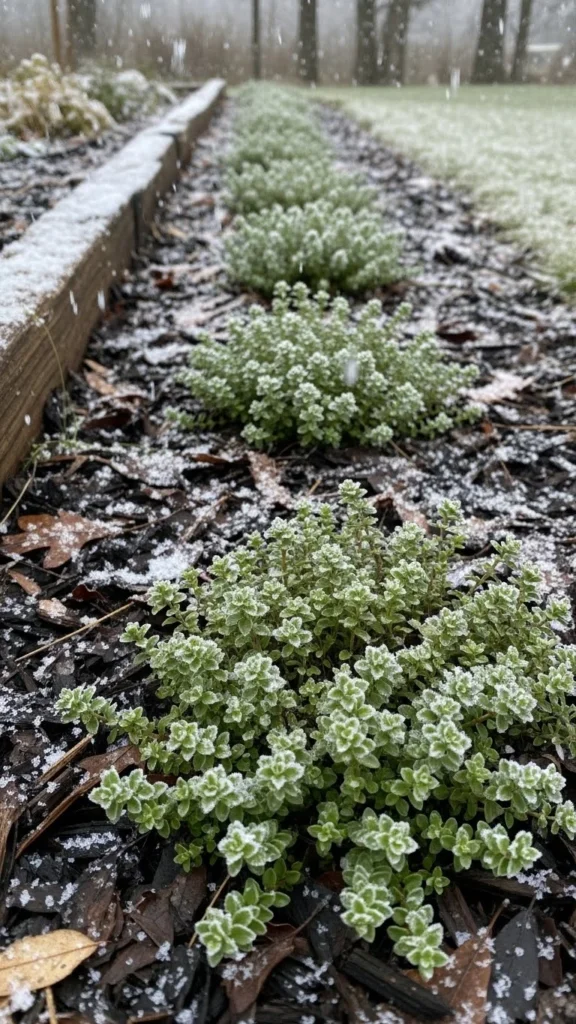
Apply a light layer of shredded leaves or pine needles around plants—not directly on top of foliage. Snow will do the rest of the insulating work naturally.
Let Snow Sit—Avoid Clearing It Away
It’s tempting to clear snow from garden beds, but resist the urge. Snow is part of the protection system.
Why you should leave it:
- Removing snow exposes plants to freezing air
- Foot traffic compacts soil and damages crowns
- Snow melt provides gentle hydration
If snow piles up from shoveling paths, gently redistribute excess weight to avoid breakage, but don’t strip beds bare.
Watch for Winter Drainage Issues
Snow-tolerant doesn’t mean water-loving. When snow melts, poor drainage can create problems.
Keep an eye out for:
- Standing water after thaw
- Ice buildup around plant bases
- Soil that stays soggy for days
If drainage is an issue, raised beds or sloped planting areas help excess water move away from roots before refreezing.
Spring Wake-Up: What to Do After Snow Melts
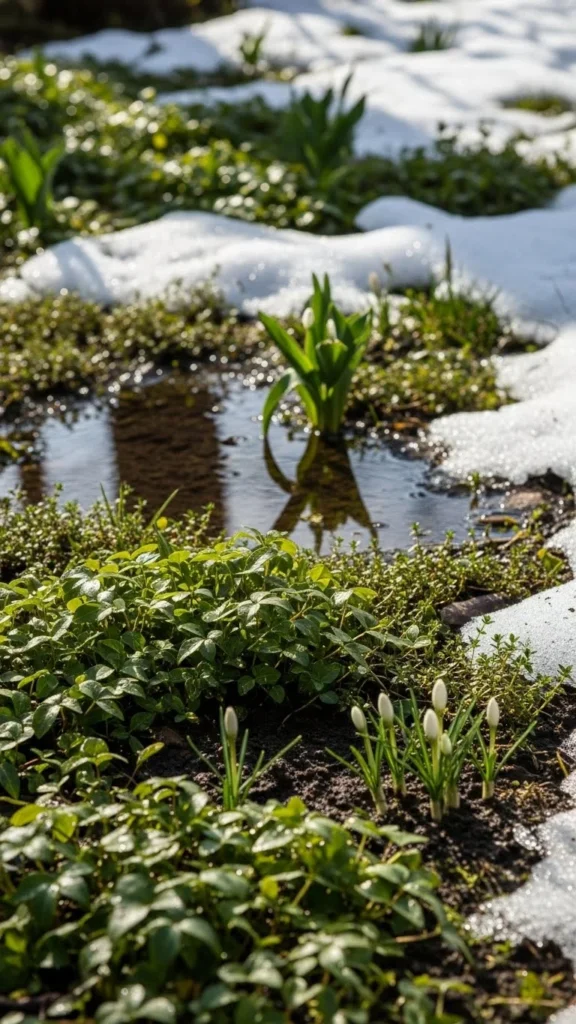
Once snow disappears, your groundcovers may look tired or flattened—but that’s normal.
Early spring care tips:
- Gently rake away debris
- Trim damaged tips only if needed
- Water lightly if soil is dry
Avoid heavy feeding right away. Let plants wake up gradually as temperatures stabilize.
Common Mistakes to Avoid
Even hardy plants can struggle if basic mistakes happen.
Avoid:
- Overwatering before winter
- Planting in low-lying wet areas
- Choosing varieties outside your climate zone
Snow-tolerant groundcovers are tough, but they still need the right setup to shine.
Final Takeaway
Snow doesn’t have to signal the end of garden beauty. With the right groundcovers, your landscape can stay protected, textured, and quietly alive all winter long. Choose hardy varieties, prepare soil properly, and let snow work in your favor.
Save this guide for later—and come back to it when planning your next winter-ready garden bed.

Leave a Reply