

Winter doesn’t have to mean a dull, lifeless garden. With the right plants and a few smart techniques, you can enjoy real blooms even in the coldest months. Imagine stepping outside to see fresh petals pushing through frost while everything else sleeps. That little pop of color feels magical—and it’s absolutely doable.
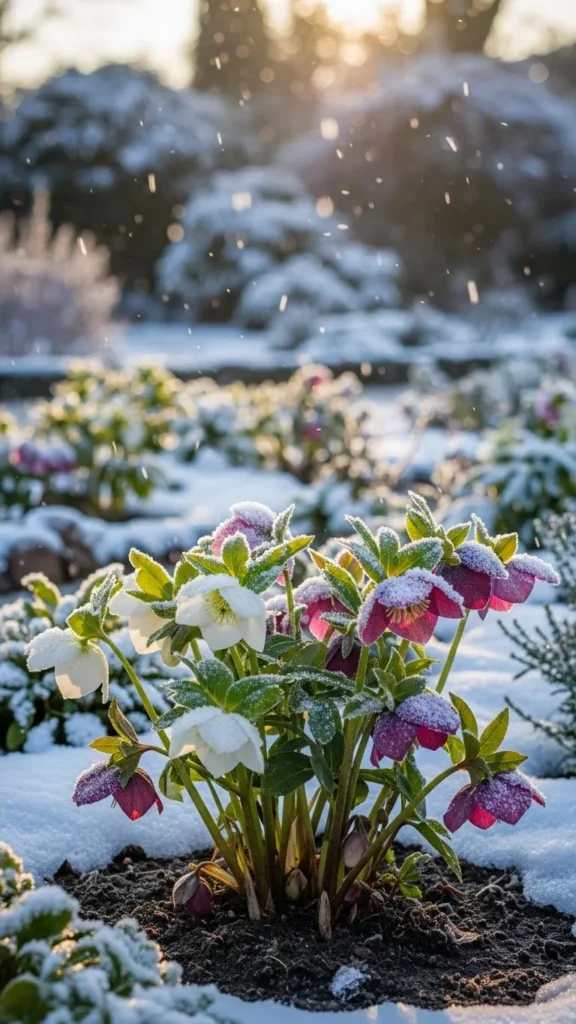
This guide breaks everything down step by step, so you can grow winter-blooming flowers with confidence—even if you’re new to cold-season gardening.
Understand What “Winter Blooming” Really Means
Winter-blooming flowers aren’t fragile surprises. They’re plants that evolved to handle:
- Cold soil
- Short daylight hours
- Light frost or even snow
Some bloom through winter, while others flower in late winter, just before spring wakes up.
Common winter bloomers include:
- Hellebores
- Winter pansies
- Snowdrops
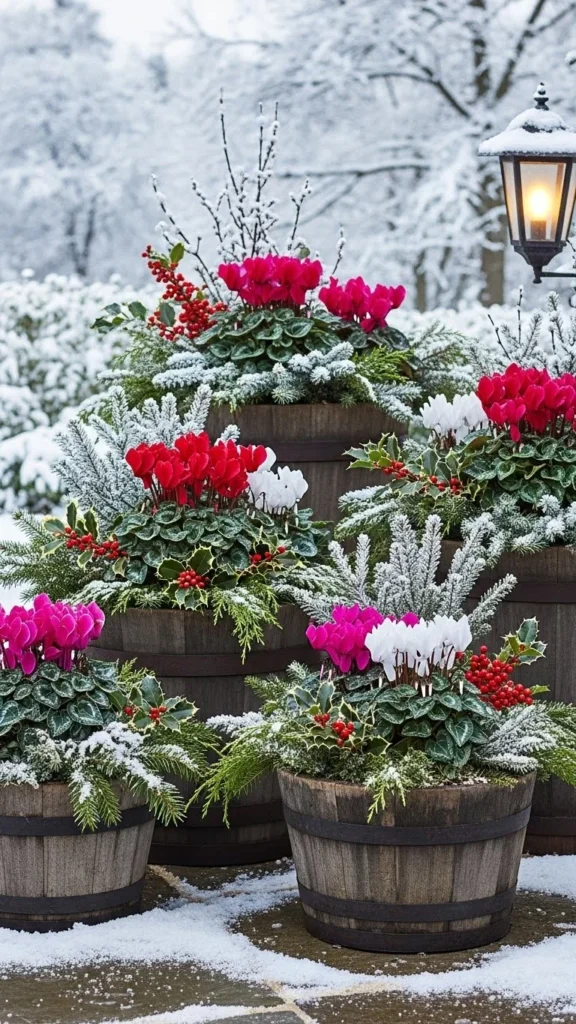
- Cyclamen
- Winter jasmine
These plants don’t fight the cold—they work with it.
Choose the Right Location in Your Garden
Placement matters more in winter than any other season.
Look for spots that:
- Get morning sunlight (helps melt frost gently)
- Are sheltered from strong winds
- Have good drainage
Avoid low areas where cold air settles. Raised beds, borders near walls, or areas beside evergreen shrubs are perfect.
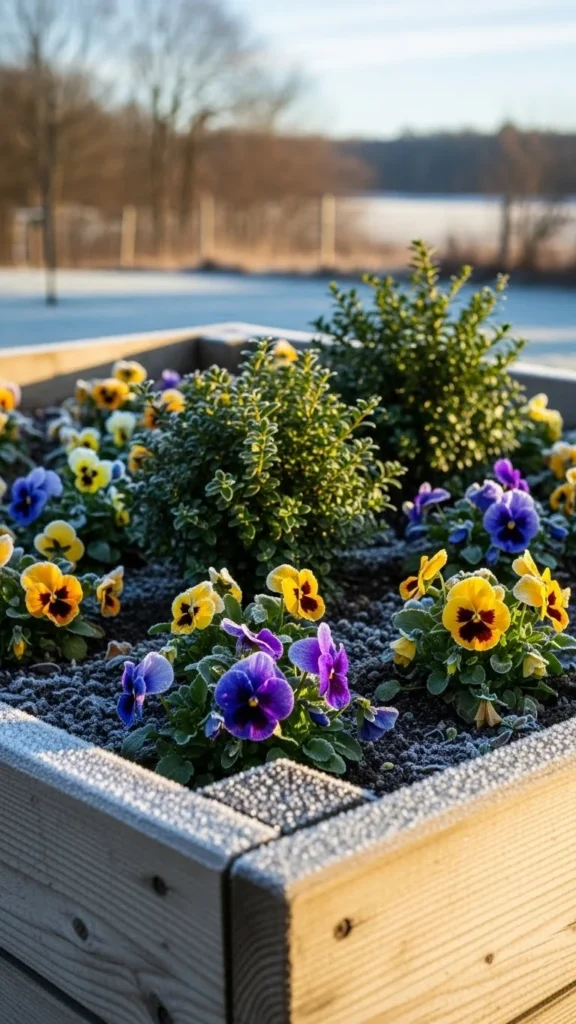
Quick tip: South- or east-facing spots give winter flowers the best chance to thrive.
Prepare Soil Before the Cold Sets In
Healthy soil is your winter insurance policy.
Before planting:
- Loosen soil deeply
- Mix in compost or leaf mold
- Check drainage by watering—soil should never stay soggy
Winter roots rot easily in heavy soil. If drainage is poor, amend generously or grow flowers in containers.
Good soil means:
- Strong roots
- Better cold tolerance
- Longer bloom time
Plant at the Right Time
Timing is everything.
Most winter bloomers should be planted:
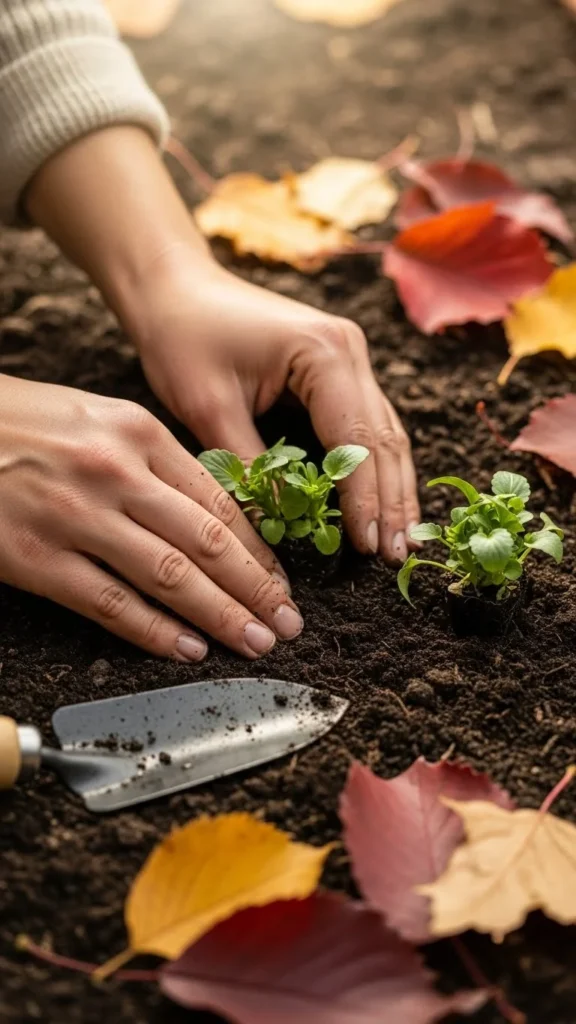
- Early fall (ideal)
- Or late summer in colder zones
This gives roots time to establish before freezing temperatures arrive.
If you plant too late:
- Roots stay weak
- Flowers struggle through winter
Once planted, water deeply once and let nature take over.
Protect Flowers Without Overdoing It
Winter flowers don’t need heavy protection—but they do appreciate smart support.
Use:
- Mulch (straw, shredded leaves, pine needles)
- Frost cloth on extreme nights
- Wind barriers if your area is exposed
Avoid sealing plants completely. They still need airflow.
Mulch helps by:
- Regulating soil temperature
- Preventing freeze-thaw damage
- Keeping roots stable
Grow Winter Flowers in Containers
Containers are perfect if your ground freezes hard.
Choose:
- Frost-resistant pots
- Drainage holes (non-negotiable)
- Lightweight soil mix
Move containers:
- Near walls
- Onto porches
- Away from harsh wind
Water lightly when soil is dry. Overwatering in winter causes more damage than cold.
Water Carefully (Less Is More)
Winter watering is tricky.
Rules to follow:
- Water only when soil is dry
- Water during warmer daytime hours
- Never water frozen soil
Most winter flowers prefer slightly dry conditions during cold spells. Roots rest, not grow aggressively.
Expect Slow Growth—and That’s Normal
Winter gardens move at their own pace.
You might notice:
- Fewer new leaves
- Blooms lasting longer
- Plants staying compact
This is normal and healthy. Don’t push growth with fertilizer. Let plants follow their natural rhythm.
Patience is part of winter gardening.
Deal With Snow the Right Way
Snow isn’t the enemy—it’s insulation.
But heavy buildup can damage blooms.
Do this instead:
- Gently brush off heavy snow
- Avoid breaking frozen stems
- Let light snow melt naturally
Never use salt near flower beds. It damages roots and soil structure.
Transition Smoothly Into Spring
As temperatures rise:
- Remove mulch gradually
- Resume light watering
- Prune damaged foliage
Winter bloomers often finish just as spring flowers begin, creating a seamless transition of color.
Many winter plants also come back stronger year after year.
Final Takeaway
Growing winter blooming flowers isn’t about fighting the season—it’s about embracing it. With the right plants, smart placement, and gentle care, your garden can stay alive and colorful even in cold months.
If you love seeing blooms when everything else feels quiet, winter flowers are worth it.
Save this guide for later and start planning your winter garden today!

Leave a Reply