

Winter doesn’t have to mean the end of fresh harvests. In fact, some edible greens love cooler weather and become sweeter, more tender, and more resilient when temperatures drop. With the right setup, you can enjoy homegrown greens even when frost hits.
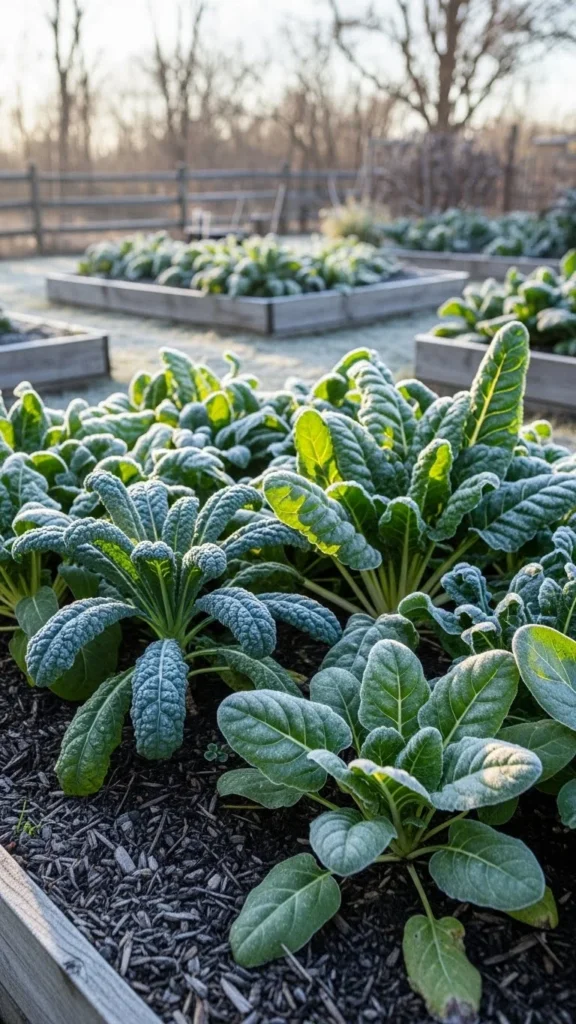
Whether you’re gardening in a backyard, raised bed, or containers, this guide will walk you through exactly how to grow winter-friendly edible greens with confidence.
Why Winter Is Perfect for Growing Greens
Cold weather gardening might sound intimidating, but greens are some of the easiest crops to grow in winter.
Here’s why they thrive:
- Cooler temperatures slow bolting and bitterness
- Many varieties tolerate frost and light snow
- Fewer pests compared to warm seasons
- Greens mature quickly, even with short daylight hours
Some greens even improve in flavor after frost, developing a mild sweetness that’s hard to beat.
Best Edible Greens for Winter Growing
Not all greens are equal when it comes to cold tolerance. Start with varieties that are proven winter performers.
Top winter-friendly greens:
- Spinach
- Kale
- Swiss chard
- Arugula
- Mustard greens
- Mâche (corn salad)
- Tatsoi
- Asian greens like mizuna
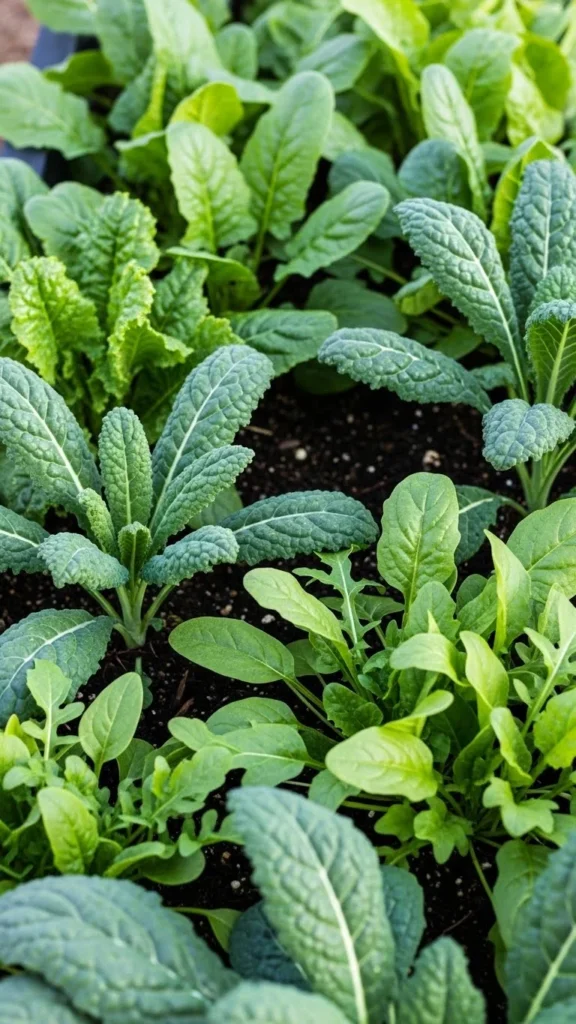
These greens handle chilly nights well and bounce back quickly after cold snaps.
Preparing Your Garden for Cold Weather
Preparation is everything when it comes to winter growing. A little planning goes a long way.
Start with these basics:
- Choose a sunny location (south-facing if possible)
- Improve soil with compost for warmth and nutrients
- Use raised beds or containers for better drainage
- Clear out summer crops early to make space
Healthy soil acts like insulation, helping roots stay protected even when air temperatures dip.
Planting Tips for Winter Success
Timing matters more in winter than any other season. Greens need time to establish before deep cold arrives.
Smart planting tips:
- Plant 4–6 weeks before your first expected frost
- Sow seeds closer together to reduce cold air gaps
- Water deeply after planting to help roots settle
- Choose fast-growing varieties for late planting

Once established, greens grow slowly but steadily through winter.
Protecting Greens From Frost and Cold
Winter protection doesn’t have to be complicated or expensive.
Easy protection methods:
- Row covers or frost cloth
- Cold frames made from wood and clear panels
- Mulch with straw or shredded leaves
- Hoop tunnels with breathable fabric
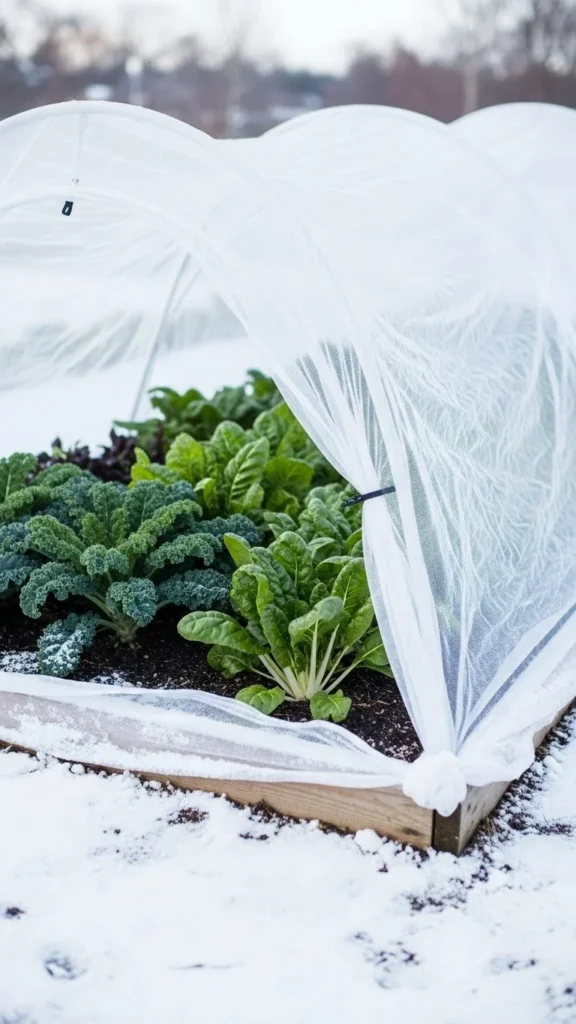
These covers trap warmth while still letting in light and air.
Watering and Feeding in Winter
Greens don’t need as much water in winter, but consistency still matters.
Winter watering tips:
- Water earlier in the day so soil doesn’t freeze overnight
- Check soil moisture before watering
- Avoid soggy soil, which can damage roots
For feeding, compost-rich soil usually provides enough nutrients. If growth slows too much, a light organic fertilizer can help without overstimulating plants.
Harvesting Without Hurting Growth
One of the best parts of winter greens is continuous harvesting.
How to harvest properly:
- Pick outer leaves first
- Leave the center growing point intact
- Harvest during milder parts of the day
- Take smaller amounts more often
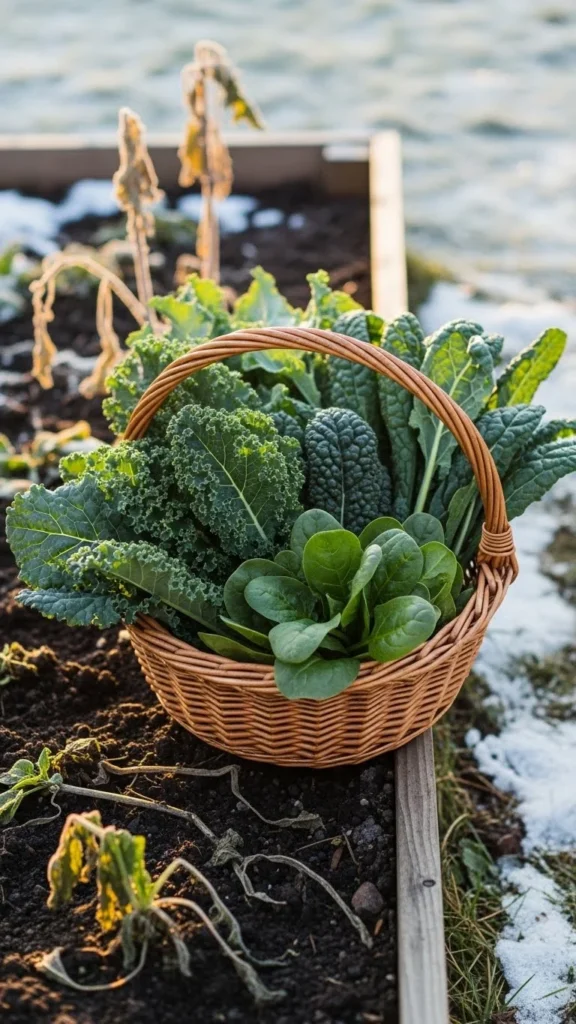
This “cut-and-come-again” method keeps plants productive all season.
Common Winter Growing Mistakes to Avoid
Even hardy greens can struggle if a few key details are missed.
Avoid these mistakes:
- Planting too late in the season
- Forgetting to protect during sudden cold snaps
- Overwatering cold soil
- Removing covers too early
Winter gardening rewards patience and observation more than speed.
Enjoy Fresh Greens All Winter Long
Growing winter-friendly edible greens is one of the most satisfying ways to keep your garden productive year-round. With the right varieties, simple protection, and thoughtful care, you can harvest vibrant, fresh leaves even when the rest of the garden rests.
Takeaway:
Don’t let winter stop your growing season—start small, protect your plants, and enjoy fresh greens straight from your garden.
Save this guide for later and enjoy winter harvests you’ll look forward to every year

Leave a Reply