

There’s something calming about ferns—the soft fronds, the rich green color, the quiet woodland vibe they bring to any space. The good news? You don’t have to give them up when temperatures drop. With the right choices and care, winter-friendly ferns can thrive even during cold months.
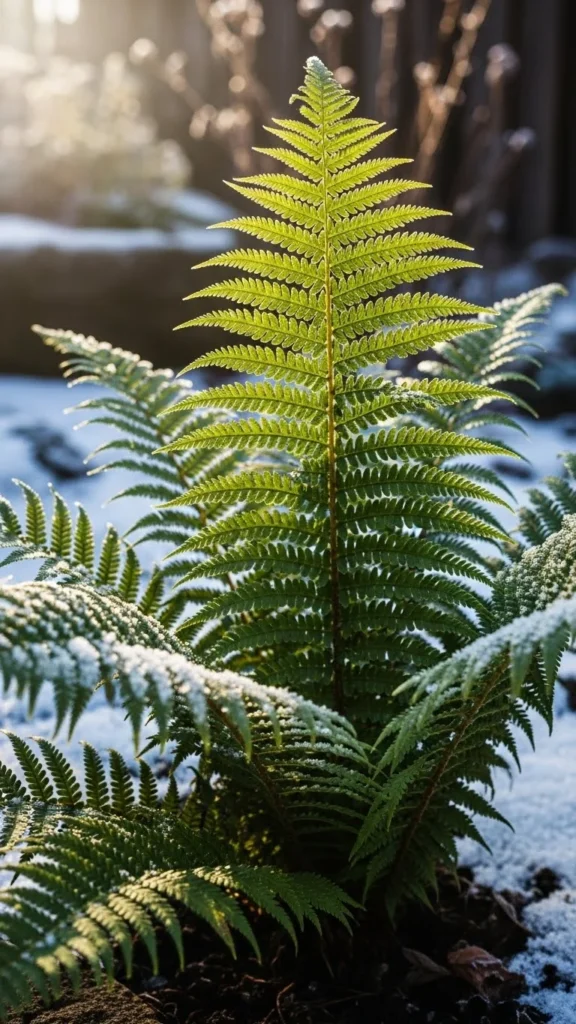
Whether you’re growing ferns outdoors or keeping them as winter houseplants, this guide will walk you through simple, practical steps to keep them healthy and beautiful all season long.
Choose Ferns That Can Handle Cold Weather
Not all ferns love winter, so plant selection is key. Some varieties are naturally adapted to chilly climates and even stay green through frost.
Look for cold-tolerant types such as:
- Evergreen ferns that hold their fronds year-round
- Semi-evergreen ferns that regrow quickly in early spring
- Hardy woodland varieties used to cool, shaded environments
These ferns are far more forgiving when temperatures fluctuate and daylight hours shrink.
Tip: Check plant tags for “hardy” or “cold-tolerant” before buying. These labels make winter care much easier.
Pick the Right Location for Winter Growth
Where you place your ferns matters just as much as what you plant.
For outdoor ferns:
- Choose sheltered spots near walls, fences, or trees
- Avoid open, windy areas that dry out fronds
- Look for locations with natural shade and protection
For indoor ferns:
- Place near bright windows with indirect light
- Keep them away from heating vents or drafty doors
- Aim for steady temperatures rather than extremes

A stable environment helps ferns conserve energy during colder months.
Prepare the Soil Before Temperatures Drop
Healthy soil acts like insulation during winter. If your soil is dry or compacted, ferns struggle more in cold conditions.
Before winter sets in:
- Loosen soil around the roots
- Mix in compost or leaf mold for nutrients
- Improve drainage to prevent soggy roots
Fern roots dislike standing water, especially in winter. Well-draining soil keeps roots safe from cold damage.
Quick check: If water pools on the surface after rain, improve drainage before winter arrives.
Mulch to Protect Roots From Freezing
Mulching is one of the most important steps for winter fern care. It acts like a blanket, protecting roots from freeze-thaw cycles.
Best mulching options include:
- Shredded leaves
- Pine needles
- Straw or bark mulch
Apply mulch:
- 2–4 inches thick
- Around the base, not covering the crown
- After the ground cools but before deep freezing
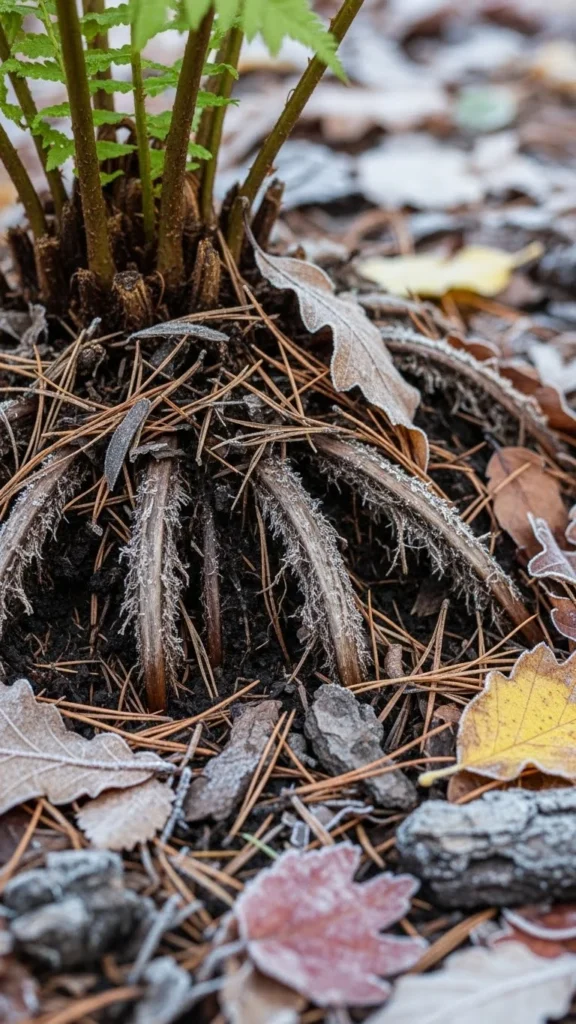
This simple step can make the difference between survival and winter stress.
Adjust Watering During Cold Months
Ferns still need moisture in winter—but much less than during warm seasons.
Outdoor ferns:
- Water only during dry spells
- Avoid watering frozen soil
- Let natural rainfall do most of the work
Indoor ferns:
- Check soil weekly
- Water when the top inch feels dry
- Use room-temperature water
Overwatering is a common winter mistake. Cold soil stays damp longer, so less frequent watering is usually best.
Handle Frost and Snow the Right Way
Seeing frost on fern fronds can be alarming, but don’t panic. Many winter-friendly ferns tolerate light frost just fine.
What to do:
- Leave fronds intact for natural protection
- Gently brush off heavy snow to prevent breakage
- Avoid pruning until spring
Dead or damaged fronds often shield the crown from colder air. Pruning too early can expose sensitive growth.
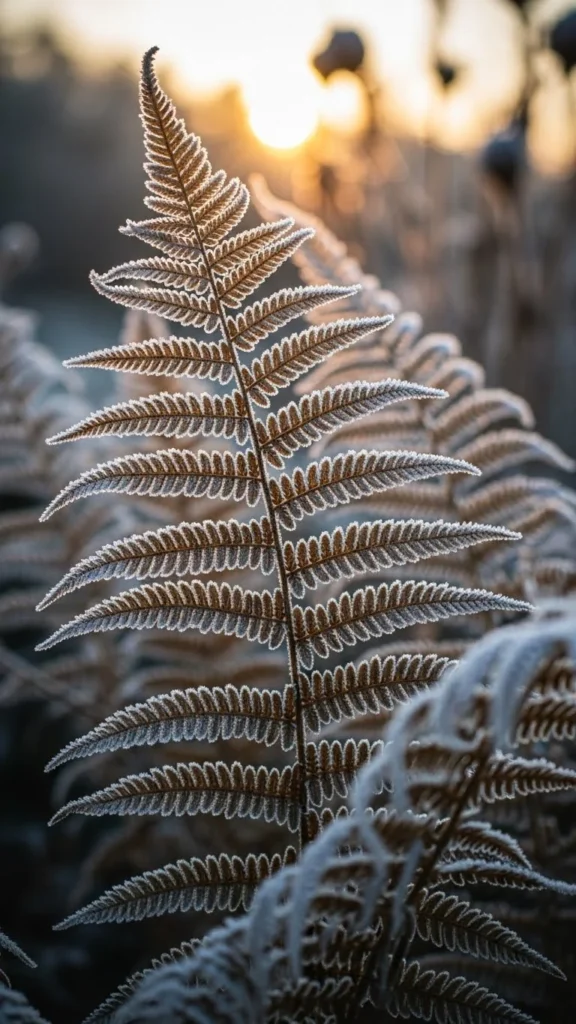
Patience pays off—new growth will return when temperatures rise.
Support Indoor Ferns With Extra Humidity
Cold air tends to be dry, especially indoors. Ferns prefer humidity, even in winter.
Easy ways to boost moisture:
- Place a shallow water tray nearby
- Group plants together
- Lightly mist fronds in the morning
Avoid placing ferns too close to heat sources, which dry the air quickly and stress the plant.
Watch for Winter Stress Signs
Even hardy ferns can show signs of stress. Catching problems early helps prevent long-term damage.
Common winter stress signs:
- Browning leaf tips
- Drooping fronds
- Slow or paused growth
These are often temporary. Focus on consistent care rather than quick fixes.
Final Thoughts: Let Ferns Add Life to Winter Spaces
Winter-friendly ferns bring texture, calm, and greenery when most plants rest. With smart plant choices, protective mulching, gentle watering, and a little patience, your ferns can thrive through cold months without fuss.
Save this guide for later and give your winter garden (or indoor space) a soft, evergreen touch that lasts all season long

Leave a Reply