

Hydrangeas have a reputation for being a little dramatic when cold weather rolls in. One hard winter, and suddenly those lush blooms are gone for the season. But here’s the good news: winter-friendly hydrangeas absolutely exist, and with the right approach, you can enjoy healthy plants and reliable blooms year after year—even in colder climates.
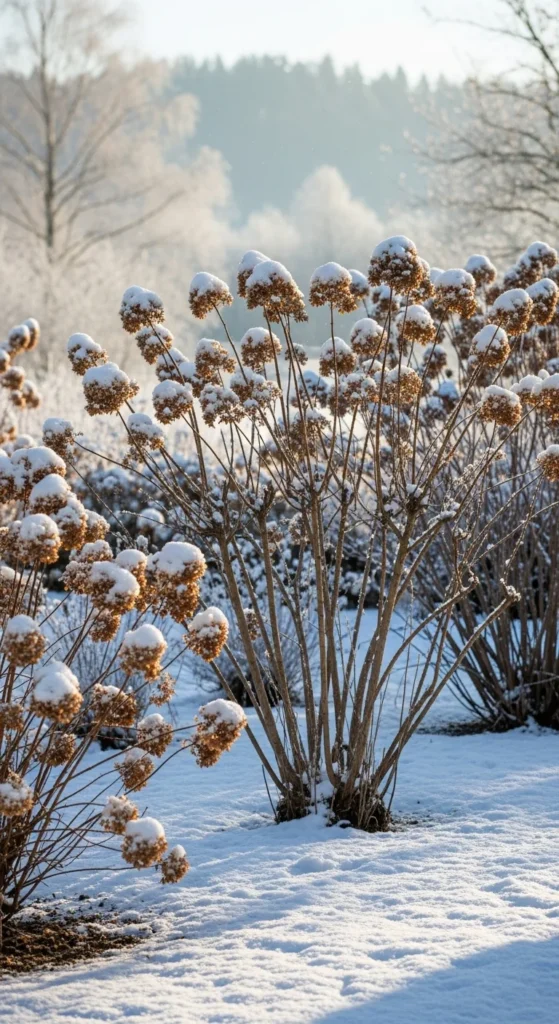
This guide breaks everything down in a simple, practical way. No guesswork. Just smart choices, good timing, and a few winter-protection tricks that actually work.
Understanding What “Winter-Friendly” Really Means
Not all hydrangeas handle winter the same way. The biggest difference comes down to where the plant forms its flower buds.
Some hydrangeas bloom on old wood (last year’s growth).
Others bloom on new wood (current season growth).
Why this matters:
- Old-wood bloomers can lose buds during harsh winters.
- New-wood bloomers are more forgiving and bounce back easily in spring.
If you live in a cold or unpredictable climate, winter-friendly usually means new-wood or reblooming varieties.
Best Hydrangea Types for Cold Climates
Choosing the right type is half the battle. These varieties are known for strong winter performance.
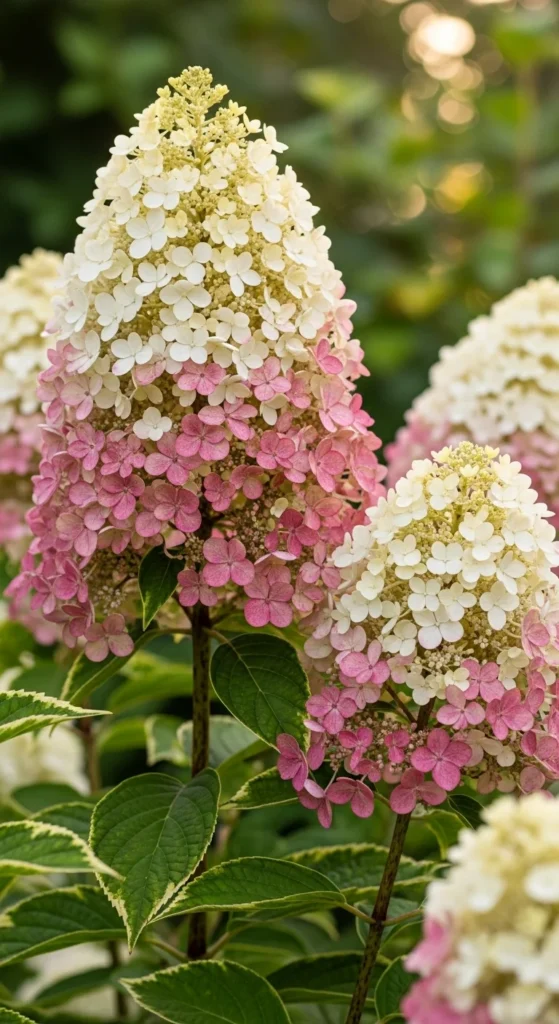
Panicle Hydrangeas (Hydrangea paniculata)
- Extremely cold-hardy
- Bloom on new wood
- Thrive in full sun to part shade
- Great for beginners
Smooth Hydrangeas (Hydrangea arborescens)
- Very reliable in winter
- Bloom on new wood
- Handle cold snaps well
- Famous for large, round flower heads
Reblooming Bigleaf Hydrangeas
- Bloom on both old and new wood
- More forgiving than traditional bigleaf types
- Best for moderate cold zones with some protection
If winter survival is your top priority, panicle and smooth hydrangeas are your safest choices.
Planting for Winter Success
How and where you plant hydrangeas has a huge impact on winter survival.
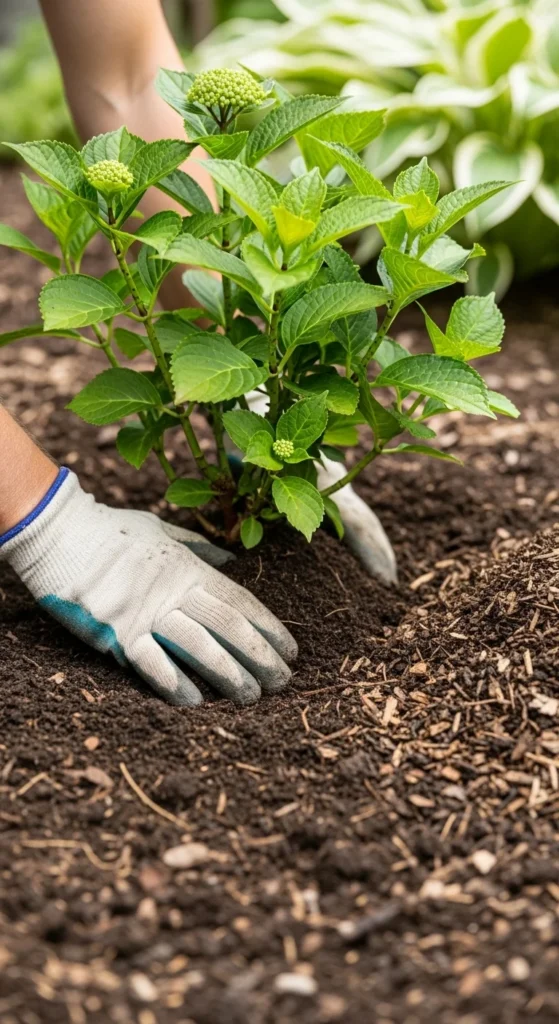
Choose the Right Spot
- Morning sun, afternoon shade
- Sheltered from strong winter winds
- Avoid low spots where cold air settles
Soil Matters More Than You Think
Hydrangeas hate soggy roots in winter.
- Use well-draining soil
- Amend clay soil with compost
- Slightly acidic to neutral soil works best
Plant at the Right Depth
- Crown should sit level with the soil surface
- Planting too deep increases winter damage risk
Pruning Without Killing Next Year’s Blooms
Pruning mistakes are one of the biggest reasons hydrangeas fail to flower.
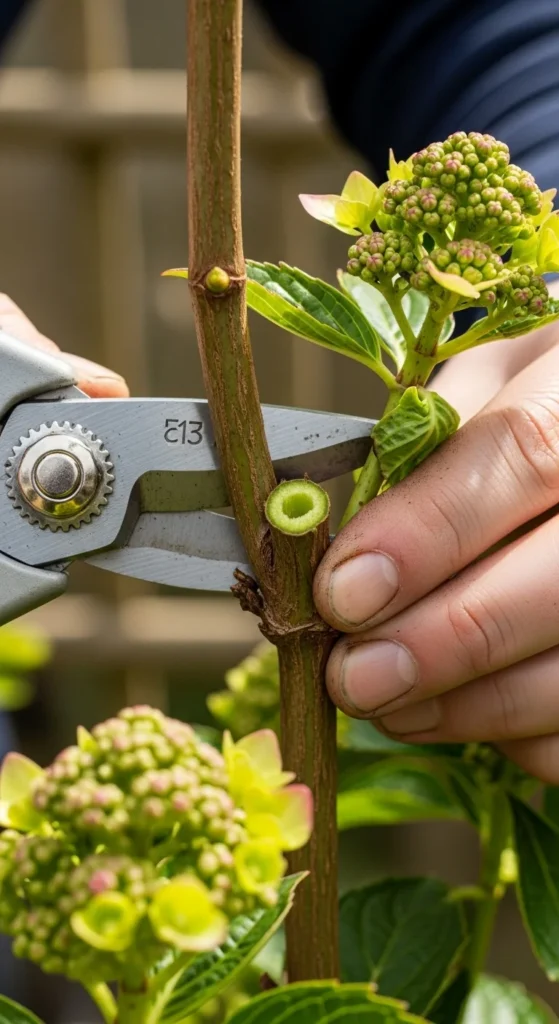
Simple Pruning Rules
- Panicle & Smooth Hydrangeas:
Prune in late winter or early spring. - Bigleaf & Reblooming Types:
Remove only dead wood in spring. Avoid heavy fall pruning.
When in doubt:
- Wait until spring
- Let the plant show you what survived
How to Protect Hydrangeas During Winter
Even cold-hardy hydrangeas appreciate a little help when temperatures drop.
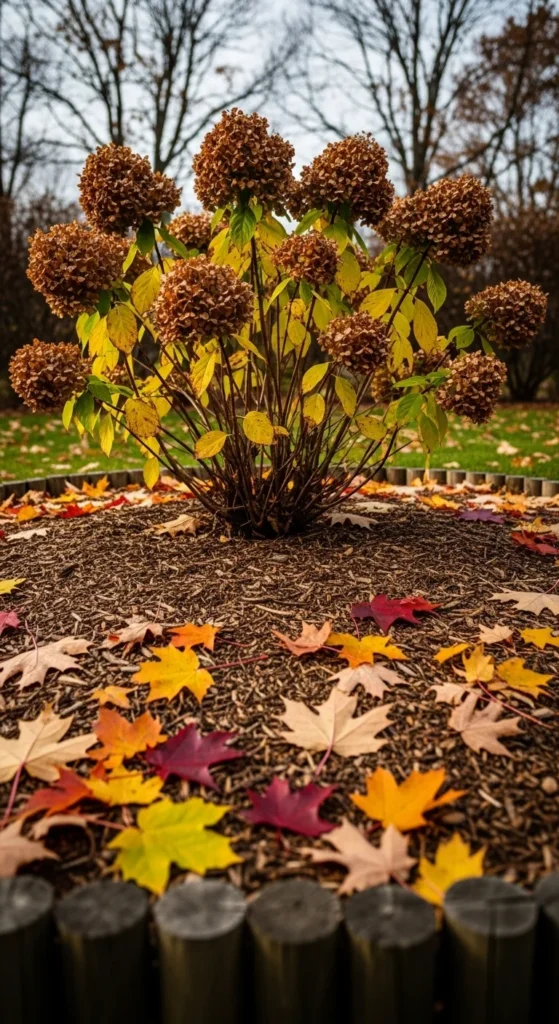
Mulching Is Non-Negotiable
- Apply 3–5 inches of mulch around the base
- Use shredded leaves, pine needles, or bark
- Keeps roots insulated and stable
Extra Protection for Harsh Winters
- Build a loose wire cage around the plant
- Fill with dry leaves for insulation
- Remove protection gradually in spring
Skip These Common Mistakes
- No plastic wrapping (traps moisture)
- No tight coverings
- No heavy pruning before winter
Watering and Feeding Before Winter
Healthy plants handle winter better.
Fall Watering Tips
- Water deeply before the ground freezes
- Especially important during dry autumns
- Moist roots resist cold damage better than dry ones
Fertilizer Timing
- Stop fertilizing by late summer
- Late feeding encourages tender growth
- Tender growth is easily damaged by frost
Spring Recovery and What to Expect
When winter ends, patience is key.
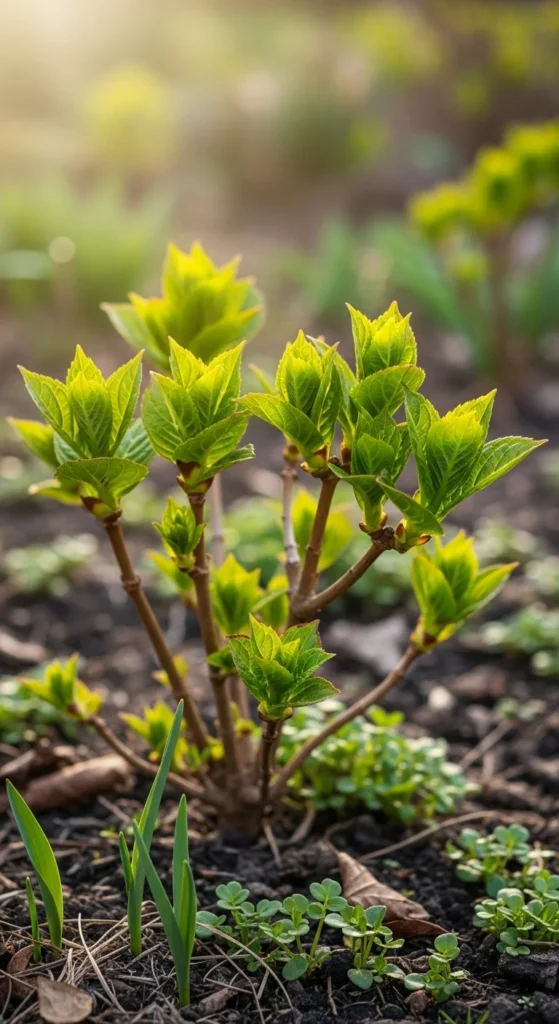
- Some varieties leaf out late
- Scrape-test stems to check for life
- Remove dead wood once growth starts
- New-wood bloomers will still flower even after harsh winters
If your hydrangea looks slow in spring, don’t panic. Many cold-hardy types wake up when temperatures truly stabilize.
Final Takeaway
Growing winter-friendly hydrangeas isn’t about luck—it’s about smart plant choices, good placement, and simple seasonal care. Choose hardy varieties, protect the roots, prune wisely, and your hydrangeas will reward you with beautiful blooms year after year.
If you love reliable, low-stress garden plants, hydrangeas deserve a spot in your landscape.
Save this guide for later and use it as your go-to hydrangea winter care checklist!

Leave a Reply