

Winter doesn’t have to mean a dull, lifeless yard. With the right shrubs and a little planning, your garden can stay structured, colorful, and full of texture—even when temperatures drop. Winter-friendly shrubs are tough, reliable, and surprisingly easy to care for once you know what they need.
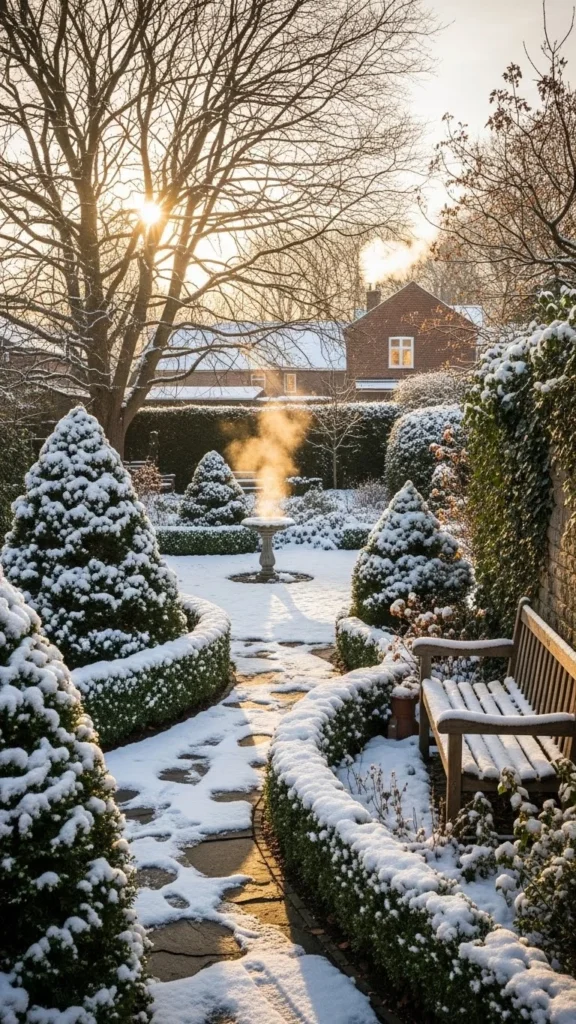
Whether you’re planting for privacy, color, or year-round curb appeal, this guide will walk you through exactly how to grow winter-friendly shrubs successfully.
Choose Shrubs That Are Built for Cold
The secret to winter success starts with plant selection. Not all shrubs are meant to handle freezing temperatures, so choosing hardy varieties is essential.
Look for shrubs known for:
- Cold tolerance in your climate zone
- Strong root systems
- Evergreen or winter-interest features like berries or textured branches
Popular winter-friendly options include boxwood, holly, juniper, yew, and winterberry shrubs. These plants hold their shape well and don’t collapse under snow.
Quick tip: Native shrubs are often the most reliable. They’re already adapted to your local winters and require less maintenance.
Pick the Right Planting Location
Where you plant matters just as much as what you plant. Winter conditions can be harsh, but smart placement gives shrubs a big advantage.
Aim for spots that offer:
- Some protection from strong winter winds
- Good drainage (standing water can freeze and damage roots)
- Partial sun, especially in colder regions
South-facing areas tend to warm up faster during winter days, helping shrubs avoid deep freeze stress.
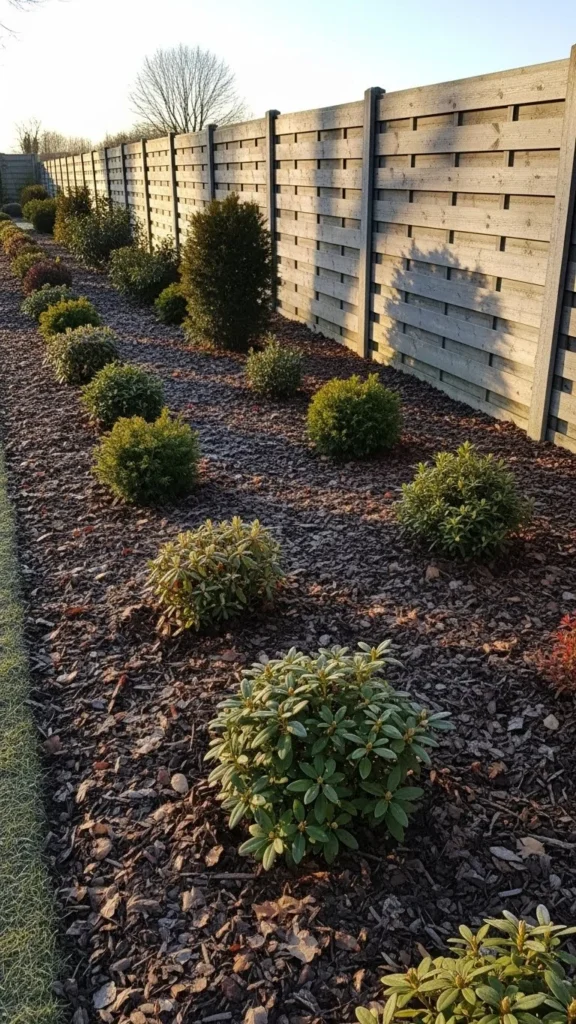
Prepare the Soil Before Cold Sets In
Healthy soil is the foundation of winter survival. Shrubs planted in compacted or poorly drained soil struggle once the ground freezes.
Before planting:
- Loosen soil at least 12–18 inches deep
- Mix in compost to improve drainage and insulation
- Avoid heavy clay without amendments
Well-prepared soil helps roots establish before winter hits, making shrubs far more resilient.
Pro tip: Fall planting works well for shrubs, as roots can settle while air temperatures are cooler.
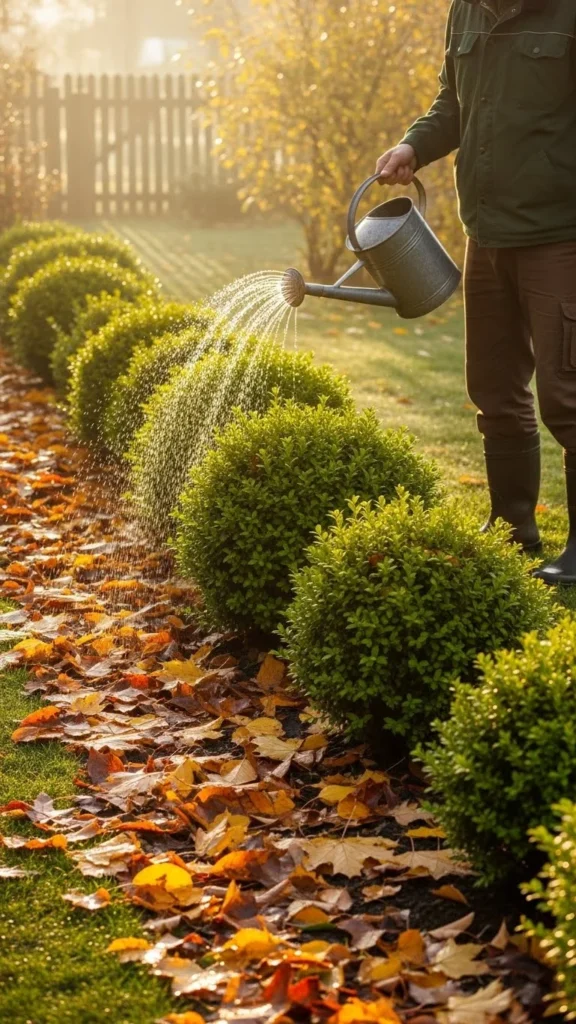
Water Deeply (Yes, Even Before Winter)
Many gardeners stop watering once temperatures drop—but that’s a mistake. Shrubs still need moisture going into winter, especially evergreens.
Water deeply:
- Before the first hard freeze
- During dry fall weeks
- On mild winter days if the ground isn’t frozen
Moist soil holds heat better than dry soil and protects roots from freeze damage.
Mulch for Warmth and Protection
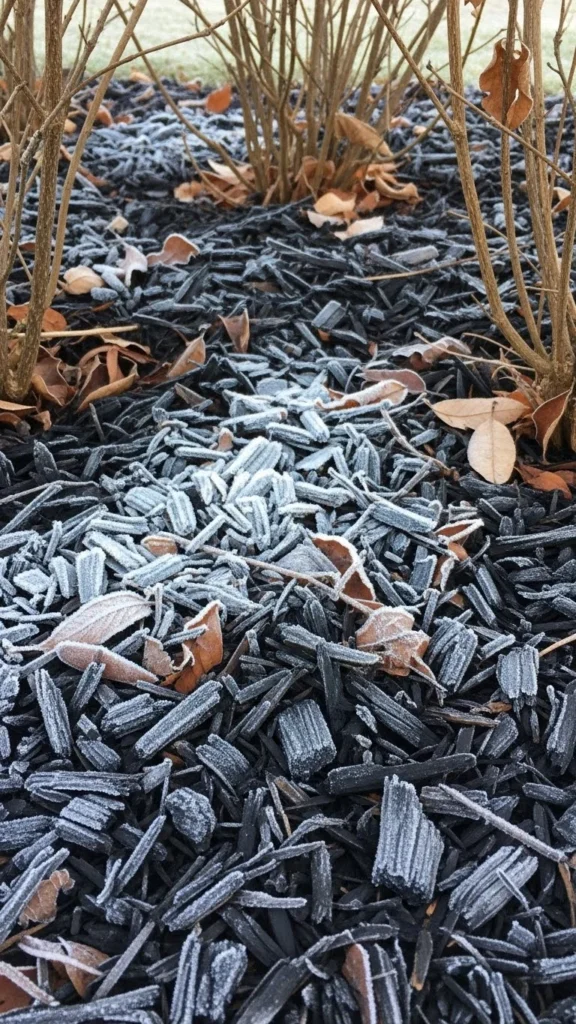
Mulch is your winter insulation layer. It regulates soil temperature and prevents rapid freeze-thaw cycles that stress roots.
Apply mulch:
- 2–4 inches deep
- Around the base, not touching stems
- Using bark, shredded leaves, or pine needles
Mulching also reduces moisture loss and keeps soil conditions stable all season.
Shield Shrubs from Snow and Wind
Heavy snow and icy winds can bend, break, or dry out shrubs—especially young ones.
Simple protection ideas:
- Wrap vulnerable shrubs with breathable burlap
- Tie upright evergreens loosely to prevent branch spread
- Use wind barriers for exposed areas
Avoid plastic coverings, which trap moisture and can cause damage.
Prune at the Right Time
Winter isn’t the time for heavy pruning. Cutting too late in the season can trigger new growth that won’t survive the cold.
Instead:
- Do major pruning in late winter or early spring
- Remove broken or damaged branches only
- Shape shrubs after the risk of severe cold has passed
This keeps shrubs healthy without exposing them to unnecessary stress.
Watch for Winter Stress Signs
Even hardy shrubs can show signs of stress. Catching problems early makes recovery easier.
Look out for:
- Browning needles or leaves
- Cracked bark
- Wilting during mild winter spells
Most winter damage is cosmetic and resolves in spring, but consistent care helps minimize it.
Keep Expectations Realistic
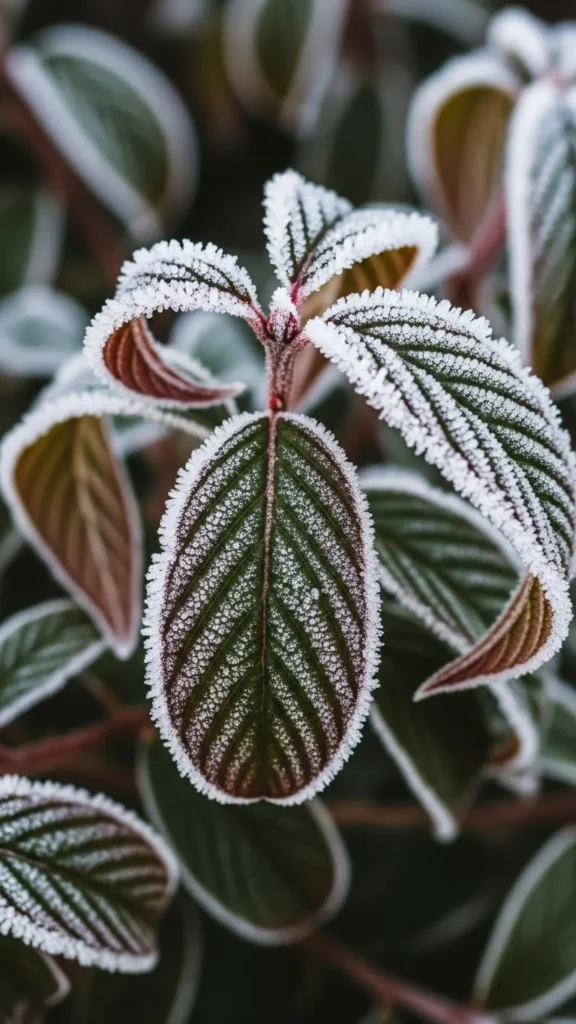
Winter-friendly shrubs won’t look the same as they do in summer—and that’s okay. Their job is to provide structure, greenery, and quiet beauty when everything else rests.
Think of winter shrubs as:
- The backbone of your garden
- A foundation for year-round design
- Low-effort plants with long-term payoff
Final Takeaway
Growing winter-friendly shrubs successfully comes down to smart choices and simple care. Pick hardy plants, prepare the soil, protect roots, and give shrubs what they need before winter arrives.
Your reward? A garden that still feels alive—even on the coldest days.
Save this guide for later and start planning your winter-ready garden today!

Leave a Reply