

Winter doesn’t have to mean bare walls, lifeless fences, or dull garden corners. With the right vine plants and a little planning, your outdoor space can stay textured, green, and full of character—even during the coldest months. Winter-resistant vines are tougher than they look, and once established, they reward you year after year with structure and seasonal interest.
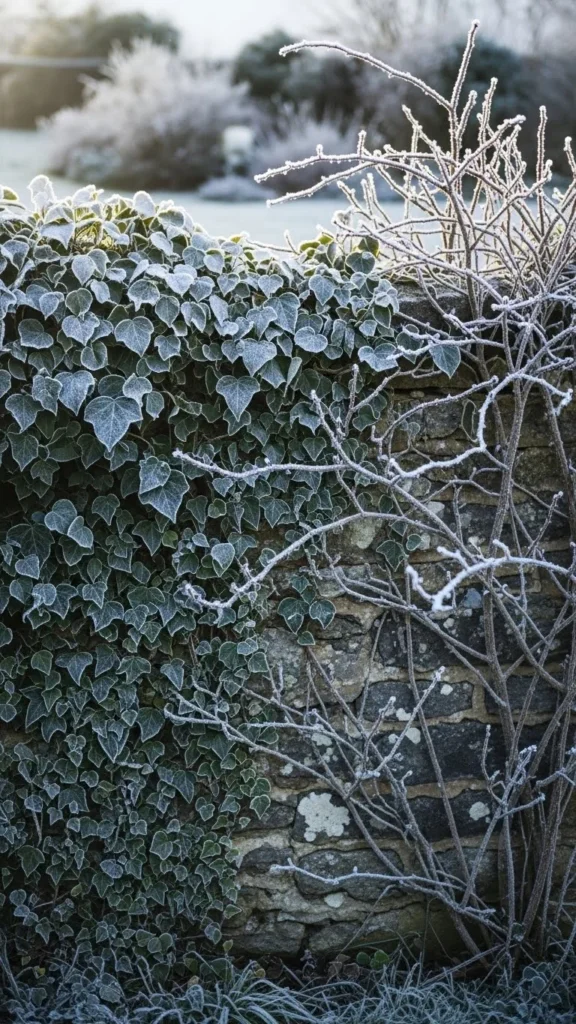
Whether you’re growing vines for privacy, curb appeal, or vertical beauty, this guide will walk you through everything you need to know.
Choose Vines That Can Handle Cold Weather
The secret to winter success starts with smart plant selection. Not all vines are built for freezing temperatures, so choosing hardy varieties makes all the difference.
Look for vines known for cold tolerance, such as:
- Evergreen climbers that keep foliage year-round
- Deciduous vines with strong woody stems
- Native vines adapted to your local climate
When shopping, check plant tags for hardiness zones and winter ratings. If a vine can survive temperatures lower than what your area usually experiences, you’re on the right track.
Tip: Local garden centers often stock vines proven to survive your region’s winters.
Plant in the Right Spot for Winter Protection
Location matters more in winter than in any other season. A well-placed vine is naturally protected from harsh winds and extreme cold.
Ideal winter-friendly locations include:
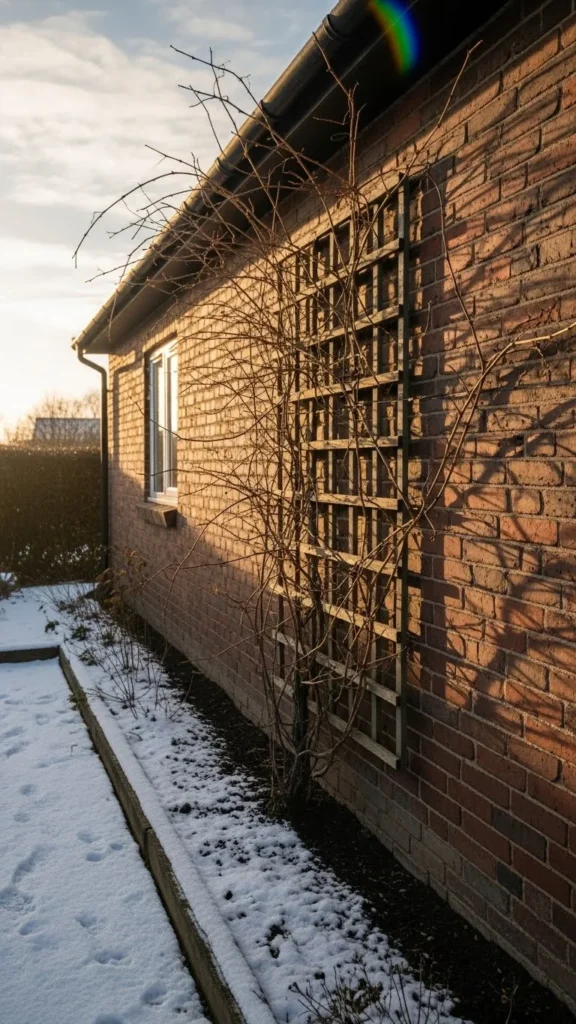
- South- or west-facing walls that absorb warmth
- Fences near buildings for wind protection
- Trellises sheltered from direct winter gusts
Avoid low-lying areas where cold air settles. Even hardy vines can struggle if they’re constantly exposed to icy wind.
Prepare the Soil for Cold Survival
Healthy soil is the foundation of winter-resistant vines. Before winter arrives, focus on improving drainage and root insulation.
Here’s how to prep your soil:
- Loosen compacted soil so roots can breathe
- Mix in compost to improve structure
- Ensure water drains easily to prevent root stress
Roots sitting in soggy soil during freezing weather are more vulnerable than those in well-draining ground. Think of soil prep as winter insurance for your vines.
Support Vines Properly Before Winter Hits
Vines that flop, snap, or rub against hard surfaces are more likely to suffer damage in cold weather. Strong support keeps them secure when frost and wind arrive.
Good winter supports include:
- Sturdy trellises anchored firmly into the ground
- Wire systems attached securely to walls
- Fences that allow air circulation
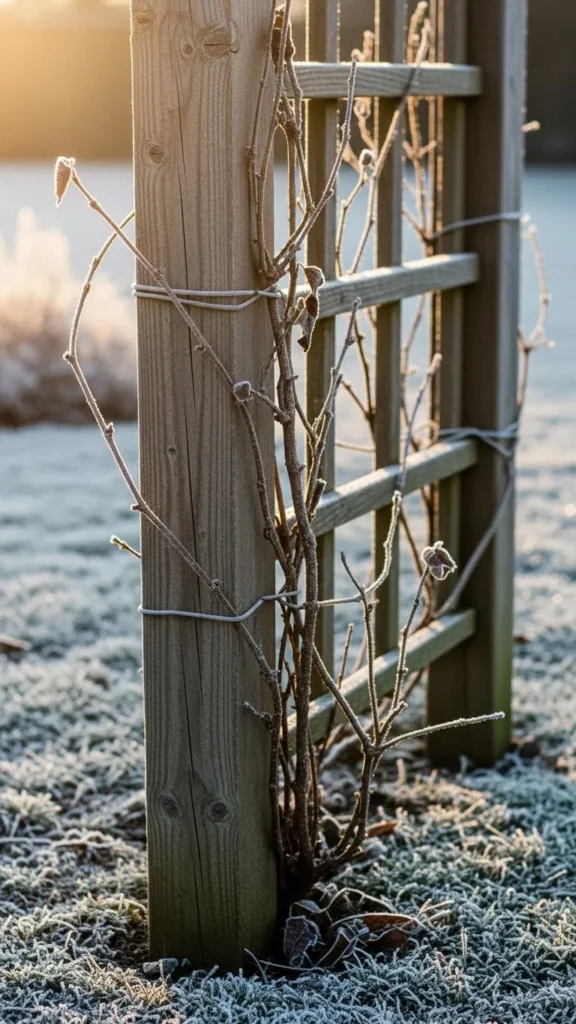
Tie vines loosely using soft garden ties. This prevents stems from breaking while still allowing a bit of movement.
Mulch and Protect the Base of the Plant
One of the simplest ways to help vines survive winter is protecting their roots. Mulch acts like a blanket, keeping soil temperatures stable.
Use:
- Shredded leaves
- Straw
- Bark chips
Apply mulch around the base of the vine, but keep it slightly away from the main stem to avoid moisture buildup. This layer helps prevent freeze-thaw cycles that can stress roots.
Prune With Care—Timing Matters
Pruning helps vines stay healthy, but winter is not always the best time to cut. Over-pruning before cold weather can expose sensitive growth.
Winter pruning tips:
- Remove only dead or damaged growth before winter
- Save major shaping for early spring
- Avoid cutting back tender new stems late in the season
Leaving vines slightly fuller through winter can actually protect inner growth from cold damage.
Water Smartly Before the Freeze
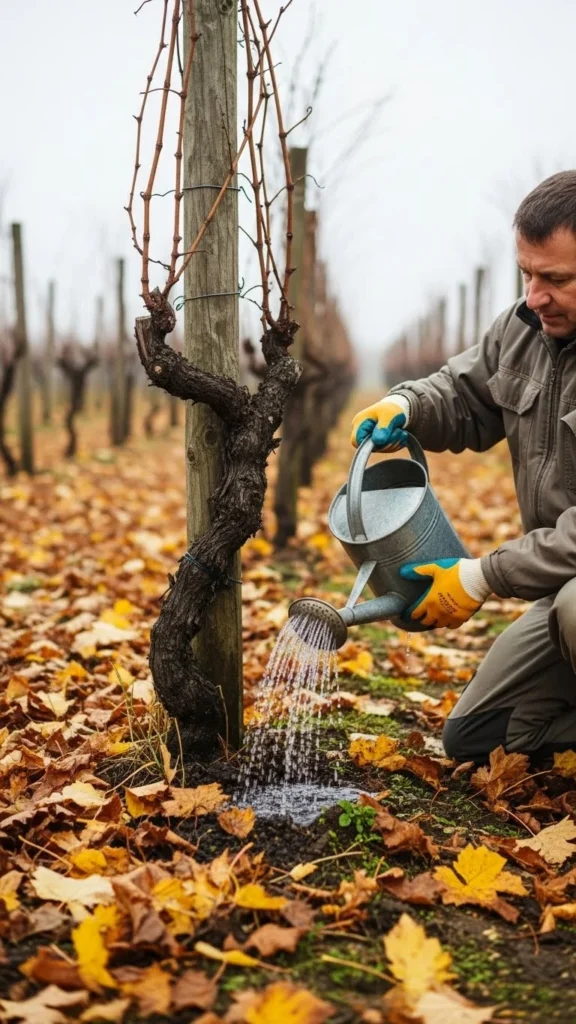
It may sound surprising, but vines still need water before winter sets in. Well-hydrated plants handle cold stress better than dry ones.
Before the ground freezes:
- Water deeply during dry autumn weeks
- Reduce watering once temperatures drop consistently
- Avoid waterlogged soil
Moist—not soaked—soil helps roots stay healthy through winter dormancy.
Be Patient—Winter Growth Is Subtle
Winter-resistant vines aren’t always flashy during cold months. Some slow their growth, others drop leaves, and a few simply hold their shape until spring.
That’s normal.
Focus on:
- Strong stems
- Secure supports
- Healthy roots
When warmer days return, you’ll see just how resilient your vines truly are.
Final Takeaway
Growing winter-resistant vine plants is all about preparation, placement, and patience. Choose hardy varieties, protect their roots, support them well, and let nature do the rest. Even in winter, your garden can feel alive, layered, and intentional.
Save this guide for later and start planning your winter-ready vines today

Leave a Reply