

Winter gardening might sound intimidating, but root vegetables are tougher than they look. With the right approach, you can harvest fresh, sweet roots even when the soil feels icy to the touch. Cold temperatures actually improve flavor in many roots, turning winter into a secret advantage rather than a limitation.
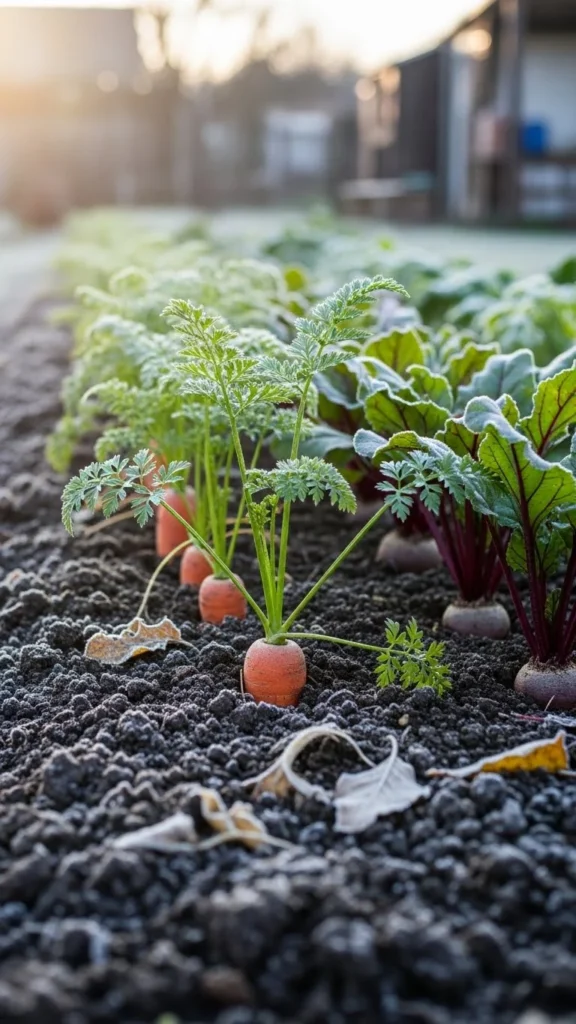
Why Root Vegetables Thrive in Cold Soil
Root vegetables grow below the surface, which protects them from harsh air temperatures. The soil acts like insulation, keeping roots more stable than leafy crops.
Cold conditions also trigger roots to convert starches into sugars. That’s why winter-grown carrots and parsnips often taste sweeter.
Popular cold-tolerant root vegetables include:
- Carrots
- Beets
- Turnips
- Parsnips
- Radishes
If your ground isn’t frozen solid, you still have growing potential.
Prepare Cold Soil the Smart Way
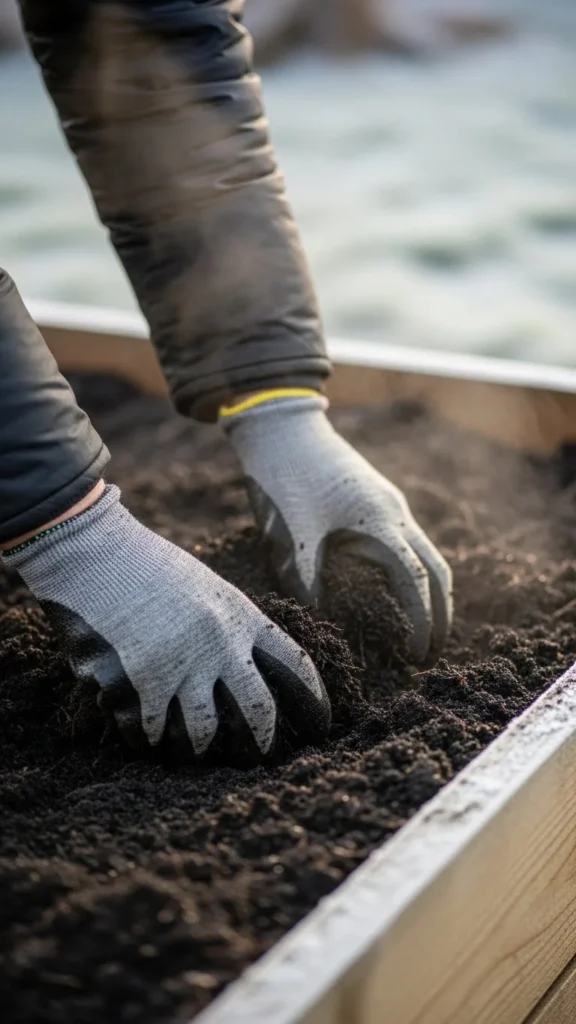
Healthy soil matters more in winter than any other season. Cold soil can become compacted and slow to drain, which roots hate.
Before planting:
- Loosen soil at least 10–12 inches deep
- Remove rocks that can cause misshapen roots
- Mix in compost for warmth and nutrients
Raised beds are especially helpful. They drain better and warm up faster than ground-level soil.
Choose the Right Timing
Timing is everything with winter root vegetables. Most are planted in late summer or early fall, giving them time to establish before deep cold sets in.
General timing tips:
- Plant carrots and beets 8–10 weeks before first hard frost
- Plant radishes later since they grow fast
- Check seed packets for “cold hardy” notes
In milder climates, you can sow directly into winter soil as long as it’s workable.
Planting Techniques That Actually Work
Planting depth and spacing matter more when growth is slow.
Follow these simple rules:
- Sow seeds slightly shallower than summer planting
- Keep soil evenly moist, not soggy
- Thin seedlings early to avoid competition
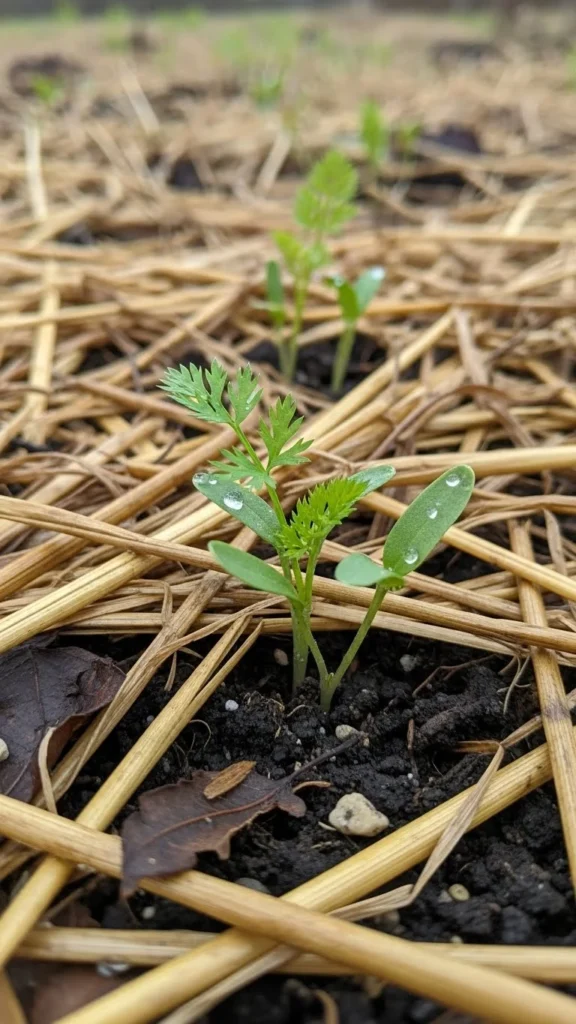
Cover newly planted beds with a light layer of straw or shredded leaves. This keeps soil temperature stable and prevents surface crusting.
Protect Crops With Simple Winter Covers
You don’t need fancy equipment to grow in cold soil. Basic protection goes a long way.
Effective options include:
- Row covers or garden fabric
- Low tunnels made from hoops and plastic
- Thick mulch layers
These covers trap ground warmth and shield plants from harsh winds. They also prevent repeated freezing and thawing, which can damage roots.
Watering and Feeding in Cold Weather
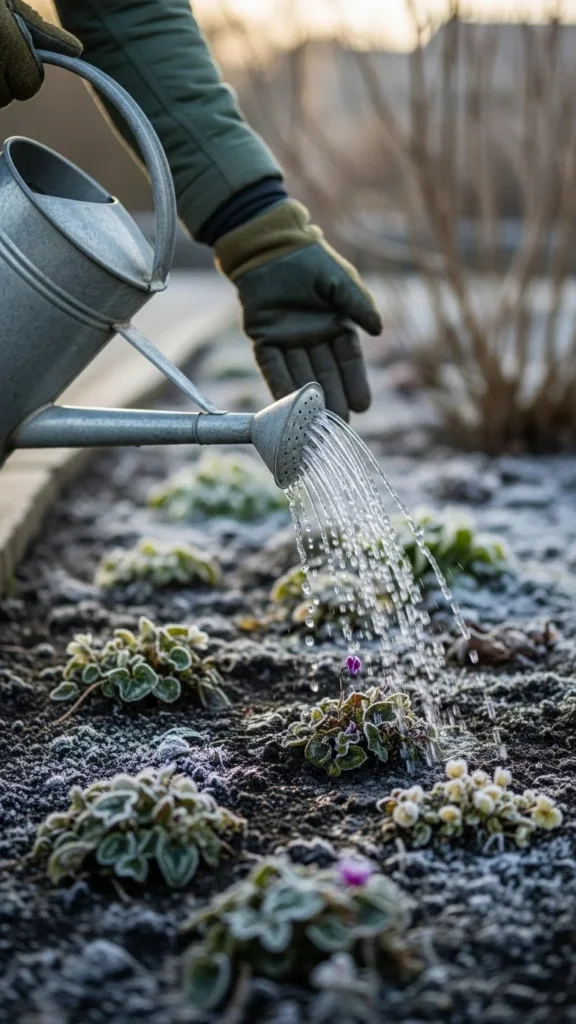
Winter roots need less water, but they still need consistency. Dry soil combined with cold can stress plants quickly.
Water tips:
- Water earlier in the day
- Avoid watering frozen soil
- Check moisture under mulch
Skip heavy feeding. Compost added at planting usually provides enough nutrients for slow winter growth.
Harvesting Without Damaging Roots
One of the biggest perks of winter root vegetables is flexible harvesting. You don’t have to pull everything at once.
Harvest tips:
- Pull roots on milder days
- Loosen soil gently with a fork
- Leave some roots in the ground as natural storage
Cold soil keeps roots fresh longer than indoor storage in many cases.
Common Mistakes to Avoid
Even hardy roots can struggle if conditions are off.
Watch out for:
- Overwatering cold soil
- Skipping mulch
- Planting too late in severe climates
If growth seems slow, that’s normal. Winter vegetables grow at nature’s pace.
Final Takeaway
Growing winter root vegetables in cold soil is simpler than it sounds. With good soil prep, smart timing, and basic protection, you can enjoy sweet, homegrown roots long after most gardens shut down.
Save this guide for later and turn winter into one of your most rewarding growing seasons.

Leave a Reply