

Winter might feel like the end of the gardening season, but for your soil, it’s actually the beginning of something important. What you do now directly affects how healthy, productive, and easy your garden will be in spring. A little prep before the cold sets in can mean fewer weeds, richer soil, and stronger plants when warm weather returns.
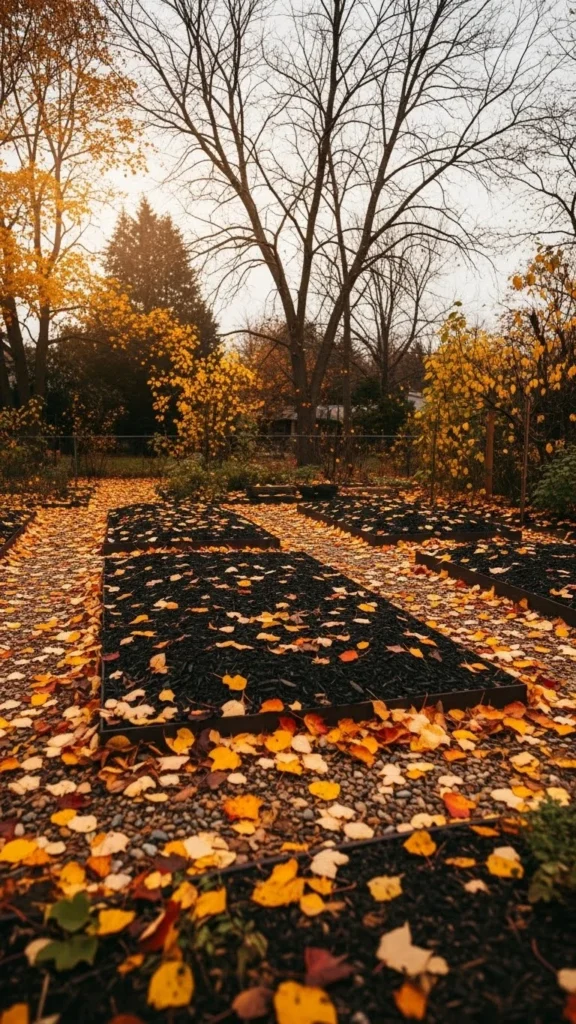
Think of winter soil prep as tucking your garden into bed. Let’s walk through simple, practical steps that protect your soil and set it up to thrive.
Clear Out Spent Plants the Right Way
Before the ground freezes, take time to clean up old plant material. This helps prevent pests and plant diseases from overwintering in your soil.
Focus on:
- Removing dead annual plants and vegetables
- Pulling weeds before they drop seeds
- Cutting back plants that showed signs of disease
Healthy plant debris can be composted. Diseased plants are better discarded to avoid spreading problems later.
[Image Prompt] A gardener pulling out dried vegetable plants and weeds from a garden bed in autumn, wearing gloves, with soil visible and a compost bin nearby.
Quick tip: Leave roots from healthy plants in the ground. As they break down, they add organic matter and help improve soil structure.
Loosen and Aerate the Soil Gently
Compacted soil makes it hard for roots, water, and air to move freely. Fall is a great time to loosen things up without overworking the ground.
Use:
- A garden fork to gently lift and loosen soil
- Minimal turning to avoid disturbing helpful organisms
Avoid aggressive tilling. You want to improve airflow while keeping soil life intact.
Benefits of light aeration:
- Better drainage over winter
- Easier planting in spring
- Healthier root growth
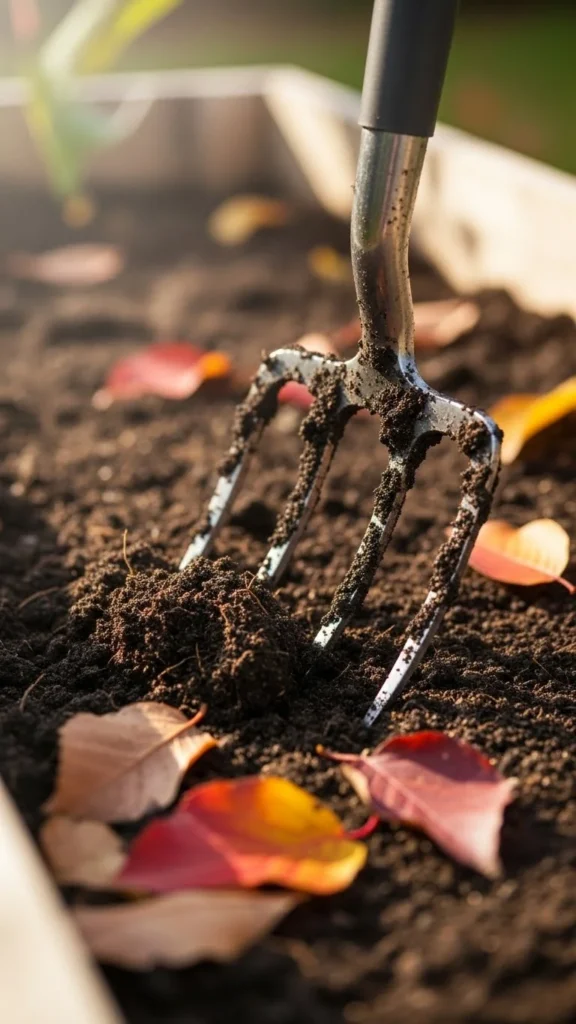
If your soil is wet, wait until it dries slightly. Working soggy soil can make compaction worse.
Add Organic Matter for Winter Feeding
Winter rain, snow, and freeze-thaw cycles naturally pull nutrients down into the soil. Adding organic matter now means those nutrients will be ready when plants wake up.
Good options include:
- Finished compost
- Leaf mold
- Well-rotted manure alternatives
- Shredded leaves
Spread a 2–4 inch layer across your beds. You don’t need to dig it in deeply—nature will do the work.
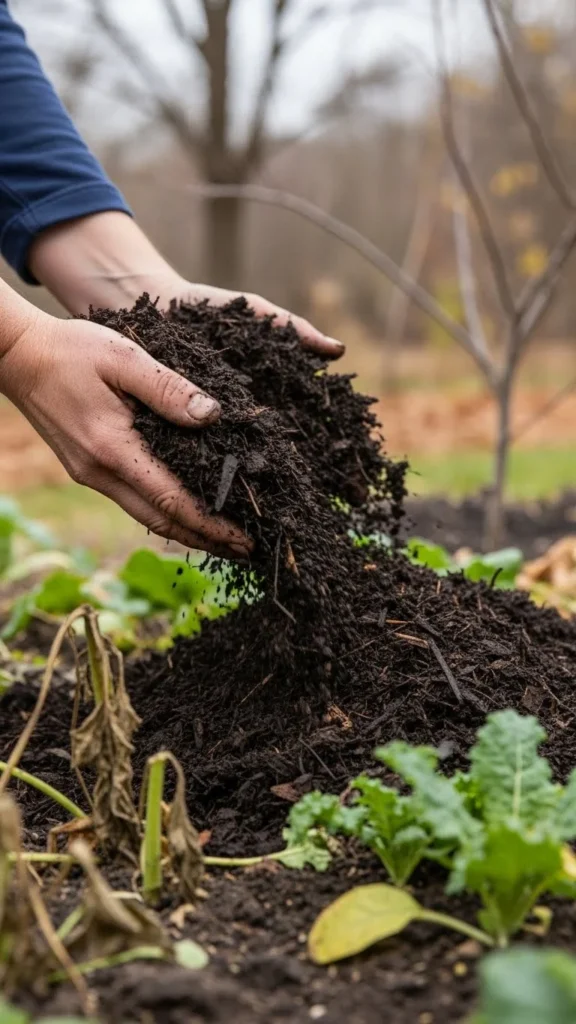
This step improves:
- Soil texture
- Nutrient availability
- Microbial activity
Test and Balance Your Soil
Fall is an ideal time to check your soil’s condition. A simple soil test helps you understand what your garden really needs.
Look for:
- pH balance
- Nutrient levels
- Organic matter content
If adjustments are needed, fall amendments have months to settle in before planting season.
Common adjustments:
- Lime to raise pH
- Sulfur to lower pH
- Natural mineral supplements for deficiencies
Small changes now can prevent big problems later.
Mulch to Protect and Insulate
Mulch acts like a winter blanket for your soil. It regulates temperature, prevents erosion, and protects beneficial organisms.
Great mulching materials:
- Straw
- Shredded leaves
- Pine needles
- Wood chips (for pathways and perennial beds)
Apply mulch after the soil cools but before deep freezes arrive.
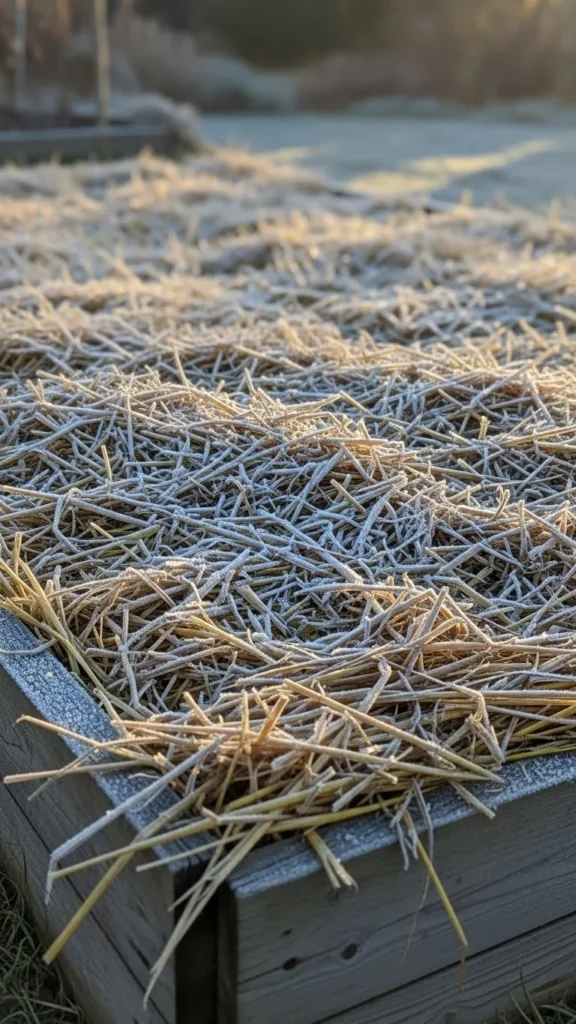
Why mulch matters:
- Reduces soil erosion
- Keeps moisture levels steady
- Prevents weed growth in early spring
Plant Cover Crops if You Can
Cover crops are a powerful way to protect and improve soil during winter, especially in vegetable gardens.
Popular choices:
- Winter rye
- Clover
- Field peas
- Oats (in mild climates)
These plants:
- Prevent soil erosion
- Add organic matter
- Improve soil structure
In spring, they’re cut down and left to decompose, feeding the soil naturally.
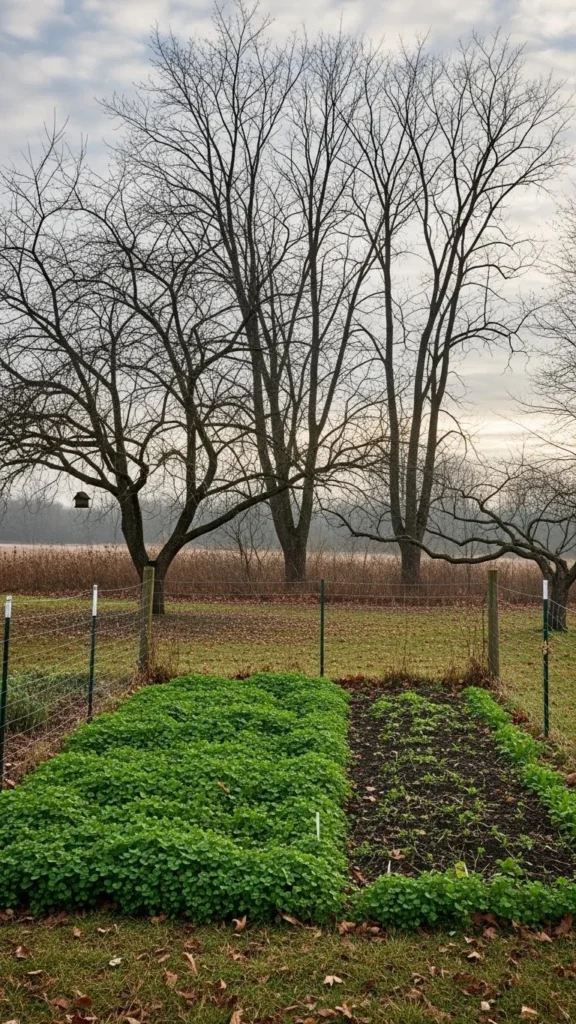
Even small beds benefit from this extra layer of protection.
Don’t Forget About Soil Moisture
Dry soil is more vulnerable to winter damage. Before the ground freezes, give your beds a deep watering if rainfall has been light.
Moist soil:
- Holds heat better than dry soil
- Protects plant roots
- Supports soil organisms through winter
Avoid waterlogging. The goal is evenly moist, not soaked.
Final Thoughts: Set It and Forget It
Preparing your soil for winter doesn’t have to be complicated or time-consuming. A few thoughtful steps now can save you hours of work later and lead to stronger, healthier plants.
Healthy winter soil means:
- Faster spring planting
- Fewer weeds
- Better harvests
If you want an easier gardening season with bigger results, start from the ground up.
Save this guide for later and give your soil the winter care it deserves!

Leave a Reply