

Winter can feel like a long, cold pause for your garden—but underground, your bulbs are quietly waiting for spring. The right protection now can mean the difference between weak growth and a stunning burst of color when the weather warms. Whether you’re dealing with harsh freezes or unpredictable temperature swings, protecting bulbs during winter doesn’t have to be complicated.
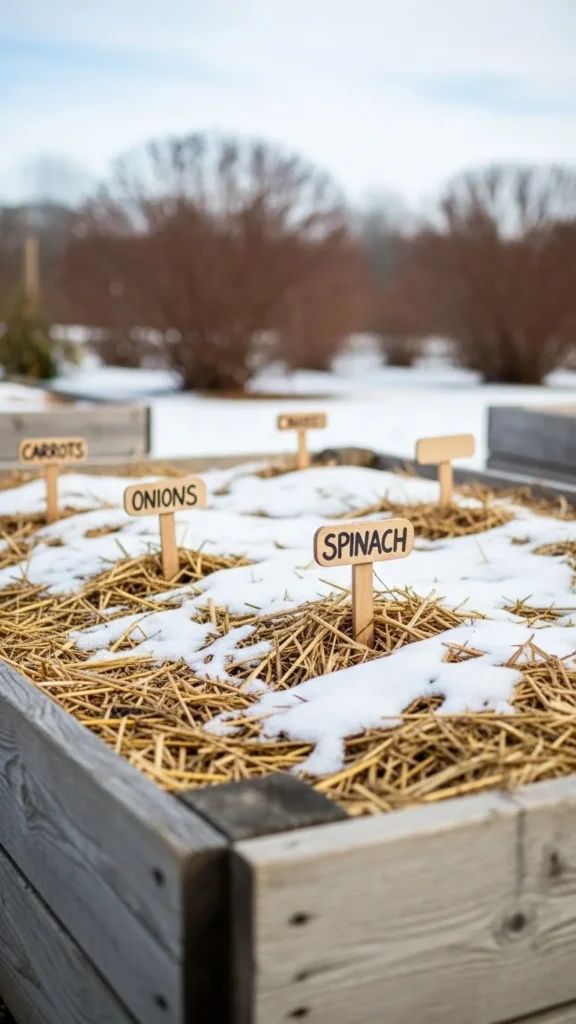
Let’s break it down step by step so your bulbs stay safe, snug, and ready to shine.
Why Bulbs Need Winter Protection
Bulbs are tough, but winter brings challenges they don’t always love. Deep freezes, repeated thawing and refreezing, excess moisture, and hungry critters can all cause damage.
Winter protection helps by:
- Insulating bulbs from extreme cold
- Preventing soil from heaving and exposing bulbs
- Reducing rot caused by soggy soil
- Deterring animals from digging
Think of it as tucking your bulbs in for a long nap.
Know Which Bulbs Need Extra Care
Not all bulbs need the same level of protection. Some are naturally cold-hardy, while others need help to survive winter.
Generally hardy bulbs:
- Tulips
- Daffodils
- Crocus
- Snowdrops
Bulbs that need more protection:
- Dahlias
- Gladiolus
- Cannas
- Caladiums
If you’re unsure, a quick check of your bulb’s cold-hardiness zone can guide your approach.
Mulch: Your Best Winter Defense
Mulching is the simplest and most effective way to protect bulbs outdoors.
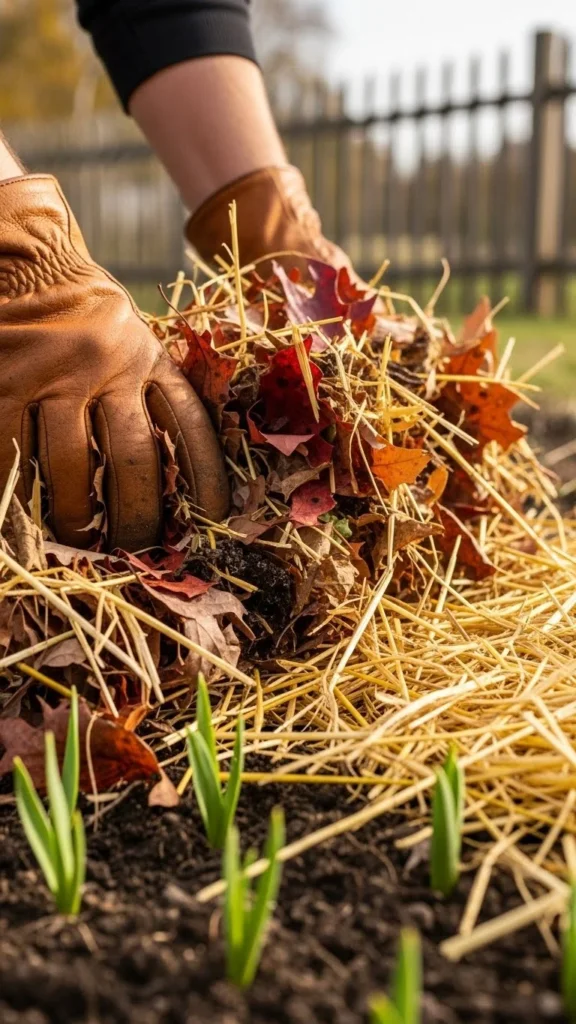
How to mulch bulbs properly:
- Wait until the ground has cooled but before deep freezing
- Apply 2–4 inches of mulch for mild winters
- Use 4–6 inches in colder climates
Best mulch materials:
- Straw
- Shredded leaves
- Pine needles
- Bark chips
Avoid compacted mulch—it should feel fluffy to trap insulating air.
Protect Bulbs in Containers
Potted bulbs are more vulnerable because their roots are exposed to cold air from all sides.
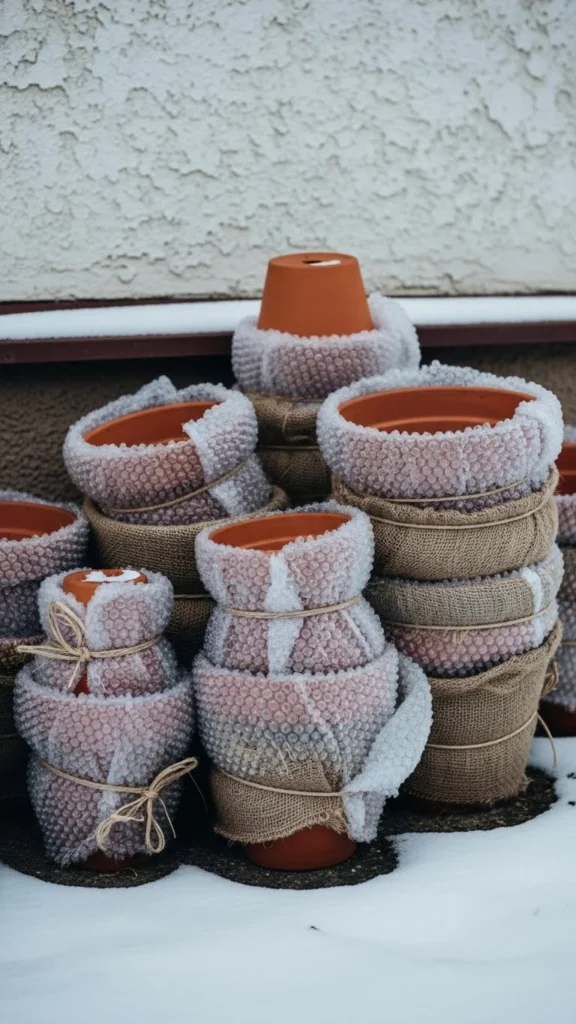
Easy ways to protect container bulbs:
- Move pots against a house wall or into a garage
- Wrap containers with burlap or insulating fabric
- Group pots together to reduce heat loss
If possible, place containers where temperatures stay just above freezing.
Lift and Store Tender Bulbs Safely
Some bulbs simply can’t handle winter outdoors and need to be lifted.
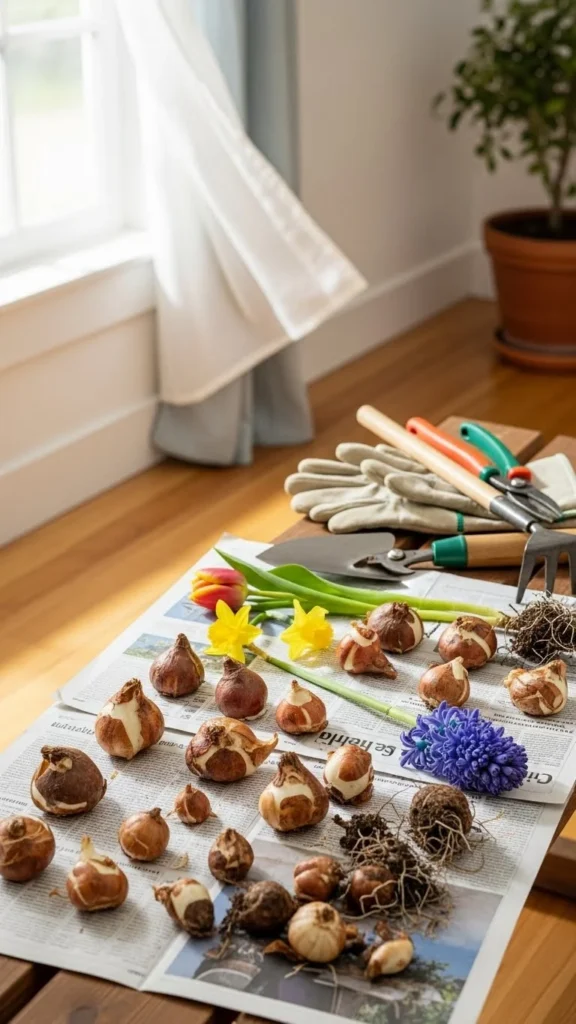
Step-by-step storage:
- Dig bulbs after foliage dies back
- Gently shake off excess soil
- Allow bulbs to dry for a few days
- Store in breathable containers (paper bags or crates)
- Keep in a cool, dry, dark place
Avoid sealing bulbs in plastic—they need airflow to stay healthy.
Prevent Winter Rot and Moisture Damage
Cold plus moisture is one of the biggest threats to bulbs.
Tips to keep bulbs dry:
- Plant bulbs in well-draining soil
- Avoid watering once the ground starts to freeze
- Use raised beds if your soil stays wet
If your area gets heavy winter rain or snowmelt, proper drainage is just as important as insulation.
Protect Bulbs from Animals
Winter is prime digging season for squirrels, mice, and other curious critters.
Simple deterrents:
- Lay chicken wire over planting beds
- Use gravel or crushed stone on top of soil
- Add mulch after the ground freezes
These small steps can save you from springtime surprises.
Don’t Remove Mulch Too Early
It’s tempting to clear everything at the first sign of warmth, but patience pays off.
- Remove mulch gradually in early spring
- Watch weather forecasts for late freezes
- Leave some coverage until temperatures stabilize
This prevents tender new growth from being damaged by surprise cold snaps.
A Little Effort Now = Big Rewards Later
Protecting bulbs during winter is one of those quiet garden tasks that pays off in the most beautiful way. A few layers of mulch, smart storage, and mindful timing can turn bare winter beds into a spring showstopper.
If you’ve planted bulbs this season, now’s the time to give them the care they deserve. Save this guide for later and come back to it each winter—your future garden will thank you

Leave a Reply