

Winter can be brutal on outdoor containers. One hard freeze, a soggy soil mix, or the wrong pot material—and suddenly your favorite planters are cracked, roots are damaged, and spring feels very far away. The good news? With a little prep, you can keep your outdoor pots looking great and your plants healthy through the cold months.
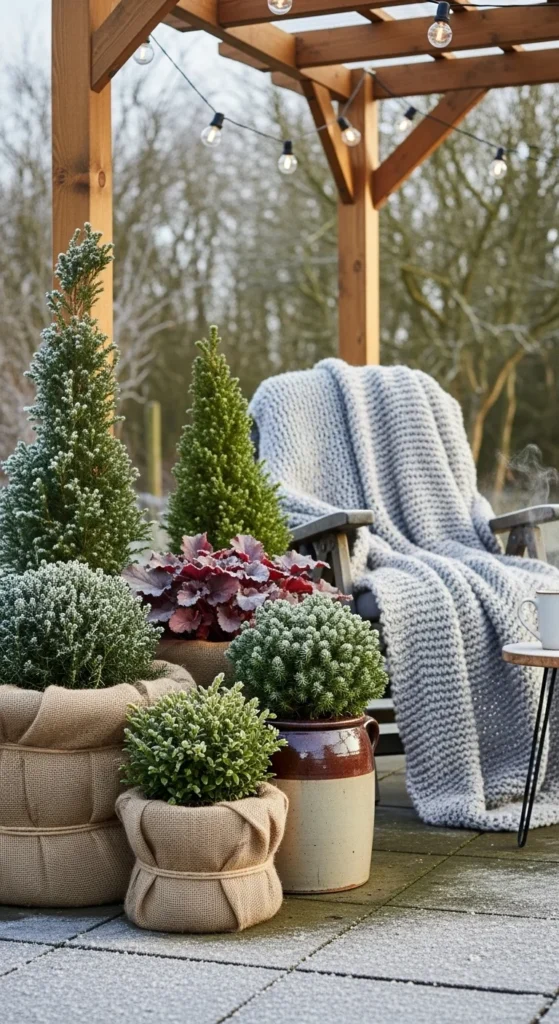
This guide walks you through simple, proven ways to protect outdoor pots in winter, whether you’re dealing with mild chills or deep freezes.
Understand What Actually Damages Outdoor Pots
Before jumping into fixes, it helps to know what causes winter damage in the first place.
The biggest issues are:
- Freeze-thaw cycles that crack pots
- Waterlogged soil that freezes and expands
- Exposed roots with no ground insulation
- Cold winds that dry plants out
Pots are more vulnerable than in-ground plants because roots are fully exposed to cold air. Once you understand that, the solutions make a lot more sense.
Choose the Right Pots for Cold Weather
Not all containers are winter-friendly. Some materials handle freezing temperatures better than others.
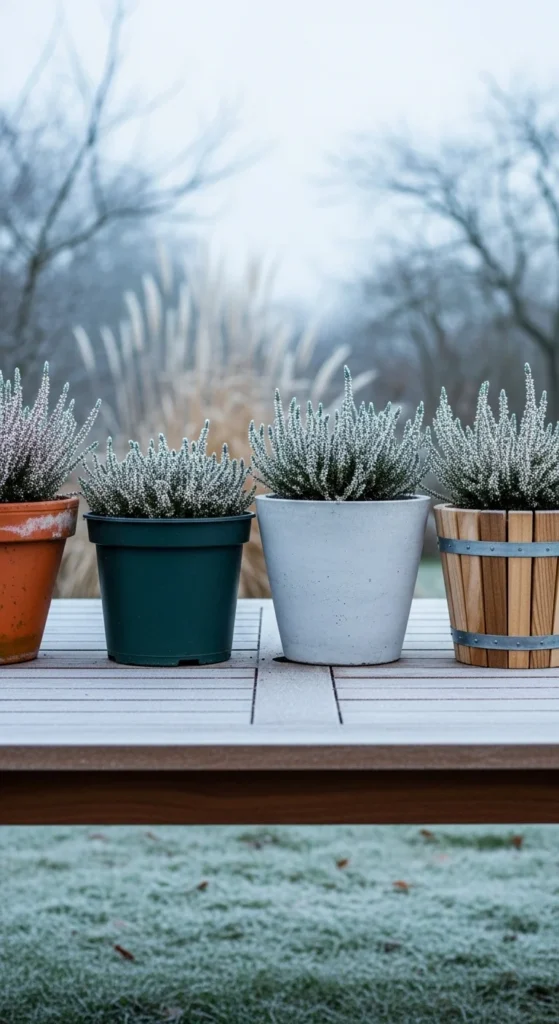
Best pot materials for winter:
- Plastic or resin – flexible and less likely to crack
- Wood – naturally insulating
- Concrete (thick-walled) – durable if well-drained
Pots to avoid in freezing climates:
- Thin terracotta
- Decorative ceramic without frost rating
- Glazed pots with hairline cracks
If you love fragile pots, consider using them as decorative outer shells with a removable inner pot for winter.
Elevate Pots to Prevent Ice Damage
One easy step that’s often skipped: getting pots off cold, wet ground.
When pots sit directly on soil, concrete, or stone, moisture freezes underneath and worsens cracking.
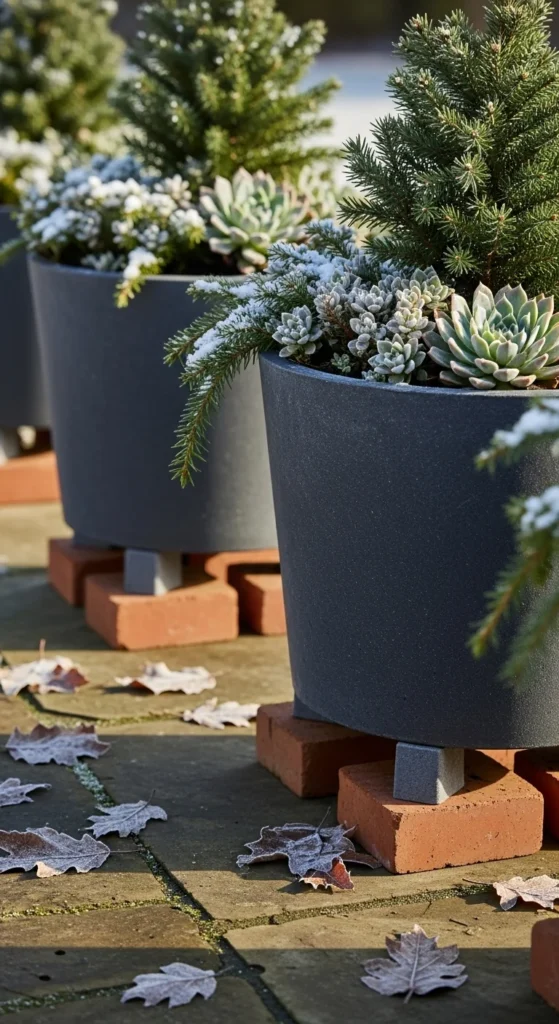
Simple ways to elevate pots:
- Pot feet
- Bricks or wood blocks
- Plant caddies with drainage holes
This allows water to drain freely and reduces freeze pressure at the base.
Insulate Pots Like You Would a Home
Think of insulation as a winter coat for your containers.
Wrapping pots helps stabilize soil temperature and protects roots from sharp cold snaps.
Easy insulation options:
- Burlap
- Old blankets or towels
- Bubble wrap (covered with fabric for looks)
- Straw packed around pots
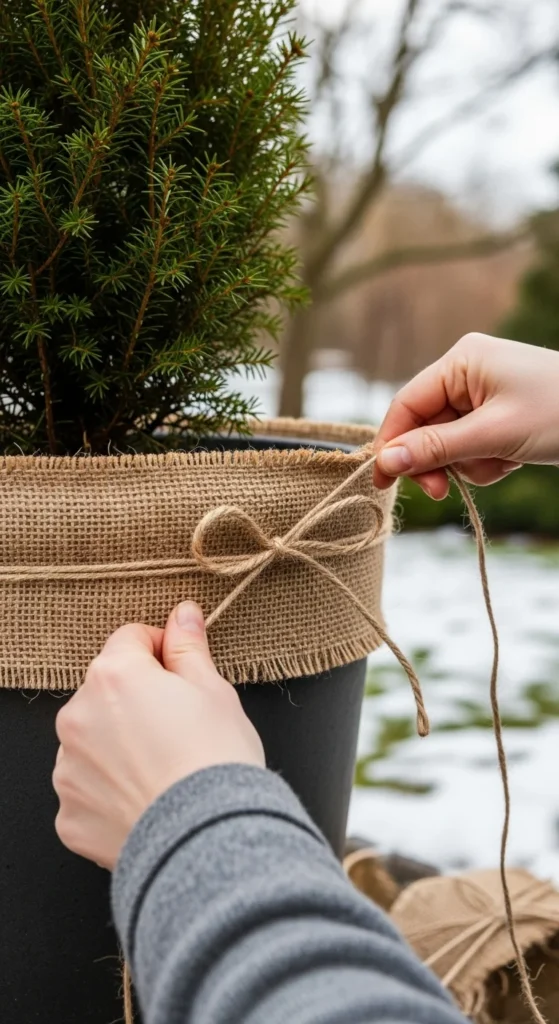
Secure wraps with twine or garden tape. Leave the top of the soil exposed so the plant can still breathe.
Protect Roots With Mulch and Soil Care
Roots are the most vulnerable part of any potted plant.
Add a thick layer of mulch on top of the soil:
- Shredded bark
- Pine needles
- Straw
- Dried leaves
This acts as insulation and slows temperature swings.
Pro tip:
Avoid watering right before a deep freeze. Wet soil freezes faster and expands more, which stresses roots.
Move Pots to Safer Winter Locations
Sometimes the smartest move is relocation.
If possible, shift pots to:
- Against a south-facing wall
- Under a covered porch
- Near the house foundation
- Inside an unheated garage or shed
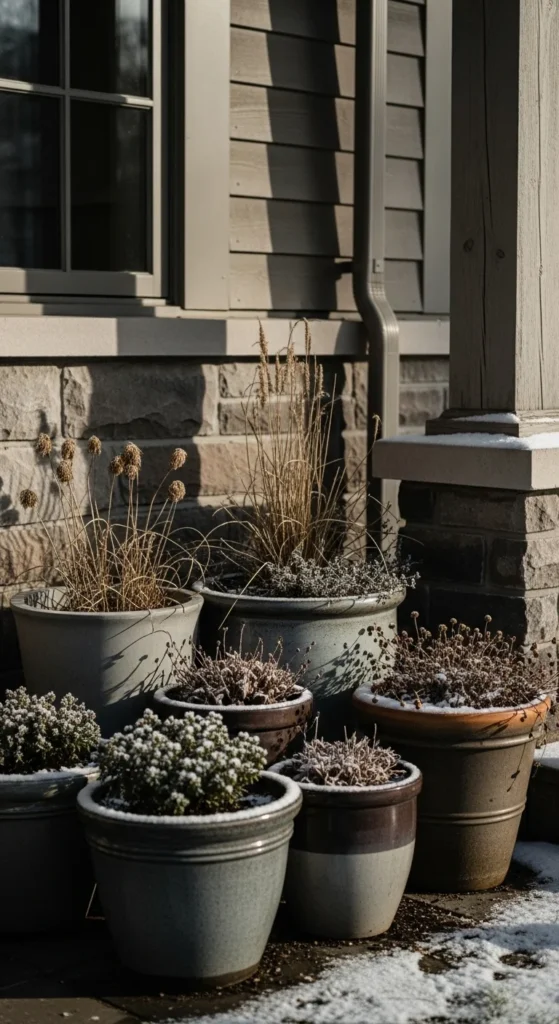
Grouping pots together also helps them retain warmth by reducing exposure.
Know Which Plants Can Stay Outside
Not all plants should overwinter outdoors—even with protection.
Plants that usually do fine outside:
- Evergreens
- Hardy shrubs
- Ornamental grasses
- Perennials rated two zones colder than your climate
Plants that often need indoor shelter:
- Tropical plants
- Thin-rooted annuals
- Succulents (unless cold-hardy)
When in doubt, check the plant’s hardiness rating and err on the side of caution.
Watch for Winter Watering Mistakes
Winter watering is tricky. Too much water causes root rot. Too little leads to dehydration.
Stick to this rule:
- Water only when soil is dry
- Choose warmer days
- Avoid watering when freezing temperatures are expected within 24 hours
Snow can actually help by providing slow-release moisture and insulation.
Final Thoughts: A Little Prep Saves a Lot of Pots
Protecting outdoor pots in winter doesn’t have to be complicated or expensive. Small steps—like elevating containers, insulating roots, and choosing the right location—make a huge difference.
If you invest a little time now, you’ll be rewarded with:
- Fewer cracked pots
- Healthier plants in spring
- Less money spent replacing containers
Save this guide for later, and give your outdoor pots the winter care they deserve. Your spring garden will thank you

Leave a Reply