

Snow can look magical in the garden—but it can quietly cause broken stems, flattened shrubs, and stressed roots if you’re not prepared. The good news? You don’t need fancy tools or expensive gear to keep your plants safe. With a few smart steps, you can protect your garden from snow without harming delicate growth or smothering plants that still need air and light.
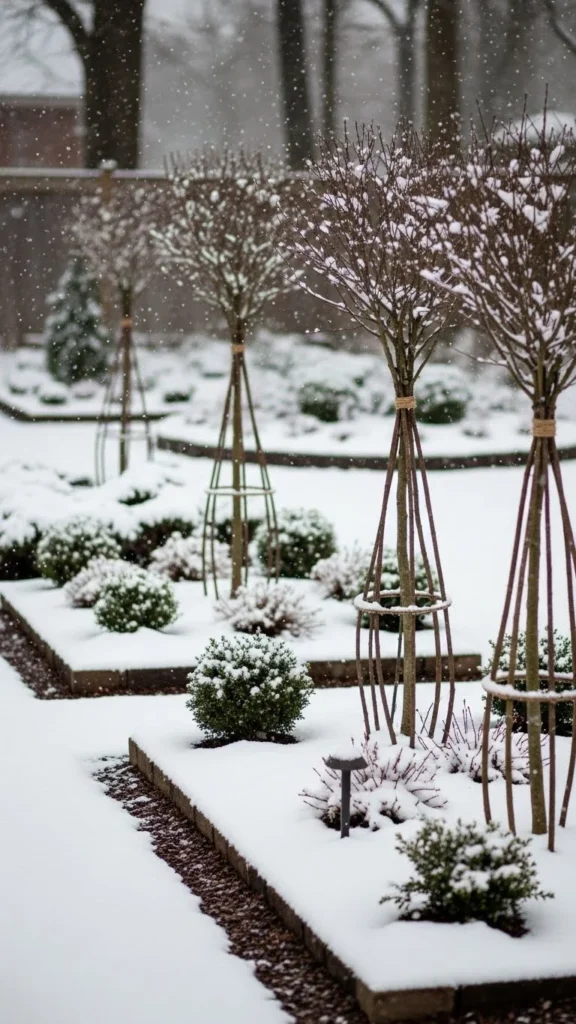
Understand How Snow Affects Plants
Not all snow is bad. Light, fluffy snow can actually act as insulation, protecting roots from sudden temperature drops. The real trouble starts with:
- Heavy, wet snow that weighs branches down
- Repeated freeze-and-thaw cycles
- Snow piling up unevenly on shrubs and small trees
Before you rush outside, pause and observe. Knowing what kind of snow you’re dealing with helps you choose the right protection method instead of causing extra stress.
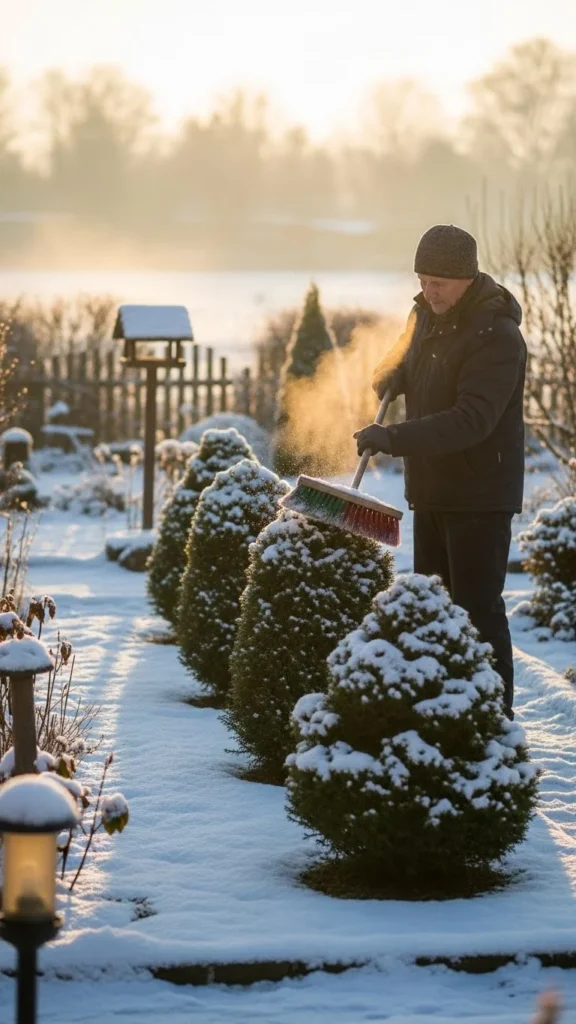
Shake Off Snow the Right Way
When snow builds up on plants, quick action helps—but technique matters.
- Use a broom or gloved hands
- Gently lift branches upward rather than pushing down
- Start from the bottom and work your way up
Never shake frozen branches aggressively. Brittle stems snap easily in cold weather.
Support Plants Before Snow Arrives
Prevention is easier than repair. Before heavy snow is in the forecast, add support.
Helpful options include:
- Garden stakes for tall flowers
- Tomato cages around bushy plants
- Soft twine to loosely tie branches together
This keeps plants upright and prevents snow from forcing branches outward and snapping them.
Use Mulch as a Winter Shield
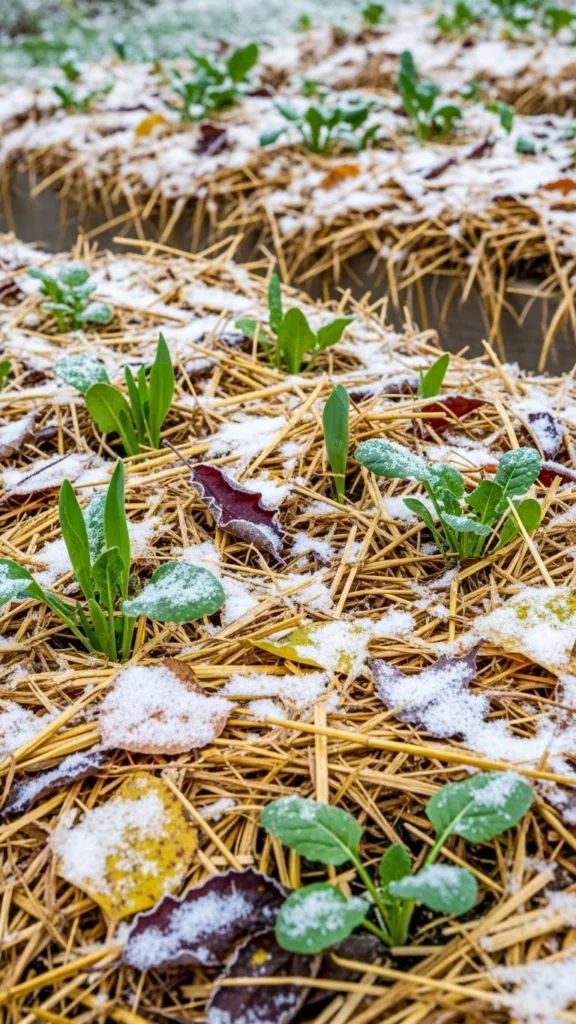
Mulch isn’t just for summer. In winter, it protects roots and stabilizes soil temperature.
- Apply 2–4 inches around the base
- Keep mulch a few inches away from stems
- Use straw, shredded leaves, or bark
Mulch also prevents soil from heaving during freeze cycles, which can expose roots.
Cover Plants Carefully (Not Tightly)
Covers are useful—but only when used correctly.
Best materials:
- Frost cloth or breathable garden fabric
- Old cotton sheets
- Burlap
Avoid plastic touching plants directly. Plastic traps moisture and can freeze against leaves.
How to cover safely:
- Drape fabric loosely
- Anchor edges with rocks or soil
- Remove covers during sunny days when possible
This allows airflow and prevents overheating.
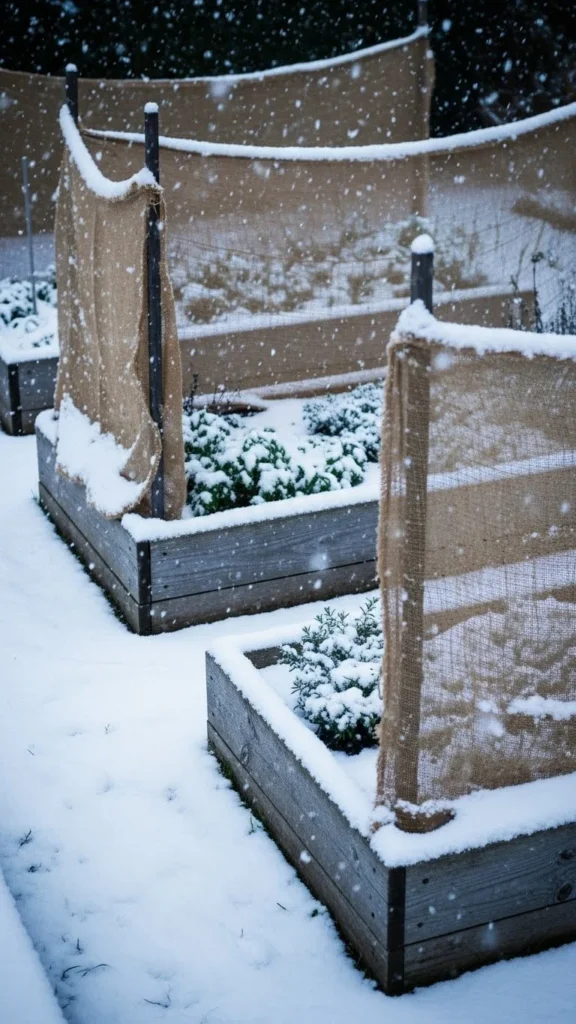
Create Simple Snow Barriers
Sometimes the problem isn’t falling snow—it’s drifting snow.
- Use garden fencing or burlap screens
- Place barriers on the windward side
- Protect delicate plants from plowed snow piles
This works especially well for raised beds and border plants near walkways.
Don’t Forget Container Plants
Potted plants are more exposed than those in the ground.
- Group containers together
- Move them close to walls or fences
- Elevate pots slightly to improve drainage
If possible, wrap pots with fabric or bubble wrap (around the container, not the plant) to protect roots from freezing solid.
Leave Some Snow Alone
It might feel wrong—but sometimes doing nothing is best.
- Snow insulates perennials
- Groundcovers benefit from a light snow layer
- Removing all snow can expose plants to colder air
Only intervene when snow is heavy, icy, or threatening to bend plants beyond recovery.
Check Plants After the Storm
Once the snow melts, take a quick walk through your garden.
- Remove broken branches cleanly
- Straighten leaning plants
- Replace mulch if it shifted
Early cleanup helps plants recover faster and prevents long-term damage.
Final Takeaway
Protecting plants from snow doesn’t mean fighting winter—it means working with it. Gentle support, smart coverings, and a little patience go a long way. With these simple steps, your plants can rest safely through snowy days and bounce back strong when warmer weather returns.
Save this guide for the next snow forecast and keep your garden looking happy all winter long!

Leave a Reply