

Winter doesn’t have to mean a dull, lifeless garden—especially if you have shady spaces that feel forgotten once the cold sets in. A winter shade garden can be calm, layered, and surprisingly beautiful, even when sunlight is limited. With the right plants, smart prep, and a few design tricks, those quiet corners can turn into your favorite part of the yard.
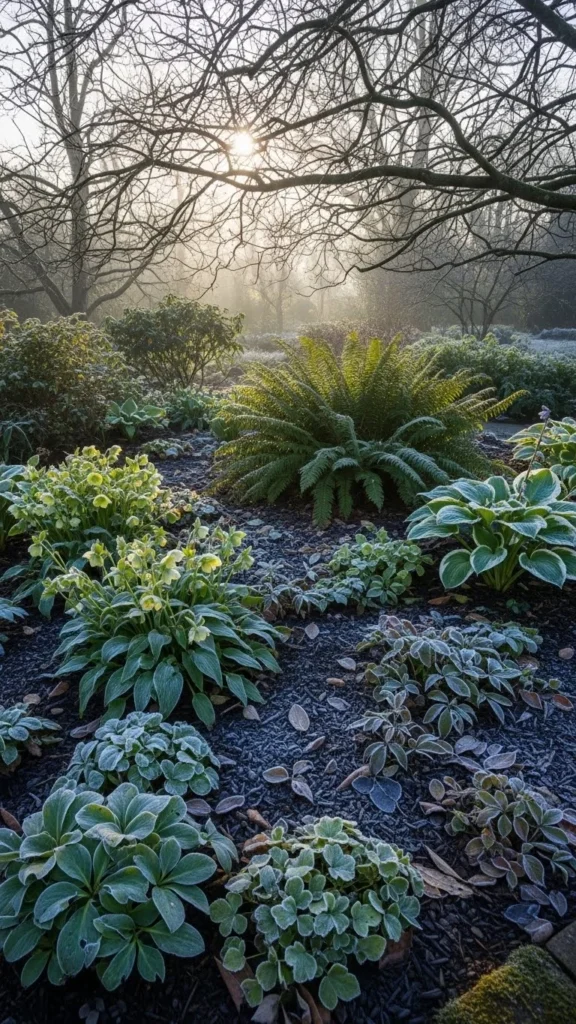
Below is a simple, step-by-step guide to help you start a winter shade garden that actually thrives.
Understand Your Winter Shade Conditions
Before planting anything, take time to observe your space. Winter shade is different from summer shade, and knowing the difference matters.
Ask yourself:
- Is the area shaded by buildings, fences, or evergreen trees?
- Does it get brief winter sun in the morning or afternoon?
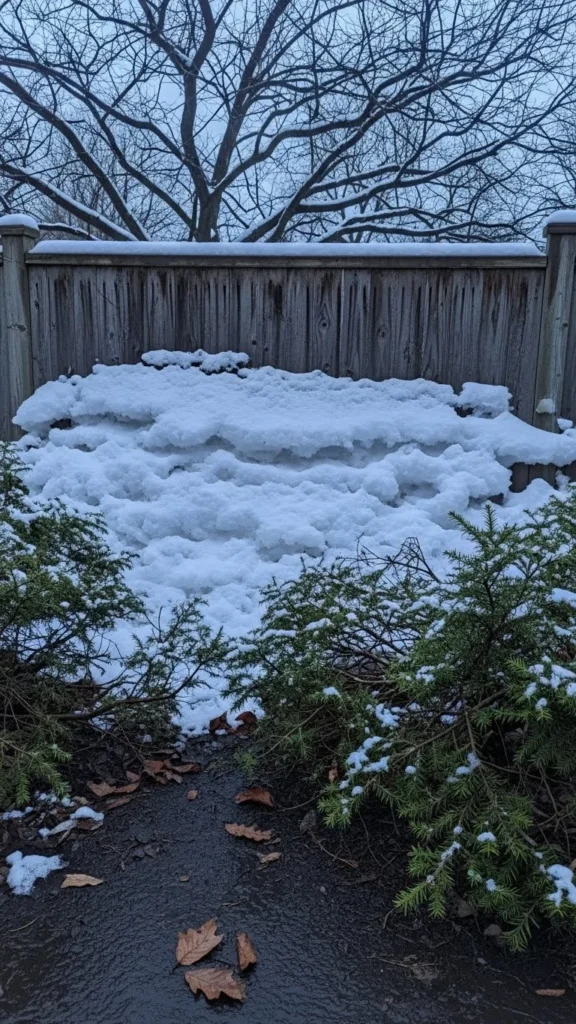
- Does snow linger there longer than other spots?
Winter shade gardens are often:
- Cooler
- Slower to dry out
- More prone to frost pockets
This makes them perfect for plants that prefer consistent moisture and protection from harsh sun.
Choose Plants That Love Shade and Cold
Plant choice is the most important step. Focus on plants that are both shade-tolerant and cold-hardy.
Great options include:
- Evergreen ground covers (like wintergreen-style plants)
- Shade-loving ferns
- Cold-hardy ornamental grasses
- Winter-interest perennials with textured leaves
Look for plants with:
- Thick or waxy foliage
- Low growth habits
- Natural woodland origins
These plants are used to filtered light, cooler soil, and leaf litter—exactly what a winter shade garden offers.
Tip: Mix evergreen plants with deciduous ones for contrast. Bare stems can look sculptural against dark leaves.
Prepare the Soil for Cold Months
Healthy soil is your winter garden’s safety blanket. Cold, shaded soil can become compacted or soggy, so preparation matters.
Start with:
- Clearing fallen debris (leave some leaf litter if it’s natural to the space)
- Loosening soil gently to improve drainage
- Mixing in compost to add nutrients and structure
Then, finish with mulch.
Mulch benefits:
- Insulates roots from freeze-thaw cycles
- Helps soil retain moisture
- Keeps weeds from sneaking in during mild spells
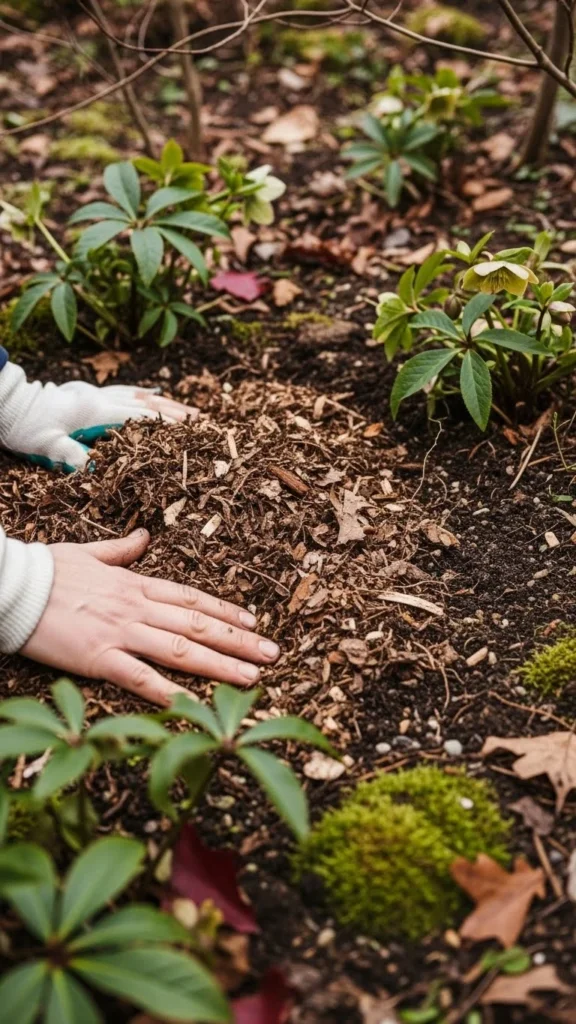
Aim for a mulch layer about 2–3 inches deep, keeping it slightly away from plant crowns.
Design for Texture, Not Flowers
Winter shade gardens shine through texture, not blooms. When flowers are rare, leaves, stems, and shapes take center stage.
Focus on:
- Leaf size contrast (large leaves next to fine textures)
- Color variation (deep green, silvery gray, bluish tones)
- Plant height layering (low ground cover, mid-height plants, taller anchors)
Design tips:
- Group plants in odd numbers for a natural look
- Repeat the same plant in multiple spots to create flow
- Use stones, logs, or edging to add structure
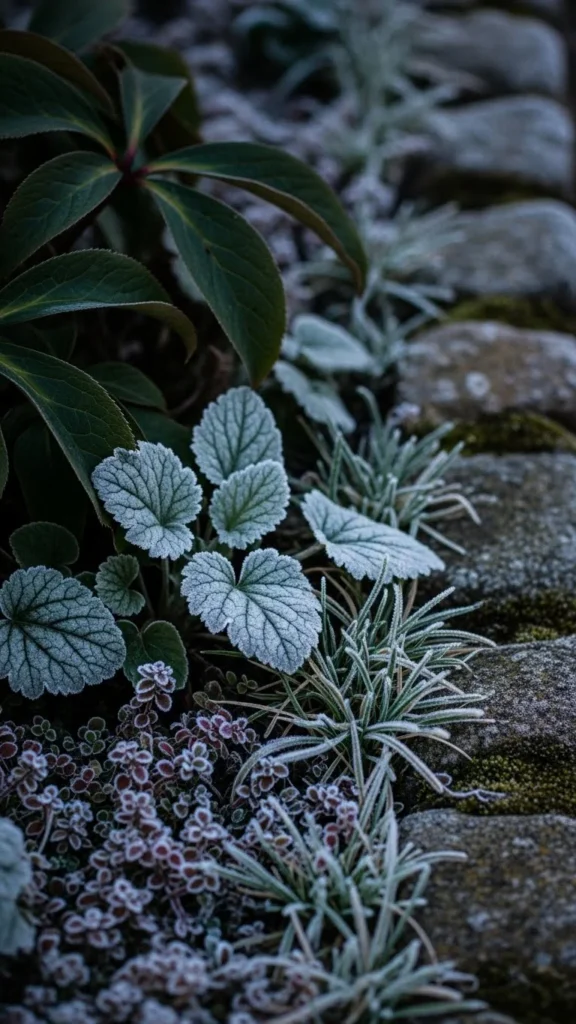
Even simple arrangements feel intentional when texture is balanced.
Water Smartly During Winter
Winter gardens still need water—but not as much as you might think.
Key watering tips:
- Water deeply before the ground freezes
- Reduce watering once plants are dormant
- Check soil moisture during dry winter spells
Shade areas hold moisture longer, so overwatering can cause root problems. Stick your finger into the soil—if it feels damp, wait.
If your area gets snow, consider it free watering. Melting snow slowly hydrates the soil without shocking plant roots.
Protect Plants From Harsh Weather
Winter shade gardens are sheltered, but they’re not immune to damage.
Simple protection ideas:
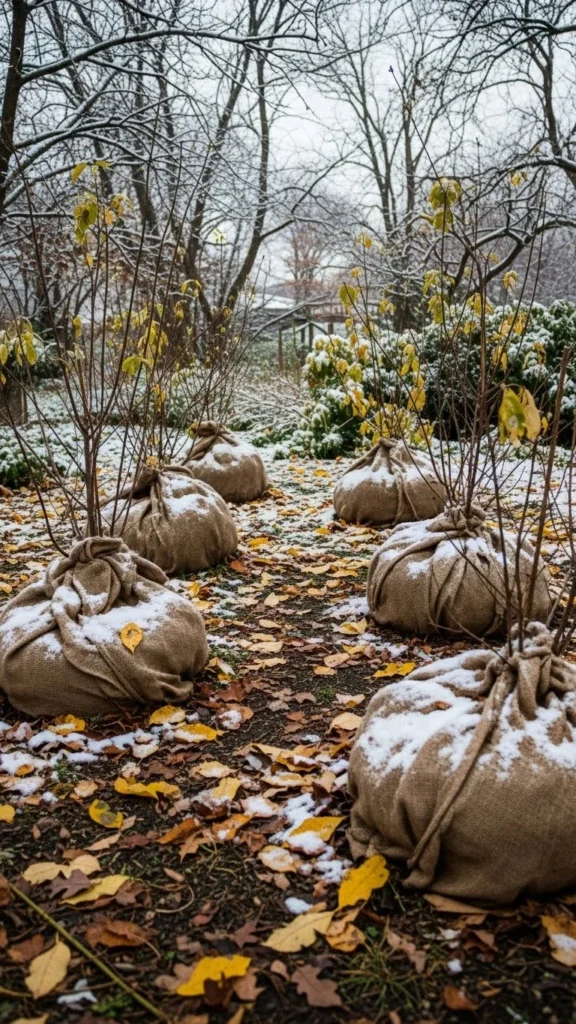
- Use burlap screens for young or exposed plants
- Leave fallen leaves as natural insulation
- Avoid walking on frozen soil to prevent compaction
Wind can be just as damaging as cold. If your shade garden is near open areas, adding low barriers or nearby shrubs can help block drying winds.
Maintain Gently Through the Season
Winter is not the time for heavy pruning or big changes. Think of it as a maintenance-light season.
What to do:
- Remove broken stems after storms
- Brush off heavy snow from plants gently
- Observe which areas struggle so you can improve them later
Take notes or photos. Winter reveals problems that summer hides—like drainage issues or bare spots.
Final Takeaway
Starting a winter shade garden is less about fighting the season and more about working with it. When you choose the right plants, prepare the soil, and design for texture, shaded spaces can feel peaceful and alive all winter long.
Save this guide for later, and let your quiet winter corners become something you truly enjoy.

Leave a Reply