

Winter might look quiet on the surface, but beneath the soil, nature is still hard at work. Starting seeds outdoors during winter is a simple, low-effort way to get stronger seedlings and better germination—without grow lights, heating mats, or constant monitoring. This method works with the seasons instead of fighting them, and it’s perfect for gardeners who want a head start on spring.
What Is Winter Seed Starting (and Why It Works)
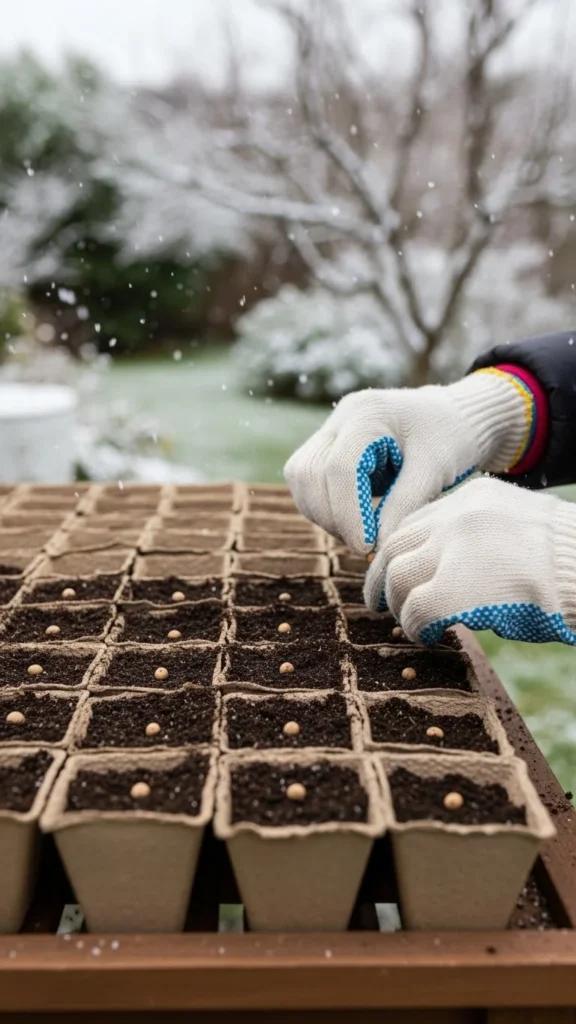
Winter seed starting is exactly what it sounds like—sowing seeds outdoors during winter and letting nature handle the timing. Instead of forcing seeds to grow early, you allow cold, moisture, and gradual warming to trigger germination naturally.
Why gardeners love this method:
- Seeds sprout when conditions are right, not rushed
- Seedlings are tougher and more weather-resistant
- Less work than indoor seed starting
- No special equipment needed
Many plants actually need cold exposure to germinate well. Others simply benefit from the slow, steady process.
Which Seeds Are Best for Outdoor Winter Sowing
Not all seeds are created equal when it comes to winter sowing. Focus on cold-tolerant plants that can handle fluctuating temperatures.
Great choices include:
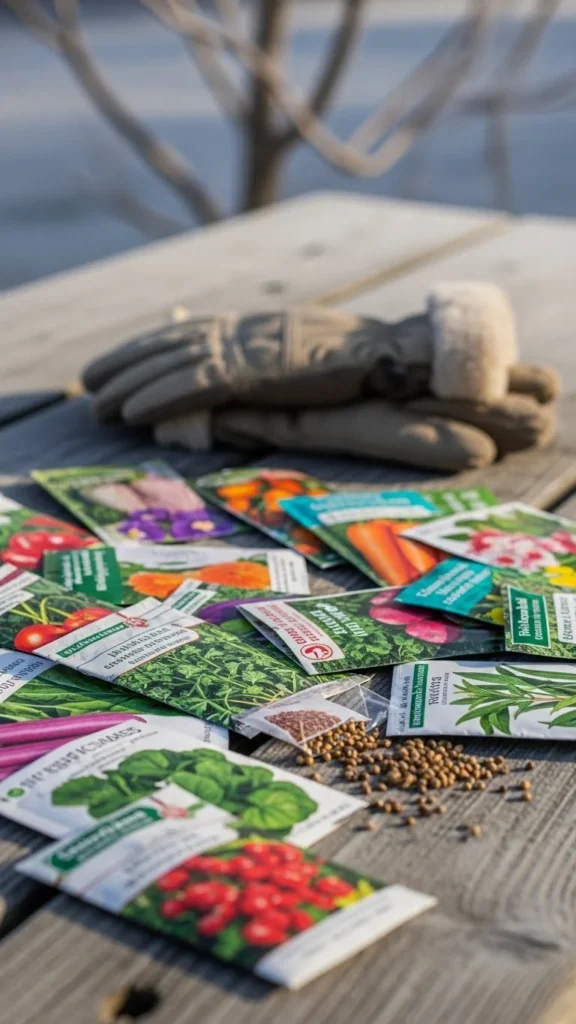
- Leafy greens (spinach, kale, arugula)
- Herbs (parsley, cilantro, dill)
- Flowers (poppies, calendula, coneflower)
- Native plants and wildflowers
- Brassicas (broccoli, cabbage, Brussels sprouts)
Avoid tender, heat-loving crops like tomatoes or peppers for this method. Save those for spring.
Choosing the Right Outdoor Containers or Beds
You can start winter seeds directly in garden beds or use simple containers. Both work well—it depends on your space and preference.
Popular options:
- Recycled plastic containers with drainage holes
- Shallow trays placed in a sheltered spot
- Raised beds with loose, well-draining soil
- Milk jugs or clear containers with lids removed
Key tips:
- Make sure water can drain freely
- Containers should sit directly on the ground if possible
- Choose a spot that gets sun but isn’t overly exposed to wind
The goal is to keep seeds moist, cold, and protected—not frozen solid for weeks.
Step-by-Step: How to Start Seeds Outdoors in Winter
This process is refreshingly simple. No complicated setup required.
- Prepare the soil
Use loose, clean potting mix or well-amended garden soil. - Plant seeds at the right depth
Follow packet instructions. Don’t bury them too deep. - Water gently
Soil should be damp, not soggy. - Label everything
Winter weather fades memories fast. Labels matter. - Leave them alone
This is the hardest part. Let nature do its job.
How Winter Weather Improves Germination
Cold temperatures, moisture, and gradual warming work together to break seed dormancy. This process is called natural stratification.
Benefits of winter exposure:
- Stronger root systems
- More uniform sprouting
- Better survival after transplanting
Seeds experience real conditions from day one, which makes them far less fragile than indoor-started plants.
Watering and Maintenance During Winter
One of the best parts of winter seed starting is how little maintenance it requires.
What to know:
- Snow acts as gentle, consistent moisture
- Rain usually provides enough water
- Only water during long dry spells
Avoid covering containers tightly. Seeds need airflow, even in cold weather. If critters are a concern, use light mesh or hardware cloth on top.
When to Expect Sprouts (and What to Do Next)
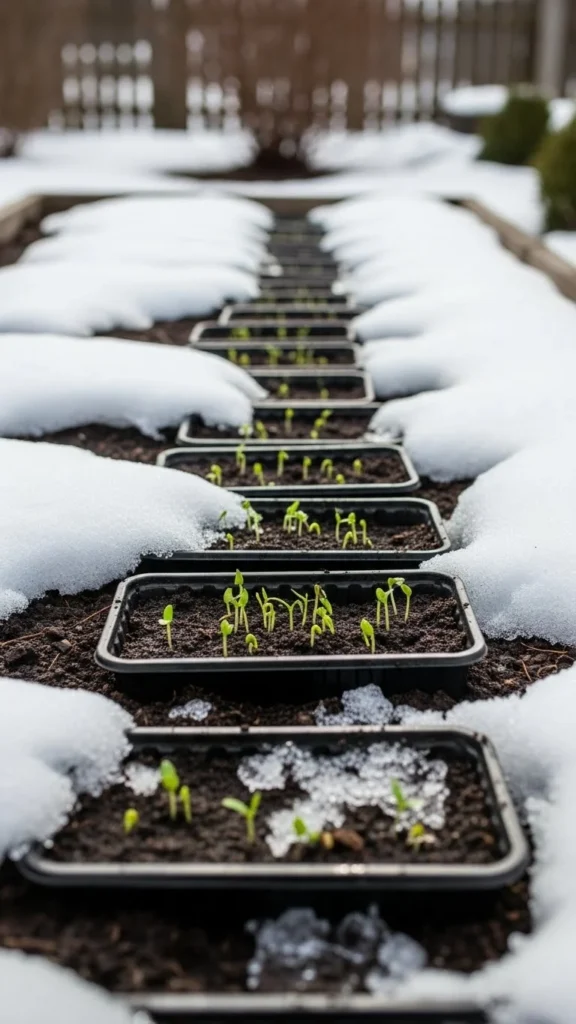
Timing depends on your climate and plant type, but most seeds sprout in late winter or early spring as temperatures stabilize.
Once seedlings appear:
- Leave them outdoors—they’re already hardened off
- Thin crowded seedlings gently
- Transplant only after they have several true leaves
These plants usually outperform indoor seedlings because they’ve never experienced shock.
Common Mistakes to Avoid
Even though this method is simple, a few small mistakes can slow things down.
Avoid:
- Overwatering containers
- Using heavy, compacted soil
- Starting tender summer crops too early
- Moving containers indoors during cold spells
Trust the process. Winter sowing rewards patience.
Why This Method Is Perfect for Busy Gardeners
If you love gardening but don’t love fussing, winter seed starting is for you. It saves time, space, and energy—while producing healthier, more resilient plants.
No grow lights. No daily watering. No guesswork.
Starting seeds outdoors in winter might feel counterintuitive, but it’s one of the most natural ways to grow. Give it a try this season and let the weather work in your favor.
Save this guide for later and pin it for your next winter garden plan!

Leave a Reply