

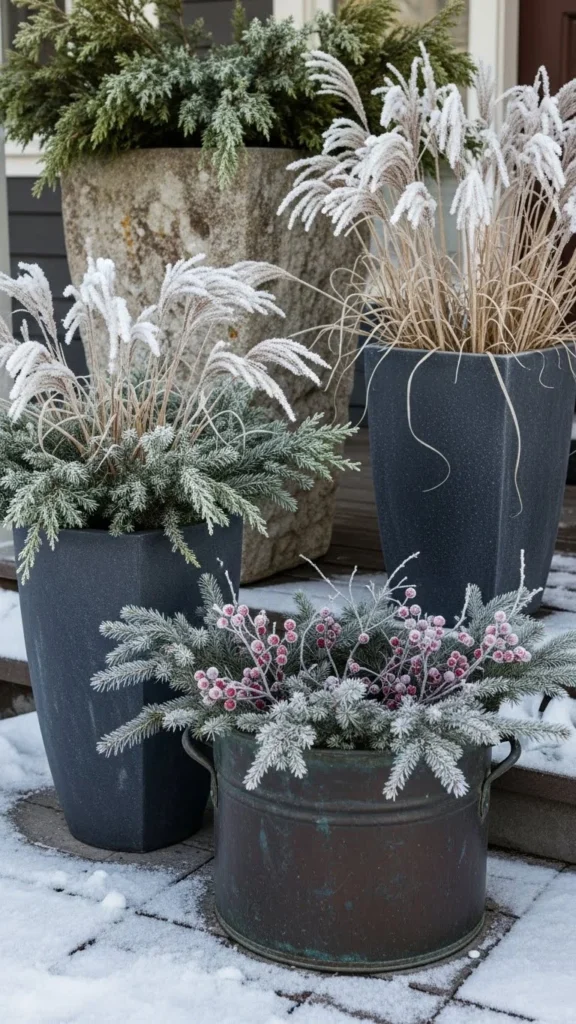
Cold weather can destroy the wrong planter fast. Water freezes, expands, and weak spots split wide open. That means wasted money and messy spring cleanups. Ice-friendly planters solve that problem. They handle freeze cycles without breaking apart. Many also cost less than people expect. This list focuses on materials that hold up, simple ways to prep them, and smart buying tips that work for real homes. Whether you garden on a porch, patio, or balcony, these options help you plant once and relax all winter.
1. Thick Resin Barrel Planters
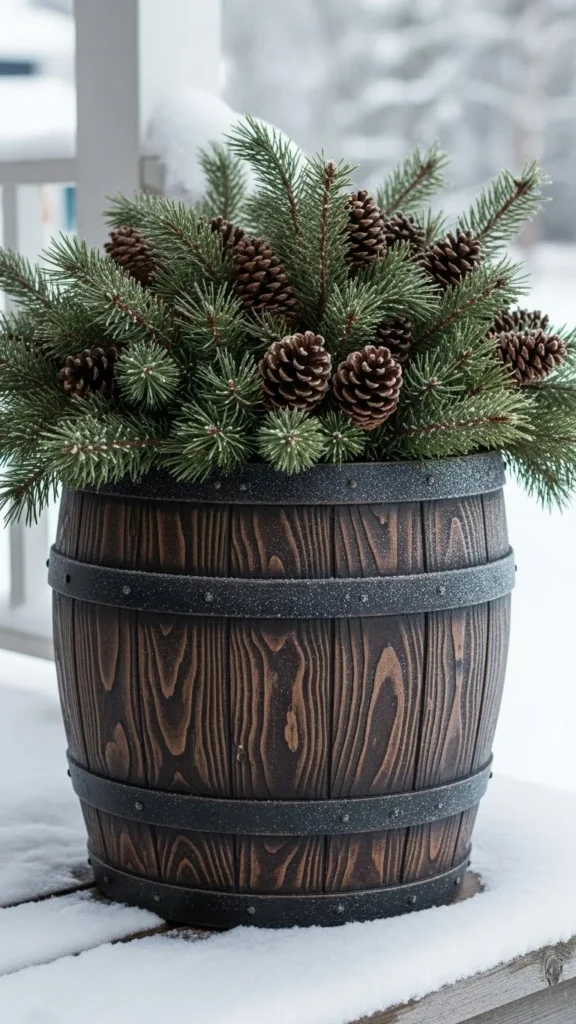
Thick resin planters handle cold far better than thin plastic. The material flexes when ice expands. That flexibility keeps cracks away. Barrel styles work well because the curved shape spreads pressure evenly. Flat-sided planters crack faster.
Look for walls that feel solid when tapped. Lightweight is fine, but flimsy is not. Many home stores sell these at end-of-season discounts. Neutral colors hide scuffs and last visually for years.
For extra protection, drill one drainage hole if none exists. Standing water causes most winter damage. Add a thin gravel layer before soil. That space lets water move down and out.
DIY tip. If a planter feels thin, nest it inside a slightly larger one. Leave air space between them. Air acts as insulation and reduces freeze stress.
These planters also store easily. Stack them upside down in summer if needed. Simple care keeps them intact season after season.
2. Fiberglass Cube Planters
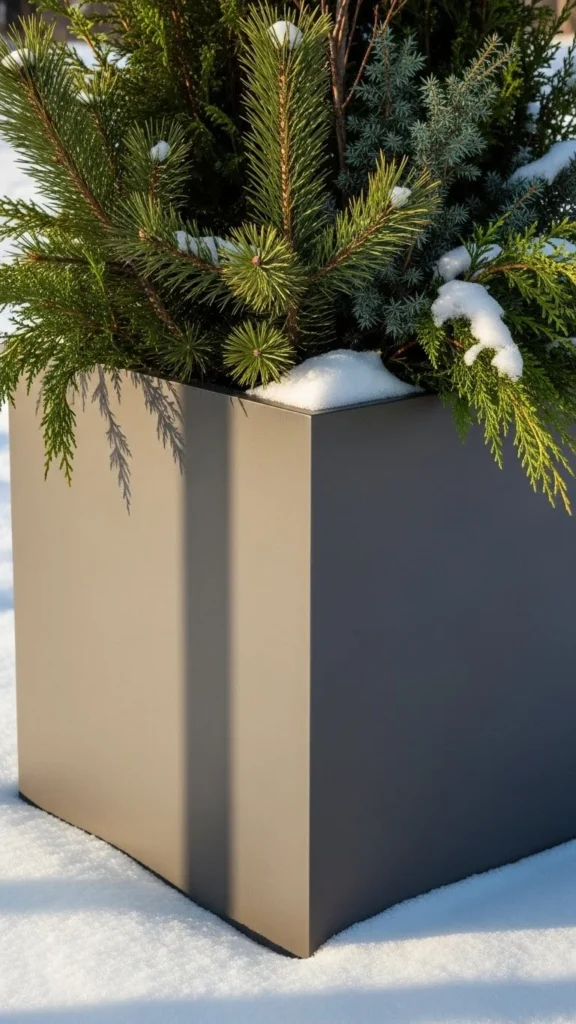
Fiberglass planters handle ice well because the fibers distribute stress. Cubes stay stable in wind and snow. They work well near doors or along walkways.
Choose models labeled outdoor-rated. Indoor fiberglass lacks UV protection and fades faster. Outdoor versions cost more upfront but last longer.
Drainage matters here. Cubes hold water easily. Use pot feet or bricks to lift them slightly. That small lift allows meltwater to escape.
Budget trick. Faux fiberglass planters often use blended materials. They cost less and still perform well in cold zones. Check thickness before buying.
If soil freezes solid, that is fine. The planter should flex with it. Avoid filling cubes to the brim. Leave space at the top for expansion.
These planters pair well with winter branches and faux stems. They look clean even without plants, which helps during deep winter months.
3. Galvanized Steel Buckets
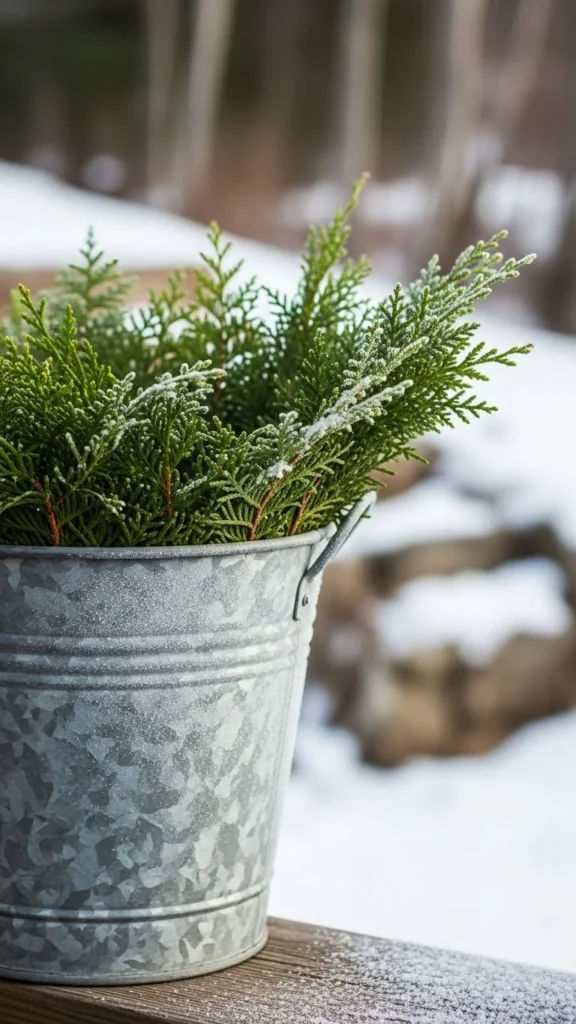
Metal handles freezing without cracking. Galvanized steel resists rust and ice pressure. Buckets are easy to find and cheap.
Drill several drainage holes before planting. Metal holds cold longer than other materials. Standing water freezes hard and stresses roots.
Line the inside with landscape fabric. That step keeps soil from washing out and slows temperature swings.
DIY idea. Group three buckets together. They shield each other from wind and reduce exposure.
Scratches add character here. No need to baby them. If rust appears after years, a quick spray of clear sealant slows it down.
These buckets shine with evergreen clippings, winter berries, or dried grasses. When spring comes, dump and rinse. No cracks to deal with.
4. Heavy-Duty Plastic Troughs
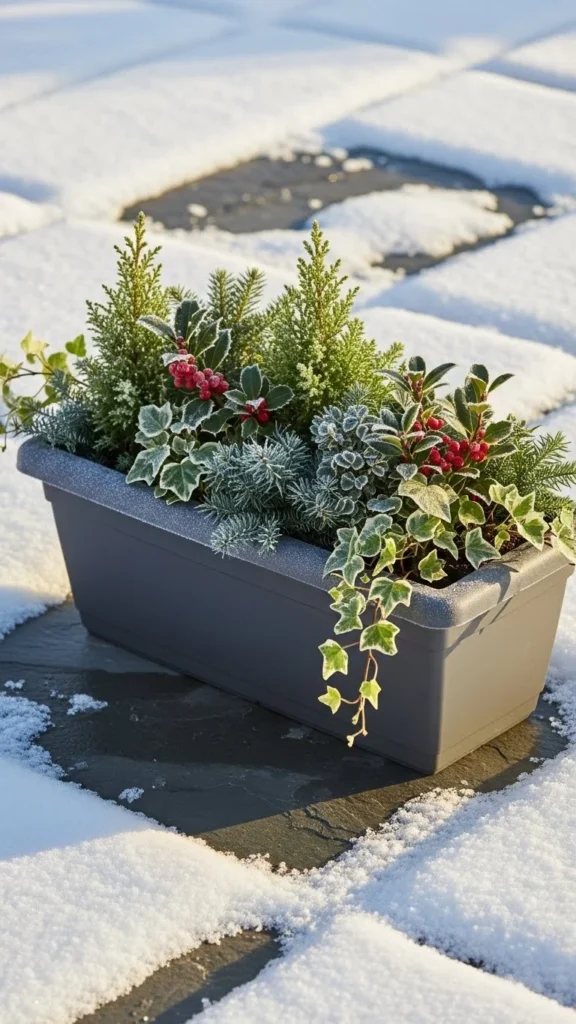
Not all plastic fails in winter. Thick, flexible plastic troughs work well outdoors. They bend instead of splitting.
Avoid thin nursery pots. Choose planters labeled frost-safe or cold-rated. Troughs with rounded corners last longer than sharp-edged ones.
Raise troughs off the ground using wood blocks. Ground contact traps moisture and increases freeze stress.
Money saver. Farm supply stores sell livestock troughs made from strong plastic. Smaller versions work great as planters and cost less than garden brands.
These planters suit shallow-root plants and winter decor. They also store soil evenly, which reduces freeze pockets.
If color fades over time, spray paint rated for plastic refreshes the look. The structure stays sound.
5. Stone Composite Planters
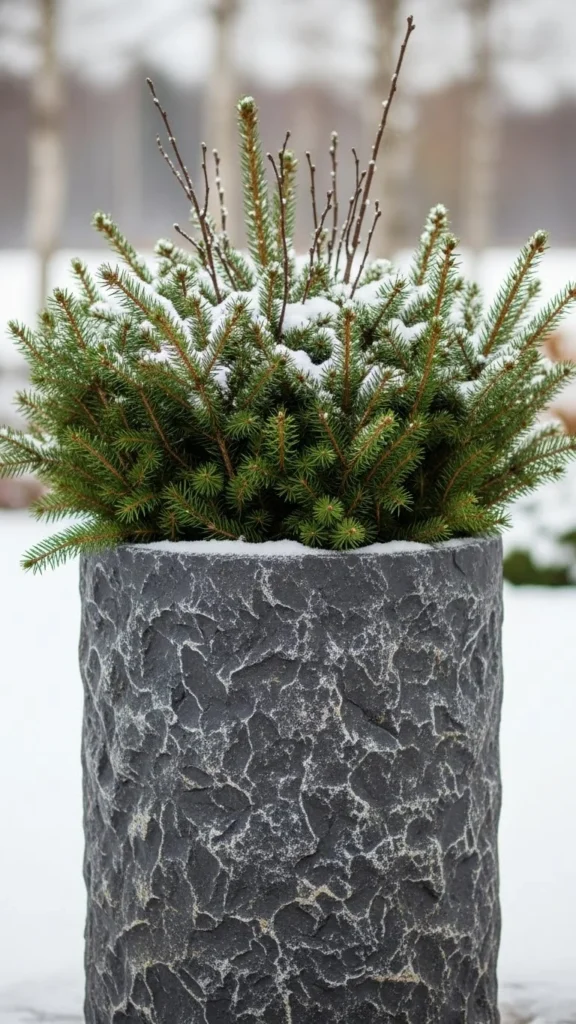
Stone composite blends crushed stone with binding material. That mix handles freezing better than real stone. It looks solid but weighs less.
Choose planters with even thickness. Thin lips chip faster. A smooth interior also reduces stress points.
Keep these planters slightly elevated. Water trapped underneath causes most winter damage.
Budget tip. Many composite planters appear in clearance sections late fall. They sell fast, so check early.
Use coarse soil mixes. Dense soil holds water and freezes harder. Lighter mixes reduce pressure inside.
These planters suit entryways and steps. They give a grounded look without cracking like clay.
6. Rubberized Outdoor Planters
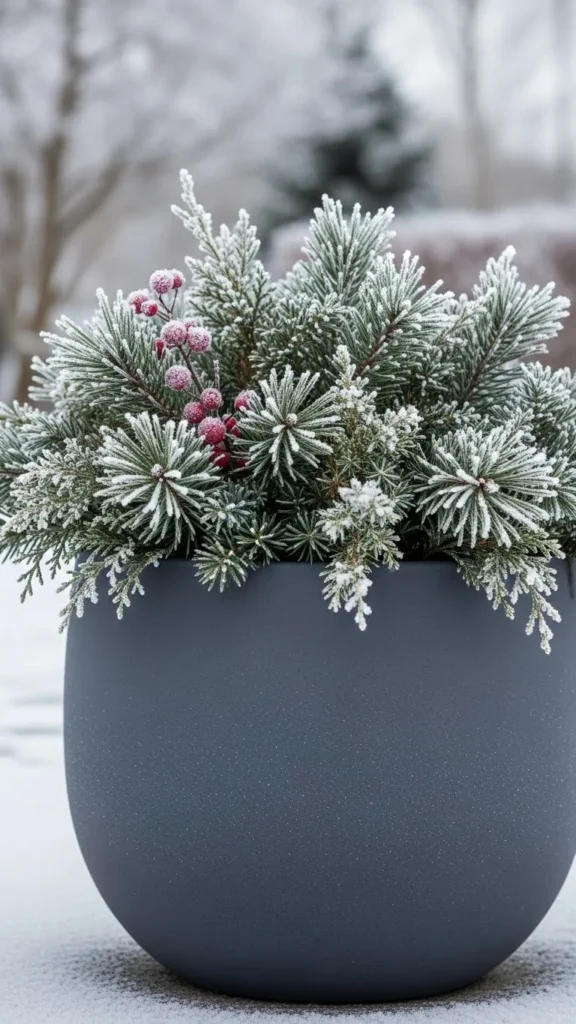
Rubberized planters bend with temperature shifts. Ice expansion rarely damages them. They also resist drops and bumps.
They feel soft compared to plastic. That softness signals flexibility. Choose darker colors for longer visual life.
Drainage is still required. Flexible materials trap water if holes clog. Check holes before winter sets in.
DIY trick. Add foam packing peanuts at the bottom. They reduce soil weight and improve drainage.
These planters work well on balconies. They stay lighter than stone and handle wind better than thin plastic.
Cleaning is simple. Rinse and stack when seasons change.
7. Cedar Wood Planter Boxes
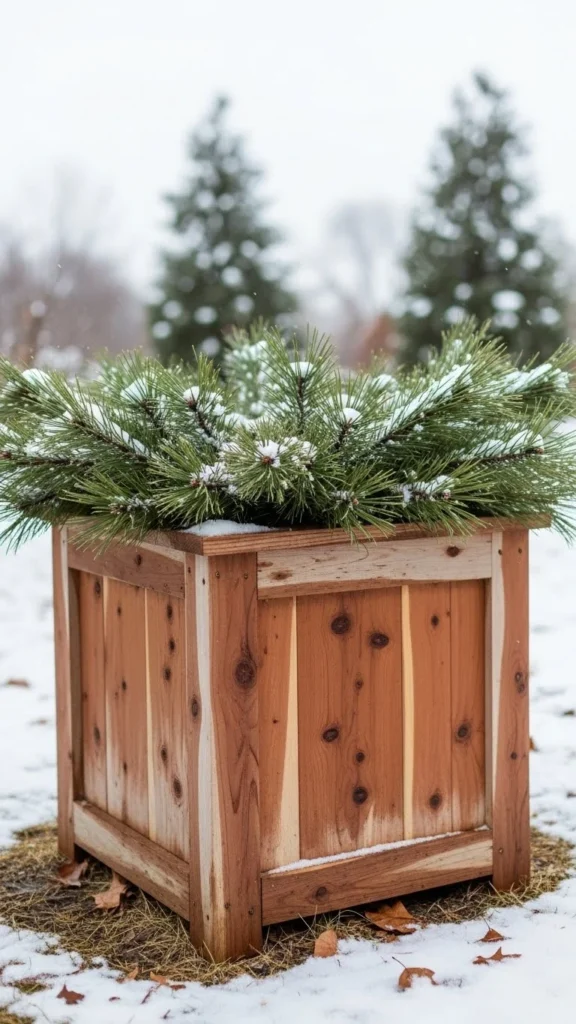
Cedar resists moisture and cold better than most woods. It expands and contracts without splitting easily.
Choose thick boards. Thin panels warp faster. Untreated cedar lasts well outdoors.
Line the interior with plastic sheeting and poke drainage holes. That step protects wood from constant wet soil.
Cost saver. Build simple boxes using cedar fence boards. They are affordable and easy to cut.
Lift boxes off the ground. Wood touching soil traps moisture and shortens life.
These boxes age gracefully. Silvered wood still looks good and stays strong through winters.
8. Concrete-Look Resin Pots
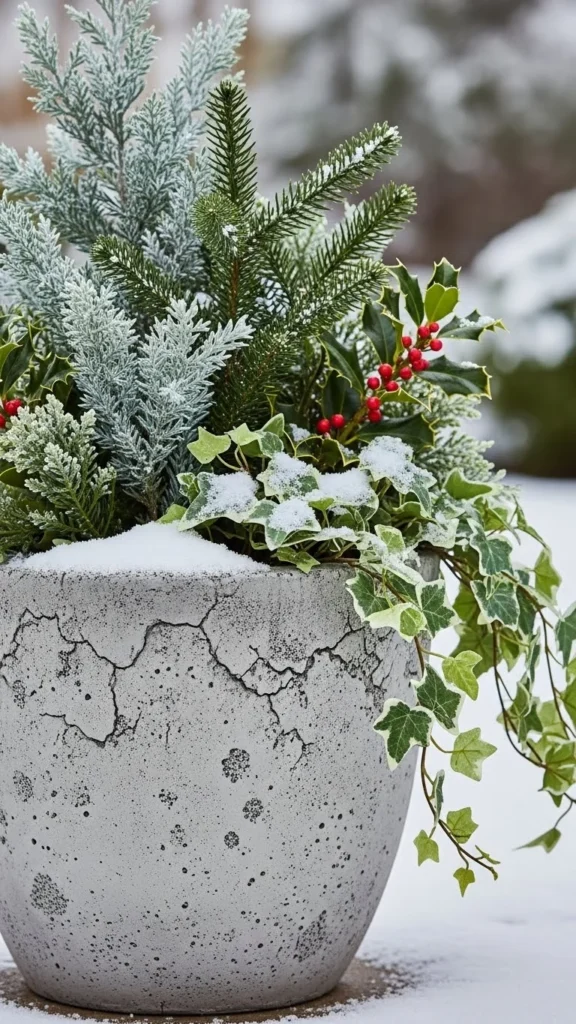
These planters mimic concrete without the cracking risk. Resin flexes while keeping a solid look.
Tap the side. It should sound dull, not hollow. That indicates thickness.
Drainage holes must stay clear. Frozen water trapped inside causes most failures.
Budget hint. Big-box stores often discount these after fall displays end.
They suit modern and rustic spaces alike. Lightweight designs allow easy repositioning before storms.
9. Polyethylene Round Planters
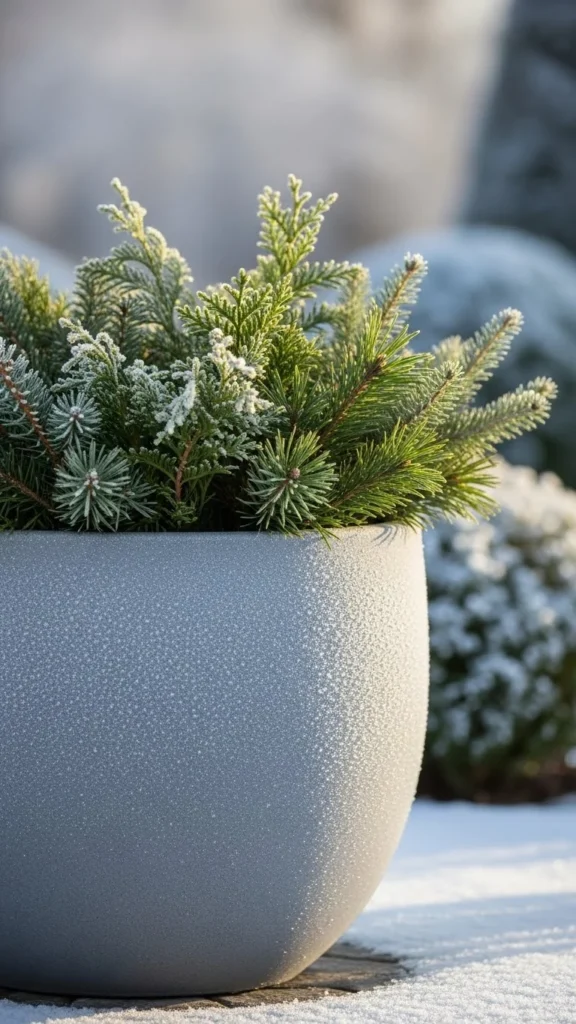
Polyethylene stays flexible in low temperatures. Round shapes spread pressure evenly.
These planters resist UV damage and cracking. Choose ones with thicker rims.
Raise slightly off the ground. Even flexible materials last longer with airflow.
They clean easily and resist stains. That makes them practical for year-round use.
10. Metal Drum Planters
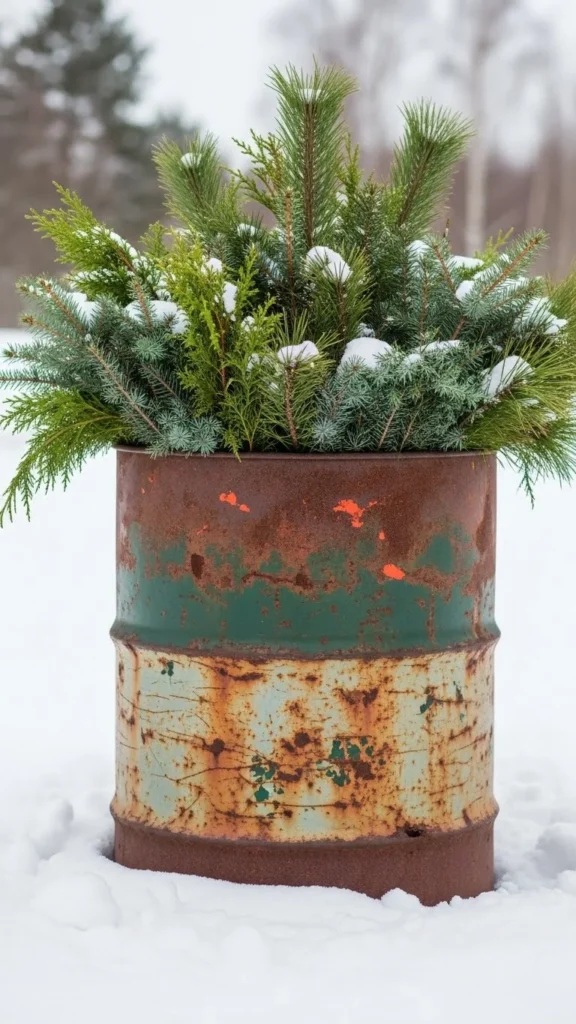
Metal drums hold up in freezing weather. Their size prevents rapid temperature swings.
Drill drainage holes and add gravel. Heavy soil plus ice adds stress.
Check edges for sharp spots. Sand them for safety.
These drums work well for large winter displays and stay intact year after year.
11. Faux Terracotta Resin Pots
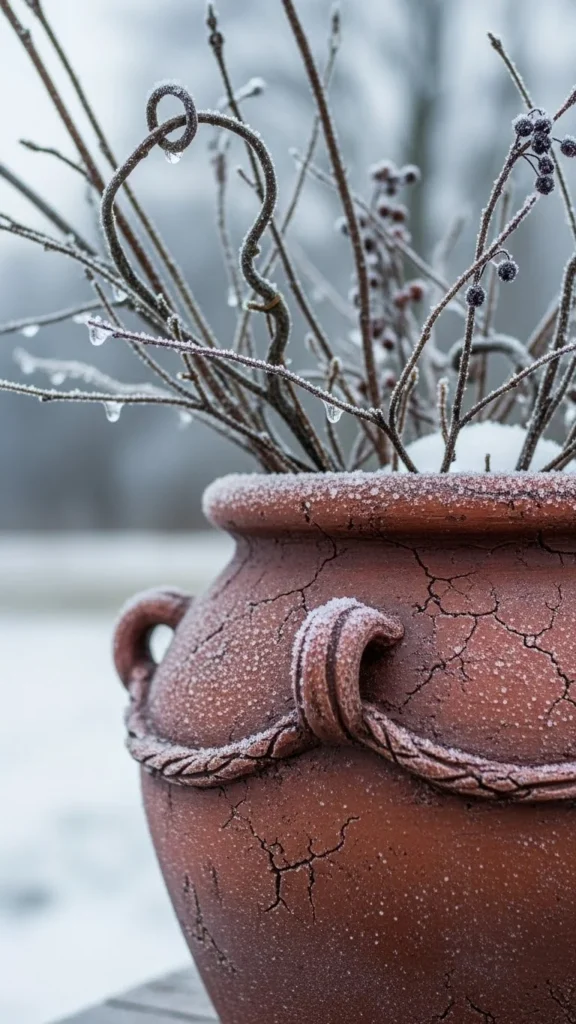
Real terracotta cracks easily. Faux versions made from resin handle cold better.
Look for matte finishes that mimic clay. They hide wear well.
Drainage remains essential. Faux clay still traps water.
These pots keep a classic look without the spring breakage.
12. HDPE Window Box Planters
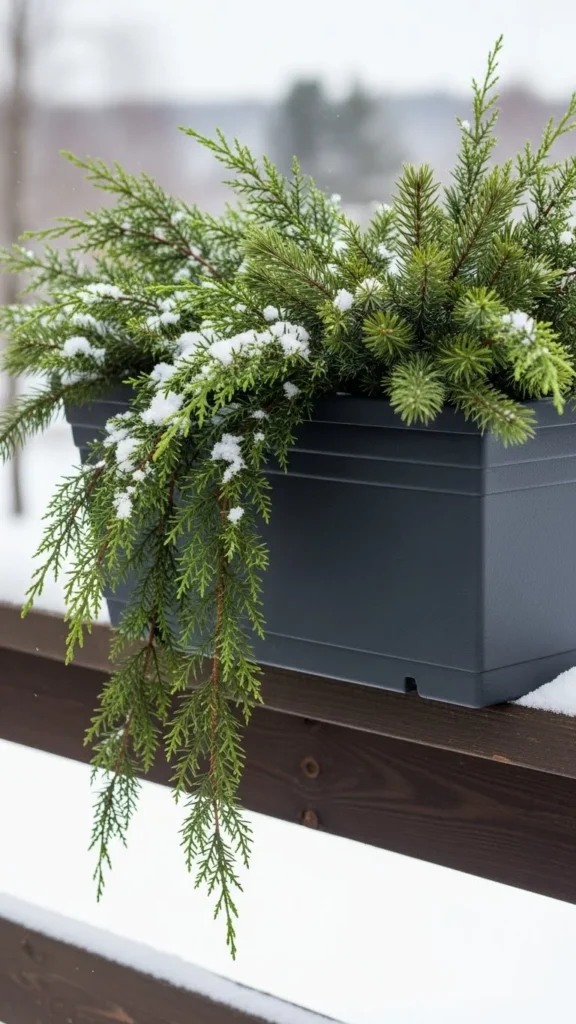
HDPE plastic resists cracking and fading. Window boxes made from it last through cold seasons.
Secure them well. Wind adds stress when soil freezes.
Line with coco liners for insulation.
They work well for winter greens and stay intact.
13. Cast Aluminum Planters
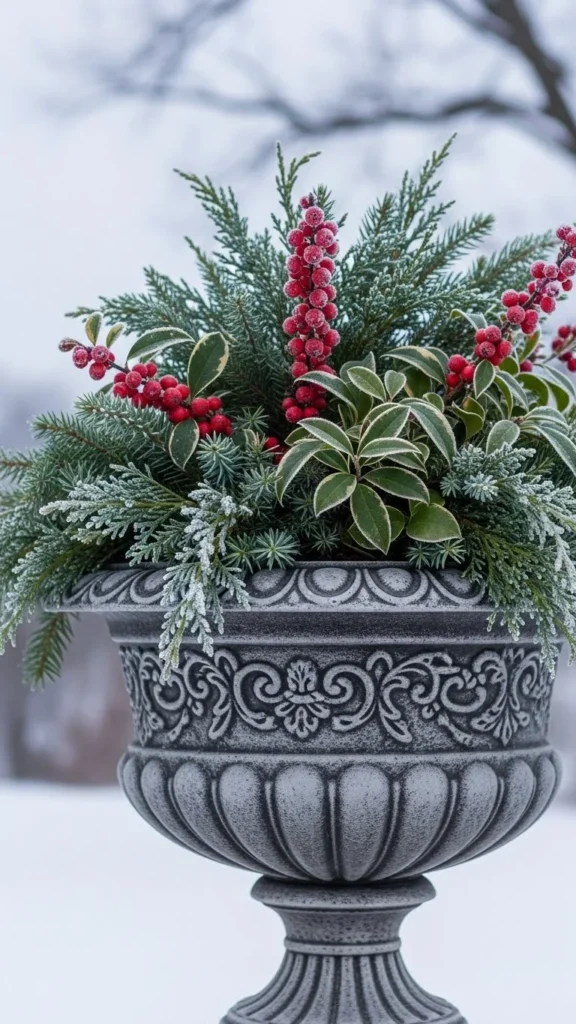
Cast aluminum does not crack. It resists rust and ice pressure.
Drainage holes prevent root damage.
These planters cost more upfront but last many seasons.
Their weight adds stability in snow.
14. Thick Ceramic-Blend Planters
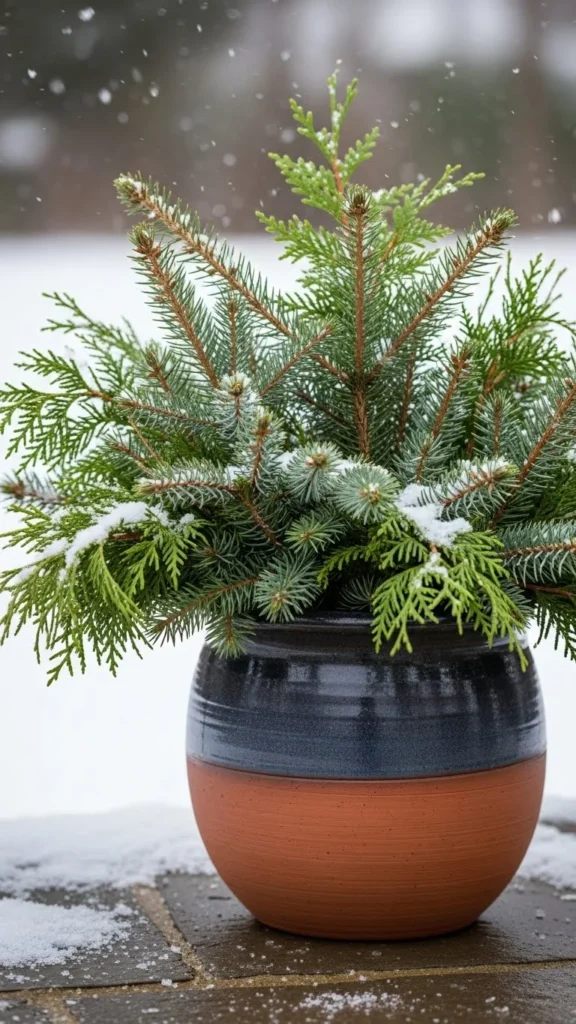
Some ceramic blends include fibers that improve freeze resistance.
Choose thick-walled versions only.
Raise off the ground and keep drainage clear.
They offer a refined look with better cold tolerance.
15. Insulated Double-Wall Planters
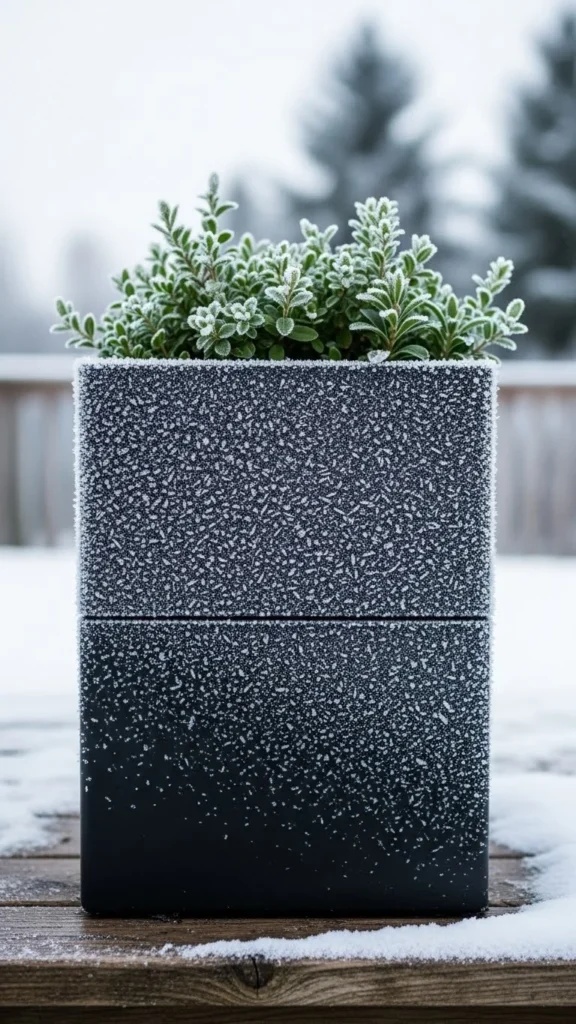
Double walls trap air, slowing freeze effects.
These planters reduce stress from ice expansion.
They cost slightly more but prevent seasonal replacements.
Perfect for exposed patios.
16. Recycled Tire Planters
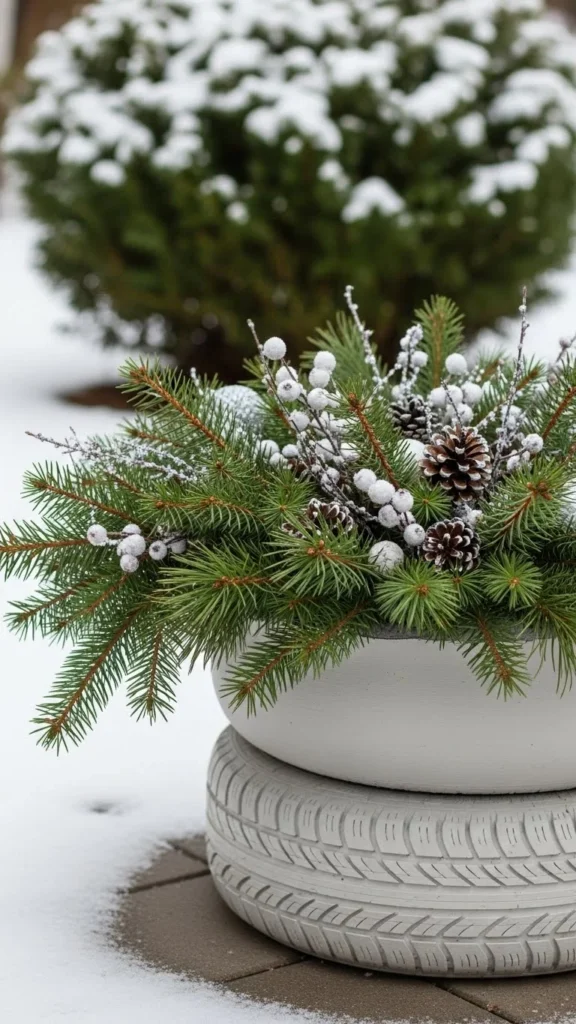
Rubber tire material bends easily in cold.
Paint improves appearance and UV resistance.
Drain well and raise slightly.
They cost little and last long.
17. Rectangular Resin Planter Boxes
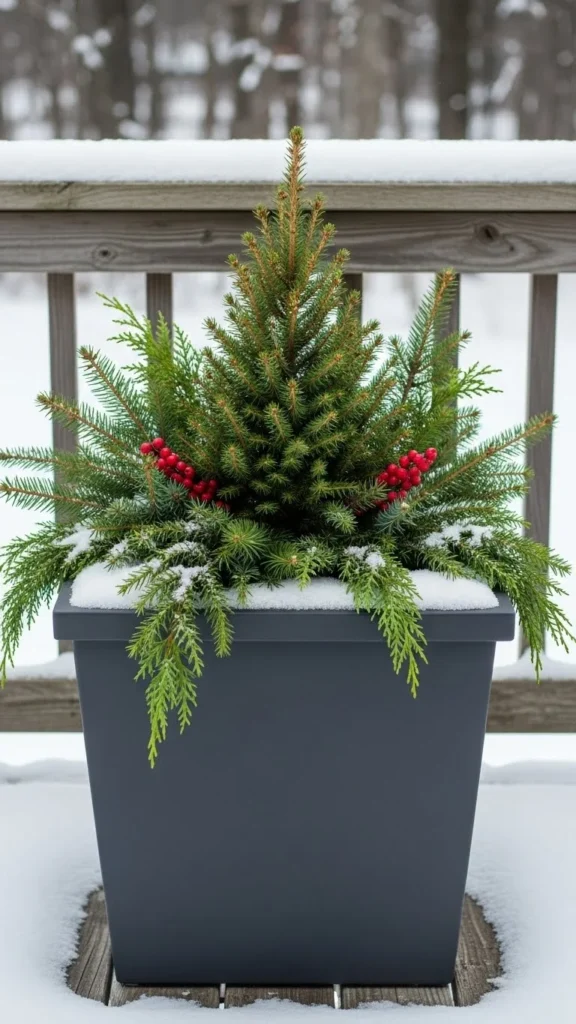
Resin boxes handle freeze cycles well.
Rounded interiors reduce stress points.
Lift off ground and avoid overwatering.
Great for railings and decks.
18. Powder-Coated Steel Planters
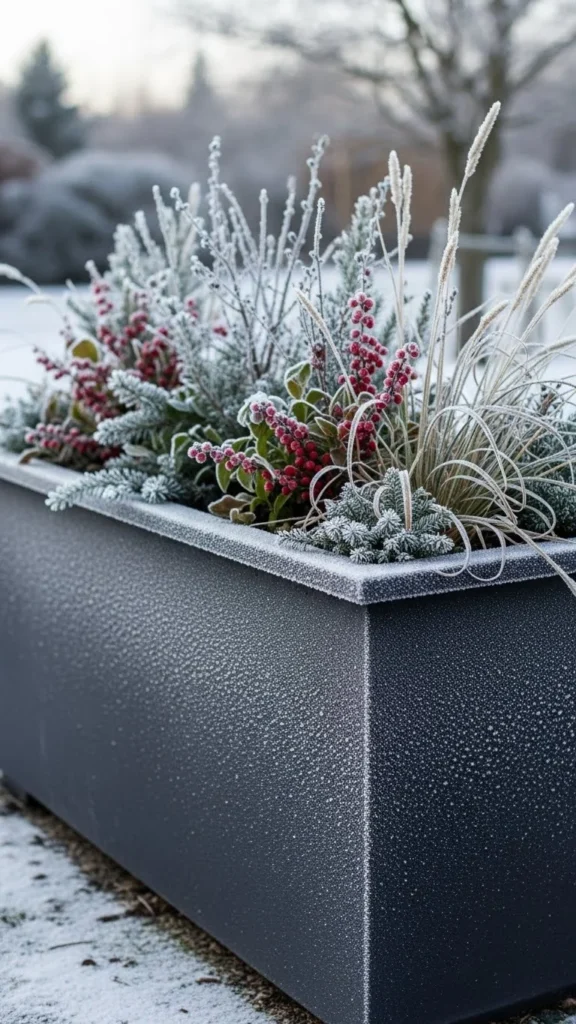
Powder coating protects steel from rust.
Drainage holes prevent ice buildup.
These planters last with minimal care.
19. Thick Walled Nursery-Grade Pots
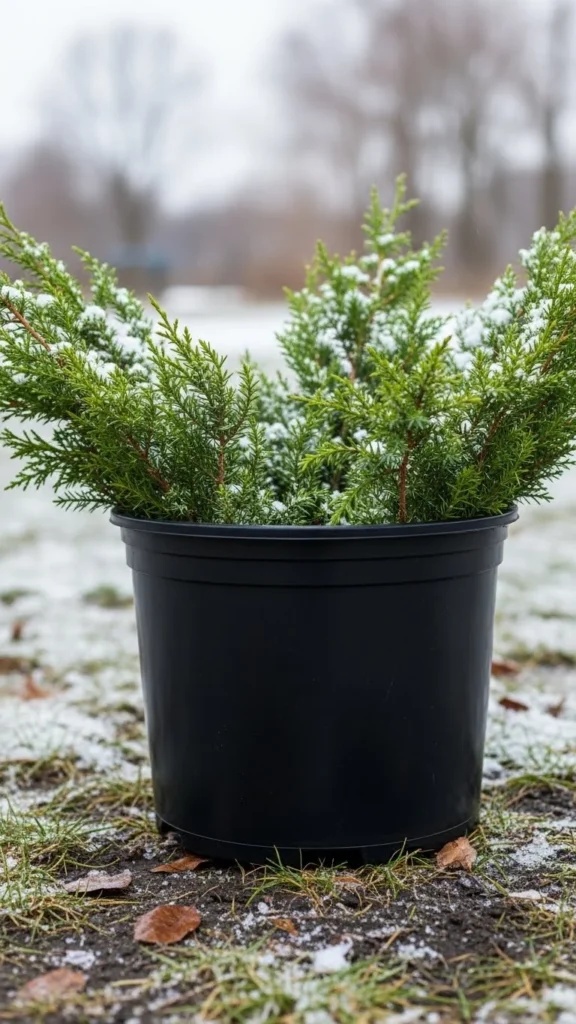
Commercial-grade nursery pots outperform retail thin ones.
They flex in cold and cost less.
Double-pot for extra insulation.
Simple and reliable.
20. Raised Planter Stands With Inserts
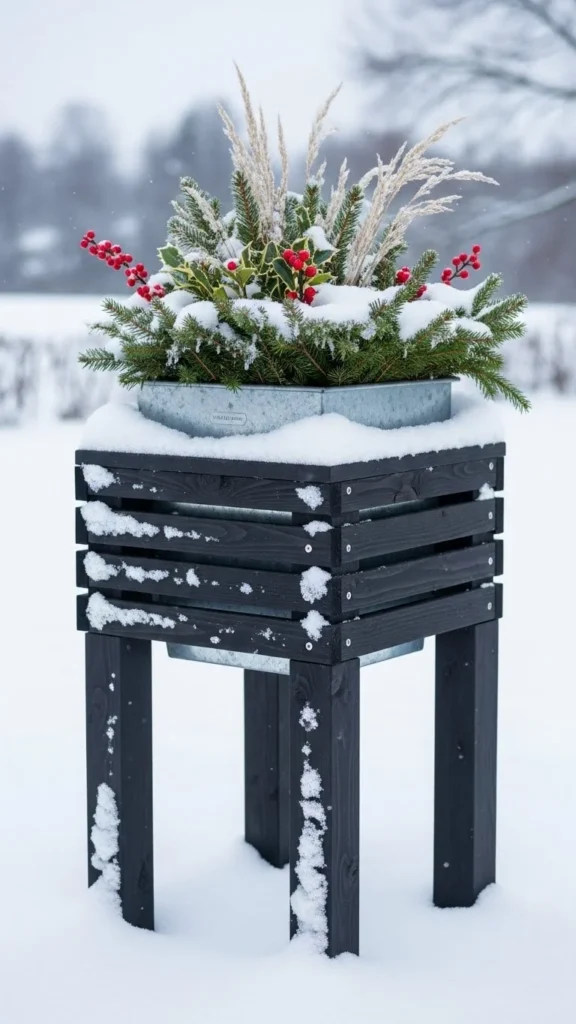
Raised designs avoid ground freeze stress.
Inserts are easy to replace if needed.
Drainage stays clearer above ground.
They protect both planter and plants.
21. Stone-Finish Polyresin Bowls
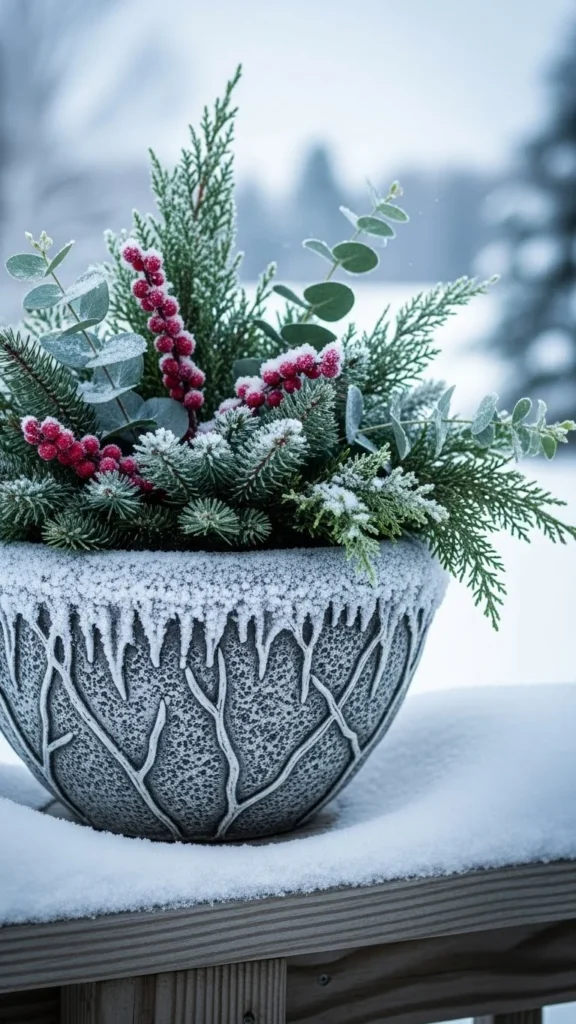
Polyresin bowls handle ice better than real stone.
Shallow depth reduces freeze pressure.
They suit table displays and steps.
Lightweight and durable.
22. Modular Stackable Outdoor Planters
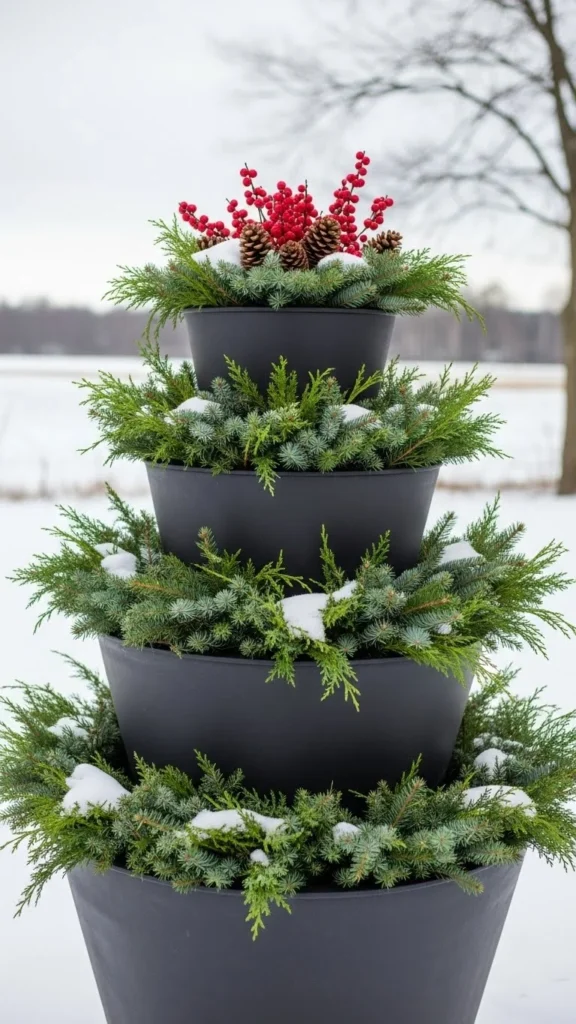
Stackable systems spread weight and stress.
Each unit drains separately.
They allow flexible winter layouts.
Affordable sets last many seasons.
Conclusion
Ice-friendly planters protect your time, effort, and budget through harsh winters. Strong materials, proper drainage, and small setup steps make a real difference. Choose flexible builds, lift them off cold ground, and avoid trapped water. With the right planters, winter displays stay intact and spring cleanup stays simple.
Leave a Reply