

There’s something magical about bringing nature indoors. A little greenery can instantly brighten your mood, purify your air, and turn any corner of your home into a cozy sanctuary. But if your plants keep wilting, yellowing, or just looking “meh,” don’t worry — even the best plant parents started somewhere. With a few simple care habits, your indoor plants can go from struggling to stunning!

Choose the Right Plants for Your Space
Before you dive into watering and misting, it all starts with choosing plants that match your lifestyle and home environment. Some plants thrive in low light, while others crave sunshine. Pick what works best for your space and schedule.
Great beginner-friendly plants:
- Snake Plant (Sansevieria): Tolerates neglect and low light.
- Pothos: Fast-growing, forgiving, and beautiful trailing vines.
- ZZ Plant: Survives in almost any lighting and needs minimal care.
- Spider Plant: Great for hanging pots and air-purifying power.
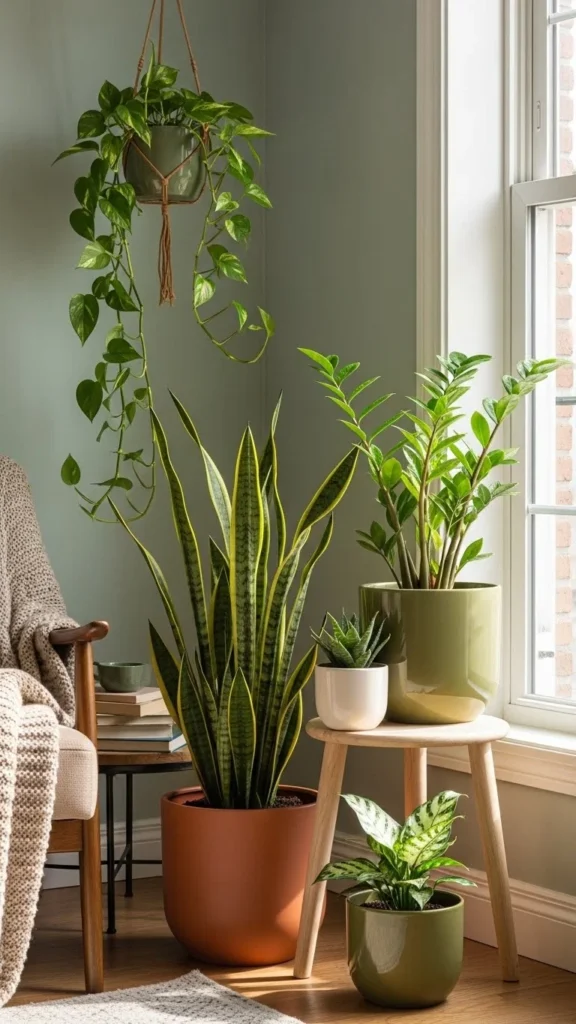
Pro Tip: If your home doesn’t get much sunlight, stick to low-light plants and use grow lights to supplement.
Master the Art of Watering
Most indoor plant problems come from overwatering — not underwatering. When in doubt, it’s better to give less water than too much.
Here’s how to get it right:
- Check the soil: Stick your finger one inch deep — if it’s dry, it’s time to water.
- Use pots with drainage holes: They prevent root rot by letting excess water escape.
- Water slowly: Let the soil soak it up gradually until water runs out the bottom.
- Adjust with the seasons: Plants need more water in summer and less in winter.
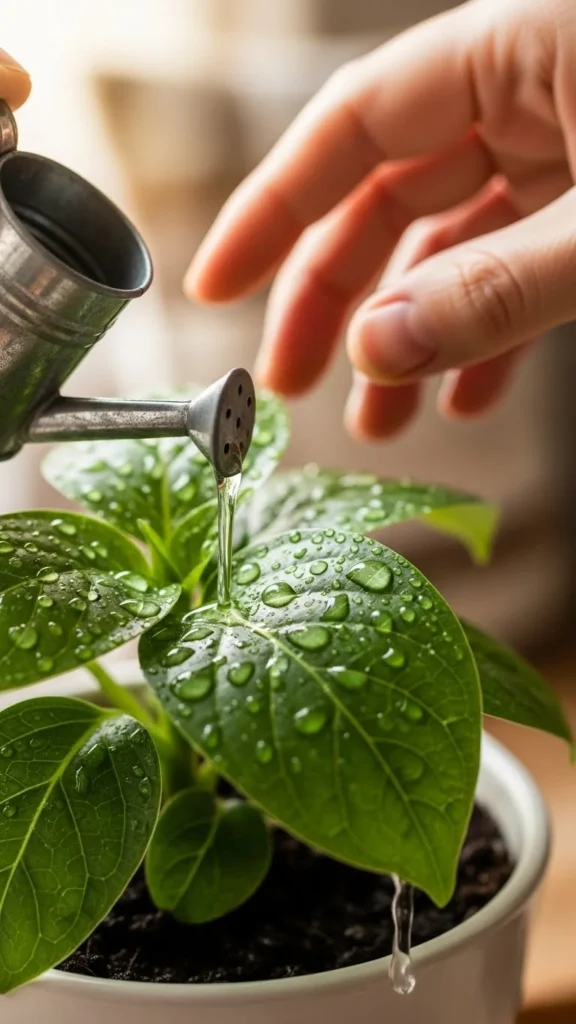
Pro Tip: Group plants with similar watering needs together — it makes care routines much easier!
Give Them the Right Amount of Light
Sunlight is like food for your plants. Too little, and they’ll look dull and leggy. Too much, and their leaves might scorch.
Tips for healthy lighting:
- Bright, indirect light works for most houseplants.
- South-facing windows get strong sunlight — perfect for succulents and cacti.
- North-facing windows are best for shade-tolerant plants like ferns.
- Rotate your pots every few weeks so all sides get equal light.
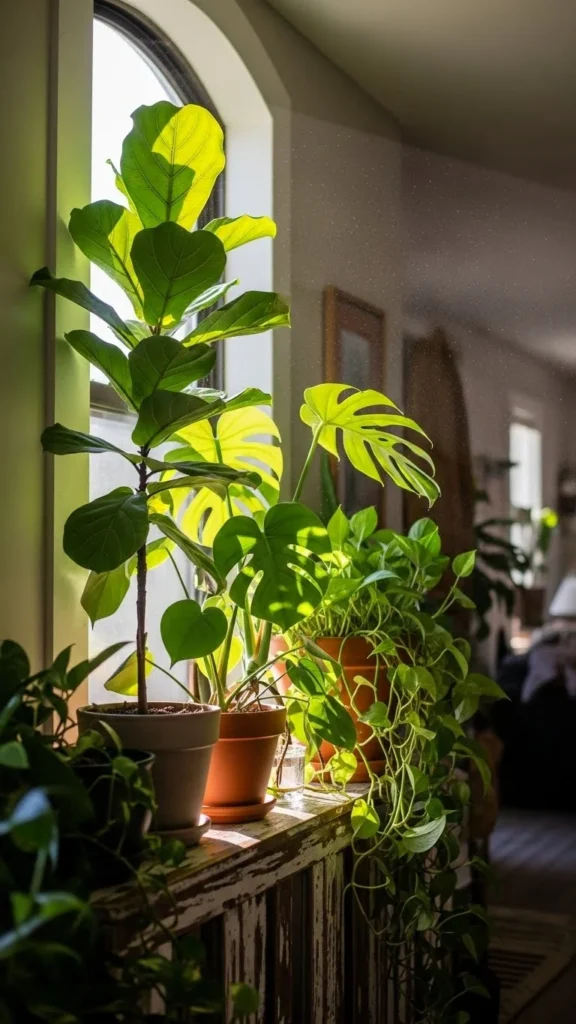
If your space lacks natural light, LED grow lights can keep your green friends happy year-round.
Feed and Refresh Your Plants
Just like people, plants need a balanced diet. Fertilizing gives them the nutrients they need to grow strong and vibrant.
How to feed them:
- Use a liquid houseplant fertilizer every 4–6 weeks during the growing season (spring and summer).
- Skip fertilizing in fall and winter when growth slows down.
- Dust leaves gently with a damp cloth to keep pores clear and allow better light absorption.
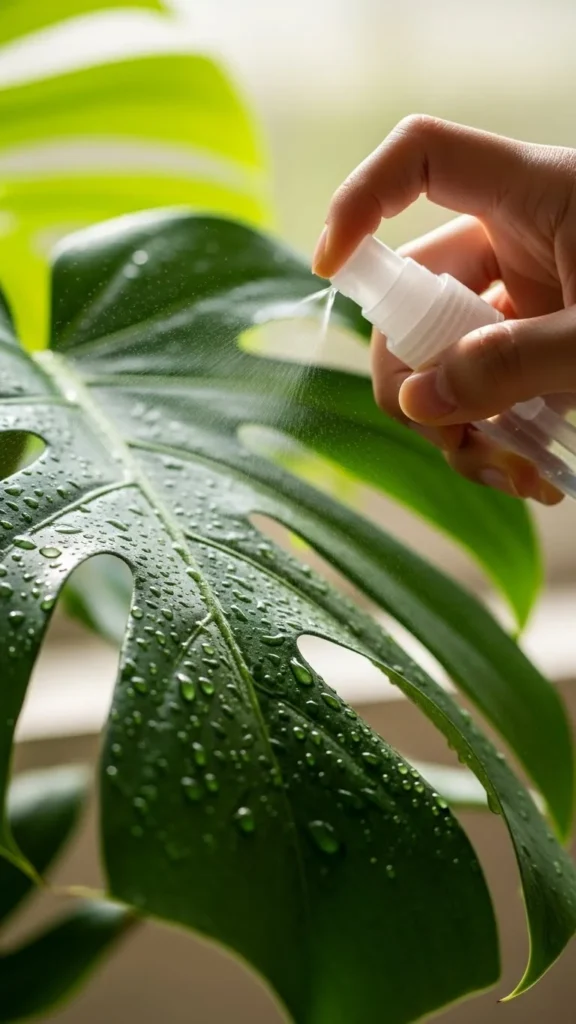
Bonus Tip: Repot every 12–18 months to refresh the soil and give roots more space.
Watch for Signs of Stress
Your plants can’t talk, but they’ll show you when something’s off.
Learn to read their “body language”:
- Yellow leaves: Overwatering or poor drainage.
- Crispy edges: Too much direct sun or low humidity.
- Droopy stems: Thirsty plant or root damage.
- Brown tips: Tap water with too many chemicals — try filtered water.

If you spot problems early, small changes can make a huge difference.
Create the Perfect Environment
Indoor plants love consistency. Try to maintain a comfortable space for both you and them:
- Temperature: Keep it between 65–80°F (18–26°C).
- Humidity: Mist tropical plants occasionally or use a humidifier.
- Air circulation: Keep them away from cold drafts, vents, and radiators.
Pro Tip: Place several plants together — they naturally increase humidity and look gorgeous as a cluster!
Keep Growing and Enjoy the Journey
Taking care of indoor plants isn’t about perfection — it’s about connection. Every leaf, bud, and new growth tells you that your care matters. So take a moment each week to check on your plants, trim them, wipe their leaves, and simply enjoy their company.
Your home will not only look greener — it’ll feel more alive.
Save this guide for later and share it with a fellow plant lover — because a thriving indoor jungle starts with just one healthy leaf!

Leave a Reply