

Have you ever wished you could grow more of your favorite plants—without spending extra money at the nursery? Propagation makes that dream come true! It’s the gardener’s magic trick: taking one healthy plant and turning it into several. Whether you’re working with houseplants, succulents, or perennials, learning how to propagate is a rewarding way to expand your garden while strengthening your green thumb.

What Is Plant Propagation?
Propagation is simply the process of creating new plants from existing ones. It’s nature’s way of multiplying beauty—no fancy tools or high-tech systems required. You can use leaves, stems, roots, or even seeds, depending on the plant.
There are two main types:
- Sexual propagation – growing plants from seeds.
- Asexual propagation – using parts of an existing plant (cuttings, division, layering, etc.) to grow a clone of the original.
The second method is the one most gardeners love because it’s faster and guarantees the same traits as the parent plant—perfect for favorite blooms or leaf patterns.
Propagating Through Stem Cuttings
This is one of the easiest and most common ways to propagate plants, especially for herbs, houseplants, and soft-stemmed varieties.
Step 1: Choose a Healthy Parent Plant
Select a strong, pest-free plant with vibrant leaves and sturdy stems. Avoid any plant that looks weak or diseased—it will only pass those problems on.
Step 2: Take Your Cutting
- Use clean, sharp scissors or pruning shears.
- Cut a 4–6 inch stem just below a leaf node (where leaves grow from the stem).
- Remove the lower leaves, leaving 2–3 at the top.
Step 3: Rooting Time
You can root your cutting in water or soil:
- Water method: Place the cutting in a glass of room-temperature water. Change the water every few days.
- Soil method: Dip the cut end in rooting hormone and plant it in a moist, well-draining soil mix.

Keep it in a warm spot with indirect sunlight. Within 2–4 weeks, you’ll notice roots forming!
Propagation by Division
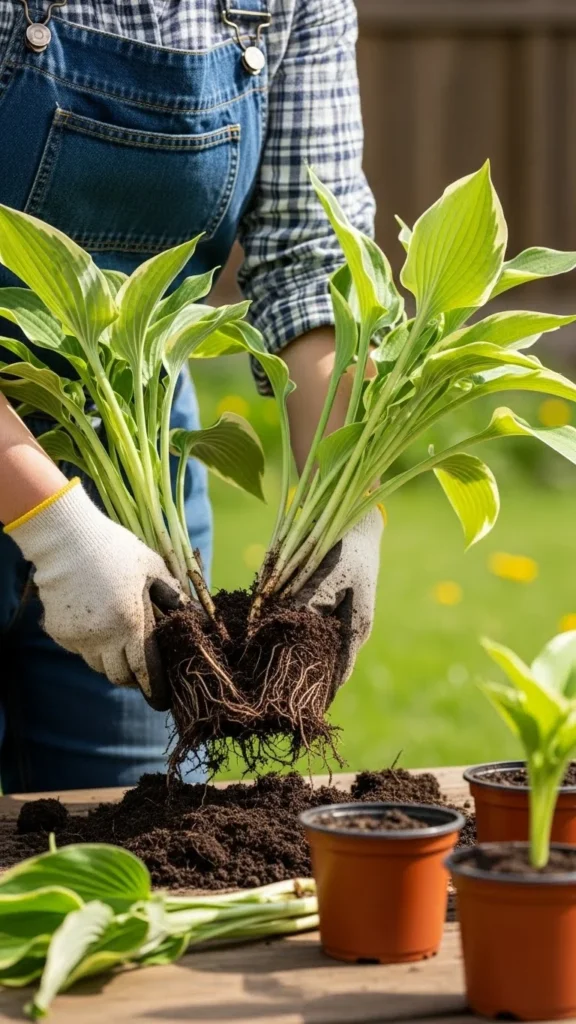
This method works wonders for plants that naturally grow in clumps—like hostas, daylilies, or ferns. Division helps rejuvenate older plants while giving you new ones for free.
Step 1: Dig Up the Plant
Gently lift the entire plant from the ground or its pot. Shake off excess soil to reveal the root system.
Step 2: Separate the Clumps
Use your hands or a clean knife to separate the root clusters. Each division should have healthy roots and at least one growing shoot.
Step 3: Replant and Water
Plant each section in fresh soil and water thoroughly to help them settle in. Within weeks, your new plants will start thriving.
Propagation by Leaf Cuttings
Perfect for succulents and plants like African violets, leaf cuttings are small but mighty.
Step 1: Choose a Mature Leaf
Select a full-grown leaf and remove it gently from the stem without tearing.
Step 2: Let It Heal
Allow the leaf end to dry and form a callus for a day or two—this prevents rot when placed in soil.
Step 3: Plant It
Insert the callused end into moist succulent mix or lay it flat on top. Place in bright, indirect light. Soon, tiny roots and baby plants will appear!

Layering: Nature’s Shortcut to Success
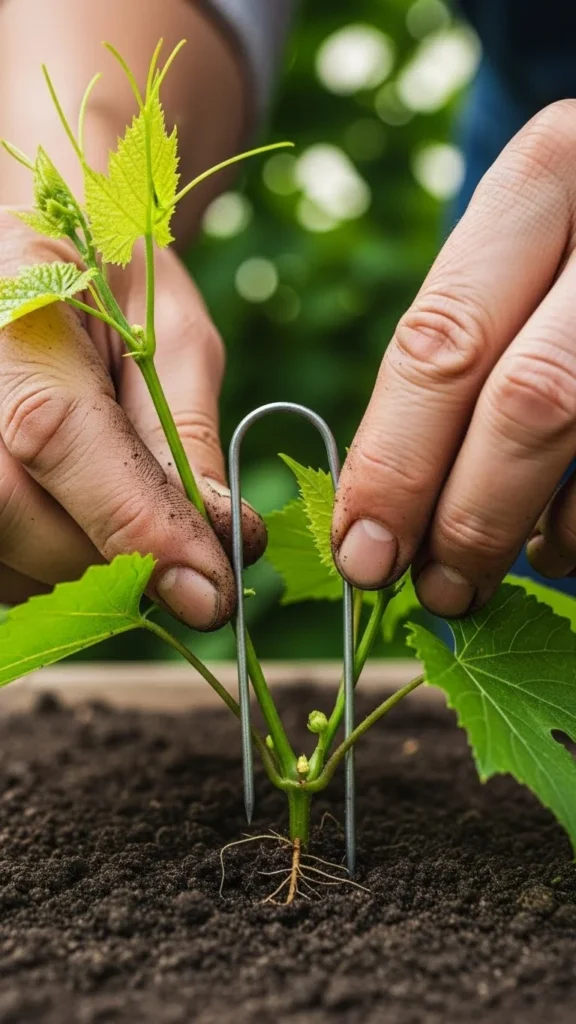
Layering involves rooting a stem while it’s still attached to the parent plant—great for shrubs, vines, and trailing plants like pothos or jasmine.
How to Do It:
- Select a flexible, healthy stem.
- Gently bend it toward the ground and cover part of it with soil, leaving the tip exposed.
- Secure it with a small rock or garden pin.
After a few weeks, roots will form under the soil. You can then cut the new plant away and replant it elsewhere..
Tips for Successful Propagation
- Be patient: Root growth takes time—don’t rush to replant.
- Stay consistent with moisture: Too dry, and cuttings won’t root; too wet, and they may rot.
- Label your cuttings: If you’re propagating multiple plants, label them to keep track.
- Use clean tools: Sterilize scissors and pots to prevent fungal infections.
- Provide humidity: Cover cuttings with a plastic dome or clear bag to retain moisture, but allow airflow.
The Joy of Growing Your Own
There’s something deeply satisfying about nurturing life from a single stem or leaf. Every cutting that takes root feels like a small victory—a symbol of patience, care, and connection with nature. Soon, you’ll find yourself surrounded by thriving plants, many of which began as a simple cutting from your favorite greenery.
So, grab your scissors, a few pots, and your best plants—it’s time to start multiplying the beauty in your garden!
Save this gardening guide for later and share it with a friend who loves plants as much as you do!

Leave a Reply