


Creating a pollinator garden isn’t just about growing flowers—it’s about giving bees, butterflies, and hummingbirds a safe haven. These little helpers keep our food system running by spreading pollen between plants. Whether you have a small balcony or a sprawling yard, you can design a pollinator-friendly space that thrives with life. Here are 20 simple and creative ideas to help you support bees and other pollinators while making your garden more beautiful.
1. Plant Native Wildflowers
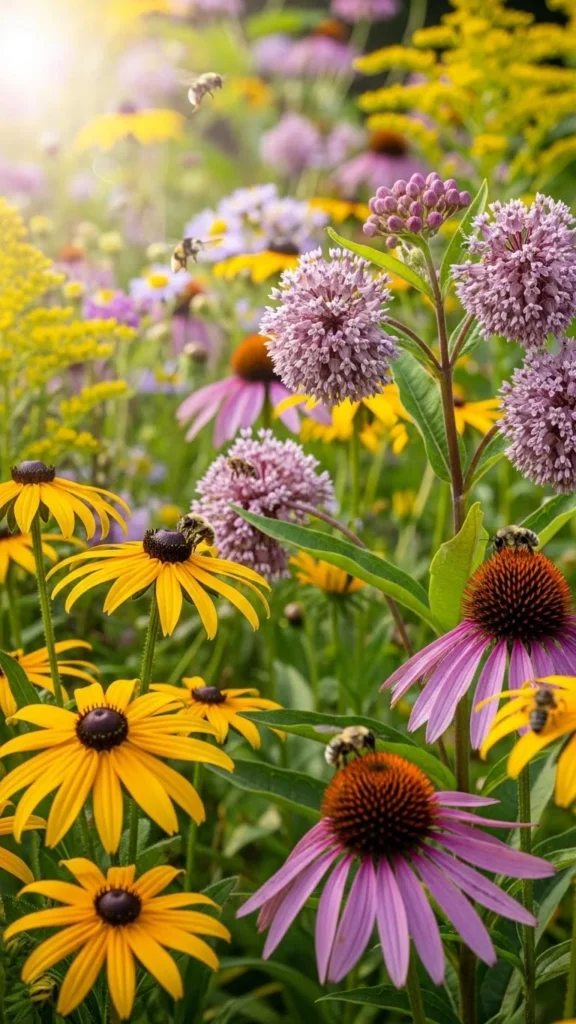
Native plants naturally attract local pollinators. They’ve adapted to the same climate and soil, meaning less maintenance and water. Choose flowers that bloom in different seasons—spring, summer, and fall—so pollinators always have food. For a simple start, try milkweed, coneflowers, and bee balm. You can scatter wildflower seeds across a corner of your yard or fill a raised bed. Avoid hybrid varieties that may lack nectar. Once established, these plants spread easily, giving you a low-cost, buzzing landscape.
2. Build a Bee Bath
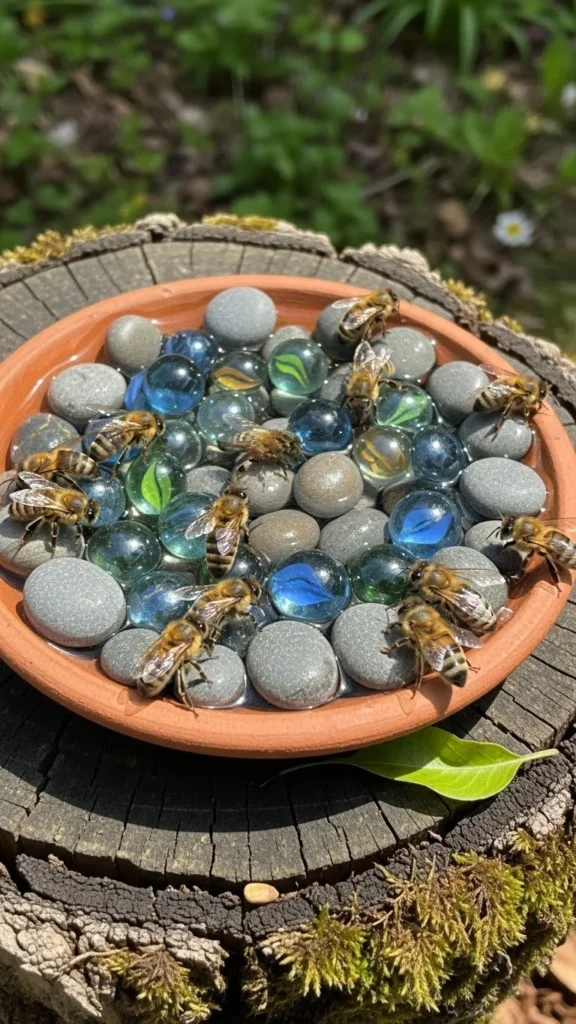
Bees need water too! A bee bath is an easy addition that takes just minutes to create. Use a shallow dish or terracotta saucer and fill it with small stones or marbles so bees have safe landing spots. Keep it topped with clean water and place it near your flowers but away from strong wind. This small detail can attract more pollinators than you’d expect—especially during dry summer days.
3. Grow Herbs That Bloom

Many herbs double as pollinator magnets when left to flower. Lavender, thyme, oregano, and basil draw bees in with their scent and color. Let a few plants bolt instead of harvesting everything. You’ll notice buzzing visitors almost immediately. Plant herbs in pots or garden beds close to your kitchen door for easy access and a lively, fragrant scene.
4. Add Colorful Annuals
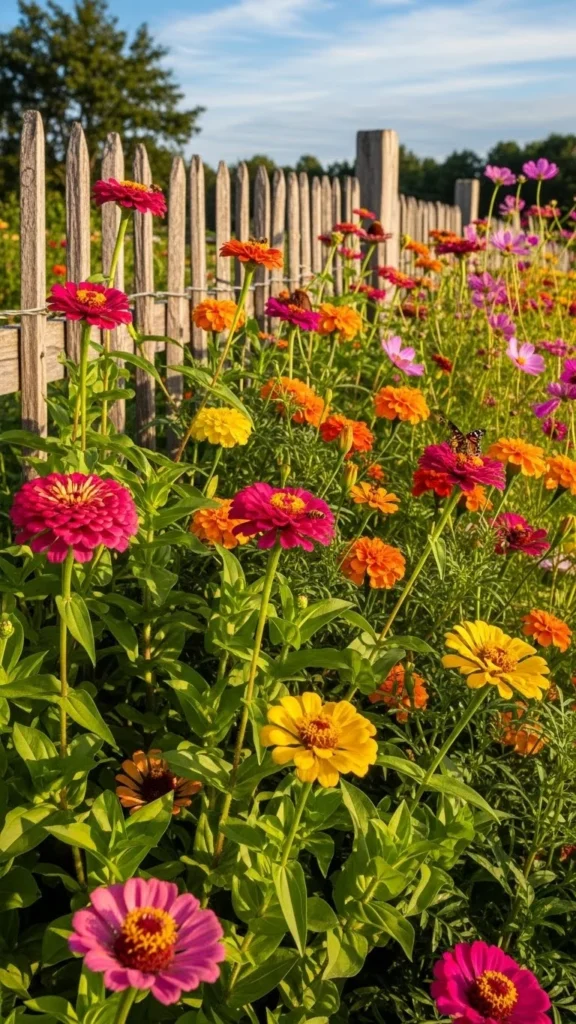
Annuals like zinnias, cosmos, and marigolds are budget-friendly and produce nectar-rich blooms. They’re ideal for filling gaps between perennials or adding quick bursts of color. Choose a mix of shapes and sizes to attract different pollinators. Deadhead spent blooms to keep the flowers coming all season long. These bright blossoms make your garden look cheerful and alive.
5. Avoid Pesticides
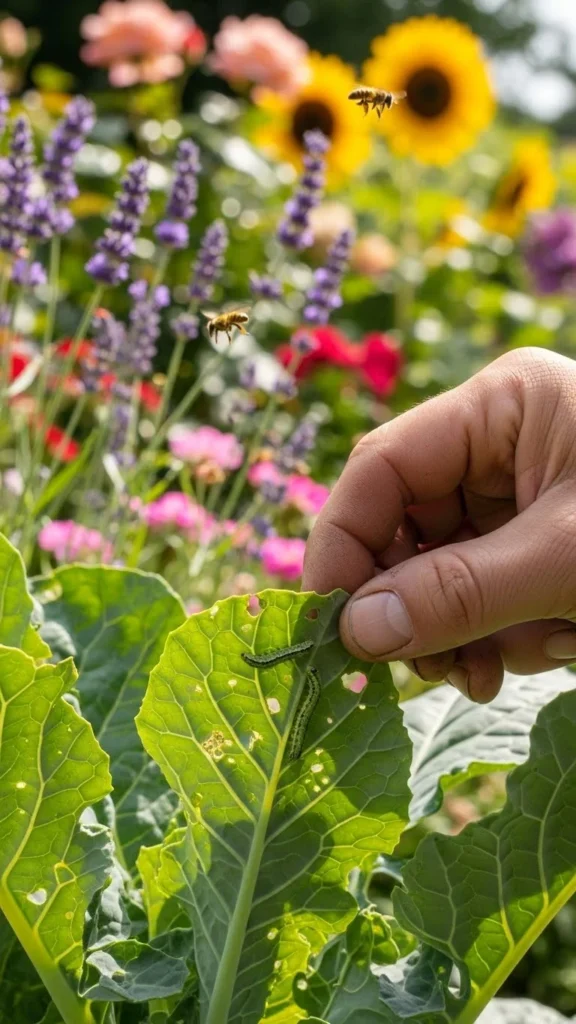
Chemical sprays harm more than pests—they can kill bees, butterflies, and beneficial insects. Instead, try natural methods. Introduce ladybugs, use neem oil, or make homemade soap sprays for small infestations. Companion planting—like pairing marigolds with vegetables—can also reduce pests naturally. Healthy soil and balanced ecosystems are your best defense.
6. Create a Wildflower Strip
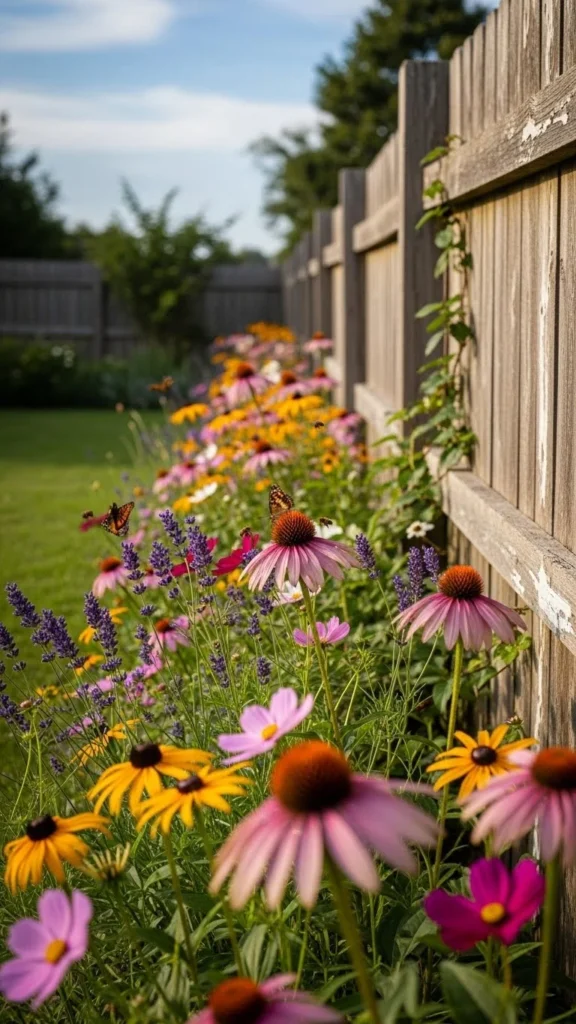
Dedicate a small area just for wild growth. A wildflower strip attracts native pollinators and requires almost no upkeep once established. Scatter seeds of native varieties, water occasionally, and let nature do the rest. These strips are especially helpful near vegetable patches, boosting productivity by inviting pollinators right where they’re needed.
7. Include Flowering Shrubs
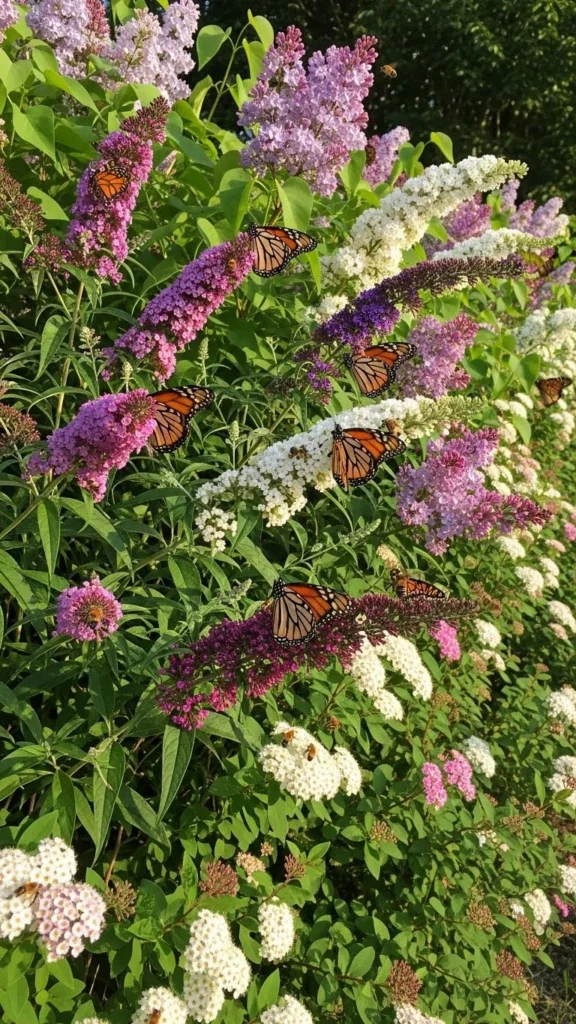
Shrubs like butterfly bush, lilac, and spirea provide shelter, nectar, and pollen. They bloom in abundance and add structure to your garden. Mix them with smaller perennials for layered height. If you have limited space, dwarf varieties can still provide plenty of blooms. The bonus? Many of these shrubs are fragrant and long-lived.
8. Add a Bee House

A bee hotel helps solitary bees find nesting spots. You can buy one or build your own using bamboo sticks or drilled wood blocks. Place it facing east or southeast to catch the morning sun and protect it from heavy rain. Over time, you’ll notice different species making it their home—an exciting sign your garden is thriving.
9. Grow Sunflowers
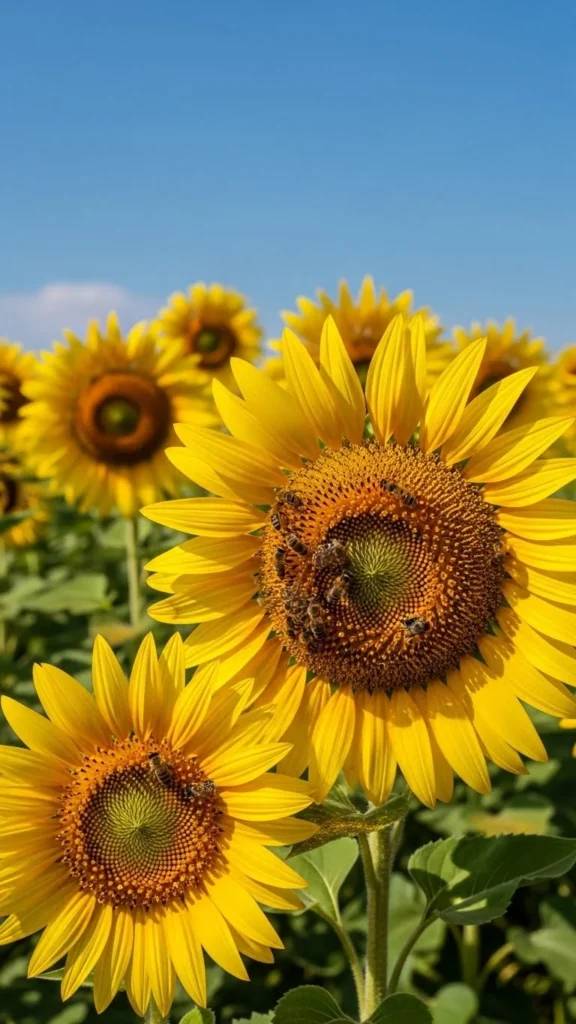
Sunflowers are like magnets for pollinators. Their broad faces make landing easy, and they provide both pollen and nectar. You can plant them in rows along fences or borders for a dramatic look. After blooming, let the heads dry—birds will love the seeds. Sunflowers thrive in most soils and bring height and cheer to any space.
10. Choose Long-Blooming Flowers
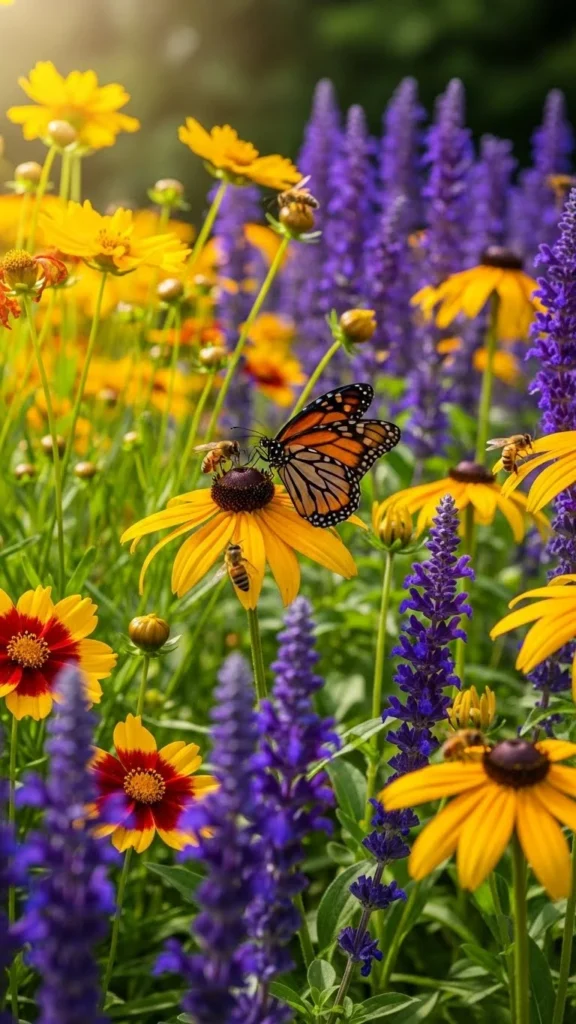
For consistent activity, plant long-blooming perennials such as coreopsis, rudbeckia, and salvia. These keep feeding pollinators for months rather than weeks. Combine varieties with overlapping bloom times to maintain food availability all season. These low-maintenance plants handle heat well and return year after year.
11. Plant in Clusters
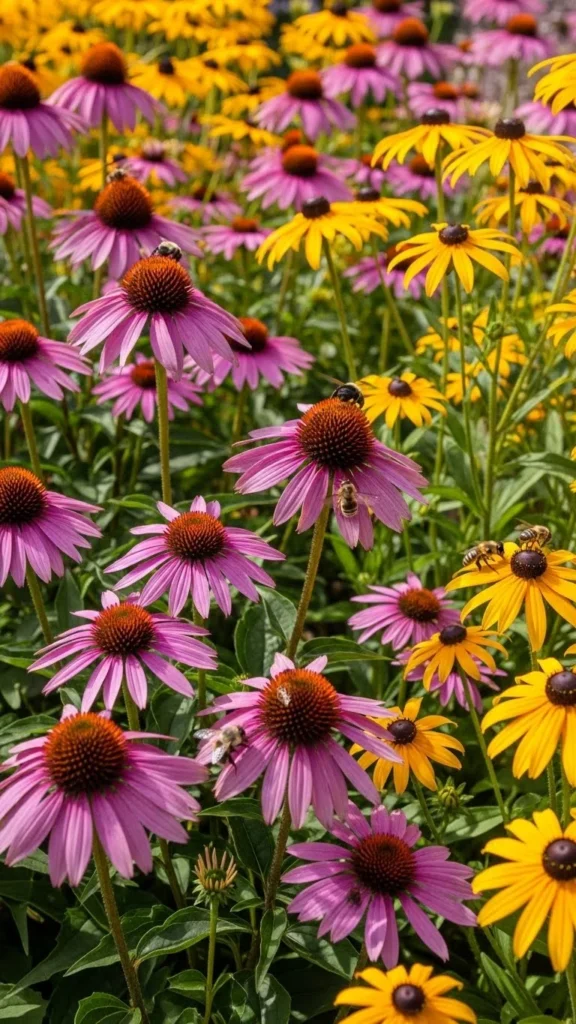
Bees prefer large clusters of the same flower rather than scattered singles. Group similar plants together in clusters of 5–7 for easier foraging. This makes your garden look more organized while being more useful for pollinators. It’s a simple design tweak that makes a big difference.
12. Grow Climbing Flowers

Vertical blooms like morning glories, clematis, and honeysuckle bring nectar to higher levels where certain pollinators feel safer. Install trellises or fences and let vines grow freely. They add height, fragrance, and texture while attracting bees and hummingbirds. Great for small spaces where every inch counts.
13. Add Fragrant Flowers
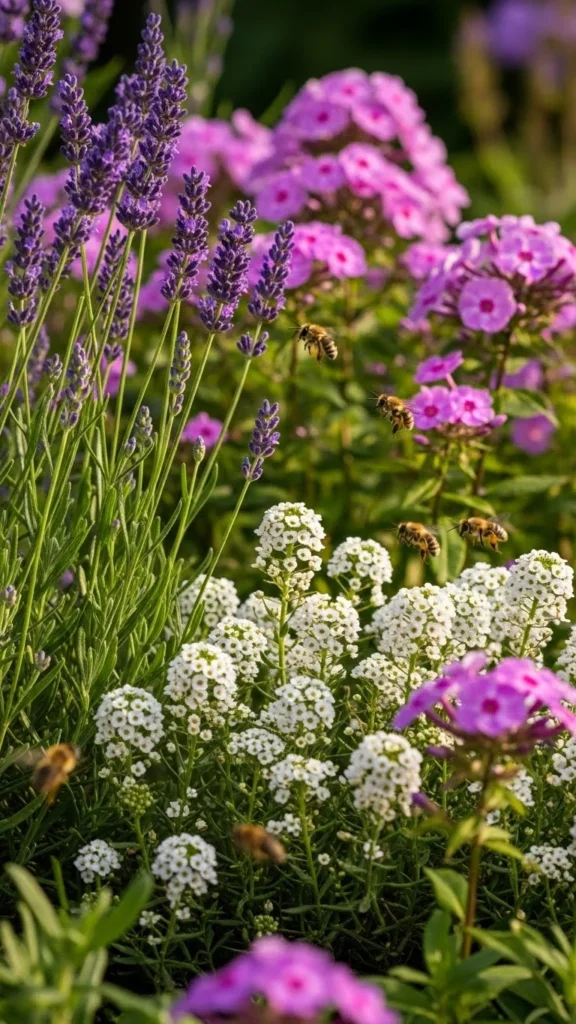
Scent plays a major role in drawing pollinators. Lavender, sweet alyssum, and phlox have strong aromas that lure bees from afar. Position them near walkways or patios for your enjoyment too. Fragrance adds another sensory layer to your garden and keeps pollinators coming back.
14. Leave Some Bare Ground
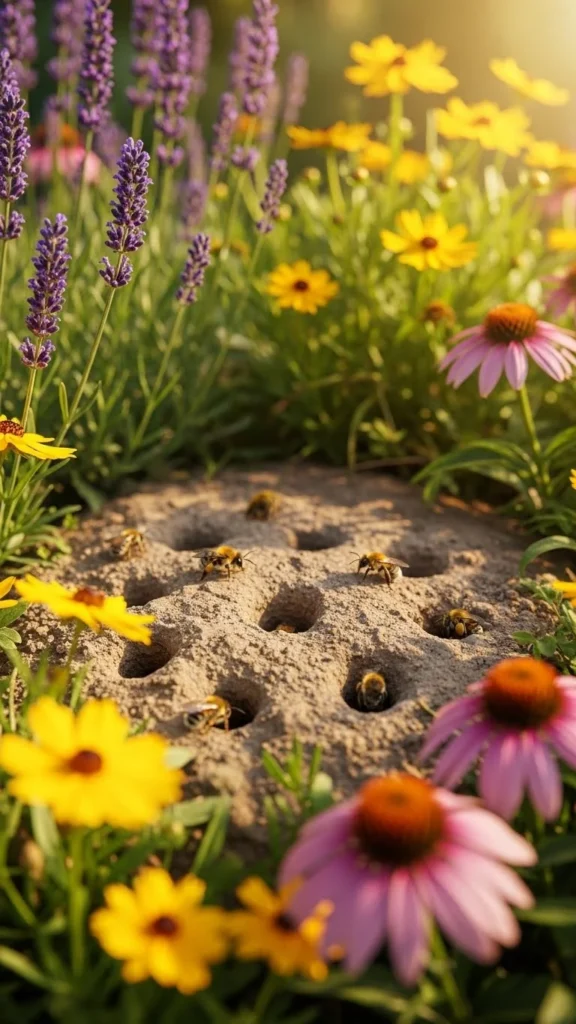
Not all bees live in hives—many nest in the ground. Leaving a small bare soil patch helps them find a safe nesting site. Avoid heavy mulch in these areas. Choose a sunny, well-drained spot and let it stay natural. It’s a no-cost way to support native bee populations.
15. Grow Flowering Vegetables
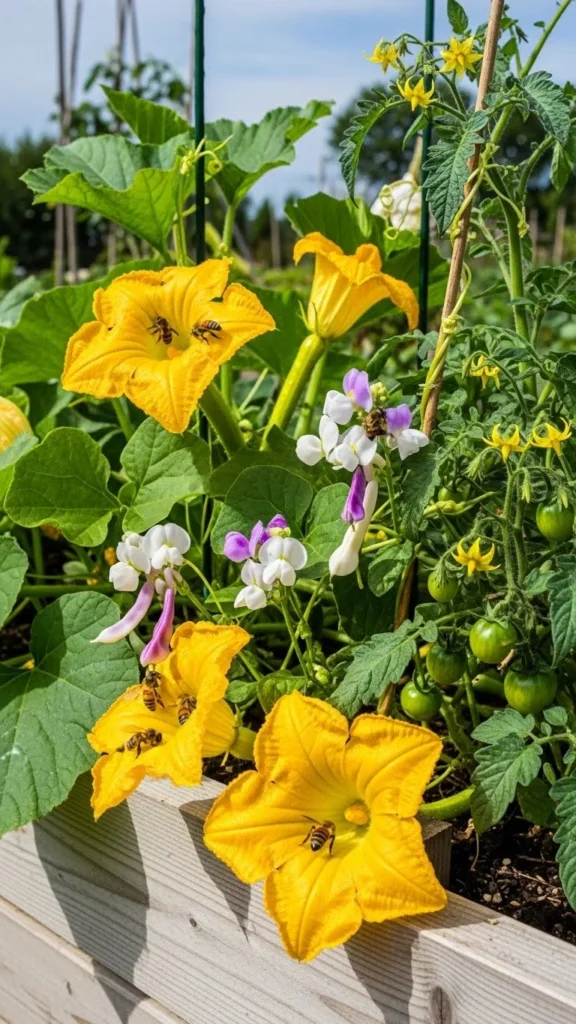
Your veggie patch can double as a pollinator zone. Plants like squash, beans, and tomatoes rely on bees for pollination. Allow some flowers to remain before harvesting. The more pollinators visit, the better your yields. Combine vegetables with companion herbs or flowers for a healthy, active garden.
16. Add Water Features
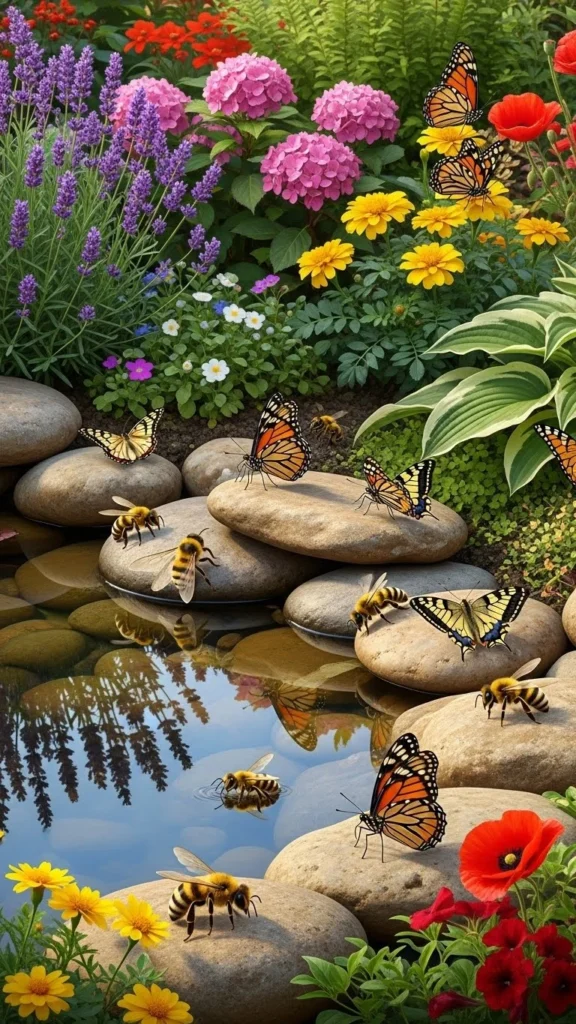
Even a small birdbath or mini pond adds life to your garden. Bees and butterflies stop by for a sip, while birds help control pests. Include rocks or floating corks so insects have safe landing spots. Moving water prevents stagnation and attracts even more wildlife.
17. Grow Spring Bulbs
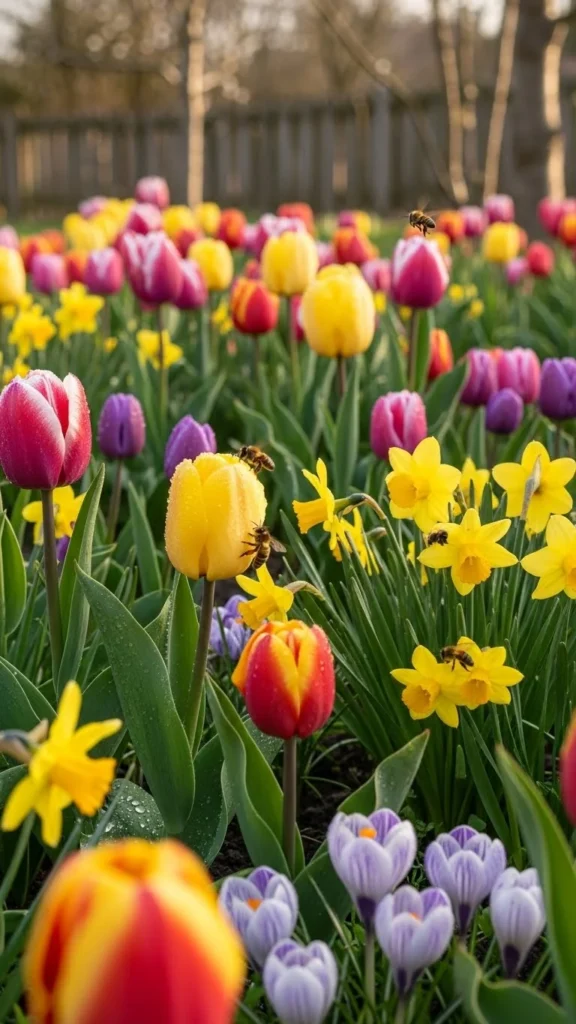
Early flowers like crocuses, daffodils, and tulips give bees vital food after winter. Plant bulbs in clusters during fall so they’re ready by spring. These early blooms create a welcoming signal to pollinators when little else is flowering.
18. Add Night-Blooming Plants
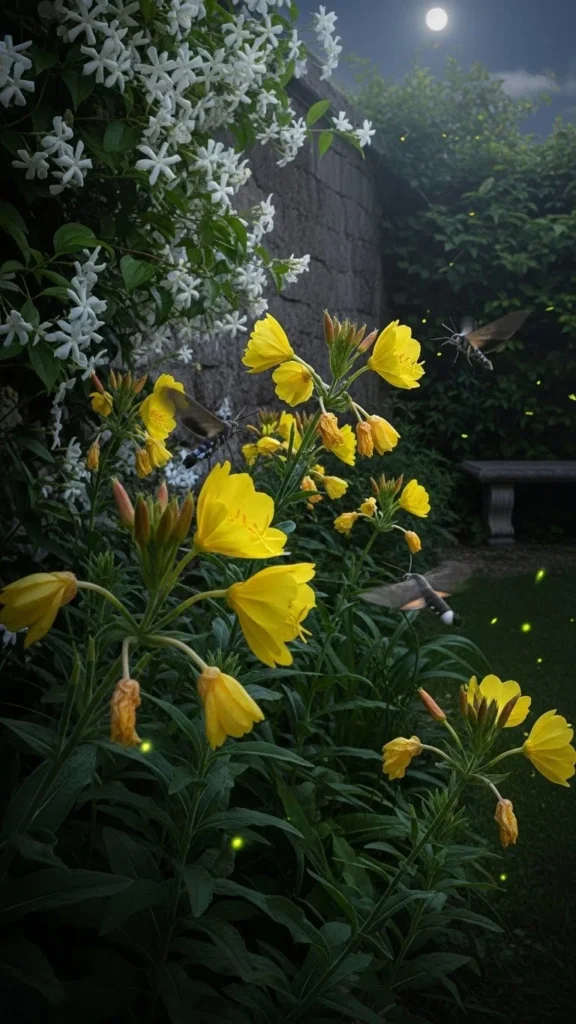
Not all pollinators work during the day. Moths and bats visit gardens at night. Add evening primrose or night-blooming jasmine to feed them. Their pale blooms and fragrance stand out under moonlight, adding both beauty and ecological balance to your garden.
19. Grow Clovers and Grasses
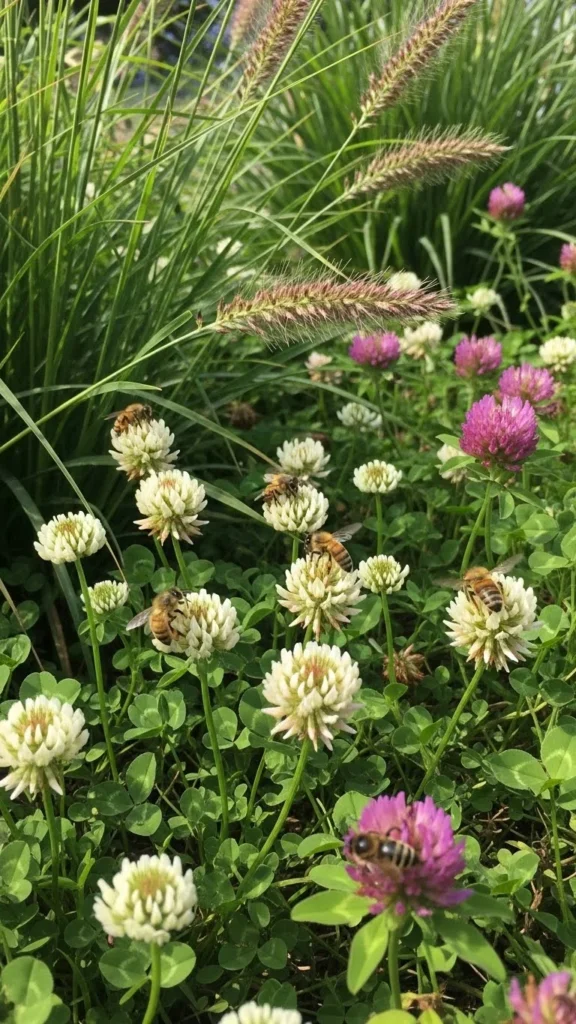
Don’t rush to remove clover—it’s an excellent food source for bees. Mix white clover or red clover with native grasses for a low-maintenance lawn alternative. It enriches the soil with nitrogen, reduces mowing, and stays green even in dry spells.
20. Mix Bloom Heights
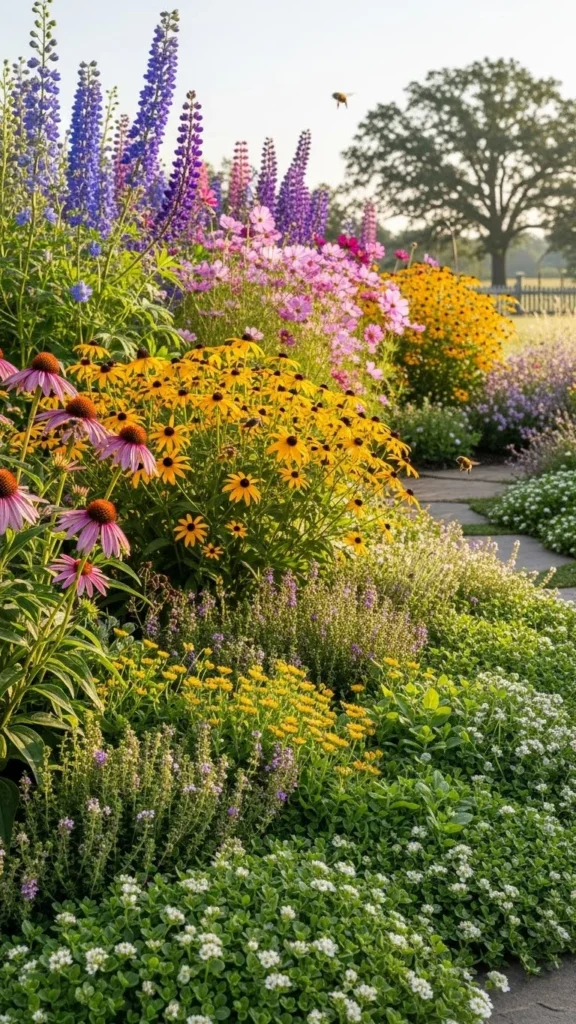
Pollinators thrive when gardens offer a variety of heights. Combine ground covers, mid-level plants, and tall perennials. This layered look gives shelter, food, and movement options for different species. It also creates visual depth and structure, making your garden look naturally rich and full.
Conclusion
Saving the bees doesn’t require acres of land—just thoughtful choices and a few simple changes. Each flower, shrub, or bee bath you add helps rebuild habitats lost to concrete and chemicals. Start small, stay consistent, and you’ll soon have a thriving space full of color, sound, and life. Your garden becomes more than decoration—it becomes part of the solution.
Leave a Reply