

Nothing transforms a garden like a well-timed prune. Whether you’re tending to roses, herbs, or fruit trees, pruning helps your plants grow stronger, bloom brighter, and stay disease-free. The secret? It’s not about cutting more—it’s about cutting smart.
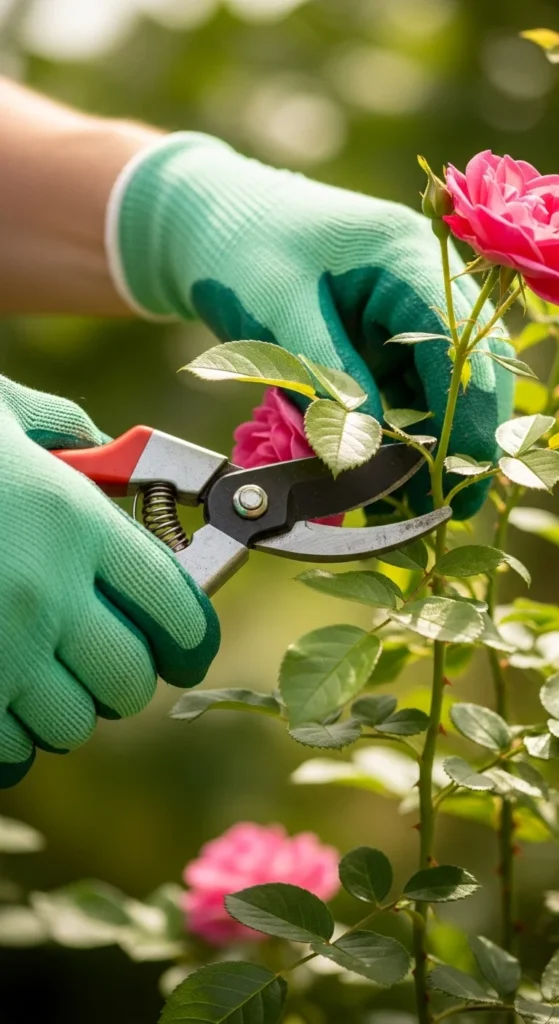
Why Pruning Is Essential for Plant Health
Think of pruning as a spa treatment for your plants. Removing dead or weak parts lets them channel energy into new, vigorous growth. It also:
- Improves air circulation
- Reduces pest and fungal issues
- Encourages more blooms and fruit
- Shapes plants for better aesthetics and balance
When done right, pruning helps plants thrive naturally without needing constant rescue from fertilizers or pesticides.

Step 1: Know the Right Time to Prune
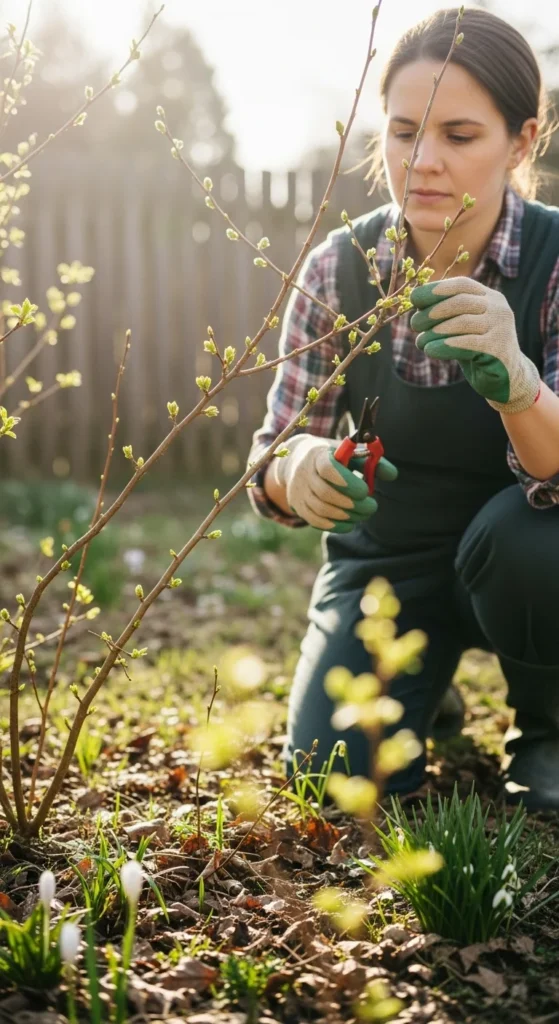
Timing can make or break your pruning efforts. Each type of plant has its season:
- Spring bloomers (like lilacs and azaleas): Prune right after they finish flowering.
- Summer bloomers (like hydrangeas and roses): Trim in late winter or early spring before growth starts.
- Evergreens and shrubs: Light pruning can be done year-round, but heavy trimming is best in late winter.
A simple rule: Avoid pruning during extreme cold or peak growth, as it can stress your plants.
Step 2: Use the Right Tools
The best gardeners swear by clean, sharp tools. Dull blades can tear stems and leave your plant vulnerable to disease.
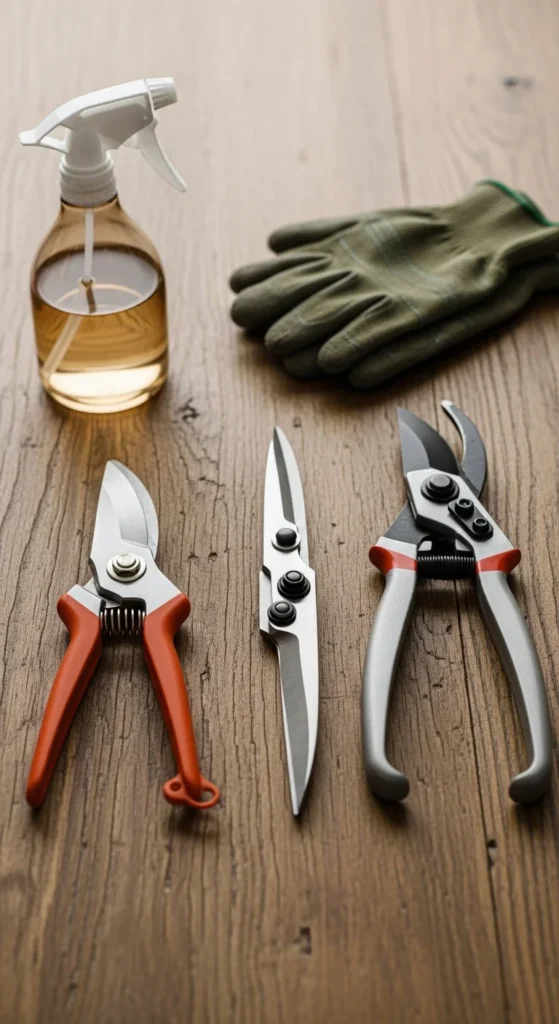
Here’s what you’ll need:
- Bypass pruners – for thin branches and delicate cuts.
- Loppers – for medium branches up to 1 inch thick.
- Pruning saw – for thicker branches or shrubs.
- Disinfectant spray – to clean tools between plants and prevent spreading infections.
Pro Tip: Wipe your tools with rubbing alcohol after each session to keep bacteria and fungi away.
Step 3: Learn the Art of the Cut
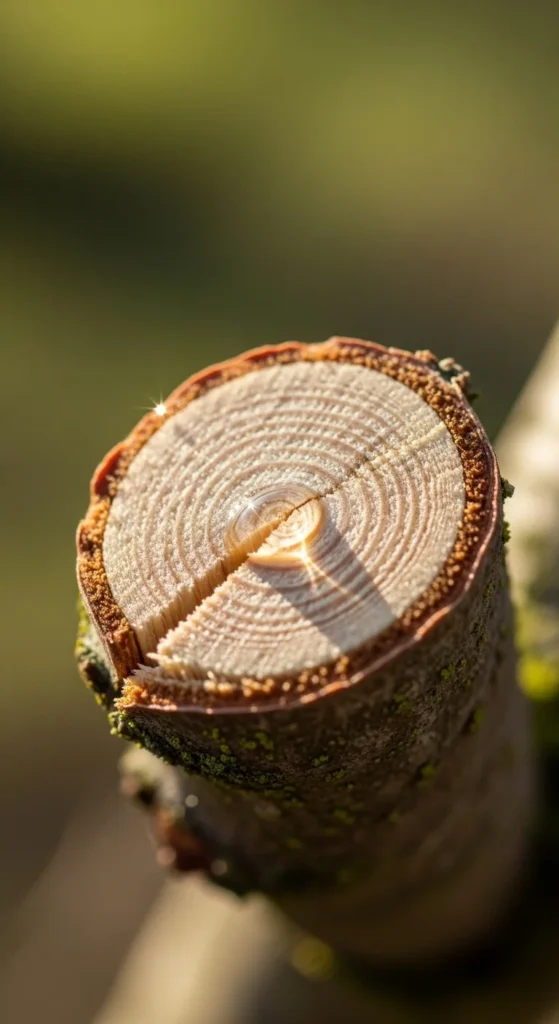
Pruning isn’t guesswork—it’s strategy. Always cut just above a leaf node or bud that’s facing outward. This encourages the plant to grow in the direction you want.
Follow these guidelines:
- Remove dead or diseased wood first.
- Trim crossing branches to prevent rubbing and breakage.
- Cut angled at 45° so water doesn’t sit on the wound.
Avoid “shearing” everything at once (like trimming hedges flat), as it can weaken the plant’s natural shape.
Step 4: Don’t Fear Cutting Back Hard
It may feel wrong to chop off healthy growth—but sometimes, plants need a bold trim to flourish. Overgrown roses, lavender, and hydrangeas benefit from hard pruning every few years.
Here’s how:
- Cut back to about one-third of the plant’s size.
- Remove all thin, weak, or inward-growing stems.
- Always leave a few strong main branches for structure.
This deep reset gives the plant room to rejuvenate and send out fresh, healthy shoots.
Step 5: Follow Up with Aftercare
After pruning, your plants deserve a little TLC.
- Water deeply to help recovery.
- Add organic compost or mulch to nourish the roots.
- Keep an eye out for pests on fresh cuts.
You’ll notice your plants bouncing back within weeks, looking cleaner, bushier, and ready to bloom.

Bonus Tips for Bloom Boosting
Want even more flowers? Try these quick tips:
- Deadhead regularly — snip off spent blooms to trigger new ones.
- Feed lightly — a balanced organic fertilizer supports new growth.
- Rotate pruning — don’t cut the same branches every season. Alternate for balanced rejuvenation.
Little actions like these turn your pruning routine into a flower factory for your garden.
Final Takeaway
Pruning might seem intimidating at first, but once you understand your plants, it becomes second nature. Each snip is an act of care—helping your garden grow fuller, brighter, and stronger.
So grab your shears, step outside, and start shaping your green sanctuary.
Save this guide for your next pruning day—and watch your garden thank you in blooms!

Leave a Reply