

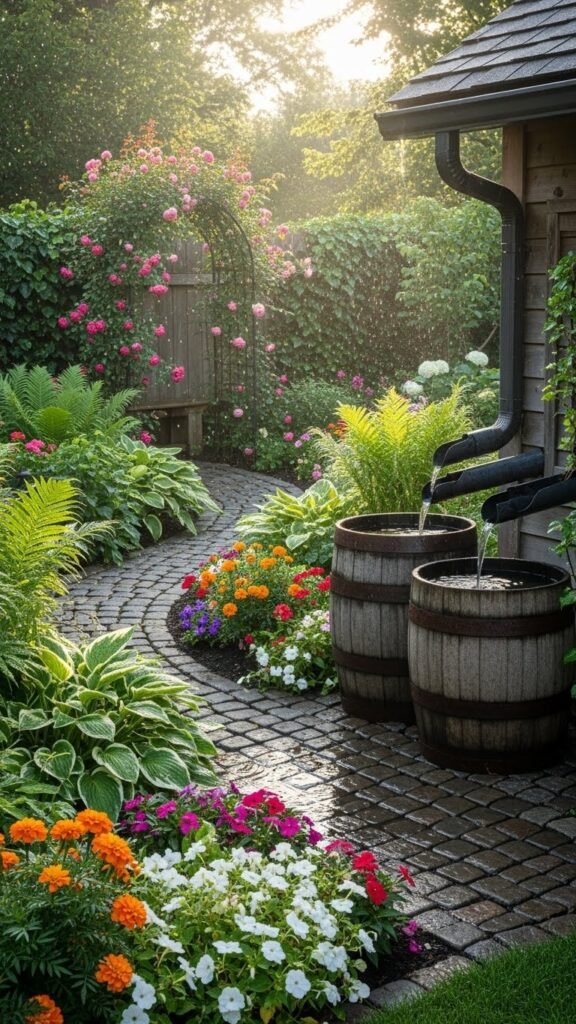
Collecting and using rainwater is one of the smartest, most eco-friendly ways to care for your garden. It saves money, conserves water, and keeps your plants happy even during dry spells. Whether you’re working with a small balcony setup or a large backyard, there are simple ways to make the most of every drop. These 22 rainwater harvesting hacks will help you create a self-sufficient garden that stays green and healthy all year round.
1. Use a Basic Rain Barrel System

A rain barrel is the easiest way to collect water. Position it beneath a downspout to catch runoff from your roof. Opt for food-grade barrels to keep the water safe for plants. Add a fine mesh screen to keep out debris and mosquitoes. You can buy pre-made barrels or repurpose a large plastic drum for a budget option. Once filled, connect a small hose or watering can to the spigot and use it for your flower beds, veggies, or potted plants.
2. Create a Rain Chain
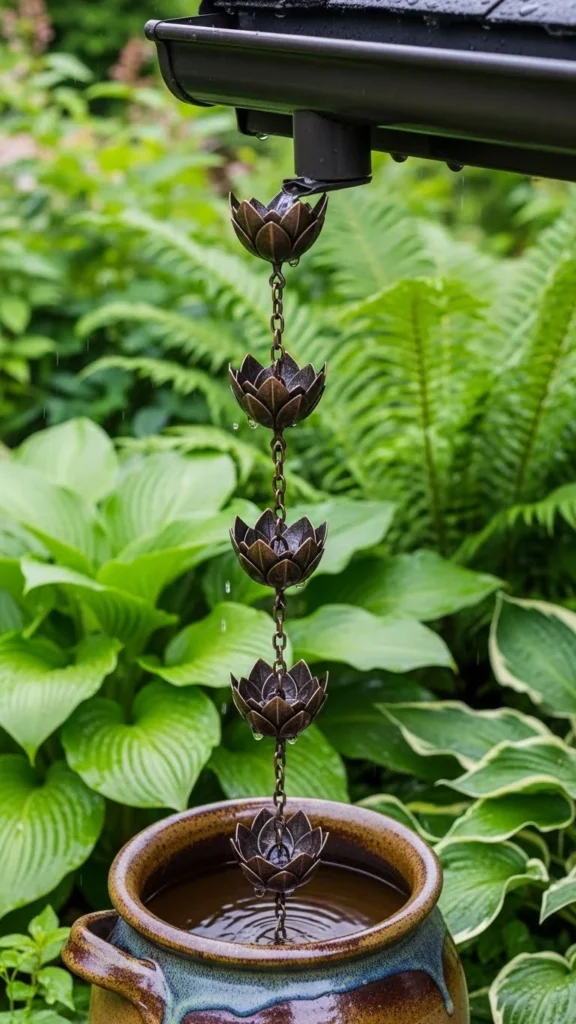
Rain chains replace traditional downspouts with a beautiful and functional feature. They guide rainwater gently from your roof into a collection basin or barrel. Choose metal cups or linked rings for a stunning visual effect. They’re perfect for smaller spaces where aesthetics matter as much as utility. Add stones or gravel at the base to reduce splashing and erosion. It’s a simple way to make rain collection decorative and practical at the same time.
3. Build a DIY Gutter Diverter
[Image Prompt: Hands adjusting a plastic gutter diverter connected to a downspout and rain barrel. Water flows smoothly through the system with green shrubs nearby.]
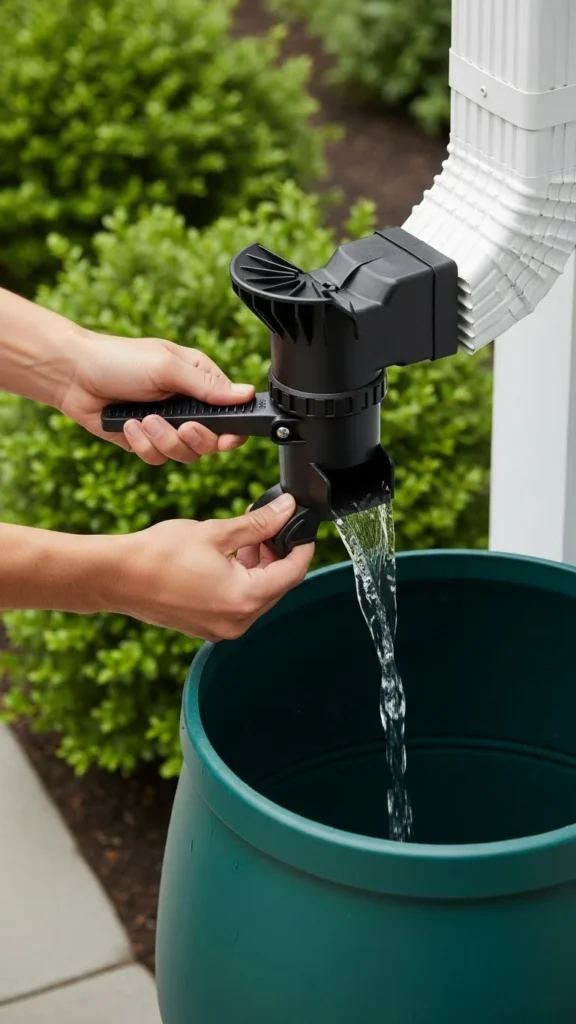
A gutter diverter helps direct water from your roof into storage barrels without overflow. Install a small valve in your existing gutter system to switch flow during heavy rains. Many diverters are inexpensive and can be made using PVC parts. This hack ensures you capture more rainwater efficiently while keeping your gutters clean and preventing foundation flooding.
4. Collect Roof Runoff into Multiple Barrels
If you have a large roof, one barrel might not be enough. Connect multiple barrels in a series to expand capacity. Use a simple overflow hose to link them. This setup is especially helpful during long rainy periods, ensuring every drop is stored. Position the barrels on a slightly raised platform to increase water pressure when watering your plants later.
5. Recycle Greywater Safely
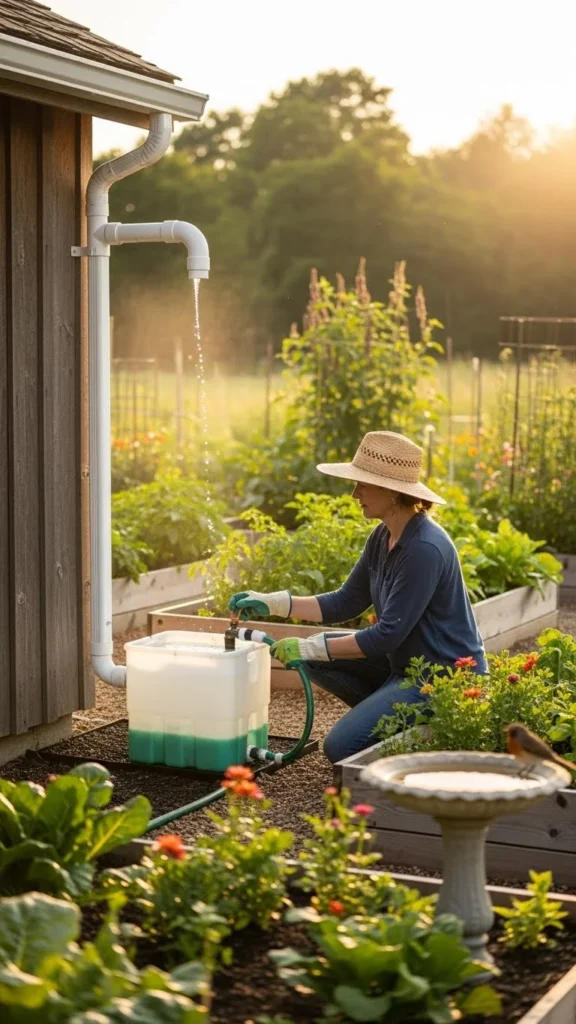
Besides rain, greywater from sinks, showers, and washing machines can be reused safely for plants (avoid kitchen or toilet water). Use eco-friendly soaps to prevent buildup of harmful residues. This method is great during dry seasons when rainfall is limited. Always filter greywater before applying it to the garden to prevent clogging your watering system.
6. Add a First-Flush Diverter

A first-flush diverter lets you discard the initial dirty water from your roof after a dry spell. This first flow often contains dust, bird droppings, and debris. By separating it, you keep your main storage clean. It’s a small, affordable upgrade that improves water quality significantly, especially if you’re watering delicate plants or edibles.
7. Store Water in Underground Tanks

If space is tight, consider an underground storage system. These tanks keep water cool, prevent evaporation, and save above-ground space. It’s ideal for homeowners who want a discreet solution. Connect it to a pump to move water up to your garden when needed. Though it costs more upfront, it’s a long-term investment that pays off.
8. Build a Simple Catchment Surface
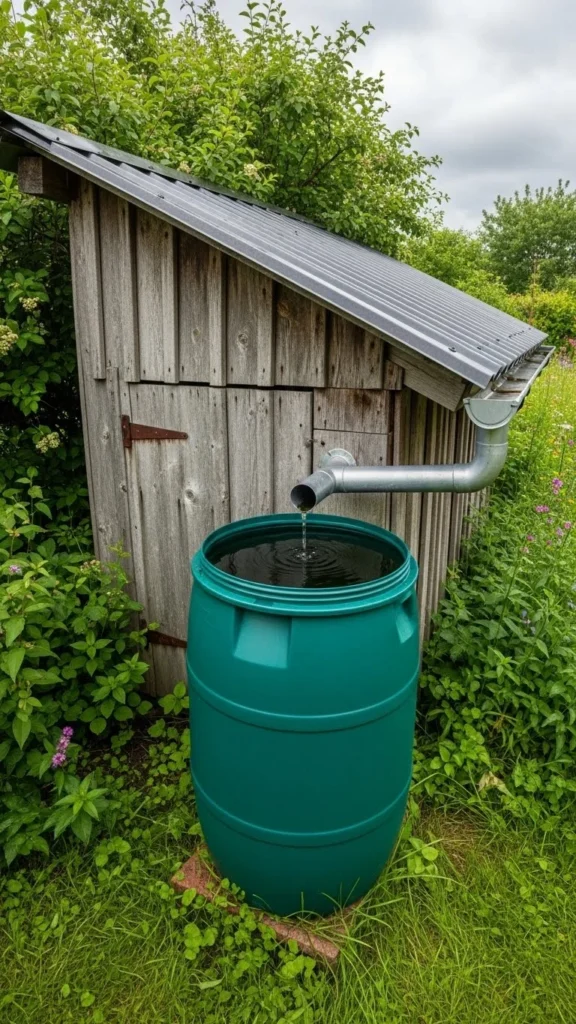
Don’t have gutters? Use a catchment surface like a shed or greenhouse roof. Even a small structure can collect gallons of rainwater. Position barrels beneath the lowest edge and secure them properly. This setup is perfect for allotments or patio gardens, capturing enough for container plants or small raised beds.
9. Use a Slow-Soak Hose

Connect a soaker hose to your rain barrel for easy irrigation. It releases water slowly, reducing waste and evaporation. Lay it under mulch for deeper watering and minimal loss. This hands-free method keeps soil moist for longer and saves time during hot months.
10. Mulch Heavily Around Plants
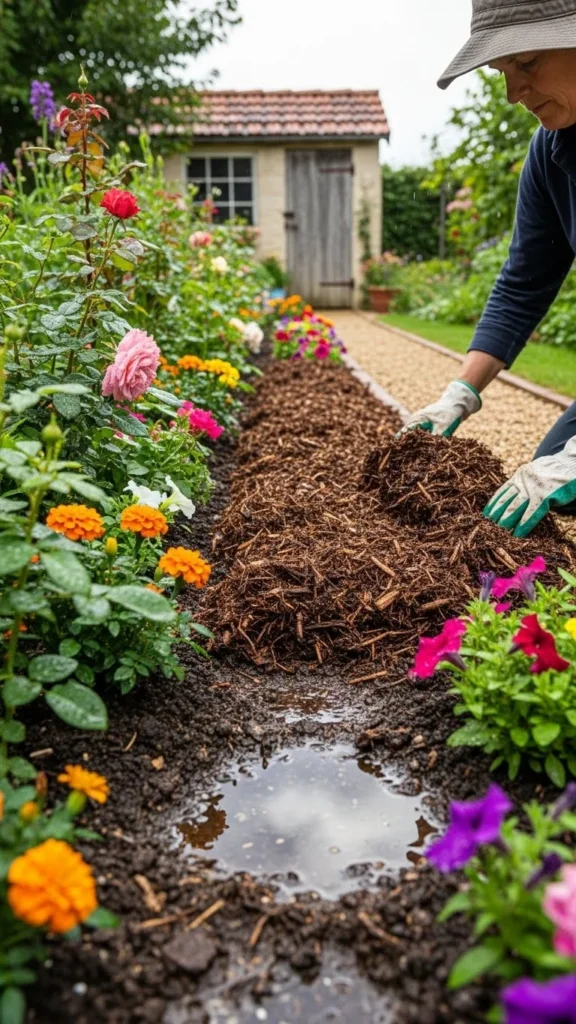
Mulching isn’t just for weeds—it’s a natural way to retain rainwater in the soil. Use straw, wood chips, or dried leaves around your plants. It slows evaporation, prevents runoff, and improves soil texture. For best results, refresh your mulch layer every season.
11. Install a Rain Garden
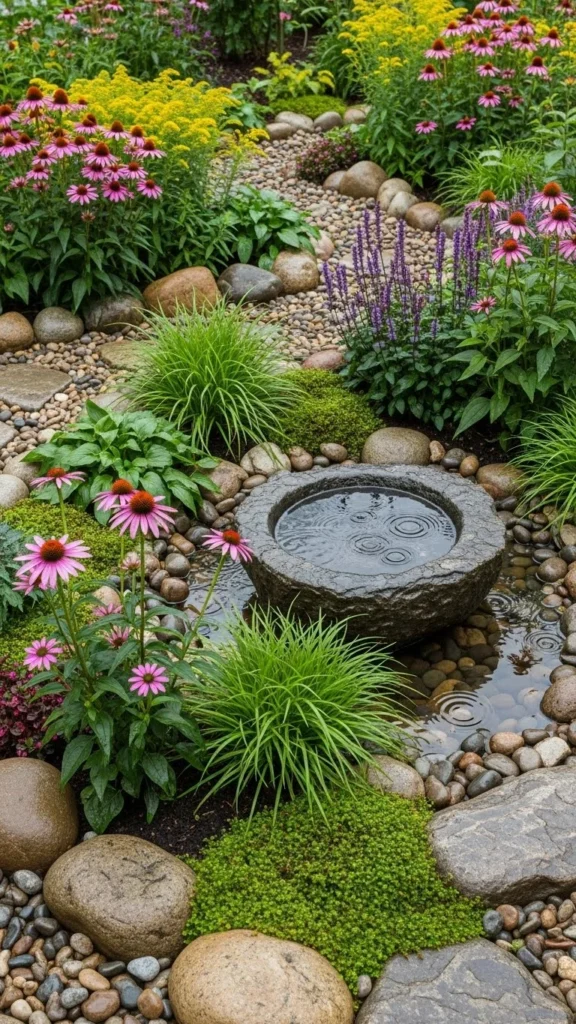
A rain garden is a shallow, landscaped area that collects runoff and allows it to soak naturally. Use water-loving plants like sedges or daylilies. It’s both beautiful and eco-friendly, filtering pollutants and replenishing groundwater. Place it near downspouts or low areas in your yard.
12. Redirect Downspouts to Flower Beds
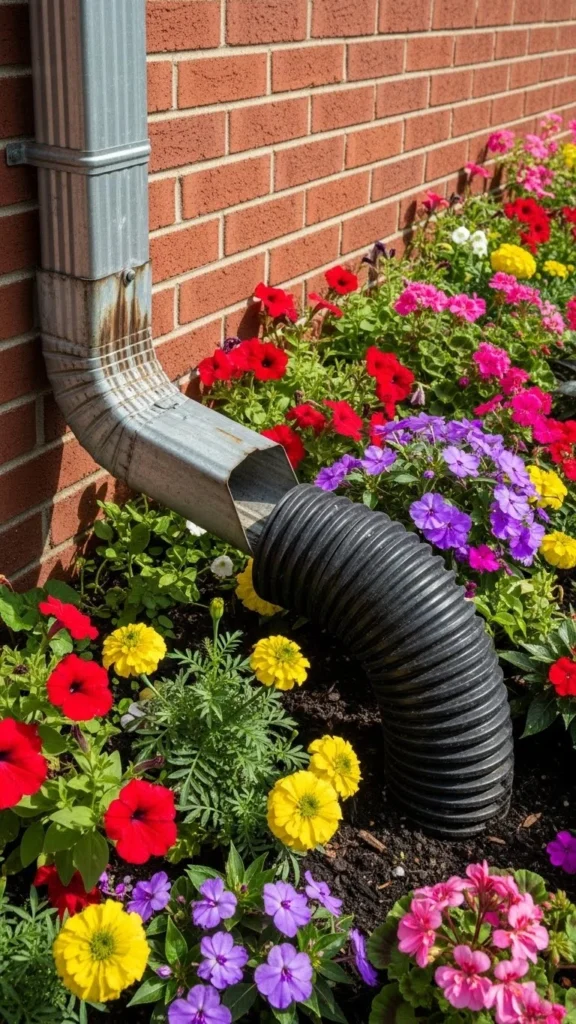
Instead of letting rainwater go to waste, redirect it straight to your plants. Flexible downspout extensions make it simple. Add gravel or stones at the outlet to slow flow and prevent soil erosion. It’s a low-cost hack with instant results.
13. Capture Water from Driveways

Install a small gravel channel along your driveway to catch and direct runoff. Use it to feed a nearby rain garden or barrel system. This helps reduce flooding while making smart use of water that would otherwise flow into drains.
14. Install a Floating Pump System
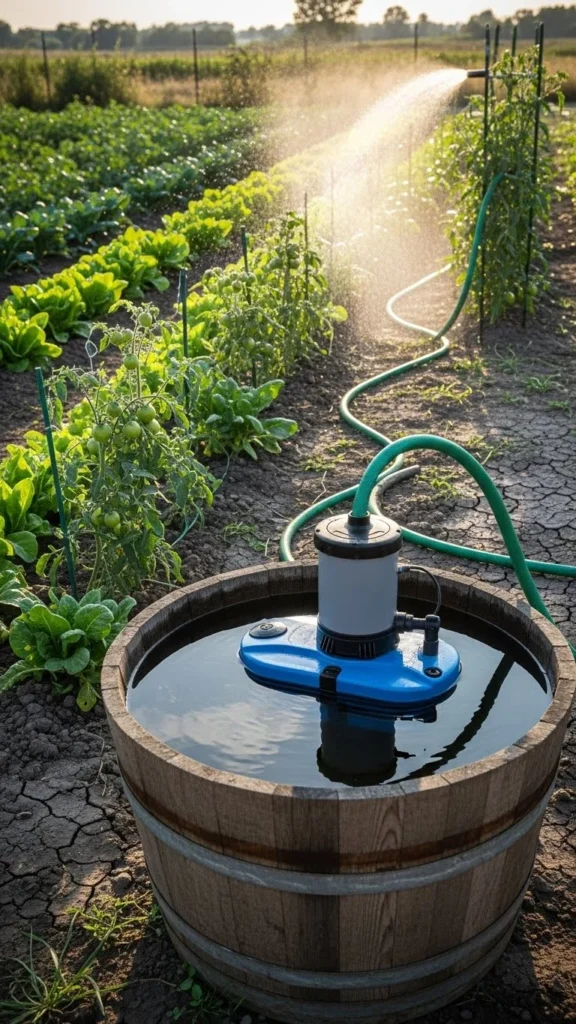
When your barrels fill up, a small pump helps move water efficiently to your garden. Floating pumps are affordable and easy to install. They prevent sediment from clogging hoses since they draw from the surface water instead of the bottom.
15. Use a Watering Timer
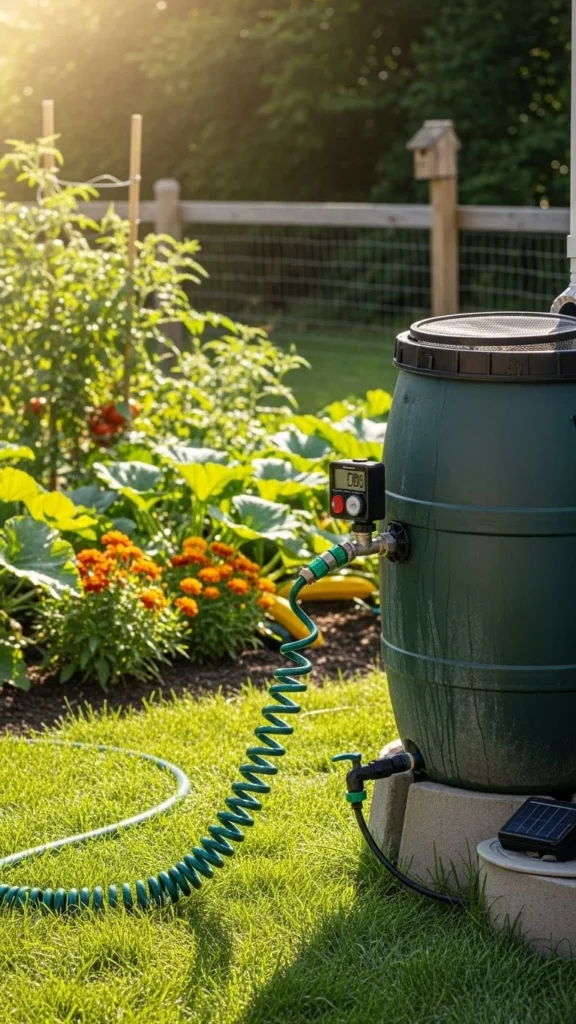
Automate your watering schedule with a timer. It connects directly to your rain barrel or irrigation system. You’ll save time and water by delivering just the right amount at regular intervals. Great for busy gardeners who want consistent results.
16. Add Gravel Trenches for Drainage
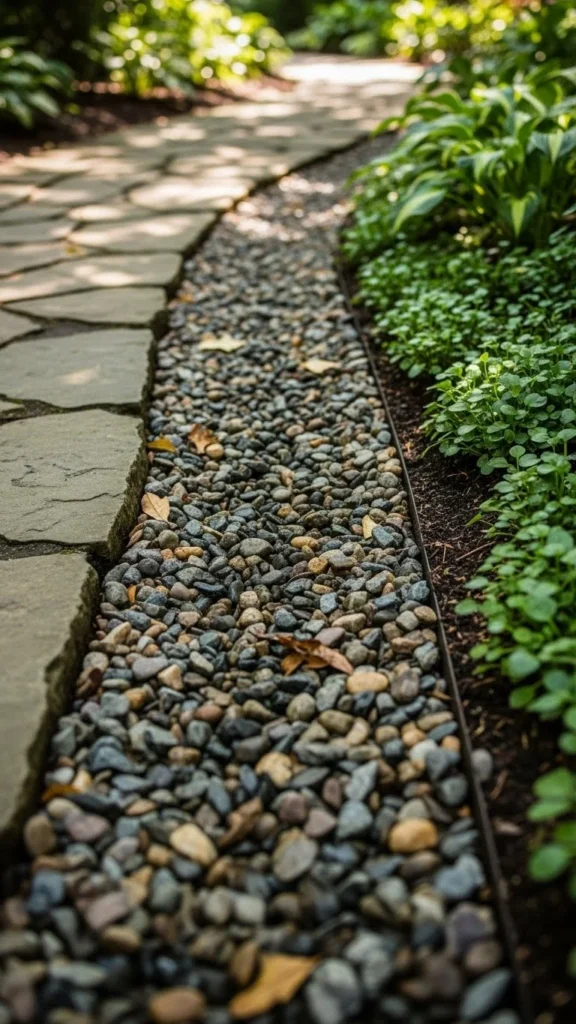
Gravel trenches collect and slowly release rainwater into the ground. They prevent pooling near plants and keep roots healthy. Use them along garden edges or near walkways where water tends to collect. It’s a simple, low-cost way to manage runoff naturally.
17. Collect Water from Greenhouses

Don’t overlook your greenhouse! Attach small gutters to the roof to catch condensation and rainwater. You’ll be surprised how much you can collect during storms. This water is perfect for seedlings and indoor plants.
18. Add a Simple Filtration Layer
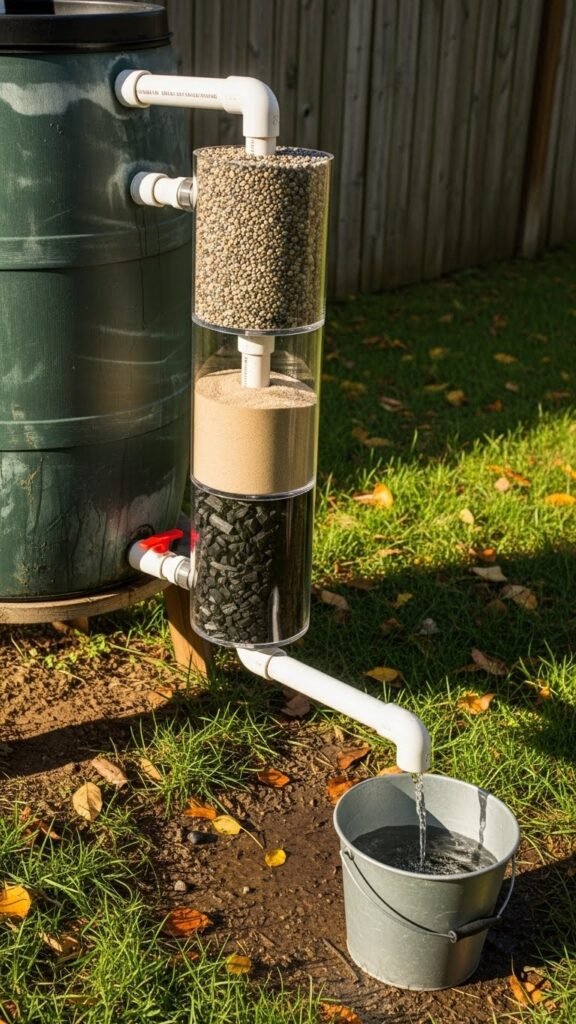
Before using stored rainwater, pass it through a basic filter made of sand, gravel, and charcoal. It removes small particles and keeps your watering system clean. Build it with items you likely already have at home.
19. Install Overflow Outlets
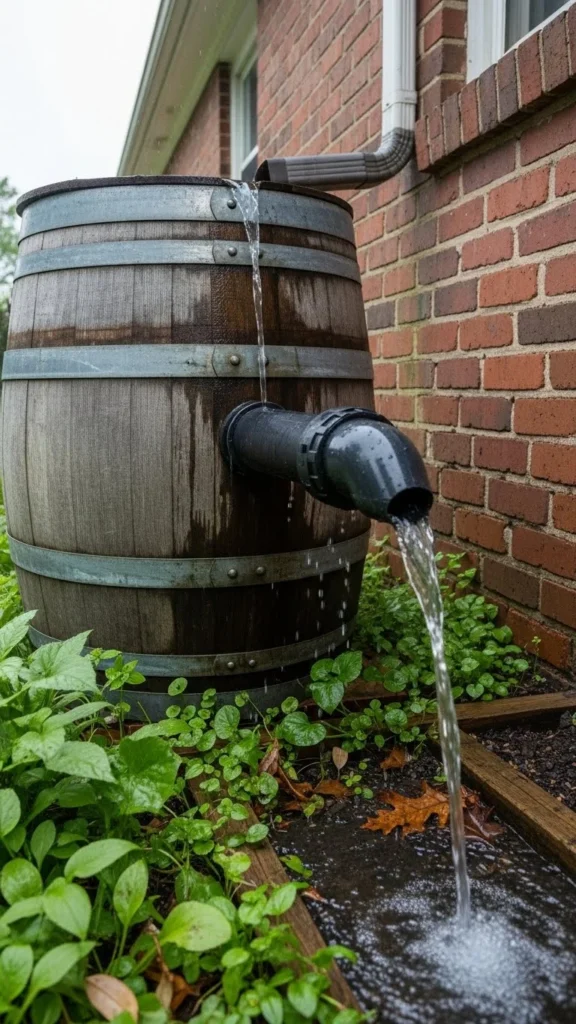
To avoid flooding, install an overflow outlet near the top of your barrel. Connect it to another barrel or direct the water into a garden bed. This prevents wasted water and keeps your yard tidy even during downpours.
20. Use Permeable Pavers
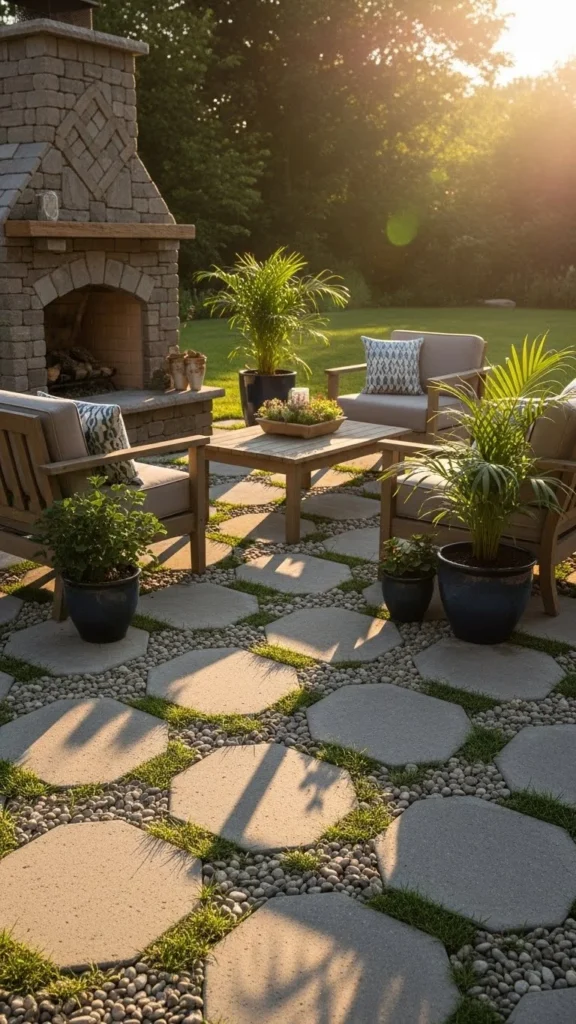
Swap out concrete for permeable pavers or gravel pathways. They let rainwater soak into the ground instead of running off. Your soil stays moist longer, and the risk of flooding decreases. It’s a great landscaping upgrade for sustainable gardens.
21. Grow Water-Loving Plants Near Runoff Zones
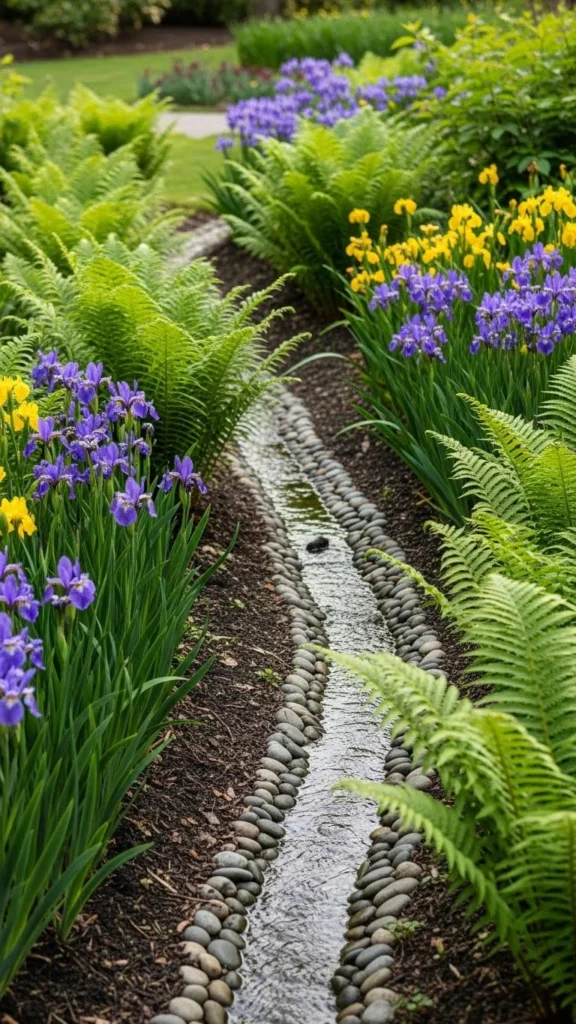
Take advantage of natural runoff by planting moisture-loving species where water collects. Plants like ferns, irises, or hostas thrive in damp soil. They help filter the water while creating lush, green zones in your garden.
22. Store Rainwater in Decorative Containers
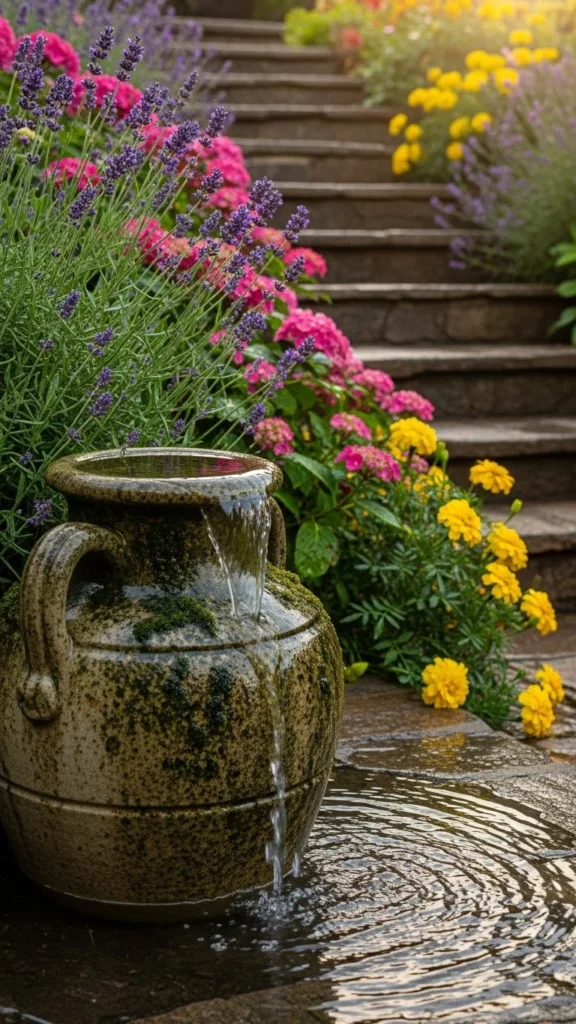
Who says functionality can’t be stylish? Store rainwater in decorative urns, tubs, or stone basins. They add charm to your outdoor space while keeping water handy for hand-watering or cleaning tools. Cover them with mesh to prevent mosquitoes and debris.
Conclusion
Rainwater harvesting isn’t just about saving water—it’s about creating a resilient, eco-friendly garden that thrives naturally. With these simple hacks, you can make every rainfall count, cut down on your water bills, and keep your plants happy year-round. Start with one or two ideas, and soon you’ll see how small changes lead to a greener, more sustainable outdoor space.

Leave a Reply