

Even if your garden doesn’t get much sun, it can still be a lush, thriving oasis. Shade-loving plants bring life, texture, and bursts of color to those cool, quiet corners where sunlight struggles to reach. With the right choices and care, you can turn dim areas into some of the most magical spots in your yard.
Understanding Shade and Choosing the Right Plants
Before planting, it’s important to know what kind of shade your garden offers. Shade isn’t one-size-fits-all — it comes in levels.
- Partial Shade: 3–6 hours of sunlight a day, often morning light.
- Dappled Shade: Filtered sunlight through tree branches — ideal for woodland plants.
- Full Shade: Less than 3 hours of direct sunlight, such as along north-facing walls or under dense canopies.
Once you identify your shade type, pick plants that naturally thrive in it. Some great options include:
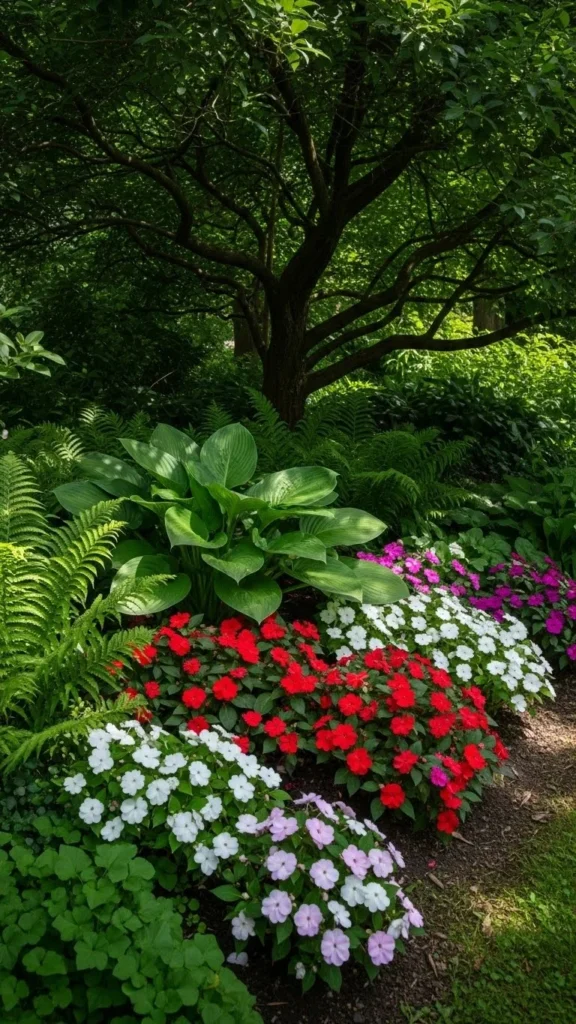
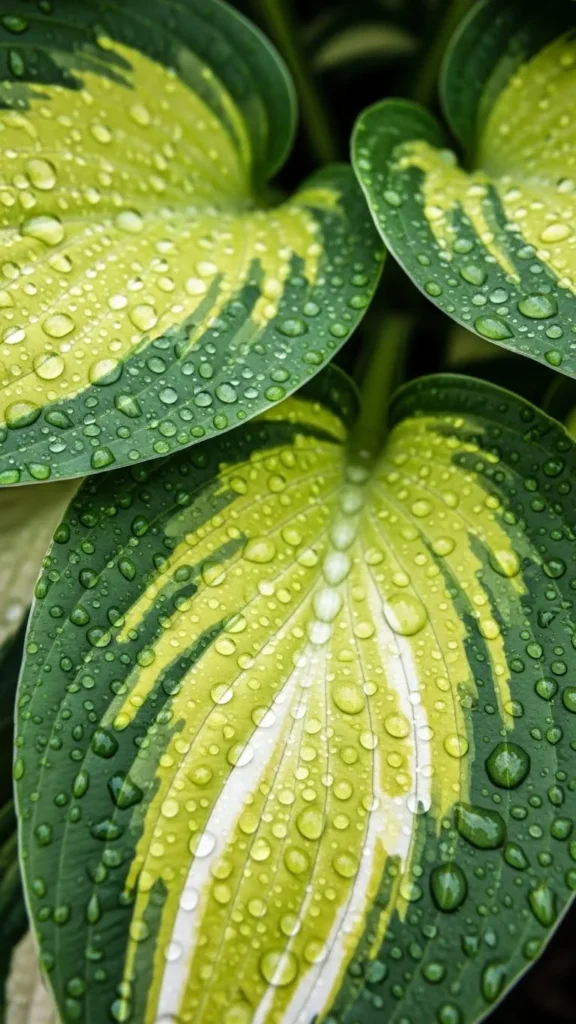
- Hostas – With their large, vibrant leaves, hostas bring instant texture and color.
- Ferns – Perfect for adding feathery, woodland charm.
- Astilbe – Produces beautiful plumes of pink, red, or white flowers.
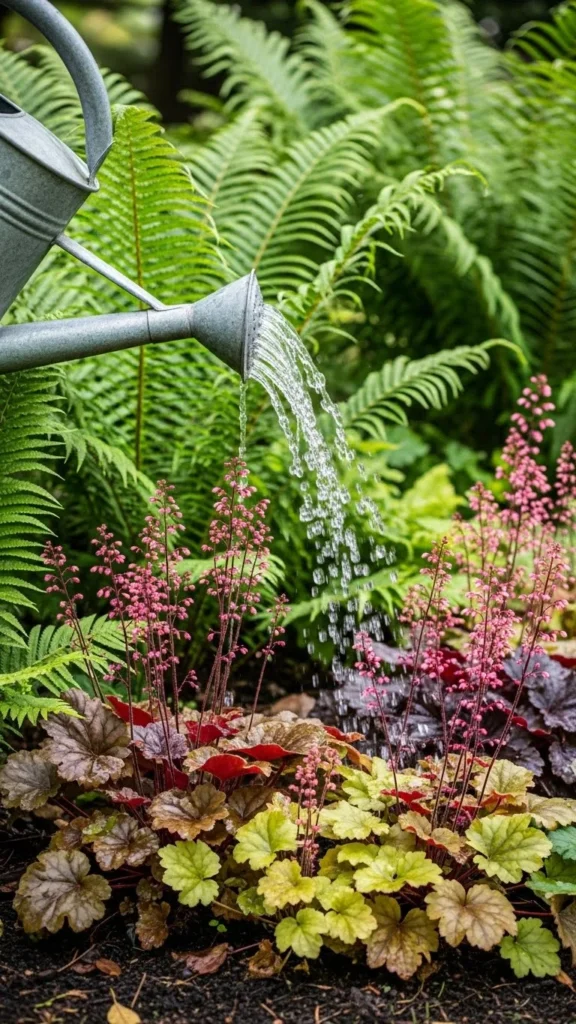
- Heuchera (Coral Bells) – Offers colorful foliage from deep burgundy to lime green.
- Impatiens – Bright, cheerful flowers that bloom all summer long.
Preparing the Soil for Shade Gardens
Shady areas often mean dry or compact soil, especially under trees where roots compete for water. To give your shade plants the best start:
- Loosen the soil to improve drainage and root growth.
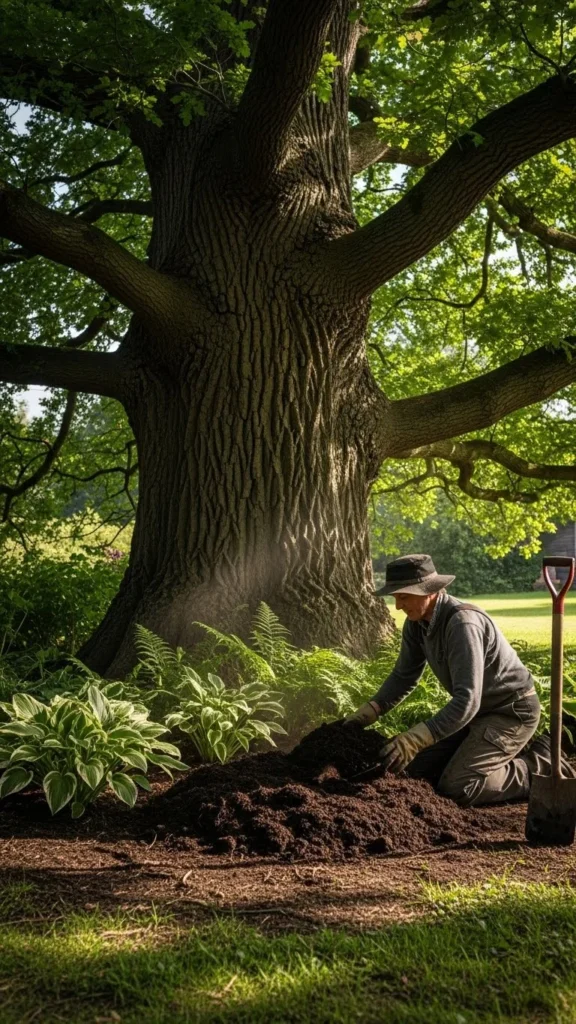
- Add organic matter like compost, leaf mold, or peat moss to enrich the soil.
- Mulch generously to retain moisture and regulate temperature.
If you’re planting under trees, avoid disturbing large roots. Instead, layer soil and compost gently on top — this “raised bed” effect gives plants room to grow without harming the tree.
Watering and Feeding Shade-Loving Plants
Shade can be deceiving — while it’s cooler, it doesn’t always mean wetter. Tree roots and dense foliage can steal moisture quickly.
Here’s how to keep your shade garden hydrated and happy:
- Check moisture regularly. The top inch of soil should stay slightly damp but not soggy.
- Water deeply and less often. This encourages strong root growth.
- Feed with a balanced fertilizer once or twice a season to support foliage and bloom development.
Tip: Use a slow-release fertilizer or compost tea for gentle, steady nourishment.
Designing a Beautiful Shade Garden
Just because it’s shady doesn’t mean it has to be dull! Play with textures, colors, and layers to create visual interest.
- Mix foliage types: Combine large-leaved hostas with delicate ferns and variegated ivy.
- Add pops of color: Plant impatiens or begonias along borders for continuous blooms.
- Use different heights: Place taller plants like hydrangeas in the back and smaller ones in front.
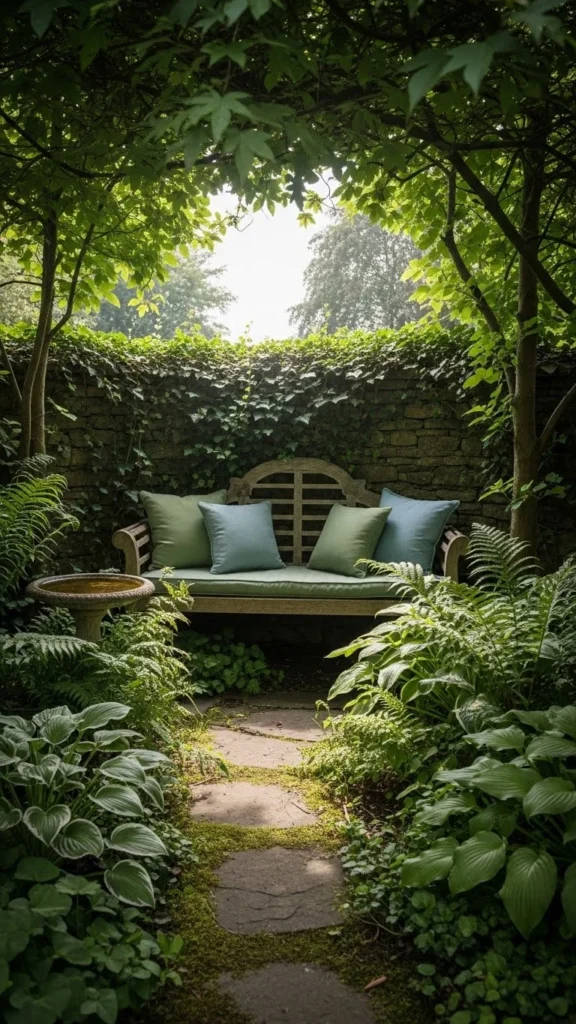
- Incorporate garden décor: A stone path, small bench, or birdbath adds charm and structure.

Common Mistakes to Avoid
Even seasoned gardeners make mistakes when working with shade. Watch out for these pitfalls:
- Overwatering: Shade gardens dry slowly, so avoid soggy soil.
- Ignoring root competition: Tree roots can steal nutrients — add extra compost annually.
- Too little spacing: Shade plants need airflow to prevent mildew and rot.
- Neglecting light changes: Pruned trees or seasonal shifts can alter sunlight levels — adjust plants accordingly.
By staying attentive, your shade garden can evolve beautifully year after year.
Enjoying the Tranquility of Shade
There’s something incredibly peaceful about a cool, leafy retreat filled with green textures and soft blooms. A shade garden invites you to slow down, breathe, and appreciate subtle beauty — the rustle of fern fronds, the glisten of dew on hosta leaves, and the pop of color from impatiens under a canopy of green.
Final Takeaway
With a bit of planning and the right plants, your shady spaces can become the most enchanting part of your garden. Think of them as your personal woodland sanctuary — lush, cool, and full of quiet charm.
Save this gardening guide for later and start planning your shade oasis today!

Leave a Reply