

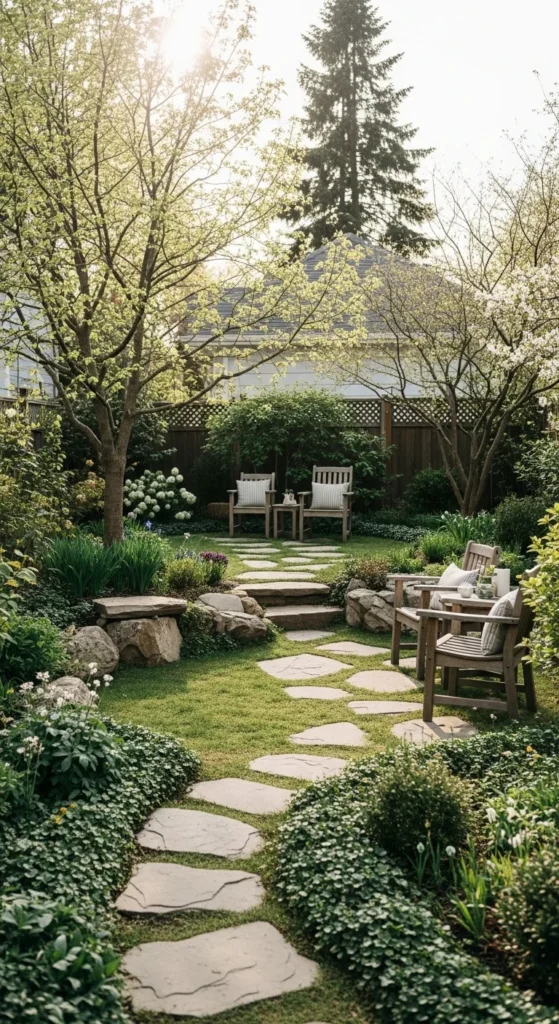
A calming backyard garden gives you a place to slow down, breathe, and enjoy quiet moments outdoors. Spring is the perfect time to shape a space that feels gentle and inviting without spending a lot of money. With thoughtful layouts, simple materials, and easy DIY touches, any yard can become a peaceful retreat that supports daily rest and casual outdoor time.
1. Gravel Path Garden Corners
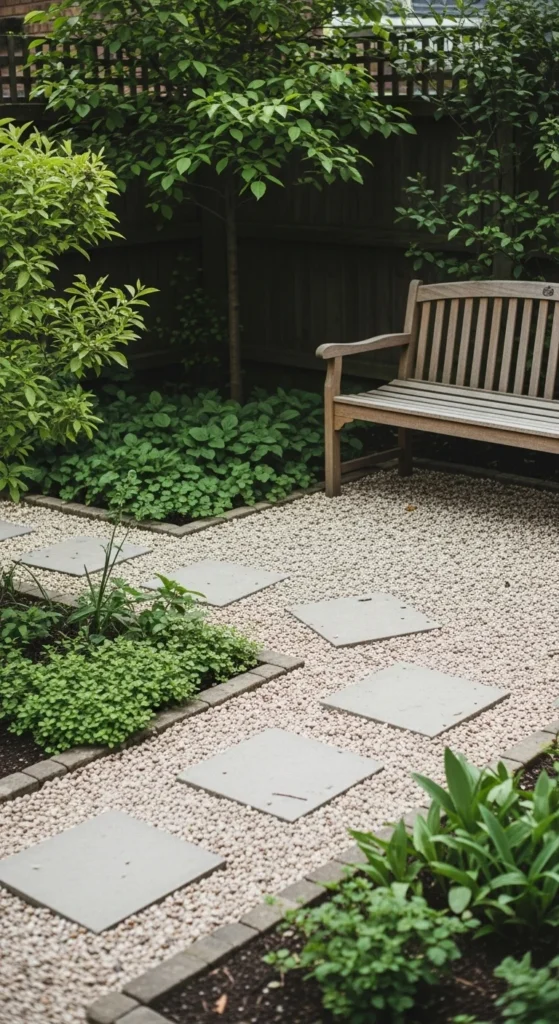
Gravel paths instantly create a calm, walkable feel in a backyard. They are simple to install and affordable compared to pavers. Light-colored gravel reflects sunlight softly and keeps the area feeling open. You can outline paths using reclaimed bricks or untreated wood strips. This helps define walking zones without heavy construction.
Pair gravel with low plants like thyme or ornamental grasses. These stay neat and do not crowd the path. A small bench placed at the corner gives you a quiet sitting spot. Gravel also improves drainage, which helps plants stay healthy during spring rain.
For a DIY approach, level the ground, add landscape fabric, and spread gravel evenly. Use stepping stones if you want extra stability. This design works well in small yards where space feels tight. It encourages slow movement and creates a gentle rhythm when walking through the garden.
2. Wooden Bench Under a Tree
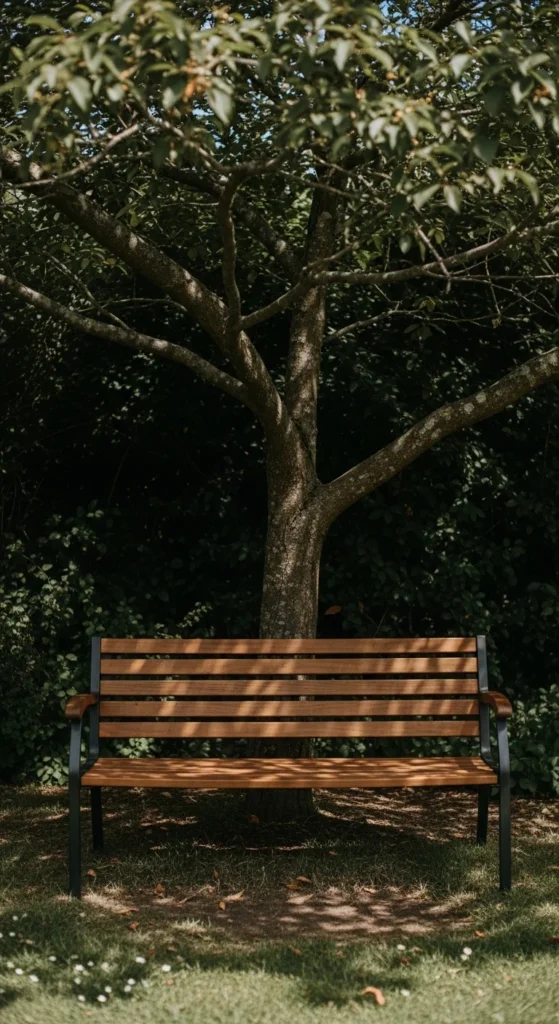
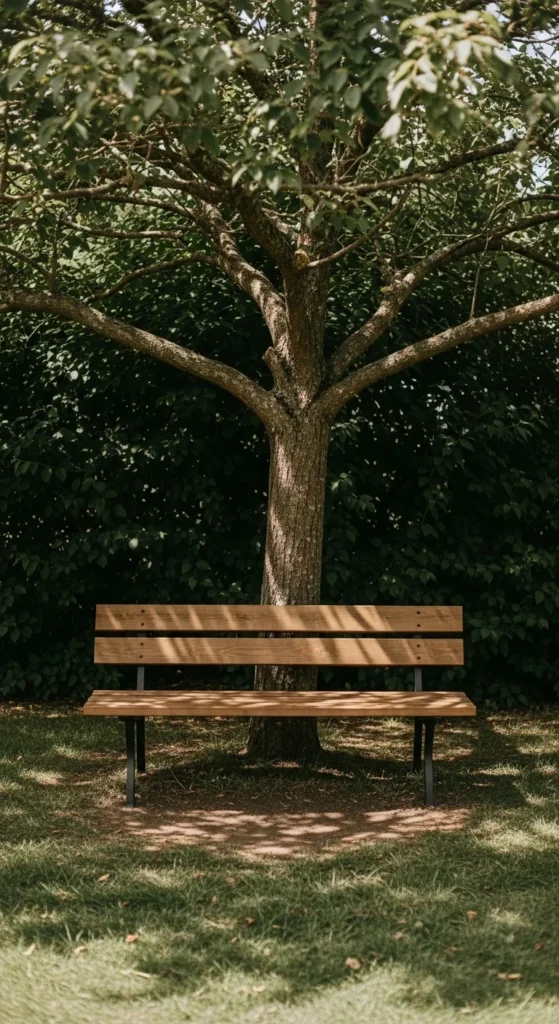
A bench under a tree offers instant shade and comfort. It becomes a natural pause point in the yard. You do not need a large tree. Even a medium-sized one can provide a calming canopy.
Choose an unfinished wood bench or build one from pallets. Keeping the design simple helps it blend into the garden. Add a removable outdoor cushion for comfort. Place mulch or ground cover plants underneath to avoid muddy spots.
This setup encourages short breaks throughout the day. Morning coffee. Quiet reading. Evening rest. It works well in both large and small yards. The key is placement. Position the bench where you already feel drawn to stand. That natural pull is what makes the space feel peaceful.
3. Raised Garden Beds With Clean Lines
Raised beds add structure without feeling busy. Straight lines create visual order, which helps the yard feel calm. Use untreated wood or composite boards to keep costs manageable.
Spacing matters. Leave enough room to walk between beds comfortably. This avoids a cramped feeling. Fill beds with herbs, leafy greens, or low-maintenance plants. Grouping similar plants together keeps care simple.
Raised beds also reduce bending, which makes gardening easier and more enjoyable. You can line them with cardboard for weed control instead of buying fabric. This design balances beauty and function while staying approachable for beginners.
4. Stone Stepping Pathways
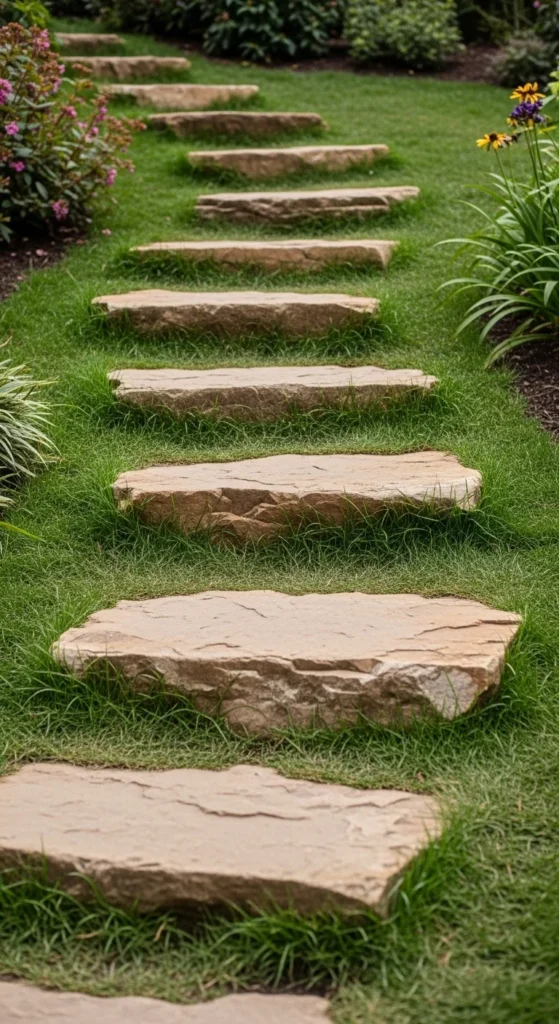
Stone stepping paths guide movement without overpowering the yard. Flat stones placed in grass feel natural and grounding. You can source stones locally or reuse leftover pavers.
Set stones at an easy walking distance. This keeps the path relaxed rather than rushed. Surround stones with grass or creeping ground cover. This softens edges and blends everything together.
Stepping paths work well when connecting key areas like seating spots or garden beds. They subtly invite exploration while keeping the layout clear and uncluttered.
5. Low Hedge Borders
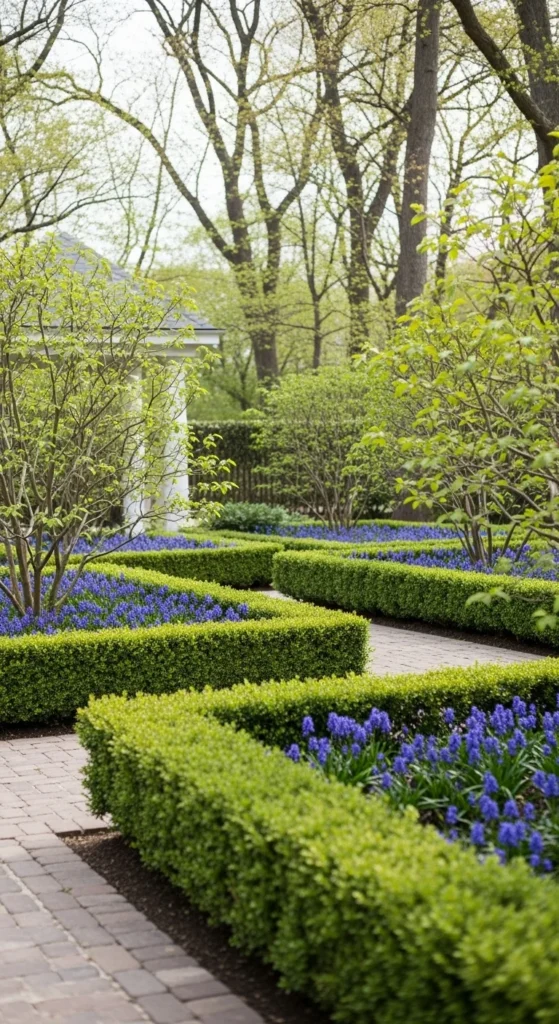
Low hedges frame spaces without blocking views. They add gentle structure and guide the eye across the yard. Choose slow-growing plants to reduce trimming.
Plant hedges along paths or seating areas. Keep them trimmed just above ankle height. This keeps the garden feeling open and calm. You can start small with young plants to save money.
Hedges also create subtle separation between areas. This makes the yard feel organized while staying soft and welcoming.
6. Simple Patio With Natural Texture
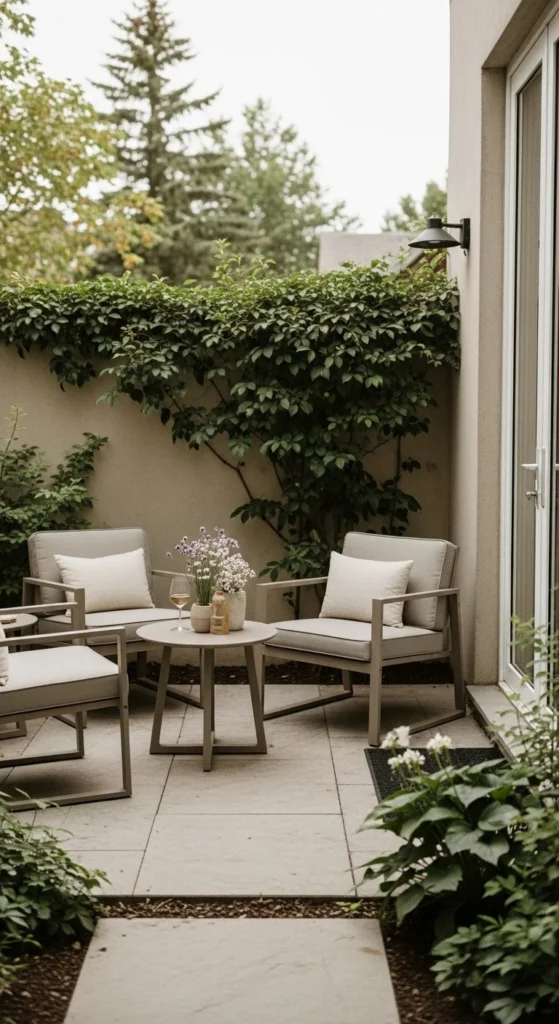
A small patio gives you a place to sit without taking over the yard. Concrete pavers or poured concrete are budget-friendly options. Keep furniture minimal. One table and two chairs are enough.
Add texture through cushions, planters, or a woven outdoor rug. Stick to neutral tones to keep the mood relaxed. Position the patio where you already spend time. This makes it feel like a natural extension of your home.
Even a compact patio can become a favorite outdoor spot when it feels uncluttered and easy to use.
7. Herb Garden Near Seating
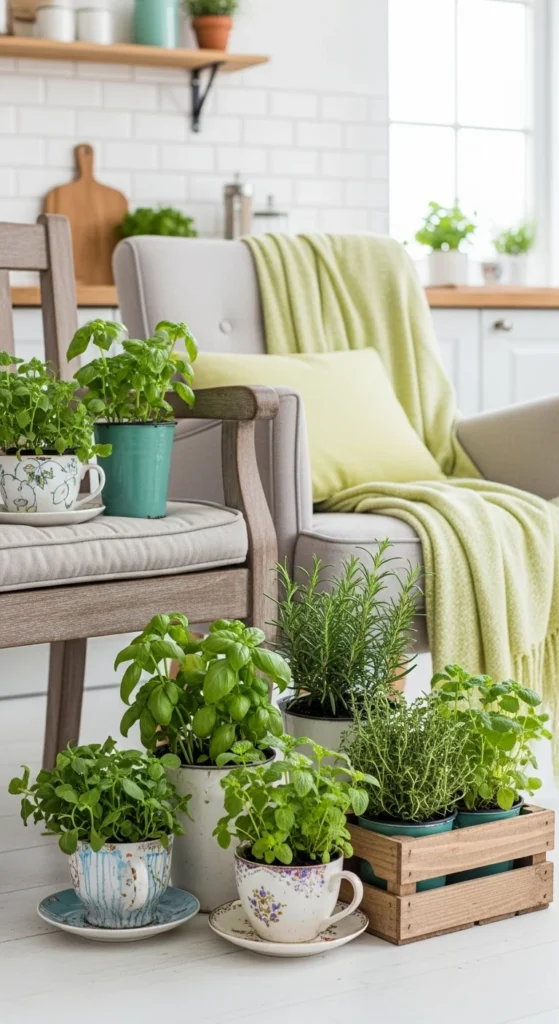
Herbs add life and scent without demanding much care. Placing them near seating lets you enjoy them up close. Use simple containers or raised boxes.
Group herbs with similar watering habits. This keeps maintenance simple. Clay pots are affordable and help regulate moisture.
This design supports everyday use. Snip herbs while relaxing outside. It connects gardening with daily routines, which makes the space feel lived-in and soothing.
8. Mulched Garden Zones
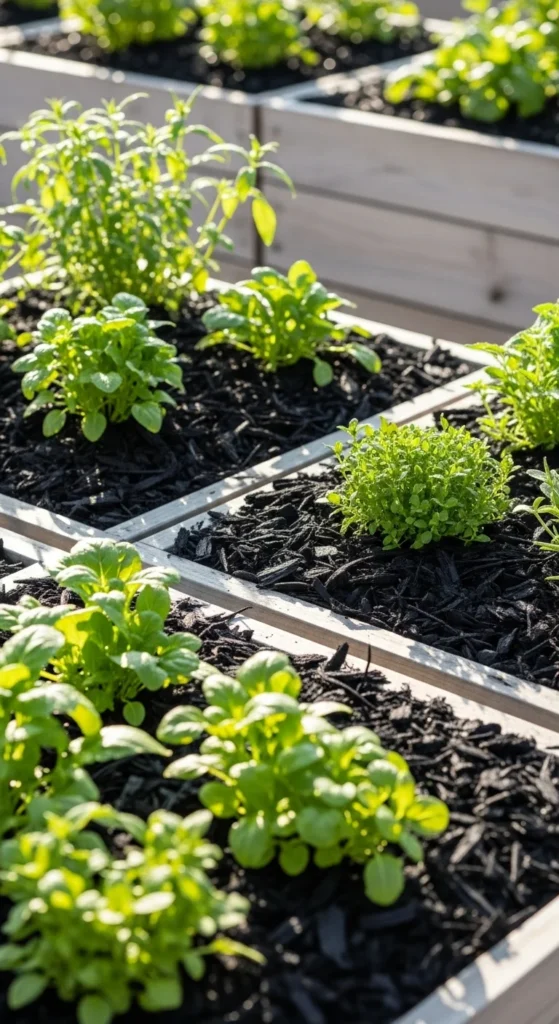
Mulch creates visual calm by reducing visual clutter. It also helps soil retain moisture and limits weeds. Choose natural mulch tones to keep the look grounded.
Create defined edges using stone or metal edging. This keeps mulch in place and gives beds a tidy outline.
Mulched zones help the yard feel intentional without requiring constant upkeep. They are one of the easiest ways to make a garden feel organized.
9. Small Water Bowl Feature
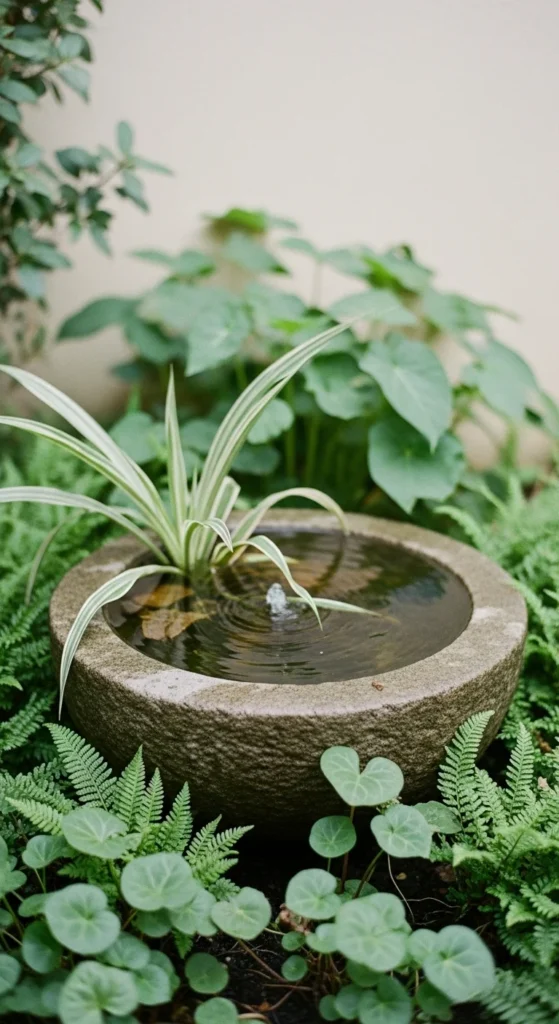
A simple water bowl adds gentle movement and sound. You do not need pumps or complex setups. A shallow stone or ceramic bowl works well.
Place it near seating or plants. Birds may visit, adding quiet activity to the space. Change the water regularly to keep it clean.
This small feature adds interest without drawing too much attention. It supports a calm atmosphere with minimal effort.
10. Garden Lounge Chairs
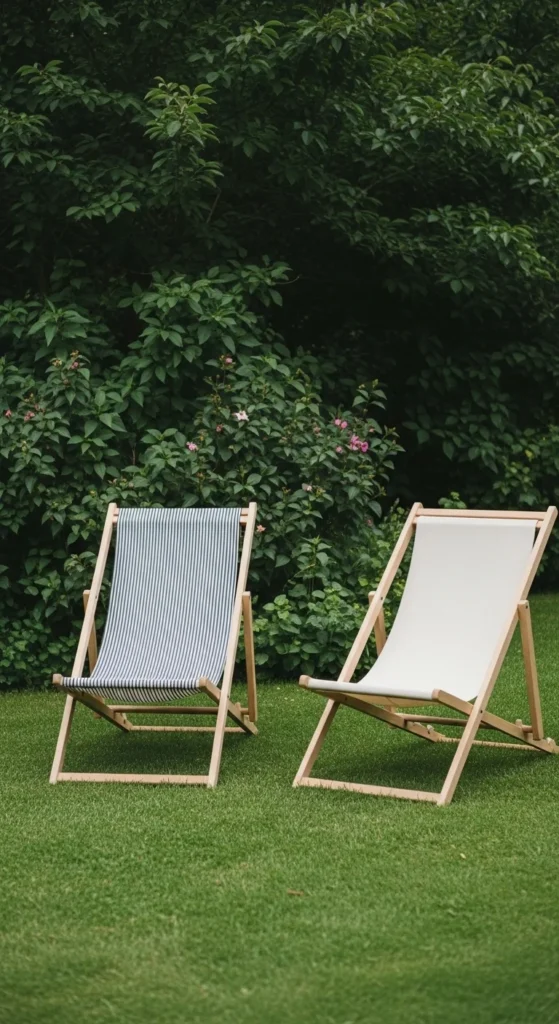
Lounge chairs create an invitation to rest. Choose simple designs with neutral fabric. Place them slightly apart to keep the space open.
Set chairs on grass or gravel rather than hard surfaces. This keeps the setting relaxed. Add a small side table if space allows.
This setup works well for quiet afternoons and casual conversation. It does not require a full patio to feel comfortable.
11. Garden Border With Reused Brick
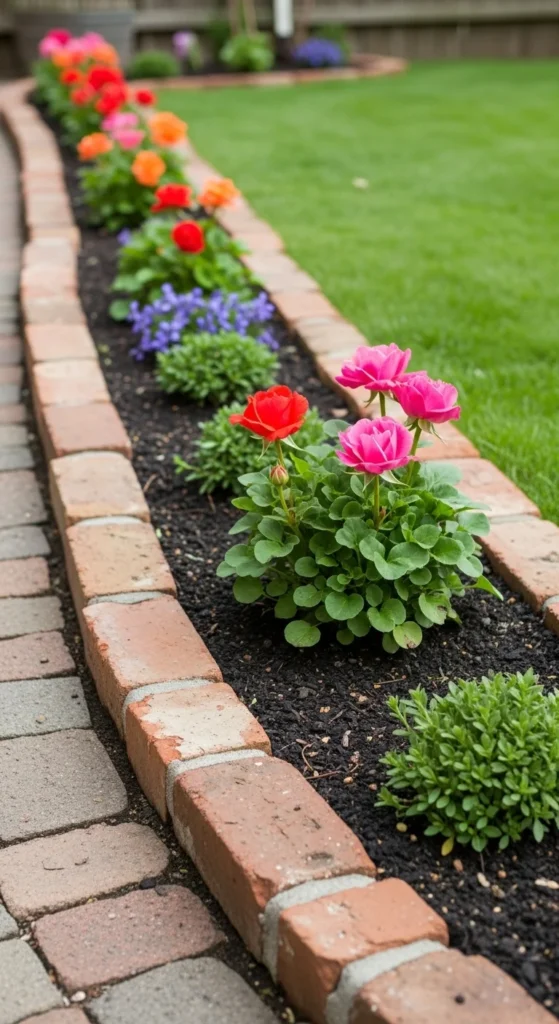
Reused bricks bring warmth and history to a garden. They are often inexpensive or free. Lay them flat or on edge to outline beds.
This simple border keeps soil in place and defines planting areas. Slight imperfections add charm without feeling messy.
Brick borders work with many garden styles and help the yard feel grounded and steady.
12. Shaded Reading Nook
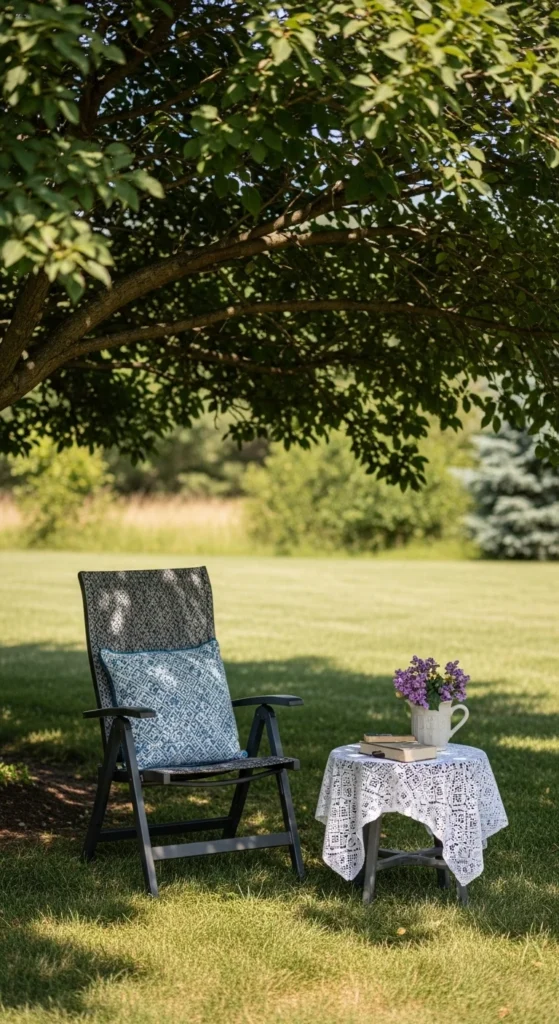
A reading nook does not need much. One chair. One table. Shade. Choose a spot away from noise.
Use gravel or mulch under the chair to keep the area tidy. Add a cushion that can be brought inside when not in use.
This space becomes a quiet escape without major changes to the yard.
13. Wildflower Border Strips
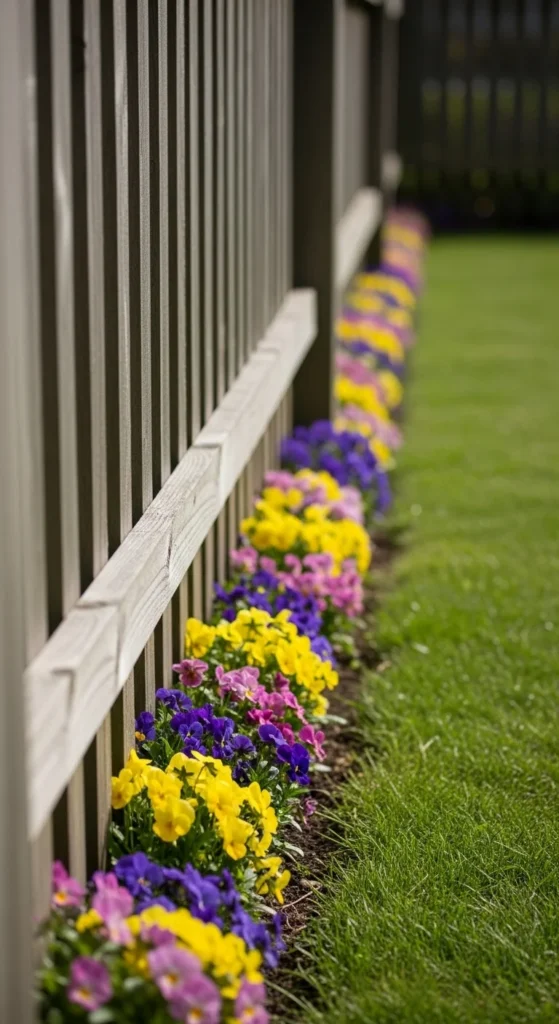
Wildflower strips soften edges and fences. They grow easily from seed and require little care. Choose native varieties when possible.
Plant them along fences or paths. Keep the strip narrow to avoid overgrowth.
These borders bring movement and color while staying low effort. They help the yard feel gentle and natural.
14. Neutral Planter Groupings
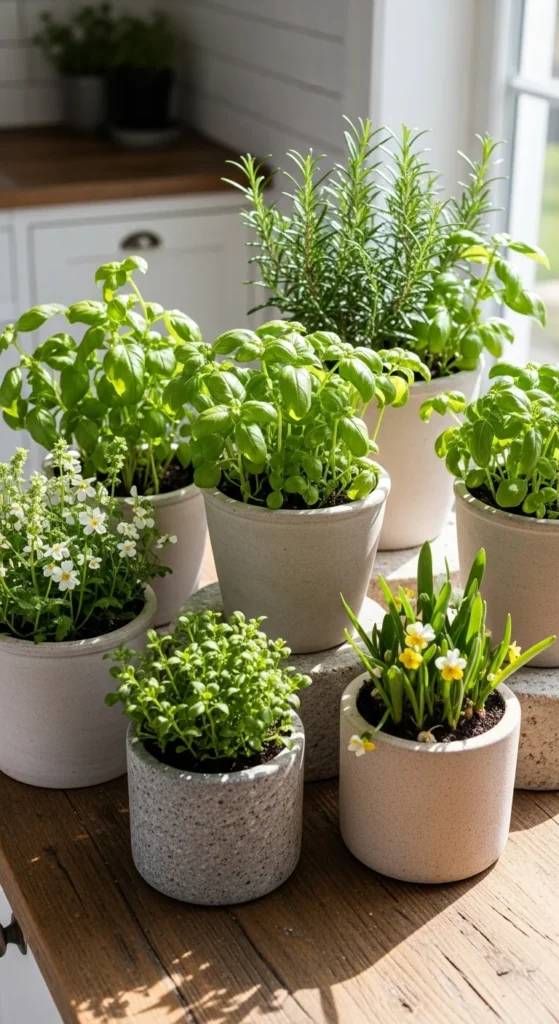
Group planters in odd numbers for balance. Stick to neutral materials like clay or concrete.
Vary heights slightly to add interest. Use similar plant types to keep the look calm.
Planter groupings are flexible. You can move them as needed without reworking the yard.
15. Soft Lawn Edges
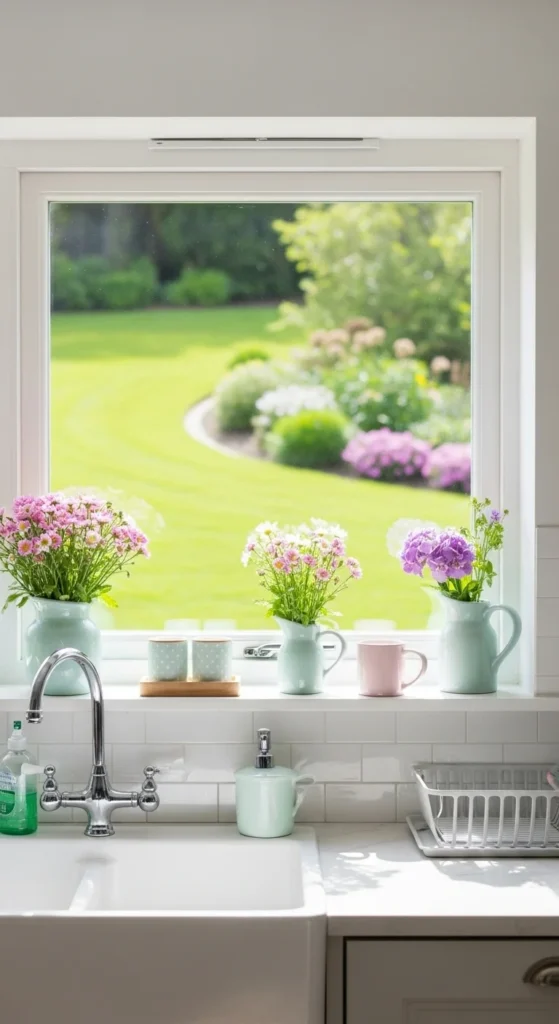
Curved lawn edges feel easier on the eyes than sharp corners. They guide movement gently through the yard.
Use a spade to reshape edges yourself. Add mulch or stone along the border to keep lines clean.
This small adjustment can change how the entire garden feels.
16. Simple Pergola Frame
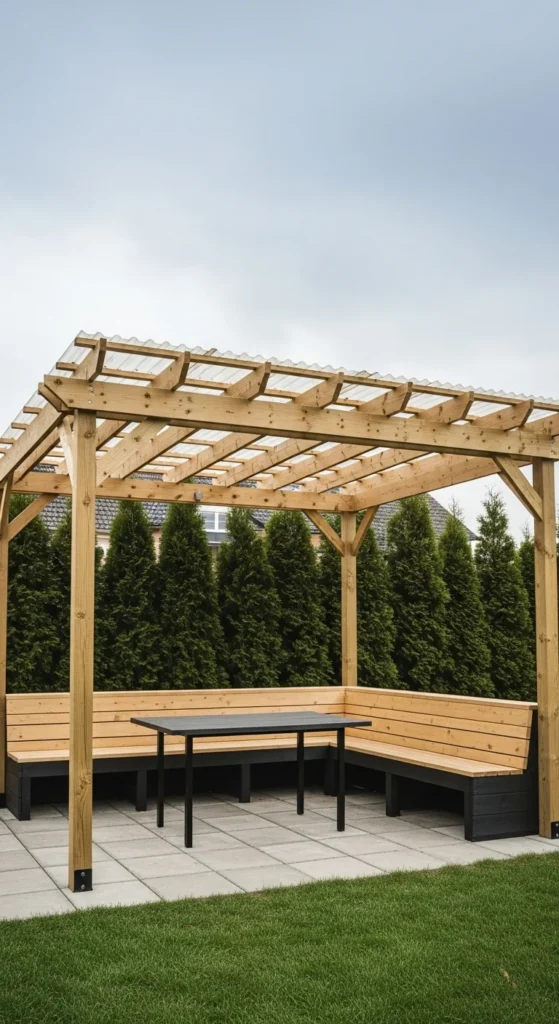
A basic pergola frame defines space without enclosing it. Use simple lumber and keep the design open.
Place it over a seating area or path. You can add fabric panels later if needed.
This structure adds height and interest while keeping the yard open and calm.
17. Garden Swing Chair
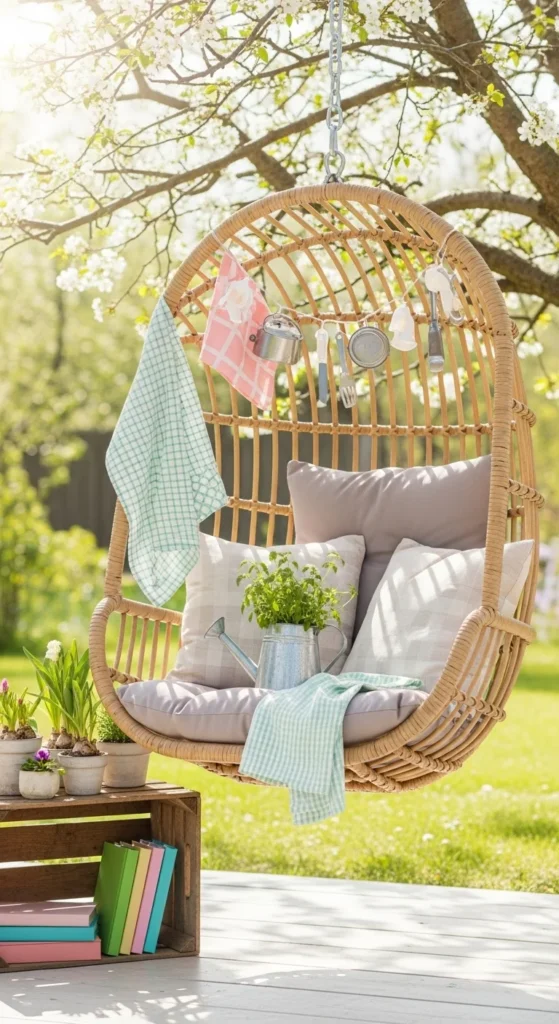
A swing chair adds gentle movement. Hang it from a sturdy tree or frame.
Choose a simple design without bright patterns. Keep the area around it open.
This creates a quiet spot for slow moments outdoors.
18. Gravel Seating Circle
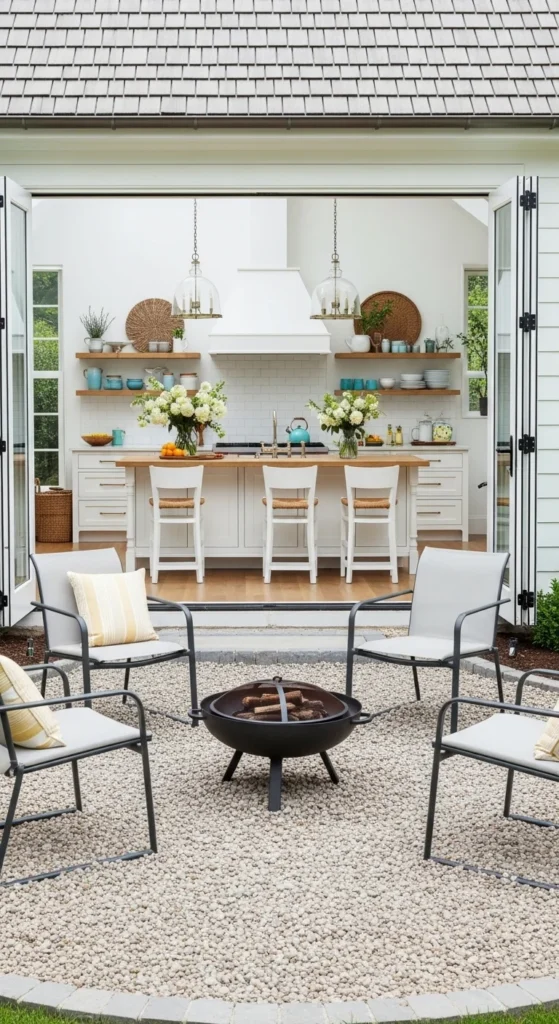
A gravel circle defines seating without building a patio. Use edging to hold shape.
Place simple chairs evenly spaced. Keep the circle small for intimacy.
This setup feels intentional while staying easy to install.
19. Minimal Garden Lighting
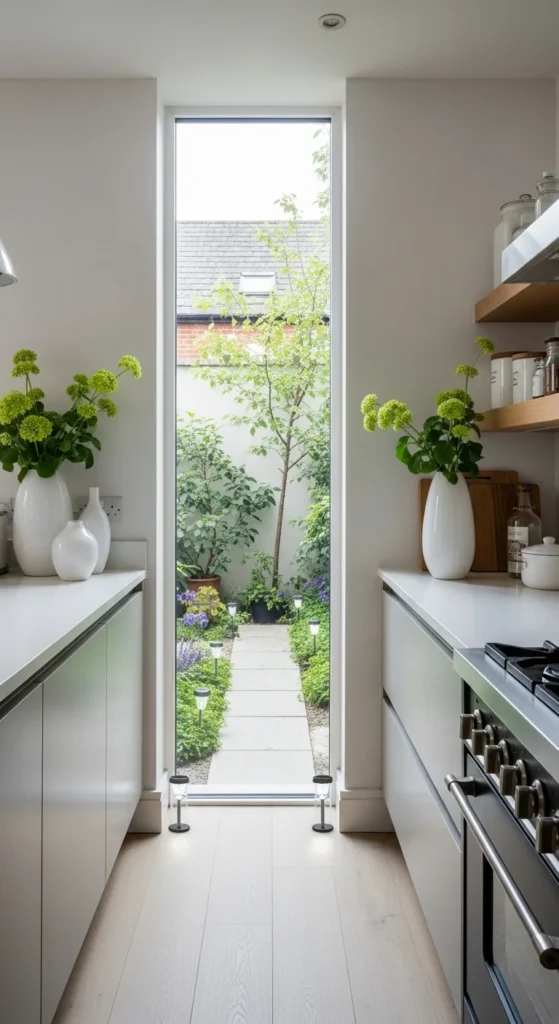
Low lighting extends garden use into evening hours. Solar path lights are affordable and easy to install.
Place them sparingly. Too many lights can feel busy.
Soft lighting supports calm outdoor time after sunset.
20. Fence Line Planting
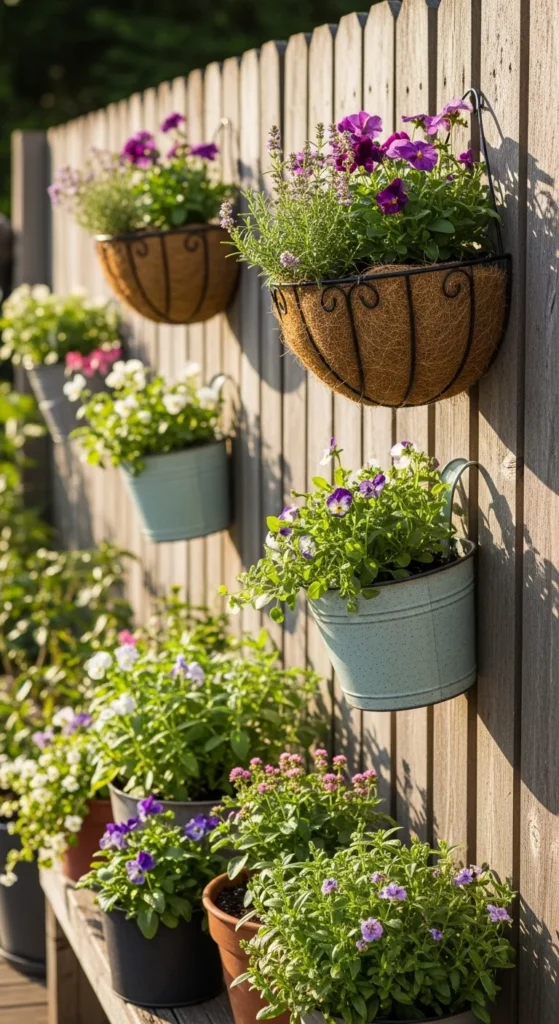
Planting along fences softens hard lines. Use climbing plants or tall grasses.
This adds depth without taking yard space. It also makes fences feel less dominant.
Fence line planting helps the garden feel enclosed yet open.
21. Outdoor Rug on Grass
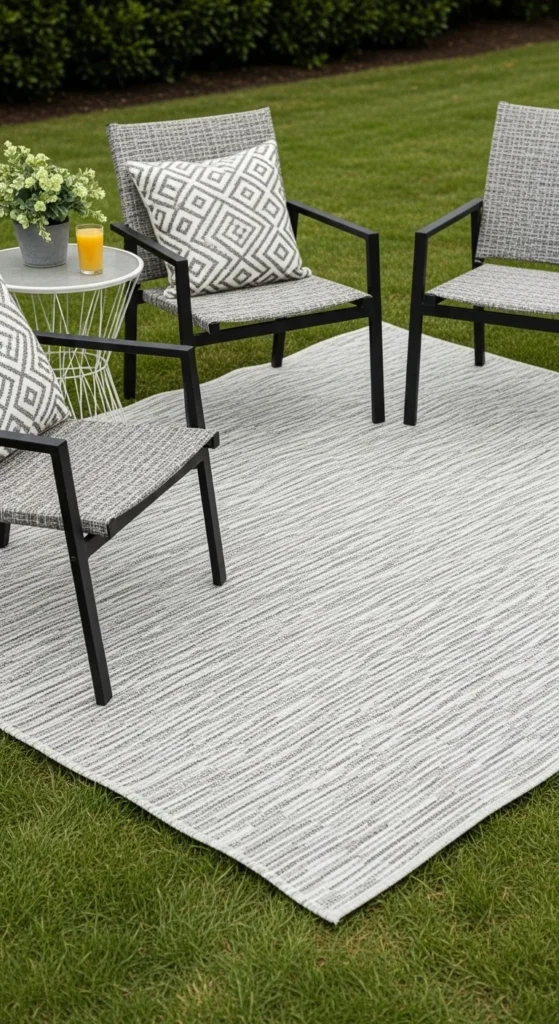
An outdoor rug defines seating without hard surfaces. Choose weather-resistant material.
Use it under chairs or a table. Roll it up when not in use.
This adds comfort while keeping the setup flexible.
22. Quiet Garden Entry
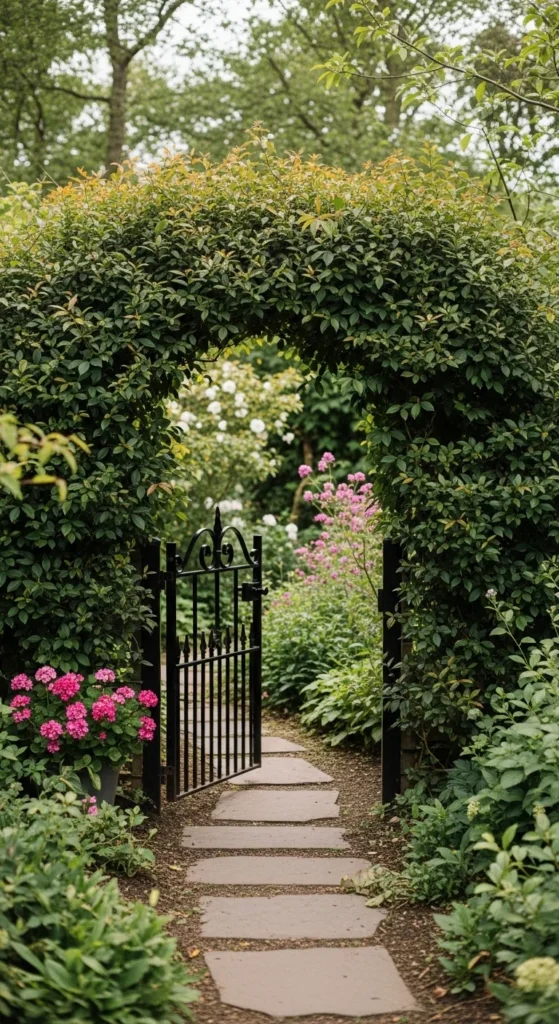
A simple entry sets the tone for the garden. Use a small gate or arch.
Frame it with plants or gravel. Keep details minimal.
This creates a sense of arrival and signals a calm space ahead.
Conclusion
A relaxing backyard garden does not depend on large budgets or complex designs. Simple layouts, thoughtful placement, and easy DIY choices can shape a space that supports rest and everyday outdoor time. Start with one area that feels natural to you and build slowly. Over time, these small changes can turn your yard into a place you return to again and again.
Leave a Reply