

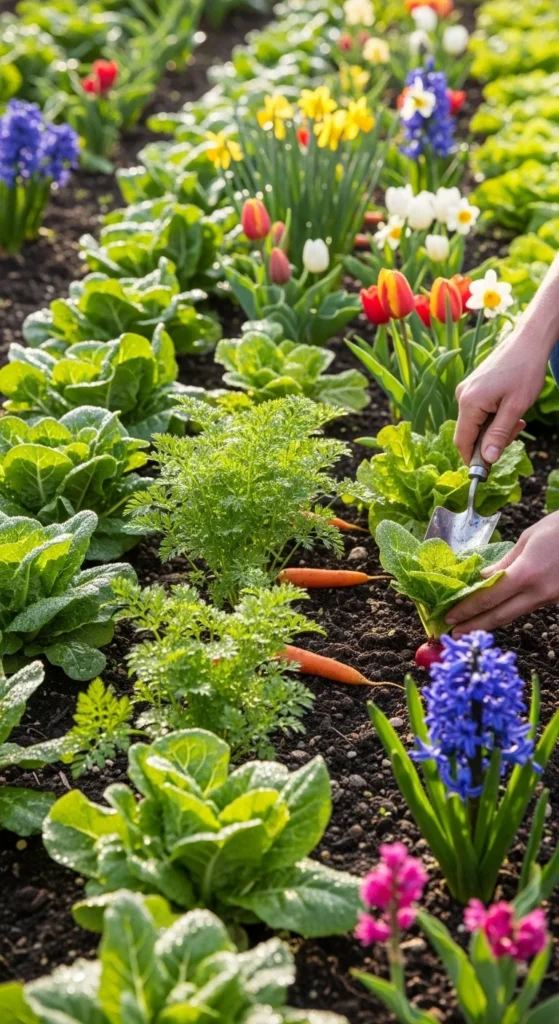
Spring is the perfect time to protect your garden and crops from common plant diseases. By taking small, budget-friendly steps, you can prevent problems before they start and keep your plants thriving all season. This guide covers 24 practical tips that are easy to implement, from simple DIY remedies to everyday habits that save your plants from infections. With these strategies, you’ll enjoy a healthier, more productive garden without spending a fortune.
1. Rotate Your Crops Each Season
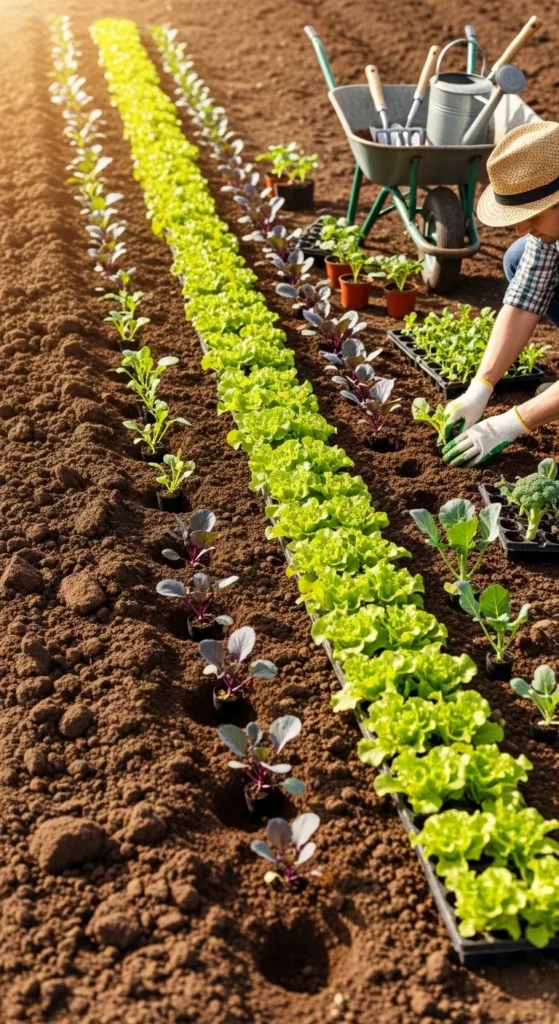
Crop rotation is a classic way to stop diseases from building up in the soil. By planting different types of crops in different spots each year, you reduce the chance that harmful pathogens will take hold. For example, follow leafy greens with root vegetables. Keep a simple garden map to track your plantings. This is cheap and effective, and it also helps your soil stay balanced. Even small home gardens can benefit by switching crops yearly. Rotate within beds or containers if space is limited. It’s a practical strategy that reduces fungal buildup and keeps your garden lively and productive.
2. Choose Disease-Resistant Varieties
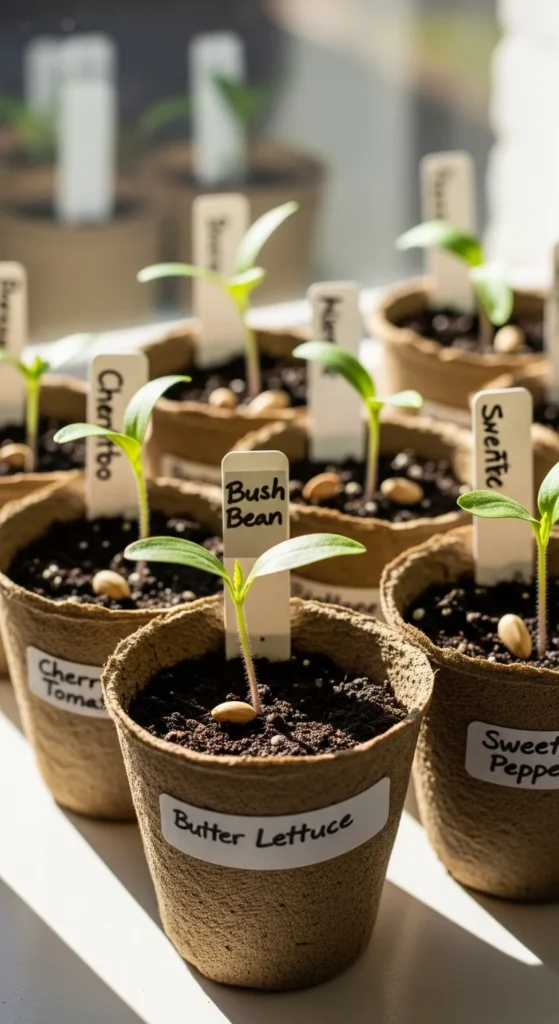
Selecting plants labeled as disease-resistant is an easy first step to avoid problems. Many garden centers list varieties that resist common spring pathogens like blight or mildew. These plants may cost a little more, but they save time and money on treatments later. Pair resistant varieties with good soil care to maximize success. Even a mix of resistant and regular plants can help keep your garden healthy. Keep notes on which varieties perform best in your area. Over time, this strategy reduces overall disease pressure naturally, helping you maintain a thriving, low-maintenance garden.
3. Inspect Plants Regularly
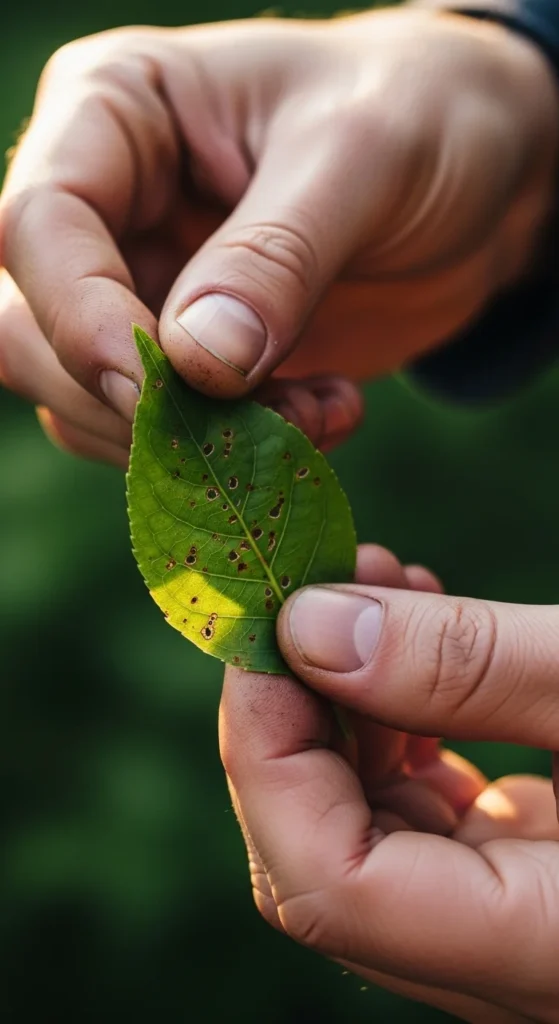
Checking plants often is a simple but powerful preventive step. Look for discoloration, spots, or wilting, which are early signs of disease. Catching issues early lets you take action before problems spread. Make it a routine—just a few minutes per day can prevent major outbreaks. Take notes or photos to track changes. Removing affected leaves promptly and cleaning tools afterward limits the spread. Regular inspection is free, requires no extra equipment, and gives you a clear understanding of your garden’s health. It’s a small habit that pays off big.
4. Water Plants at the Base
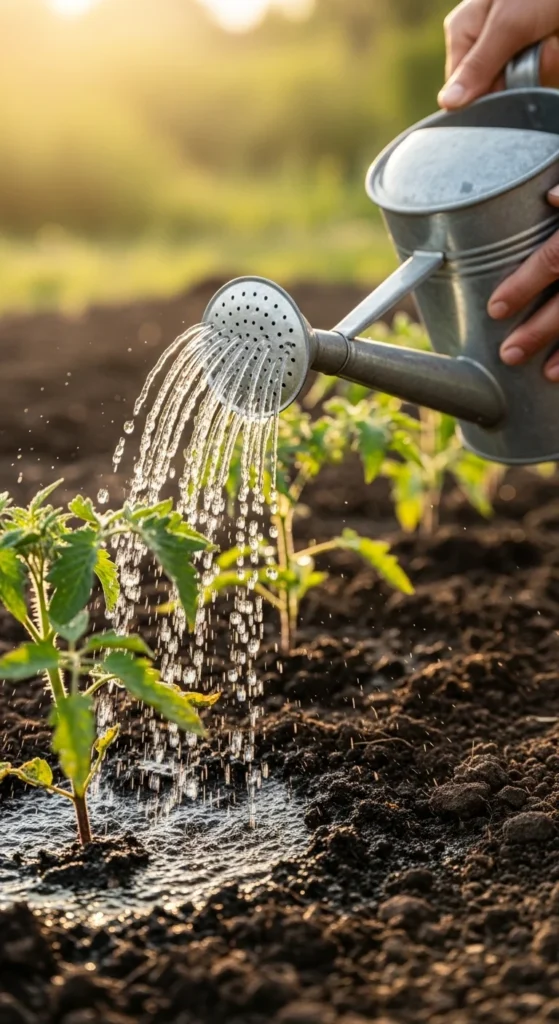
Avoid spraying leaves when watering. Wet foliage encourages fungal and bacterial growth. Instead, water at the soil level where roots absorb it best. Use drip irrigation or a watering can with a long spout for control. Water early in the day so any moisture on leaves evaporates quickly. This method is energy- and cost-efficient, reducing the need for sprays or treatments. Even simple adjustments like directing water to roots can drastically lower disease risk while keeping plants hydrated. It’s an easy, hands-on way to protect crops naturally.
5. Prune for Better Airflow
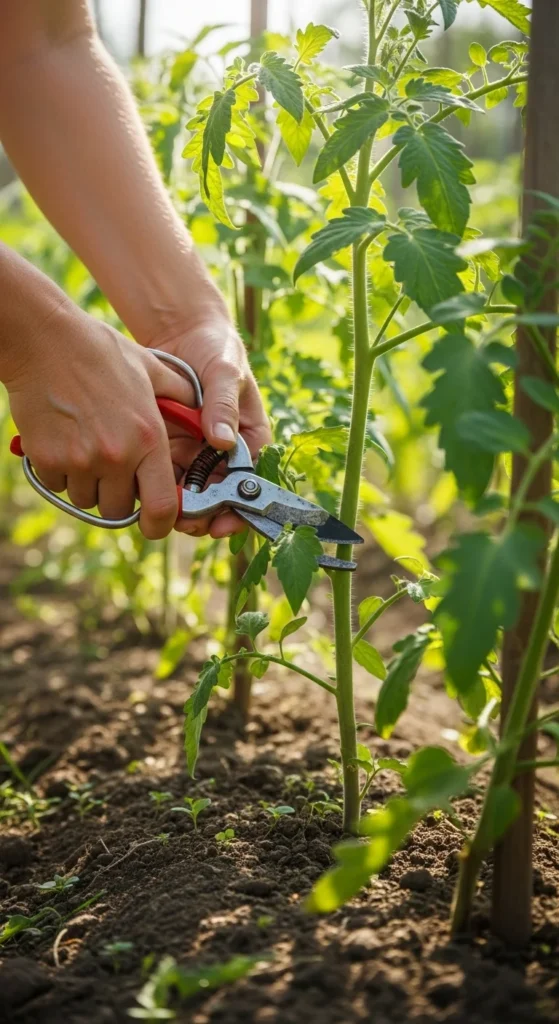
Thick, crowded plants trap humidity, which fungi love. Pruning opens up space for air circulation, reducing disease chances. Focus on lower leaves and overlapping branches. Use clean tools to prevent spreading pathogens. Dispose of clippings away from the garden. Even a few minutes of selective pruning each week can make a big difference. This simple DIY technique promotes healthier plants and faster drying after rain or watering. A little careful trimming goes a long way in disease prevention.
6. Mulch Around Plants
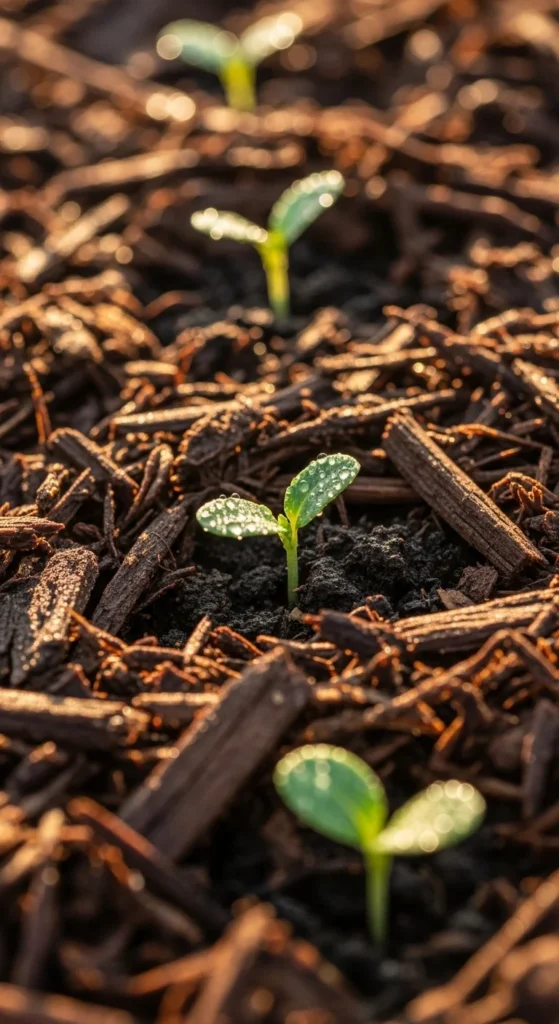
Mulching protects soil and roots from fungal spores that splash up during watering or rain. Organic options like straw, shredded leaves, or wood chips are inexpensive. Spread a 2–3 inch layer around your plants, keeping mulch a little away from stems to prevent rot. Mulching also conserves moisture, suppresses weeds, and keeps soil temperature steady. This low-cost technique reduces disease while supporting overall plant health. It’s a practical and natural solution for home gardens and small farms alike.
7. Use Clean Tools
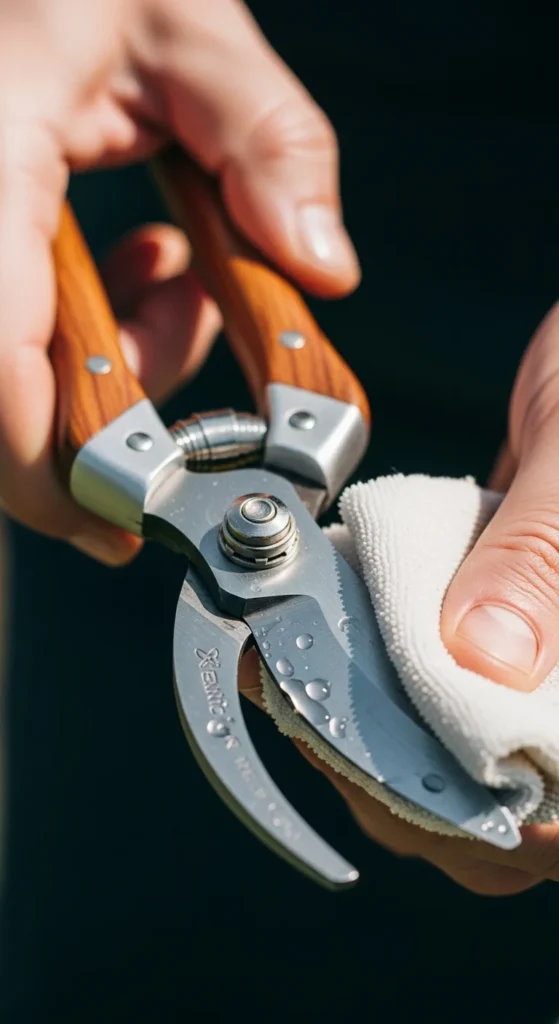
Tools can carry disease from one plant to another. Wipe them with alcohol or vinegar between uses, especially after cutting infected leaves. Even hand trowels and stakes should be sanitized if they touch sick plants. This simple habit prevents cross-contamination. It’s quick, low-cost, and often overlooked. A few minutes of cleaning can save an entire crop from infection. Keep a small spray bottle handy for daily maintenance.
8. Remove Diseased Plants Promptly
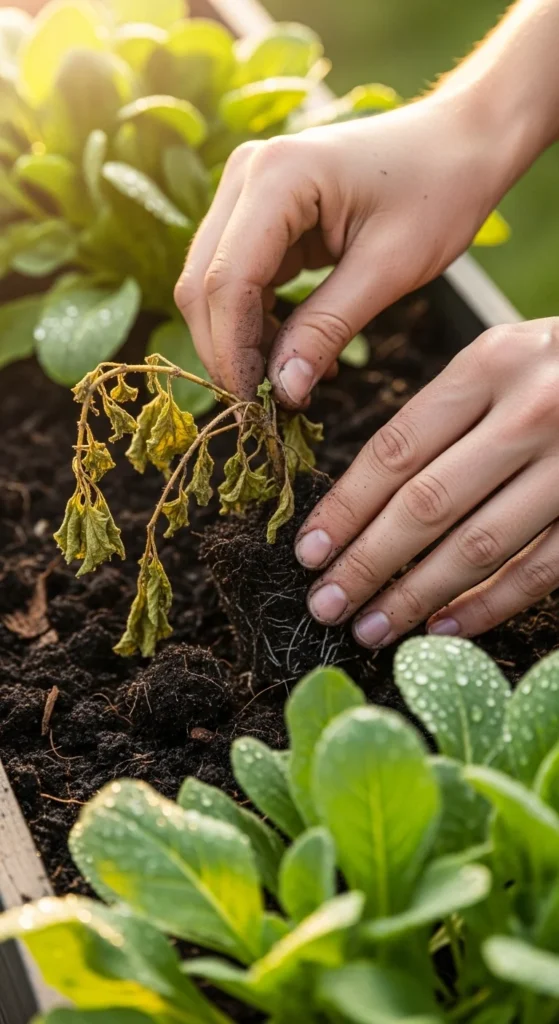
If a plant shows persistent disease, remove it immediately. Don’t let it sit in the garden, as pathogens can spread to healthy plants. Place removed plants in the compost pile only if it’s hot enough to kill pathogens—or dispose of them away from your garden. Early removal limits outbreaks and keeps the surrounding plants safe. Acting quickly is cheap and effective. Even small home gardens benefit from this proactive step, keeping disease from multiplying and ruining your spring harvest.
9. Avoid Overcrowding
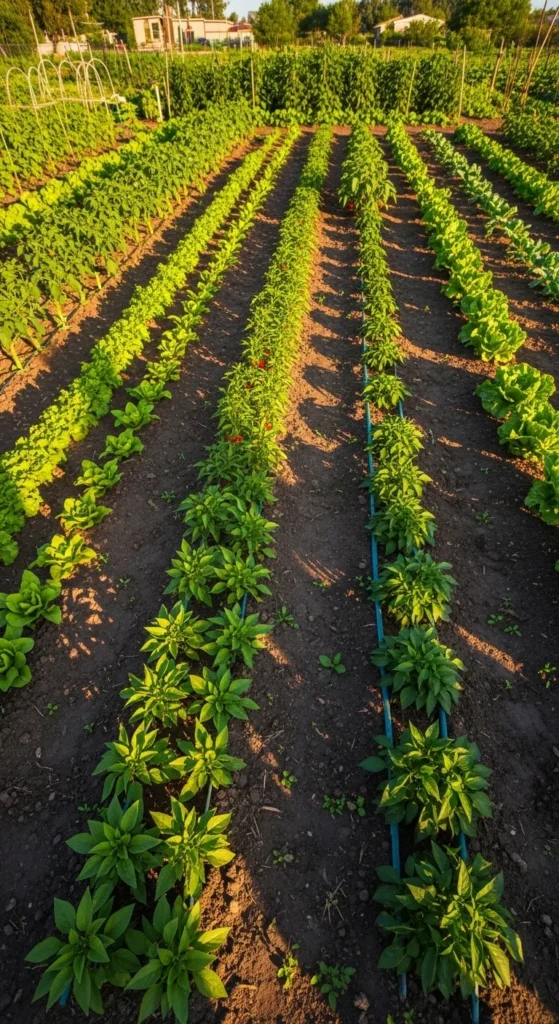
Give plants room to breathe. Overcrowding increases humidity, which fungi and bacteria love. Follow recommended spacing for each crop, and thin seedlings if needed. Wider spacing allows air and sunlight to reach all parts of the plant, reducing disease. Proper spacing also makes watering and harvesting easier. It’s a low-cost preventive measure that improves overall garden productivity. Even adjusting a few inches can have a noticeable effect on plant health.
10. Improve Soil Health
[Image Prompt: Close-up of rich, dark soil being mixed with compost in a raised garden bed, sunlight highlighting texture, small green seedlings in background, DSLR clarity]
Healthy soil supports strong, resilient plants that fight disease naturally. Add compost, aged manure, or other organic matter to enrich nutrients. Healthy soil improves drainage, reduces stress on plants, and limits conditions favorable to pathogens. Even small home gardeners can use kitchen scraps and yard waste to boost soil quality. Simple soil care helps plants stay vigorous, reducing the likelihood of infections. Treat your soil well, and your plants will reward you with better resistance.
11. Avoid Working in Wet Soil
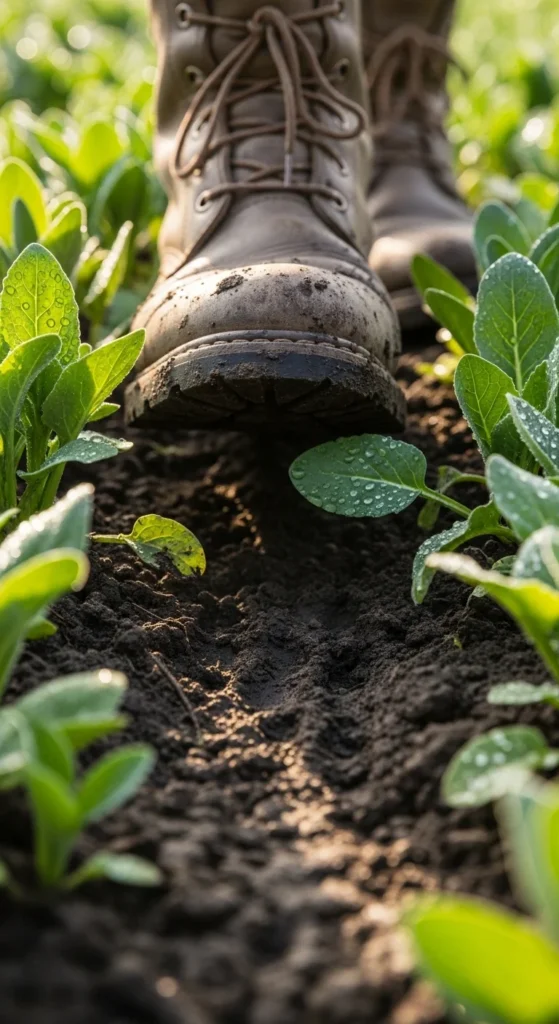
Wet soil spreads pathogens and can damage roots. Try gardening after soil dries slightly, especially when removing weeds or planting. Foot traffic can compact wet soil, weakening plants and making them more susceptible to disease. Plan chores for drier times of the day. This small adjustment reduces disease spread and keeps your garden structure intact. It’s a simple habit that prevents common spring problems without extra cost.
12. Use Natural Fungicides
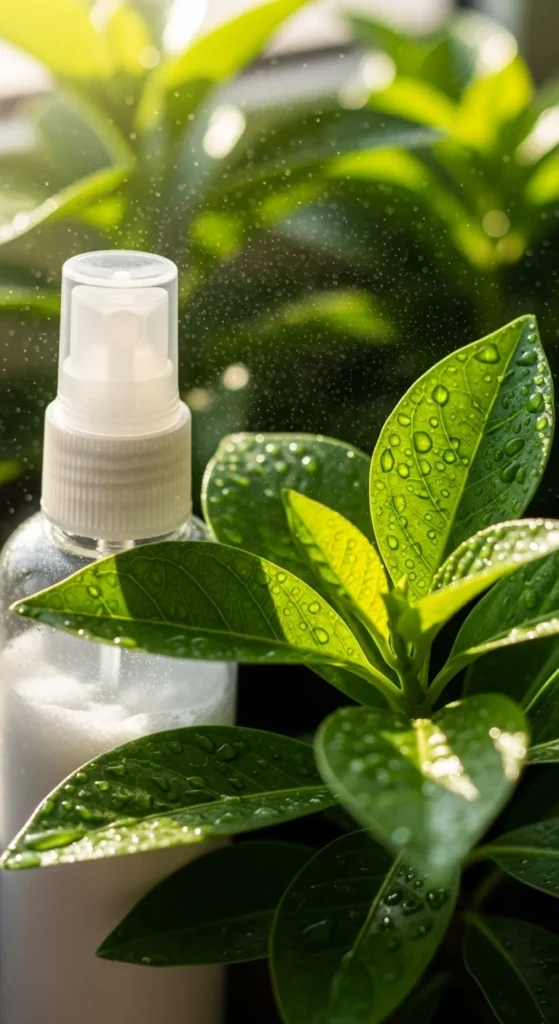
Natural solutions like baking soda, neem oil, or garlic sprays can prevent fungal infections. They are affordable and easy to make at home. Spray on leaves early in the day to avoid sunburn and reapply after rain. These remedies control common diseases like powdery mildew. Use carefully and sparingly to maintain plant health. DIY sprays save money and reduce chemical exposure, providing gentle protection for your crops.
13. Control Weeds
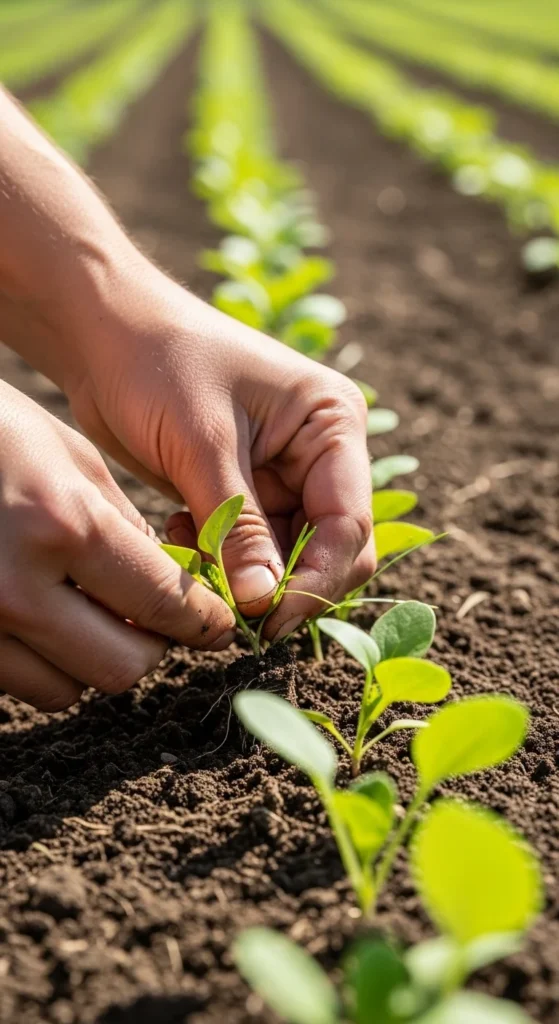
Weeds host pests and diseases that can jump to your crops. Pull weeds regularly, or use organic mulch to suppress them. Avoid letting weeds flower and set seeds near your plants. This low-cost action reduces disease risk and gives your vegetables more space and nutrients. It’s simple and effective, requiring only consistent attention and a small investment of time.
14. Monitor Weather Conditions

Spring weather can trigger outbreaks. Track humidity, rain, and temperature to anticipate disease risk. For example, wet, warm days favor fungal growth. Use row covers during heavy rains or ventilate greenhouses. Planning ahead helps you adjust watering and pruning schedules. Observing weather is free and gives a clear advantage in preventing plant problems before they start.
15. Encourage Beneficial Insects
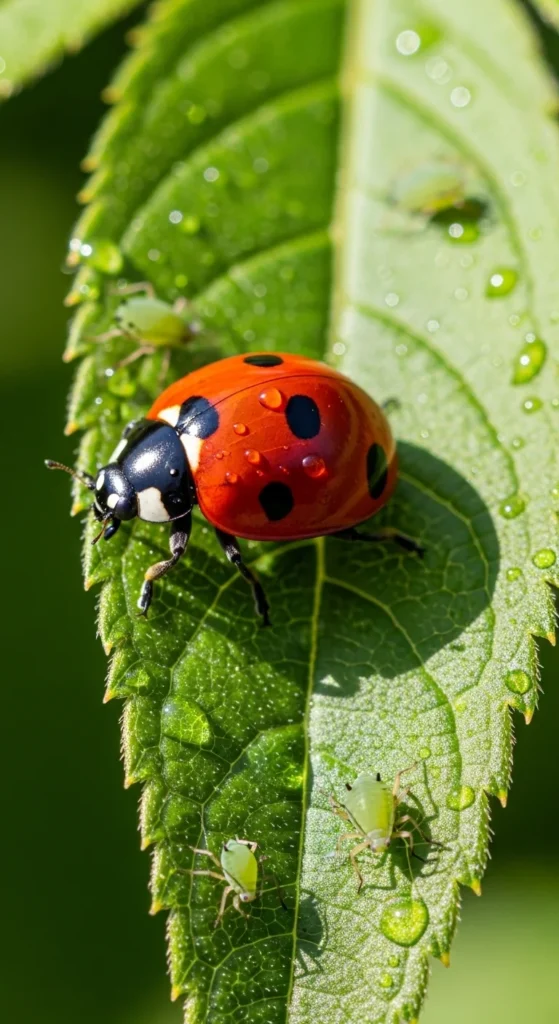
Ladybugs, lacewings, and other helpful insects eat pests that can transmit disease. Plant flowers like marigolds or dill to attract them. You can also buy small beneficial insect packs online. Encouraging these natural predators reduces the need for chemical sprays. It’s an affordable, eco-friendly way to protect plants while enhancing biodiversity. A few insects can make a big difference in garden health.
16. Space Planting by Time
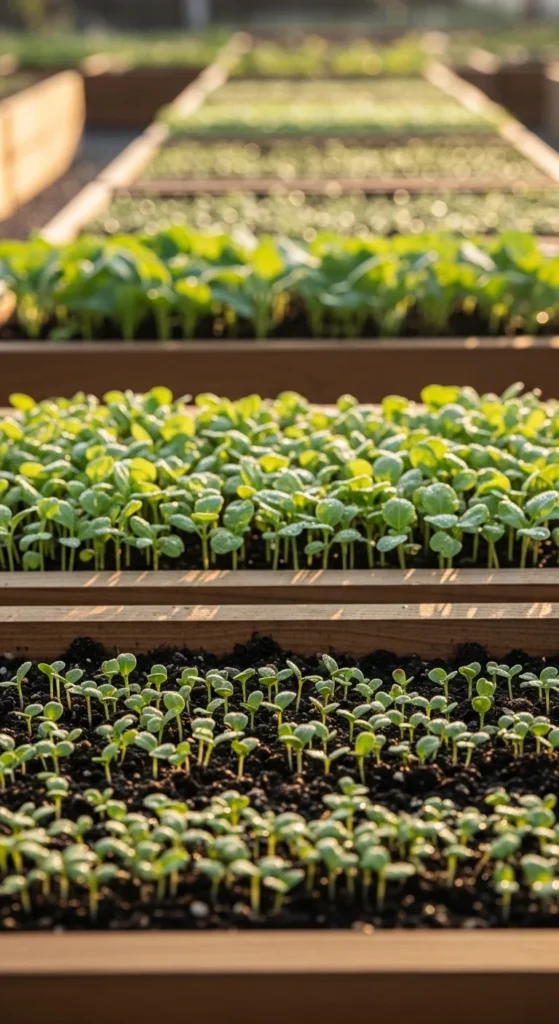
Stagger plantings to prevent disease buildup. Older plants can harbor pathogens that infect younger seedlings. Planting in intervals reduces pressure on the garden and allows easier management of outbreaks. This method spreads labor and minimizes risk without extra cost. Even home gardeners benefit from timing crops for healthier growth and less disease transmission.
17. Keep Surroundings Clean
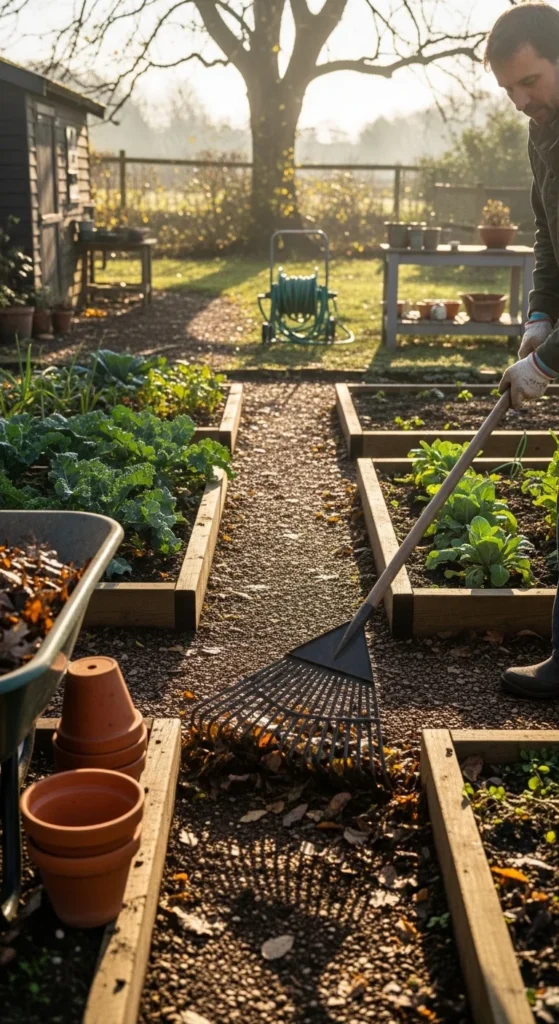
Remove fallen leaves, dead plants, and debris, which can harbor disease spores. Clean paths and compost areas regularly. This simple habit keeps pathogens away from healthy plants. Use gloves and keep a small rake or broom handy. Maintaining a tidy garden is free and highly effective in limiting spring plant diseases.
18. Avoid Excess Nitrogen Fertilizers
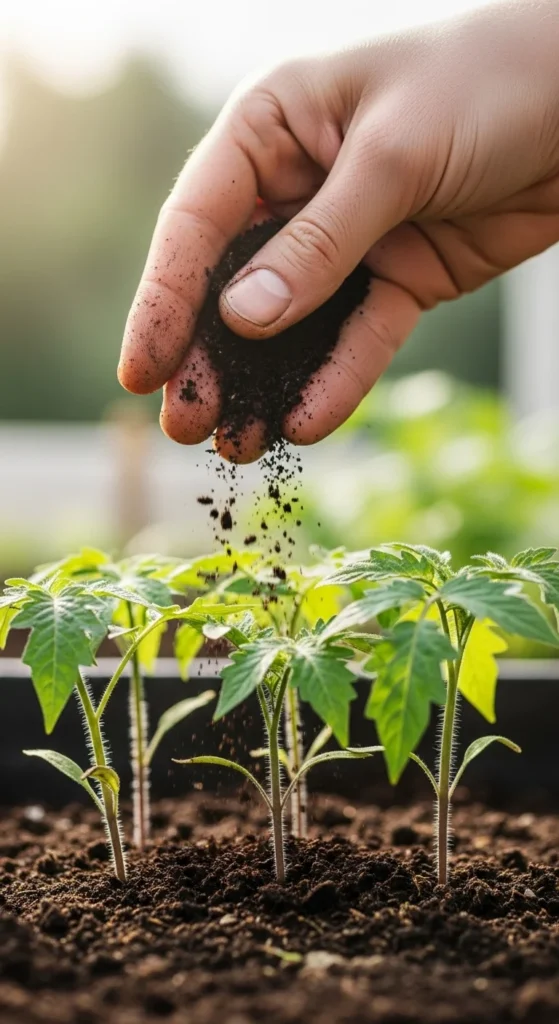
Too much nitrogen encourages soft, lush growth that is more prone to disease. Stick to balanced or slow-release fertilizers. Supplement with compost and organic matter instead. This simple change protects plants while keeping your garden eco-friendly and cost-effective. Small adjustments in feeding habits can reduce infections significantly.
19. Support Plants with Stakes or Cages
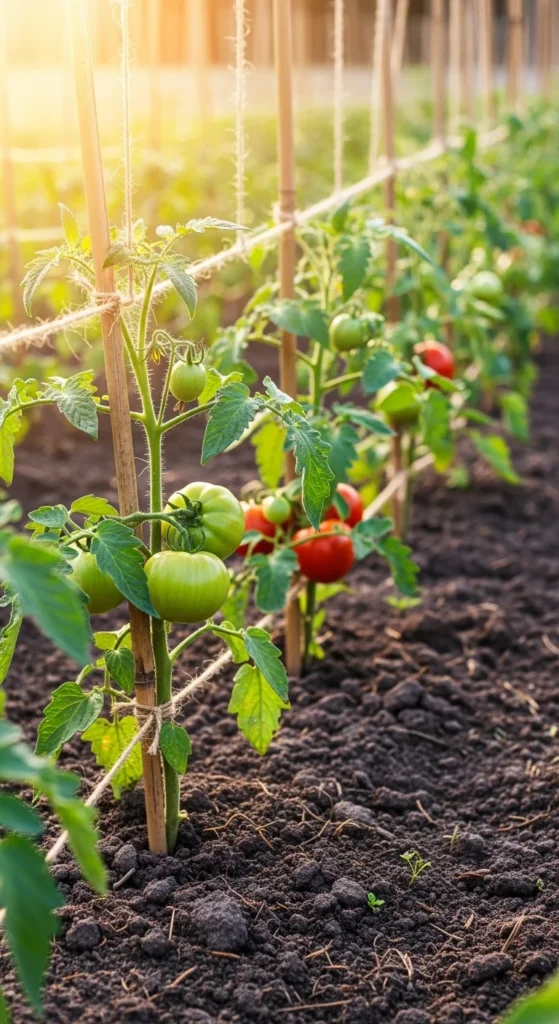
Staking or caging prevents plants from lying on wet soil, reducing contact with pathogens. Use bamboo stakes, cages, or DIY supports from scrap materials. Keeping plants upright improves airflow, reduces disease risk, and makes harvesting easier. Affordable support structures go a long way in protecting crops during wet spring months.
20. Clean Pots and Containers
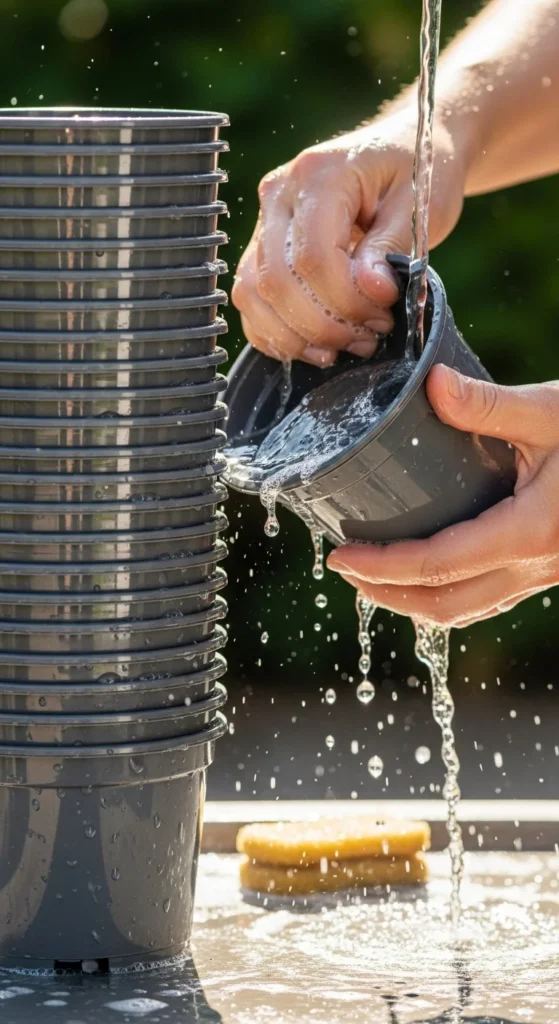
Reuse containers safely by cleaning with soapy water or vinegar before planting. Old soil can carry disease into new crops. Scrub off residue and rinse thoroughly. This low-cost habit is especially important for container gardens, greenhouses, and seedlings. It prevents the spread of pathogens and gives your new plants a healthy start.
21. Avoid Wounding Plants
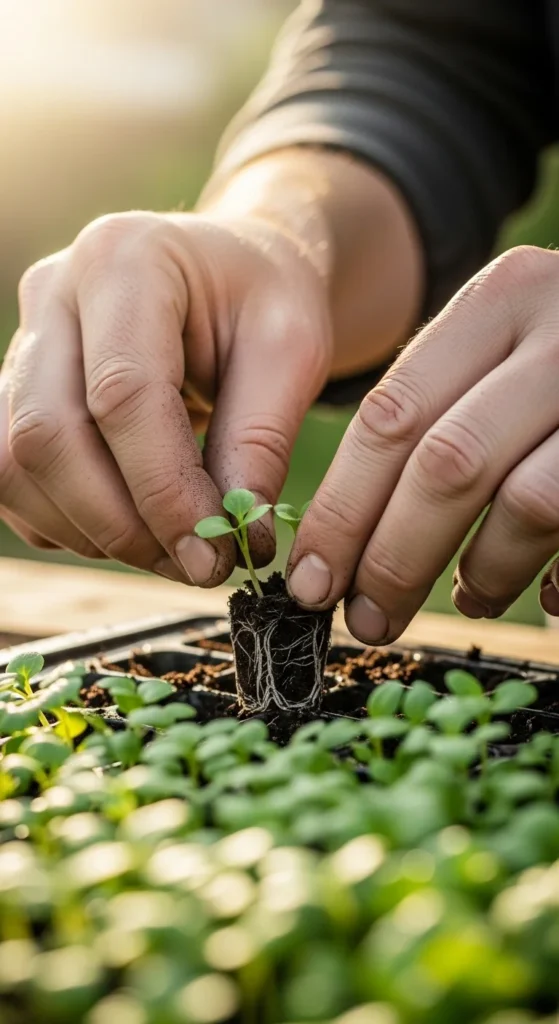
Cuts and abrasions are entry points for diseases. Handle plants gently when transplanting or pruning. Use sharp, clean tools and avoid rough contact. Even small injuries can invite infections. Being careful with handling is free and very effective in keeping plants healthy during spring growth.
22. Compost Properly
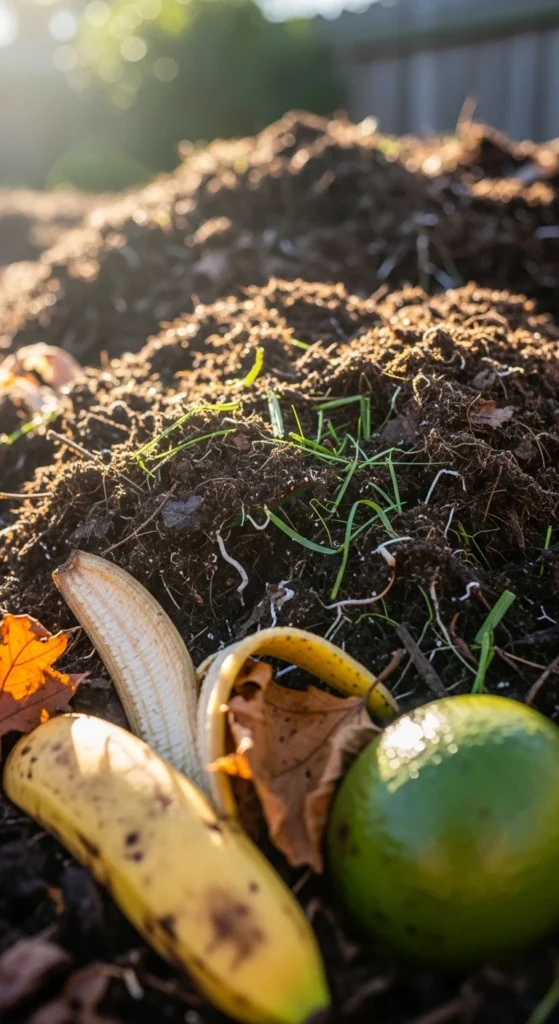
Raw plant debris can carry pathogens. Hot composting kills most disease spores. Avoid adding diseased plants to your compost unless you’re confident it reaches high temperatures. Proper composting recycles nutrients safely and protects future crops. This low-cost method turns waste into a garden asset while keeping plants safe.
23. Keep Seedlings Healthy Indoors
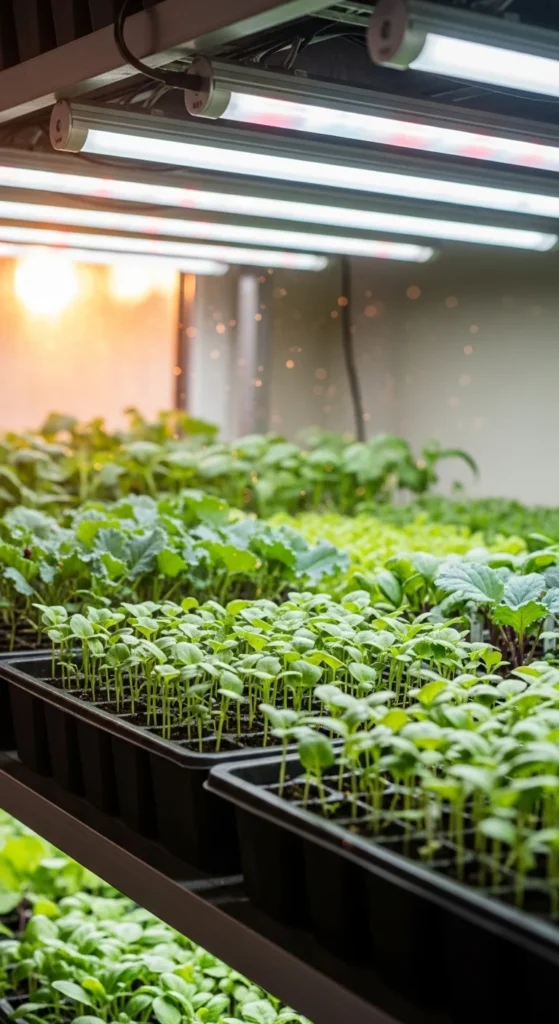
Start seeds in clean containers indoors to reduce early infections. Ensure good air circulation and avoid overwatering. Healthy seedlings are less likely to carry disease into your garden. Using recycled trays and soil is budget-friendly, and moving seedlings carefully to the garden reduces transplant shock. Healthy starts save money and prevent problems later.
24. Observe Your Garden Daily
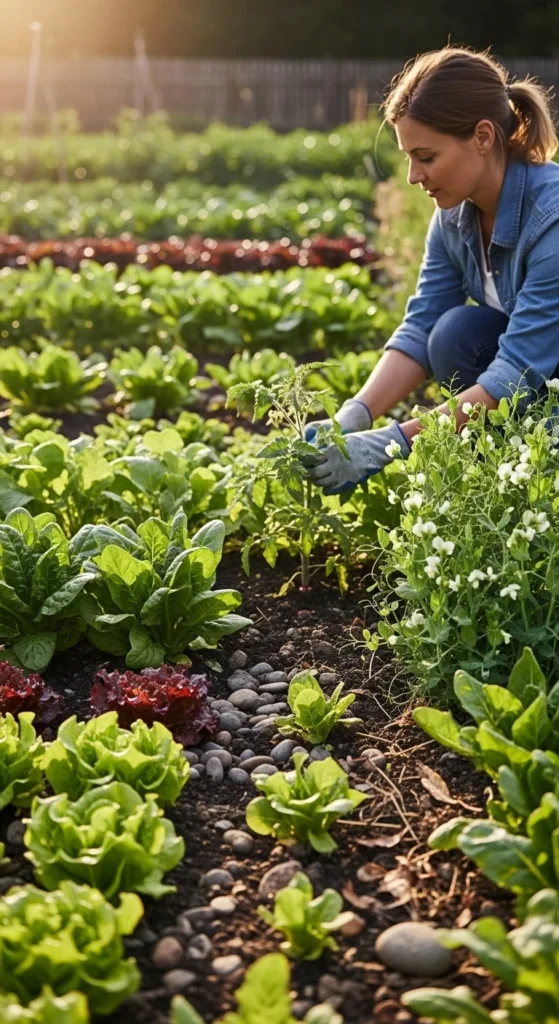
A daily stroll through the garden helps you spot problems early. Look for wilting, unusual colors, or pests. Quick action at the first sign of trouble prevents disease from spreading. Daily observation is free, easy, and one of the most effective ways to protect your crops. Spending a few minutes each day ensures your garden thrives all season.
Conclusion
Preventing plant diseases in spring doesn’t have to be expensive or complicated. By adopting simple practices—like proper watering, crop rotation, pruning, and natural sprays—you can protect your crops and enjoy a healthy, productive garden. Most of these tips are budget-friendly and easy to implement in small or large gardens. Take action now, and your plants will reward you with vibrant growth and abundant harvests all season long.

Leave a Reply