

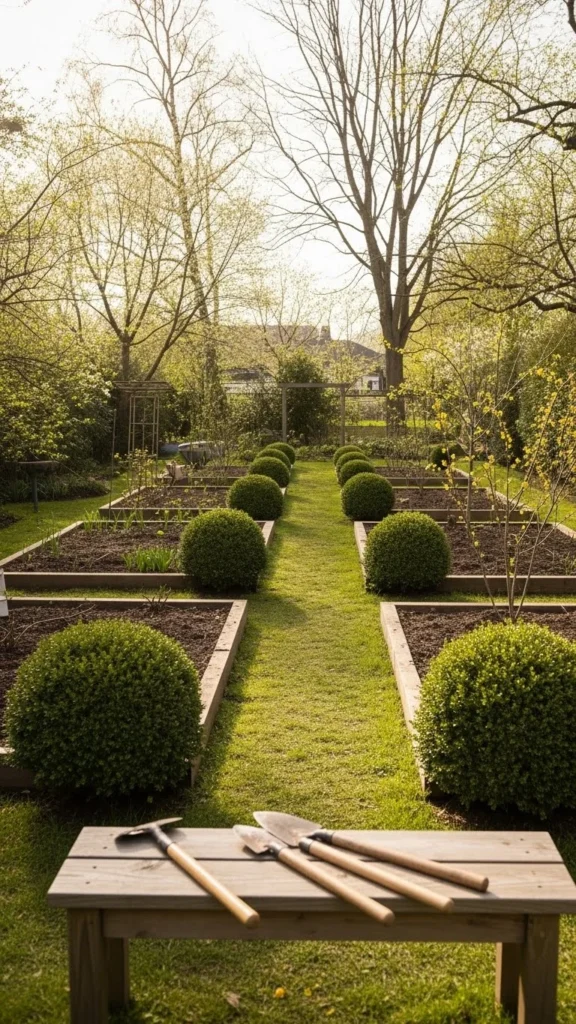
Spring garden clean-up is about setting your space up for steady growth and fewer problems later. After months of cold weather, gardens collect debris, compacted soil, and hidden damage. Small, affordable actions now can save time and effort all season. This guide focuses on practical steps you can complete in short sessions using basic tools. Each tip helps improve plant health, soil condition, and overall garden appearance without complicated methods or expensive gear.
1. Remove Winter Debris From Beds
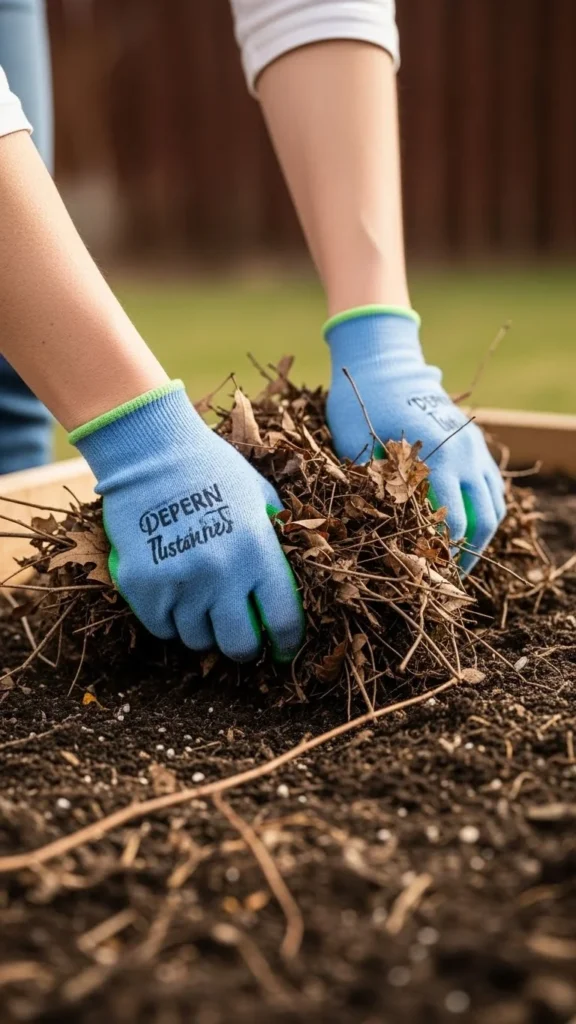
Start by clearing fallen leaves, broken stems, and loose branches from garden beds. This simple step allows sunlight to reach the soil surface. It also reduces hiding spots for insects that damage plants later.
Use a hand rake or gloved hands. Skip heavy equipment. Work slowly to avoid disturbing emerging shoots. Pile debris into a corner for composting if it’s disease-free.
If space is tight, bag the waste for local yard pickup. This task costs nothing but time. Clearing beds early also helps you see where plants survived winter and where gaps exist.
Short daily sessions work well. Even ten minutes per bed makes progress. This cleanup creates a clear base for planting and soil care later.
2. Cut Back Dead Perennials
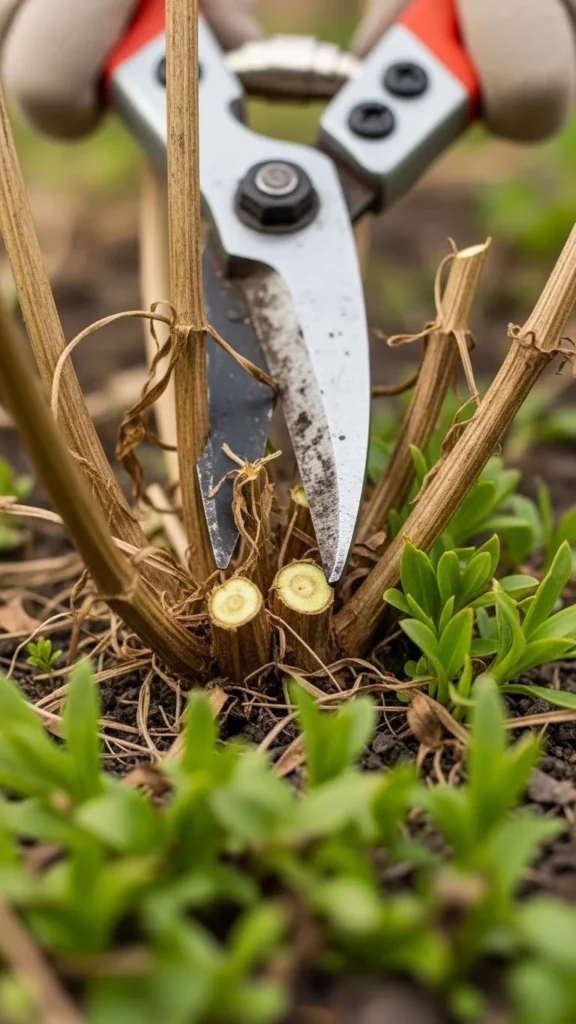
Trim dead perennial stems close to the ground. Use clean pruners or scissors. Leave any stems showing green growth.
This clears space for new shoots and improves air movement. It also keeps beds tidy without heavy effort.
Avoid rushing. Some plants wake up late. If unsure, wait a week before cutting. Label plants you plan to watch.
Collected stems can go into compost if healthy. This step costs nothing and makes beds easier to manage later.
3. Rake Lawns Gently
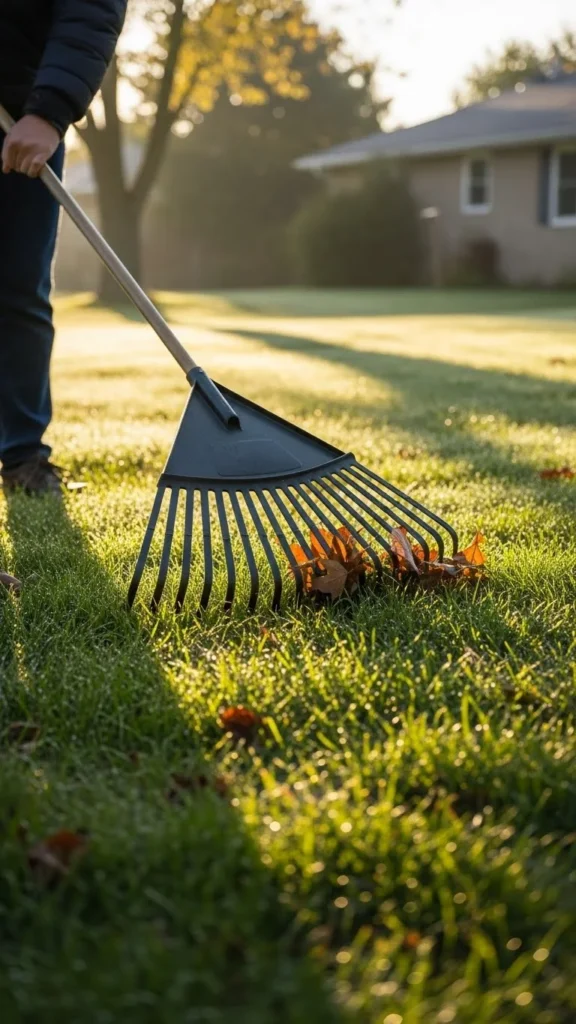
Light raking removes dead grass and allows air to reach soil. Use a flexible rake. Avoid aggressive pressure.
Work when grass is dry. Focus on matted areas only. This helps grass spread naturally.
Raking also reveals bare spots you may reseed later. No extra materials required.
Short passes work best. Stop if soil pulls up. Gentle care now keeps lawns healthy through warmer months.
4. Clean Garden Tools
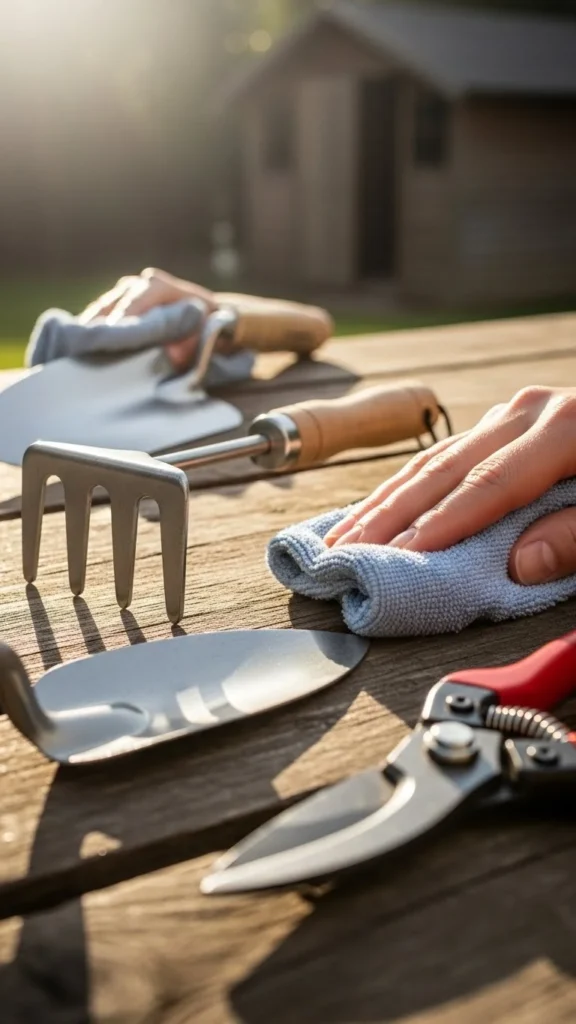
Wipe dirt from tools using a damp cloth. Dry them fully. This prevents rust and damage.
Sharpen blades if needed using a simple file. Oiled joints move smoothly and last longer.
Clean tools work better and reduce plant damage. This task saves money by extending tool life.
Store tools neatly so they’re easy to grab during busy weeks.
5. Check Soil Compaction
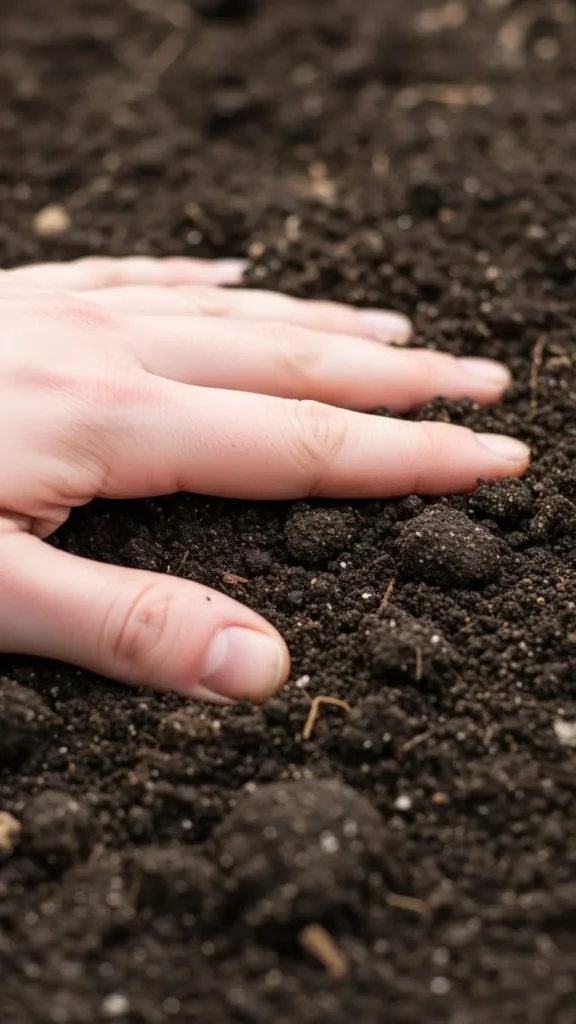
Press a finger into soil. If it feels hard, loosen the top layer gently.
Use a hand fork. Avoid deep digging. Light loosening helps roots spread.
This improves water flow and root access. No extra supplies needed.
Work when soil is slightly moist, not wet. This small step supports stronger plant growth.
6. Edge Garden Beds
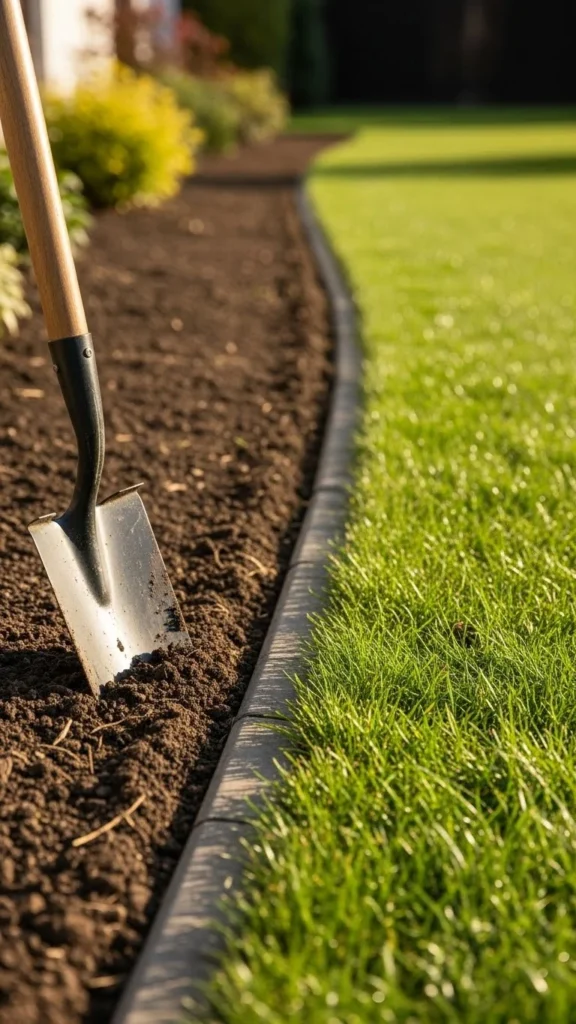
Define bed edges with a spade. This keeps grass from creeping in.
Clear lines make gardens easier to maintain. It also helps with mowing later.
No special tools required. A flat shovel works well.
This step improves appearance with little effort.
7. Inspect Mulch Layers
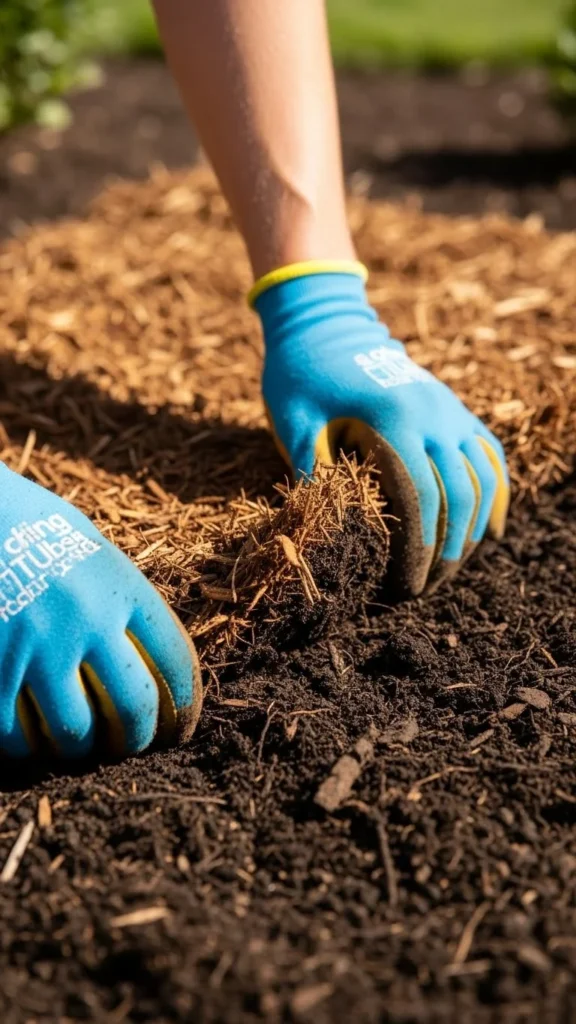
Check mulch thickness. Remove compacted or moldy layers.
Reuse good mulch by spreading evenly. Add more only if needed.
Mulch helps moisture control and weed control. This saves time later.
Avoid piling mulch against stems. Leave space around plants.
8. Pull Early Weeds
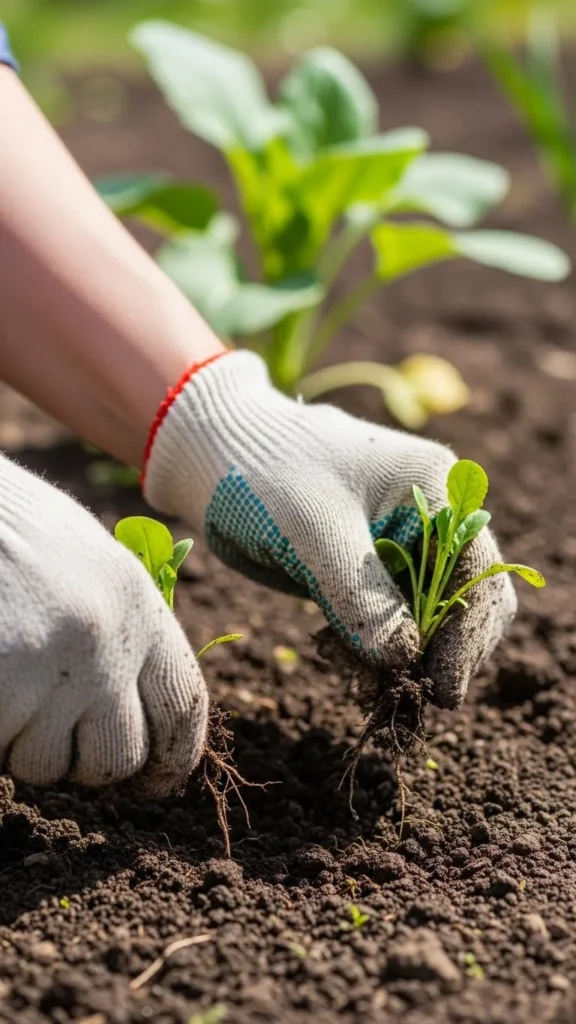
Small weeds are easy to remove. Pull after rain for best results.
Focus on roots. A quick pull prevents spreading.
This step reduces work later. No chemicals needed.
Ten minutes per session keeps beds manageable.
9. Clean Hard Surfaces
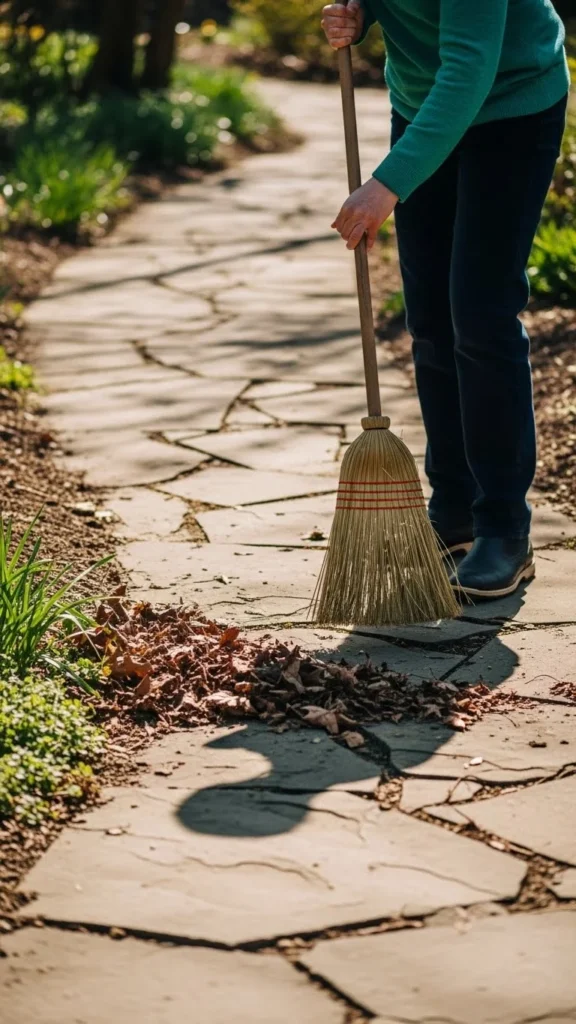
Sweep paths and patios. Remove dirt and moss.
Use water and a stiff broom. No cleaners required.
Clear surfaces reduce slipping and improve appearance.
This task is quick and visible.
10. Check Fencing and Supports
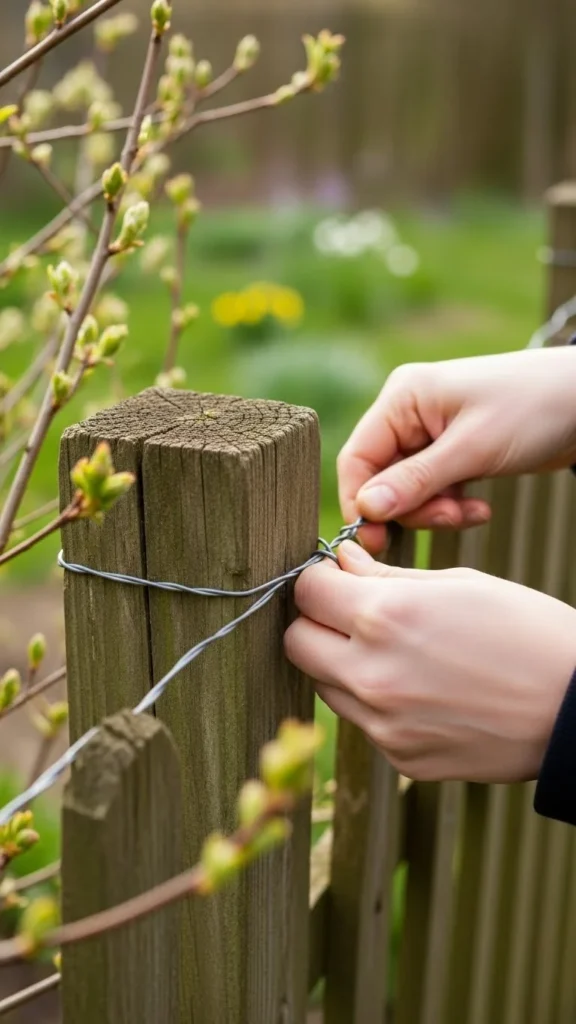
Inspect fences and trellises. Tighten loose parts.
Early repairs prevent bigger problems later.
Use basic tools. Replace broken ties with twine.
This supports climbing plants as they grow.
11. Prune Shrubs Carefully
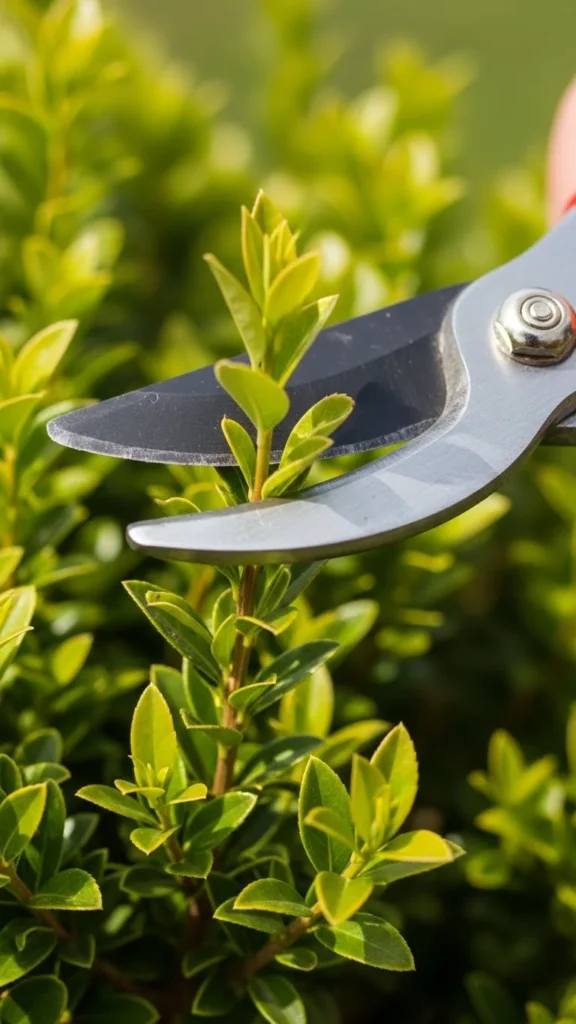
Remove dead or crossing branches. Cut just above buds.
This improves shape and airflow.
Avoid heavy cuts. Small trims are enough.
Clean cuts help shrubs grow evenly.
12. Refresh Container Soil
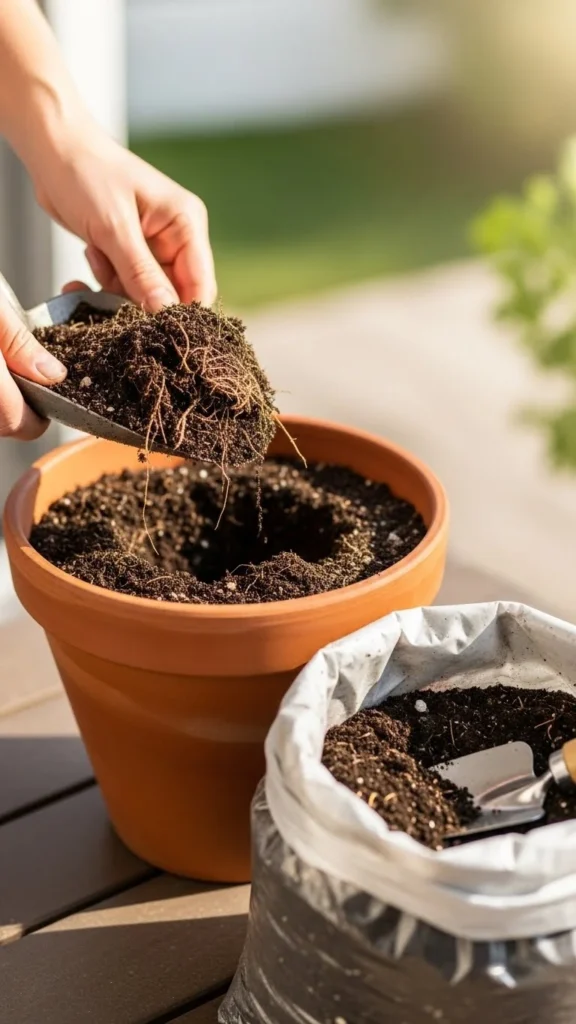
Remove old topsoil from containers. Add new soil.
Reuse containers after washing.
This supports healthy root growth.
Simple swaps reduce plant stress.
13. Inspect Irrigation Lines
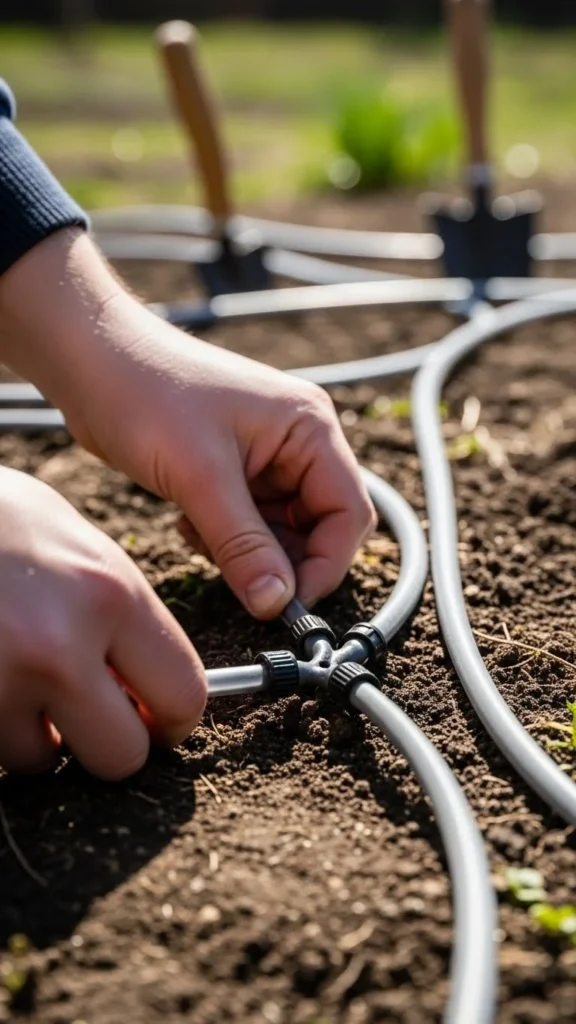
Check hoses and drip lines for cracks.
Repair with basic connectors.
Fixing leaks saves water and time.
Test before planting starts.
14. Clean Bird Feeders
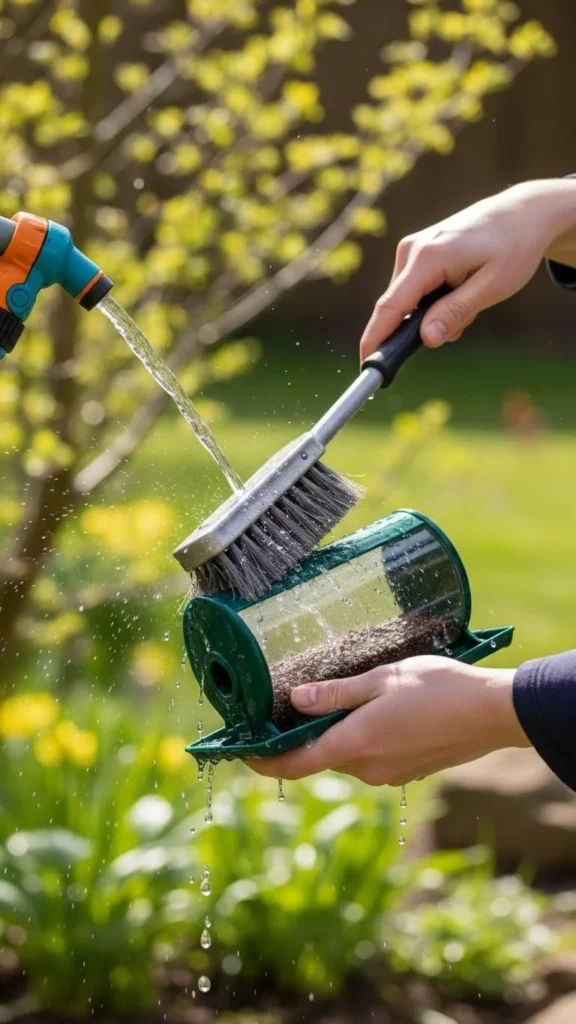
Wash feeders with warm water and soap.
Dry fully before refilling.
Clean feeders reduce disease spread.
This supports garden wildlife.
15. Turn Compost Piles
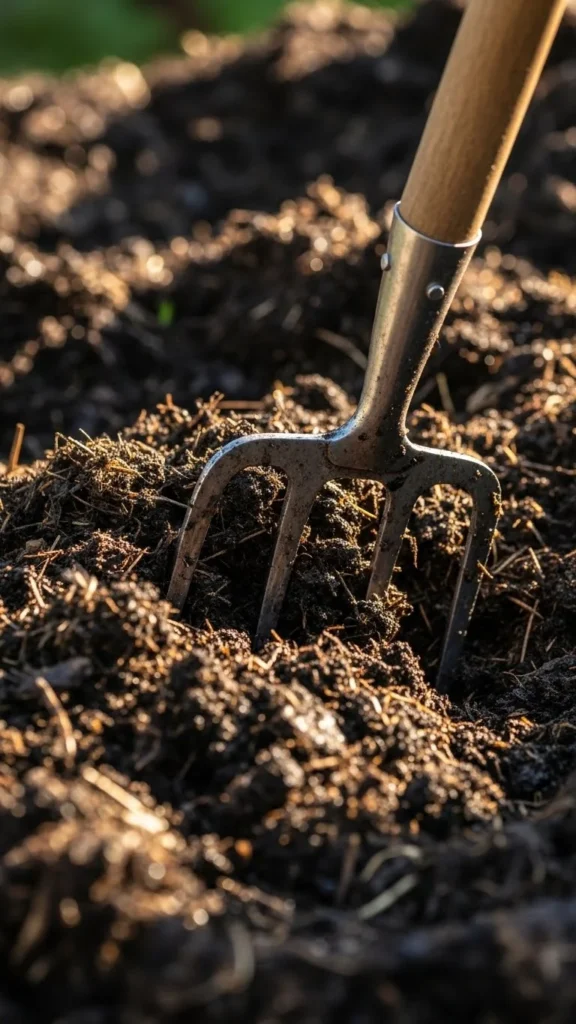
Mix compost to improve breakdown.
Add dry material if wet.
Turning helps create usable compost sooner.
No special tools required.
16. Label Plants
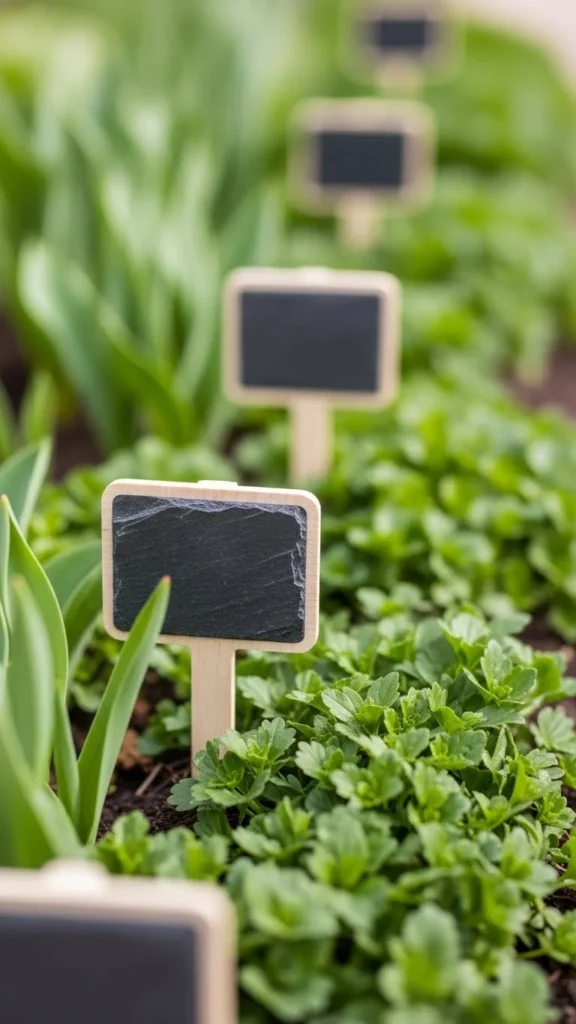
Label perennials early.
Use recycled materials like sticks.
This prevents confusion later.
Clear labels save time during planting.
17. Check Raised Bed Frames
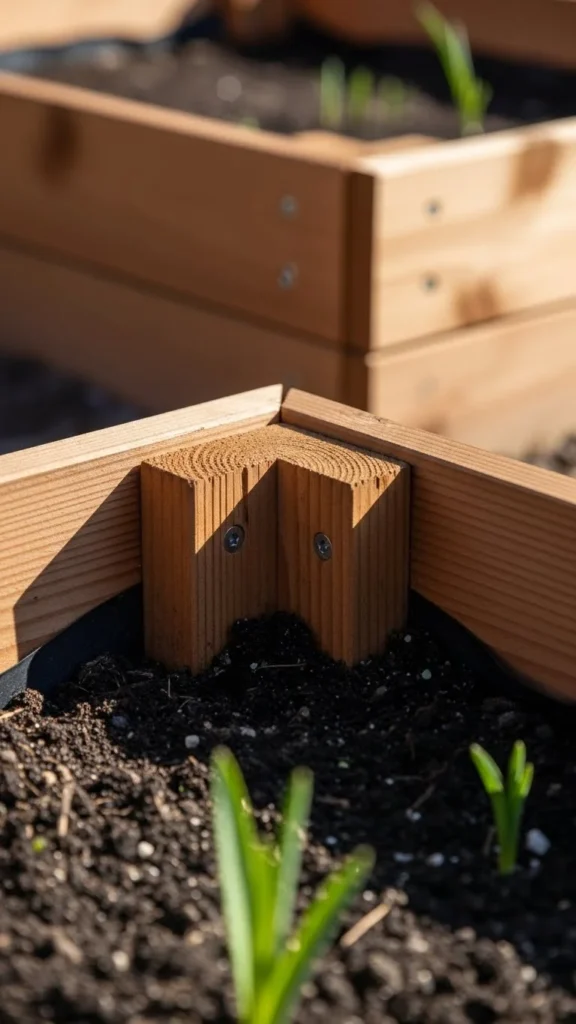
Tighten screws and boards.
Replace damaged sections.
Solid frames hold soil evenly.
Small fixes prevent collapse.
18. Clear Drainage Areas
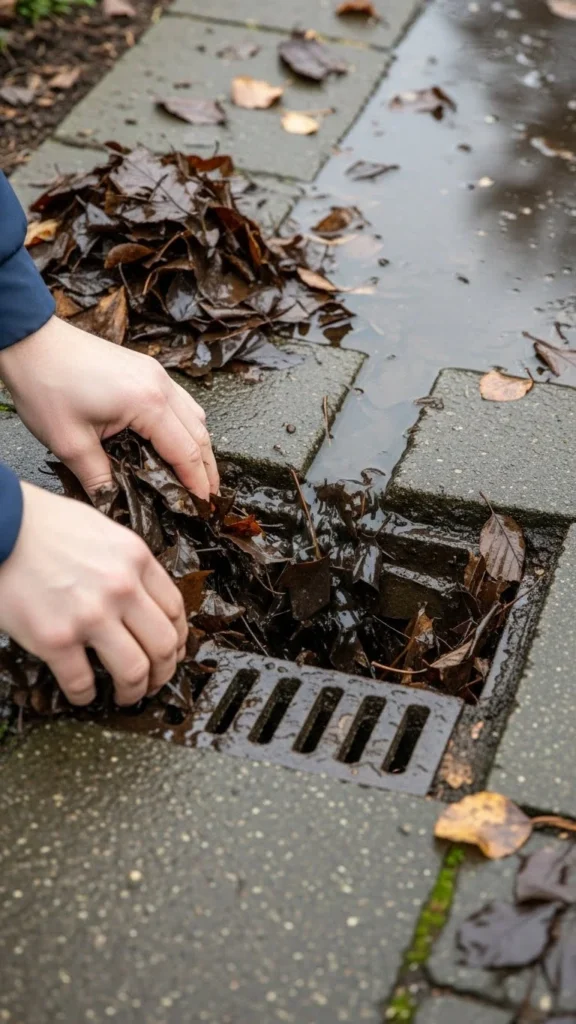
Remove debris from drains.
Good drainage prevents root damage.
Check after heavy rain.
Clear paths allow water flow.
19. Wash Garden Furniture
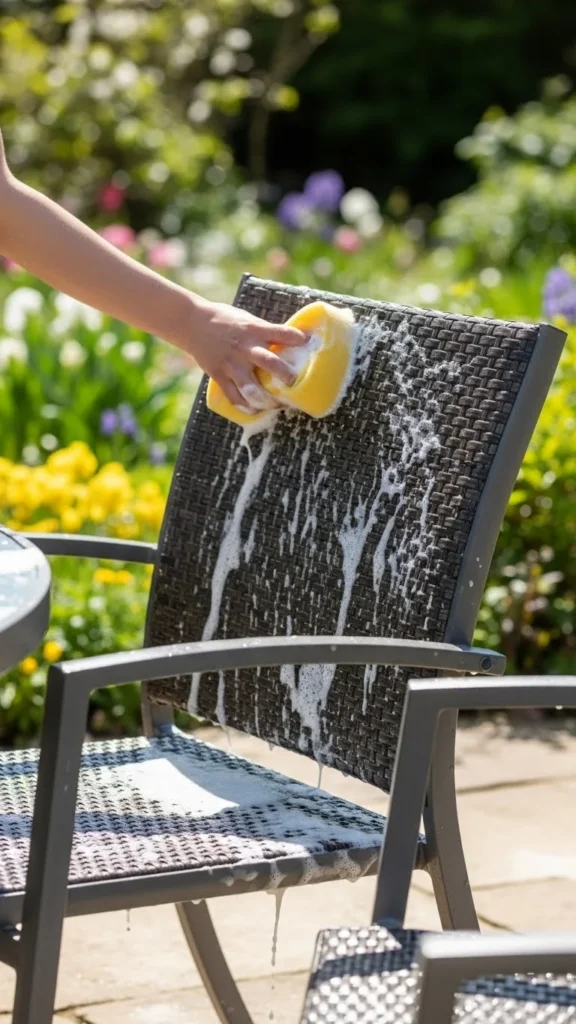
Clean chairs and tables with water.
Dry fully before use.
This makes outdoor spaces usable sooner.
Simple cleaning improves comfort.
20. Reorganize Storage Areas
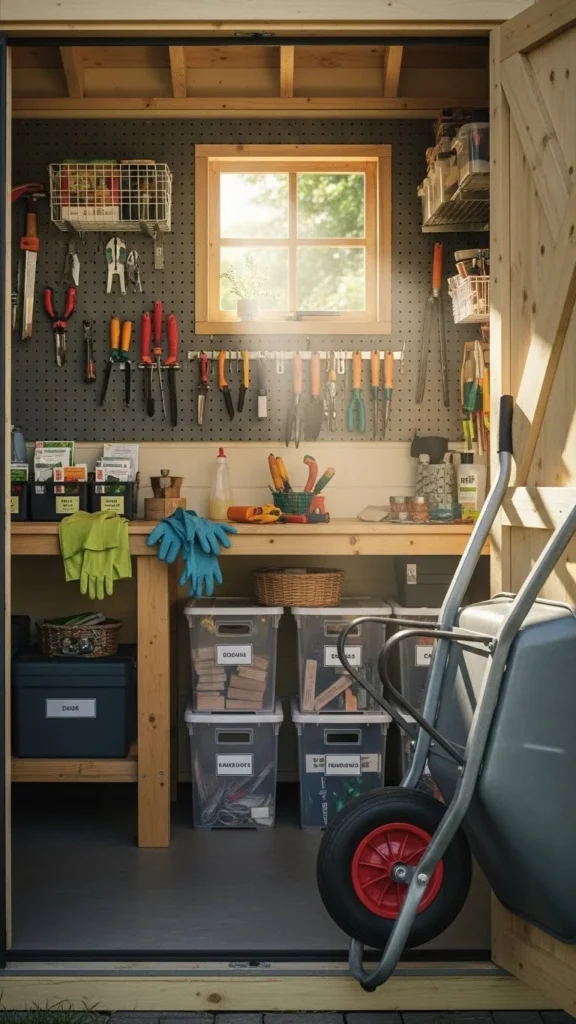
Sort pots and supplies.
Store by size or type.
Organized storage saves time.
Use hooks or shelves you already have.
21. Check Tree Bases
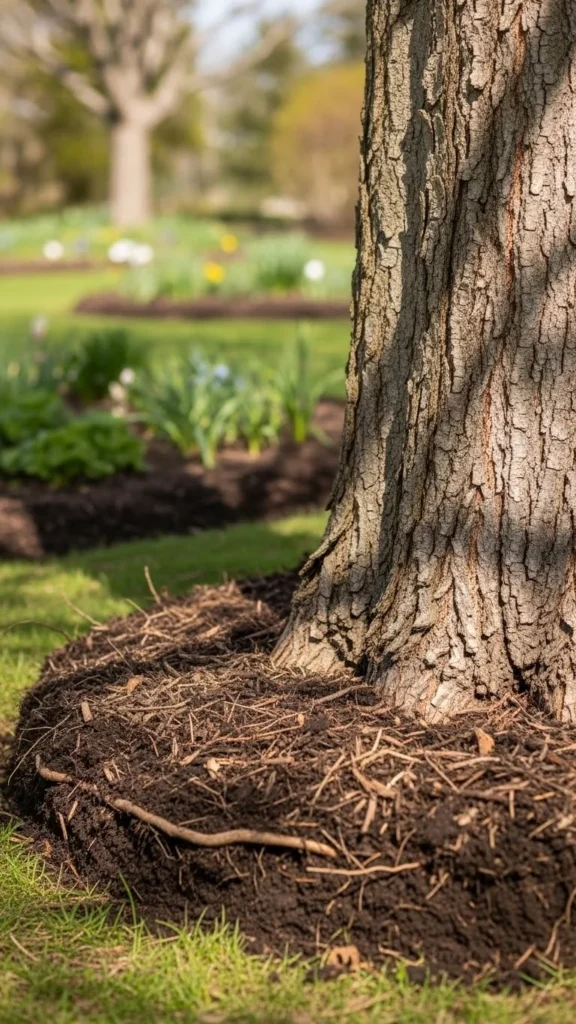
Clear mulch from trunks.
Leave space for air flow.
This reduces rot risk.
Simple adjustment helps trees stay healthy.
22. Repair Garden Paths
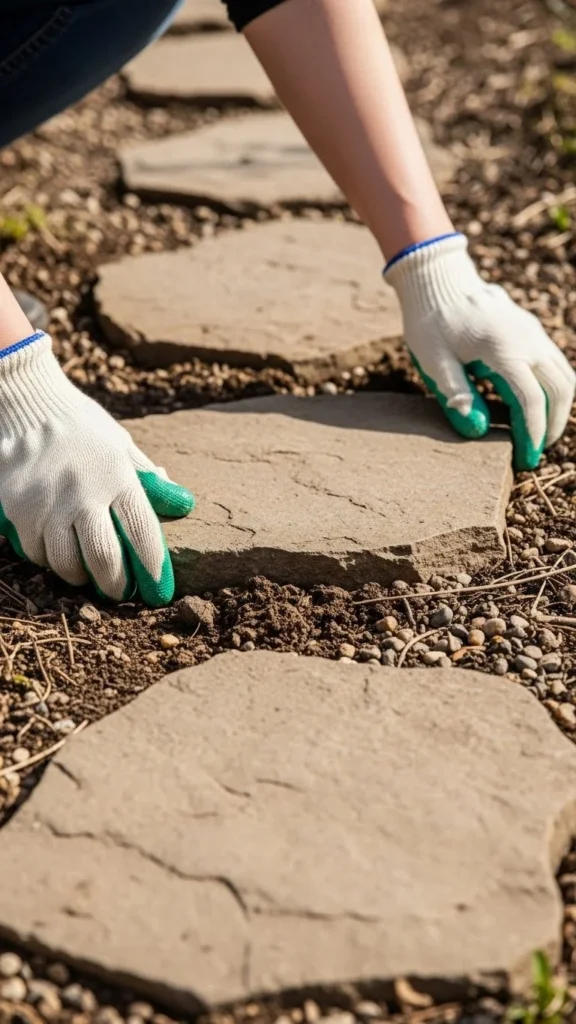
Reset loose stones.
Add soil beneath if needed.
Even paths improve safety.
Use materials already on hand.
23. Clean Greenhouse Panels
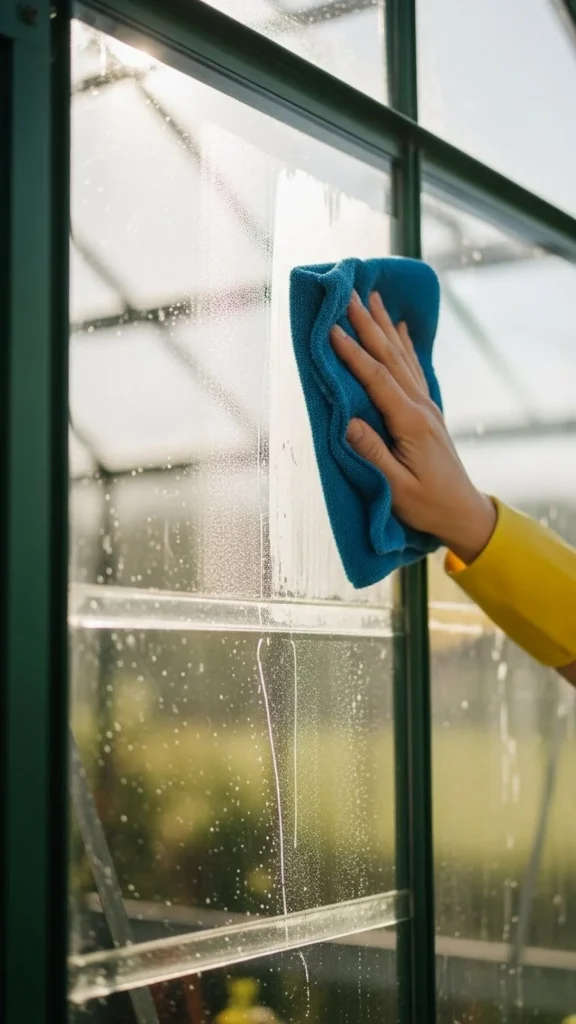
Wash panels with water.
Remove dirt buildup.
Clear panels allow more light.
This helps seedlings grow well.
24. Plan Small Planting Areas
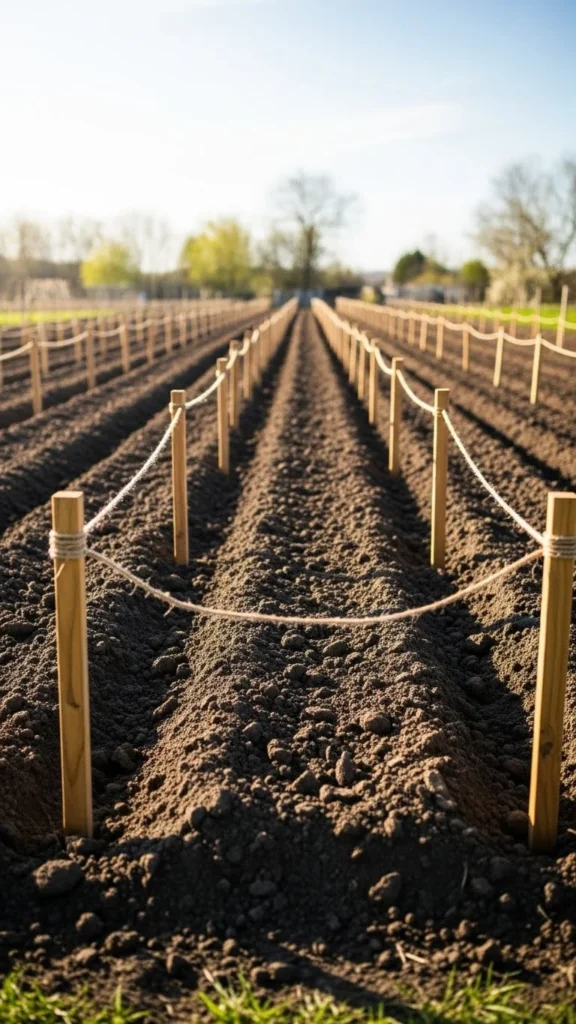
Mark planting spots.
Use sticks or string.
Clear planning reduces wasted space.
Simple layouts make planting easier.
Conclusion
Spring garden clean-up does not require long days or costly supplies. Small actions completed early shape the entire growing season. Clearing debris, checking soil, and fixing simple issues create better growing conditions and reduce later work. Choose a few tasks each week and build steady progress. A clean, organized garden supports healthy plants and makes outdoor time more enjoyable.

Leave a Reply