

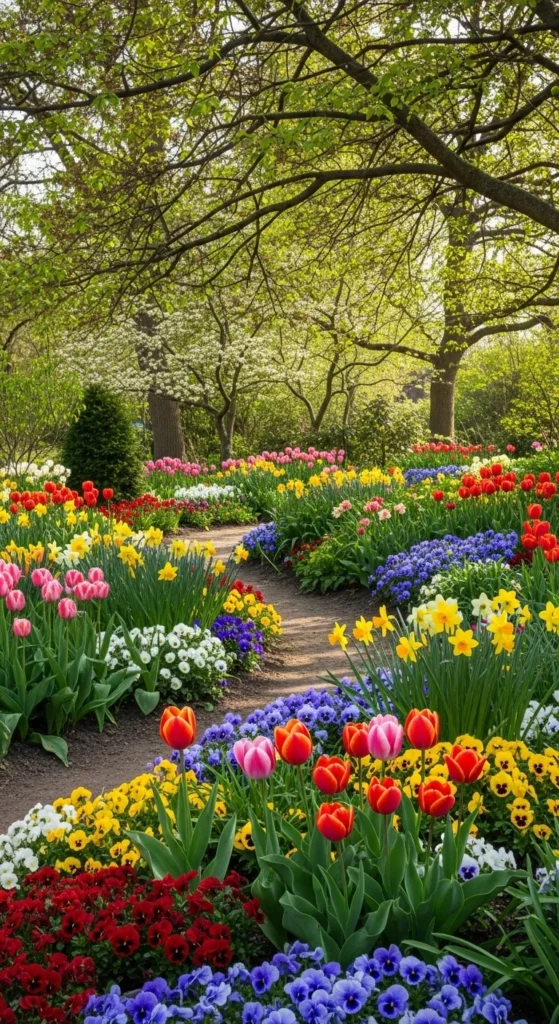
Spring is the perfect time to bring your garden to life with color. Planning your garden with flowing hues can create a serene, joyful space that changes throughout the season. With a little thought, even a small garden can feel vibrant and full of life. The key is mixing colors smartly, layering plants for contrast, and using simple, budget-friendly techniques to make your garden pop. These tips help you design a colorful, harmonious spring garden without overspending.
1. Start with a Color Palette
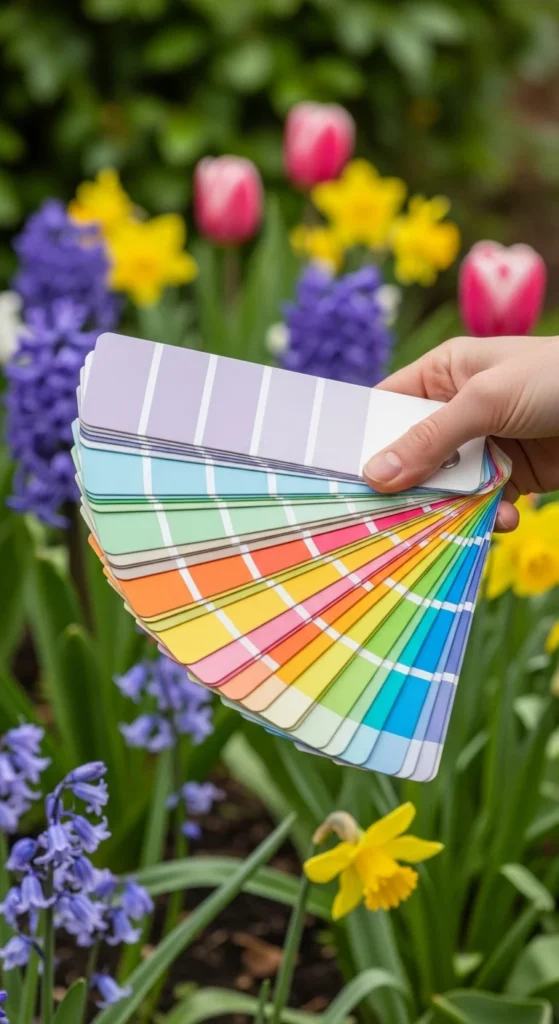
Choosing a color palette first makes planting easier and ensures your garden flows. Pick two or three main colors, then add one or two accent shades. For example, soft pinks and yellows with a touch of deep purple create balance. Use your palette for flowers, foliage, and even garden accessories. DIY tip: Collect leaves or petals from your garden or local park to visualize color combos before planting. Stick to simple contrasts—like light vs. dark or warm vs. cool tones—to create movement in your beds.
2. Layer Plants by Height
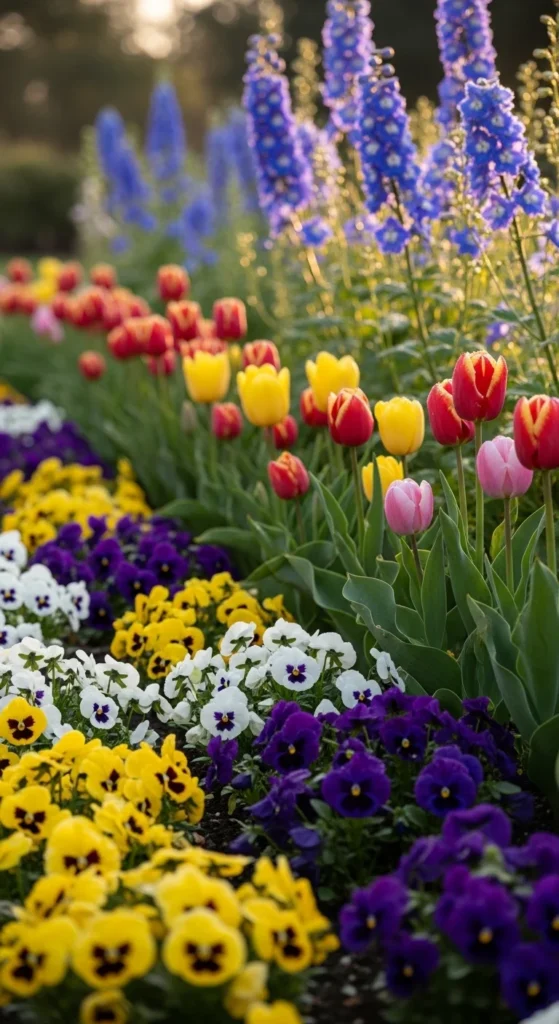
Planting in layers adds depth and makes colors flow naturally. Place taller plants at the back, medium ones in the middle, and shorter blooms at the front. This technique allows each color to be seen and prevents small plants from being overshadowed. Budget-friendly tip: Use seedlings from a local nursery or start plants from seeds. You can also trim overgrown plants to create a more balanced layered look. Layering works with foliage too—mix green tones to complement your flowers.
3. Repeat Colors in Different Areas
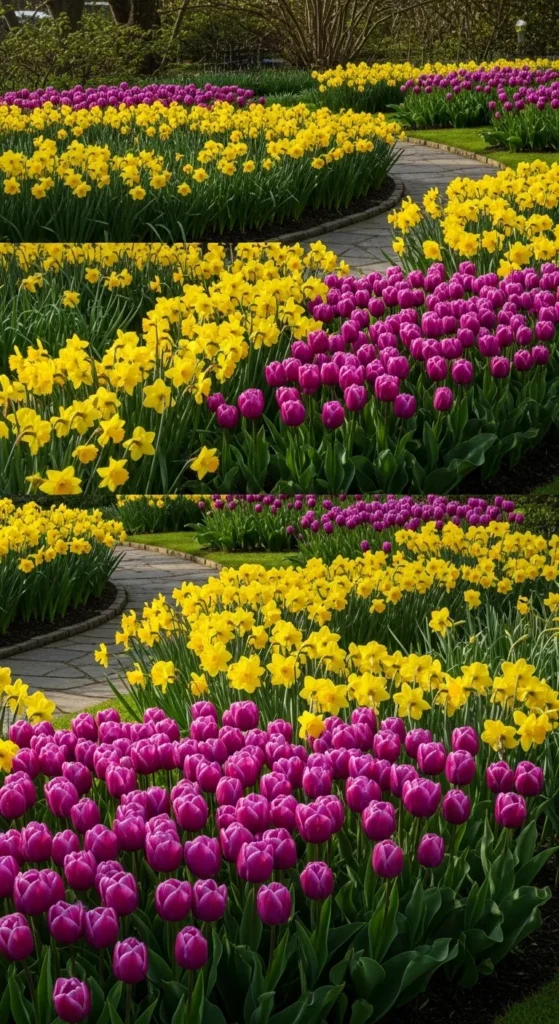
Repeating colors throughout your garden creates harmony. Pick a few key blooms and spread them across beds, borders, and containers. This guides the eye and makes your space feel cohesive. DIY idea: Use inexpensive pots or recycled containers to add repeated colors without buying new plants. Even a few repeated flowers can make a big difference, especially if placed along pathways or near seating areas.
4. Mix Bold and Soft Shades
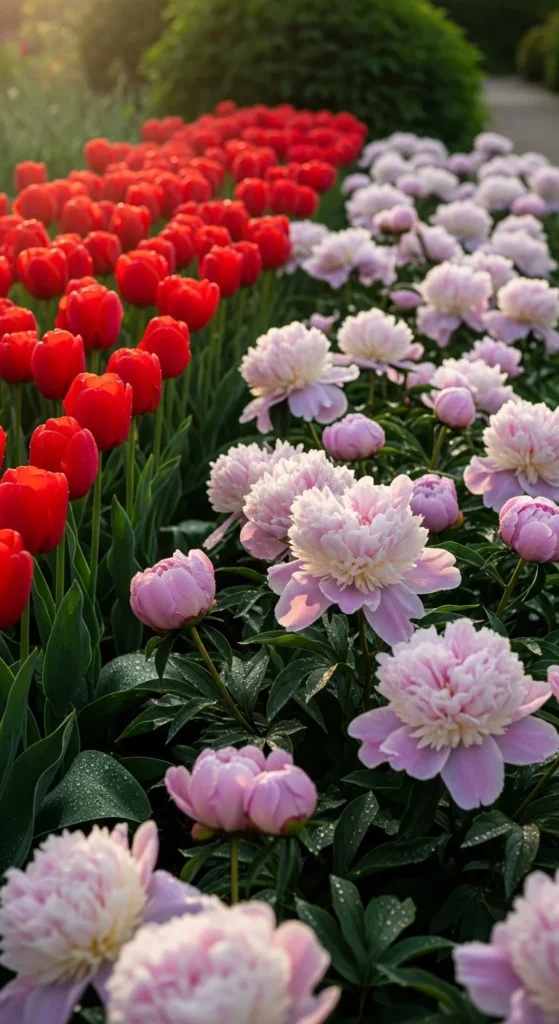
Combining bold and soft shades adds dimension and interest. Pair a strong color, like red or orange, with pastels or lighter tones. This keeps your garden vibrant without feeling overwhelming. Tip: Use bold blooms sparingly as accents, and let soft shades dominate larger areas. This approach works for budget gardens because you can buy fewer bold plants and still make an impact.
5. Use Seasonal Blooms
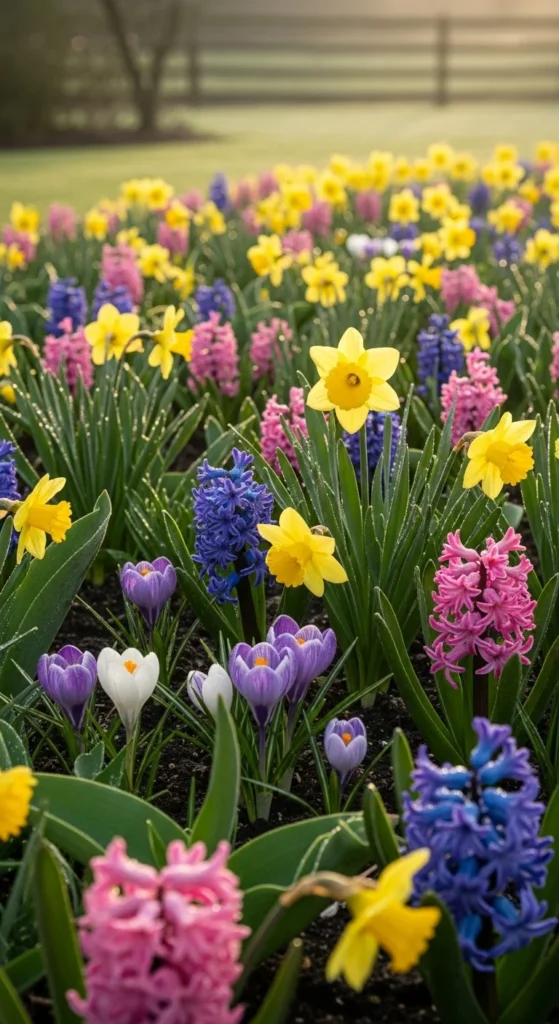
Planting seasonal flowers keeps your garden colorful without extra effort. Spring bulbs, early perennials, and hardy annuals provide a continuous bloom. Budget hack: Buy bulbs in bulk or swap seeds with neighbors. Planning seasonal transitions ensures your garden never looks bare. Rotate blooms yearly for fresh combinations without extra cost.
6. Create Color Zones
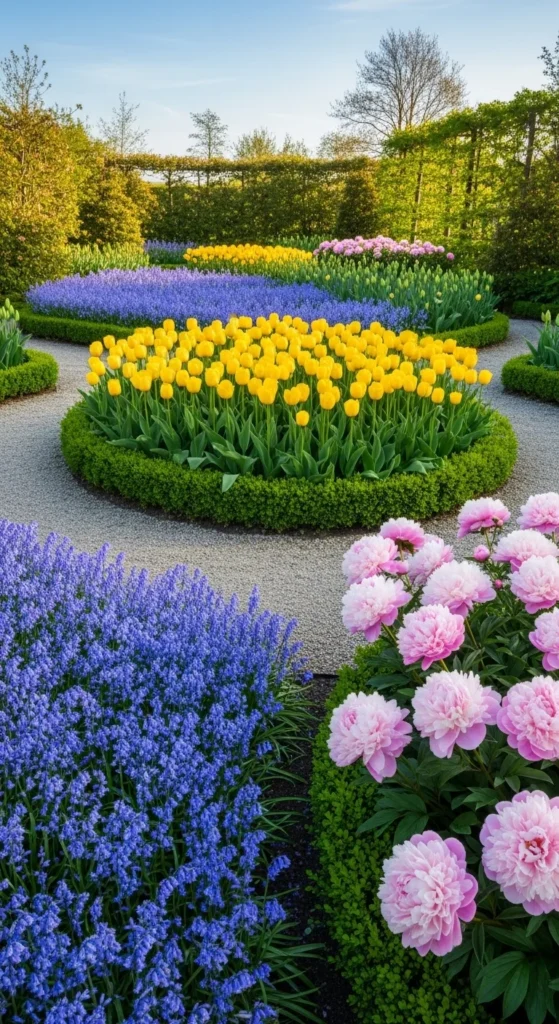
Divide your garden into zones by color. Each section can highlight a main shade, making the layout feel organized and flowing. DIY tip: Use inexpensive edging materials like bricks, stones, or recycled wood to define zones. Color zones make planting simpler—you know exactly what goes where, reducing trial-and-error costs.
7. Add Complementary Foliage
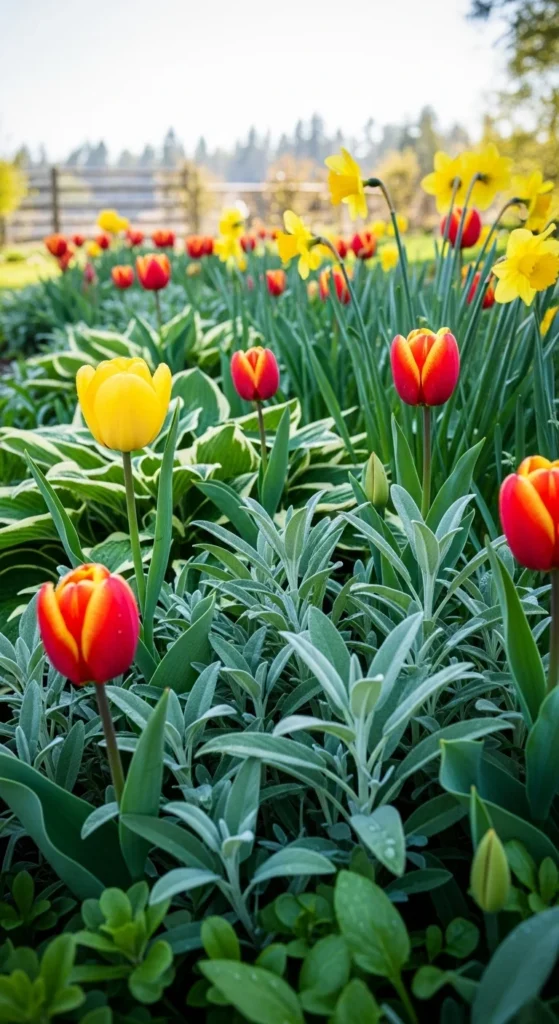
Foliage isn’t just green—different textures and shades enhance flower colors. Deep green leaves make bright blooms pop, while silvery or variegated foliage softens bold colors. Budget-friendly option: Divide perennials or cuttings from friends’ gardens to add foliage without buying new plants. Layering leaves with flowers keeps your garden dynamic.
8. Incorporate Potted Plants
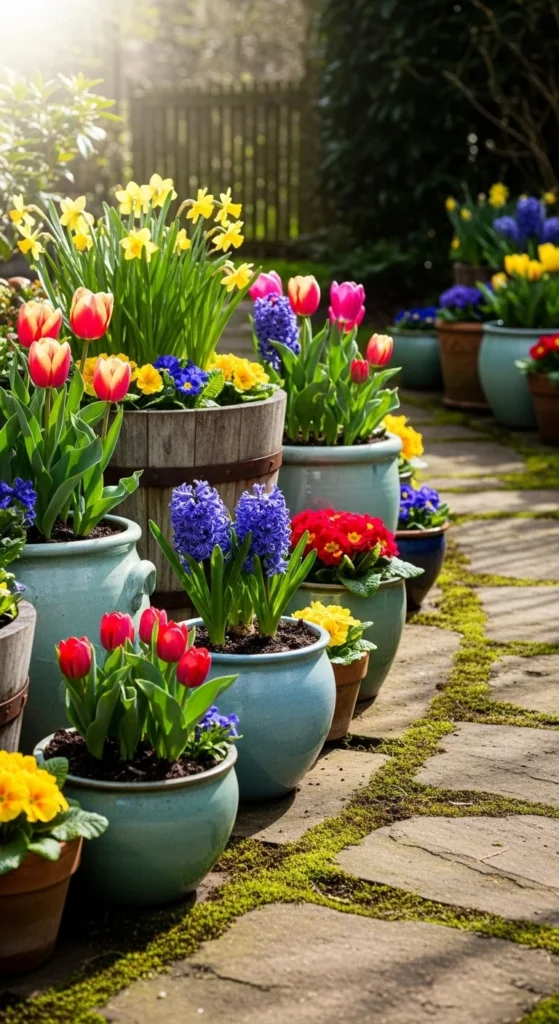
Containers let you move colors where they’re needed most. You can add bursts of pink, yellow, or blue along paths or near seating areas. DIY hack: Repurpose old buckets, crates, or baskets as planters. Pots also make it easier to test color combinations before committing to permanent beds.
9. Blend Annuals and Perennials
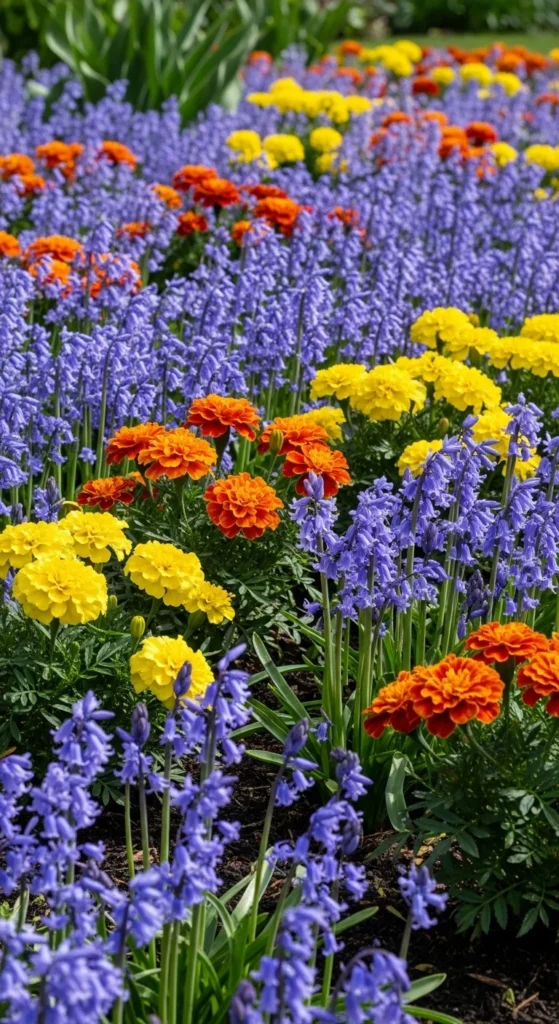
Mixing annuals and perennials extends bloom time and balances cost. Perennials return every year, while annuals offer quick, vibrant color. Tip: Start annuals from seeds indoors to save money. Combine both types to ensure your garden always has movement and a continuous display.
10. Experiment with Textures
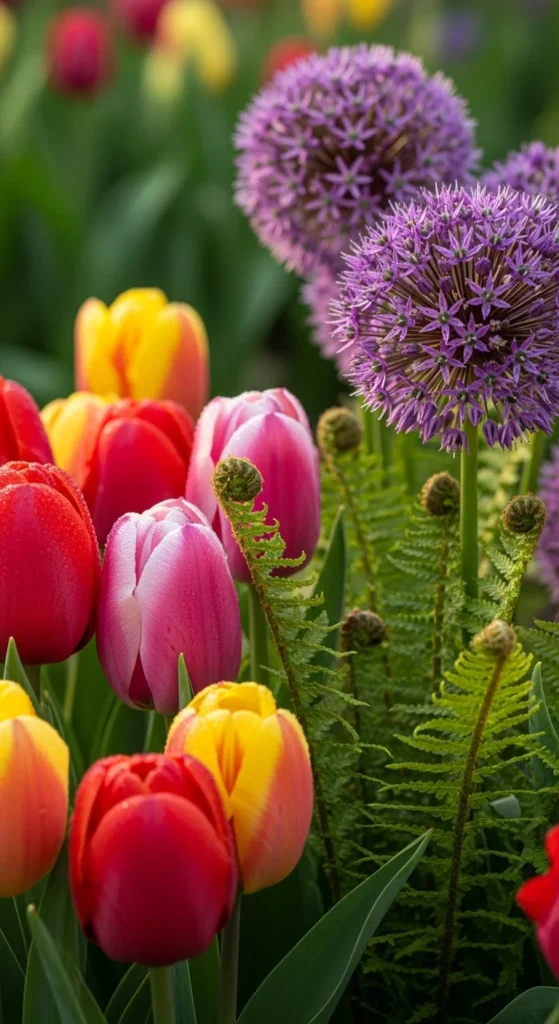
Color isn’t just about hue—texture matters. Pair smooth blooms with feathery leaves or spiky flowers for interest. DIY idea: Gather different plants from nurseries or plant swaps. Textures catch the eye and make colors feel more layered and natural, even in a small budget garden.
11. Use Natural Pathways
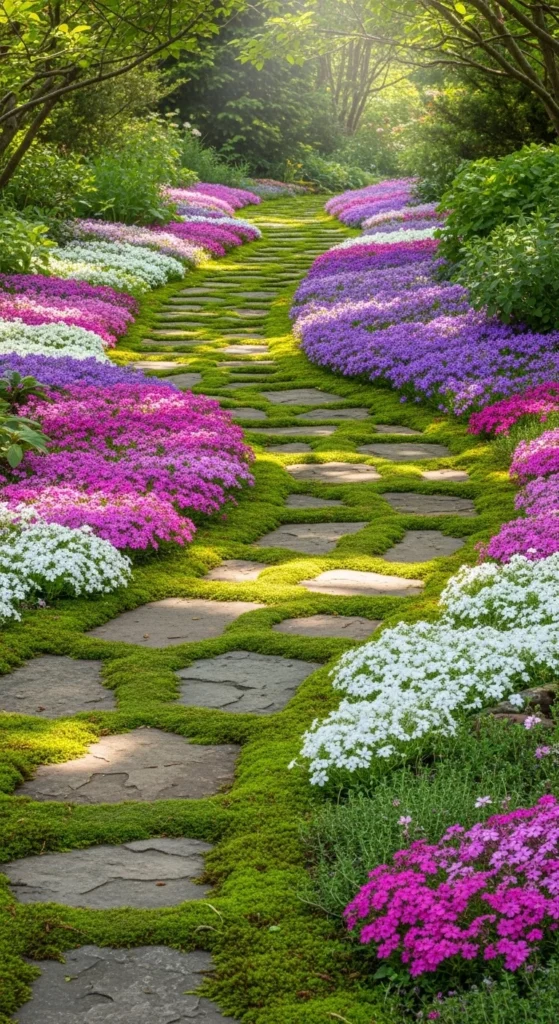
Flowing paths guide the eye and connect color zones. Plant low flowers along paths to add interest and make color transitions smoother. Budget tip: Use gravel, mulch, or stepping stones from home improvement stores. Paths also make your garden easier to navigate, highlighting your planning choices.
12. Highlight Focal Points
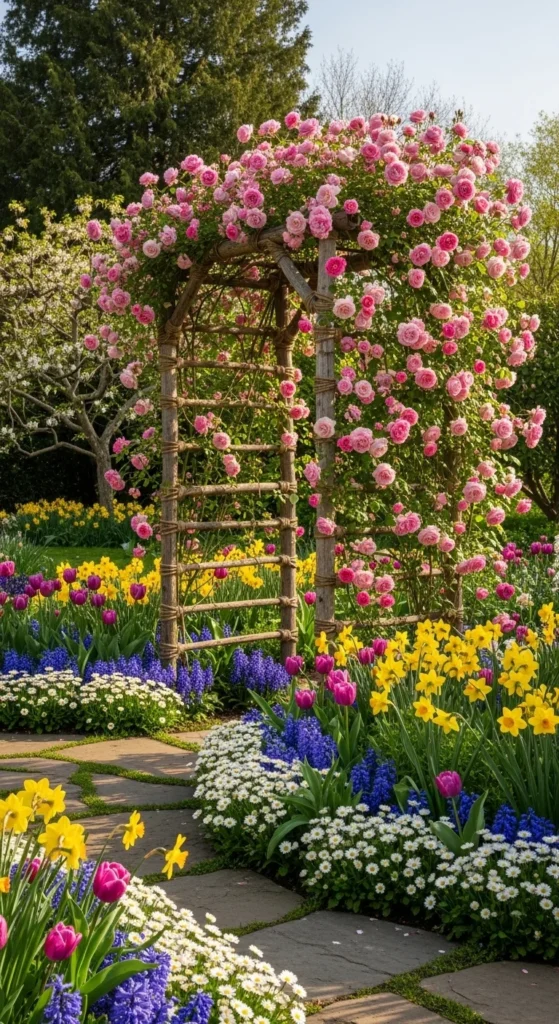
Pick a focal point and surround it with complementary colors. This could be a bench, trellis, or water feature. DIY hack: Paint old garden furniture or trellises to match your color palette. A focal point anchors the garden visually, making colors feel intentional rather than random.
13. Plant in Odd Numbers
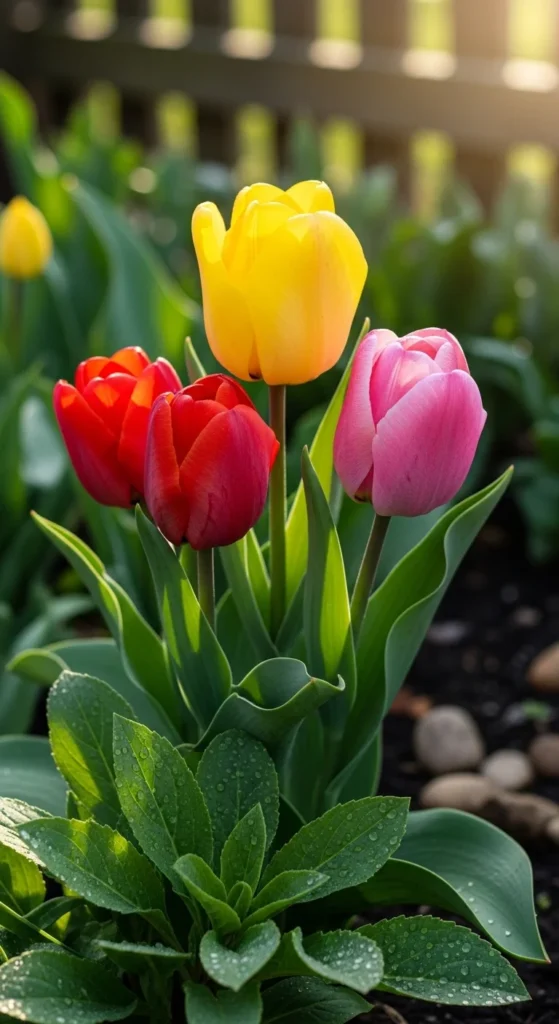
Planting flowers in odd numbers makes arrangements look natural. Groups of three or five tend to flow better than even numbers. Budget-friendly approach: Buy small packs of bulbs and space them strategically to achieve this effect. Odd-numbered clusters add rhythm and prevent a stiff, formal look.
14. Integrate Vertical Gardening
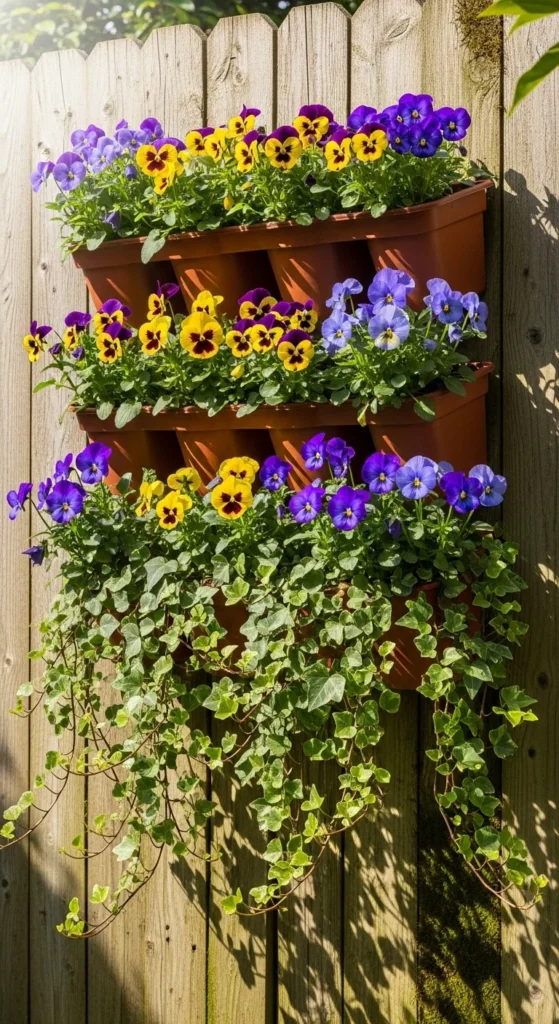
Vertical gardening adds height and color without taking up space. Use hanging baskets, trellises, or wall-mounted planters. DIY idea: Reuse old pallets or crates as vertical planters. Vertical layers let you display more blooms in smaller spaces while maintaining visual flow.
15. Choose Low-Maintenance Varieties
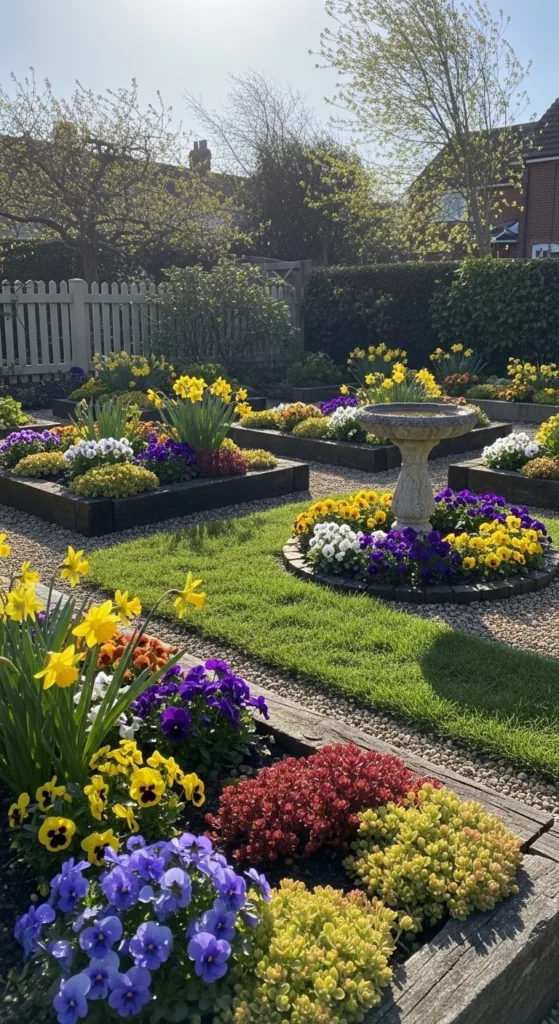
Low-maintenance plants save time and money. Pansies, daffodils, and tulips are hardy, colorful, and affordable. Tip: Pair them with inexpensive mulch to reduce watering and weed growth. Choosing the right plants ensures your garden stays colorful without constant upkeep.
16. Play with Monochrome Sections
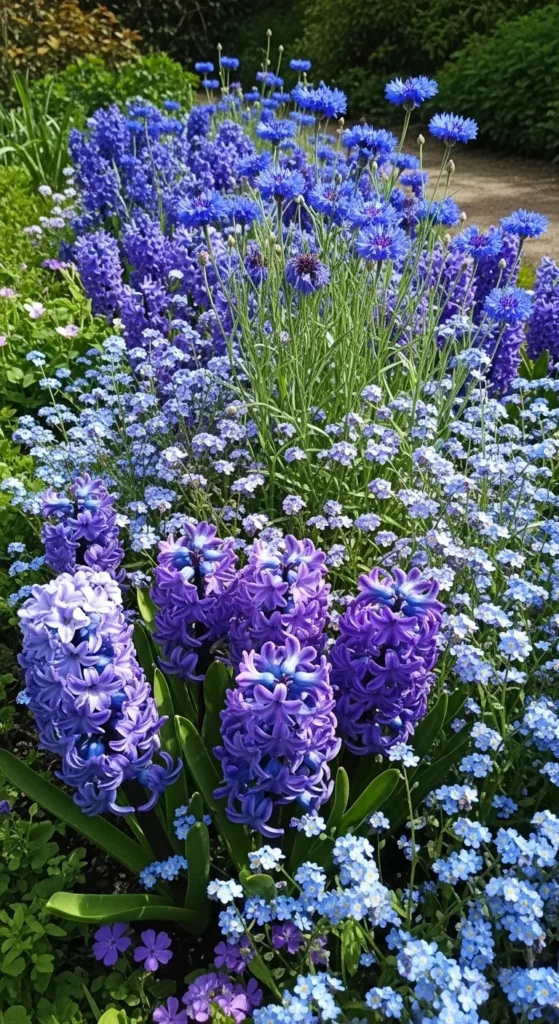
Monochrome sections focus on a single color for dramatic effect. Pick one hue and plant different flower types and shades within it. DIY option: Use leftover seeds or seedlings to create a monochrome bed. It simplifies planning while creating a striking visual impact.
17. Use Edging to Frame Colors
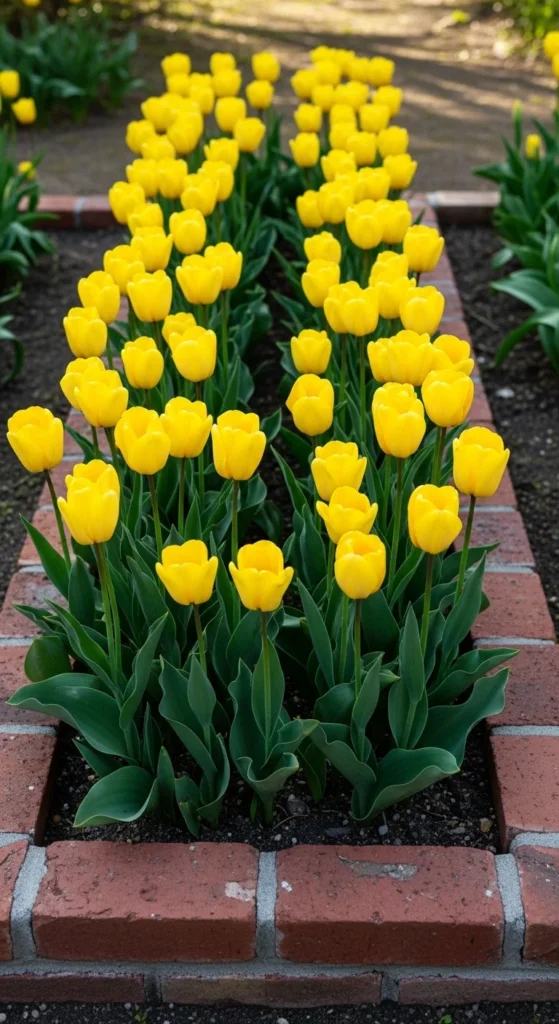
Edging defines garden beds and highlights color transitions. Simple stones, bricks, or recycled wood pieces work well. DIY tip: Collect stones from local areas or repurpose old materials. Edging keeps your garden organized and draws attention to your blooms.
18. Introduce Seasonal Accents
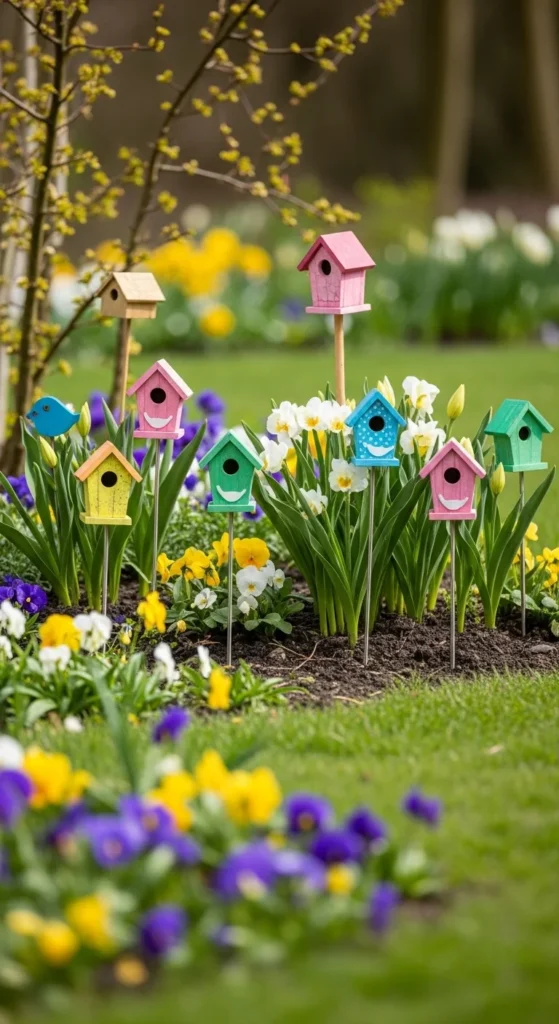
Small accents like stakes, birdhouses, or painted rocks can highlight flower colors. Budget-friendly: Use recycled items or inexpensive craft supplies. Seasonal touches emphasize your chosen palette and add charm without permanent changes.
19. Consider Bloom Timing
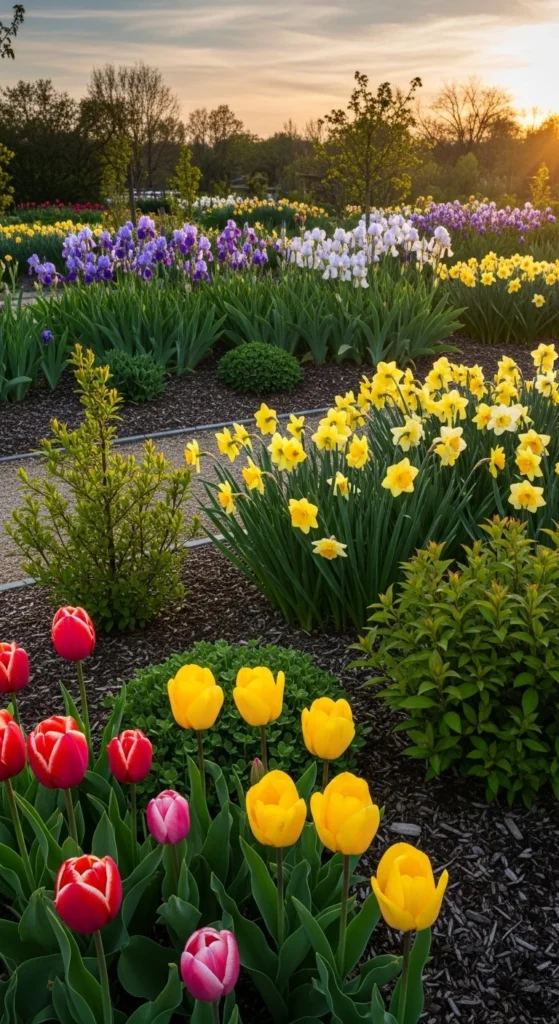
Plan for staggered blooms to keep color flowing through spring. Early, mid, and late bloomers ensure your garden never feels empty. Tip: Plant bulbs at different depths or choose varieties with varying bloom times. This technique keeps interest high while staying cost-effective.
20. Mix Shapes for Visual Flow
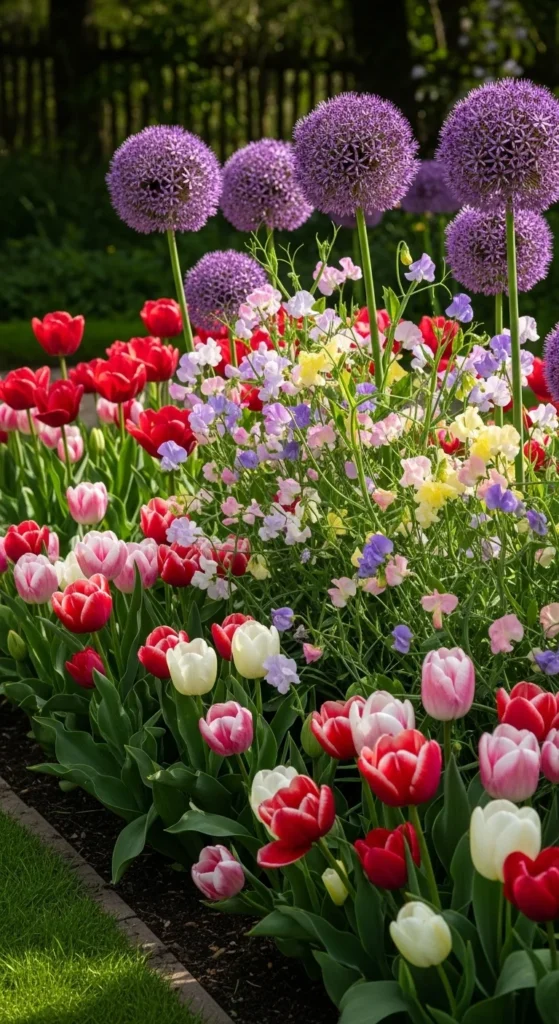
Varied flower shapes make colors pop naturally. Combine round, spiky, and cascading flowers. DIY idea: Plant a few trailing flowers along edges or containers to create flow. Mixing shapes keeps the garden lively and prevents monotony.
21. Maintain Flexibility
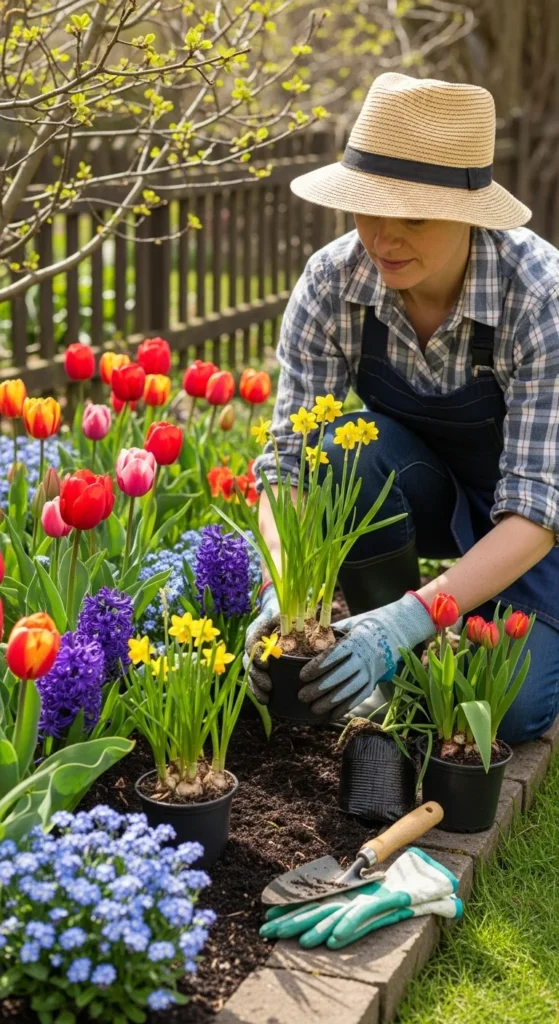
Gardens change over time, so stay flexible. Move potted plants or swap flowers seasonally to maintain a flowing color scheme. Budget hack: Start with inexpensive plants and adjust placement as you see what works best. Flexibility ensures your garden evolves gracefully throughout spring.
Conclusion
Planning a spring garden with flowing colors doesn’t have to be complicated or expensive. By focusing on palettes, layering, repeating colors, and using budget-friendly DIY tricks, you can create a vibrant, cohesive space. Small choices—like plant placement, texture mixes, and seasonal blooms—can transform your garden. Take these tips, experiment, and let your garden become a lively canvas that changes beautifully with the season. Your spring oasis awaits!
Leave a Reply