

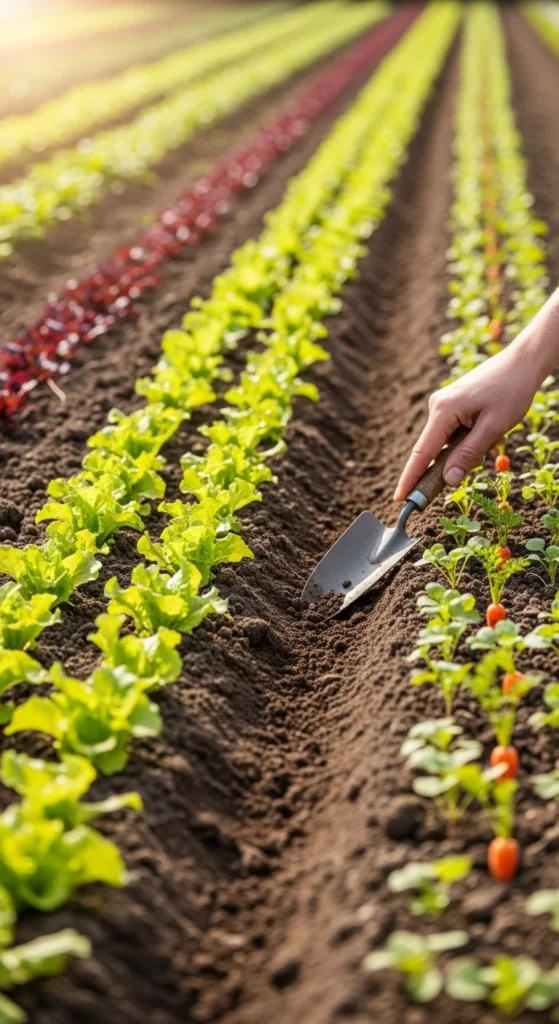
Spring is the perfect season to refresh your garden soil. Crop rotation can improve soil health, reduce pests, and give your plants a strong start. By planning which crops follow one another, you can save money, recycle nutrients naturally, and grow a thriving garden without chemical inputs. These 30 practical tips will guide you step by step, showing simple, budget-friendly ways to rotate crops and maintain fertile, balanced soil throughout the year.
1. Start with a Soil Map
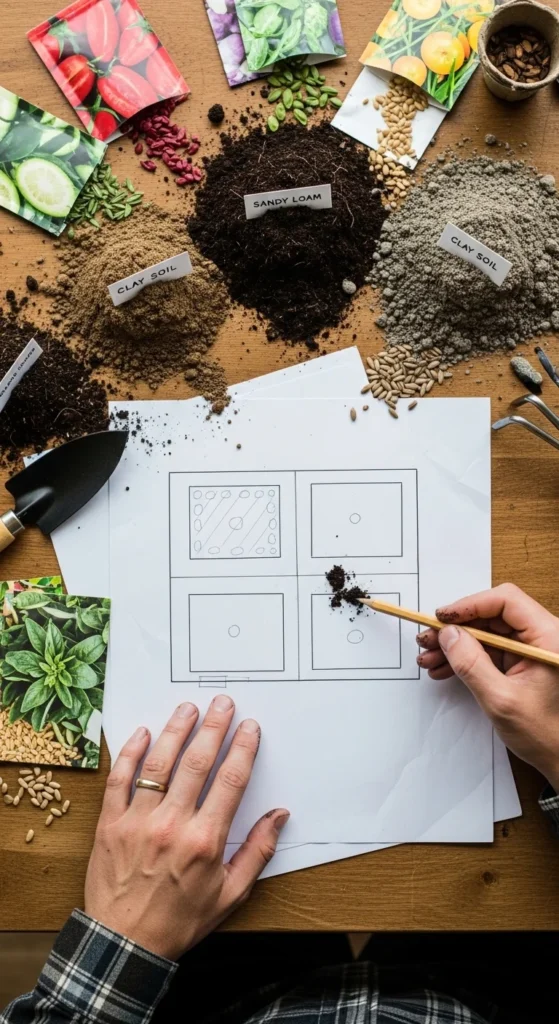
Before planting, draw a map of your garden. Divide it into sections based on crop types. Label areas for leafy greens, root crops, legumes, and fruiting plants. This helps you track what was planted last season. A small notebook or printed grid works fine. Even a simple sketch can save headaches later, ensuring you don’t plant the same crop in the same spot twice, reducing pest build-up naturally.
2. Rotate Families, Not Just Crops
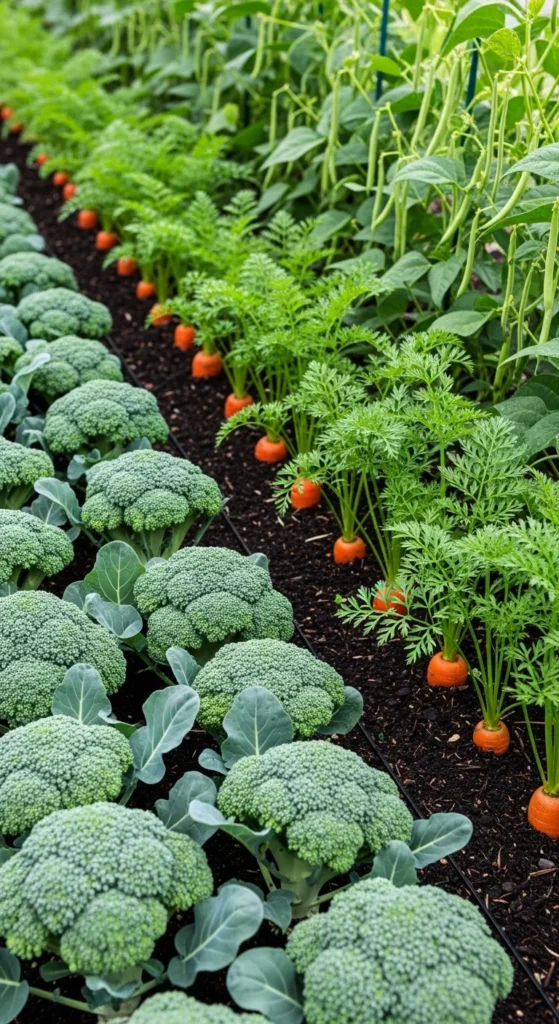
Focus on plant families, not individual crops. Leafy greens, roots, legumes, and nightshades each affect the soil differently. Rotate by family every season. For example, plant beans where tomatoes grew last year. This prevents nutrient depletion and minimizes disease carryover. Use small stakes or garden markers to remember families. It’s an easy, inexpensive way to improve soil over time without fertilizers.
3. Include Nitrogen-Fixing Plants
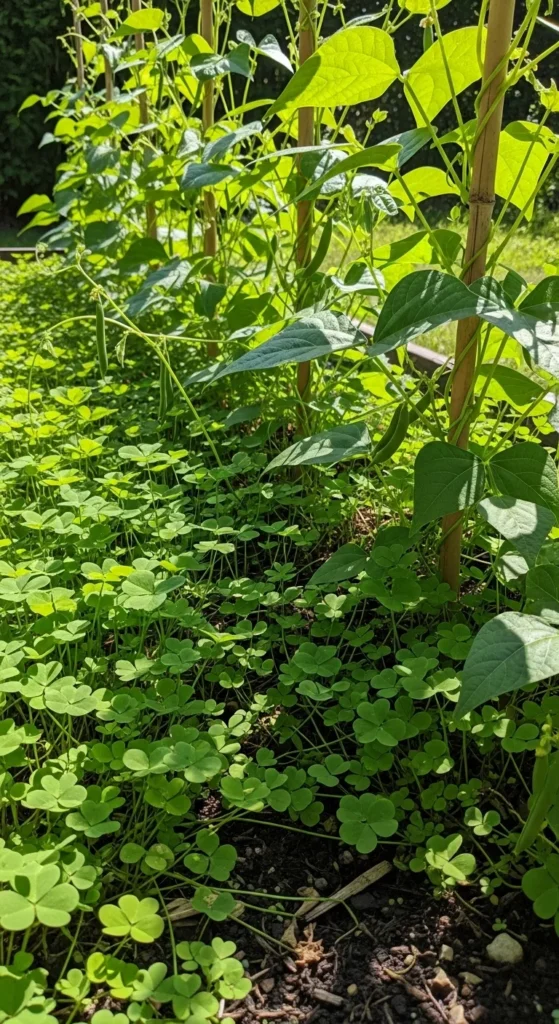
Legumes like peas and beans add nitrogen to the soil naturally. Plant them before nitrogen-hungry crops such as cabbage or corn. You can even interplant small strips of clover between beds. This reduces the need for synthetic fertilizers and keeps your budget low. It’s a simple swap that keeps the soil balanced and productive season after season.
4. Plan a Three-Year Rotation
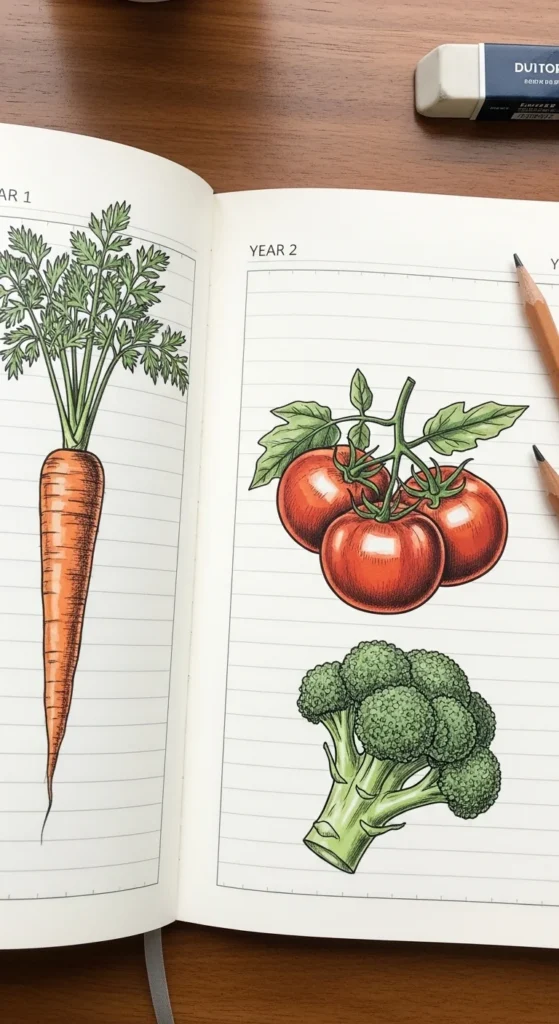
A three-year rotation is simple and effective. Divide your garden into sections and plan which family goes where each year. Leafy greens → roots → legumes is a common rotation. This system breaks pest and disease cycles. Use post-it notes or a phone reminder to track rotations. No extra cost, just a little planning for healthy soil.
5. Use Cover Crops in Between
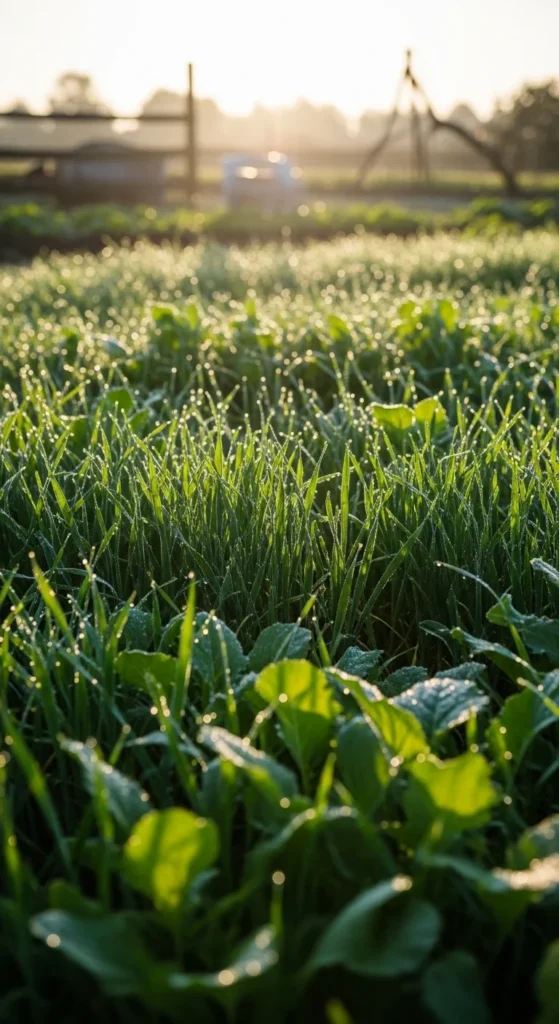
Planting cover crops during off-seasons protects soil from erosion. Rye, mustard, or clover suppress weeds and improve organic matter. You can sow seeds in empty beds after harvesting spring crops. Cover crops also attract beneficial insects. They are inexpensive and easy to maintain. A green layer over winter is like giving your soil a natural spa day.
6. Avoid Planting Same Crop Twice
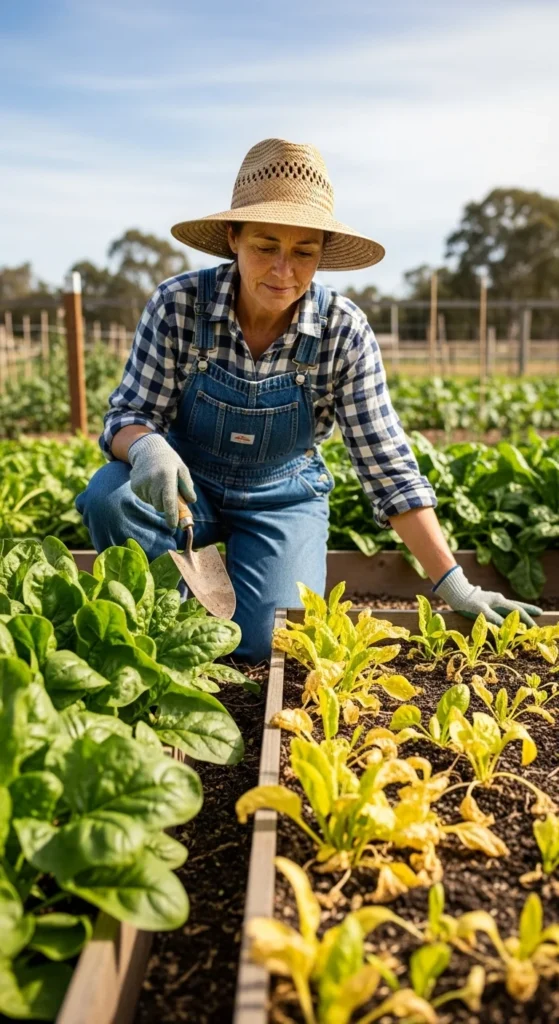
Planting the same crop in the same place year after year invites pests and diseases. Keep a record to avoid repeating crops in the same bed. Swap families around instead. This small effort prevents costly losses and keeps the garden vibrant. Even simple chalkboard markers can help track last season’s planting.
7. Group Crops by Nutrient Needs
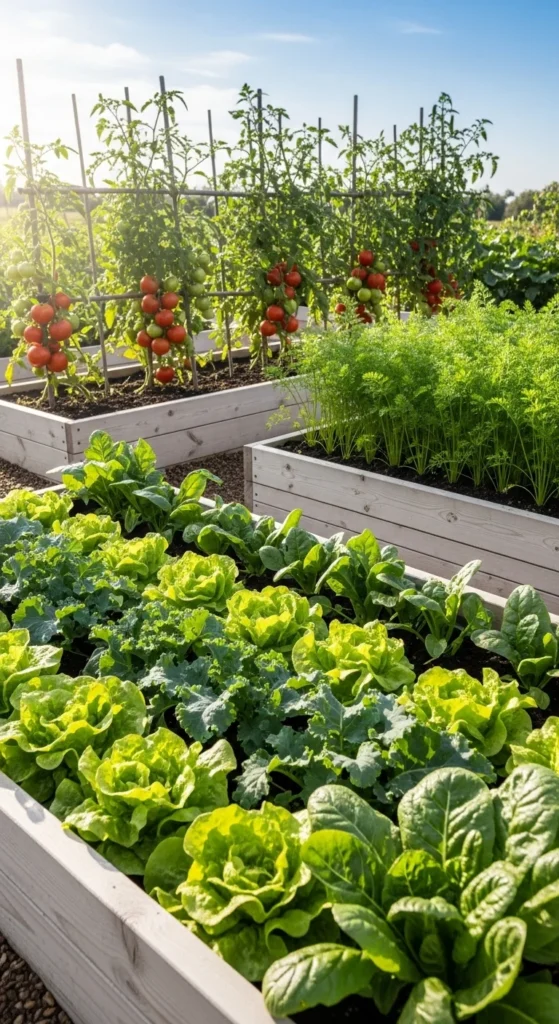
Some plants are heavy feeders, while others need little. Leafy greens consume nitrogen; root vegetables need potassium. Rotate crops based on nutrient demands. Plant low-demand crops after heavy feeders. This helps maintain soil balance without fertilizers. Affordable tip: reuse compost between beds for extra nutrients.
8. Compost Between Rotations
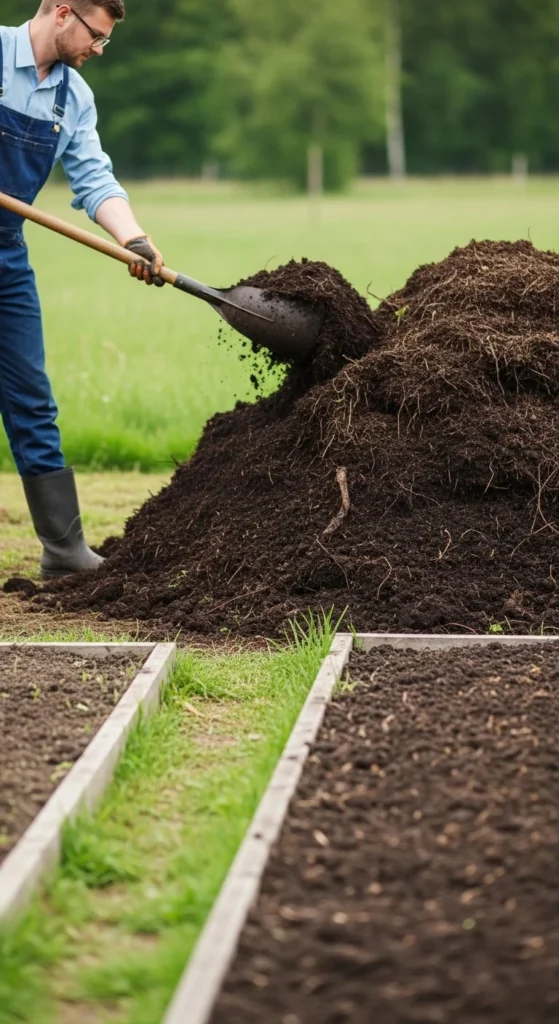
After harvesting, add homemade compost to empty beds. Compost replenishes nutrients and improves soil structure. Even kitchen scraps in a DIY bin can work. Spread a thin layer and dig it in lightly before planting the next crop. This budget-friendly step boosts soil fertility naturally.
9. Mix Deep and Shallow Roots
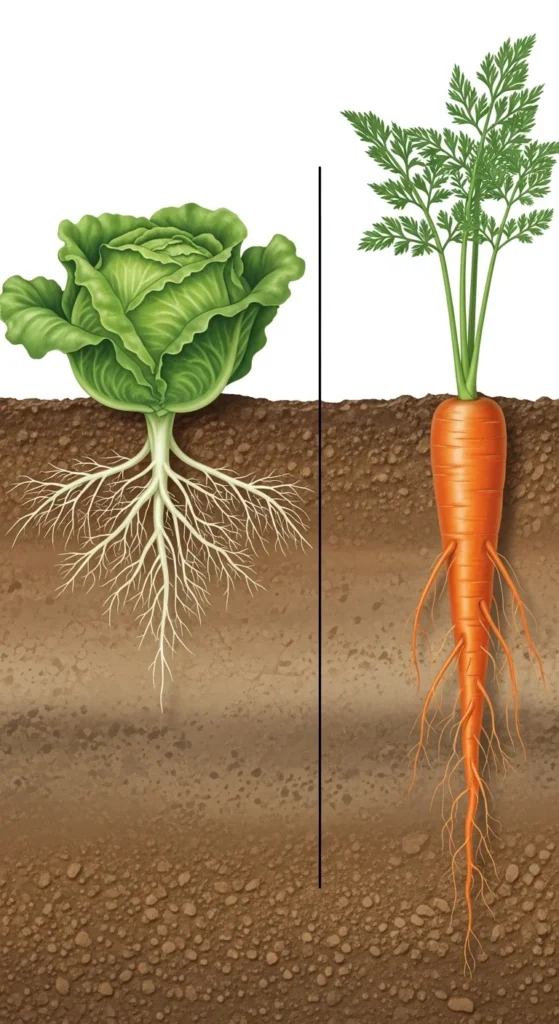
Rotate crops with different root depths. Deep-rooted plants, like carrots, break up compacted soil. Shallow-rooted plants, like lettuce, feed on topsoil. Alternating them maintains healthy soil structure. Planting roots and leaves together keeps the ground loose and aerated without extra tools or digging.
10. Use Companion Planting
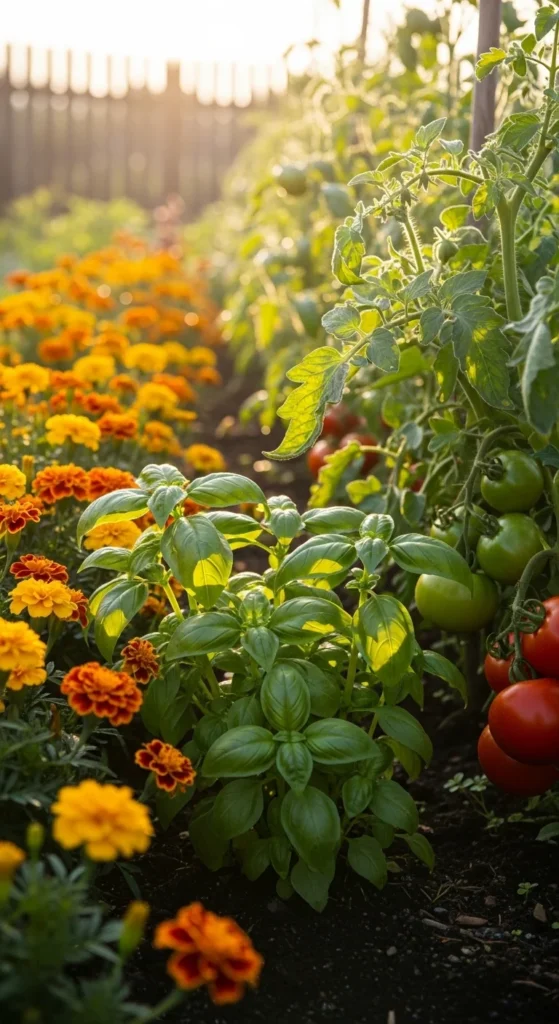
Companion planting helps with pest control naturally. Plant marigolds near tomatoes or beans with carrots. This small DIY trick reduces chemical use and improves crop growth. It costs almost nothing and adds visual appeal to your garden. Rotate companions each season for consistent benefits.
11. Sow Fast-Growing Crops Early
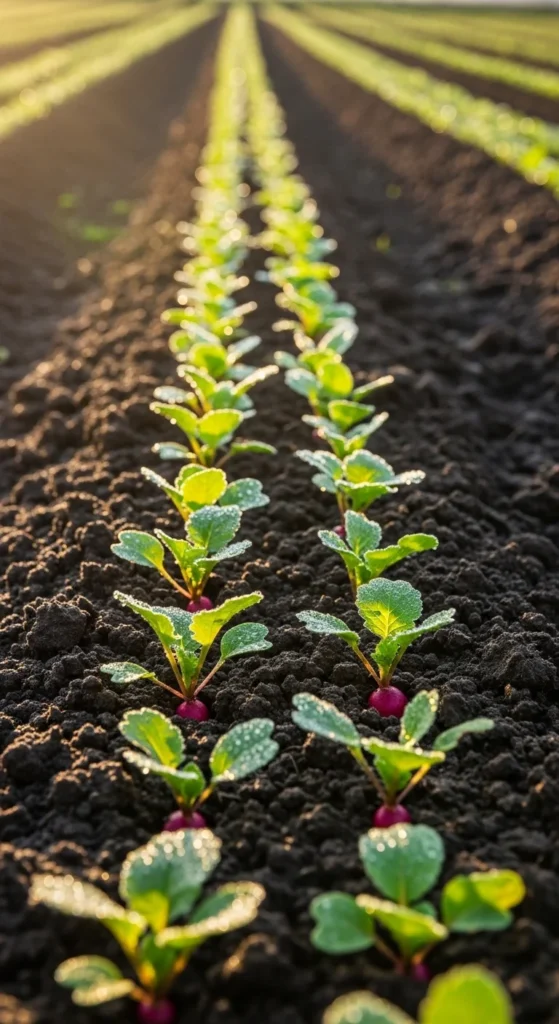
Fast-growing crops, like radishes and lettuce, can be planted early. They make room for slower-growing vegetables later in the season. Planting early crops first allows you to rotate efficiently and maintain soil coverage. This also keeps the soil actively used and prevents weeds from taking over.
12. Keep a Rotation Journal
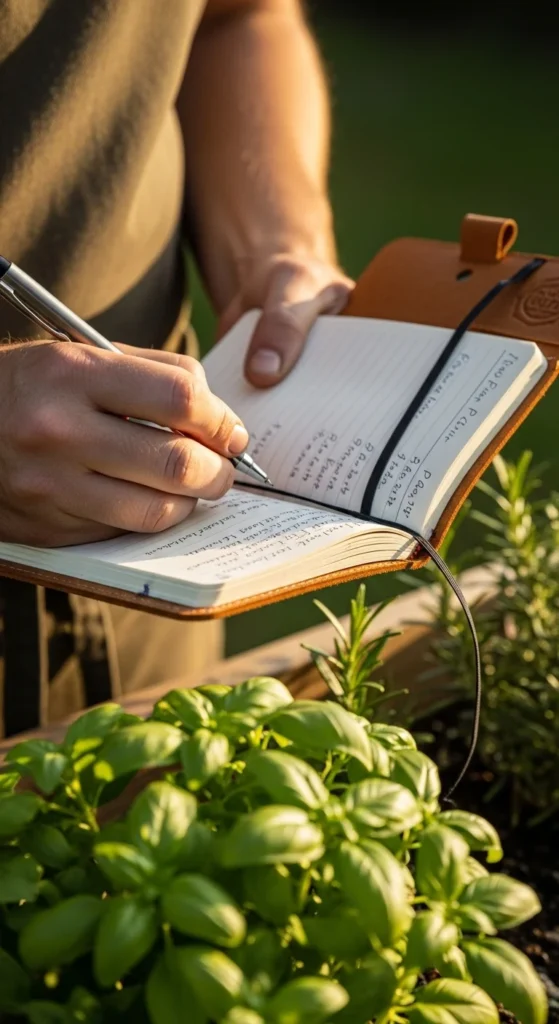
Track what you plant and where. A simple notebook helps plan rotations for the next season. Record harvest dates, pests, and soil performance. Even a few lines per week save time later. No fancy apps needed—just a pen, paper, and observation. This helps maintain healthy soil over years.
13. Alternate Leafy Greens and Roots
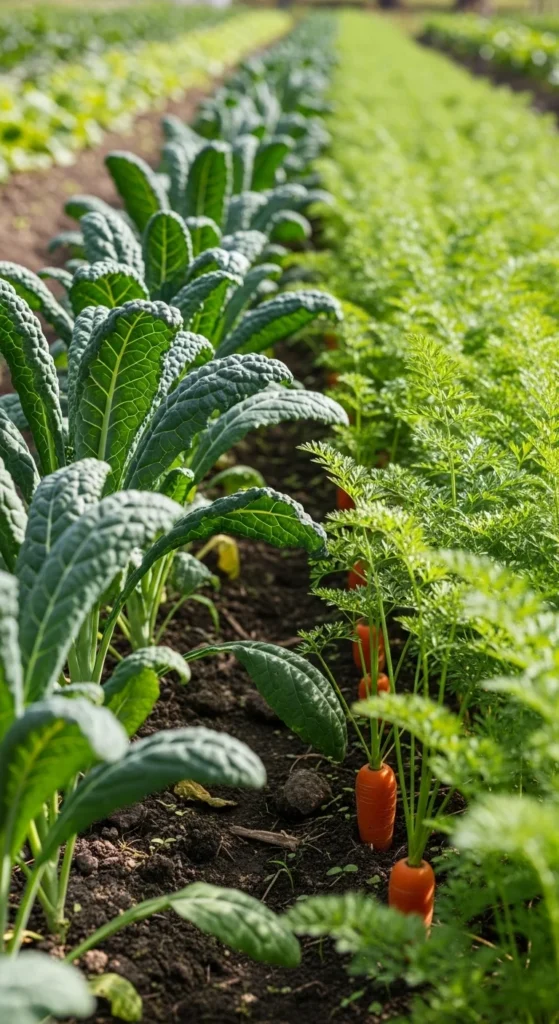
Switch leafy greens with root crops each season. Greens use topsoil nutrients; roots pull from deeper layers. Rotating these keeps nutrients balanced and prevents soil fatigue. This simple visual rotation helps maintain productivity without extra amendments.
14. Rest Your Soil
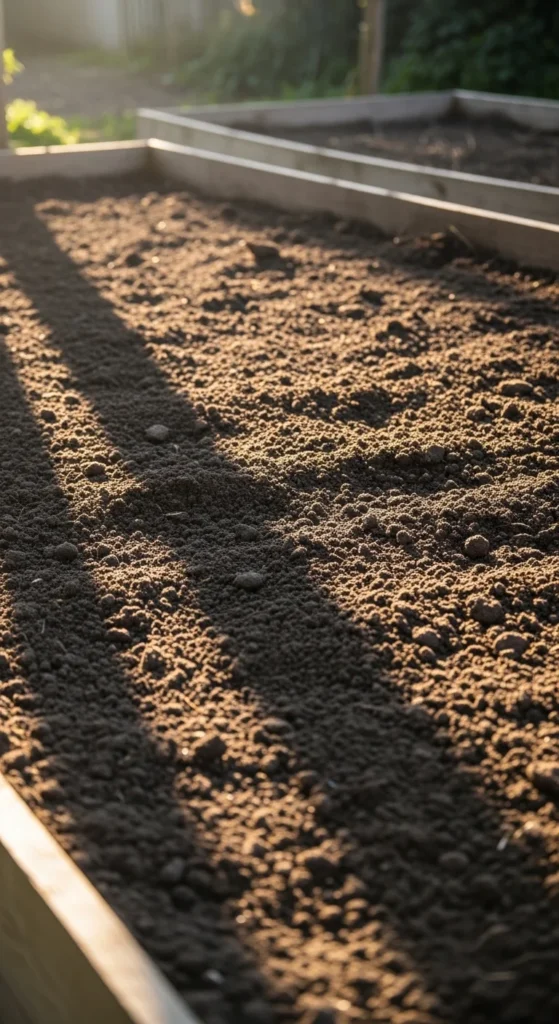
Sometimes letting soil rest is effective. Planting cover crops or leaving it fallow for a season reduces disease risk. Even a short break rejuvenates the ground. Budget tip: a small patch of clover or rye works better than leaving soil bare. Less work, healthier soil.
15. Plant Herbs in Rotation
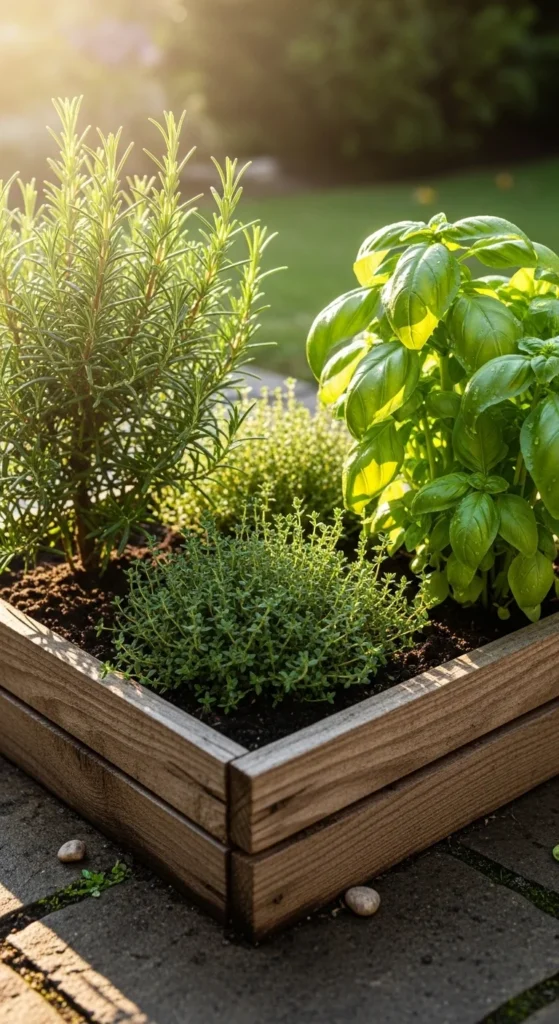
Herbs fit well into rotation plans. They don’t drain nutrients like large vegetables. Plant herbs between heavy-feeding crops. They also repel pests naturally. Using small DIY containers or raised beds keeps herbs flexible for rotation.
16. Rotate in Sections
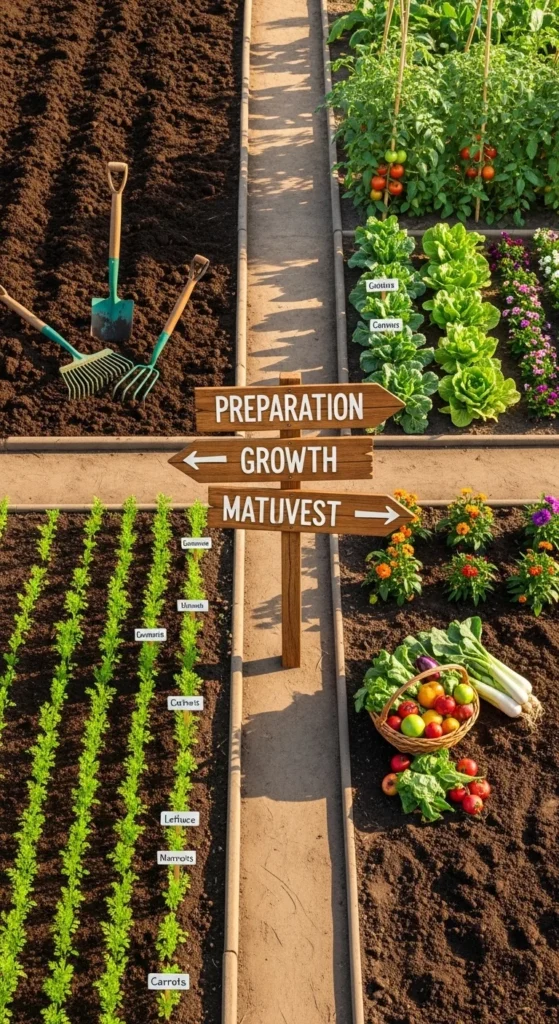
Divide your garden into sections and rotate crops section by section. This keeps soil balanced without complex planning. Start small—two beds are enough. Rotate each quadrant annually for healthy soil and reduced disease. Easy, affordable, and effective.
17. Mulch Between Crops
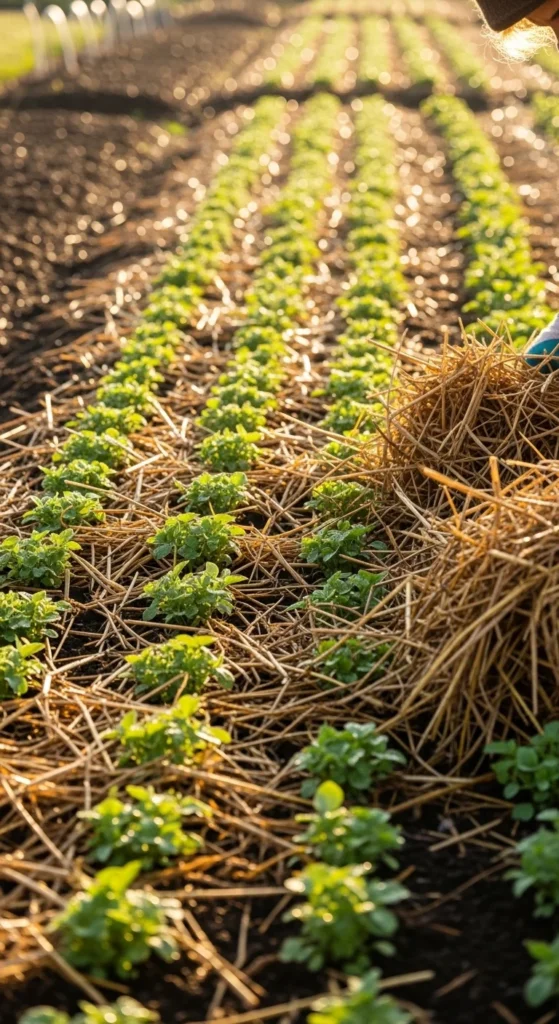
Mulch retains moisture, suppresses weeds, and adds organic matter. After removing one crop, add straw, leaves, or grass clippings. Mulching before planting next crop improves soil health. It’s inexpensive and reduces watering needs.
18. Alternate Heavy and Light Feeders
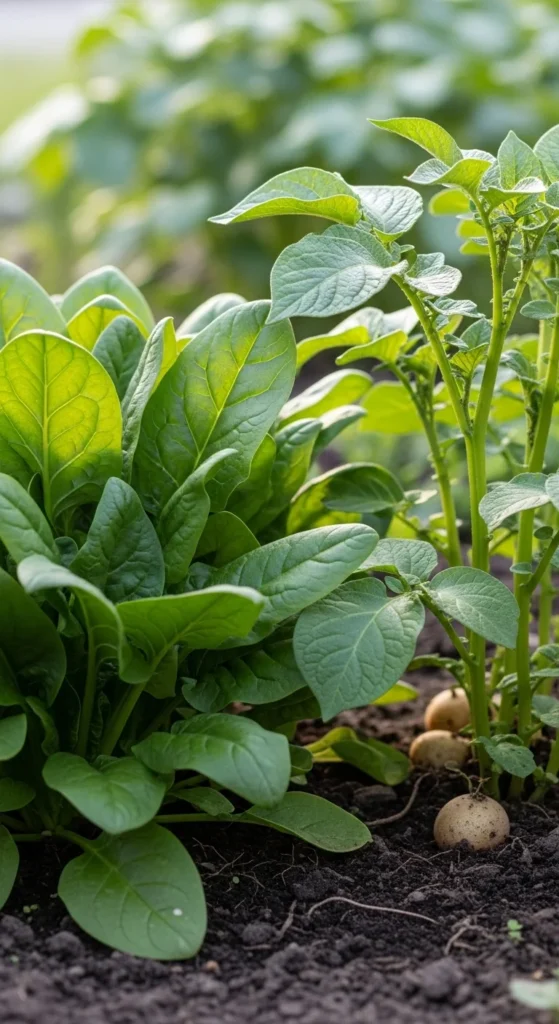
Heavy feeders, like tomatoes and corn, should alternate with light feeders, like onions or herbs. This prevents nutrient depletion. Plan a simple rotation schedule to follow annually. Even a visual reminder with stakes helps.
19. Plant Flowers in Rotation
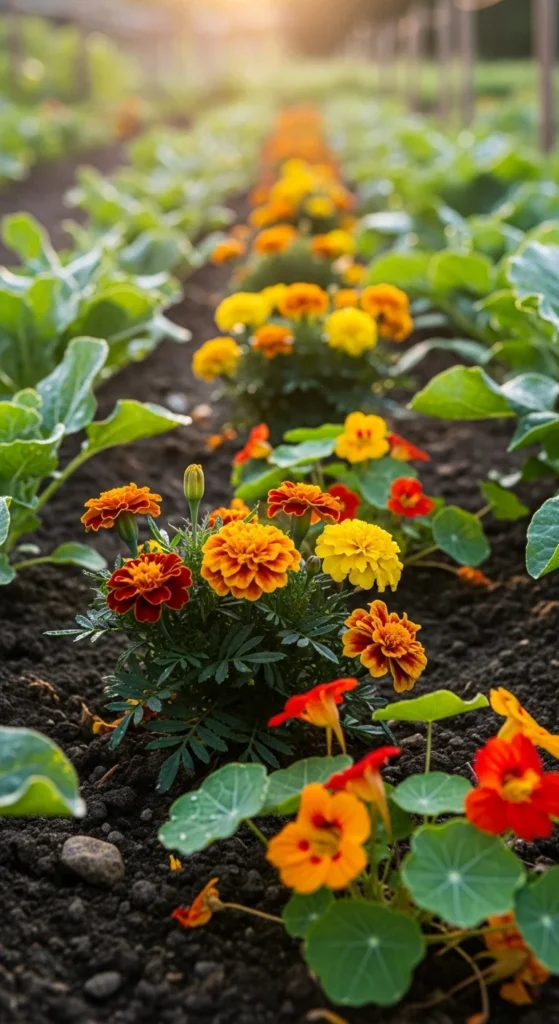
Flowers improve soil and attract beneficial insects. Plant them in rotation beds or borders. They add nutrients, deter pests, and improve pollination. Easy DIY: scatter seeds between vegetable rows after harvest. No extra budget needed.
20. Use Raised Beds Strategically
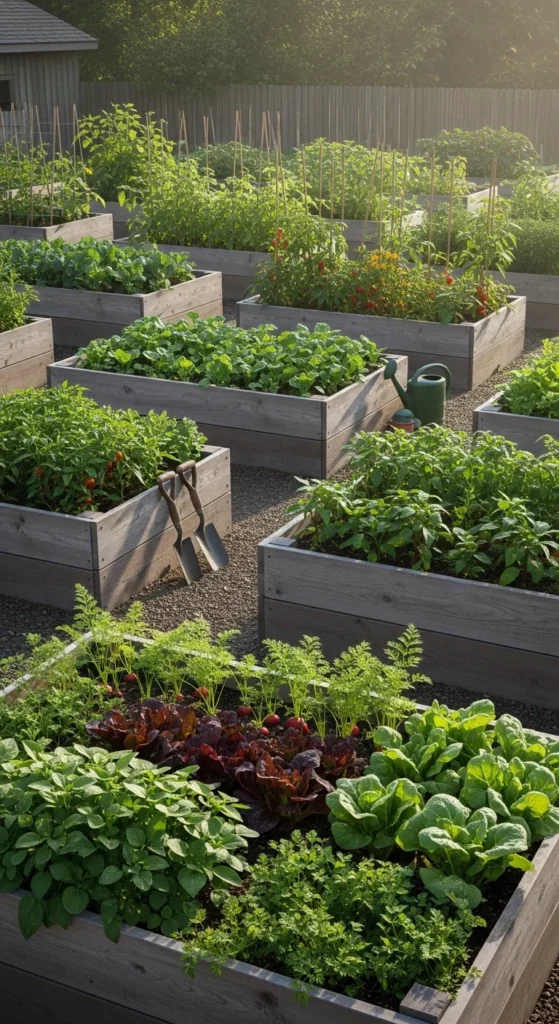
Raised beds make crop rotation easier. Each bed can follow a separate rotation plan. They improve drainage, prevent compaction, and keep soil warmer in spring. Even small backyard beds allow careful planning and healthier plants without chemical inputs.
21. Interplant with Legumes
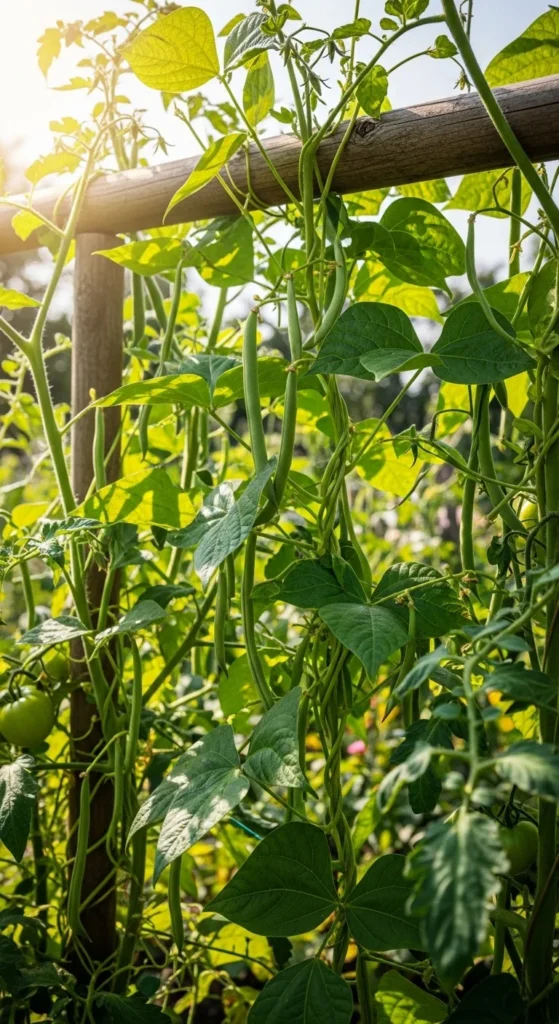
Plant beans or peas alongside other vegetables. Interplanting adds nitrogen while using vertical space efficiently. Rotate the beans to new spots each year. DIY trellises from recycled wood save costs. Healthy soil benefits without fertilizers.
22. Rotate Root Depth Layers
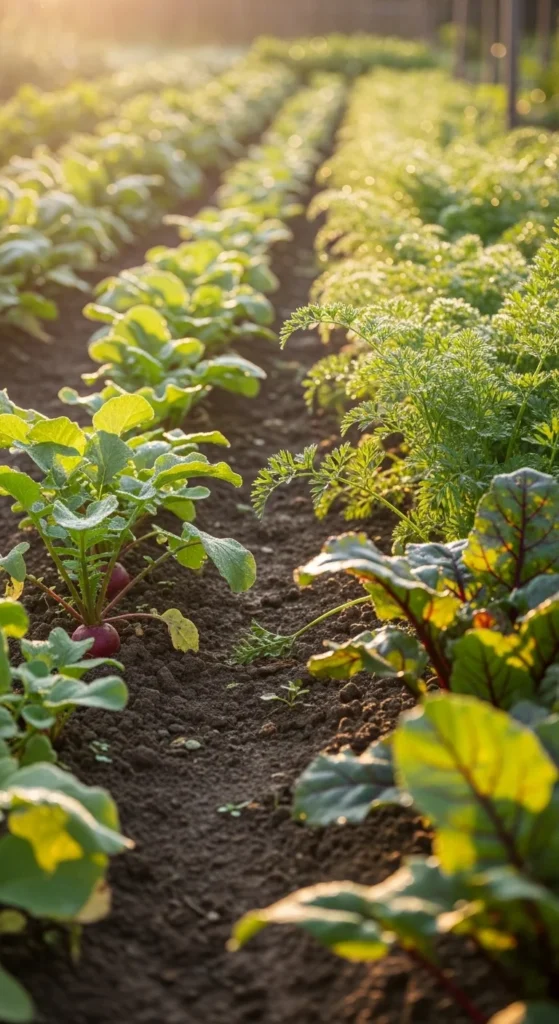
Alternate crops that root at different depths. This reduces soil compaction and improves aeration. Deep roots pull nutrients from below, shallow roots keep topsoil healthy. This inexpensive technique keeps soil loose and fertile naturally.
23. Plant in Blocks, Not Lines
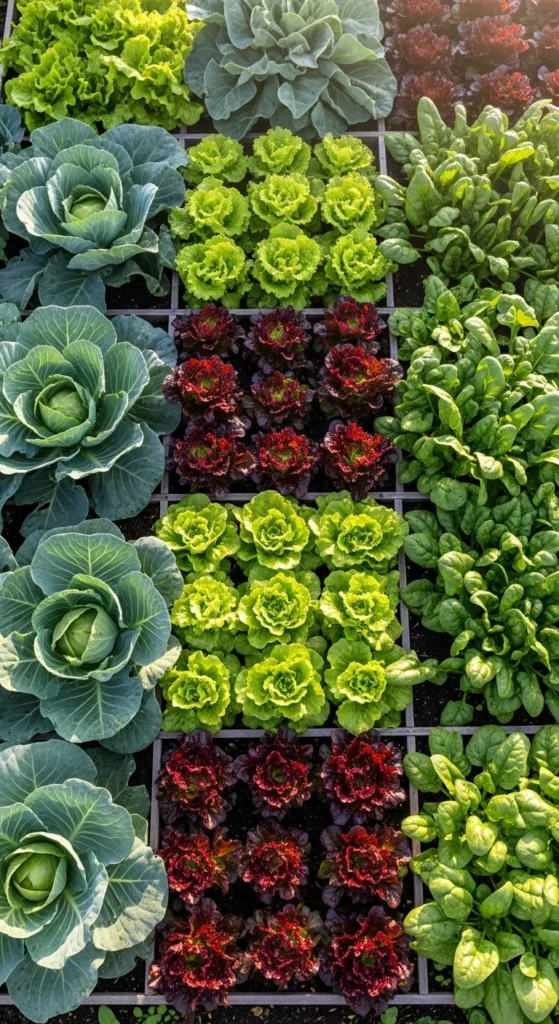
Block planting simplifies rotation. Rotate blocks by family each season. This prevents disease spread and keeps soil nutrients balanced. Use small DIY markers to identify blocks. It’s simple, visual, and effective.
24. Rotate Herbs with Vegetables
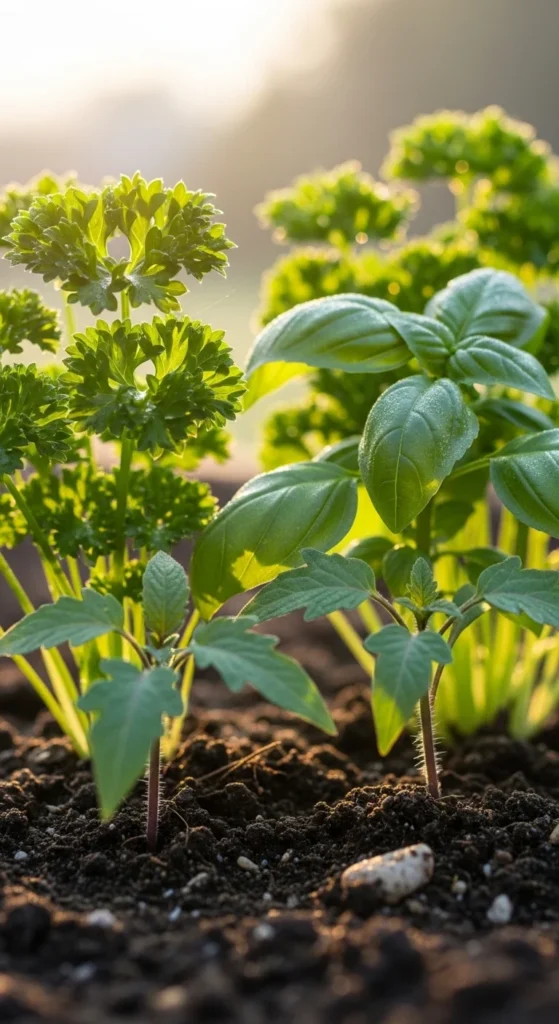
Switching herbs with vegetables between seasons keeps soil active and nutrient-friendly. Herbs require less nitrogen and reduce pests naturally. Even small containers can rotate easily without extra cost.
25. Use Green Manures
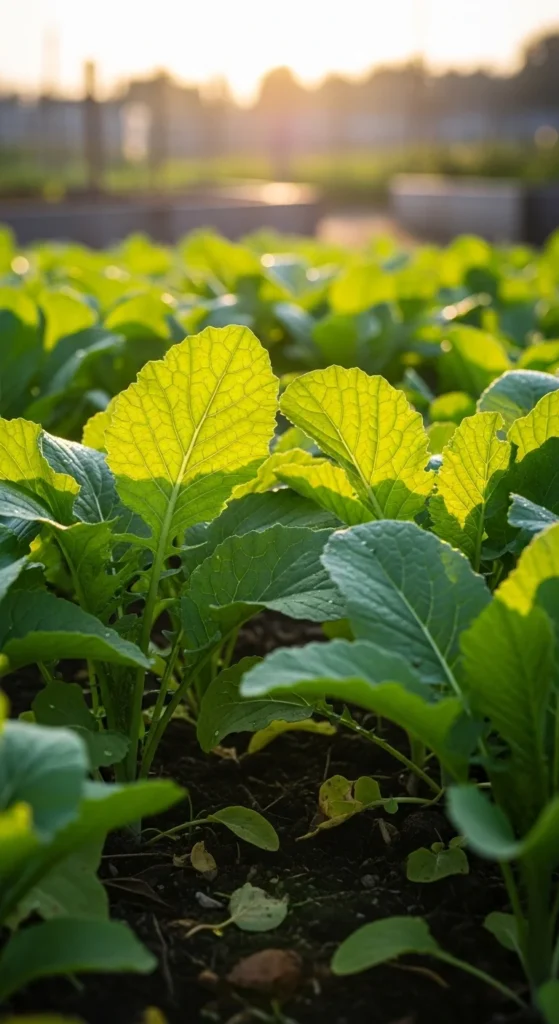
Green manures improve soil fertility. Plant mustard, clover, or vetch before the main crops. Dig them in to add organic matter. It’s cheap, easy, and keeps the soil lively for the next crop.
26. Rotate by Harvest Time
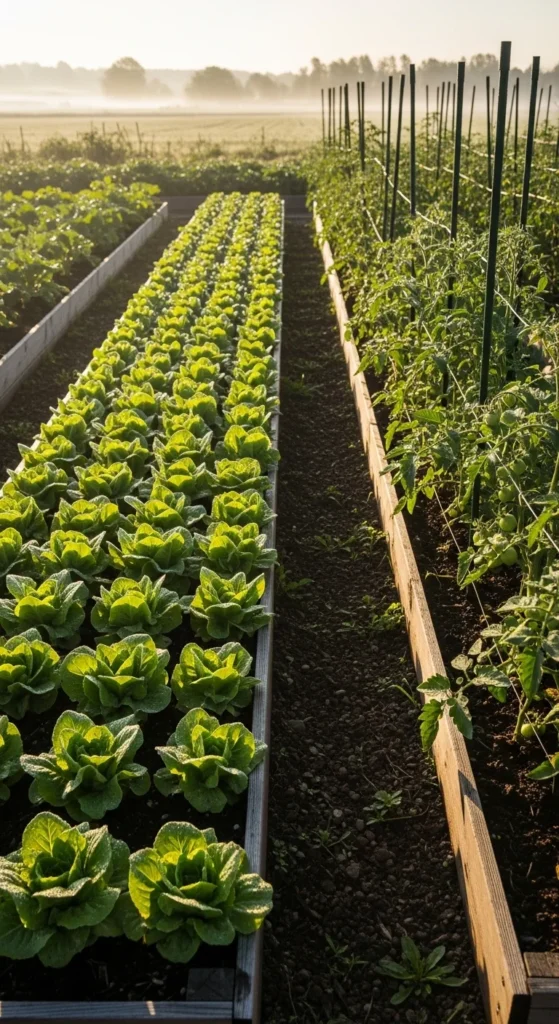
Plant crops with different harvest times in rotation. Early harvests allow soil to recover before the next planting. Use quick crops like radishes or greens, then follow with heavier vegetables. This keeps soil productive year-round.
27. Rotate by Pest Susceptibility
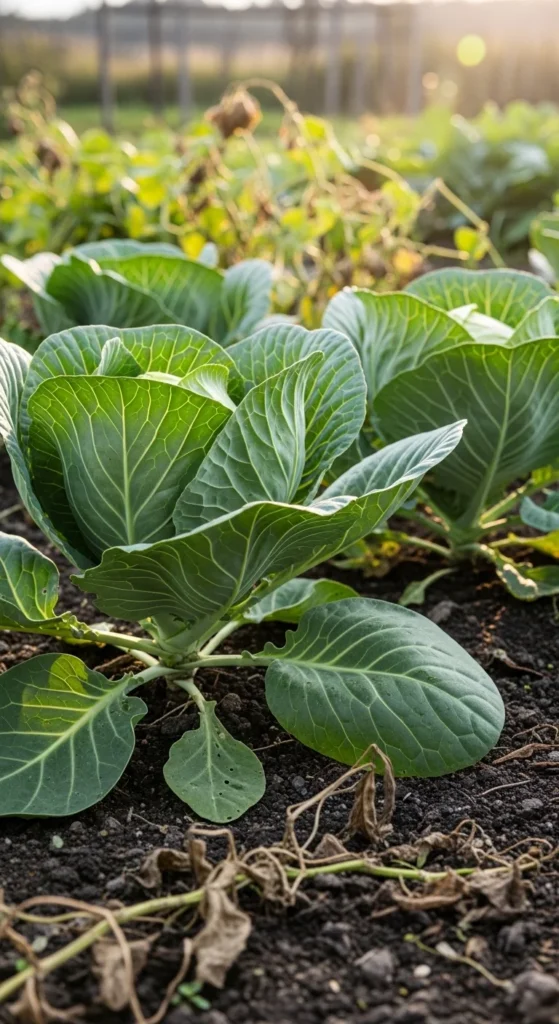
Move crops prone to pests to new areas each year. This reduces infestations without chemicals. Keep a simple log to remember which plants attract specific pests. Rotation works naturally with little cost.
28. Rotate with Companion Flowers
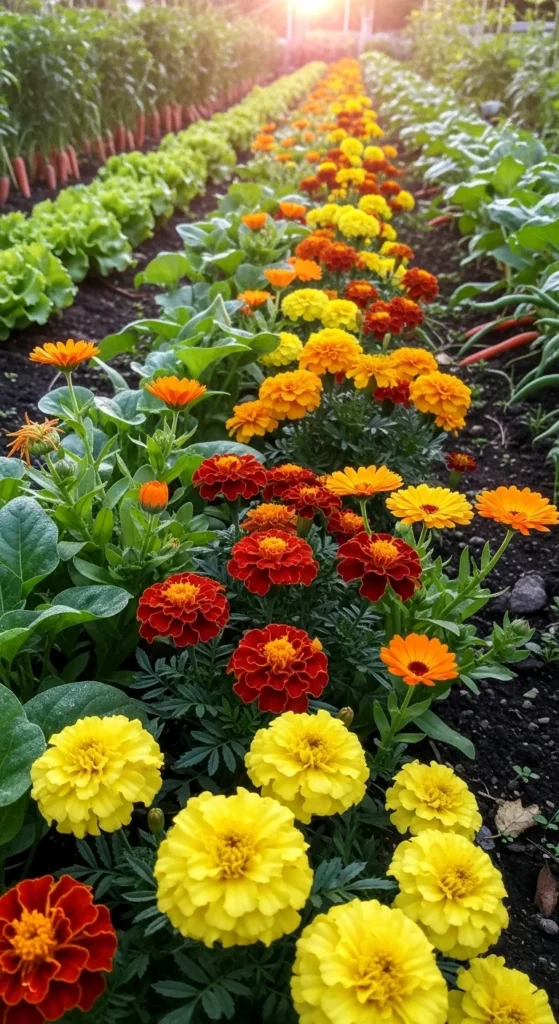
Include flowers in rotation to attract pollinators and beneficial insects. Switch flowers’ positions each season. They improve soil and aid vegetable growth. Scatter seeds in gaps for a cost-effective method.
29. Rotate Containers
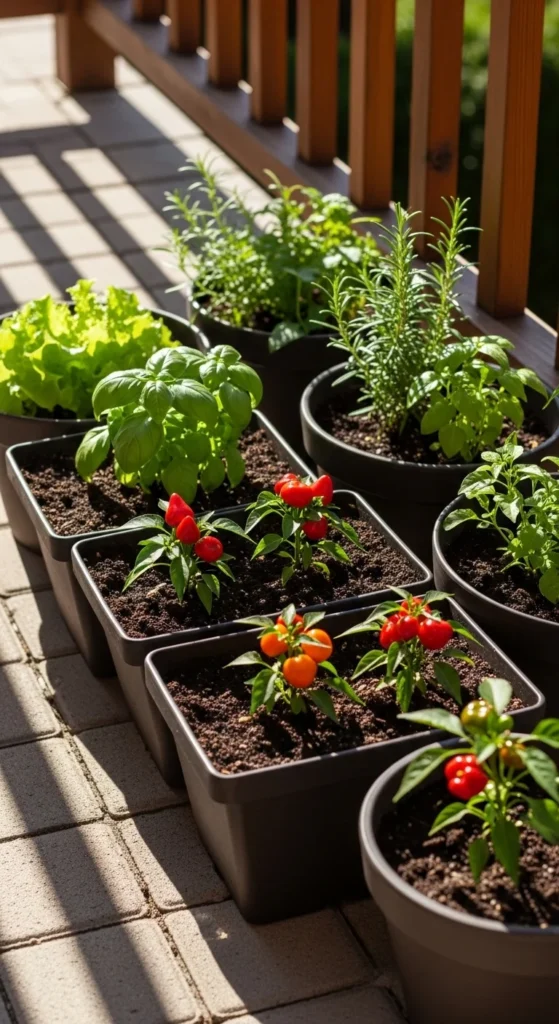
For small gardens, rotate crops between containers. Move nutrient-demanding plants to fresh soil pots each season. Containers reduce disease spread and allow flexible rotation. Easy DIY: reuse old buckets or wooden crates.
30. Keep It Simple
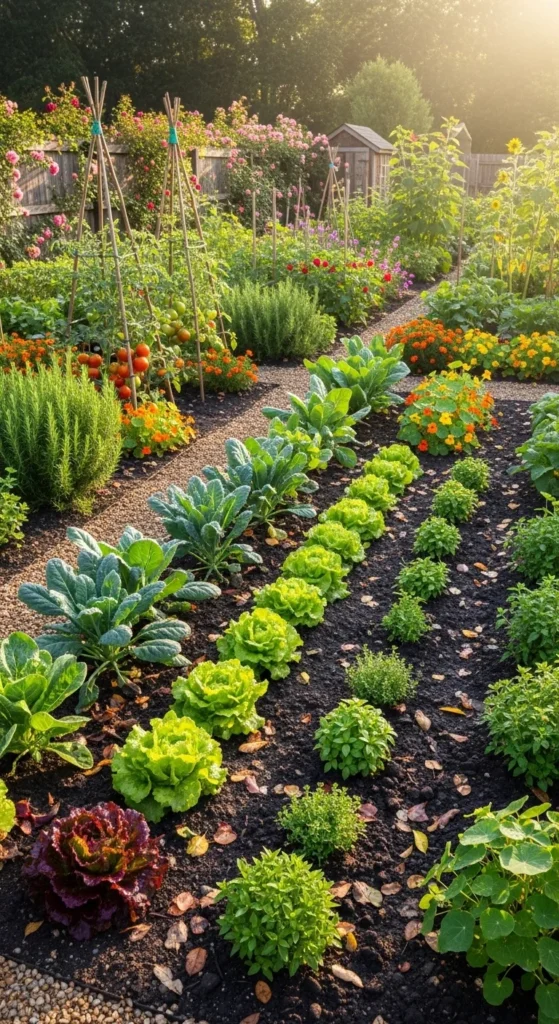
Rotation doesn’t need to be complicated. Start small, track crops, and switch families yearly. Simple planning prevents pests, balances nutrients, and keeps soil fertile. Even low-cost, DIY methods maintain long-term garden health.
Conclusion
By following these 30 practical spring crop rotation tips, you can maintain healthy, productive soil year-round. Small, affordable actions like rotating plant families, using cover crops, and adding compost make a big difference. Start planning your rotation today to enjoy vibrant vegetables, stronger plants, and reduced pests naturally. Your soil will thank you season after season.

Leave a Reply