

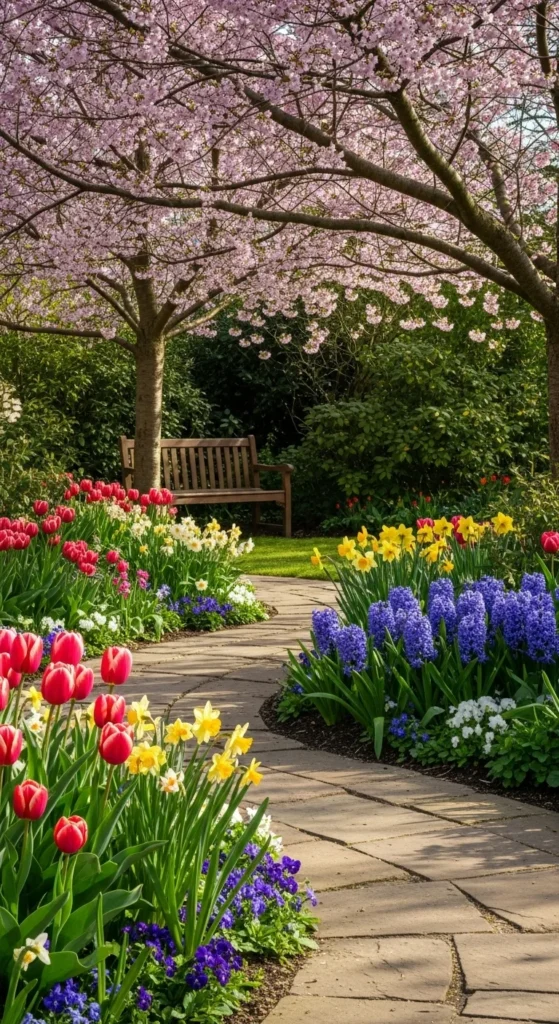
Spring gardening searches usually come from one simple goal: making an outdoor space feel more inviting without overspending or overcomplicating things. Whether you have a small patio, a shared yard, or a wide open lawn, smart garden ideas can make a visible difference fast. These ideas focus on simple layouts, easy planting, and DIY details that look thoughtful but stay realistic. Each one can be adapted to fit your space, your time, and your budget.
1. Layered Flower Beds With Simple Edging
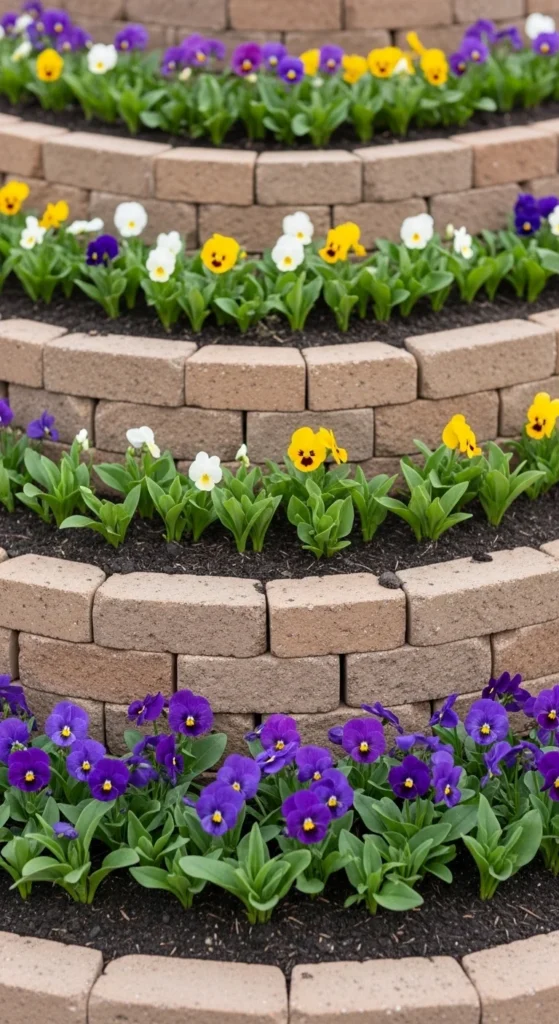
Layering flowers creates depth even in small garden beds. Start with taller plants at the back. Medium growers go in the center. Low growers fill the front. This approach helps everything feel intentional without complex planning. Use simple edging to frame the bed. Brick, stone, or recycled wood all work well. Many people find leftover pavers or curbside stones for free.
Choose flowers with similar light and watering habits. This makes care easier and avoids patchy growth. Mix perennials with a few seasonal plants so the bed stays interesting year after year. Spacing matters more than quantity. Fewer plants placed thoughtfully often look better than crowded beds.
For budget savings, divide existing plants instead of buying new ones. Hostas, daylilies, and ornamental grasses split easily. Mulch with shredded leaves or bark chips to keep soil tidy and reduce weeds. A clean edge instantly makes the whole area feel finished.
2. Raised Garden Boxes Using Basic Lumber
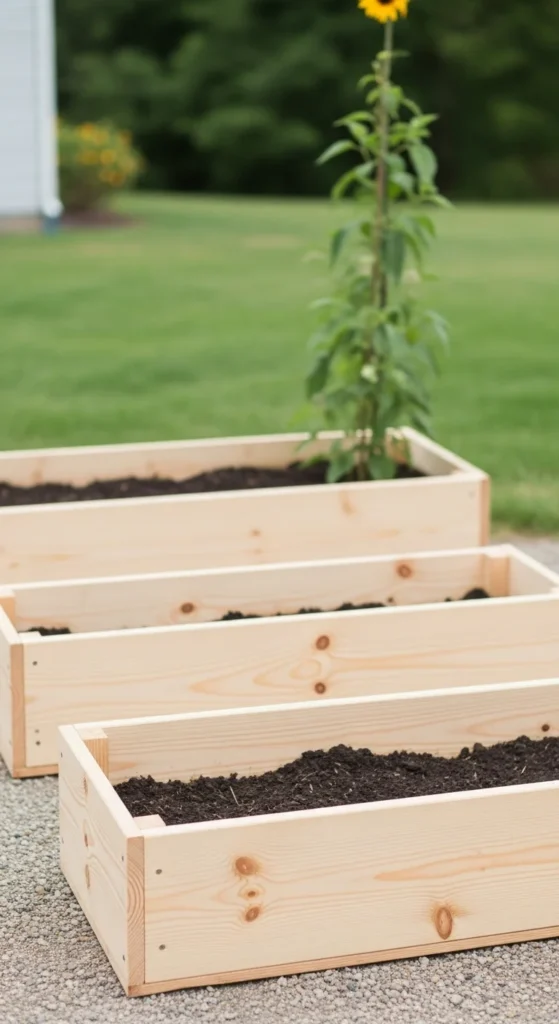
Raised garden boxes are practical and approachable for beginners. Basic untreated lumber works well and costs less than decorative kits. A simple rectangular frame is enough. You do not need fancy joints or tools. Many home stores will cut boards for you.
Raised boxes warm up faster in spring. That means planting can start earlier. Soil quality is easier to control, which helps plants grow evenly. Place boxes where they get steady sunlight. Even a narrow side yard can fit one.
Fill boxes with a mix of topsoil and compost. This keeps costs low and supports steady growth. If compost feels expensive, create your own from kitchen scraps and yard waste. Line the bottom with cardboard to reduce weeds.
These boxes work well for herbs, greens, or compact flowers. Keep pathways clear around them to avoid clutter. A simple design always looks organized and easy to maintain.
3. Gravel Pathways That Define Garden Zones
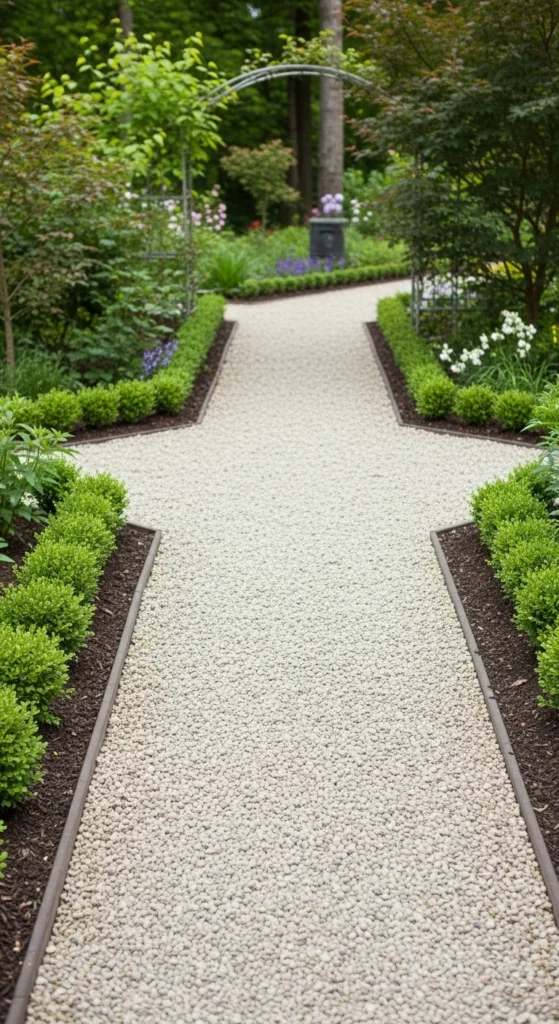
Gravel pathways bring structure to a garden without major construction. They help guide movement and protect planted areas. Pea gravel or crushed stone are affordable options. Start by outlining the path shape with rope or spray paint.
Dig a shallow trench and lay landscape fabric. This step keeps weeds down and gravel in place. Pour gravel evenly and rake smooth. Stone edging or metal strips help keep lines crisp.
Paths do not need to be wide. Even narrow walkways help gardens feel planned. Use them to separate flower beds, seating areas, or vegetable zones. The contrast between plants and stone adds visual balance.
If gravel feels too loose, add stepping stones. Recycled concrete slabs work well and often come free from renovation leftovers. The result is practical and easy to update later if plans change.
4. Container Gardens for Flexible Layouts
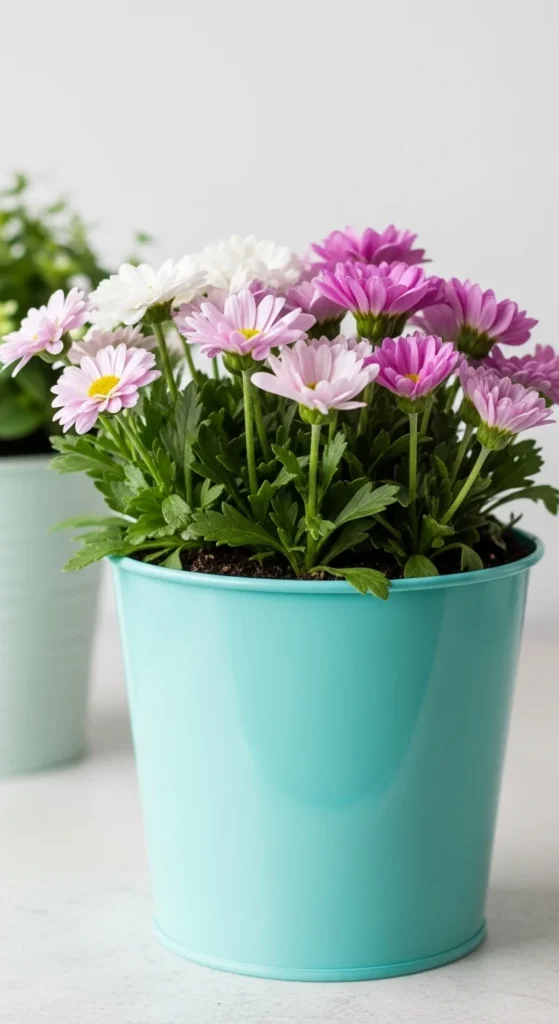
Container gardens work for patios, balconies, and small yards. They also let you move plants as sunlight changes. Use pots you already have. Buckets, baskets, and old planters all work with drainage holes added.
Group containers in odd numbers for a relaxed look. Mix heights and shapes to avoid a flat layout. Stick to one color palette for a calmer feel. Soil quality matters more than pot size. A good potting mix keeps roots healthy.
Choose plants with similar care routines. This makes watering simpler. Herbs, flowering annuals, and compact shrubs all do well in containers. If costs add up, start small and expand over time.
Containers are easy to refresh each season without redoing the whole garden. They also help renters enjoy gardening without permanent changes.
5. Simple Trellises for Vertical Interest
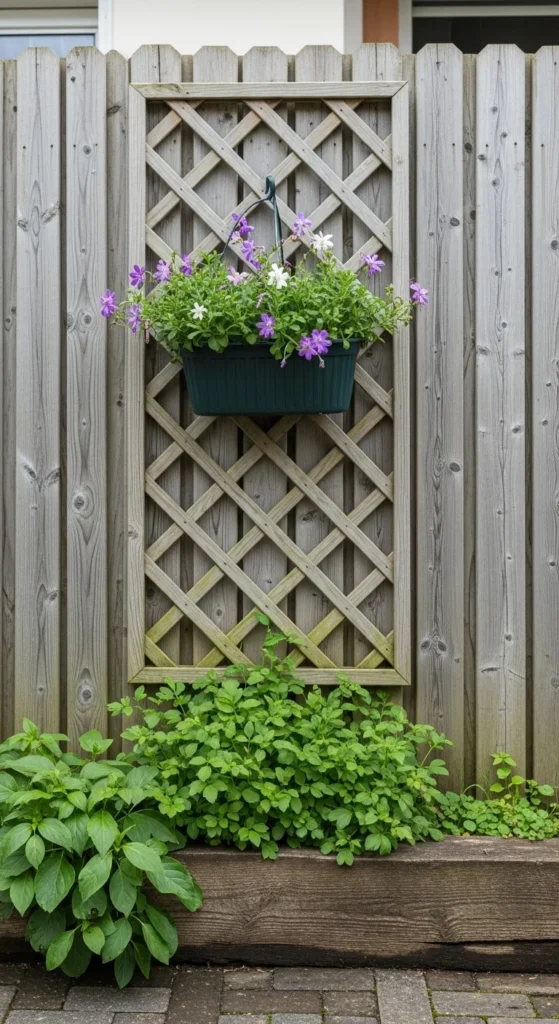
Vertical elements add height and variety. A basic trellis can be made from wood strips or metal panels. Place it against a fence or wall for support. Climbing plants soften hard surfaces and draw the eye upward.
Use twine or garden wire to guide growth early on. This helps plants attach naturally over time. Flowering vines and climbing vegetables both work well. Spacing plants properly avoids overcrowding.
Trellises also help small gardens feel larger. They use space efficiently and keep pathways clear. For budget projects, repurpose old ladders or bed frames.
Keep designs simple. A plain structure often looks better than something overly detailed. As plants grow, the trellis fades into the background while greenery takes over.
6. Mixed Herb Borders Along Walkways
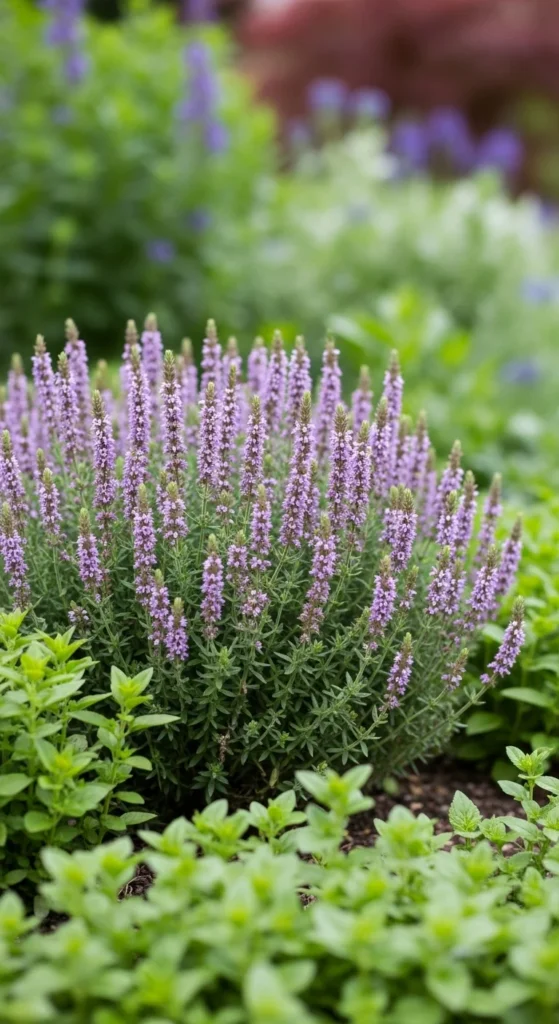
Herbs make great border plants. They stay compact and handle regular trimming. Plant them along walkways so brushing past releases scent naturally. This adds a sensory layer without extra decor.
Use sturdy herbs like rosemary, thyme, and chives. These handle foot traffic better than delicate plants. Space them evenly to keep lines neat. Gravel or mulch between plants helps define the border.
Herb borders work in both formal and casual gardens. They also reduce the need for decorative edging. Most herbs grow well in basic soil and moderate light.
Start from seeds to save money. Over time, plants can be divided and shared. This type of border stays useful and attractive all season.
7. Garden Seating Made From Reclaimed Materials
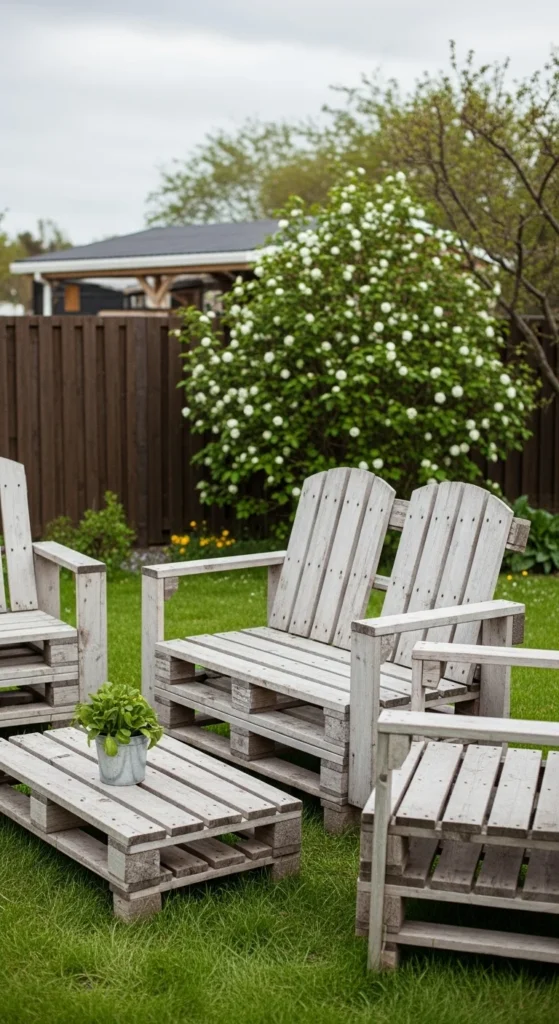
A simple place to sit changes how a garden feels. Reclaimed wood benches or stone blocks work well. These options cost less and add character. Keep seating close to planted areas for a relaxed feel.
Stability matters more than style. Make sure surfaces are level and secure. Add outdoor cushions if comfort is needed. Neutral fabrics hold up better over time.
Place seating where it feels natural. Near a path bend or shaded corner works well. Avoid blocking movement through the garden.
This kind of seating encourages slow moments outdoors. It also makes the space feel welcoming without adding clutter or extra decor.
8. Mulched Beds for Cleaner Visual Lines
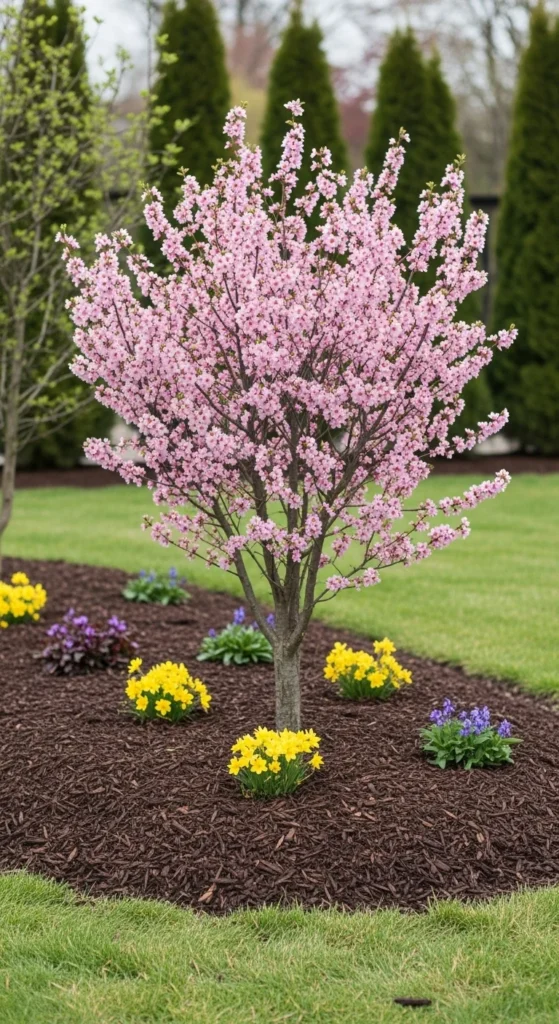
Mulch keeps garden beds tidy and easier to manage. It reduces weeds and helps soil retain moisture. Wood chips, bark, or leaf mulch all work. Choose one type for consistency.
Apply mulch after planting and watering. Keep it away from plant stems to avoid damage. A uniform layer creates a calm backdrop for plants.
Mulched beds make even simple plantings look intentional. They also cut down on maintenance time. Reapply as needed through the season.
This small step often has the biggest visual payoff. It helps gardens look cared for without daily effort.
9. Fence-Line Gardens With Repeated Plants
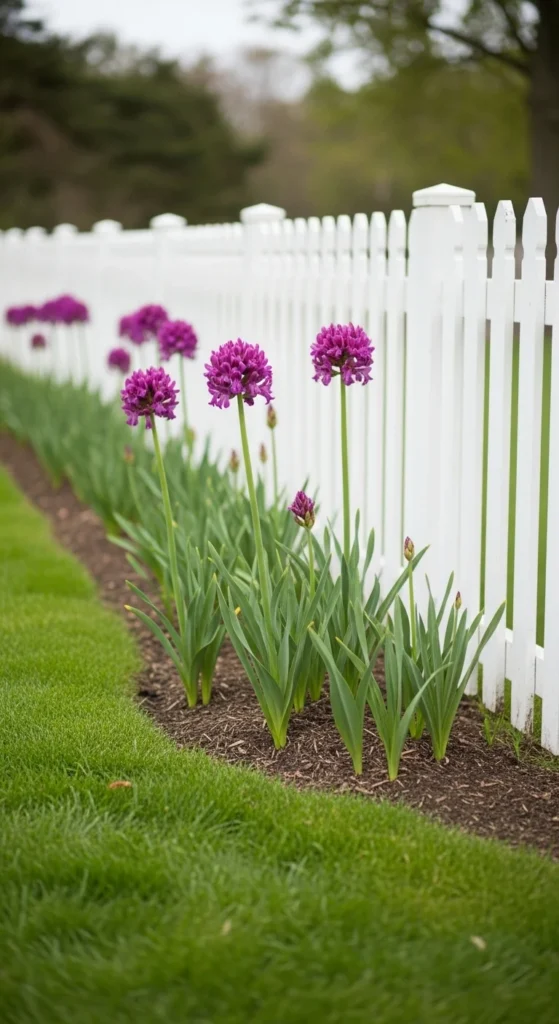
Planting along fences softens hard edges. Repeating the same plant type creates rhythm and order. This works well in long, narrow areas.
Choose plants that suit the light along the fence. Shrubs, grasses, or flowering perennials all work. Repetition keeps things from feeling busy.
Spacing plants evenly helps with long-term growth. It also makes care easier. Add mulch to finish the look.
Fence-line gardens turn unused space into something functional and pleasant without complex planning.
10. DIY Garden Markers From Natural Materials
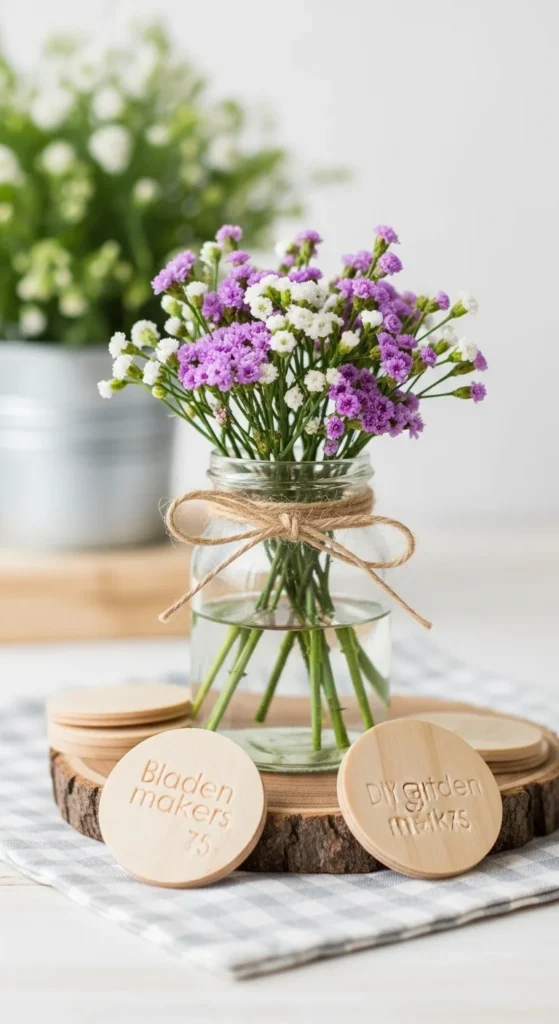
Garden markers help keep planting organized. Use stones, sticks, or clay shapes instead of plastic tags. These blend better with garden settings.
Markers can be simple. A smooth stone placed near each plant works. Shapes and placement help with identification without labels showing.
This approach costs almost nothing. It also adds a handmade feel without looking busy.
Natural markers weather over time, which suits garden spaces well.
11. Narrow Side-Yard Planting Strips
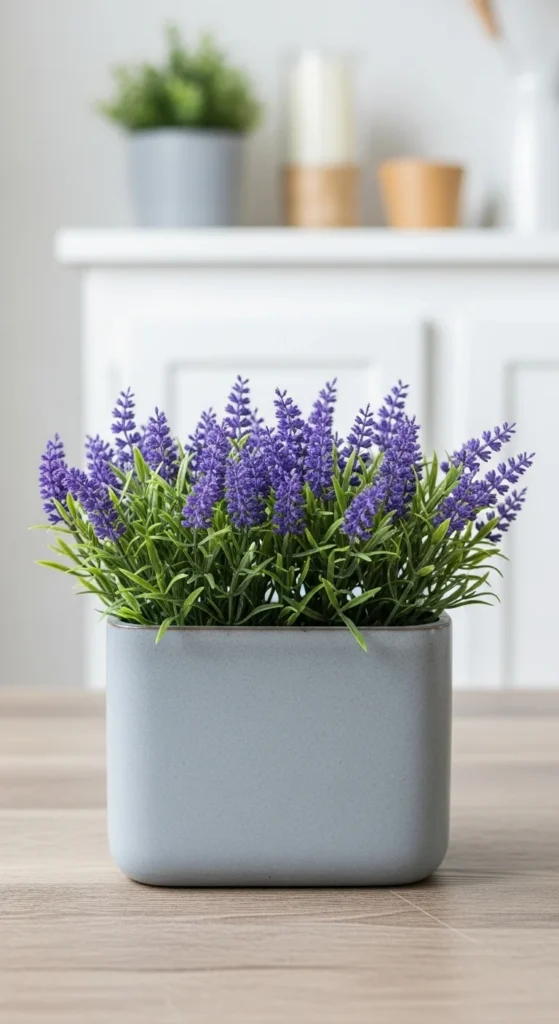
Side yards often get ignored. A narrow planting strip can change that. Use low-maintenance plants that tolerate shade or partial light.
Gravel paths with planted edges work well here. Keep plants compact to avoid crowding. Repetition keeps the area calm.
This space can become a functional walkway instead of wasted ground.
12. Simple Arches Using Lightweight Materials
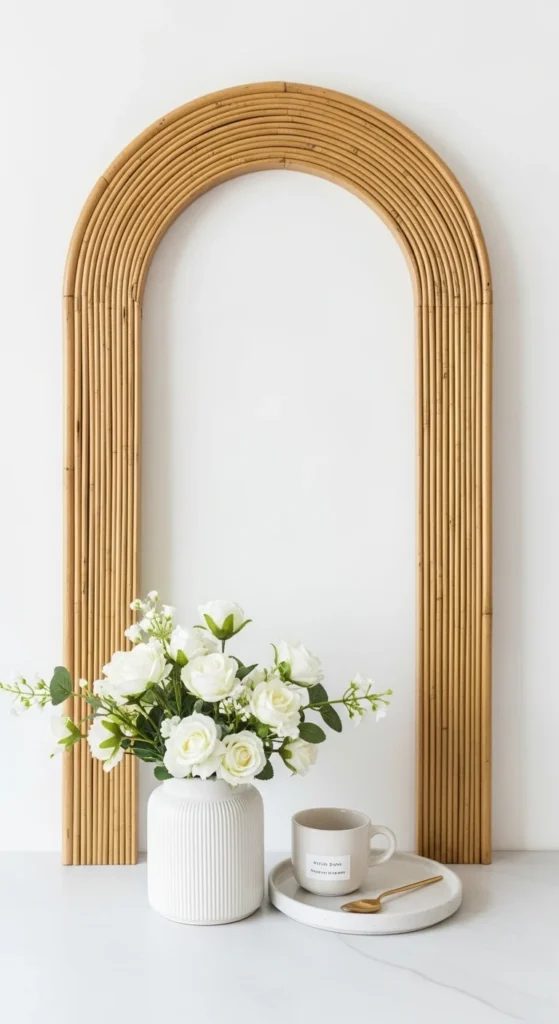
Lightweight garden arches add structure without heavy installation. Metal or wood frames work well. Place them at entry points or path intersections.
Climbing plants grow naturally over time. Secure early growth gently.
Arches create a sense of movement and guide the eye through the garden.
13. Recycled Brick Edging for Structure
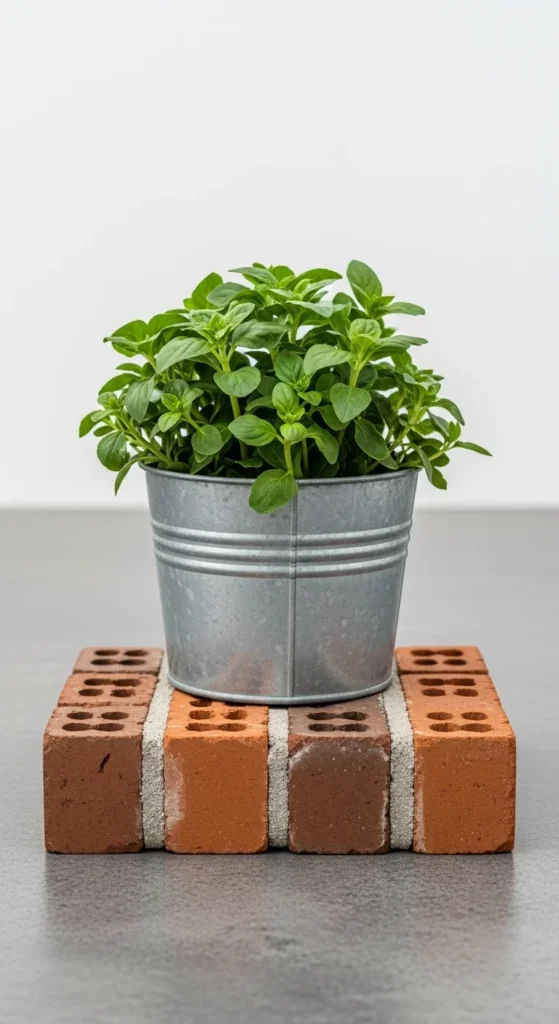
Old bricks make strong, tidy edging. Lay them flat or on edge. Both work visually.
Bricks define beds clearly and hold soil in place. They also last for years.
Check local listings for free materials from renovation projects.
14. Garden Zones Divided by Plant Height
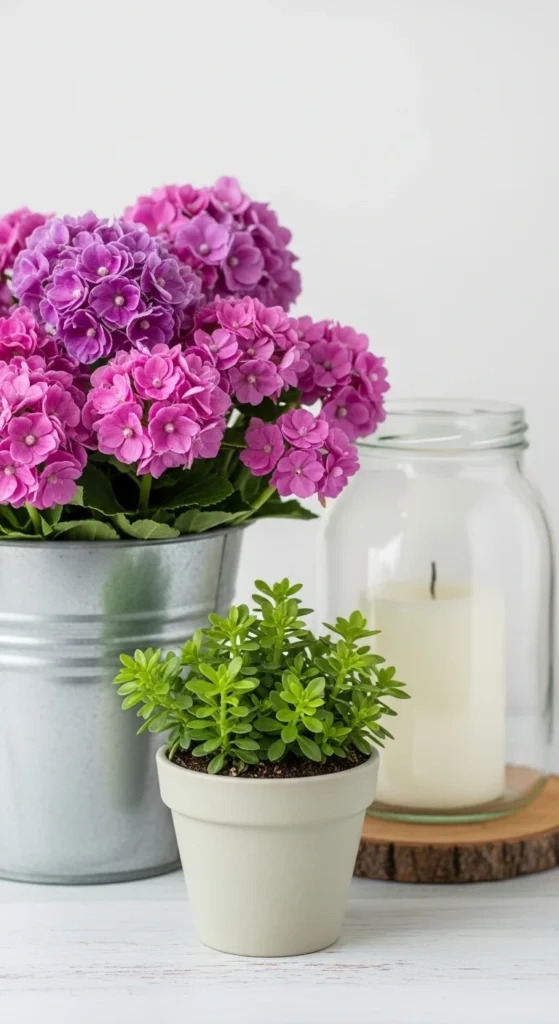
Using height instead of fences keeps gardens open. Taller plants define edges naturally.
Group similar heights together. This helps flow and avoids visual clutter.
Height-based zones work in both small and large spaces.
15. Hanging Planters for Small Spaces
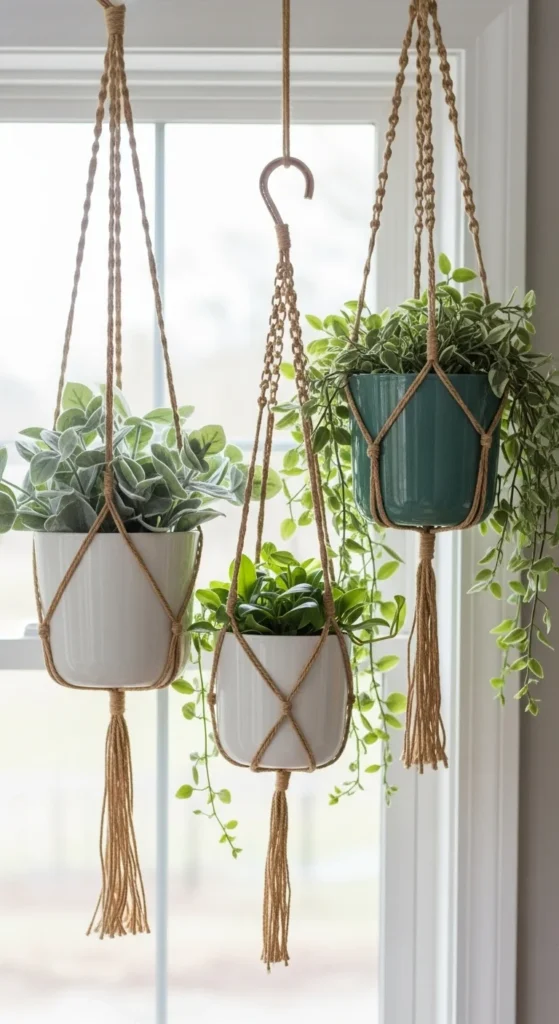
Hanging planters free up ground space. They work well on porches and balconies.
Use lightweight containers and sturdy hooks. Group in odd numbers.
This approach adds greenery without crowding walkways.
16. Low-Maintenance Ground Covers
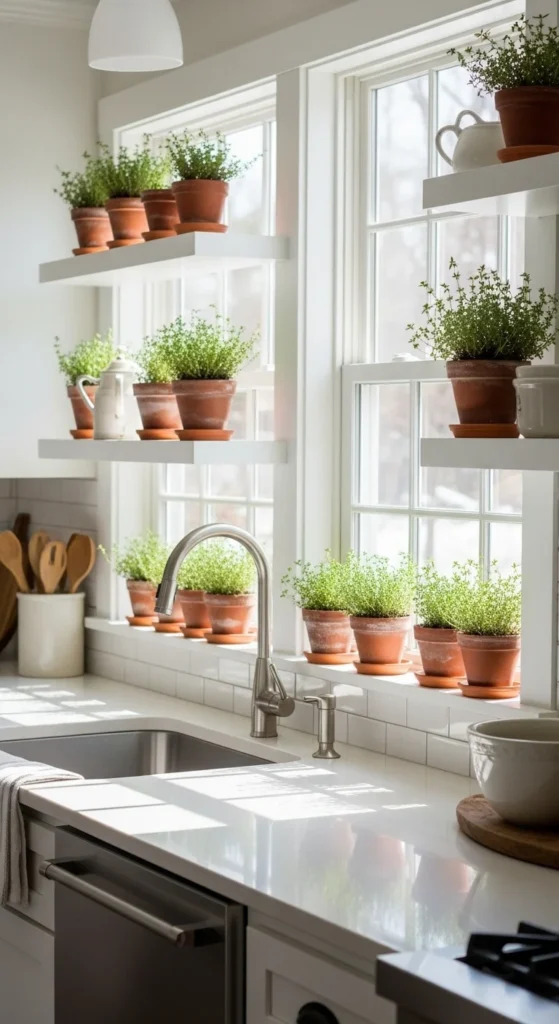
Ground covers reduce weeds and fill gaps. They spread naturally over time.
Choose varieties suited to your climate. This avoids extra care.
They keep gardens looking full with little effort.
17. Simple Water Bowls for Wildlife
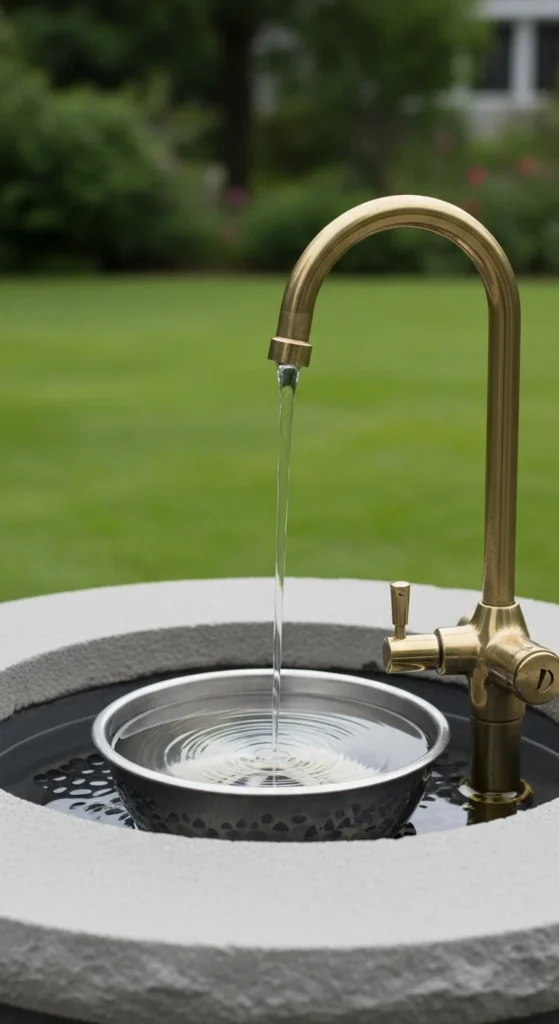
Shallow water bowls attract birds and insects. Use sturdy ceramic or stone dishes.
Place them in shaded spots. Clean regularly.
This small addition supports garden life naturally.
18. Pathway Borders With Repeated Stones
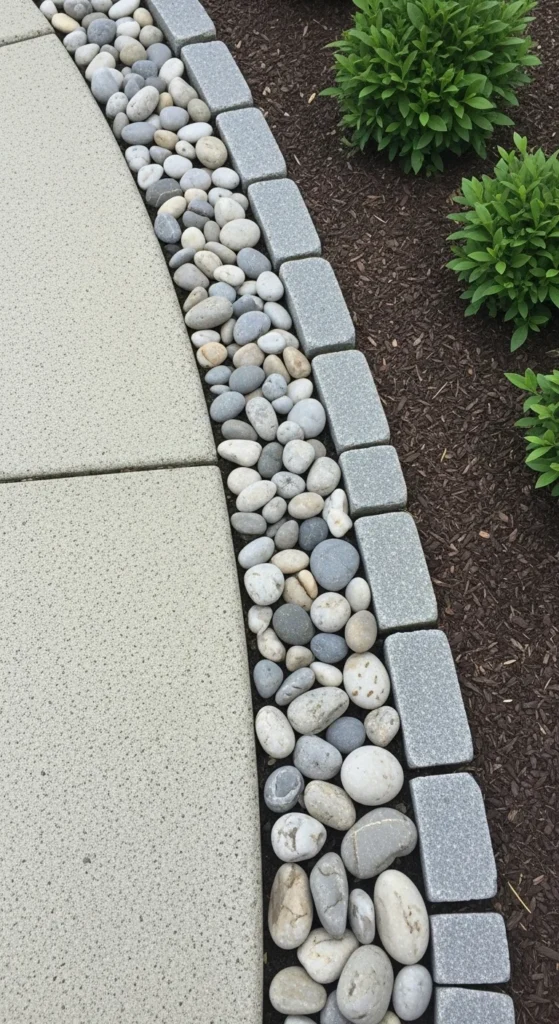
Stone borders guide movement and keep paths tidy. Repetition creates order.
Use stones of similar size for consistency.
This helps paths look planned without extra work.
19. Simple Garden Screens for Privacy
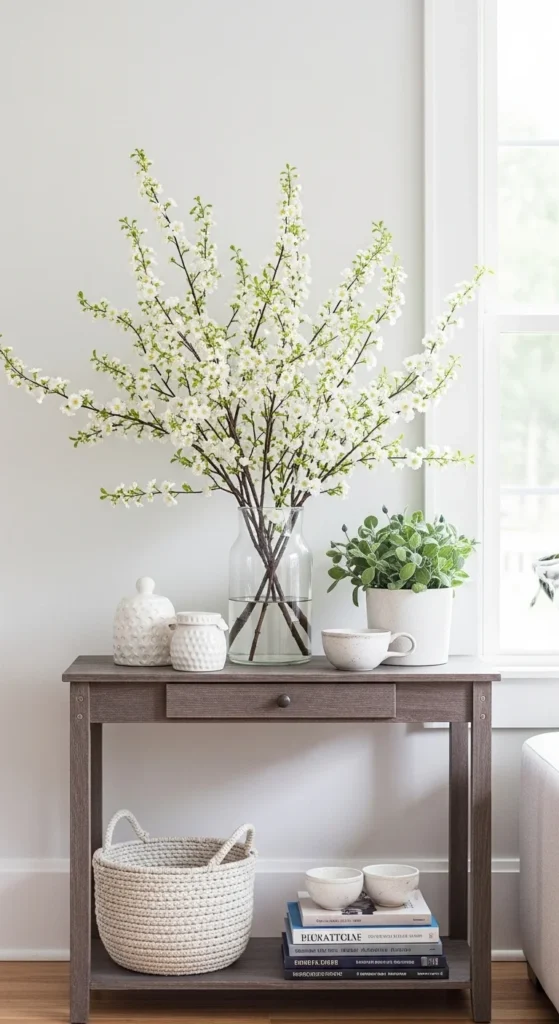
Screens define areas and block views. Wood slats or fabric panels work.
Keep designs minimal. Plants can soften edges over time.
Privacy makes gardens feel more comfortable.
20. Compact Vegetable Rows With Clear Spacing
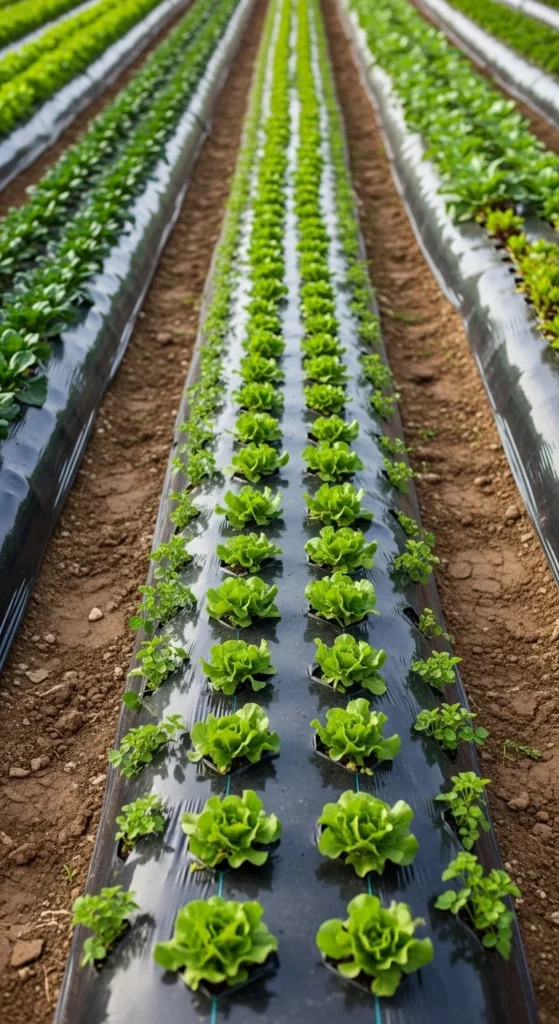
Neatly spaced rows help vegetables grow evenly. Clear paths make care easier.
Use string lines for straight planting.
This layout keeps gardens functional and tidy.
21. Painted Pots in Neutral Tones
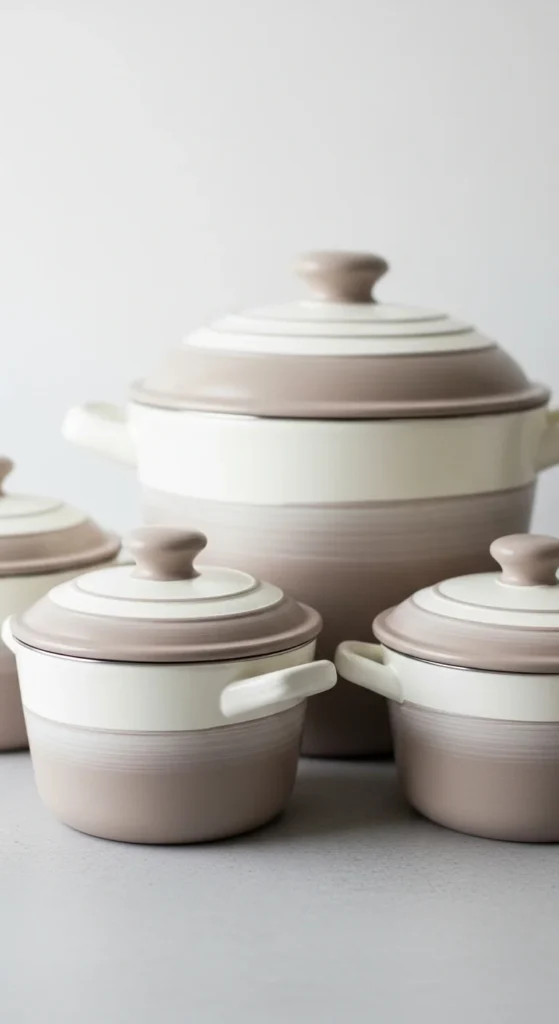
Painting old pots updates them quickly. Neutral tones blend well outdoors.
Use outdoor paint for durability.
This gives containers a unified look without buying new ones.
22. Garden Corners With Single Statement Plants
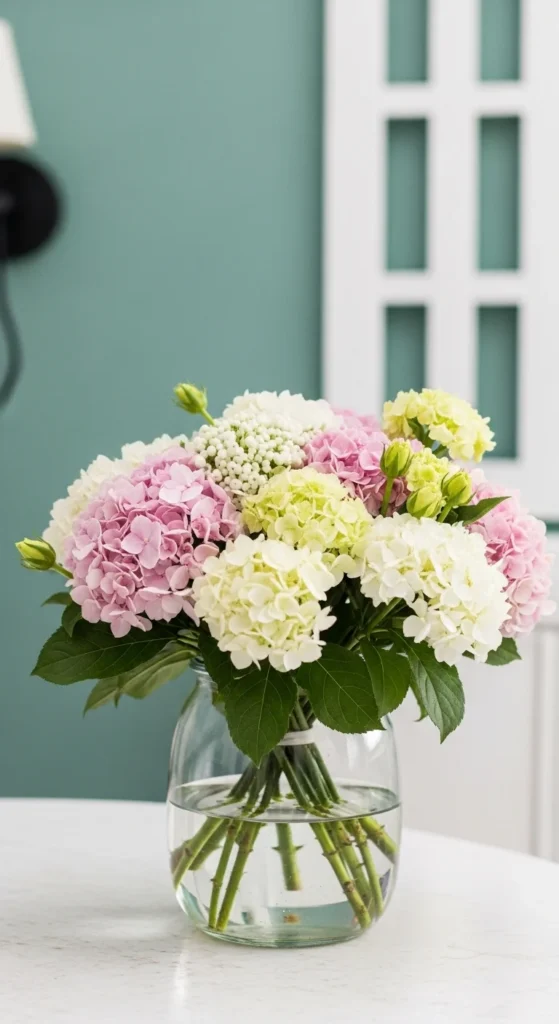
A single large plant anchors corners well. It avoids clutter.
Choose something with strong shape.
This creates focus with minimal effort.
23. DIY Compost Areas Tucked Away
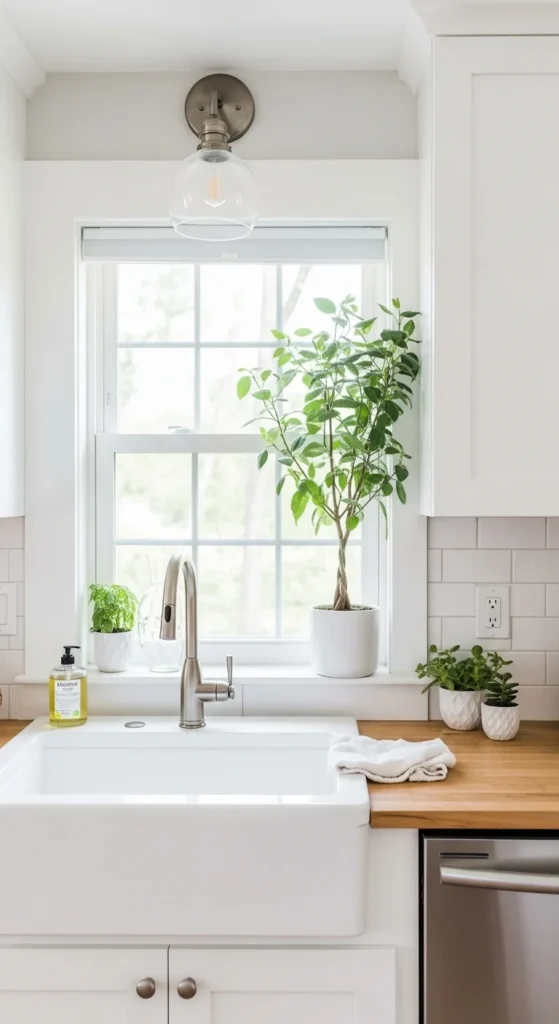
Compost areas support healthy soil. Keep them hidden behind plants or fences.
Simple bins work well.
This supports gardening without taking up visual space.
24. Repeated Plant Groups for Calm Layouts
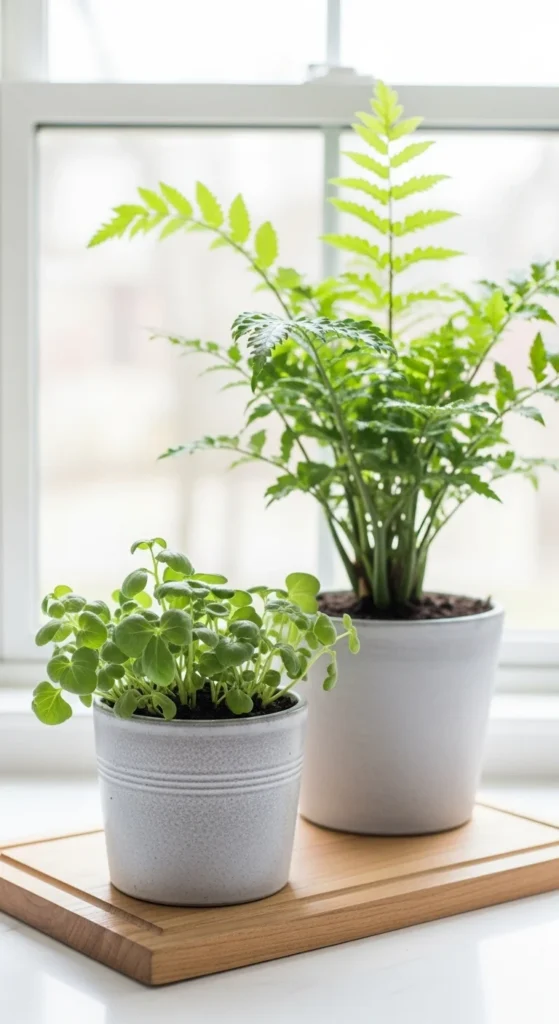
Repeating plants creates rhythm. It feels organized and relaxed.
Limit variety to avoid chaos.
This method works in any size garden.
25. Stepping Stones Through Lawn Areas
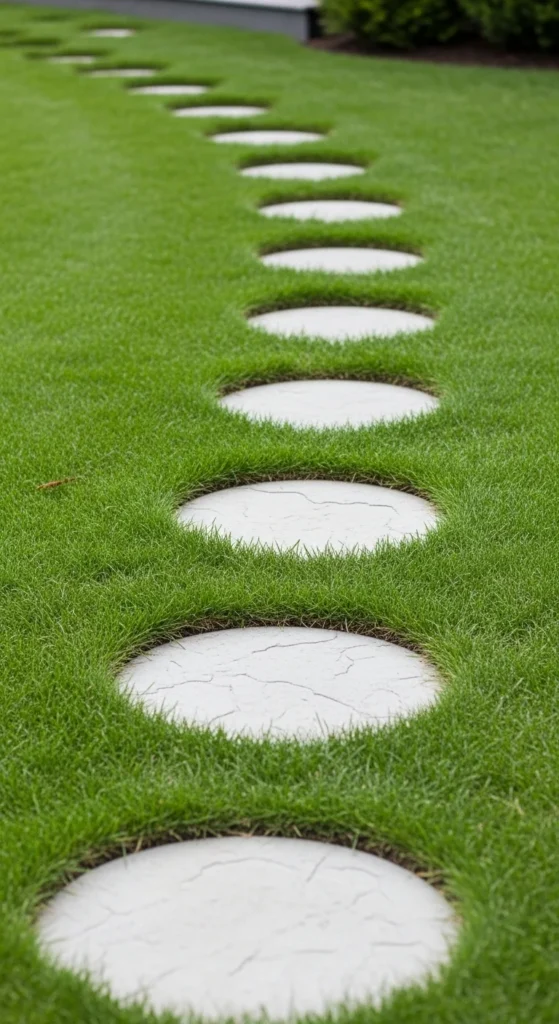
Stepping stones guide foot traffic. They protect grass.
Use evenly spaced stones.
This adds function and visual interest.
26. Small Garden Tables for Utility
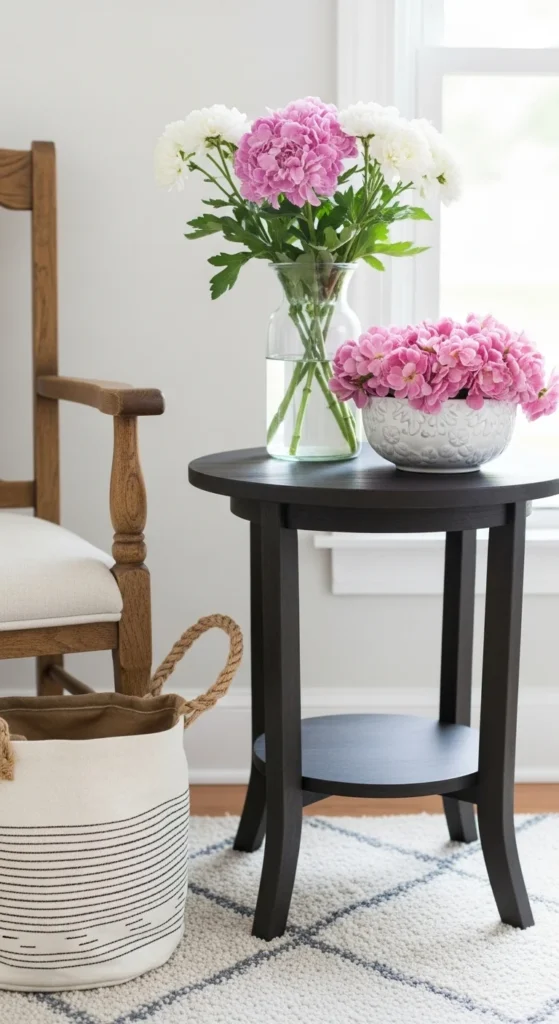
Small tables hold tools and pots. They keep work areas tidy.
Choose sturdy materials.
Utility pieces make gardening easier.
27. Border Plants That Handle Trimming
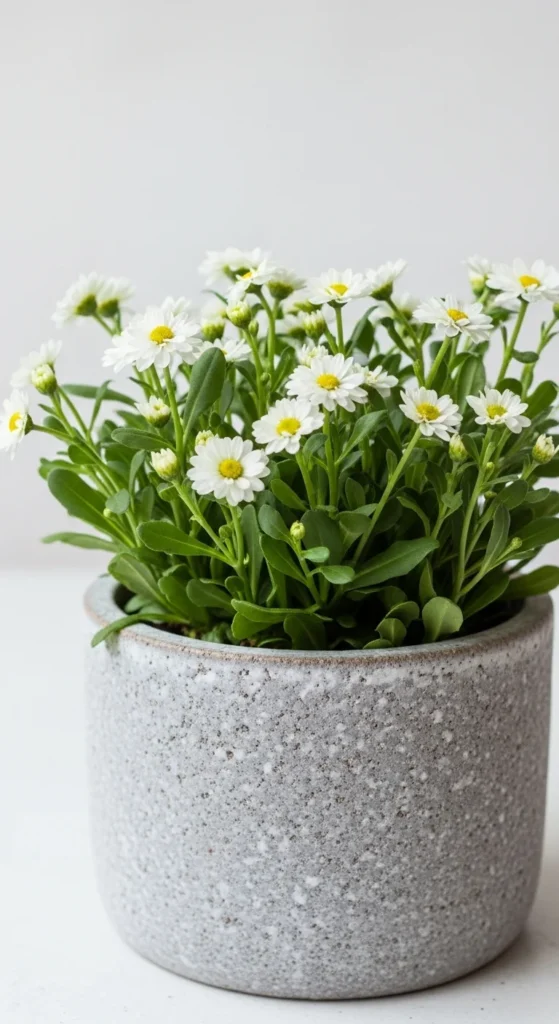
Trim-friendly plants stay neat. They keep borders controlled.
Regular shaping helps structure.
This suits tidy garden styles.
28. Simple Shade Areas Using Fabric
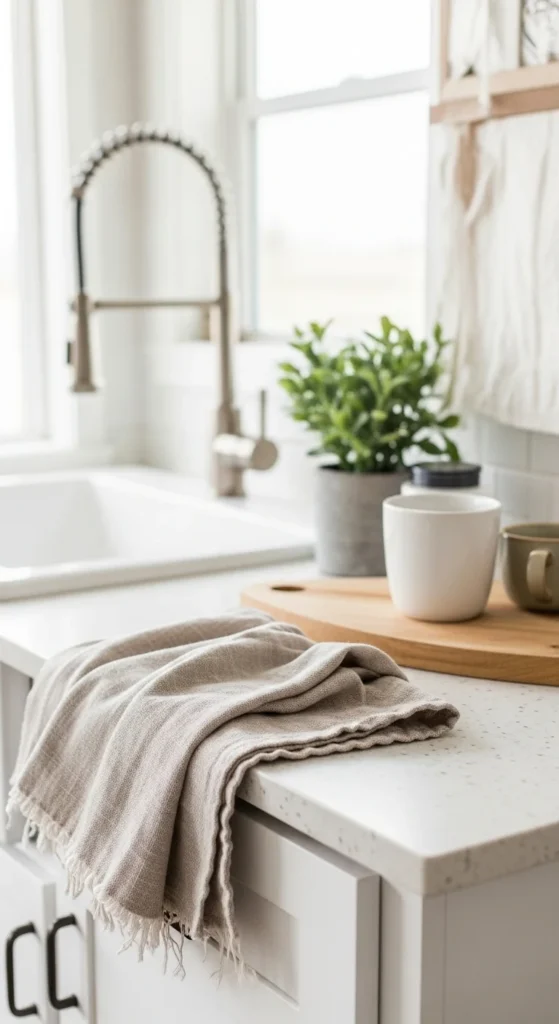
Fabric panels create shade cheaply. Secure them well.
Neutral colors work best.
Shade improves comfort outdoors.
29. Tool Storage Hidden in Planters
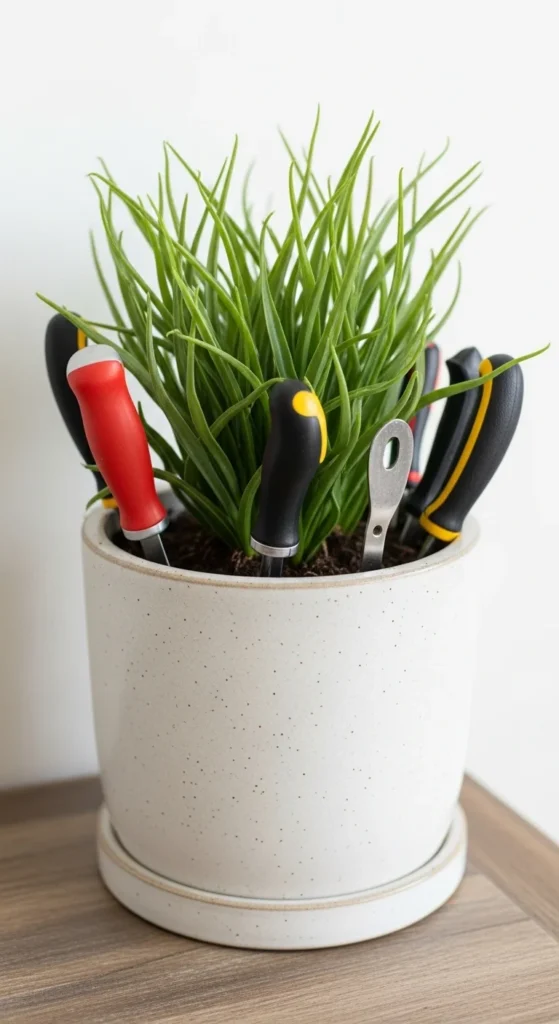
Large planters can hide tools. Use false bottoms.
This keeps areas tidy.
Storage does not need separate sheds.
30. Seasonal Plant Rotation in One Area
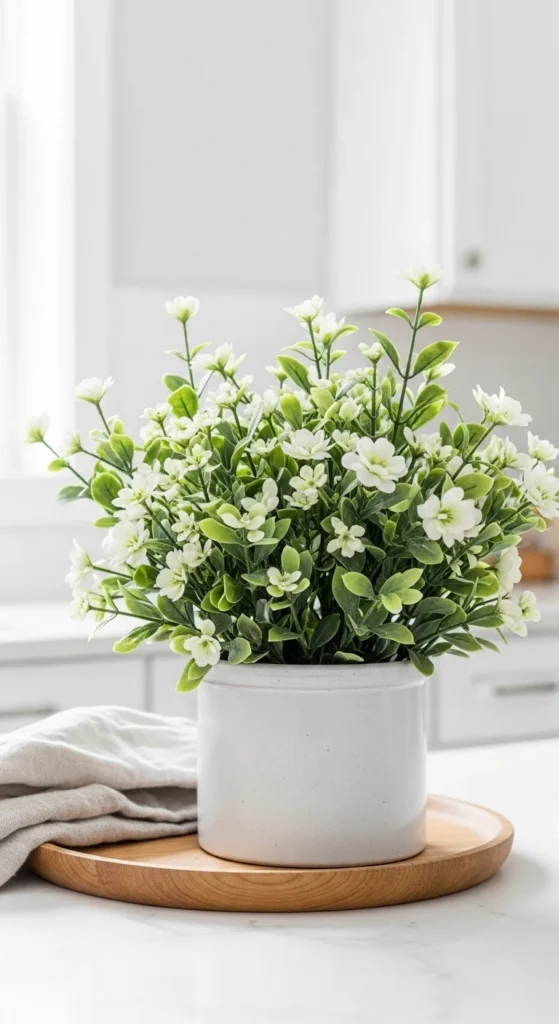
Rotating plants keeps gardens interesting. Use one bed for changes.
This reduces work across the yard.
It also helps soil balance over time.
Conclusion
Spring gardens do not need complicated plans or large budgets to feel thoughtful and inviting. Small choices like clear pathways, repeated plants, and simple structures can shape the entire space. By focusing on practical layouts and easy care, these ideas help turn everyday outdoor areas into places you actually want to use. Pick one or two ideas to start, adapt them to your space, and let the garden grow naturally from there.
Leave a Reply