

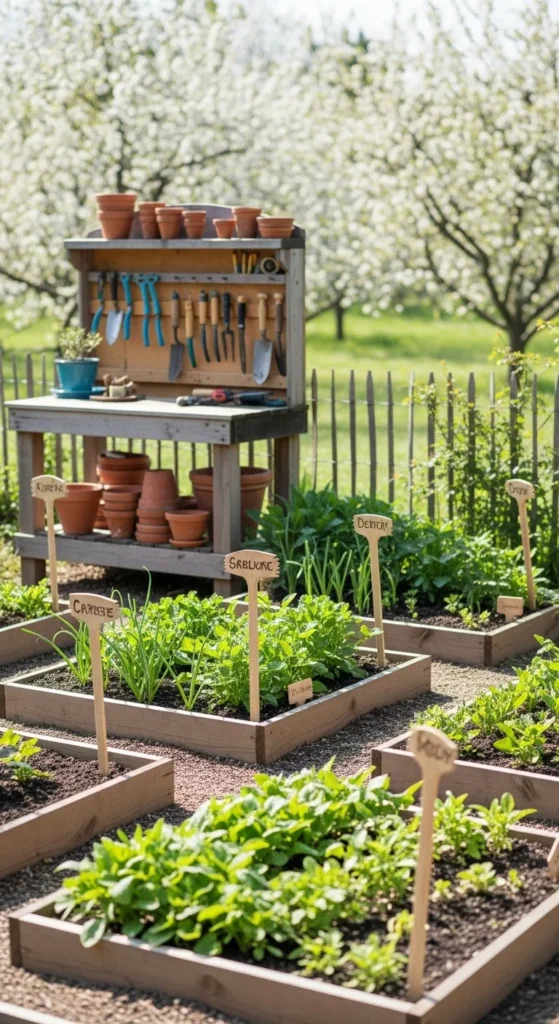
Spring gardening should feel calm, not scattered. When tools disappear, pots pile up, and supplies spread everywhere, even simple tasks feel harder than they should. Garden organization creates order that saves time, cuts stress, and helps plants get better care. With a few smart systems and simple setups, any garden can feel more manageable. These tips focus on easy, affordable actions that keep everything visible, reachable, and under control all season long.
Wall-Mounted Tool Storage
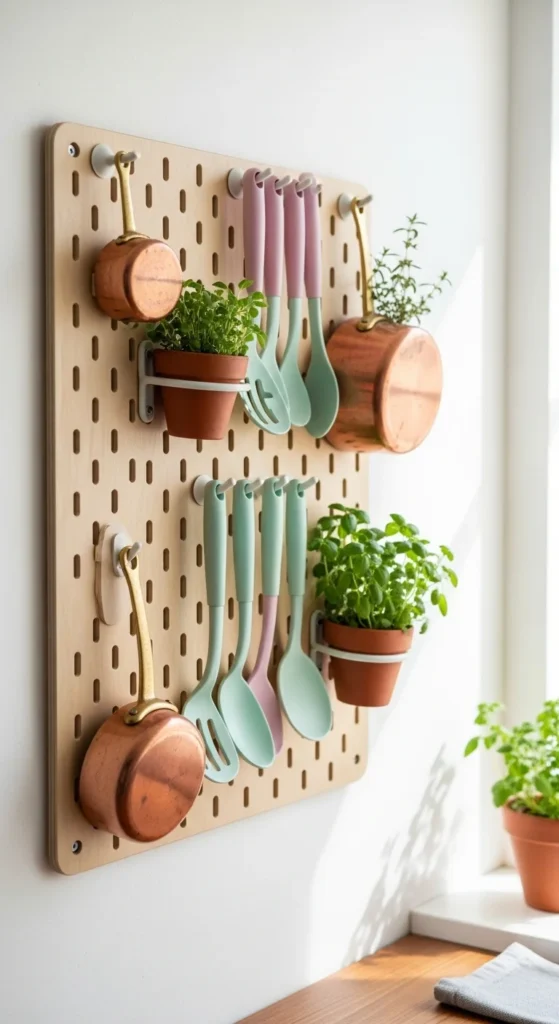
Keeping tools off the ground clears space fast. A simple wall setup makes a huge difference. Use hooks, nails, or a pegboard inside a shed or along a fence. Hang shovels, rakes, pruners, and hand tools where you can see them. This stops tools from piling up in corners. It also cuts time spent searching.
Start small. Even one wall section helps. Old pallets work well when mounted flat. Add hooks made from bent nails or leftover hardware. Group tools by type. Long tools together. Small tools together. This keeps the wall easy to scan.
Place frequently used items at arm height. Seasonal tools can go higher. Wipe tools before hanging to avoid mess buildup. A quick rinse and dry is enough.
This setup costs very little. Many gardeners already have spare hooks or screws. The payoff shows quickly. Less clutter. Fewer damaged tools. More room to move. A visible tool wall keeps everything ready for work.
Labeled Garden Bins
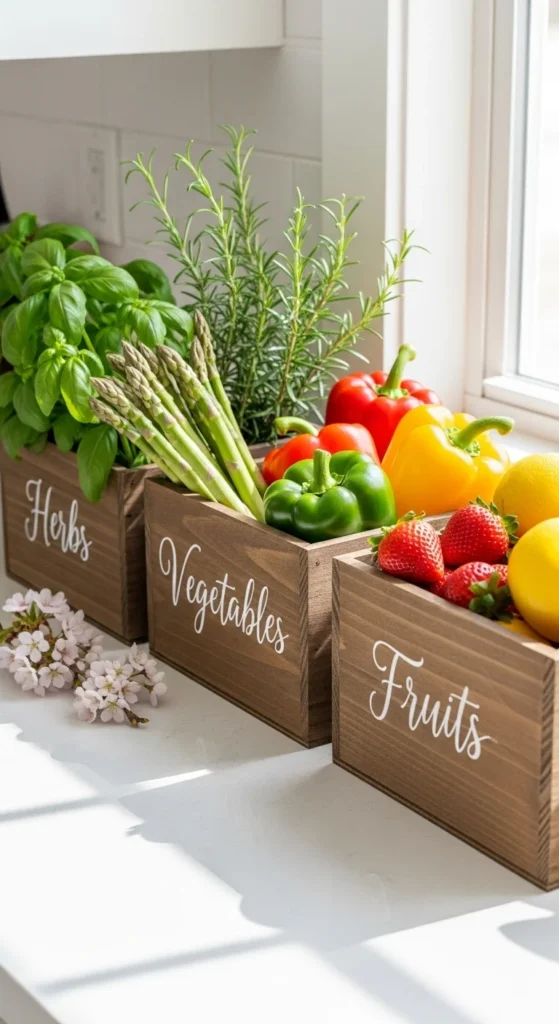
Loose supplies create fast chaos. Bins bring instant control. Use sturdy plastic tubs, crates, or baskets. Assign one purpose to each bin. Gloves. Twine. Seeds. Fertilizer scoops.
Labeling matters. Even simple handwritten tags help. Cardboard labels taped on work fine. Clear labels stop guesswork. You grab what you need and put it back easily.
Store bins on shelves or under a bench. Stack lighter bins on top. Keep heavy ones low. This setup avoids spills and broken containers.
Budget tip. Reuse delivery boxes or old storage tubs. Uniform bins look neat but mixed containers work just as well.
When supplies live in clear zones, cleanup becomes quick. Five minutes is enough to reset the space. That habit keeps mess from building up. Labeled bins turn scattered items into a simple system anyone can follow.
A Simple Potting Station
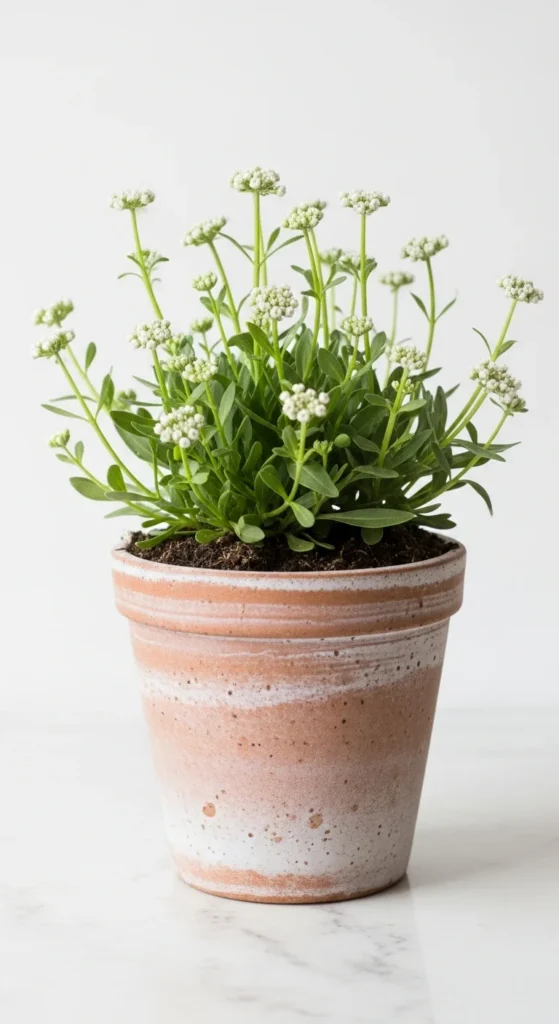
Potting projects get messy fast. A dedicated station keeps soil and tools contained. This can be as basic as a small table near your garden.
Choose a flat surface. Add a plastic tray or old baking sheet on top. This catches loose soil. Keep a small bin underneath for empty pots and scraps.
Store a scoop, gloves, and labels right there. No walking back and forth. This saves time and energy.
Budget option. Use an old desk or thrifted table. Outdoor durability helps but isn’t required if stored under cover.
After planting, sweep soil back into a bucket. Rinse the tray. The station stays ready for next time.
A potting station turns a messy task into a contained routine. Everything stays in one place. That alone reduces clutter across the rest of the garden.
Vertical Pot Storage
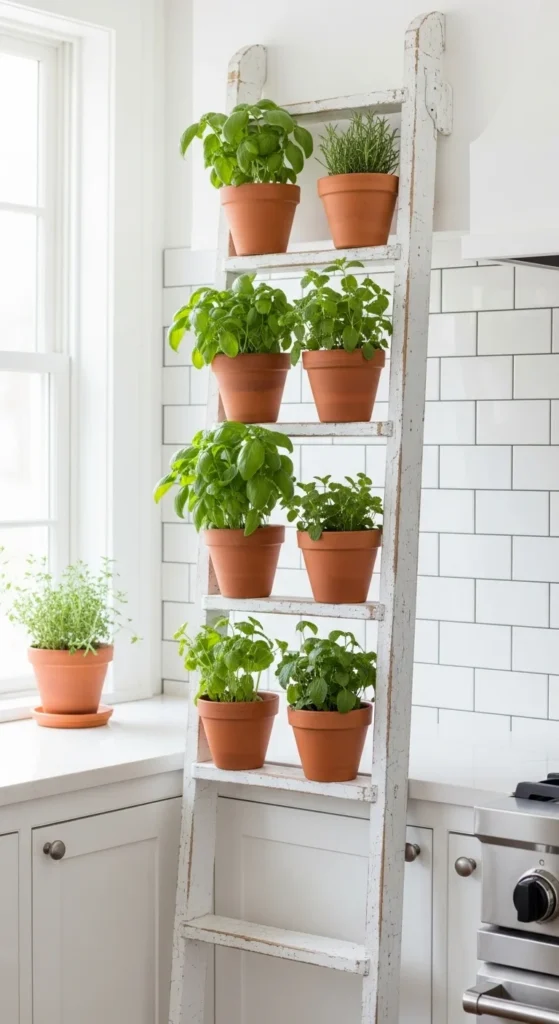
Pots take over space when stacked randomly. Going vertical solves that problem. Use wall hooks, shelves, or ladder racks.
Hang lightweight pots inside a shed or on a fence. Stack larger pots upside down on shelves. This keeps them dry and easy to grab.
Group pots by size. That speeds up planting days. You see what you have right away.
DIY option. Repurpose an old ladder. Lean it against a wall and hang pots from the rungs. It looks tidy and costs nothing.
Avoid stacking wet pots tightly. Let air flow between them. This prevents residue buildup.
Vertical storage clears floor space. Walkways open up. The garden feels calmer. Pots stop becoming obstacles and start feeling organized.
Seed Sorting Boxes
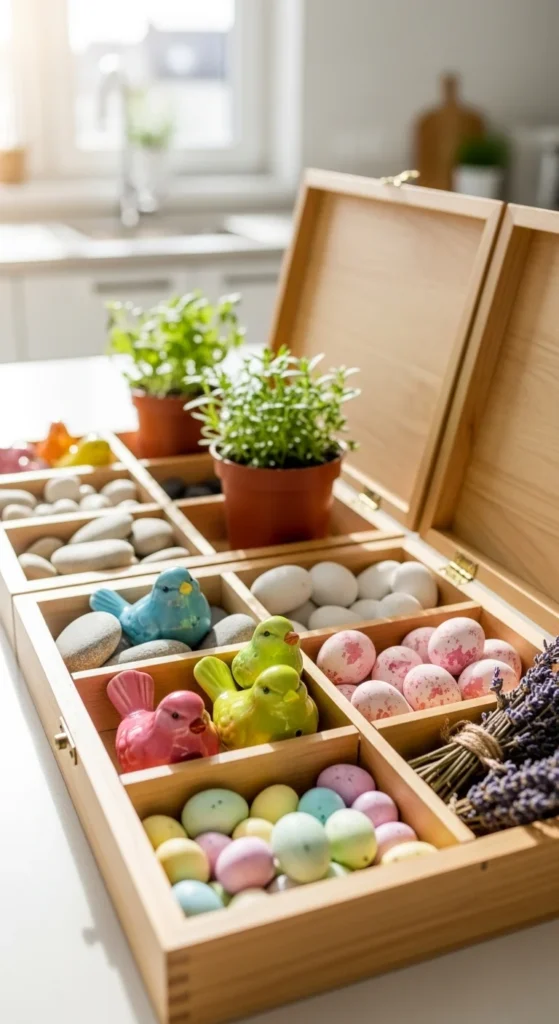
Seed packets pile up quickly. Sorting them early avoids confusion later. Use a small box with dividers. Recipe boxes work well.
Sort by planting month or plant type. Choose a system that feels natural. Keep only seeds you plan to use this season nearby. Store extras elsewhere.
Place the box near your potting area. That keeps planting smooth.
Budget idea. Cut cardboard to create dividers inside a shoebox.
Review seeds once a week. Remove empty packets. This keeps the box lean and easy to use.
Organized seeds save time and reduce waste. You plant with purpose instead of guessing. That clarity lowers stress and keeps the season on track.
Clear Pathways Between Beds

Crowded paths create disorder. Clear walkways improve movement and upkeep.
Remove stray pots, tools, and hoses from paths. Assign storage spots nearby so items don’t creep back.
Add mulch, gravel, or stepping stones to define paths. This signals where things belong.
Keep paths wide enough to carry supplies without bumping plants.
Simple borders help. Use bricks, wood scraps, or stones.
When paths stay open, the whole garden feels calmer. Movement becomes smooth. Tasks take less effort. Order spreads naturally when pathways stay clear.
Hose Management Hooks
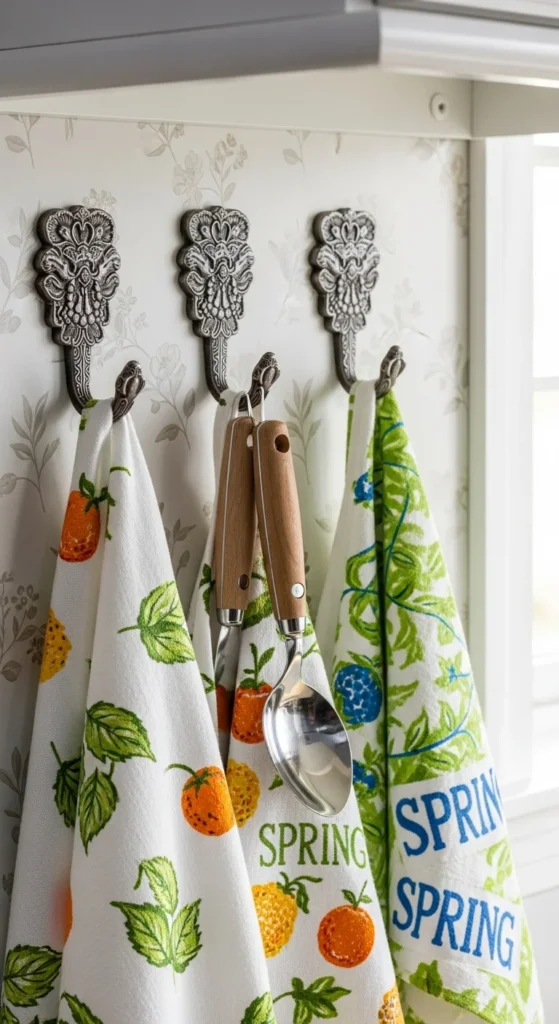
Loose hoses tangle and trip people. Hooks fix this quickly.
Mount a sturdy hook near the spigot. Coil the hose neatly after each use.
Avoid dragging hoses across beds when finished. This habit protects plants and keeps areas tidy.
DIY hooks can be made from thick wire or old metal hangers.
This one step removes a major source of garden clutter. Hoses stay ready and out of the way.
Grouping Plants by Care Type
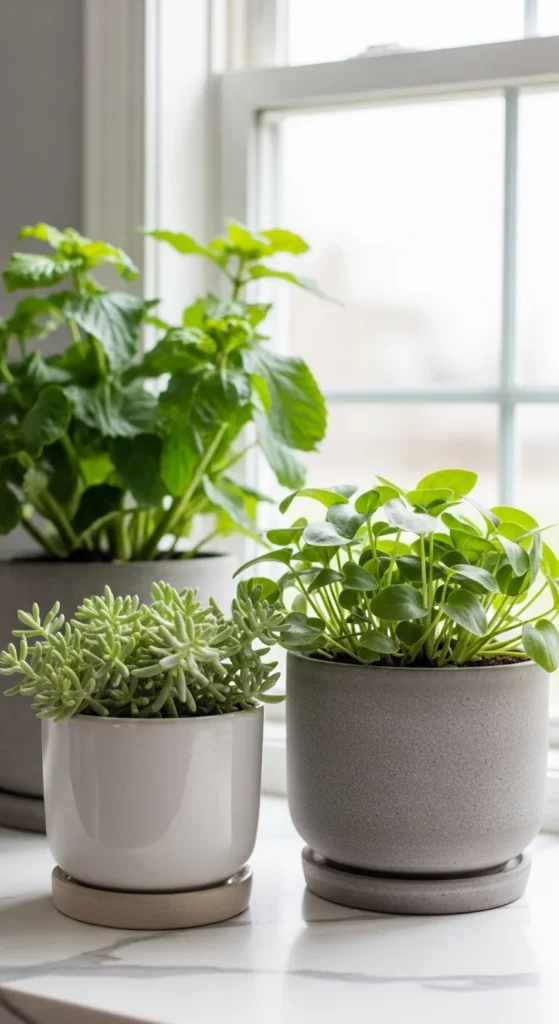
Scattered planting leads to scattered supplies. Grouping plants with similar care keeps tools and materials focused.
Water lovers together. Low water plants together. This reduces moving items around.
Store related supplies nearby. Fertilizer scoops near heavy feeders. Mulch close to beds that need it.
This layout lowers chaos during upkeep. You carry fewer items and finish tasks faster.
A thoughtful layout supports order all season.
Shelf Storage in Sheds
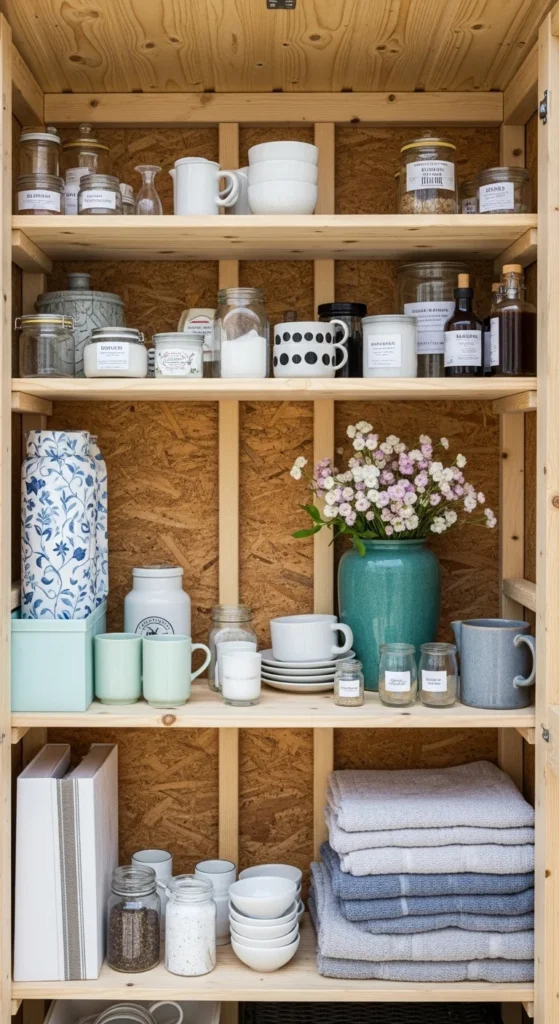
Vertical space often sits unused. Shelves change that.
Install simple boards along walls. Use brackets or stacked crates.
Store lightweight items up high. Keep heavy supplies lower.
This setup keeps floors clear. Walking becomes safer. Cleanup takes less time.
Even one shelf makes a difference.
Daily Five-Minute Reset
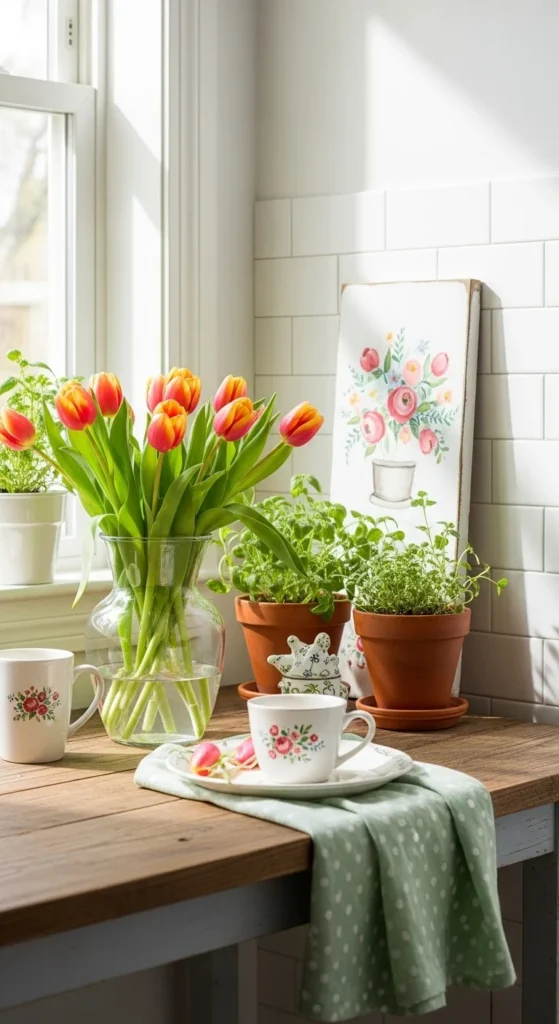
Short resets stop clutter from growing.
After gardening, spend five minutes returning items to their spots. Hang tools. Coil hoses. Stack pots.
This habit works because it stays simple. No big cleanup sessions required.
Consistency keeps chaos away.
Repurposed Kitchen Containers Outdoors
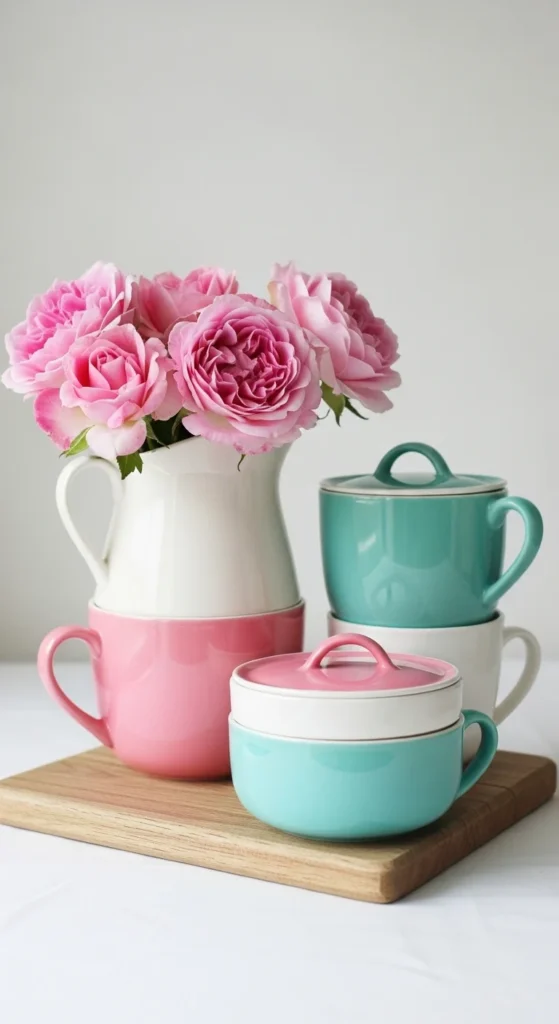
Old containers find new life in the garden.
Use jars for screws. Tins for plant labels. Baskets for gloves.
This cuts spending and adds structure.
Keep containers grouped by task.
Reuse keeps costs low and storage practical.
Compost Area Boundaries
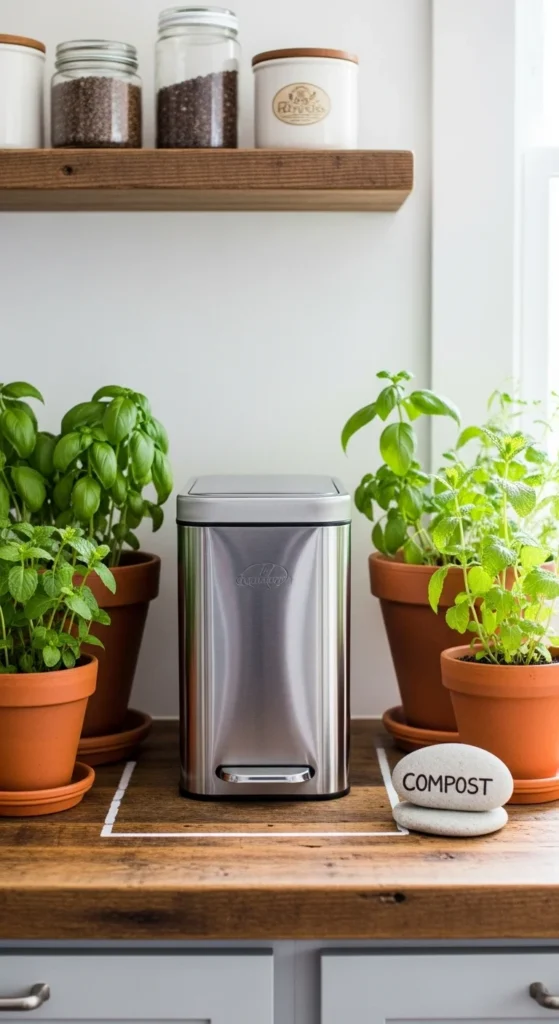
Loose compost piles spread mess. Clear borders help.
Use bins, wire cages, or wood frames.
Keep tools nearby but separate.
Defined compost zones keep the rest of the garden tidy.
Raised Bed Label Stakes
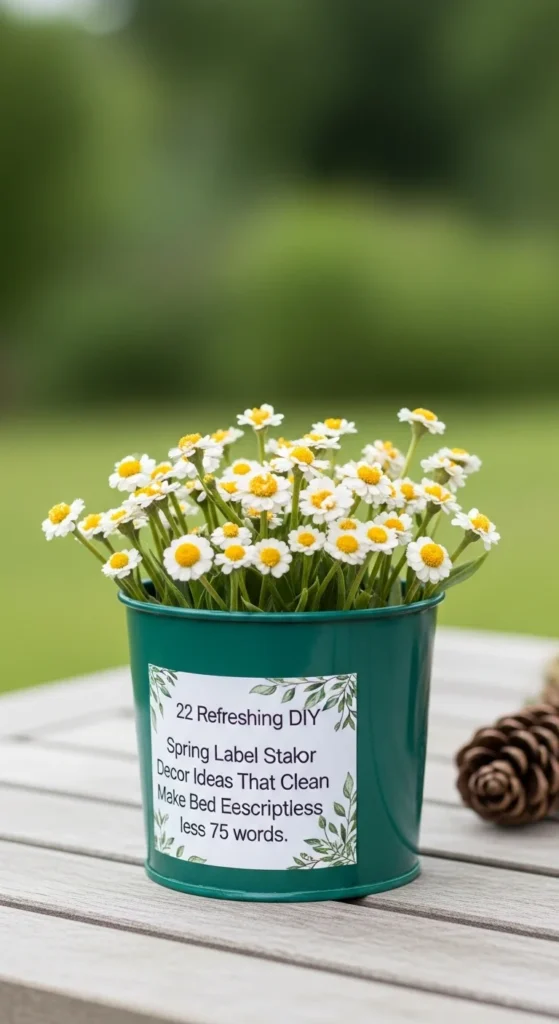
Unlabeled beds cause confusion. Stakes solve this.
Use wood scraps or plastic markers.
Place them at bed edges.
Clear labeling reduces mistakes and wasted effort.
Tool Buckets for Mobile Tasks
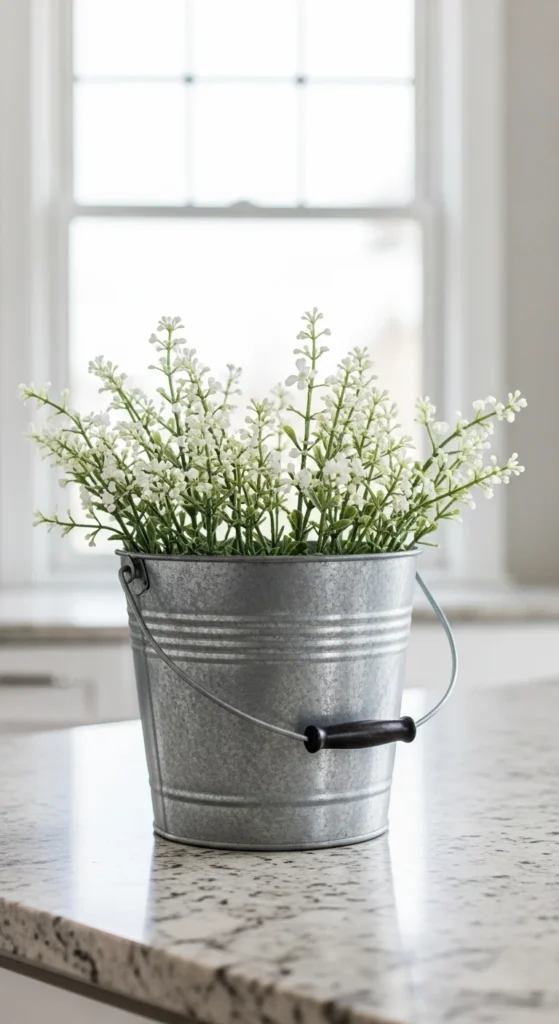
Carrying loose tools leads to drops. Buckets help.
Keep a small set of tools per task.
Move one bucket at a time.
This limits clutter spread.
Mulch Storage Zones
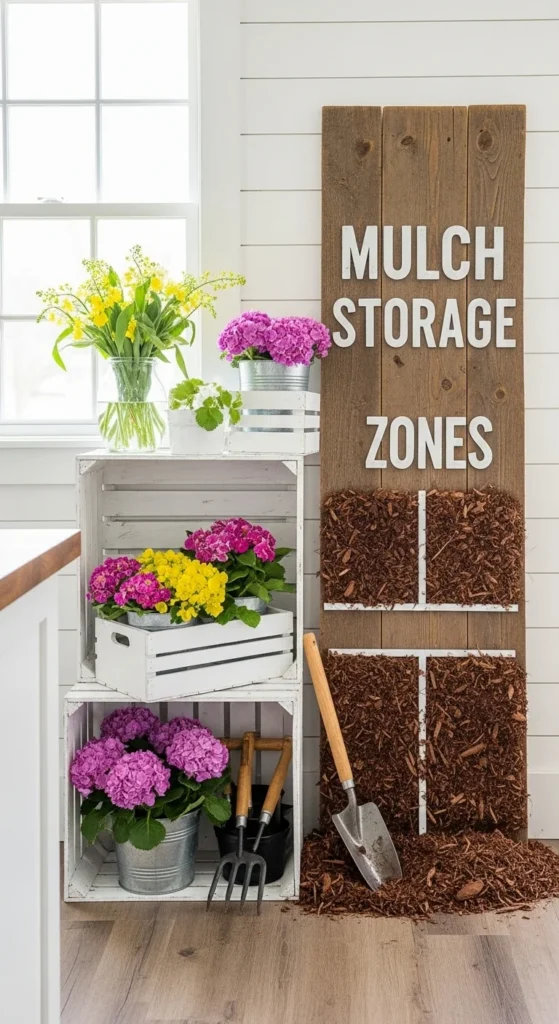
Loose mulch bags clutter corners.
Assign one spot for all mulch.
Stack neatly on pallets.
Order improves fast.
Reusing Crates for Harvest Storage
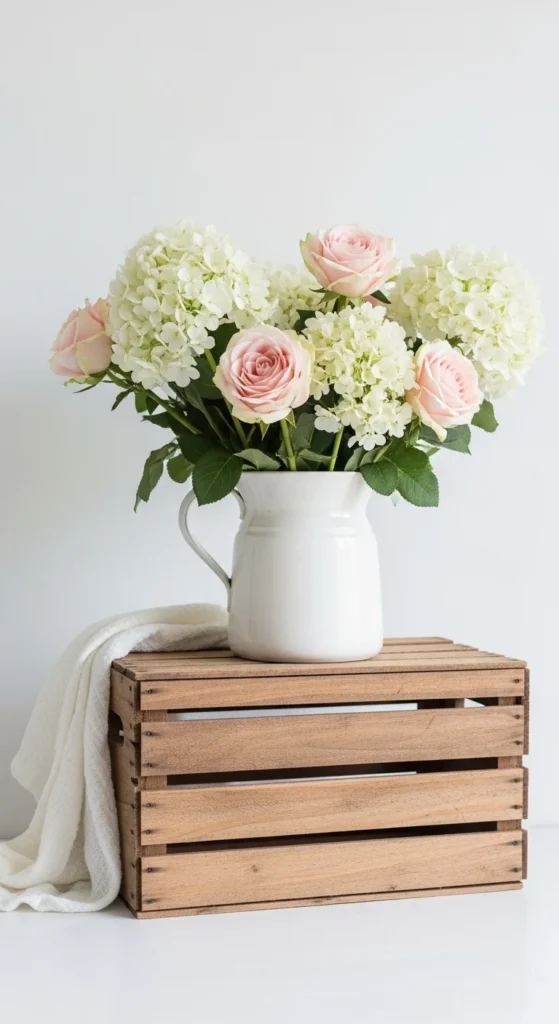
Crates control harvest mess.
Stack them near beds.
Clean and reuse often.
They keep produce contained.
Dedicated Watering Zone
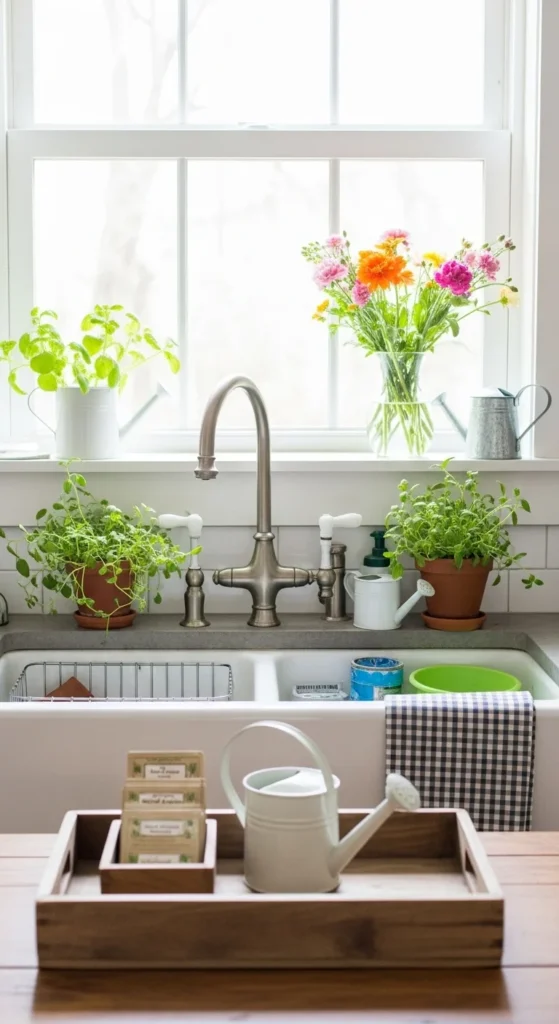
Watering supplies spread fast.
Store cans and nozzles together.
Keep near water access.
This keeps wet items contained.
Seasonal Tool Rotation
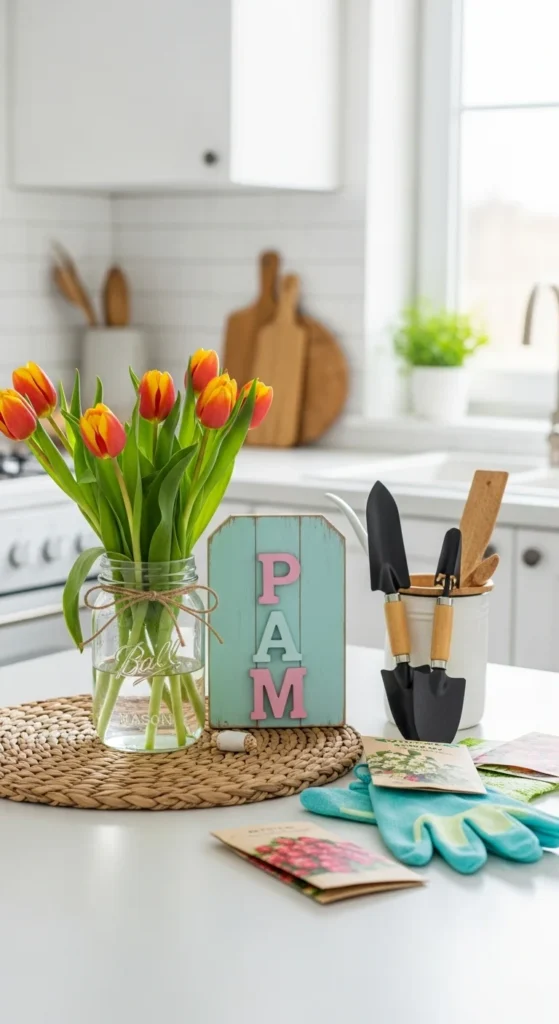
Not every tool is needed daily.
Store off-season tools elsewhere.
Bring current tools forward.
Less clutter stays visible.
Glove Drying Hooks
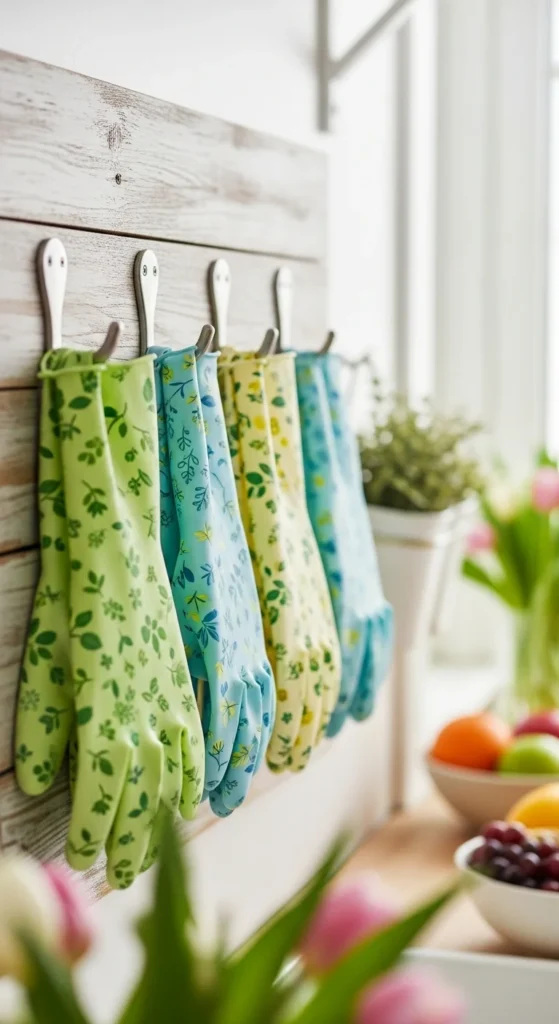
Wet gloves pile up.
Hang them to dry after use.
Hooks near exits work best.
Dry gloves last longer and stay organized.
Recycling Bin for Garden Waste
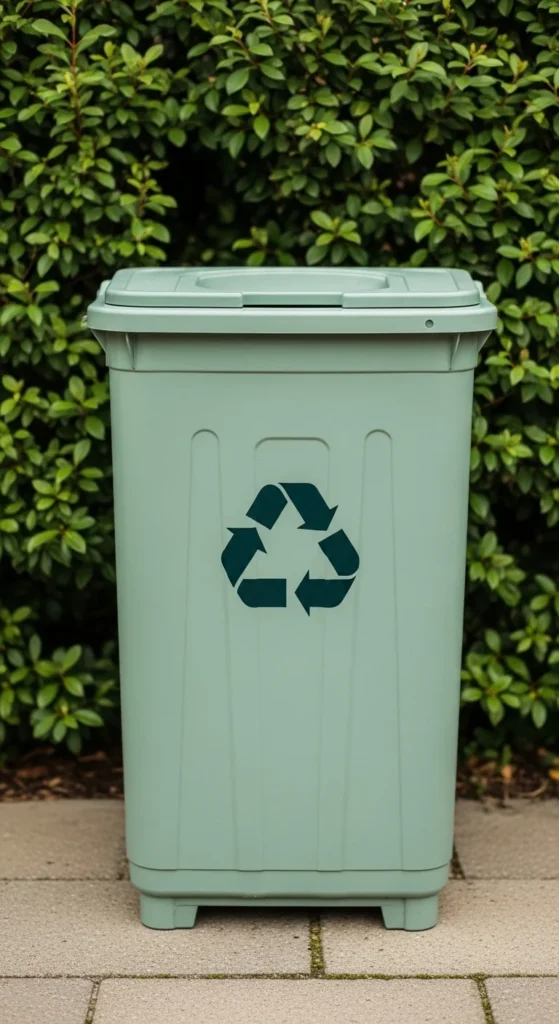
Loose debris spreads quickly.
Use one bin for plant waste.
Empty often.
Containment keeps areas clean.
Drawer Storage for Small Tools
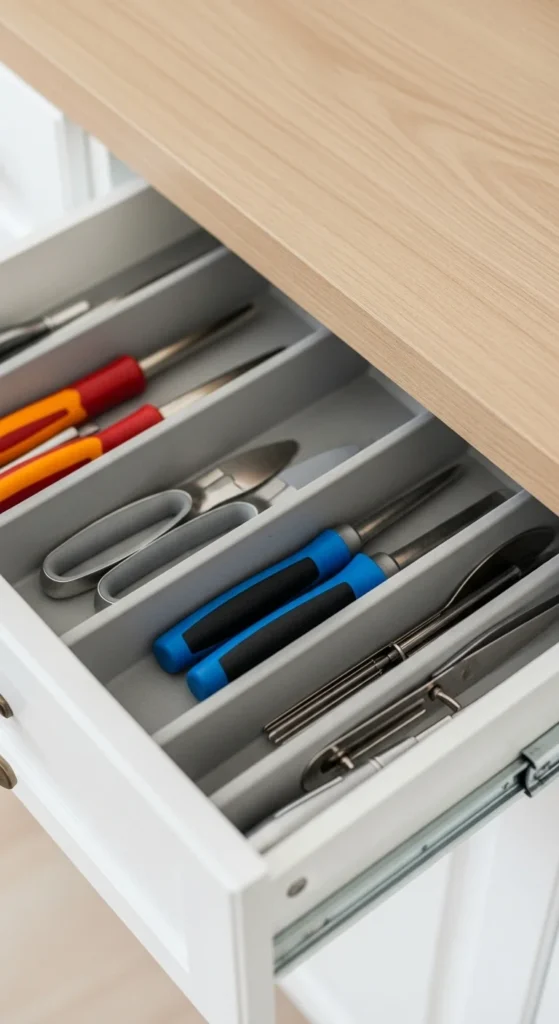
Small tools disappear easily.
Use drawers with dividers.
Group items by task.
Everything stays visible.
Clearly Defined Storage Zones
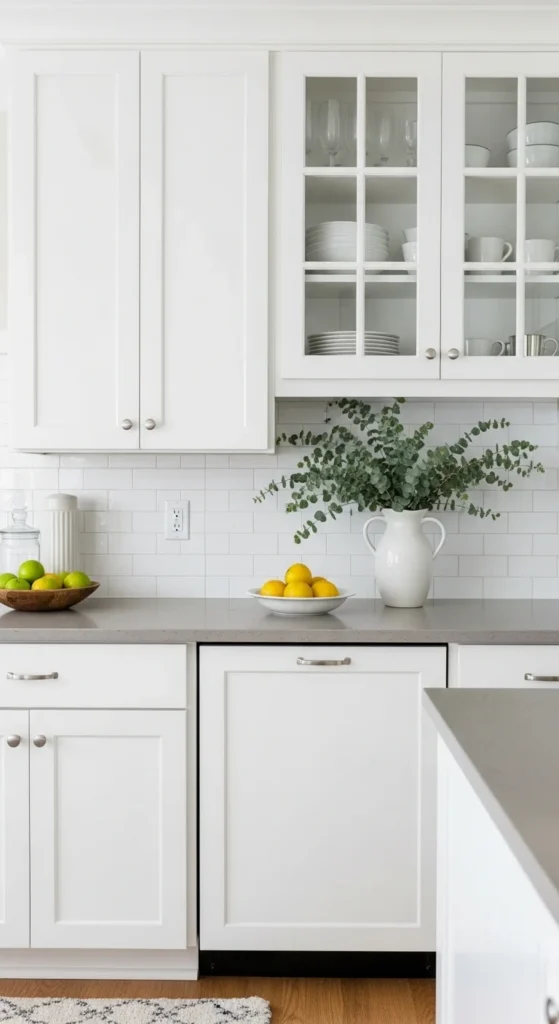
Clear zones reduce confusion.
Each area has one purpose.
Stick to it.
Order stays intact longer.
Weekly Supply Check
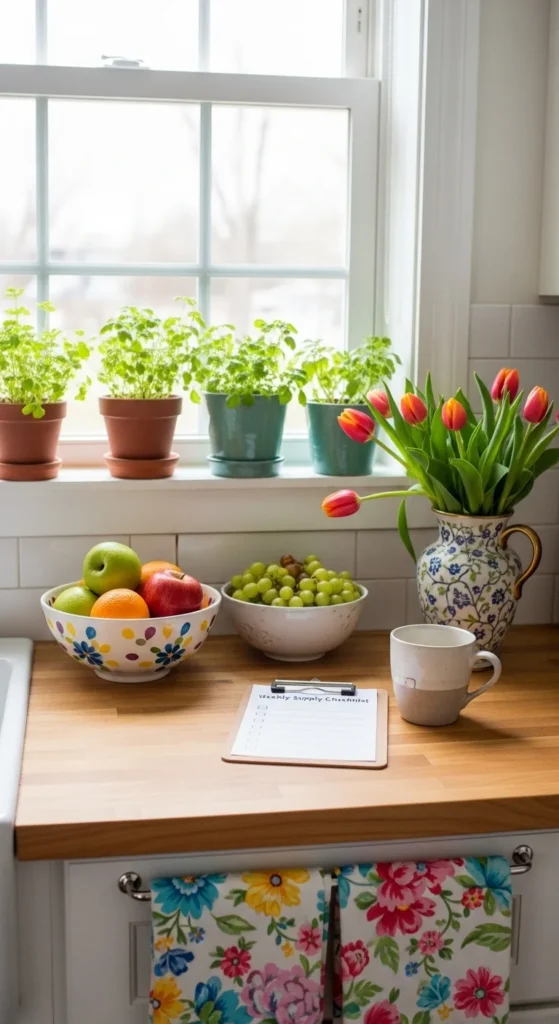
A short weekly check keeps control.
Restock basics.
Remove clutter.
Small effort keeps chaos away.
Conclusion
A calm garden comes from simple systems that stay easy to follow. When tools have homes, supplies stay grouped, and cleanup stays short, the entire space feels lighter. These organization tips help create order that lasts through the season without spending much or adding stress. Pick a few ideas, set them up once, and enjoy how much smoother garden days start to feel.

Leave a Reply