

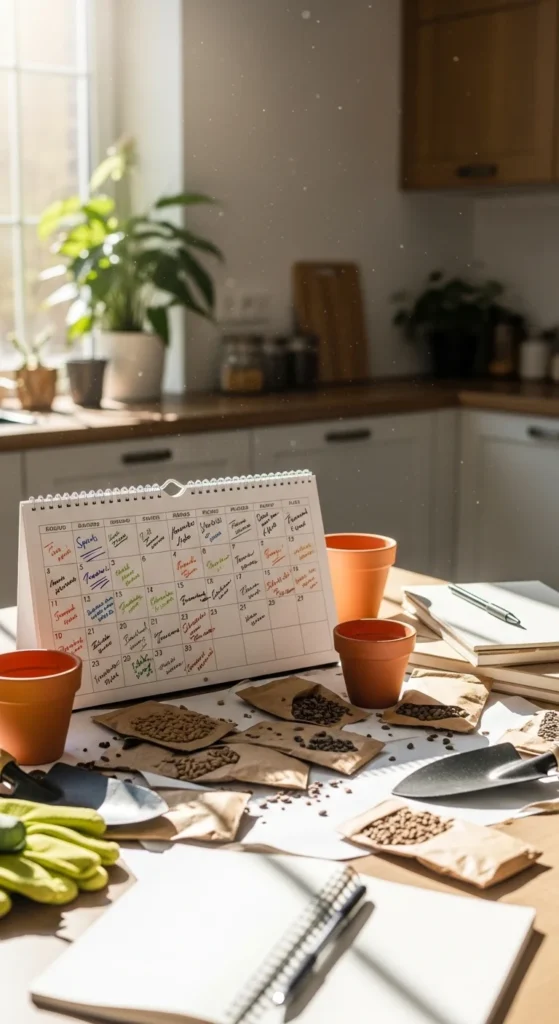
Spring garden planning calendars help turn good intentions into simple weekly actions. Many gardeners feel excited early on, then fall behind once planting season speeds up. A clear calendar solves that problem. It breaks work into small steps. It shows what to do and when to do it. This list focuses on practical calendar styles that fit real homes, real budgets, and real time limits. Each idea works for beginners and busy households. You can print them, sketch them, or build them with supplies you already own.
1. Monthly Seed Starting Calendar
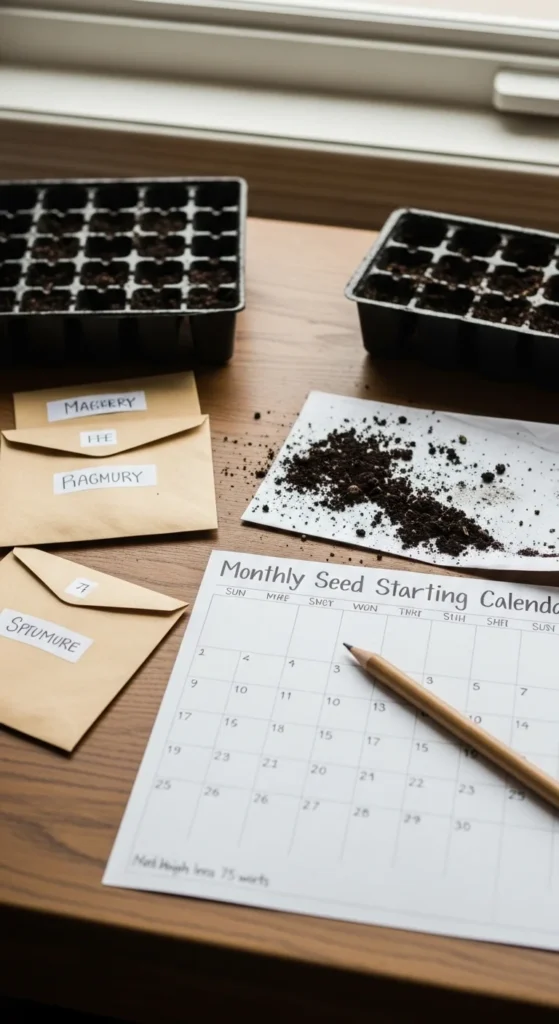
A monthly seed starting calendar keeps early planting calm and predictable. It shows which seeds start indoors each month. No guessing. No rushing. You glance once and move on.
This style works well on paper. Print a simple grid. Write crop names by month. Tape it inside a cabinet door or near your potting area.
Short tasks make this calendar useful. One week may say “start tomatoes.” Another week may say “check soil moisture.” Small actions feel doable.
For a low-cost option, reuse the back of mail or old notebooks. Pencil works better than pen since dates shift year to year.
DIY tip: color-code cool weather crops and warm weather crops. Two markers are enough.
This calendar also helps stop overcrowding. You plant only what fits your space. That saves seeds and reduces stress later.
2. Last Frost Countdown Calendar
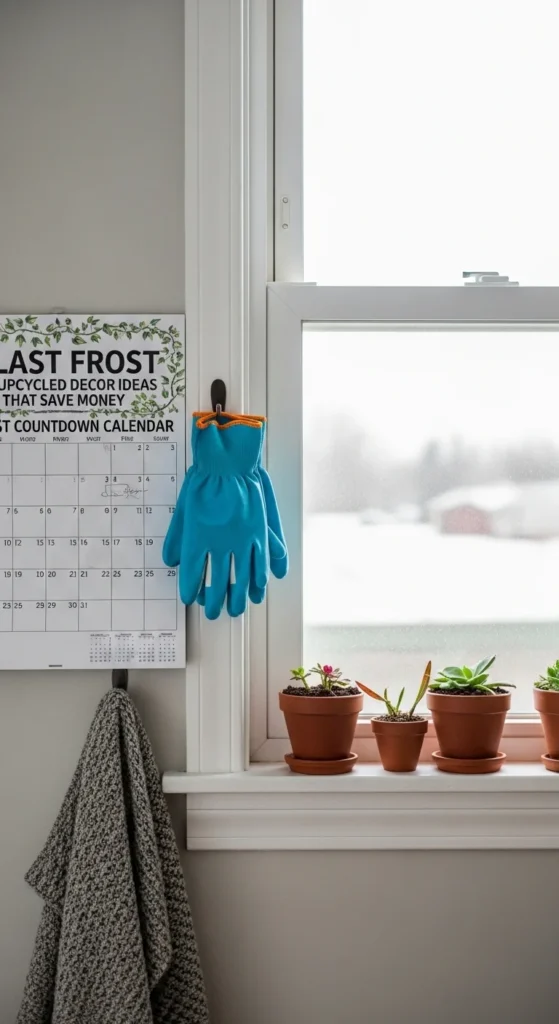
A last frost countdown calendar centers around one date. Everything circles that moment. This keeps planting from starting too early.
You mark the expected frost date, then count backward. Each week gets a task. Prep beds. Start trays. Harden plants.
This calendar works best when simple. One page. One column. One focus.
Budget idea: use a reused cardboard sheet. Draw lines with a ruler. Hang it with clips.
This style fits gardeners who want fewer decisions. You follow the countdown. No second guessing.
It also helps new gardeners avoid disappointment. Seedlings survive more often when timing feels steady.
When frost dates shift, just erase and adjust. Flexibility stays built in.
3. Weekly Raised Bed Planning Calendar
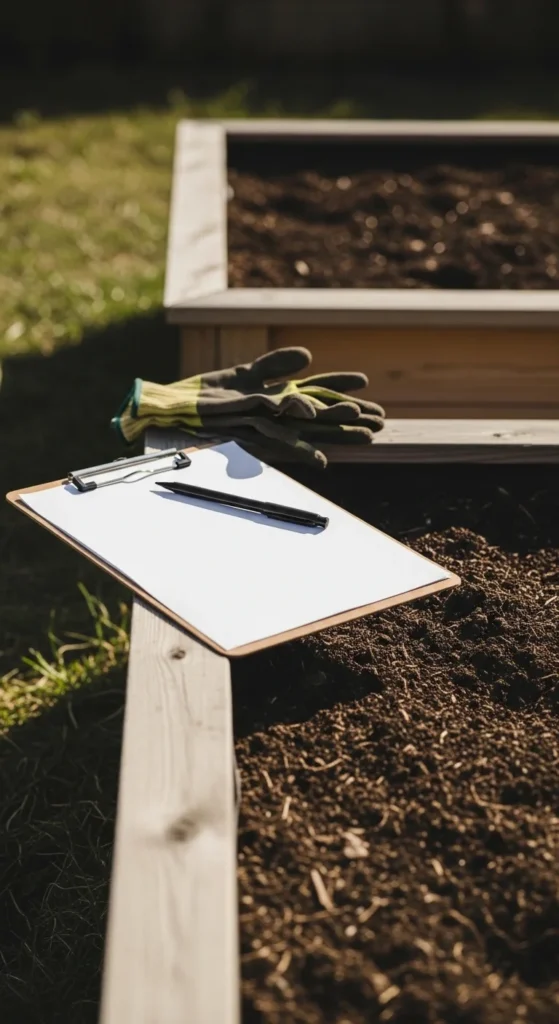
Raised beds move fast in spring. A weekly calendar keeps pace without overload.
Each bed gets its own row. Each week gets a box. You jot quick notes like planting, thinning, or watering.
This method works well for small yards. It shows space clearly. You see what fills up and what stays open.
DIY version: draw a grid on scrap paper. Label beds with numbers instead of names.
Short weekly check-ins help prevent missed steps. Five minutes is enough.
This calendar also helps rotation. You track what grew where without extra charts.
4. Kitchen Wall Garden Calendar
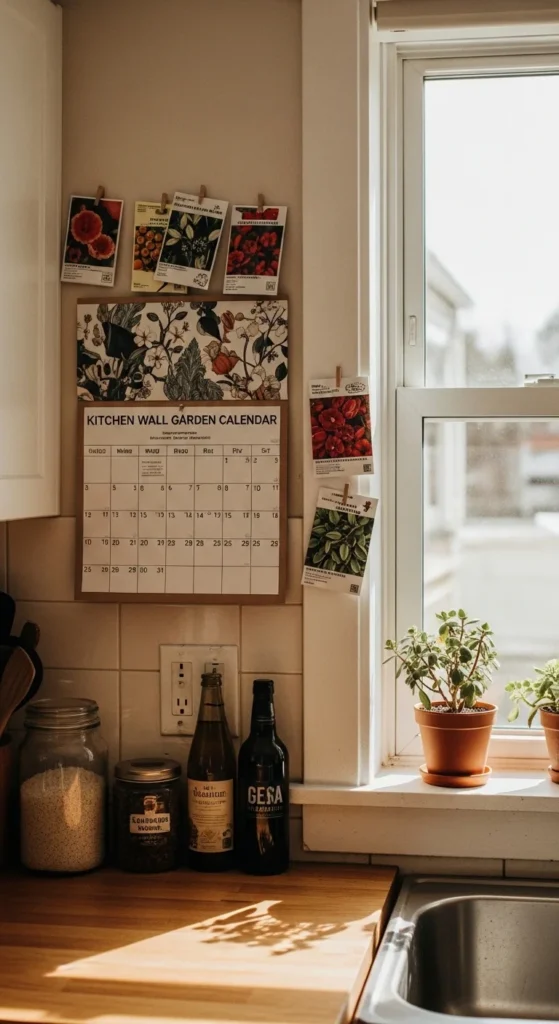
A kitchen wall calendar keeps gardening visible. You pass it daily. That matters.
This style works best for reminders. Water checks. Planting days. Simple harvest notes.
Use an old calendar frame or clip board. Swap pages each month.
Budget tip: print black and white pages. Add color with pencils.
Because it sits in a shared space, it supports group gardening. Everyone sees the plan.
Quick glances replace long planning sessions. That saves time and energy.
5. Printable Crop Rotation Calendar
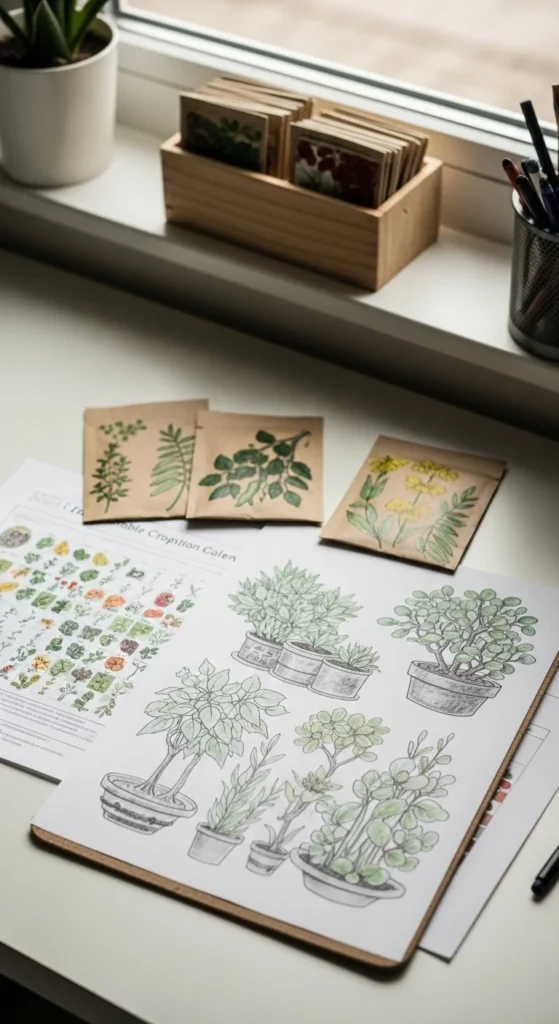
A crop rotation calendar shows past and present planting at once.
You track families of plants rather than single crops. That keeps soil balanced.
Print one page per bed. Store them in a folder.
DIY option: draw simple arrows instead of long notes.
This style works well for gardeners who reuse the same space yearly.
Keeping it visual helps memory without stress.
6. Seed Packet Timing Calendar
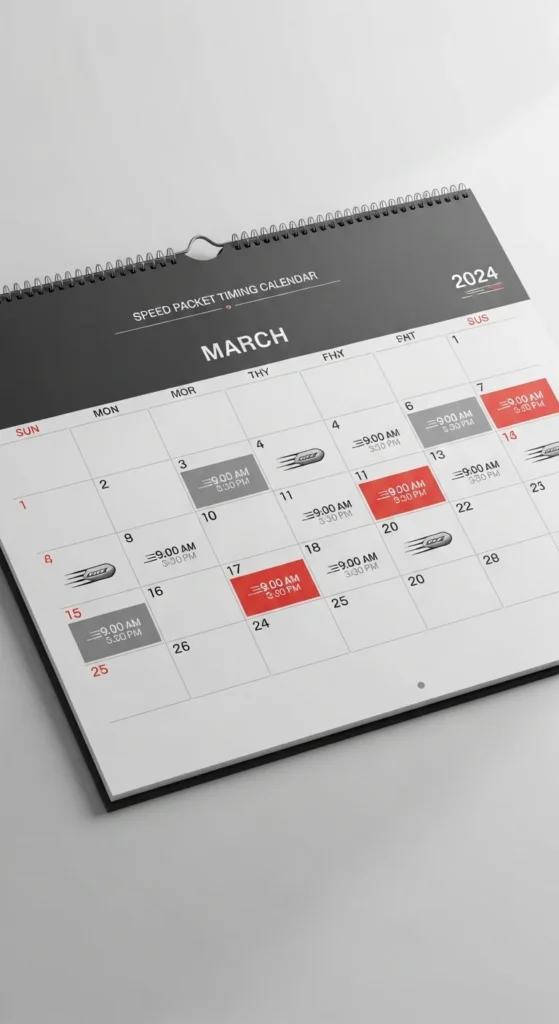
Seed packets already include timing. This calendar gathers that info in one place.
You read packets once. You write dates once. Done.
Tape packets to paper by month. Or list names under dates.
This saves repeat reading and mental clutter.
Free materials work fine. Tape and scrap paper hold everything.
This method suits visual planners who like seeing options laid out.
7. Balcony Garden Planning Calendar
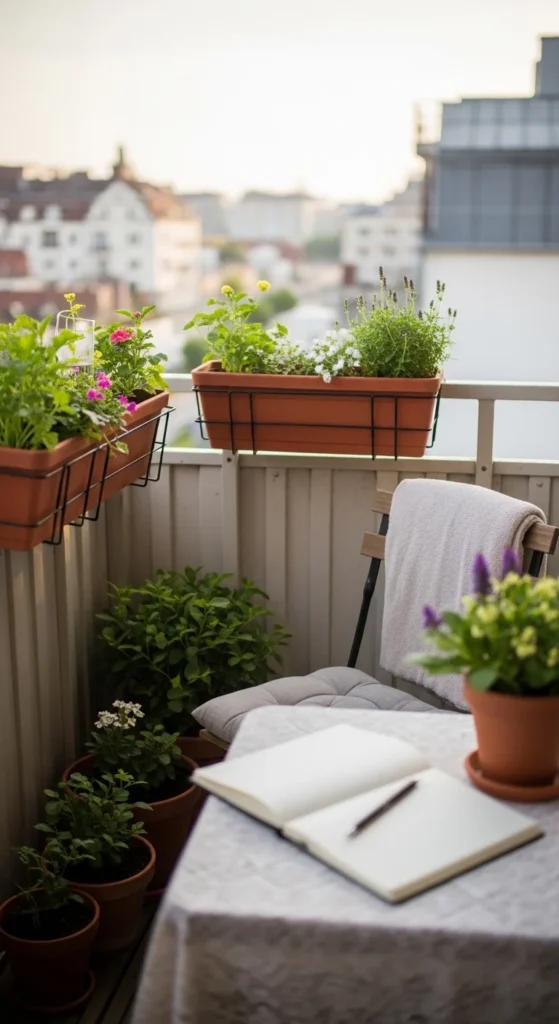
Balcony gardens rely on timing more than space.
A planning calendar shows when to plant, shift pots, or add shade.
This calendar stays compact. One page often works.
Use sticky notes for moveable plans.
Budget tip: reuse packaging cardboard as a backing board.
This style supports renters and small-space growers.
8. Kids’ Garden Task Calendar
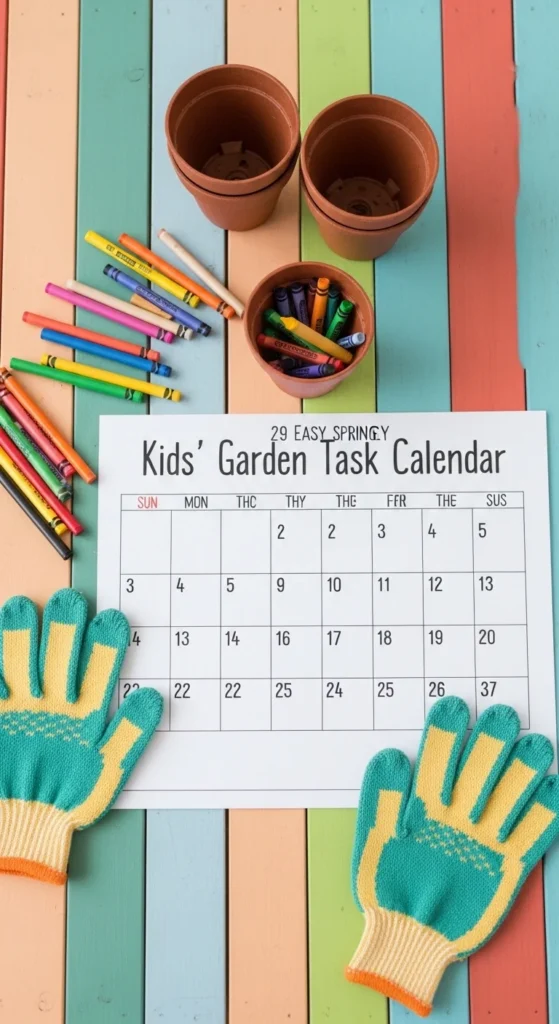
A kids’ task calendar builds habits early.
Tasks stay short. Watering. Checking sprouts. Picking herbs.
Use drawings instead of words if helpful.
Hang it low where kids can reach.
Budget idea: reuse cereal boxes as chart boards.
This calendar supports shared responsibility without pressure.
9. Rain and Watering Tracker Calendar
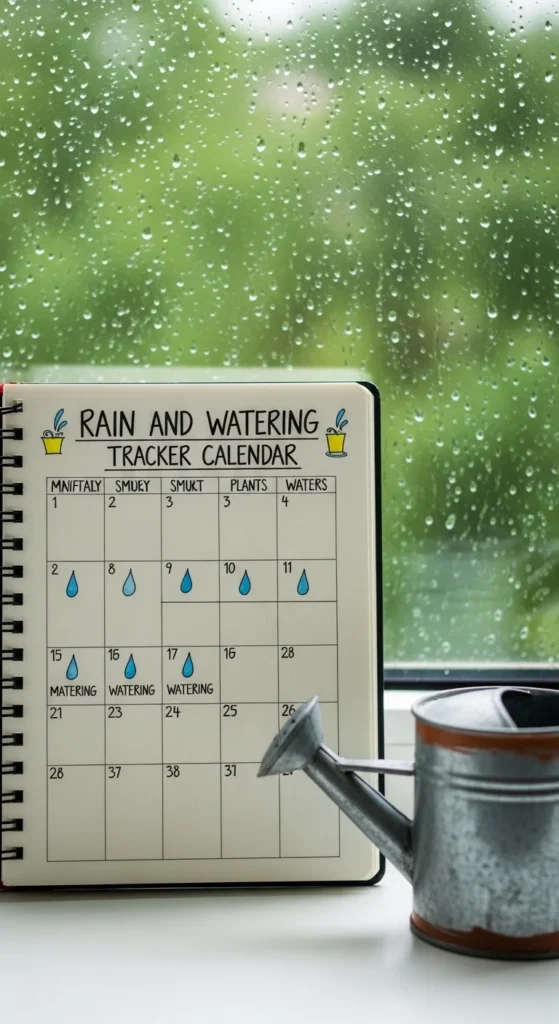
This calendar tracks rainfall and watering days.
Simple marks replace long notes.
You avoid overwatering by seeing patterns.
DIY option: tally marks in boxes.
This style works well in changing spring weather.
10. Container Garden Rotation Calendar
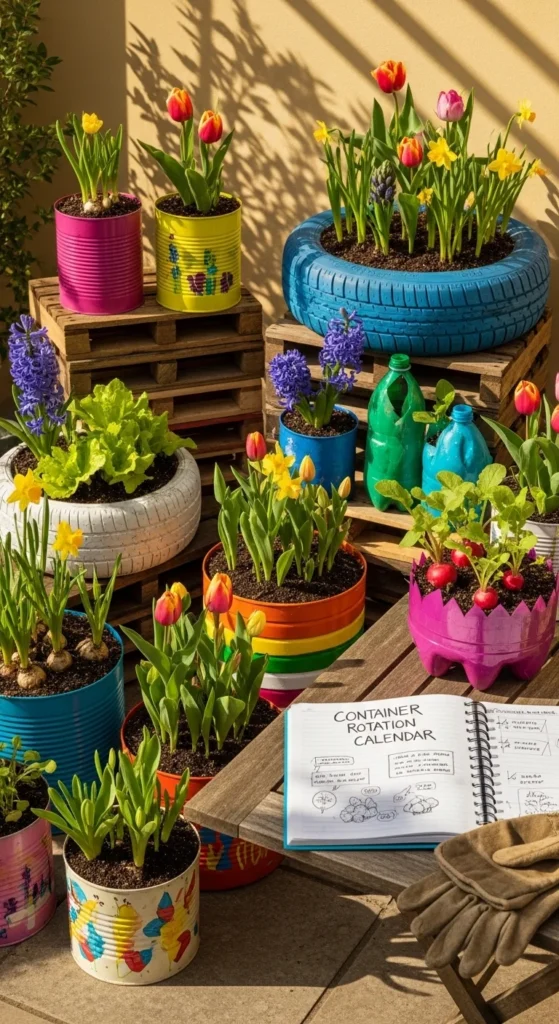
Container plants shift often.
A rotation calendar shows when to move or swap pots.
Short notes keep things clear.
This helps light balance and plant health.
Reuse notebook pages for low cost.
11. Spring Cleanup Planning Calendar
Cleanup tasks pile up fast.
A calendar spreads them out.
One task per day keeps effort light.
DIY tip: tear-off pages after each task.
This reduces overwhelm.
12. Compost Turn Schedule Calendar
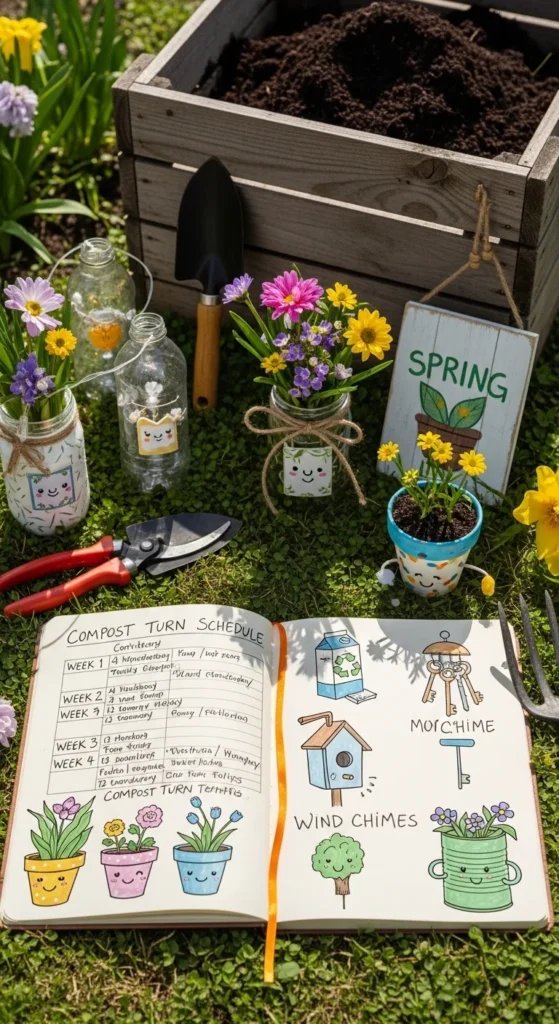
Compost works best with regular turning.
A calendar sets gentle reminders.
Mark dates with circles.
Low-cost and quick to update.
13. Plant Spacing Reference Calendar
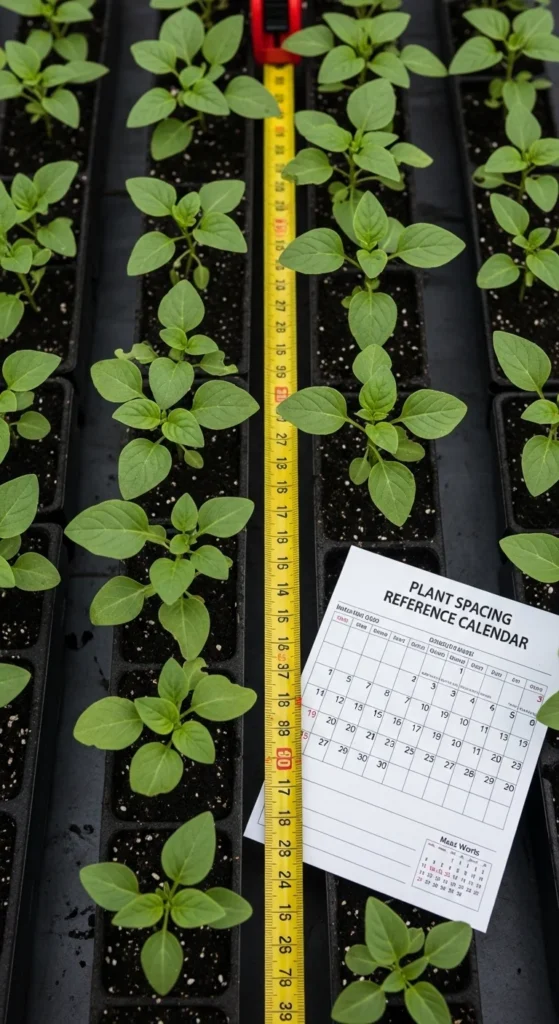
This calendar pairs spacing notes with planting dates.
You avoid crowding later.
Draw simple diagrams.
Reuse last year’s notes to save time.
14. Tool Maintenance Reminder Calendar
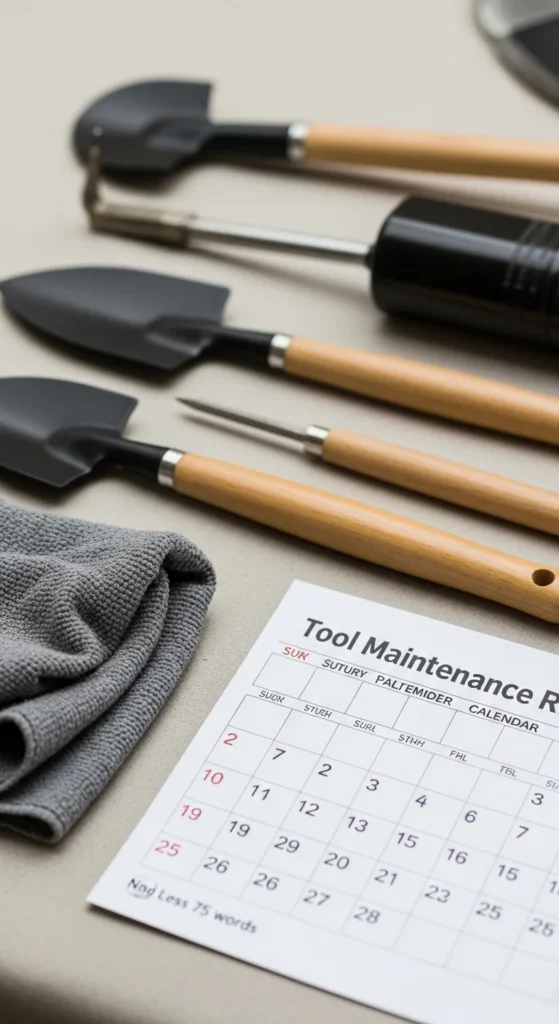
Tools last longer with care.
A reminder calendar lists quick checks.
Clean. Sharpen. Store.
Simple tasks prevent replacement costs.
15. Herb Garden Harvest Calendar
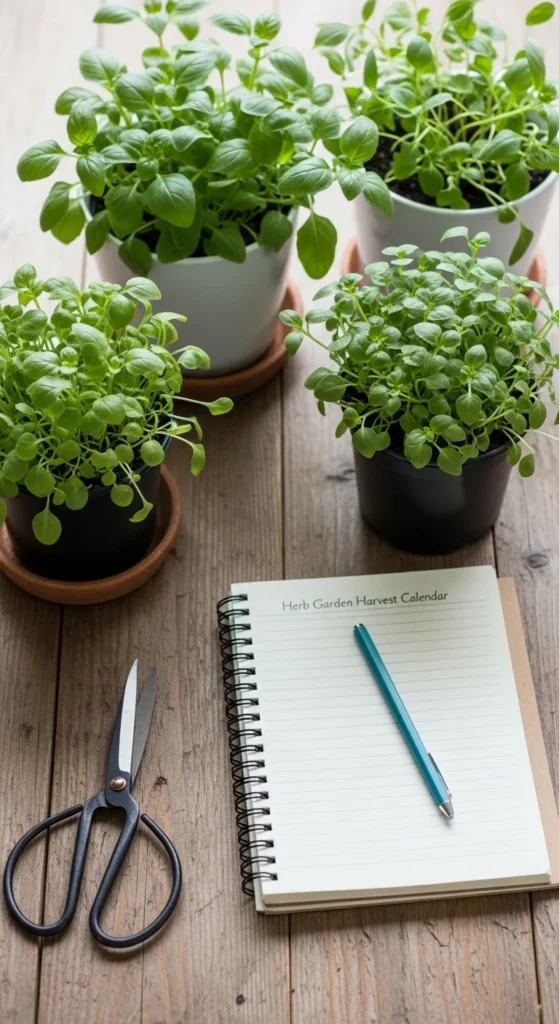
This calendar tracks cutting days.
Regular harvest keeps plants growing.
Short notes work best.
Great for windowsill gardens.
16. Soil Prep Timing Calendar
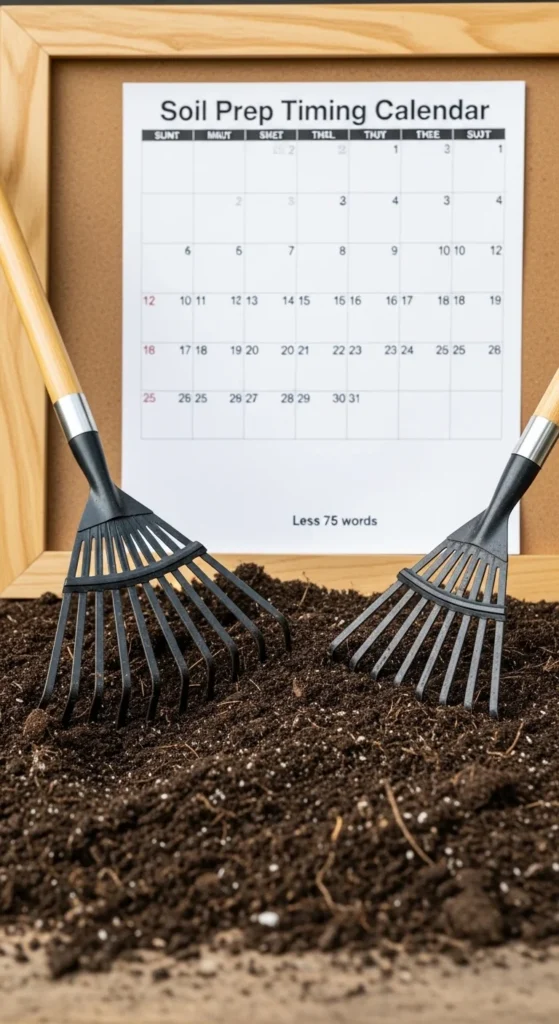
Soil prep sets the tone for the season.
This calendar spaces tasks out.
Add compost one week. Rake another.
No rush. No strain.
17. Pest Check Observation Calendar
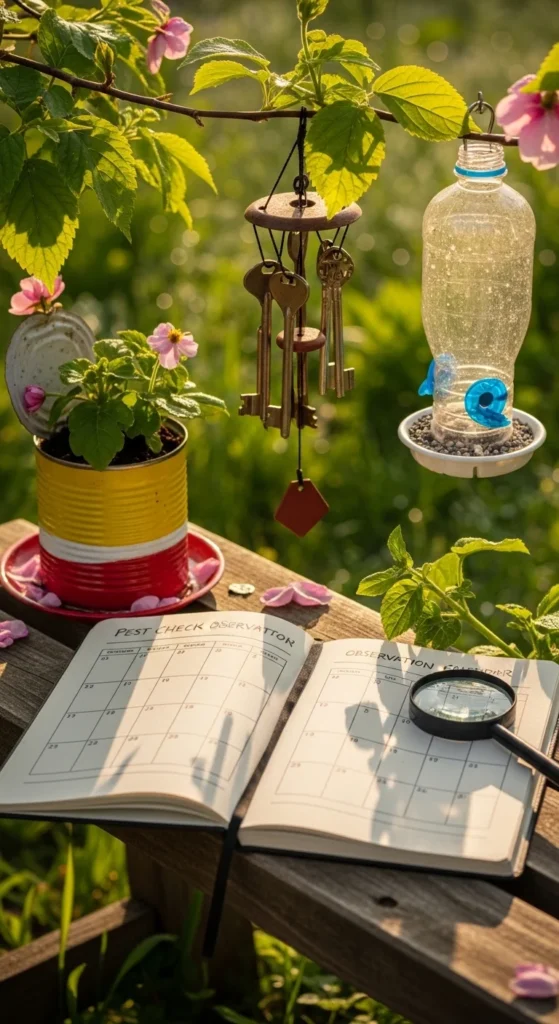
Early checks reduce damage later.
A calendar marks observation days.
Short walks replace heavy treatments.
Free and simple.
18. Succession Planting Calendar
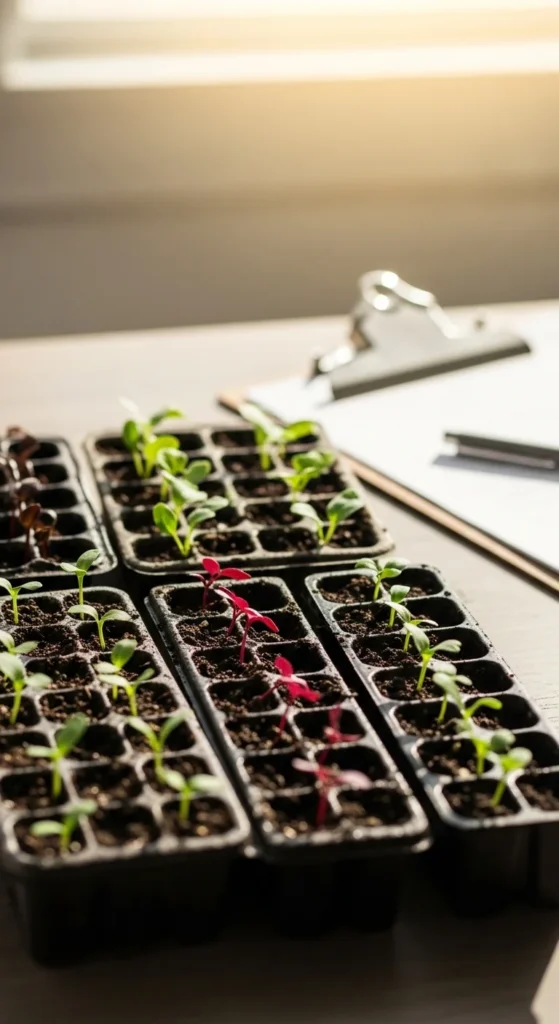
Succession planting spreads harvest.
This calendar shows repeat sow dates.
One glance keeps timing right.
Works well for greens.
19. Garden Journal Calendar Hybrid
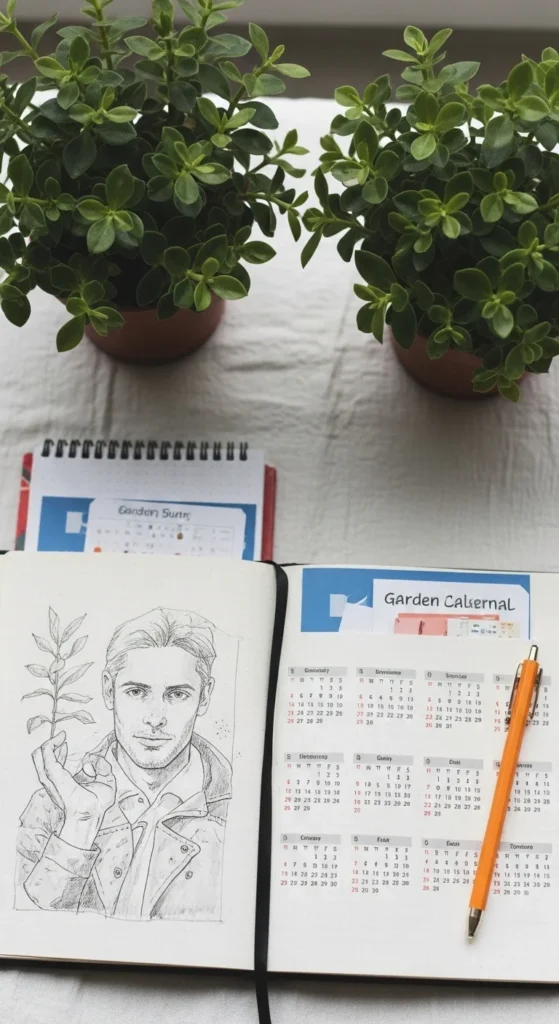
This mix supports planning and notes.
Calendar pages lead. Journal pages follow.
Use any notebook on hand.
Flexible and personal.
20. Spring Harvest Expectation Calendar
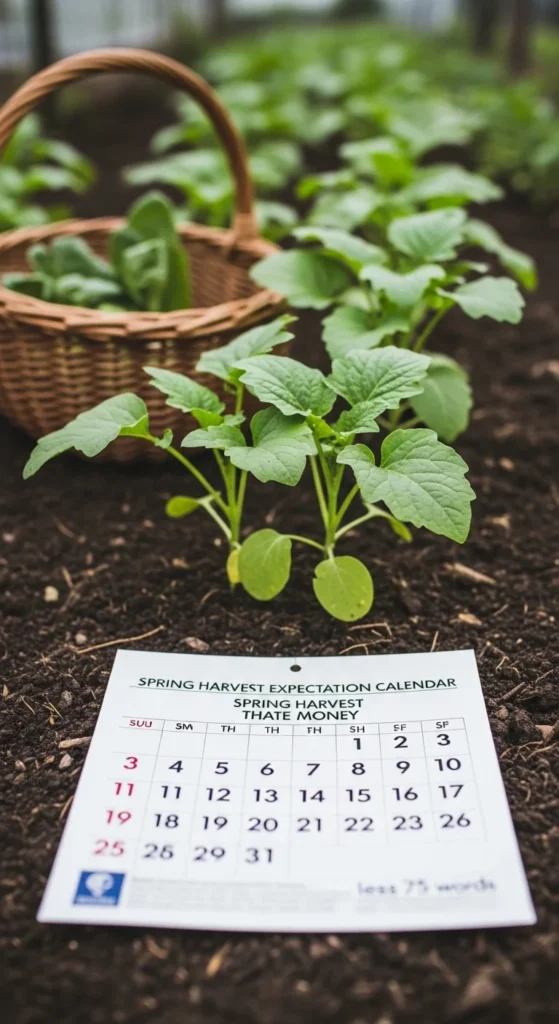
This calendar shows when harvest begins.
It builds patience.
Simple date ranges help planning meals.
Low effort and motivating.
21. Community Garden Plot Calendar
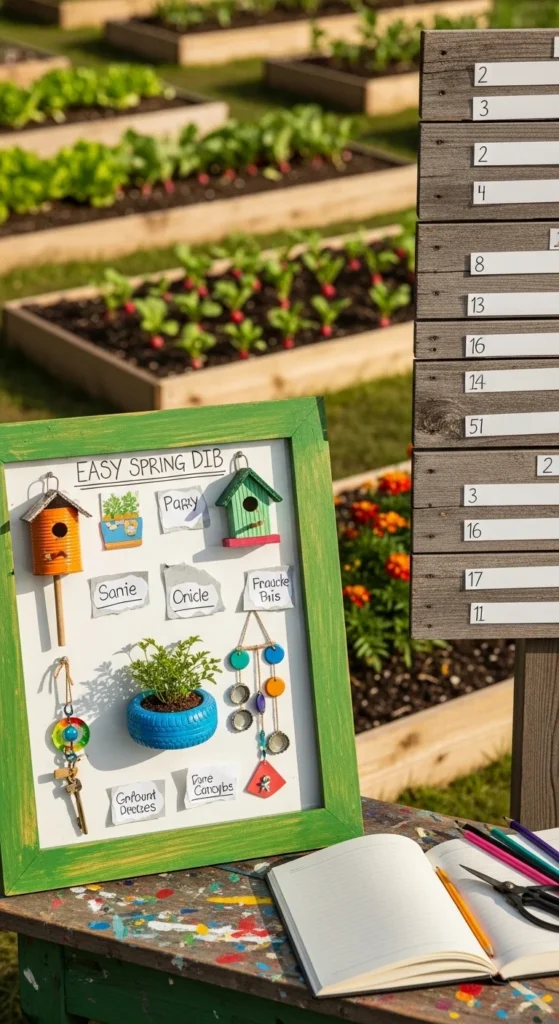
Shared spaces work better with shared plans.
This calendar tracks workdays and plantings.
Paper copies keep everyone aligned.
Low-cost and cooperative.
22. Simple One-Page Spring Overview Calendar
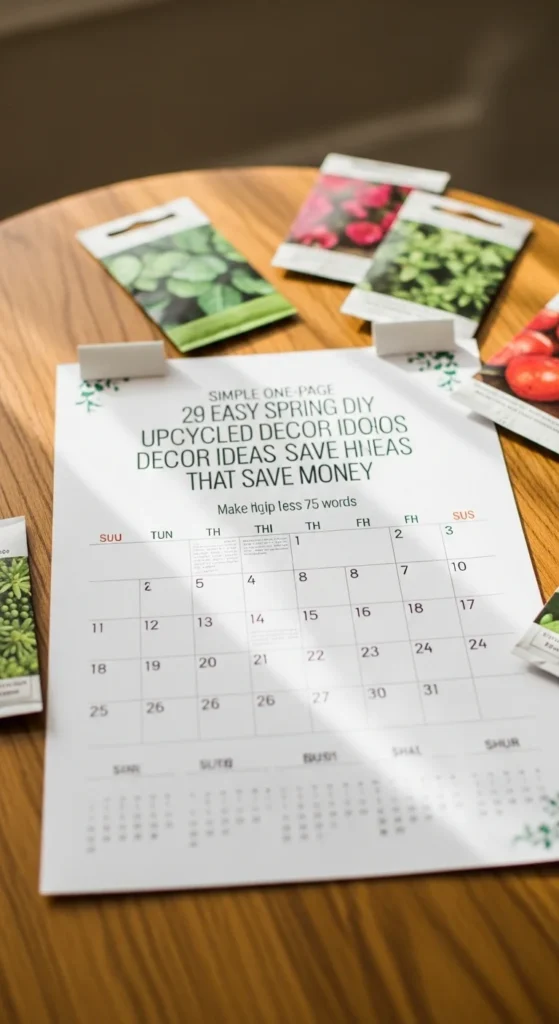
This calendar gives the full picture.
One page shows planting, care, and harvest windows.
No flipping pages.
Ideal for busy schedules.
Print once. Reuse yearly.
Conclusion
Spring garden planning calendars turn scattered ideas into steady progress. Each style in this list supports clear timing, lighter workloads, and better follow-through. You do not need special tools or costly supplies. Paper, pencil, and a few minutes each week go a long way. Pick one calendar style that fits your space and routine. Start small. Stay consistent. The garden responds to steady care more than big plans.

Leave a Reply