

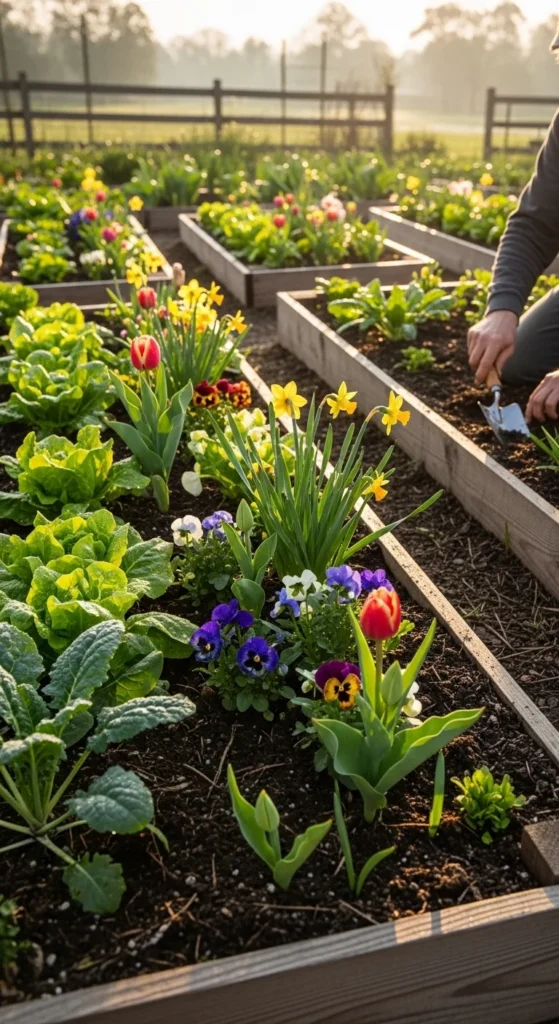
Spring is the perfect time to give your garden a head start. Small changes now can lead to bigger harvests later. From planting tricks to soil tweaks, there are plenty of ways to make your garden more productive without spending a fortune. These tips focus on practical, easy-to-do actions that save time and money while helping plants thrive. Whether you’re a beginner or an experienced gardener, these strategies can transform your spring garden into a lush, productive space.
1. Start Seeds Indoors
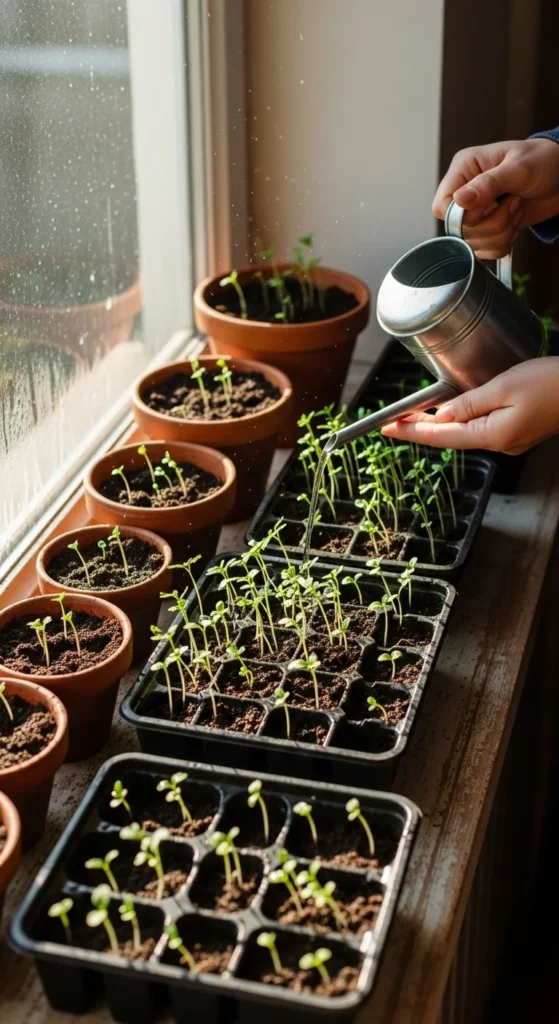
Starting seeds indoors gives plants a head start before the outdoor growing season. Use small containers or recycled yogurt cups filled with seed-starting mix. Place them on a sunny windowsill or under a simple DIY light. Water lightly and keep soil moist. Label each pot to remember varieties. This approach saves money and increases your garden’s overall yield by giving plants extra growing time.
2. Rotate Crops Each Year
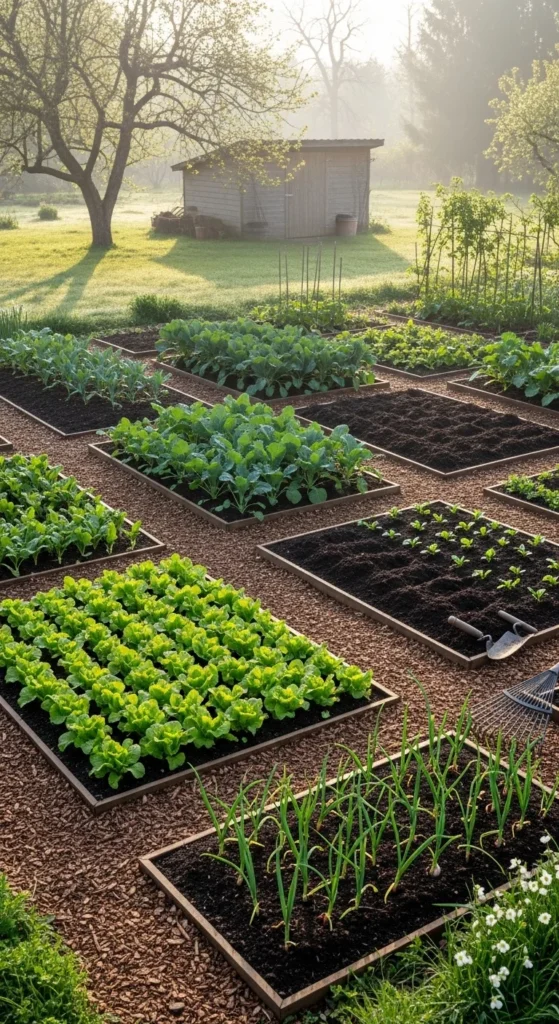
Rotating crops reduces soil-borne diseases and balances nutrient use. Avoid planting the same type of plant in the same spot each year. For example, move tomatoes to where beans grew last season. Keep a simple rotation plan written down. Over time, your soil stays healthier, and plants grow stronger, producing more without extra fertilizer.
3. Use Raised Beds
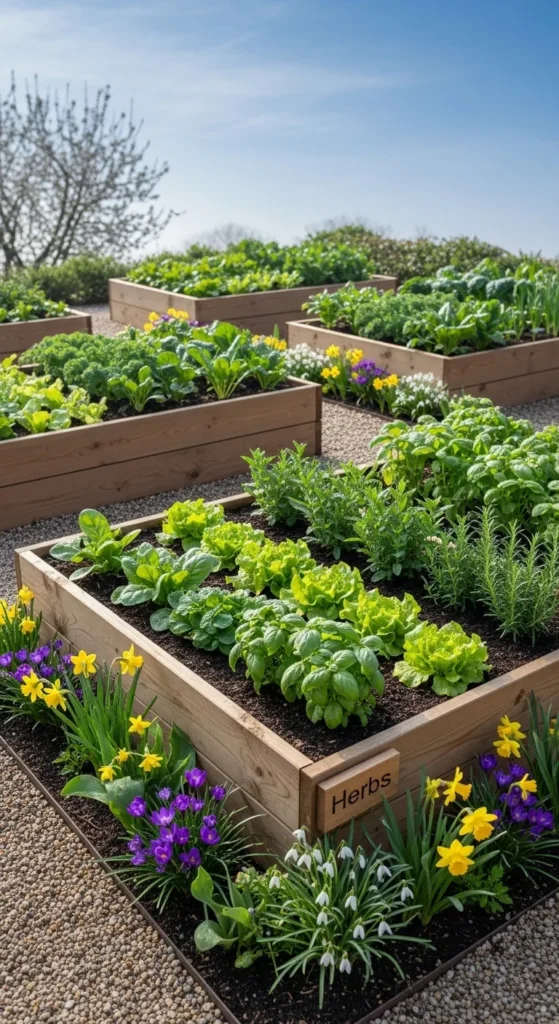
Raised beds improve drainage, warm soil faster, and prevent compaction. You can make simple DIY beds with scrap wood or inexpensive lumber. Fill with a mix of compost, garden soil, and sand for better root growth. Plants in raised beds often produce bigger and healthier yields because they have easier access to nutrients and water.
4. Mulch Generously
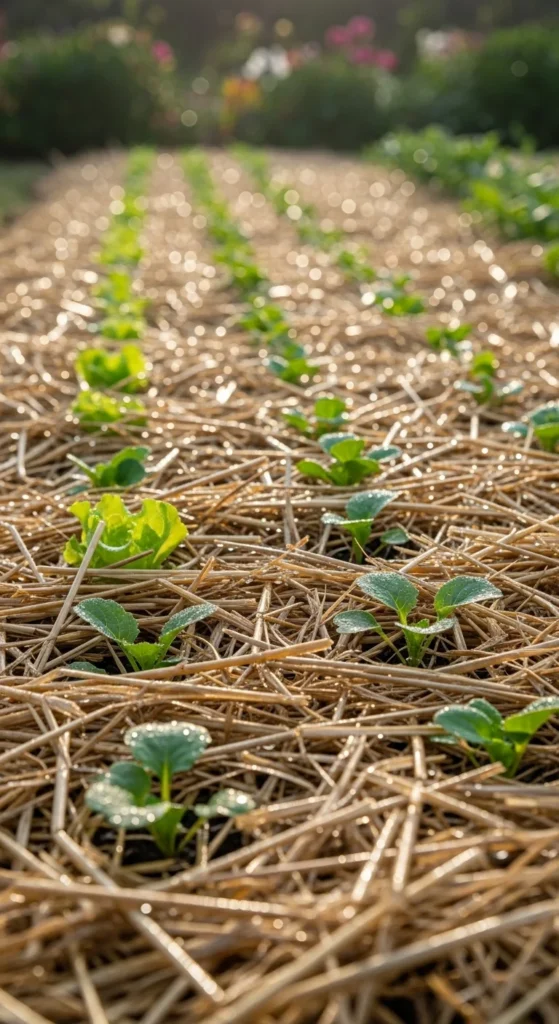
Mulching keeps soil moist, suppresses weeds, and improves soil quality as it breaks down. Use straw, shredded leaves, or grass clippings from your lawn. Keep mulch a few inches from plant stems to prevent rot. Mulching saves water and reduces the need for frequent weeding, letting your vegetables and flowers flourish with less effort.
5. Water Early in the Day
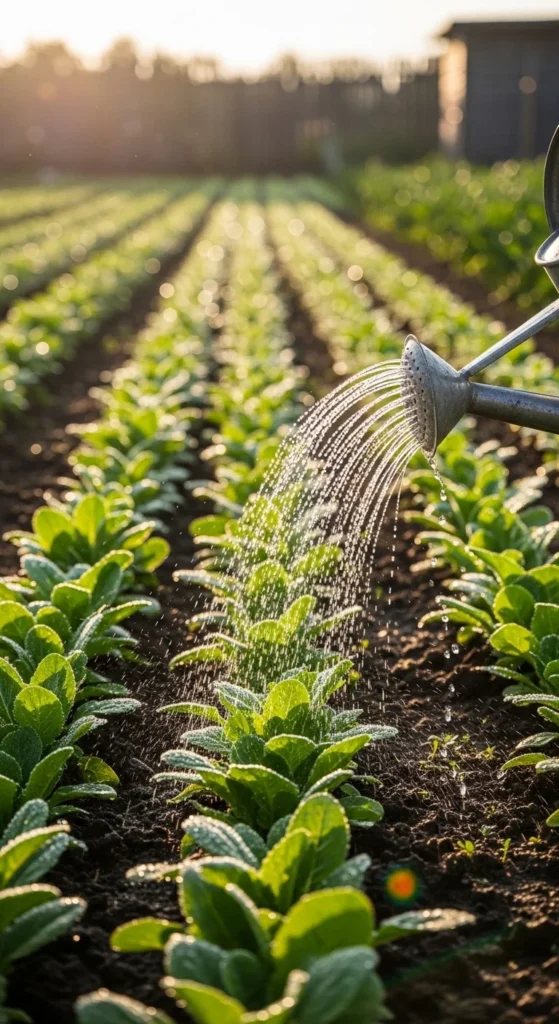
Watering early prevents evaporation and allows plants to dry before evening, reducing disease. Use a watering can, hose with a gentle spray, or simple drip irrigation. Stick to the base of plants, not leaves. Consistent morning watering encourages strong roots and healthier growth, especially during the spring heat.
6. Companion Planting
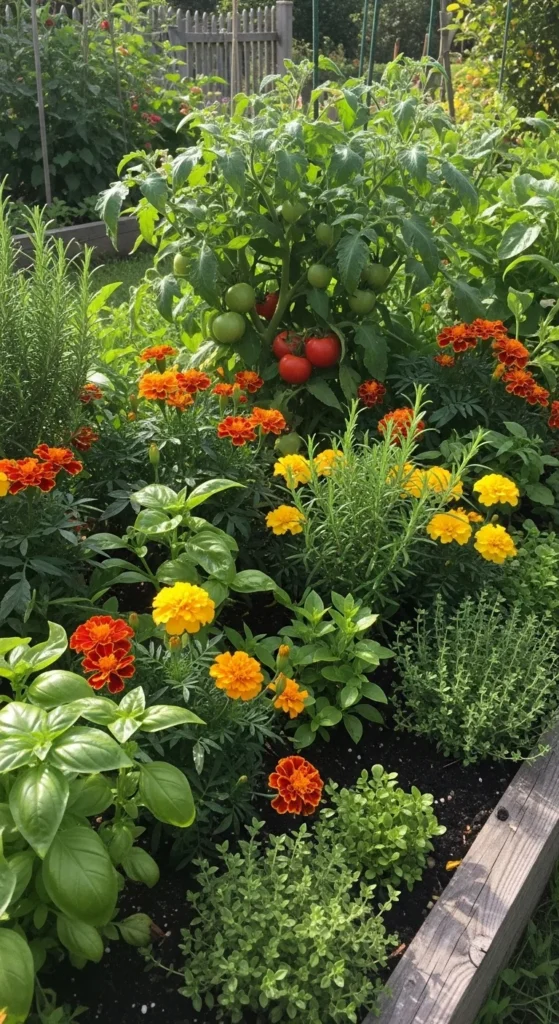
Planting certain crops together can naturally deter pests and improve growth. For example, marigolds repel insects, while basil improves tomato flavor. Beans add nitrogen to the soil, helping leafy greens. Companion planting is an inexpensive, eco-friendly way to protect plants and increase yields without chemicals.
7. Fertilize with Compost
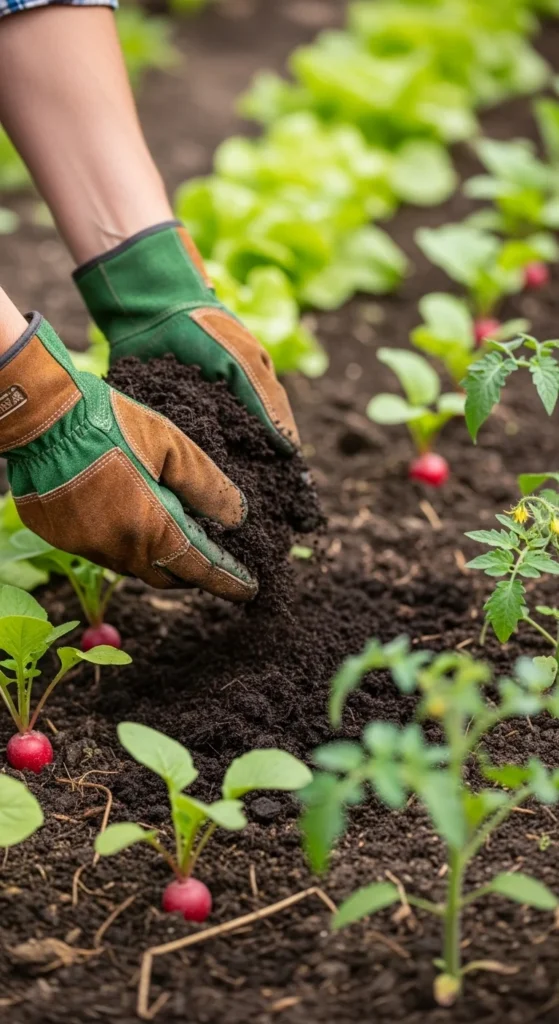
Adding compost enriches soil, improves texture, and feeds plants naturally. DIY compost can come from kitchen scraps, garden waste, and shredded paper. Spread a layer around plants or mix into beds. Compost helps vegetables grow stronger and more productive, all while cutting down on store-bought fertilizers.
8. Thin Seedlings
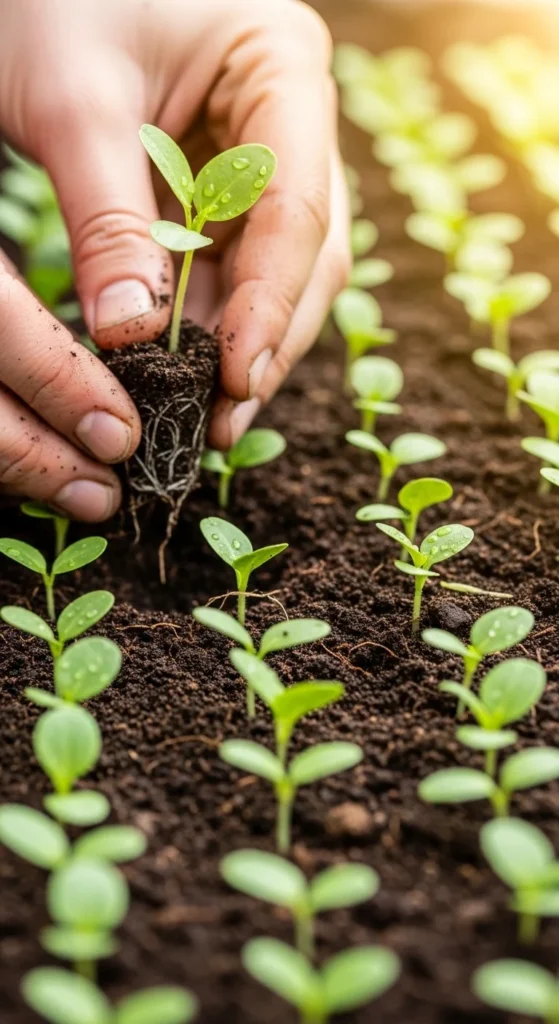
Thinning allows stronger seedlings room to grow. Once sprouts have a few leaves, remove weaker ones by pinching them at the soil line. This simple step reduces overcrowding, gives remaining plants better access to sunlight and nutrients, and ultimately improves harvest size.
9. Prune Strategically
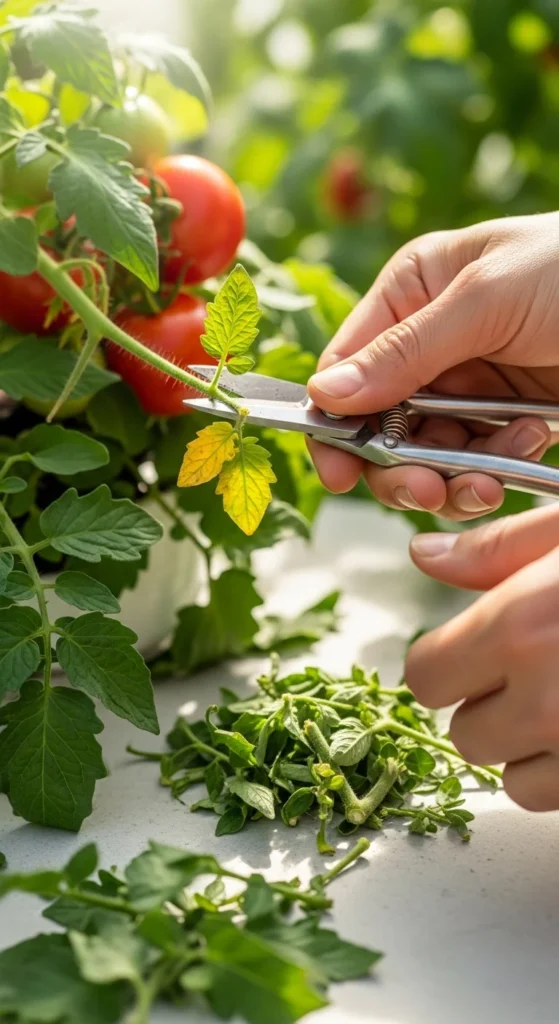
Pruning prevents overcrowding and encourages fruit production. Remove dead or excess leaves and stems. For tomatoes, pinch off suckers between main stems. Light pruning helps plants focus energy on producing vegetables and flowers rather than excess foliage, which increases overall yield.
10. Use Row Covers
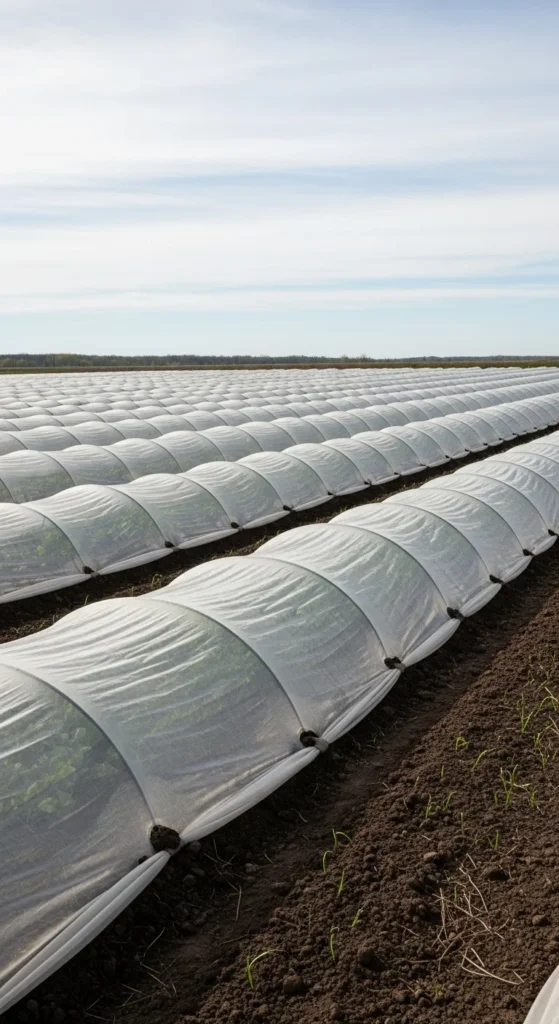
Row covers protect young plants from frost, pests, and wind. Lightweight fabric or mesh works well. Covers trap warmth and moisture, extending the growing season. Secure edges with rocks or stakes. This budget-friendly method keeps plants safe and ensures earlier, more robust harvests.
11. Plant Early Varieties
Choose seeds and plants suited for early spring. Lettuce, radishes, and peas mature quickly and handle cooler temperatures. Early varieties give you produce faster and allow for multiple planting rounds, effectively increasing overall yield without extra space.
12. Improve Soil pH
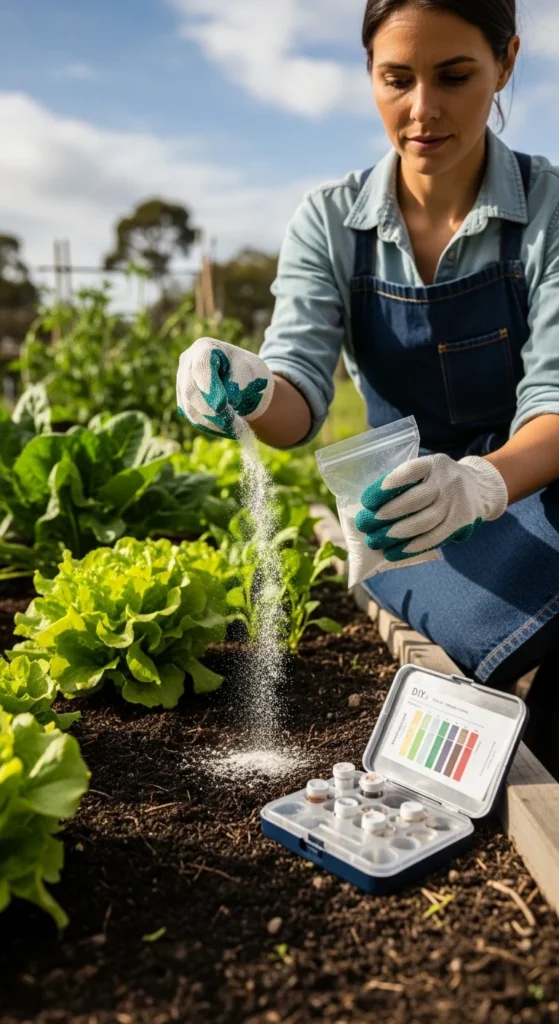
Healthy soil encourages strong growth. Simple kits measure pH at home. Add lime to raise pH or sulfur to lower it, depending on the plant. Balanced soil helps plants absorb nutrients efficiently, making your spring garden more productive naturally.
13. Plant in Blocks
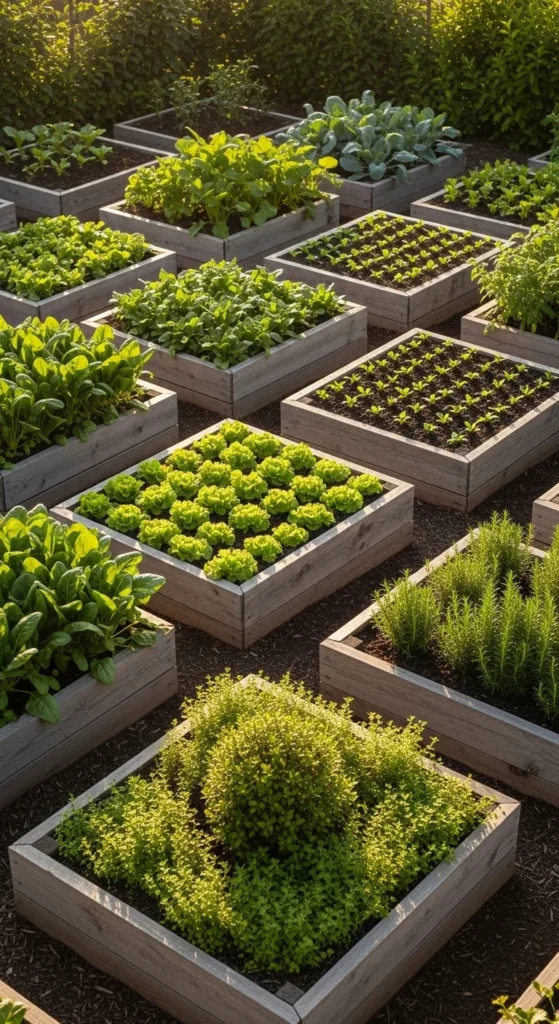
Planting in blocks instead of rows improves pollination. Close spacing makes flowers more visible to bees, which increases fruit and vegetable production. This small adjustment uses the same space but can significantly improve yield, especially for tomatoes, peppers, and beans.
14. Use Vertical Space
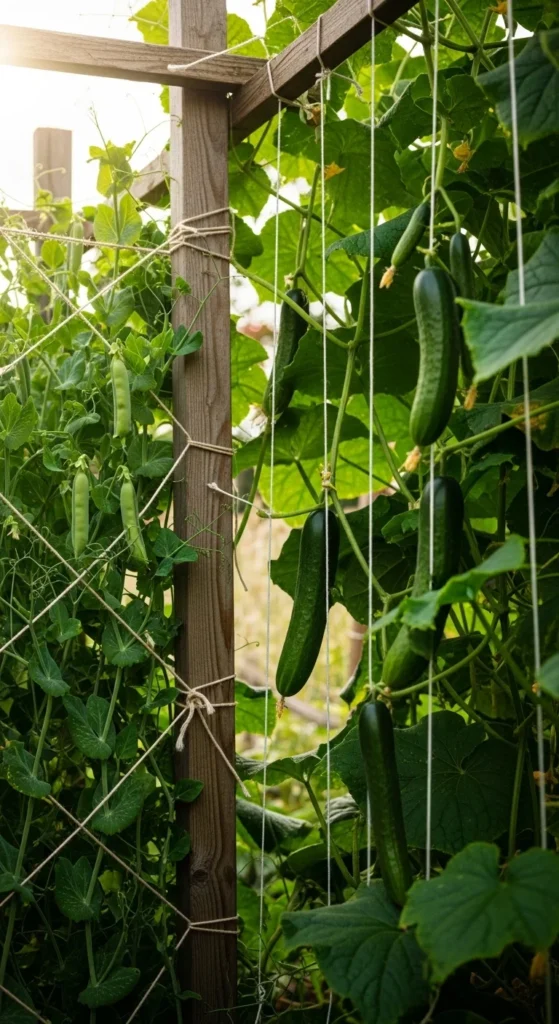
Vining crops can grow upward instead of outward. Use trellises, stakes, or strings for support. Vertical gardening saves space, reduces disease risk, and improves airflow. Plants like cucumbers, beans, and peas thrive this way and produce more than if allowed to sprawl on the ground.
15. Keep Tools Clean
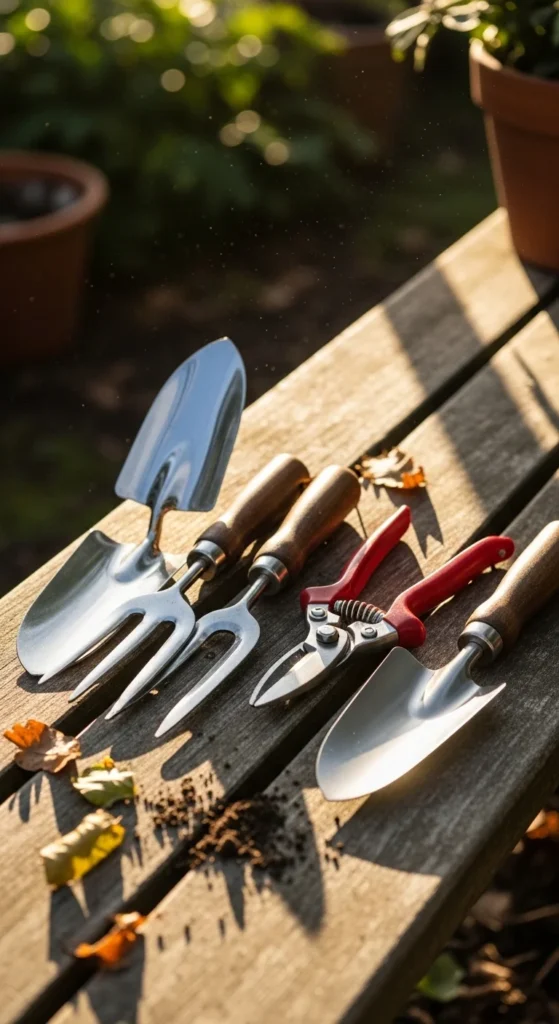
Dirty tools spread disease. Clean and disinfect after use to prevent plant infections. Wipe tools with alcohol or a mild bleach solution. Healthy plants mean stronger growth and higher yields, making this a small step with a big impact.
16. Harvest Regularly
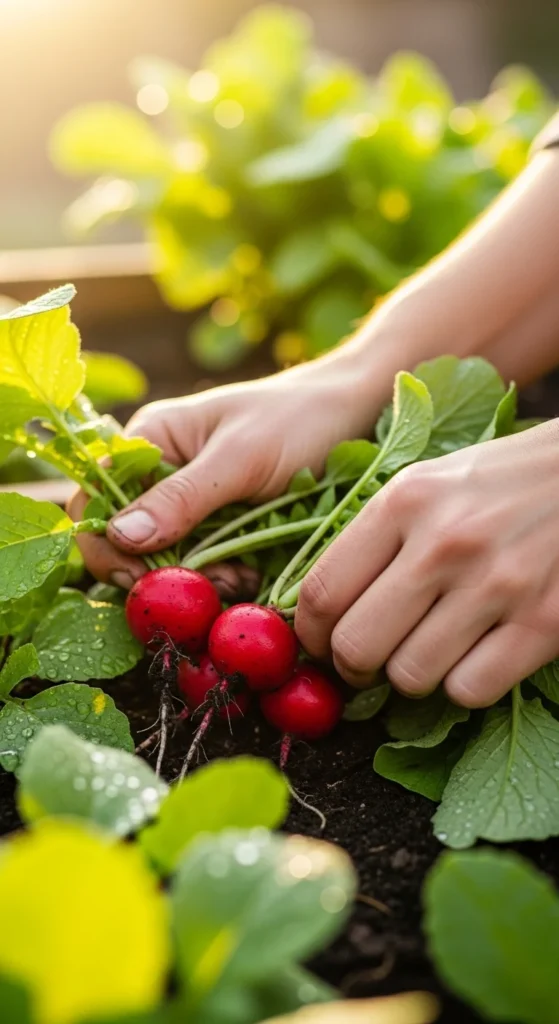
Pick vegetables as soon as they’re ready. Regular harvesting encourages plants to produce more. Avoid leaving ripe produce on the plant for too long. Quick, frequent harvesting keeps plants in peak production and reduces waste.
17. Add Beneficial Insects
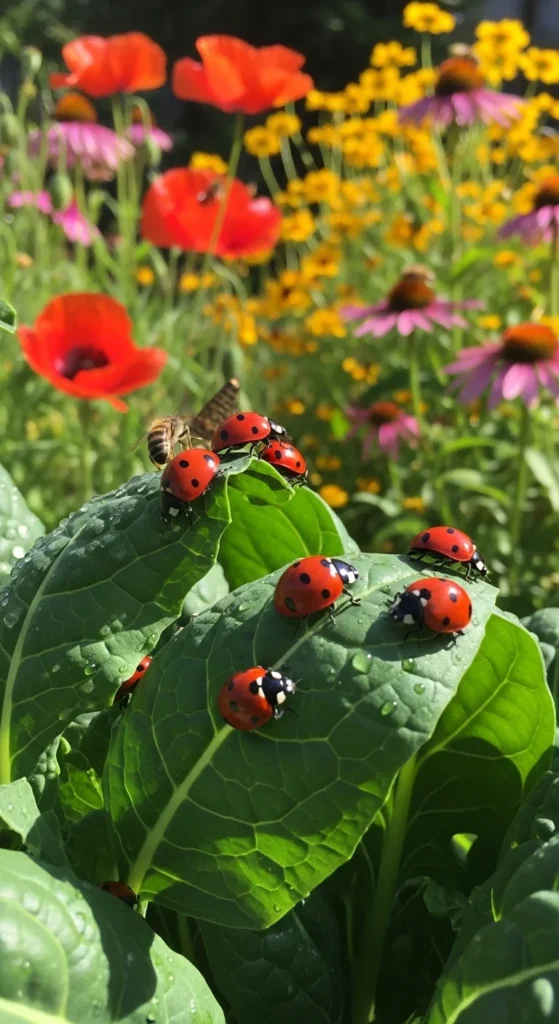
Introduce insects like ladybugs or lacewings that prey on garden pests. They reduce the need for chemical sprays and protect plants naturally. You can buy them inexpensively or attract them with flowers. A balanced ecosystem improves plant health and increases harvest size.
18. Use DIY Fertilizer Tea
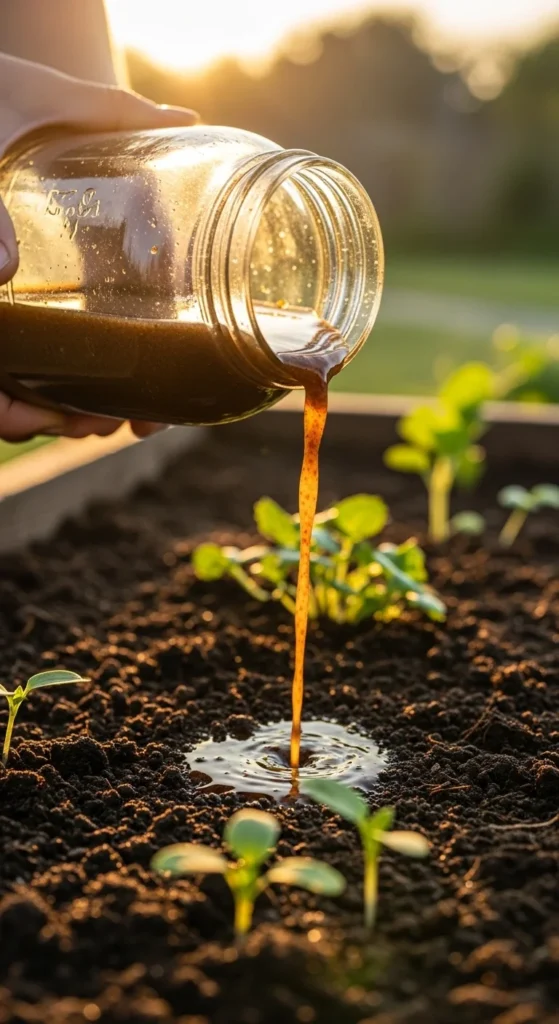
Make a simple fertilizer tea using compost, water, and kitchen scraps. Soak for a few days, then water plants with it. This gives plants an easy nutrient boost without spending on commercial products. It’s cheap, eco-friendly, and keeps your soil rich.
19. Control Weeds Early
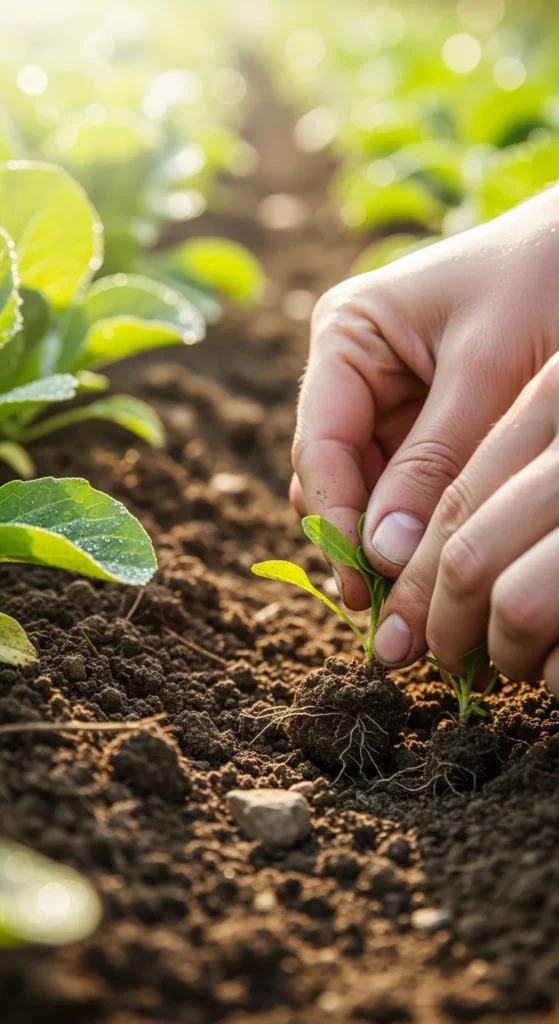
Weeds compete with crops for nutrients and water. Remove them as soon as they appear. Use mulch or newspaper under soil to suppress growth. A little effort now saves time later and ensures that your vegetables have the space and resources to thrive.
20. Space Plants Properly
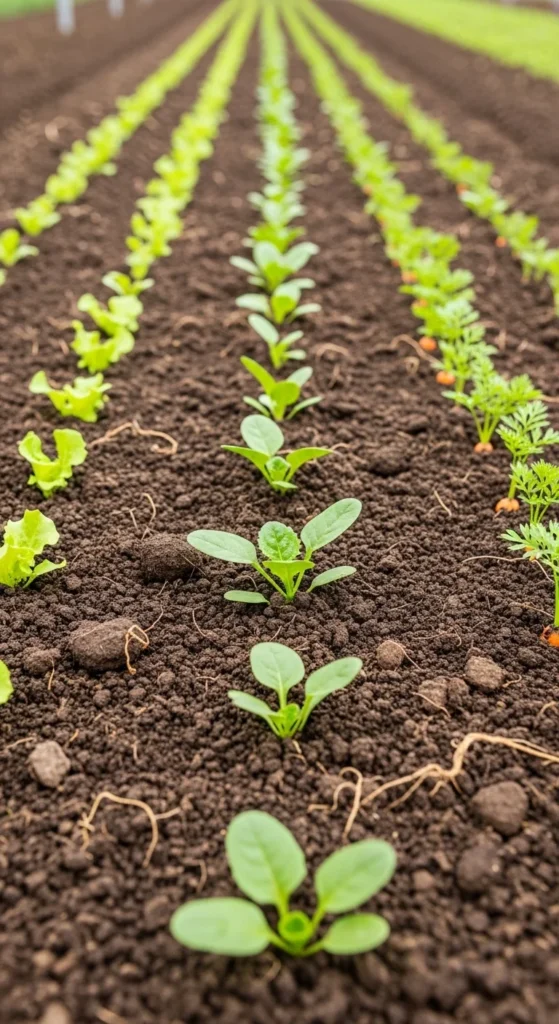
Give each plant the right amount of space. Crowding limits sunlight and airflow, which reduces yield and encourages disease. Check seed packet spacing recommendations. Well-spaced plants grow stronger and produce larger harvests without extra inputs.
21. Protect from Late Frosts
Late frosts can damage young plants. Cover with cloches, old jars, or blankets during chilly nights. Removing covers in the morning lets plants enjoy sunlight. This simple protection prevents loss of early spring crops.
22. Collect Rainwater
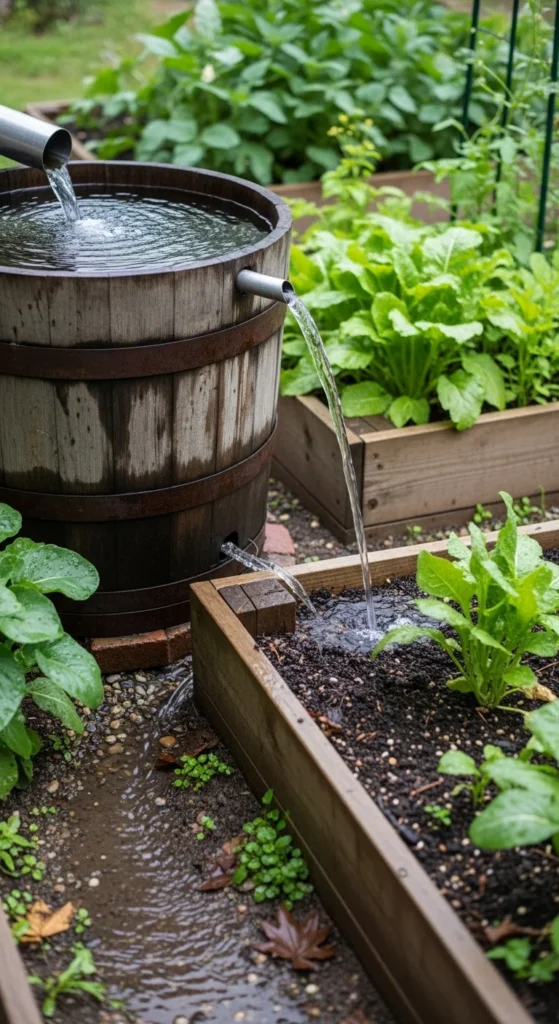
Capture rain in barrels to water your garden. Rainwater is free and gentle on plants. Use a bucket or large container if you don’t have a barrel. It reduces water bills and ensures your garden stays hydrated sustainably.
23. Interplant Herbs
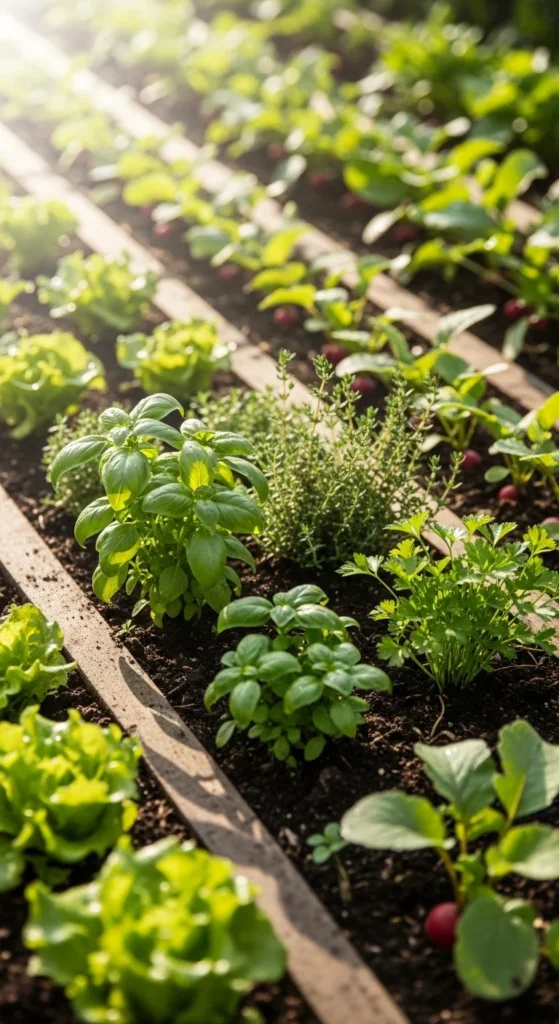
Plant herbs among vegetables. They repel pests and attract beneficial insects. Herbs like basil, mint, and dill are inexpensive, easy to grow, and help other plants stay healthy while filling small gaps in your garden.
24. Use Row Markers
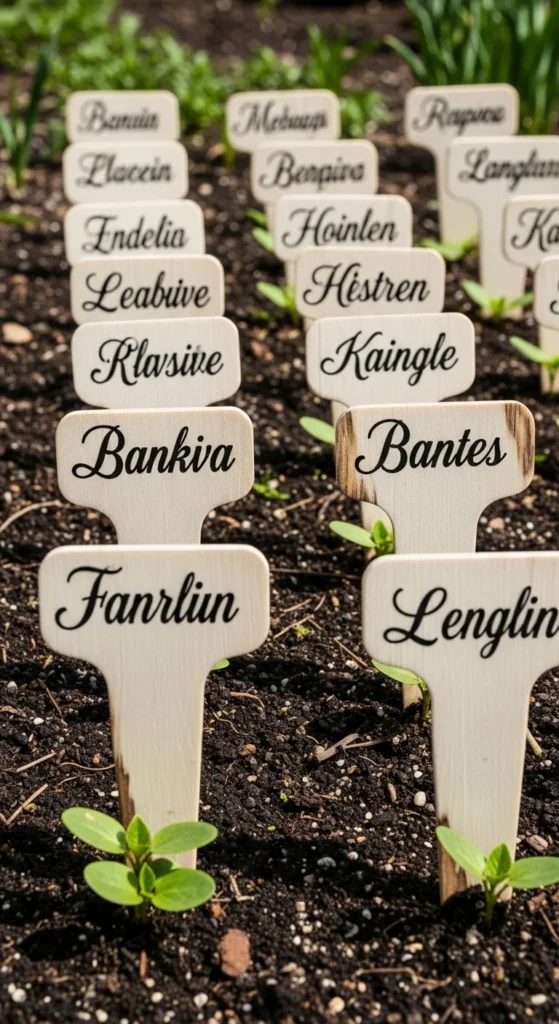
Mark your rows with stakes or sticks. Knowing where each plant is helps with watering, fertilizing, and harvesting. Simple DIY markers save time and reduce mistakes, keeping your garden organized and productive.
25. Keep a Garden Journal
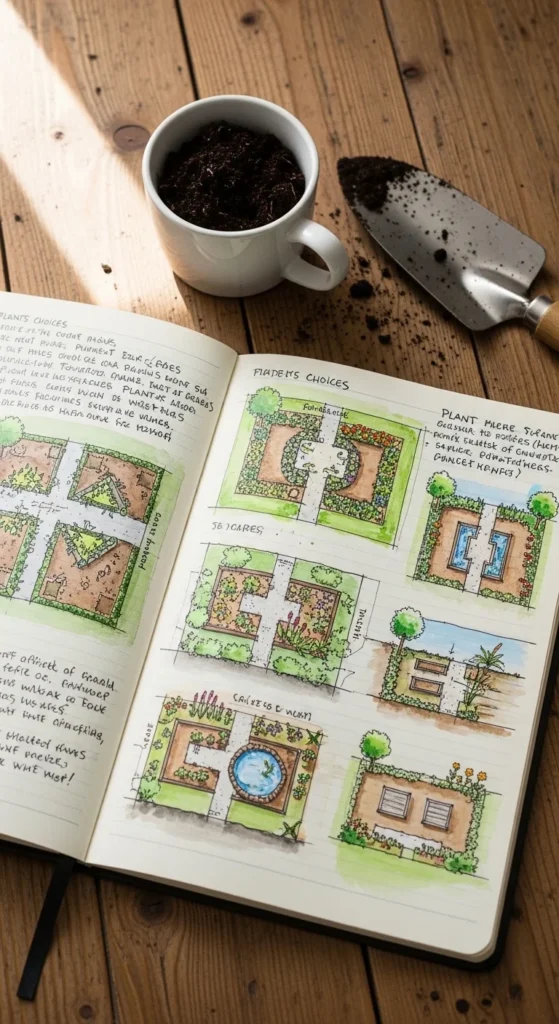
Track planting dates, harvest times, and successes. A garden journal helps identify patterns and make small improvements each year. Even brief notes improve planning and lead to higher yields over time.
26. Fertilize in Stages
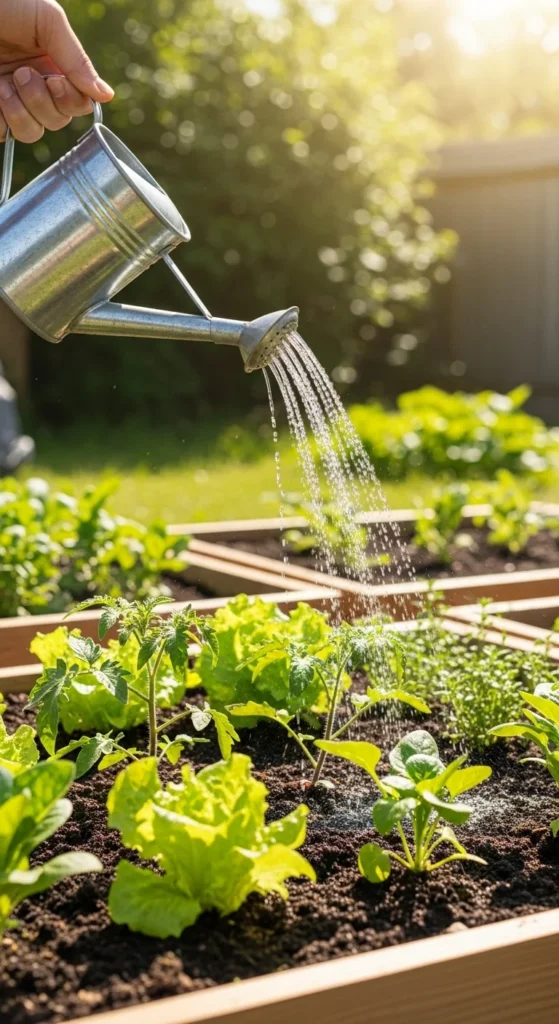
Instead of one big application, fertilize lightly several times during growth. Split doses reduce stress on plants and improve absorption. Use compost tea, diluted fish emulsion, or DIY options. Frequent, light feeding keeps vegetables thriving.
27. Keep Pests in Check Naturally
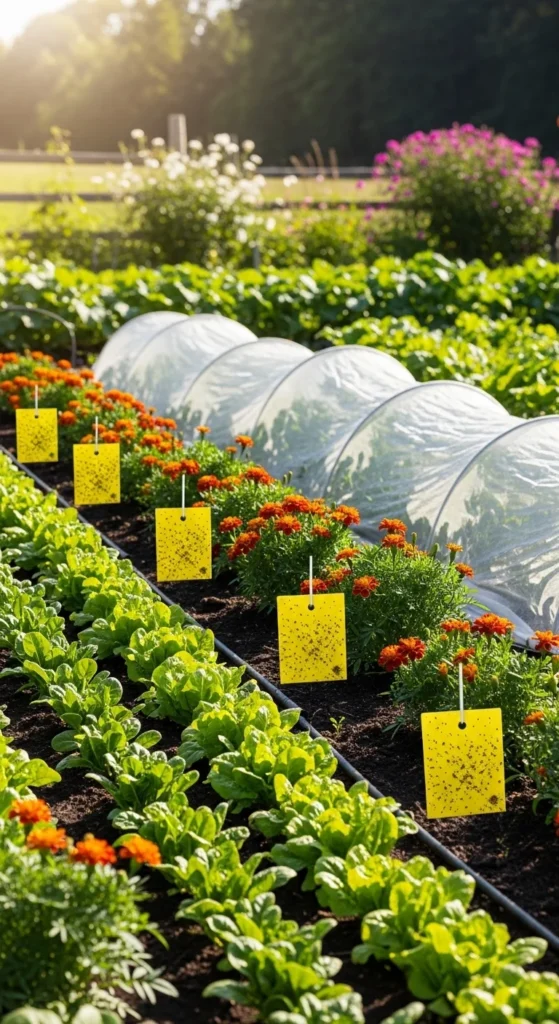
Use traps, barriers, and companion plants to manage pests. Avoid harsh chemicals. Simple measures like sticky traps, netting, or planting pest-repellent flowers protect plants. Healthy, pest-free plants yield more, ensuring your spring garden flourishes.
Conclusion
These 27 practical spring garden tips make it easy to grow more with less effort. From simple soil improvements to clever planting techniques, each action helps plants thrive without costing a fortune. Try a few tips today, and watch your garden reward you with larger, healthier harvests all season long. Small changes lead to visible results, and a productive spring garden is just around the corne

Leave a Reply