

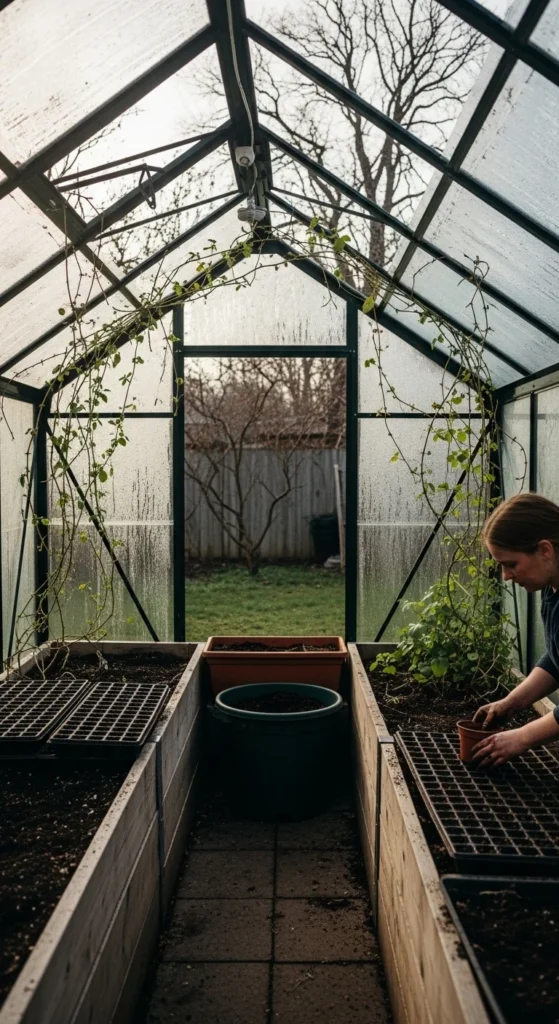
Spring greenhouse gardening is all about timing, warmth, and smart habits that stretch your growing window without draining your wallet. Many gardeners want earlier harvests, steadier growth, and fewer weather surprises. A simple greenhouse can help with all three when used with intention. Small actions matter. Tiny adjustments add up. These tips focus on affordable ideas, everyday materials, and routines that fit real homes. You do not need fancy gear. You just need a plan that works with spring conditions and shifting temperatures.
Check Temperature Every Morning and Evening
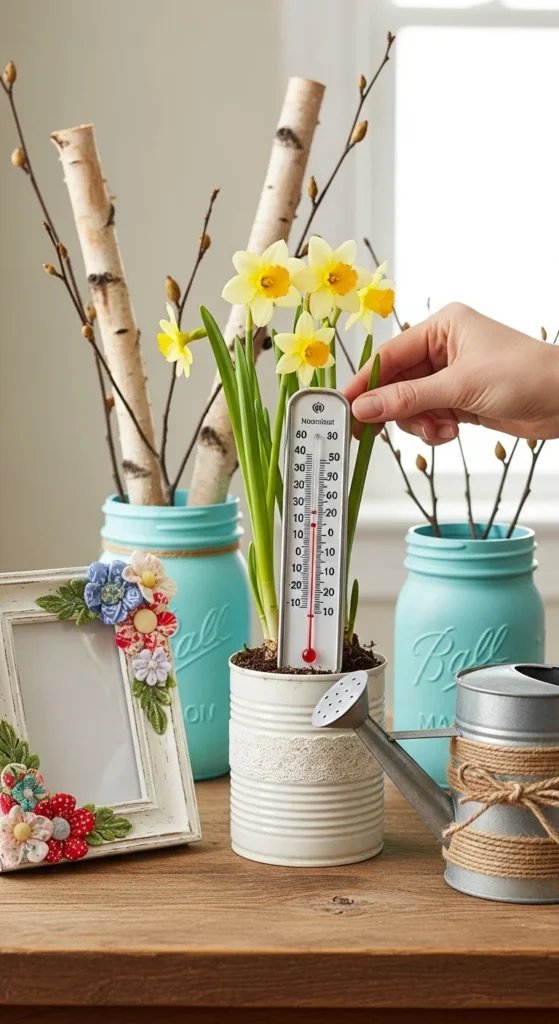
Spring weather changes fast. A warm afternoon can hide a cold night. Checking the temperature twice a day helps you stay ahead of plant stress. Use a simple thermometer. Clip it at plant height. Morning readings show overnight lows. Evening checks hint at what the night may bring.
Write numbers on paper. Patterns appear quickly. You learn when to vent or cover. This habit costs almost nothing. Many basic thermometers last for years.
If nights drop low, cover trays with old bedsheets or towels. Remove them early. Trapped heat helps seedlings rest. On warm days, open doors or windows for airflow.
Avoid guessing. Guessing leads to leggy plants or stalled growth. Consistent checks guide better timing for watering and feeding too.
This small routine builds confidence. You respond instead of reacting. Over time, you rely less on tools and more on observation. That skill stretches your season without extra spending.
Start Seeds Earlier Than Outdoor Dates
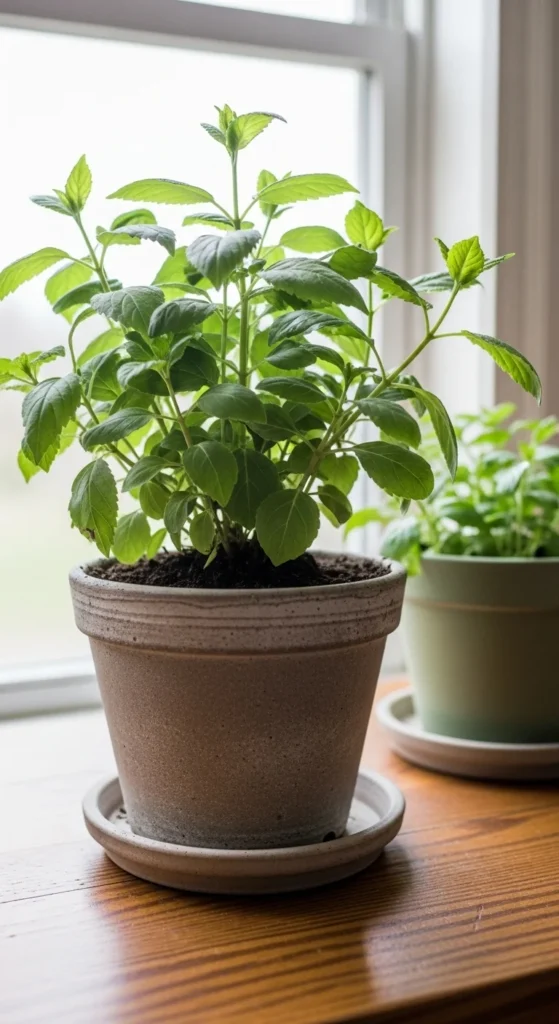
A greenhouse lets you plant weeks ahead. Use that window wisely. Check seed packets for outdoor dates. Move that schedule forward inside the greenhouse.
Use recycled containers. Yogurt cups work well. Poke drainage holes with a nail. Fill with basic potting soil. Keep soil damp, not soaked.
Place trays where light hits early. Rotate them every few days. This prevents leaning stems. Thin seedlings early. Crowded plants compete and slow each other down.
If space feels tight, stagger starts. Sow small batches every week. This spreads risk and harvest times.
Early starts mean stronger transplants later. Plants adjust better when moved outside. You gain time without adding cost. That head start often means earlier harvests and longer picking windows.
Add Thermal Mass With Water Containers
Thermal mass sounds complex. It is not. It means storing heat during the day and releasing it at night. Water does this well.
Place dark-colored jugs or barrels along greenhouse walls. Sunlight warms them. At night, they release that warmth slowly.
Reuse old milk jugs or soda bottles. Paint them black if clear. Fill with water. Seal tightly. Line them behind plants or under benches.
This trick smooths temperature swings. Seedlings rest better. Soil stays warmer. You rely less on heaters.
It costs almost nothing. The payoff shows on cold nights. Even a few containers help. Add more over time as space allows.
Vent Early on Bright Spring Days
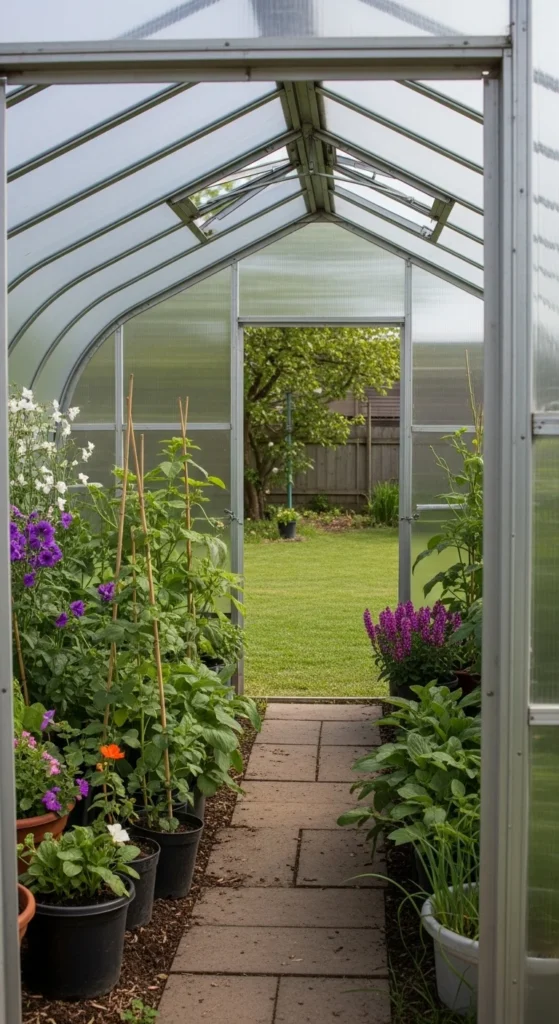
Spring sun heats greenhouses quickly. Even cool air outside can hide rising heat inside. Venting prevents stress and scorched leaves.
Open doors or roof vents mid-morning. Do it sooner than you think. Heat builds fast behind glass.
Close vents before evening. This traps daytime warmth. Set phone reminders if needed.
If vents are manual, a stick or hook helps hold doors open. No upgrades required.
Good airflow reduces mold too. Plants stay dry. Leaves strengthen with gentle movement.
This habit protects growth and stretches planting windows. It costs nothing but attention.
Layer Row Covers for Extra Protection
A greenhouse inside a greenhouse works. Lightweight row covers add another buffer on cold nights.
Drape fabric loosely over hoops or sticks. Leave room for air. Remove covers during warm days.
Old curtains or sheets work in a pinch. Avoid heavy fabrics that block light.
This layer keeps heat close to plants. It also guards against surprise cold snaps.
Row covers extend planting dates with minimal effort. They store easily when not in use.
Water Plants Early in the Day
Morning watering fits spring conditions best. Soil absorbs moisture before temperatures rise.
Wet leaves dry faster. This reduces disease risk. Roots drink before afternoon warmth.
Use room-temperature water. Cold water shocks seedlings. Fill cans the night before.
Check soil with a finger. Water only when needed. Overwatering slows growth.
This simple timing change supports steady development and saves water.
Group Plants by Temperature Comfort
Not all plants like the same warmth. Grouping helps you manage space better.
Place heat-loving crops together. Keep cooler crops near doors or vents.
This setup lets you vent without harming sensitive seedlings. It also makes covering easier at night.
Labels help. Simple popsicle sticks work fine.
Smart grouping reduces stress and stretches planting windows.
Build Simple Raised Beds Inside
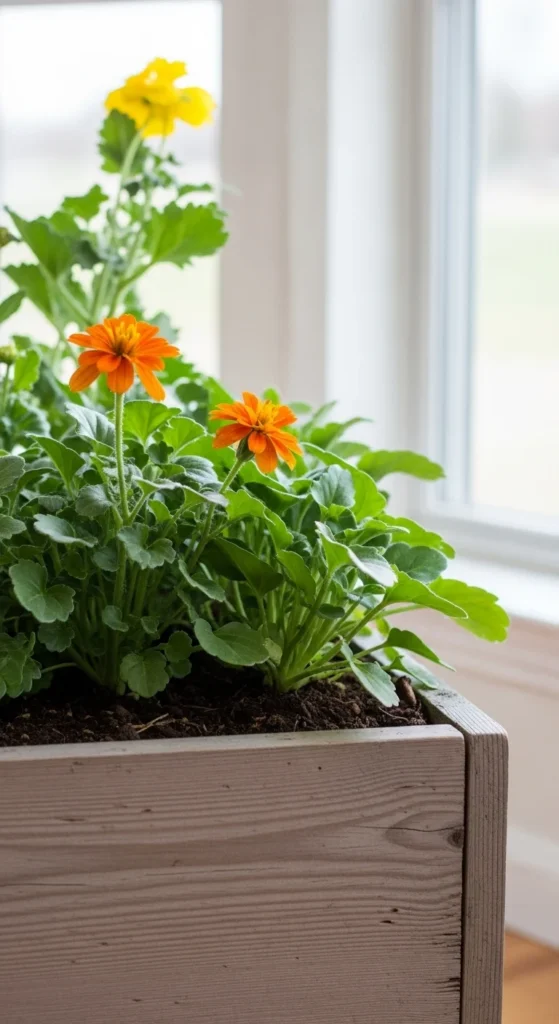
Raised beds warm faster than ground soil. Even a few inches help.
Use scrap wood or old bricks. Line the bottom with cardboard to block weeds.
Fill with a soil and compost mix. Soil warms earlier and drains better.
Plants establish roots faster. You gain growing time without machines.
This setup lasts for years and improves harvest timing.
Clean Panels to Let Light In
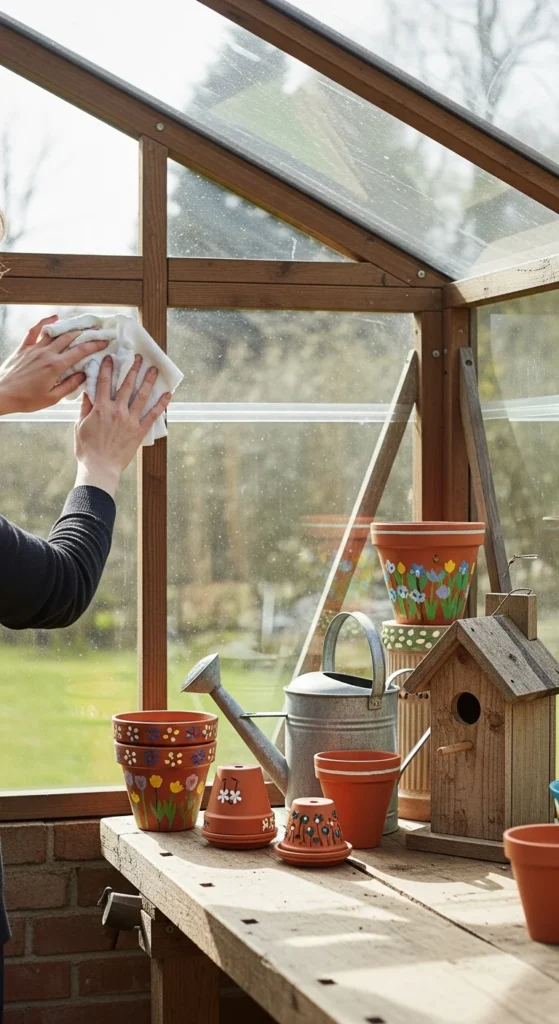
Dust and grime block light. Less light slows growth.
Wipe panels with water and a soft cloth. Skip harsh cleaners.
Do this once early in spring. Light levels rise instantly.
Plants respond with stronger stems and better color.
It is free and effective.
Use Heat Mats Only When Needed
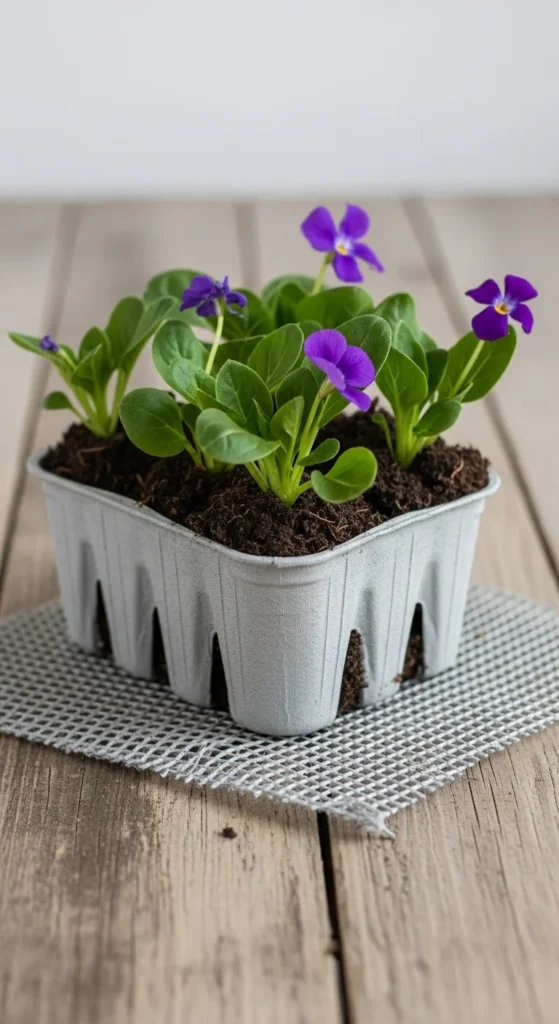
Heat mats help with germination. Turn them off after sprouting.
Leaving them on causes weak growth. Roots stretch instead of strengthening.
Share one mat between trays. Rotate seedlings daily.
This saves energy and keeps plants sturdy.
Harden Off Gradually Inside the Greenhouse
Before moving plants outdoors, adjust them slowly.
Open vents longer each day. Let temperatures shift gently.
This builds tolerance without shock.
Plants adapt better and keep growing.
Add Reflective Surfaces Behind Plants
Light bounces well. Use that.
Foil-covered cardboard works. Place it behind dark corners.
Plants receive more light without lamps.
This trick costs pennies and improves growth.
Watch Humidity Levels Closely
Spring brings moisture. Too much causes problems.
Vent after watering. Space plants apart.
Dry air pockets help leaves stay healthy.
Balance matters more than numbers.
Place Cold Frames Inside for Extra Warmth
A cold frame inside adds protection.
Use old windows or clear lids.
This creates a mini warm zone.
Perfect for early greens.
Rotate Container Crops Each Season
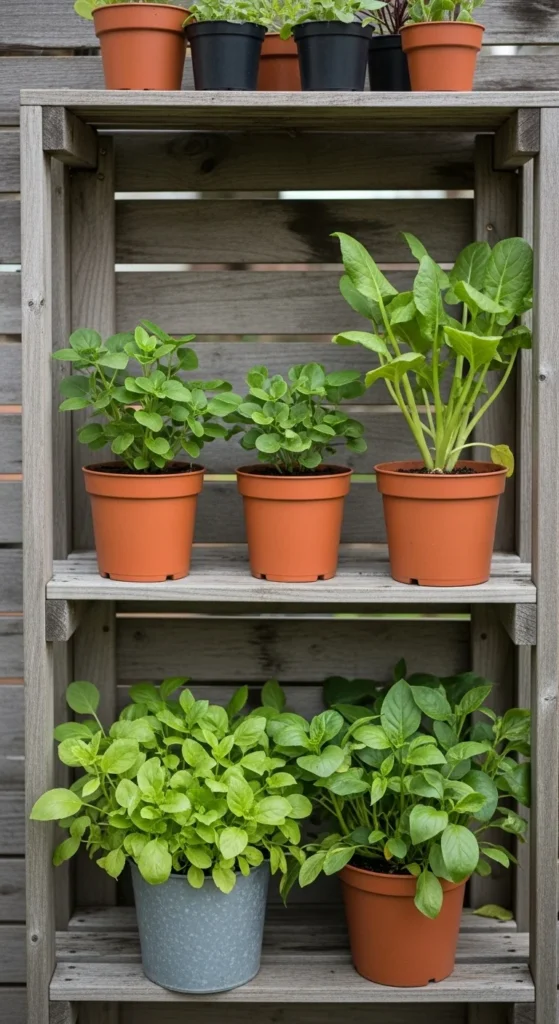
Soil tires too. Swap plant families.
Add compost between cycles.
This keeps growth steady and soil active.
Label Trays and Beds Clearly
Memory fades fast in spring.
Use waterproof markers or pencil.
Clear labels save time and mistakes.
Add Simple Shelving for Space
Vertical space matters.
Use wire racks or wooden shelves.
More room means more starts.
Compost Lightly Inside the Greenhouse
Small bins work best.
Bury scraps shallow. Cover well.
This feeds soil early.
Check for Pests Every Few Days
Warm spaces attract insects.
Inspect leaf undersides.
Hand removal works early.
Reuse Pots and Trays Each Year
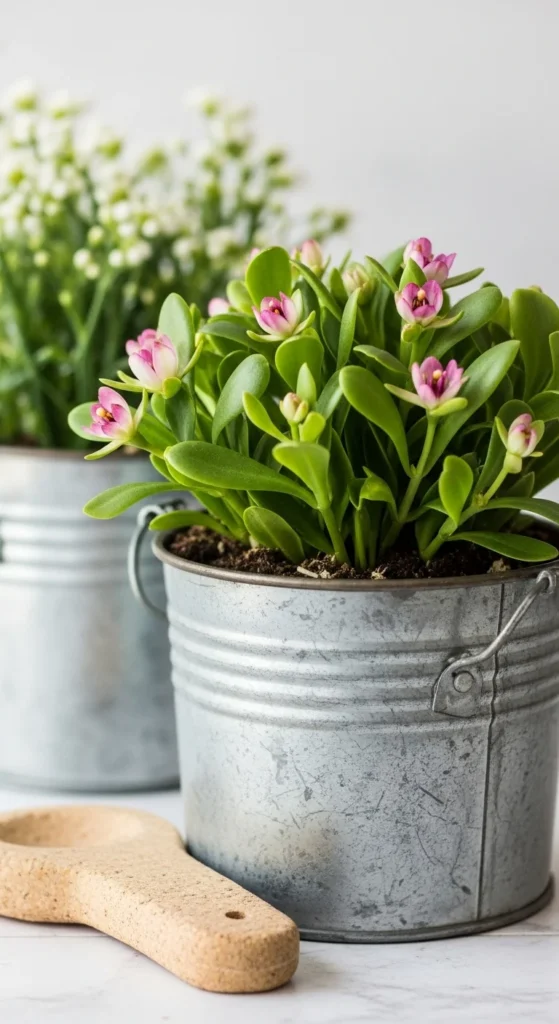
Wash with soapy water.
Air dry fully.
Reuse saves money fast.
Keep a Simple Greenhouse Journal
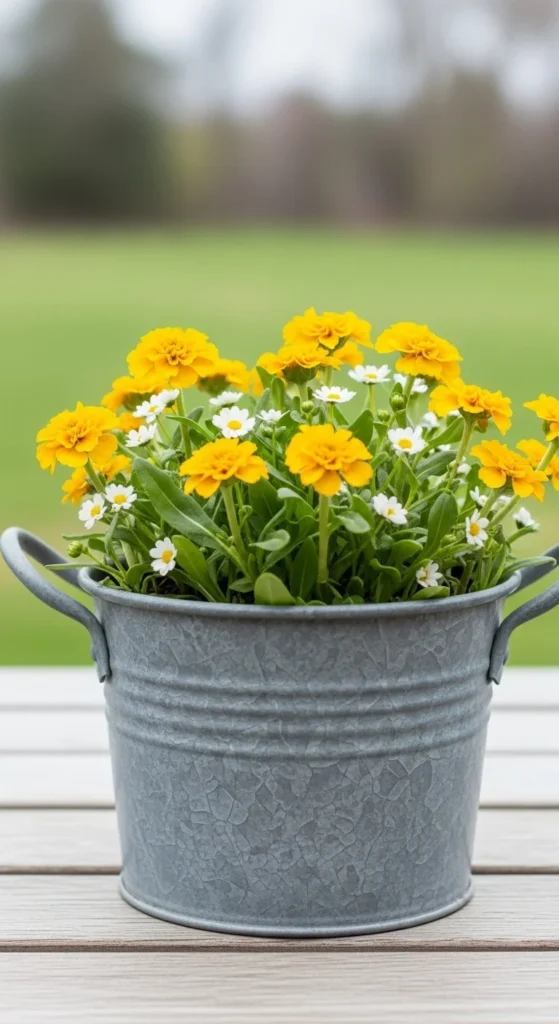
Track dates and temperatures.
Note what works.
Patterns guide next spring.
Use Shade Cloth During Sudden Heat
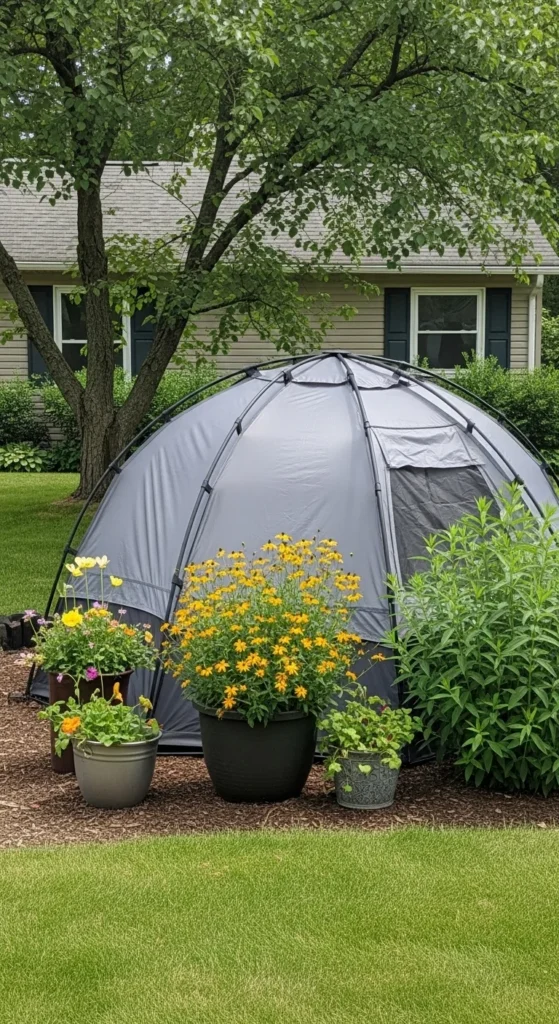
Spring sun surprises.
Drape cloth loosely.
Remove it later.
Plants recover fast.
Seal Drafts Around Doors and Panels
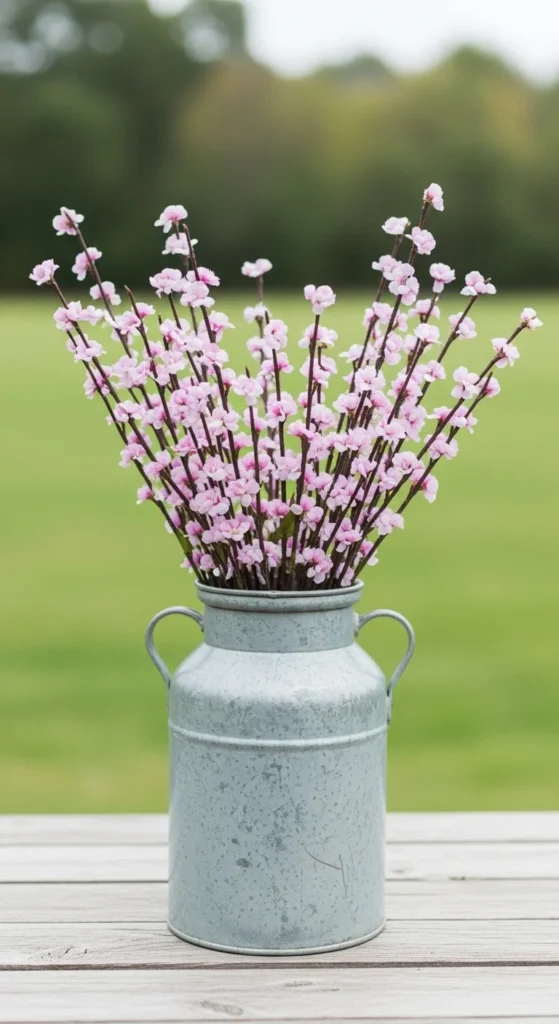
Cold air sneaks in.
Use weather stripping or towels.
Small fixes hold warmth.
Conclusion
Spring greenhouse gardening works best when habits stay simple and flexible. These tips focus on observation, reuse, and timing. Small changes bring longer harvest windows and steadier growth. Try a few ideas at a time. Watch how plants respond. Adjust as you go. With patience and low-cost tools, your greenhouse becomes a reliable space that carries your garden well beyond normal seasons.

Leave a Reply