

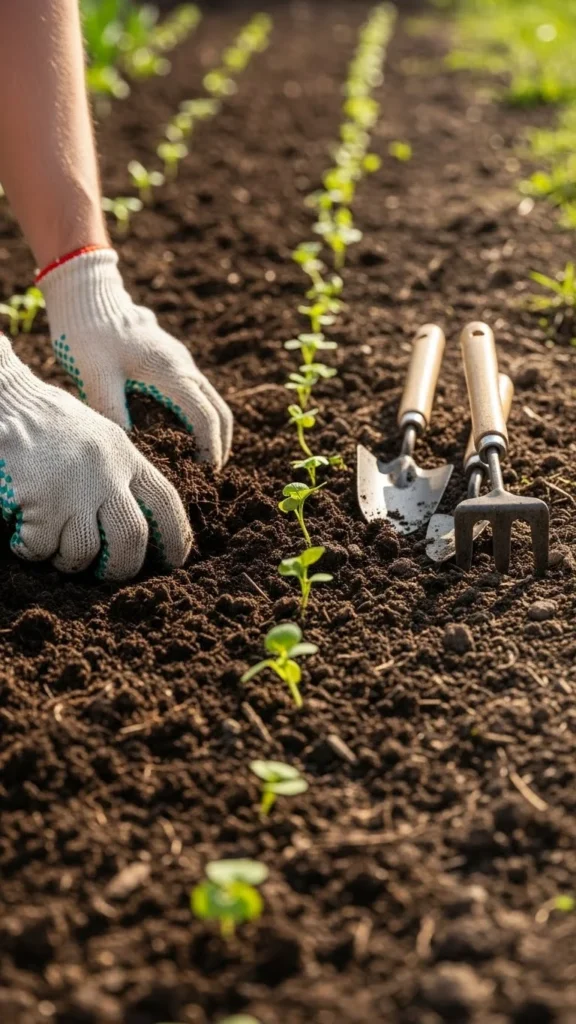
Healthy soil sets the tone for everything that grows. Spring is the moment to work with nature, not against it. Organic gardening focuses on simple habits that support soil life, texture, and long-term balance. You do not need fancy tools or expensive products. Small actions done early can shape stronger plants, better harvests, and fewer problems later. These organic spring gardening tips focus on realistic, low-cost ways to care for soil so it stays productive season after season.
1. Start With a Simple Soil Check
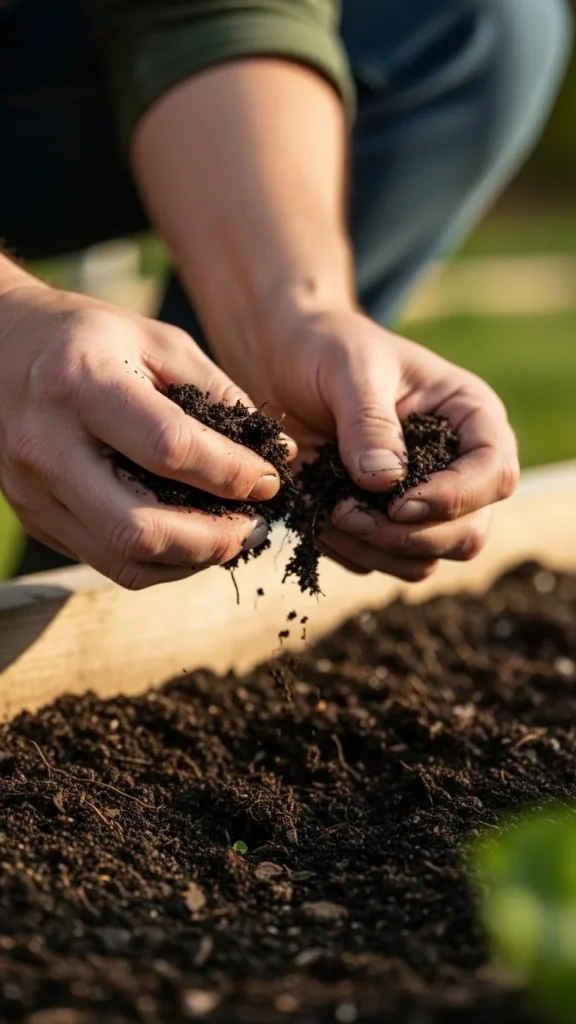
Before adding anything, get familiar with what you already have. Scoop a small handful of soil. Rub it between your fingers. Healthy soil feels loose and slightly crumbly, not sticky or powdery. Look for earthworms or tiny insects. Their presence signals active soil life.
You can do a basic jar test using a clear jar, soil, water, and time. Shake it and let it settle. Sand sinks first, then silt, then clay. This helps you see balance without buying kits. Write down what you notice. It helps guide what to add later.
Avoid rushing into store-bought mixes. Many gardens only need small adjustments. Paying attention early saves money and effort later.
2. Add Compost Before Planting
[Image Prompt: Finished compost being spread across a garden bed with a shovel, rich brown texture, morning sunlight, shallow depth of field.]
Compost feeds soil life and improves structure. Spread a thin layer over beds before planting. You do not need to dig deep. Let worms and water do the work over time.
Homemade compost works well. Kitchen scraps, leaves, and garden waste turn into soil food with patience. If buying compost, choose simple, local sources without additives.
A two-inch layer is enough. More is not better. Too much can hold excess moisture. Light, steady use keeps soil balanced and easy to work.
3. Avoid Digging Too Deep
[Image Prompt: Garden fork lightly loosening soil surface without turning layers, side angle, natural lighting.]
Deep digging breaks soil layers that protect microbes. Instead of turning soil, gently loosen the top few inches. This keeps beneficial organisms where they belong.
Use a garden fork or hand tool. Wiggle it into the surface and lift slightly. Roots can still move freely without disturbance.
This method also reduces weed seeds coming up from deeper layers. Less digging means less work over time.
4. Leave Roots From Last Season
[Image Prompt: Old plant stems being clipped at soil level, roots left underground, close-up detail.]
After clearing beds, cut old plants at ground level instead of pulling them out. Roots left behind slowly break down and create channels for air and water.
These channels help new roots grow deeper with less effort. Soil structure stays intact.
It feels tidy without stripping the soil bare. Nature handles the rest.
5. Use Mulch Early
[Image Prompt: Straw mulch spread evenly around young seedlings, soft daylight, high-resolution photo.]
Mulch protects soil from drying out and erosion. Apply it early in spring before heat arrives. Straw, shredded leaves, or untreated wood chips work well.
Keep mulch a few inches away from stems. This prevents moisture buildup near plants.
Mulch also reduces weeds. Fewer weeds mean less soil disturbance later.
6. Feed Soil With Worm Castings
[Image Prompt: Worm castings sprinkled by hand onto soil surface, macro-style photography.]
Worm castings support microbial activity. A small handful goes a long way. Sprinkle lightly around planting areas.
You can buy castings or start a small worm bin indoors. Even a plastic container works.
This gentle soil food suits seedlings and established plants alike.
7. Water Soil, Not Leaves
[Image Prompt: Watering can aimed at soil base of plants, morning light, clean composition.]
Direct water at the soil surface. This encourages roots to grow downward. Overhead watering wastes moisture and can cause leaf issues.
Water slowly. Let moisture soak in rather than run off.
Healthy soil holds water longer, so you water less often.
8. Use Leaf Mold for Texture
[Image Prompt: Leaf mold being mixed into garden soil, dark crumbly texture, natural tones.]
Leaf mold comes from decomposed leaves. It improves soil texture and moisture control.
Make it by storing leaves in a pile or bag for several months. No turning required.
Mix a small amount into planting holes or topsoil. It works quietly in the background.
9. Rotate Plant Locations
[Image Prompt: Garden layout sketch on paper beside raised beds, soft daylight.]
Changing where crops grow each season helps soil stay balanced. Different plants use nutrients in different ways.
Even small gardens benefit from simple rotation. Move families of plants, not individual varieties.
This habit reduces soil stress without adding products.
10. Grow Cover Crops
[Image Prompt: Young cover crop plants growing thickly in a garden bed, wide angle shot.]
Cover crops protect soil when beds are empty. Clover, peas, or oats work well in spring.
They prevent erosion and add organic matter when cut down later.
Cut plants at soil level and leave roots in place.
11. Keep Soil Covered Year-Round
[Image Prompt: Garden bed with living plants and mulch covering all soil areas.]
Bare soil dries out and loses structure. Aim to keep it covered with plants or mulch.
This protects soil life and keeps temperature steady.
Small patches matter as much as large ones.
12. Use Homemade Compost Tea
[Image Prompt: Bucket of compost tea being stirred with a wooden stick outdoors.]
Compost tea can be simple. Soak compost in water for a day. Use it to water soil, not leaves.
No special tools required. A bucket works fine.
This adds gentle microbial support without strong inputs.
13. Avoid Walking on Beds
[Image Prompt: Raised beds with clear pathways, no footprints in soil.]
Stepping on soil compacts it. Compacted soil blocks air and water movement.
Use paths or boards to spread weight if needed.
Once compacted, soil takes time to recover.
14. Add Aged Manure Carefully
[Image Prompt: Aged manure being lightly spread over garden soil, wide shot.]
Only use well-aged manure. It should smell earthy, not sharp.
Apply sparingly before planting. Too much can overwhelm soil life.
Local farms often offer aged options at low cost.
15. Encourage Earthworms
[Image Prompt: Earthworm visible in moist soil, macro photography.]
Earthworms improve soil structure naturally. Compost and mulch attract them.
Avoid chemical treatments that harm soil life.
Let them do the heavy lifting.
16. Test Drainage After Rain
[Image Prompt: Water soaking into soil after rainfall, close-up detail.]
Watch how water behaves after rain. Puddles signal compaction or imbalance.
Add compost or leaf mold to improve drainage.
Observation guides action better than guesswork.
17. Use Wood Ash Sparingly
[Image Prompt: Small scoop of wood ash being sprinkled lightly onto soil.]
Wood ash adds minerals but only in small amounts. A light dusting once a season is enough.
Avoid using near acid-loving plants.
Store ash dry until needed.
18. Let Soil Warm Naturally
[Image Prompt: Sunlight warming soil surface in early spring, shallow focus.]
Avoid rushing planting. Cold soil slows root activity.
Let sunlight warm beds before adding seeds.
Healthy timing supports better soil interaction.
19. Avoid Synthetic Inputs
[Image Prompt: Simple garden tools laid beside natural soil, minimal composition.]
Synthetic products disrupt soil life balance. Stick to organic matter and observation.
Healthy soil builds gradually.
Shortcuts often lead to setbacks.
20. Use Simple Hand Tools
[Image Prompt: Hand trowel and fork resting on soil bed, natural light.]
Hand tools reduce overworking soil. They offer control and precision.
You feel soil texture directly.
This helps prevent damage.
21. Add Grass Clippings Thinly
[Image Prompt: Thin layer of grass clippings used as mulch around plants.]
Dry grass clippings work as mulch. Apply in thin layers to prevent matting.
Avoid clippings from treated lawns.
They break down over time.
22. Respect Soil Moisture Levels
[Image Prompt: Finger checking soil moisture near plant roots.]
Check moisture before watering. Stick a finger into soil.
If it feels damp an inch down, wait.
This habit protects soil structure.
23. Build Raised Beds Slowly
[Image Prompt: Wooden raised bed filled with layered soil materials.]
Raised beds allow control over soil mix. Build gradually using compost and native soil.
No need for expensive blends.
Let soil settle naturally.
24. Use Kitchen Scraps Directly
[Image Prompt: Vegetable scraps being buried shallowly in soil.]
Bury scraps shallowly between plants. Cover well to avoid pests.
This feeds soil organisms directly.
Small amounts work best.
25. Watch Soil Color
[Image Prompt: Close-up of dark healthy soil contrasted with lighter soil nearby.]
Darker soil often signals higher organic matter. Add compost where soil looks pale.
Color changes over time.
Patience pays off.
26. Reduce Tilling Over Time
[Image Prompt: Established garden bed with minimal disturbance.]
Each season, disturb soil less. Structure improves year by year.
This approach saves energy and time.
Soil becomes easier to manage.
27. Let Nature Do Some Work
[Image Prompt: Thriving garden bed with visible insects and healthy plants.]
Healthy soil thrives when supported, not controlled. Observation guides better choices.
Small actions repeated seasonally shape long-term soil health.
Consistency matters more than complexity.
Conclusion
Organic spring gardening starts beneath your feet. Healthy soil forms through steady habits, not expensive inputs or complicated routines. By working gently, adding organic matter, and paying attention to soil behavior, you create growing conditions that support plants season after season. Choose a few tips to apply this spring. Let results guide the rest. Save this guide and return to it as your soil improves with time.

Leave a Reply