

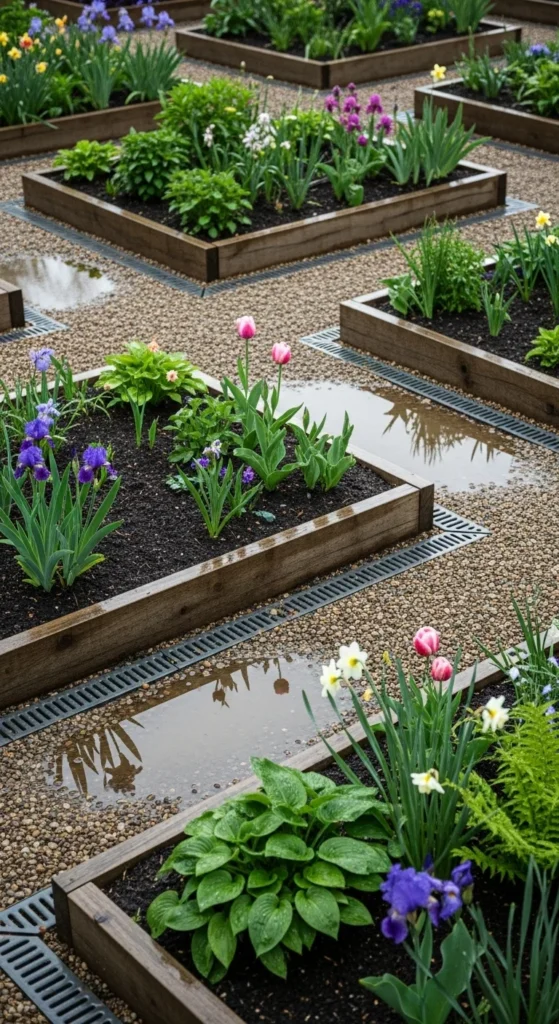
Spring rain can be a gift or a headache. When water lingers too long, plants struggle and soil turns heavy. The right garden setup changes everything. With smart layouts, simple materials, and low-cost adjustments, you can guide water where it belongs and keep plants steady through wet weeks. These ideas focus on drainage-friendly design that works in real backyards, not show gardens. Each one is practical, affordable, and easy to adapt, even if rain shows up often in your area.
1. Raised Wooden Garden Beds
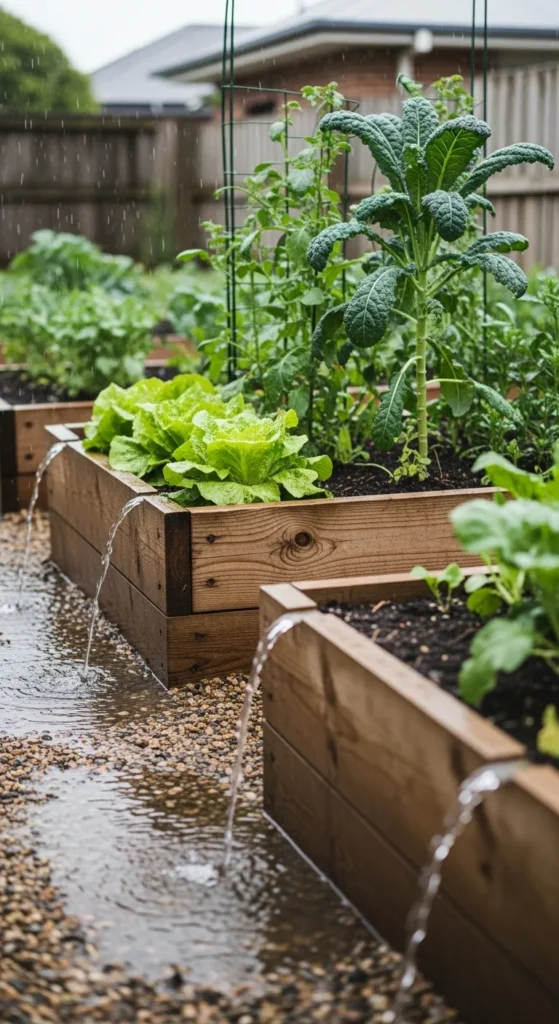
Raised beds sit above soggy ground, which helps water move down instead of pooling around roots. Even a lift of six inches changes how soil handles rain. You can build beds from untreated wood, reclaimed boards, or stacked bricks. Line the bottom with small stones or broken pottery to guide water through.
Use loose soil mixed with compost and coarse sand. This keeps the bed light during wet days. Raised beds also warm faster in spring, so plants settle sooner after storms.
If budgets are tight, try half-height beds or mound soil inside simple frames. Many gardeners reuse pallets or fence boards. Keep paths around beds clear so water flows away, not back in.
This setup works well for vegetables, herbs, and flowers that dislike wet feet. It also cuts down on mud splashing onto leaves during heavy rain.
2. Gravel Garden Pathways
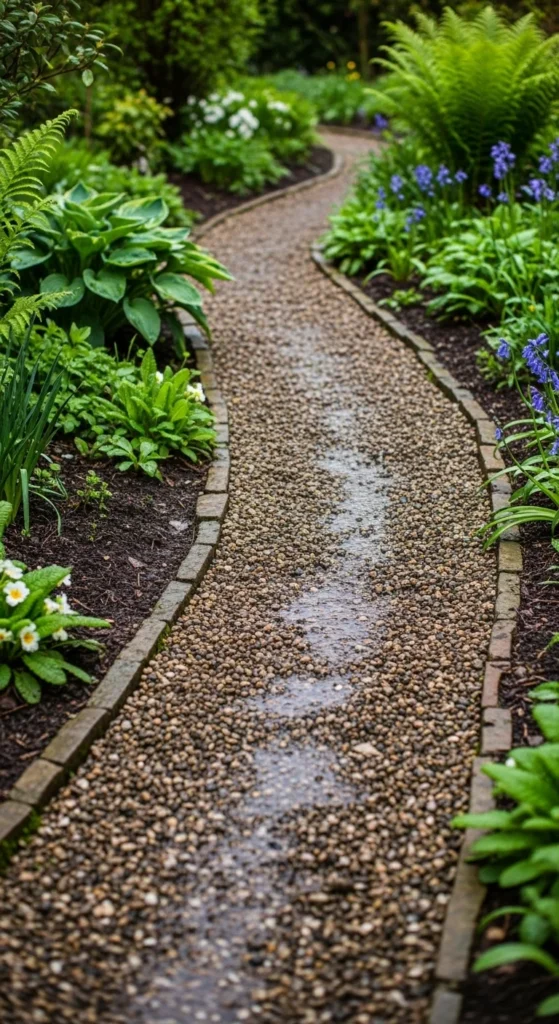
Gravel paths do more than guide footsteps. They act like drainage channels that absorb rainfall and reduce puddles. Water slips between stones and sinks instead of spreading across planting areas.
You do not need deep layers. A few inches of gravel over landscape fabric works well. Crushed stone or pea gravel are budget-friendly choices. Avoid smooth river rocks, which shift underfoot.
Place gravel paths where water usually collects. Over time, they train rain to move away from plants. This keeps nearby soil lighter and easier to work with.
For a softer look, mix gravel with stepping stones. The gaps still allow water through. Edging the path with bricks or metal strips helps keep stones in place during storms.
3. Slightly Sloped Garden Beds
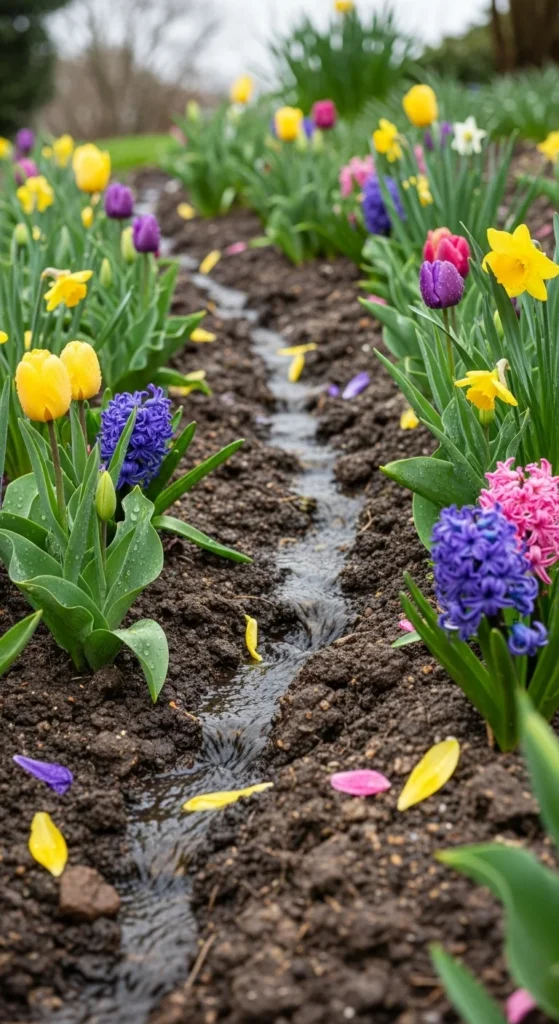
A gentle slope can solve many drainage problems without major changes. Even a small angle helps water move along instead of sitting still. This works well in yards that already tilt slightly.
When shaping beds, angle them so water flows away from plant crowns. Use soil from higher spots to build lower sections. This costs nothing but time.
Plants placed at the top stay drier, while moisture-tolerant plants fit better near the bottom. Mulch lightly so rain can pass through.
Avoid sharp slopes that cause runoff to wash soil away. Think gradual and smooth. A slope you barely notice often does the most good.
4. Rain Gardens in Low Spots
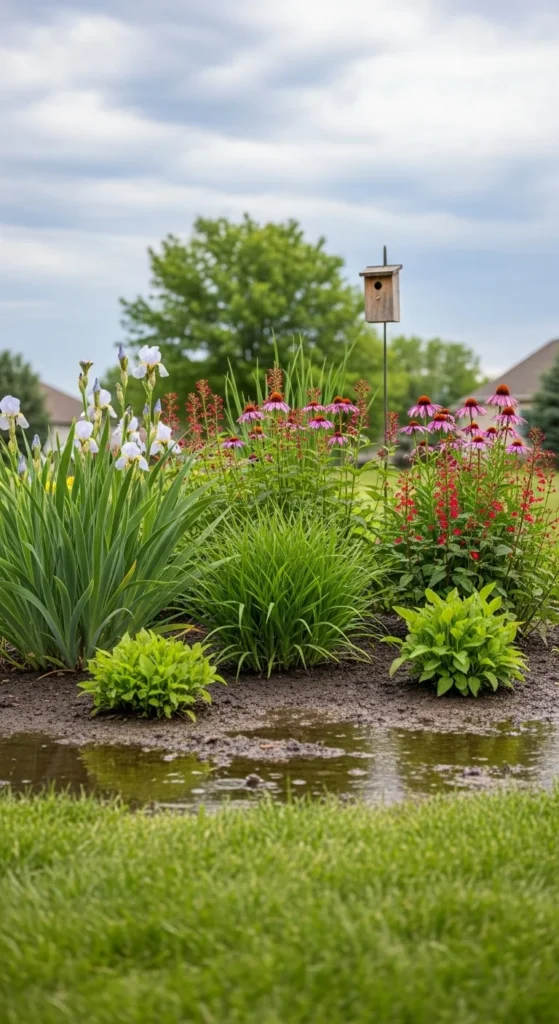
Low areas often turn into puddles. Instead of fighting them, turn them into rain gardens. These shallow basins collect water and let it soak in slowly.
Choose plants that handle wet soil for short periods. Native grasses, certain perennials, and shrubs work well. Dig the area slightly deeper and loosen the soil to improve absorption.
You can line the base with compost and sand to help water move down. Stones around the edge reduce erosion during heavy rain.
Rain gardens reduce standing water elsewhere and give excess rain a purpose. They also require little upkeep once established.
5. Stone Mulch Around Plants
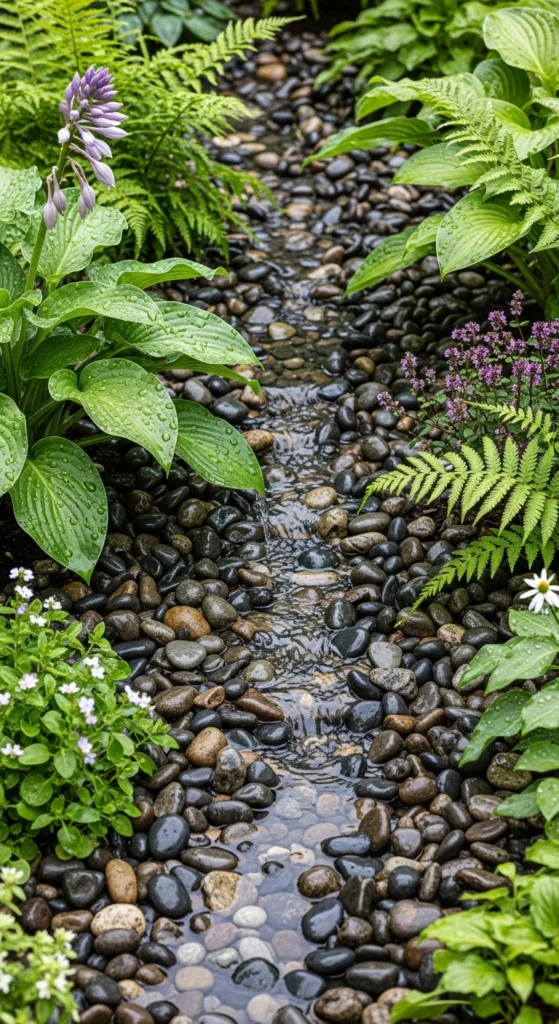
Stone mulch allows rain to pass through quickly. Unlike bark, it does not trap moisture against stems. Small gravel or crushed stone works best.
Use stone mulch around plants that dislike soggy soil. Leave a small gap near stems so water does not collect right at the base.
This method also reduces splashback from rain, keeping leaves cleaner. Stone mulch lasts for years, making it cost-effective.
If you want a softer look, mix stone with coarse compost. The mix still drains well while blending into planted areas.
6. Perforated Drain Pipes Underground
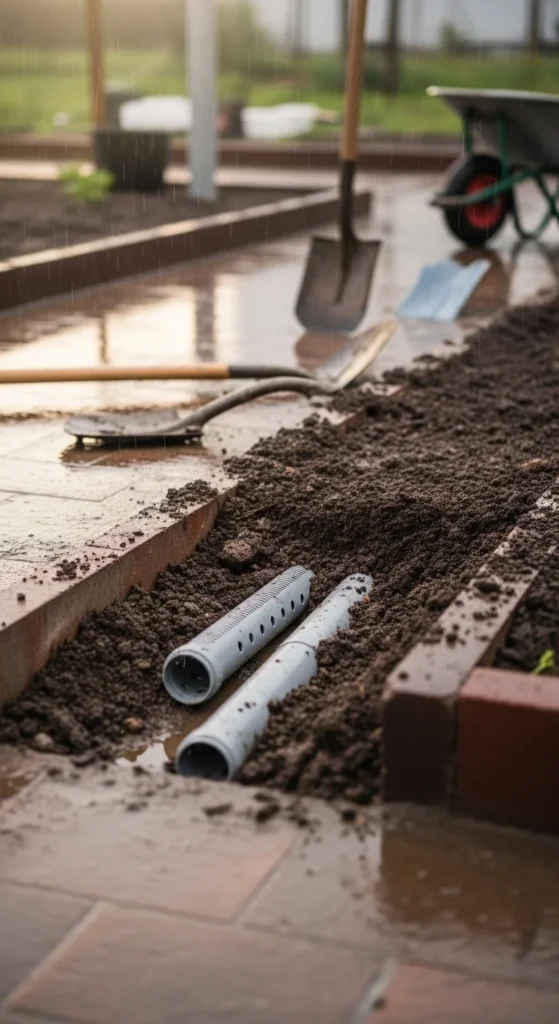
Hidden drain pipes guide water away from problem spots. These pipes sit underground and collect excess water during storms.
You can install them in trenches filled with gravel. The pipe openings face down, letting water enter and move away from roots.
This approach works well along fences, patios, or garden edges where water collects. Materials are inexpensive, and installation is straightforward.
Once covered, the system works quietly in the background, keeping soil balanced during long rainy periods.
7. Sandy Soil Mix for Planting Holes
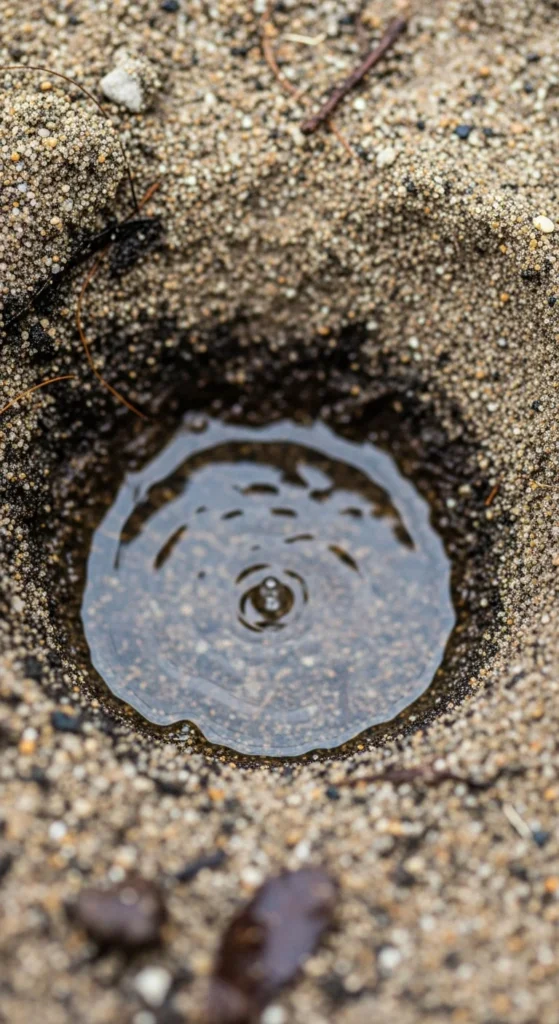
When planting, adjust soil right at the root zone. Mixing coarse sand into planting holes improves drainage where it matters most.
This method helps even heavy soil release water faster. Blend sand with existing soil rather than layering it.
Use this approach for plants that suffer in wet ground. It costs little and takes minutes per hole.
Over time, roots grow into surrounding soil that drains better than before.
8. Elevated Container Gardens
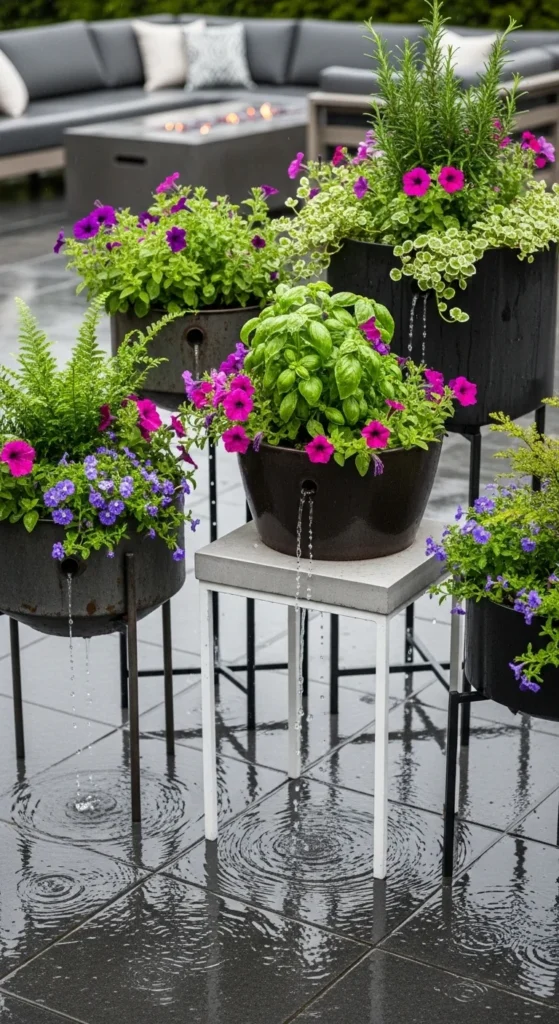
Containers lifted off the ground drain faster. Stands or bricks allow water to exit freely instead of pooling underneath.
Choose pots with clear drainage holes. Avoid saucers during rainy seasons.
You can grow herbs, flowers, or vegetables this way. Containers also allow full control over soil texture.
This setup works well for patios or small yards where ground drainage is poor.
9. French Drain Along Garden Borders
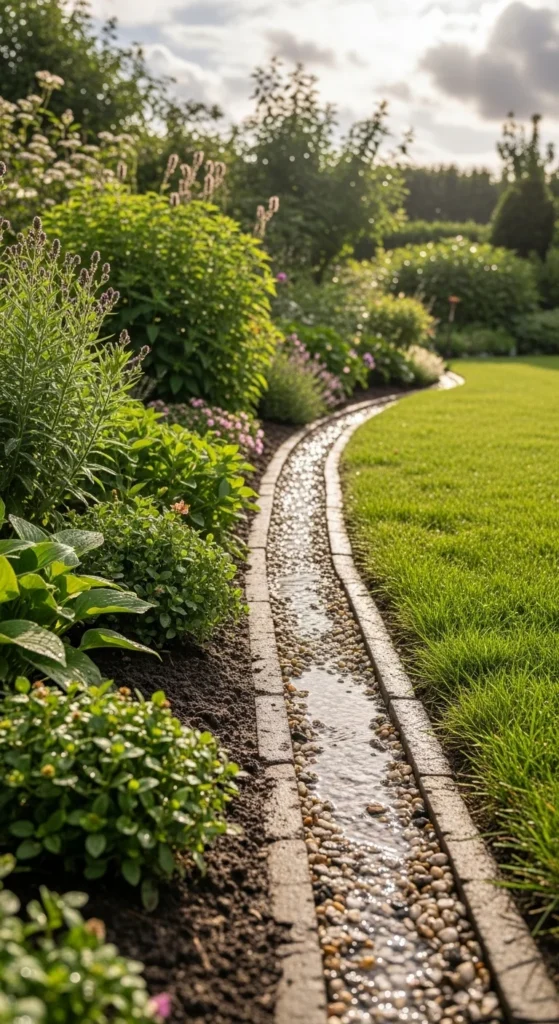
French drains are gravel-filled trenches that collect and redirect water. Place them along borders where runoff enters the garden.
They require minimal materials: gravel, fabric, and optional piping. Once installed, they quietly guide water away.
This keeps central planting areas lighter during storms. French drains blend into the landscape when topped with stone.
10. Slightly Raised Planting Mounds
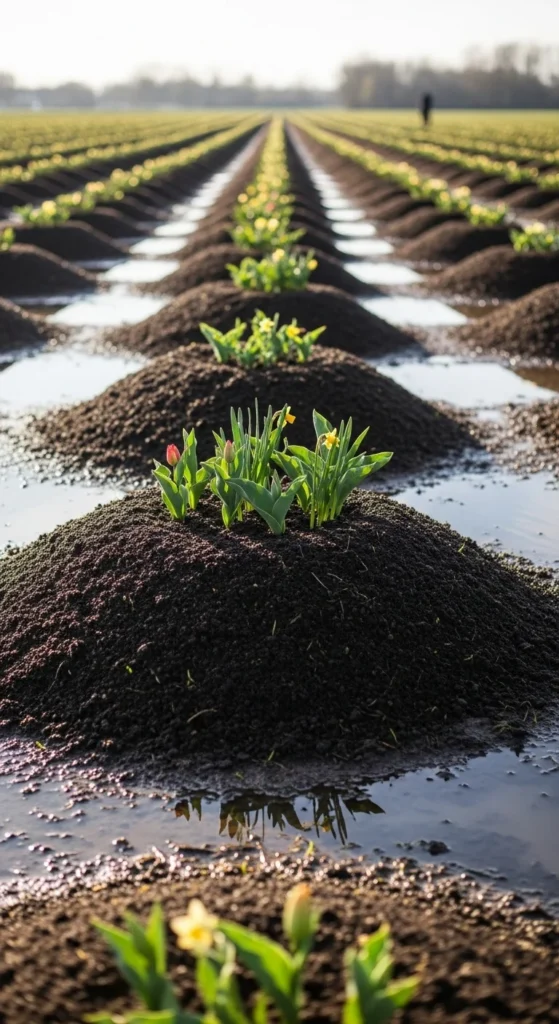
Mounding soil around individual plants lifts roots above wet ground. Even a few inches helps.
This works well for shrubs and perennials. Shape soil into gentle domes rather than sharp piles.
Mounds cost nothing and fit easily into existing gardens. They also warm faster in spring.
11. Compost-Rich Soil Layers
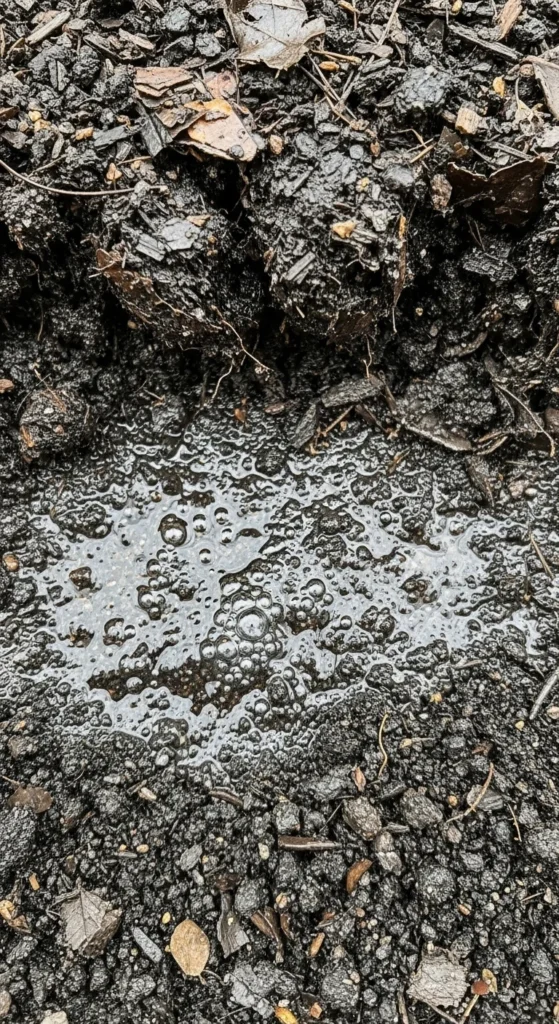
Compost improves structure, helping soil release water. Mix it evenly rather than placing it in thick layers.
Homemade compost works just as well as store-bought. Add it gradually each season.
Balanced soil holds moisture without becoming heavy. This keeps roots steady during wet spells.
12. Narrow Beds with Open Edges
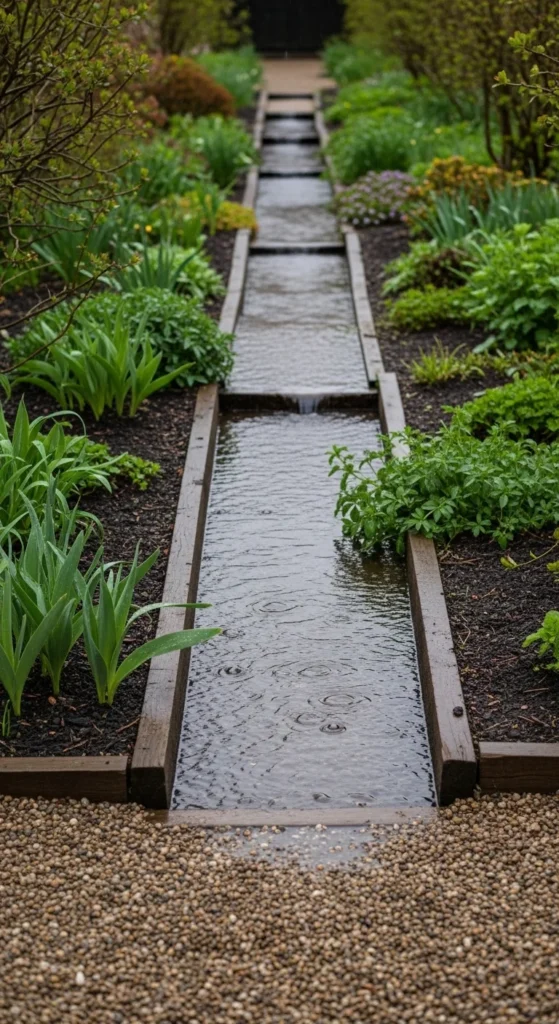
Narrow beds drain better than wide ones. Water reaches edges faster and moves away.
Open edges without borders allow excess rain to escape into paths or lawns.
This design works well in small spaces and costs nothing to create.
13. Brick or Stone Bed Edging
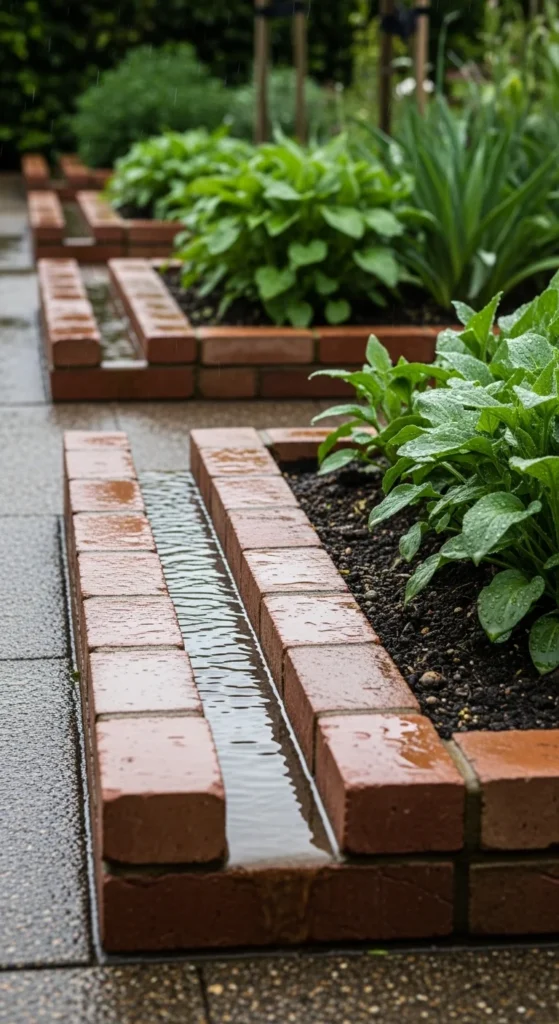
Hard edging guides water along predictable paths. Small gaps between bricks allow drainage.
Reclaimed bricks keep costs low. Lay them slightly angled outward.
This keeps soil from spreading while guiding rain away from plants.
14. Rain Barrels Redirected Away
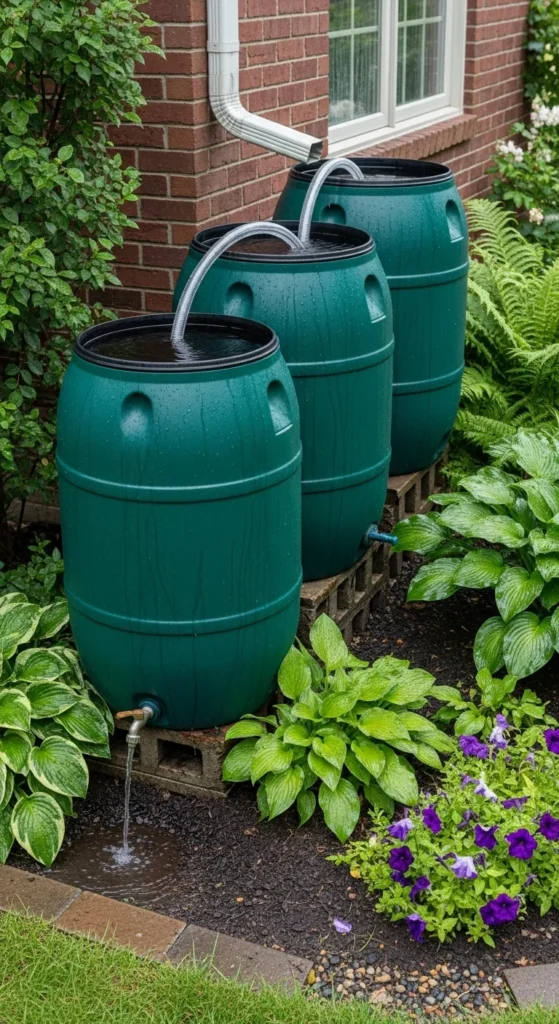
Rain barrels reduce sudden runoff into gardens. Place overflow hoses so water exits away from beds.
This simple setup prevents soil from saturating during storms.
Stored water can later support plants during dry days.
15. Mulch-Free Zones Near Stems
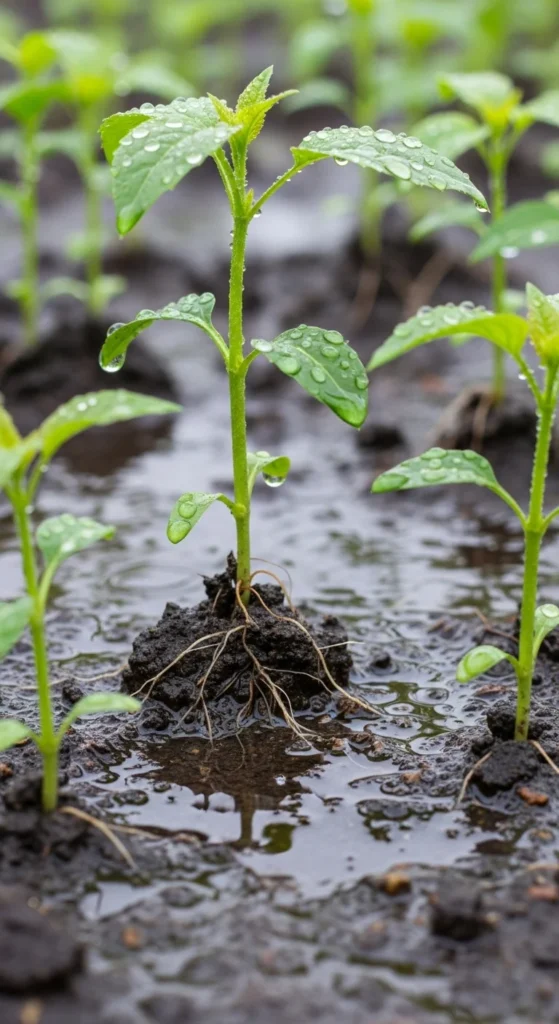
Leaving small gaps around stems helps water evaporate and drain.
Pull mulch back a few inches from plant bases.
This simple habit reduces rot during wet weeks.
16. Deep Rooted Native Plants
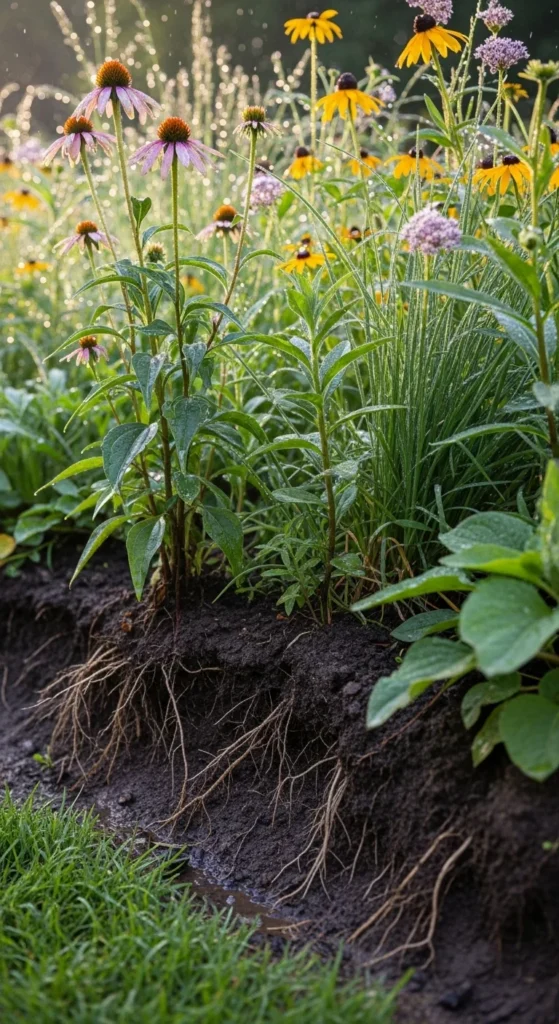
Plants with deep roots help break up soil. This creates natural channels for water.
Native species often handle rain patterns better than imported varieties.
Once established, they require little attention.
17. Slightly Angled Trellises
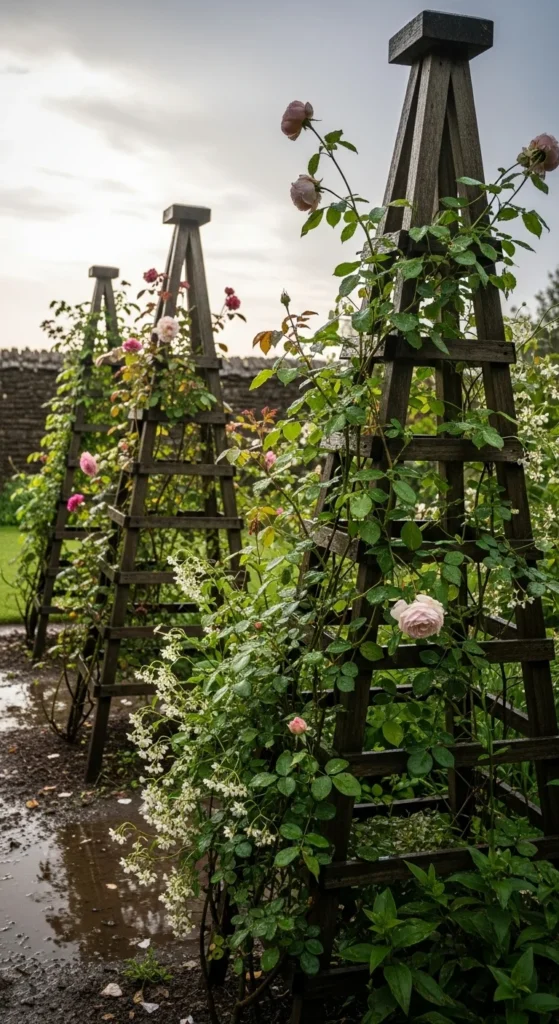
Angled trellises keep water from collecting at plant bases.
They also improve airflow, helping soil dry evenly.
Simple wood frames work well.
18. Permeable Patio Near Garden Beds
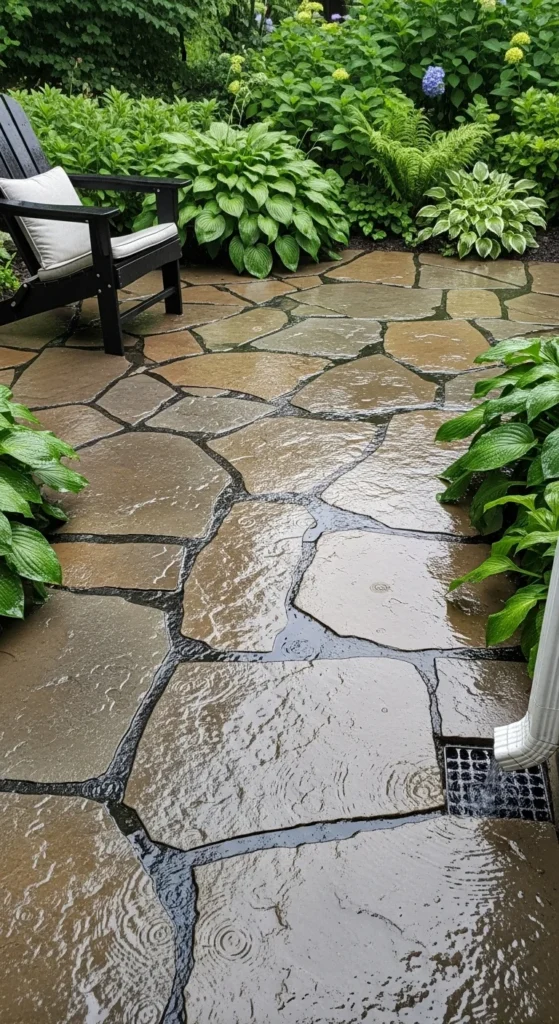
Permeable surfaces let rain soak in instead of running off.
Placing them near gardens reduces flooding during storms.
Gravel patios are low-cost and effective.
19. Hollow Log Borders
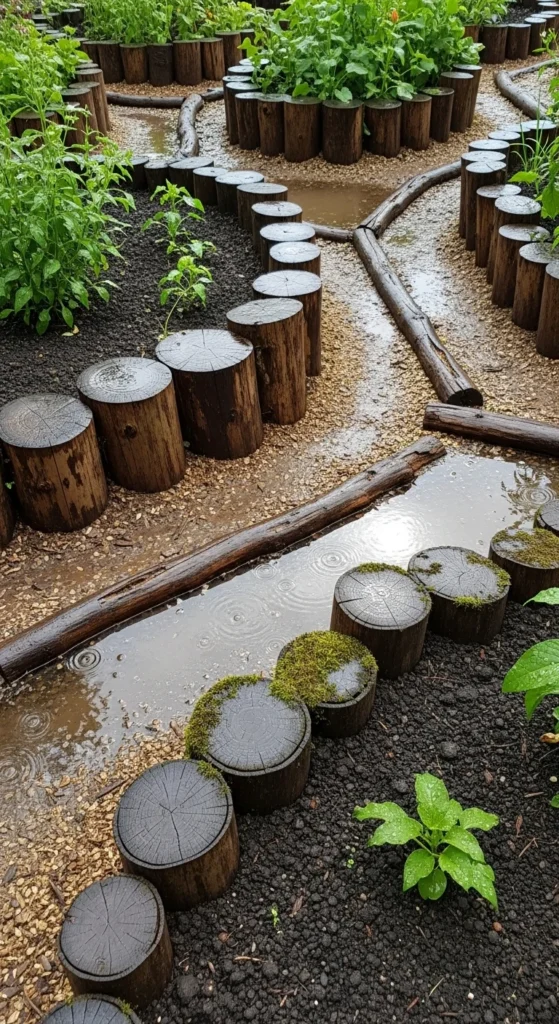
Hollow logs absorb and release water slowly.
They guide moisture away while adding a natural look.
Use fallen branches or reclaimed wood.
20. Mixed-Size Gravel Layers
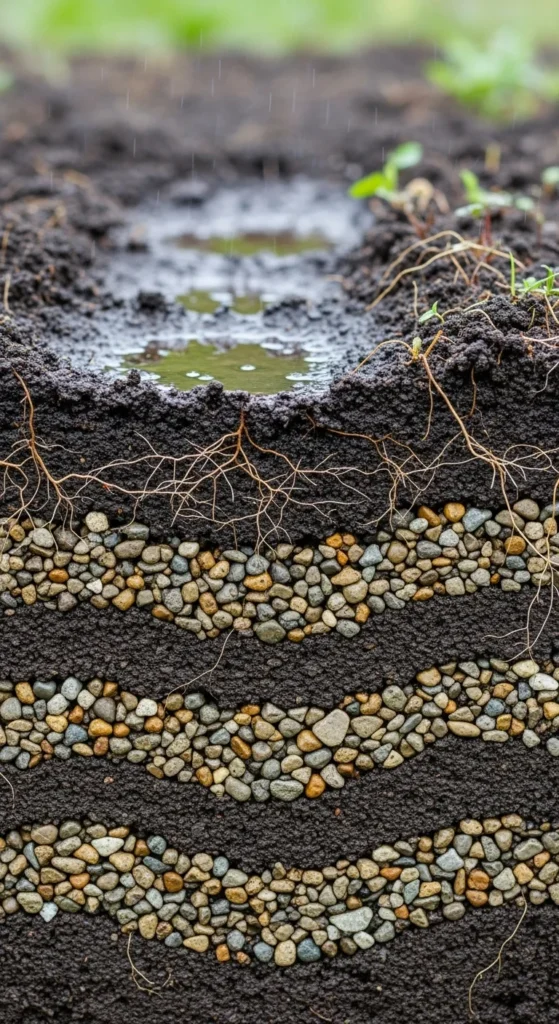
Layering different gravel sizes improves water movement.
Larger stones at the base guide water downward.
This works well under raised beds.
21. Shallow Swales Between Beds
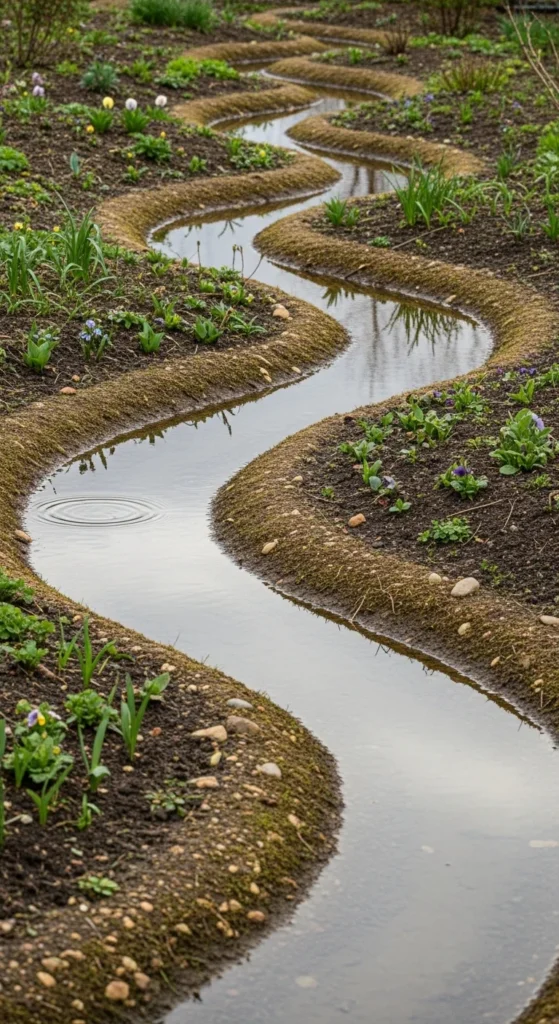
Swales are shallow dips that collect runoff.
They slow water and allow it to soak in.
Swales cost nothing to shape.
22. Lightweight Soil in Hanging Baskets
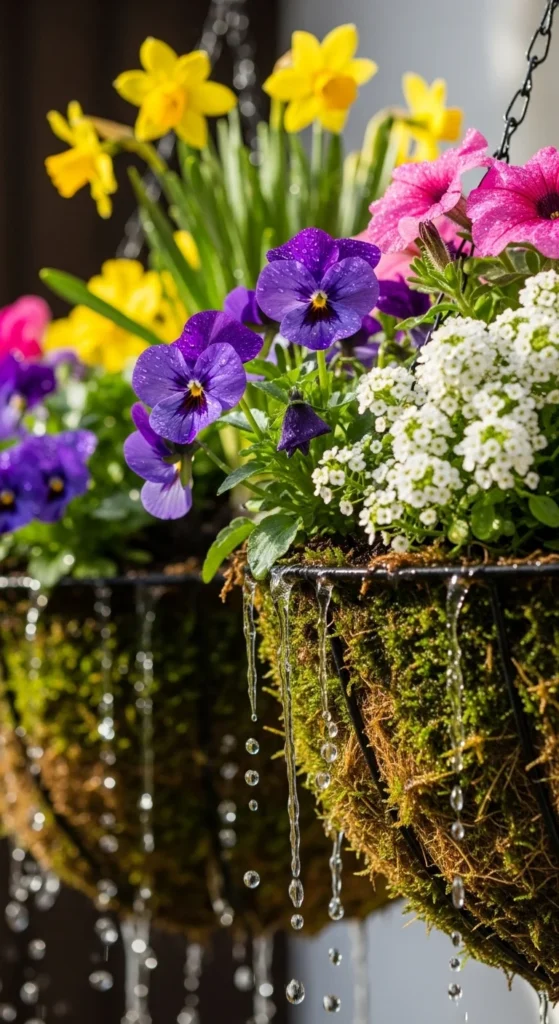
Light soil mixes drain quickly.
Hanging baskets avoid ground saturation completely.
Perfect for flowers near wet lawns.
23. Rock Channels for Runoff
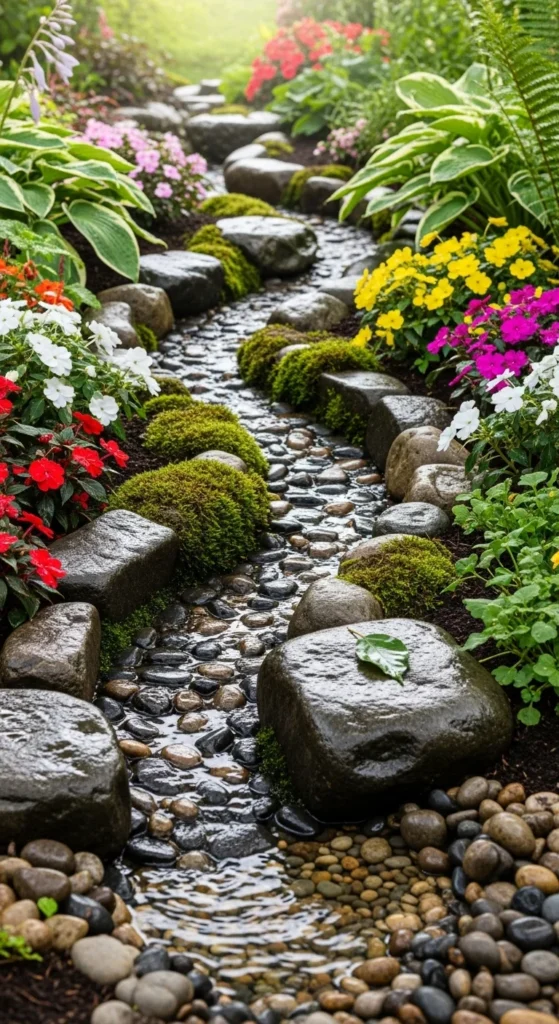
Rock channels direct water during storms.
They prevent random pooling.
Use leftover stones from other projects.
24. Open-Spaced Planting Layouts
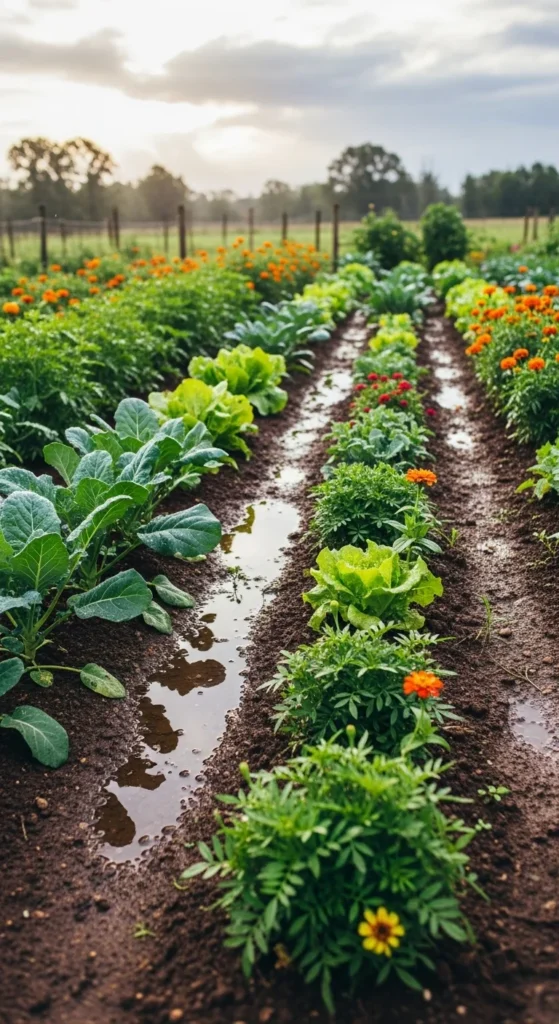
Spacing plants allows soil to dry faster.
Crowded roots trap moisture.
This layout costs nothing and works immediately.
25. Slatted Wooden Walkways
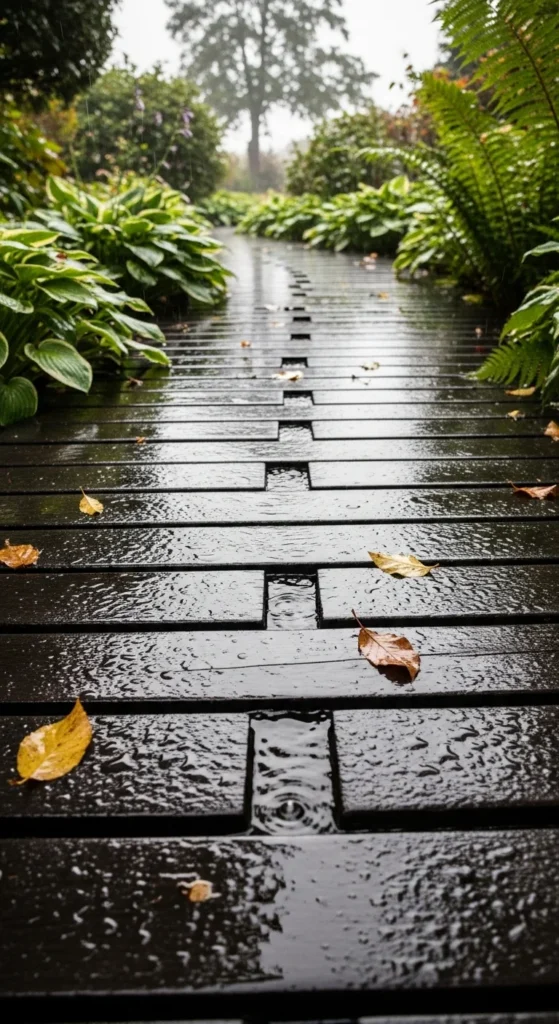
Slats allow rain to fall through instead of pooling.
They protect soil from compaction.
Reclaimed wood keeps costs low.
26. Seasonal Soil Aeration
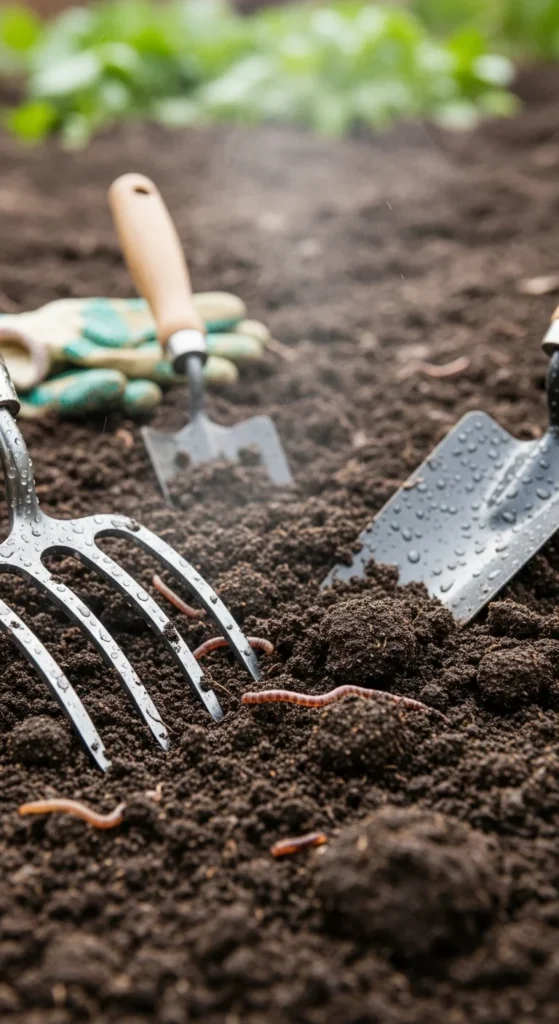
Aeration creates pathways for water.
A garden fork works fine.
Do this once or twice in spring.
Conclusion
Rain does not have to control your spring garden. With simple layout changes, smart materials, and steady habits, water moves where it should. These ideas focus on real solutions that fit everyday budgets and skill levels. Try one or two that match your space, then build from there. Over time, your garden handles rain with less mess and more stability, giving plants a steady place to grow all season long.

Leave a Reply