

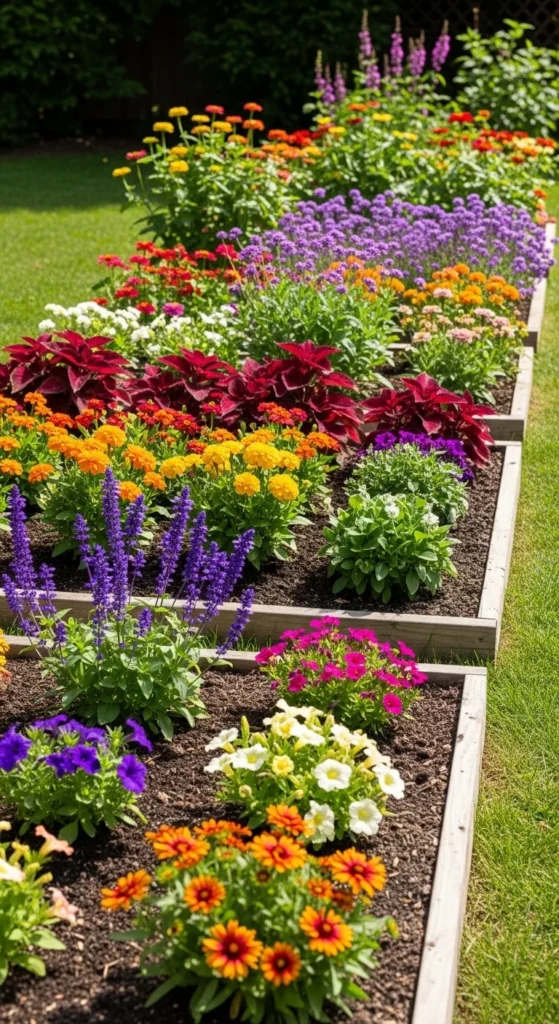
Spring gardens that sit in full sun can feel tricky. Strong light. Dry soil. Long, warm afternoons. The good news is that many plants and layouts thrive under these conditions. With smart choices and simple setups, full-sun areas become some of the easiest and most rewarding parts of your yard. The ideas below focus on plants, layouts, and small DIY changes that handle heat well while staying affordable and practical for everyday gardeners.
1. Gravel Garden Beds With Drought-Tolerant Plants
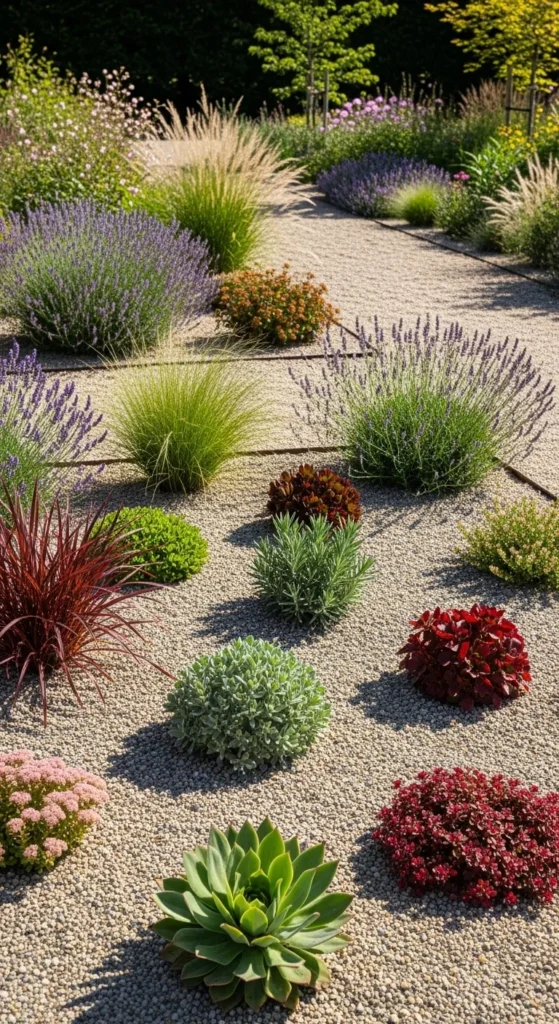
Gravel beds work well in full sun because they drain quickly and reflect warmth. That helps heat-loving plants grow without soggy roots. You can build one by removing grass, laying landscape fabric, and topping it with pea gravel or crushed stone. Choose plants with sturdy stems and narrow leaves. Many thrive with little watering once settled.
Keep spacing loose. Airflow keeps plants upright during hot spells. Gravel also cuts down on weeds, which saves time and effort. For a budget option, reuse gravel from old paths or driveways. Mixing stone sizes adds texture without extra cost.
Water deeply but less often. The gravel holds warmth, so roots grow downward instead of staying shallow. This setup suits front yards, side strips, and sloped areas that bake all day.
2. Raised Beds With Heat-Loving Vegetables
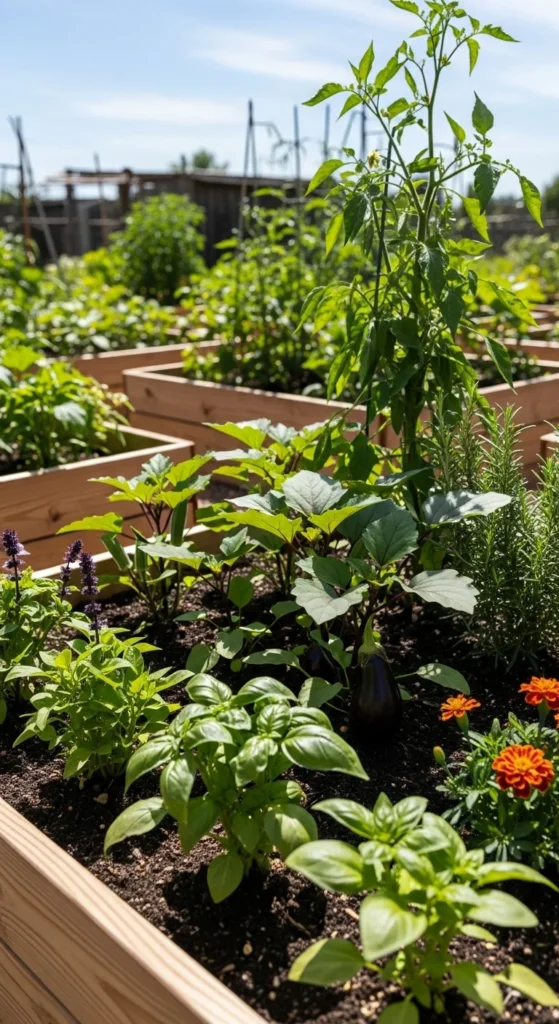
Raised beds warm faster than ground soil, which suits sun-heavy spaces. They also drain well, preventing roots from sitting in water after irrigation. You can build beds from untreated wood, concrete blocks, or reclaimed materials.
Fill them with loose soil mixed with compost. This combination holds moisture while staying airy. Vegetables that enjoy heat grow steadily when roots stay warm. Mulch lightly to slow evaporation.
For savings, build smaller beds instead of one large frame. This allows easier watering and planting. Place beds where sunlight lasts most of the day. A drip hose or simple soaker line reduces water waste and keeps leaves dry.
3. Mediterranean-Style Herb Corners
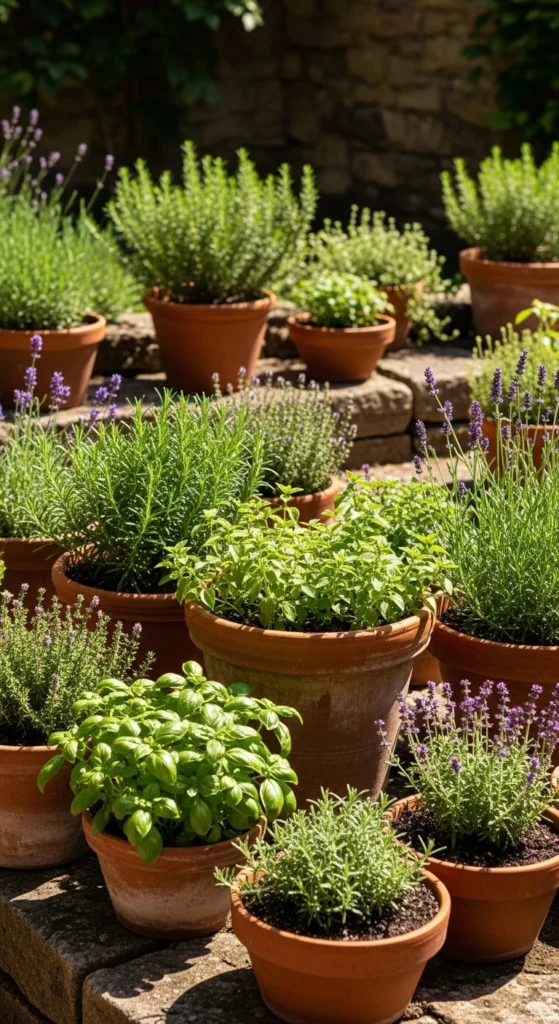
Herbs from dry climates enjoy strong light and lean soil. A small corner planted with them thrives where grass struggles. Use stone edging, clay pots, or brick scraps to shape the space.
Most herbs prefer soil that drains fast. Mixing sand into garden soil helps. Water lightly once plants establish. Overwatering causes more trouble than heat.
Group herbs close together. This reduces soil exposure and slows moisture loss. Pots can be thrifted or reused containers with drainage holes. Place them where you pass often so trimming becomes part of daily routines.
4. Native Wildflower Patches
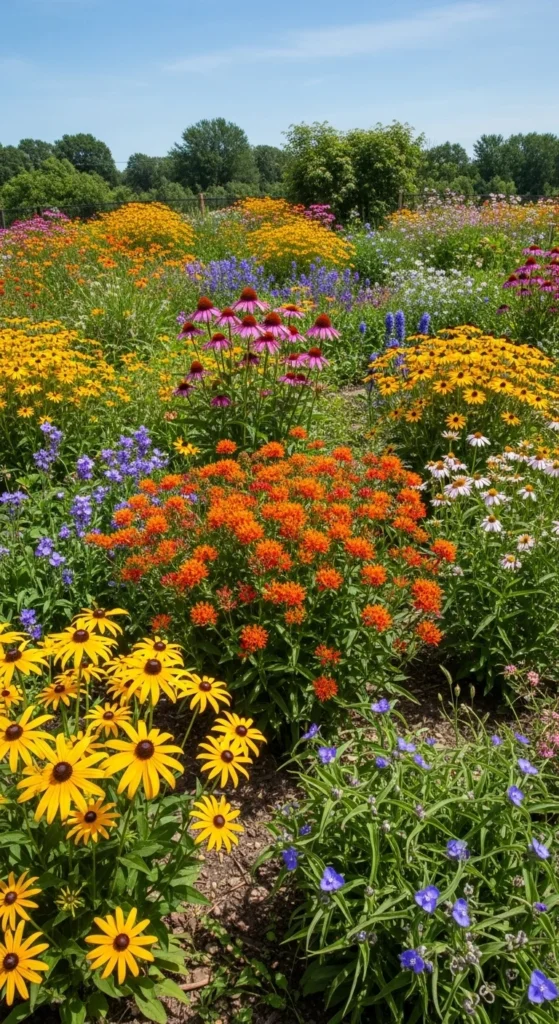
Native wildflowers handle local weather patterns with little care. In full sun, they grow strong roots that handle dry stretches. Prepare soil by loosening it and removing weeds.
Scatter seed mixes suited to your region. Press seeds gently into soil and water lightly. Once seedlings appear, watering becomes minimal.
Wildflower patches reduce lawn work and attract pollinators. They suit large yards, fence lines, or unused corners. For a low-cost option, split seed packets with neighbors.
5. Mulched Perennial Borders
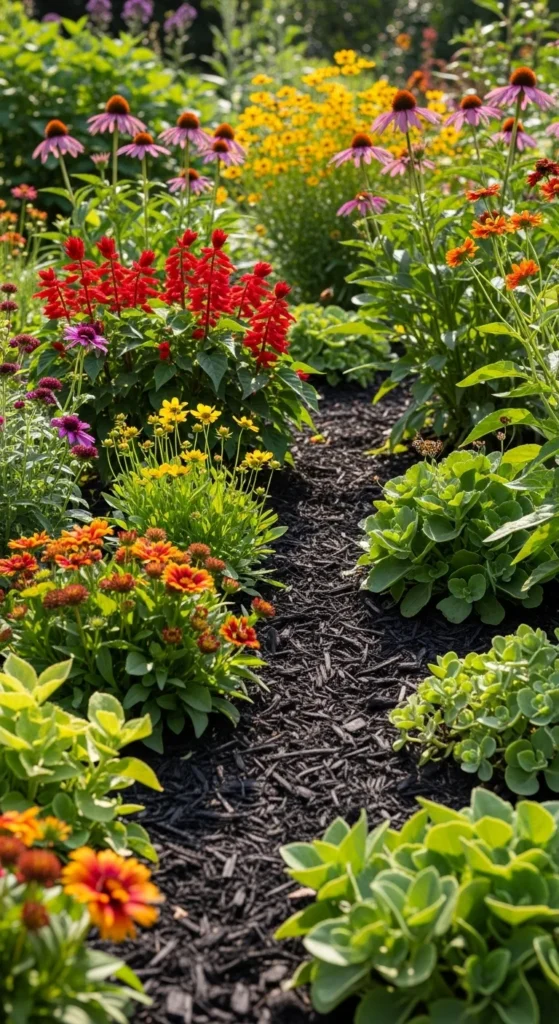
Mulch plays a big role in sunny gardens. It shades soil, slows moisture loss, and keeps roots cooler. Perennials planted in borders benefit from a thick mulch layer.
Use bark chips, straw, or shredded leaves. Apply mulch after soil warms in spring. Keep it a few inches away from plant stems.
Perennials return each year, reducing planting costs. Divide mature plants every few seasons to fill gaps. This approach builds full borders without buying new plants often.
6. Rock Edging Around Flower Beds
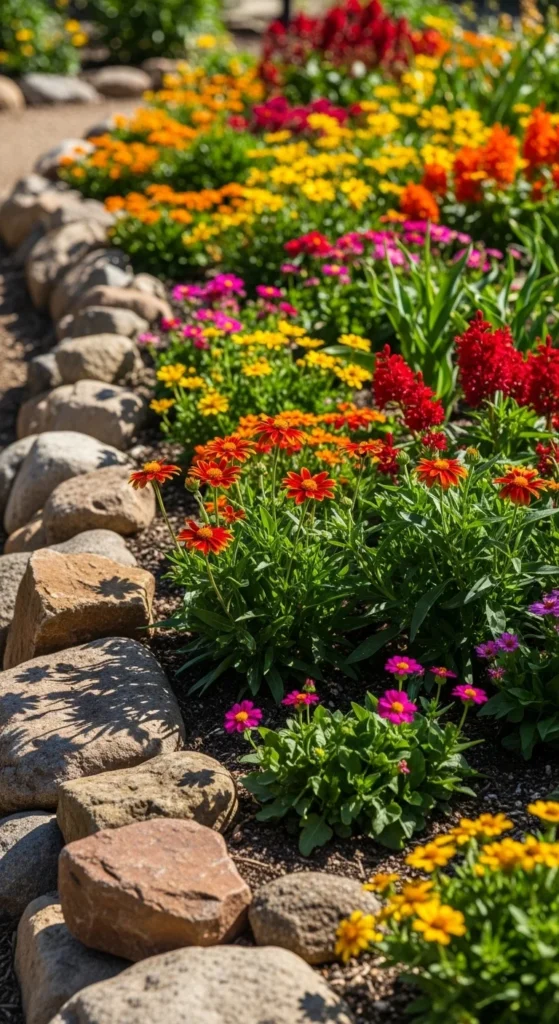
Rock edging absorbs warmth during the day and releases it slowly. This helps soil stay warm after sunset. Stones also protect soil from erosion during watering.
Use local rocks or reclaimed stones to save money. Set them halfway into the ground for stability. Edging keeps mulch in place and grass out.
This idea works well along paths or fences that receive direct sun most of the day.
7. Container Gardens With Light-Colored Pots
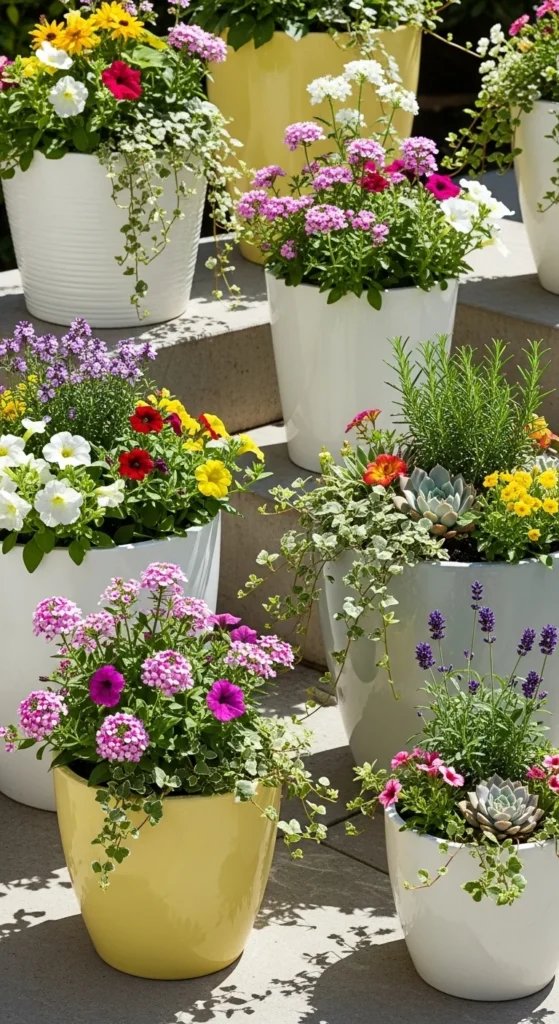
Light-colored containers reflect sunlight, reducing root stress. They suit patios, decks, and paved areas that heat up quickly.
Use large containers so soil stays moist longer. Add drainage holes if missing. Group pots together to shade soil surfaces.
Reused buckets or tubs work well when painted a pale shade. This keeps costs low while managing heat exposure.
8. Sun-Facing Trellises With Climbing Plants
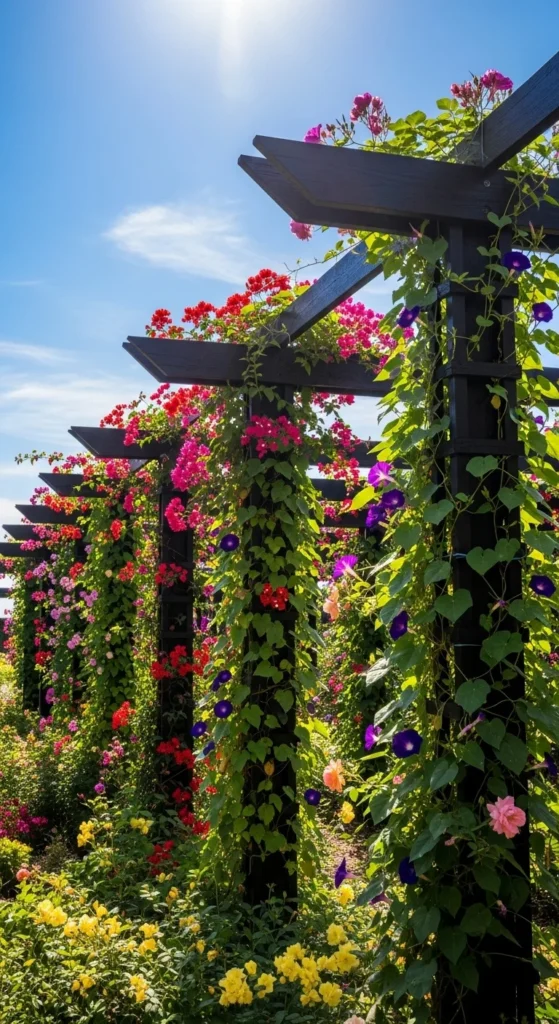
Vertical growth uses sunlight efficiently. Trellises allow vines to grow upward, reducing soil heat stress.
Build trellises from wood scraps or wire panels. Secure them firmly so wind does not tip them.
Climbing plants shade soil beneath, lowering evaporation. This setup suits small yards where ground space is limited.
9. Heat-Friendly Ground Covers
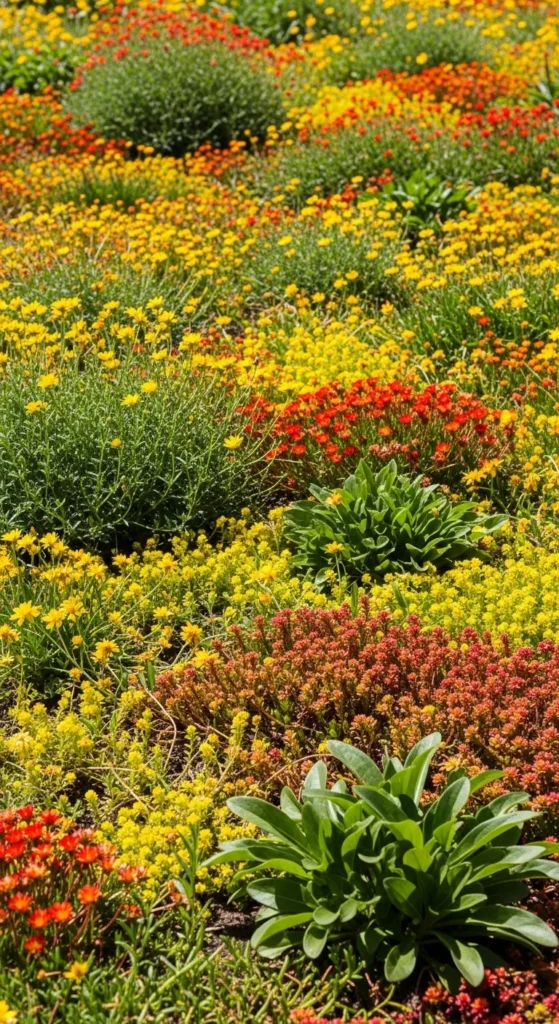
Ground covers protect soil from direct sun. They reduce weeds and keep moisture locked in.
Plant them close together so gaps fill quickly. Once settled, they need little care.
This option works well between stepping stones or along driveways.
10. Drip Irrigation Lines
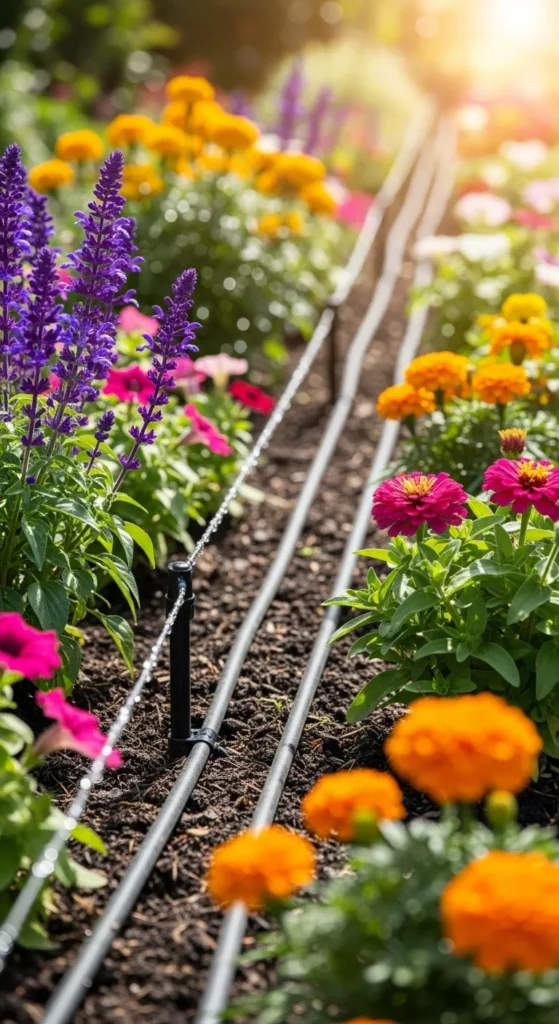
Drip lines deliver water straight to roots. This limits evaporation during hot days.
Install them along plant rows or under mulch. Timers help control watering without guesswork.
Simple kits cost little and last for seasons.
11. Reflective Stone Pathways
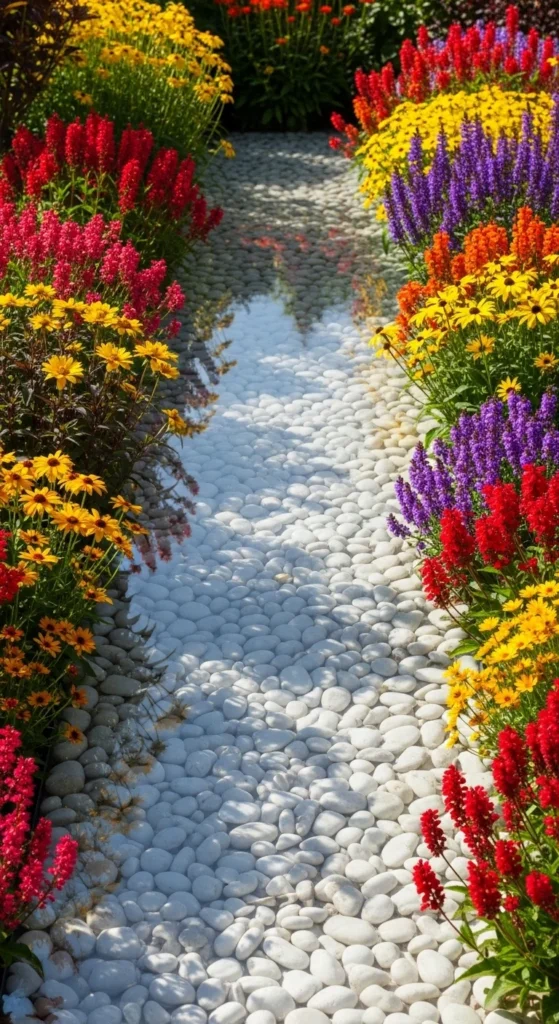
Light stone paths reflect sunlight away from plants. They also warm slowly, protecting nearby roots.
Lay stones on compacted sand. Leave small gaps for drainage.
Paths guide foot traffic and reduce soil compaction in beds.
12. Compact Shrubs With Tough Leaves
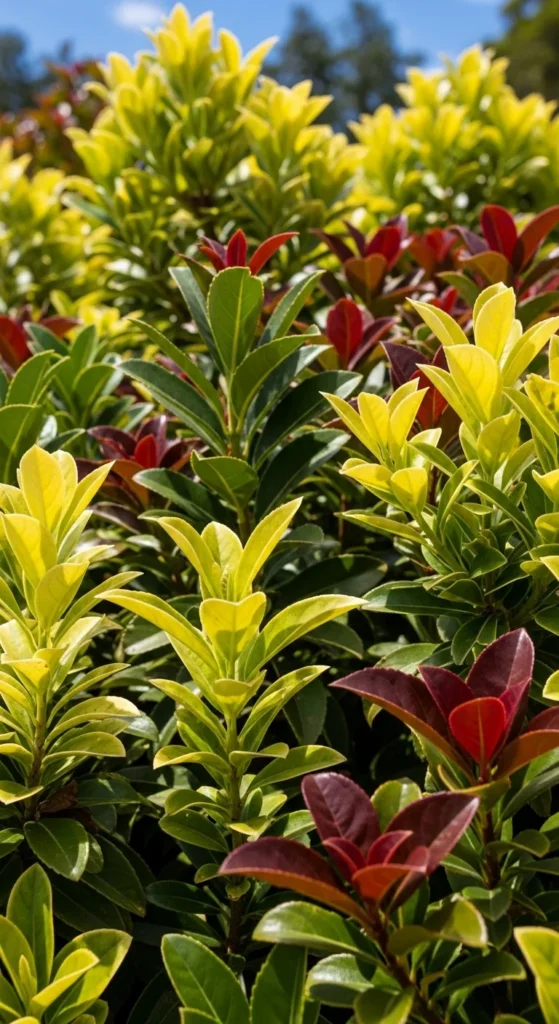
Shrubs with thick leaves lose less moisture. They hold shape even during dry weeks.
Plant them as borders or anchors. Once rooted, watering becomes occasional.
Prune lightly to keep airflow steady.
13. Sloped Garden Beds With Terracing
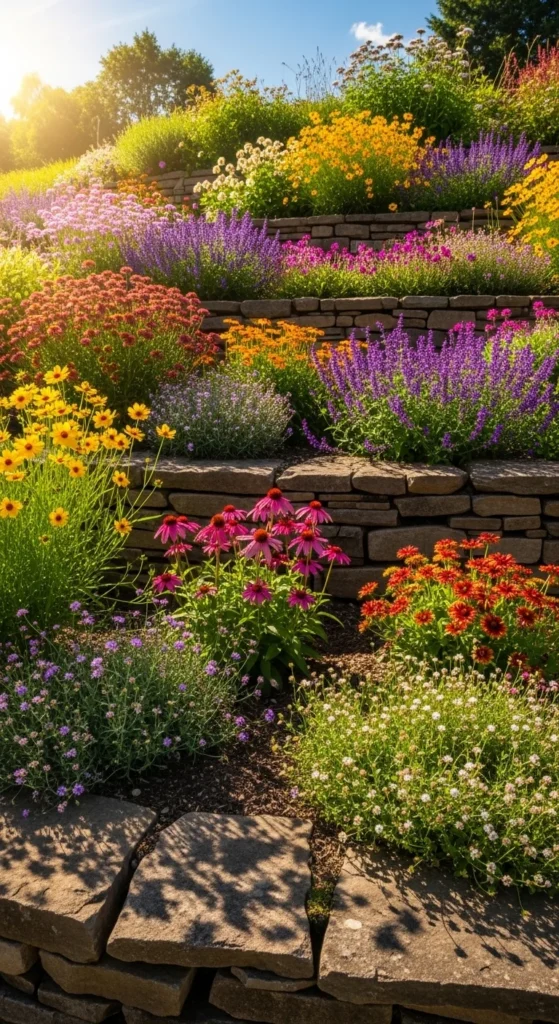
Terracing slows water runoff on slopes. It allows soil to absorb moisture instead of washing away.
Use wood planks or stones to form tiers. Fill with soil and mulch.
This setup suits sunny hillsides that dry quickly.
14. Sun-Soaked Pollinator Gardens

Pollinator plants often handle heat well. They grow steadily in long daylight hours.
Group plants in clusters for easy access. Water deeply during early growth.
These gardens support local insects while staying low-maintenance.
15. Simple Shade Screens for Young Plants
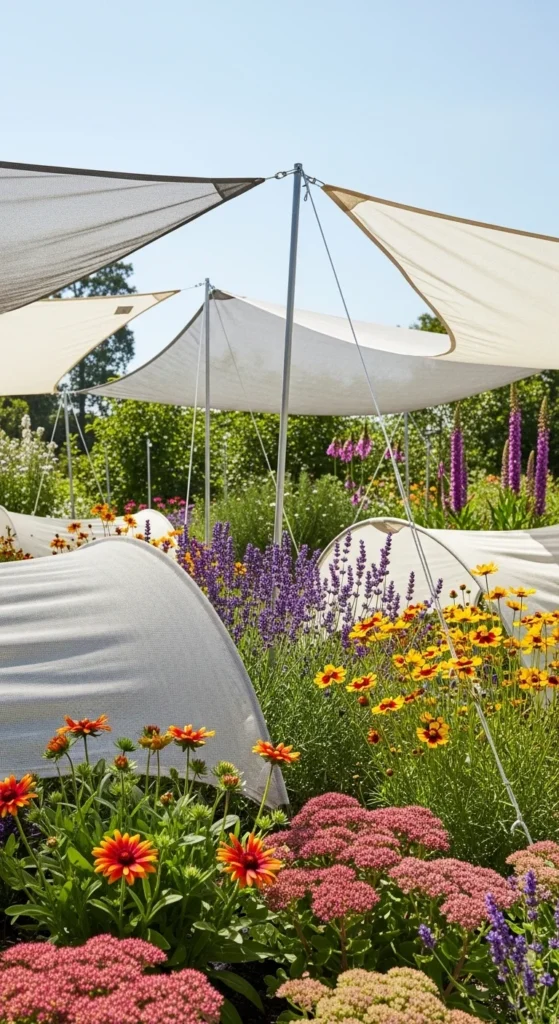
Young plants struggle more than mature ones. Temporary shade cloth helps during early weeks.
Use old sheets or mesh fabric. Remove once plants settle.
This protects leaves without blocking airflow.
16. Heat-Tolerant Annual Flower Rows
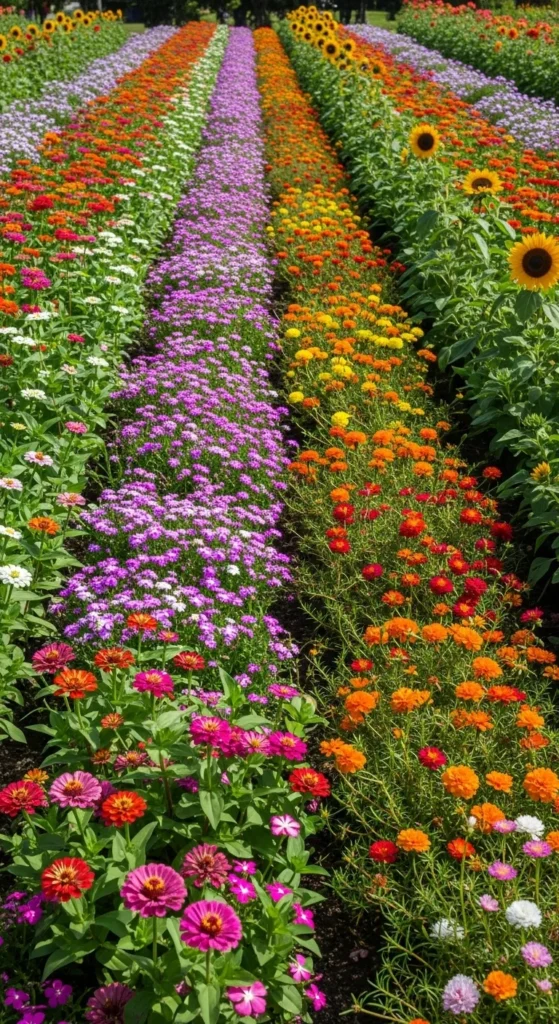
Annuals grow fast and fill gaps. Many handle sun well when watered deeply.
Plant in rows for easy care. Deadhead lightly to extend blooming.
Seeds cost less than starter plants and cover large areas.
17. Dry Creek Beds for Drainage
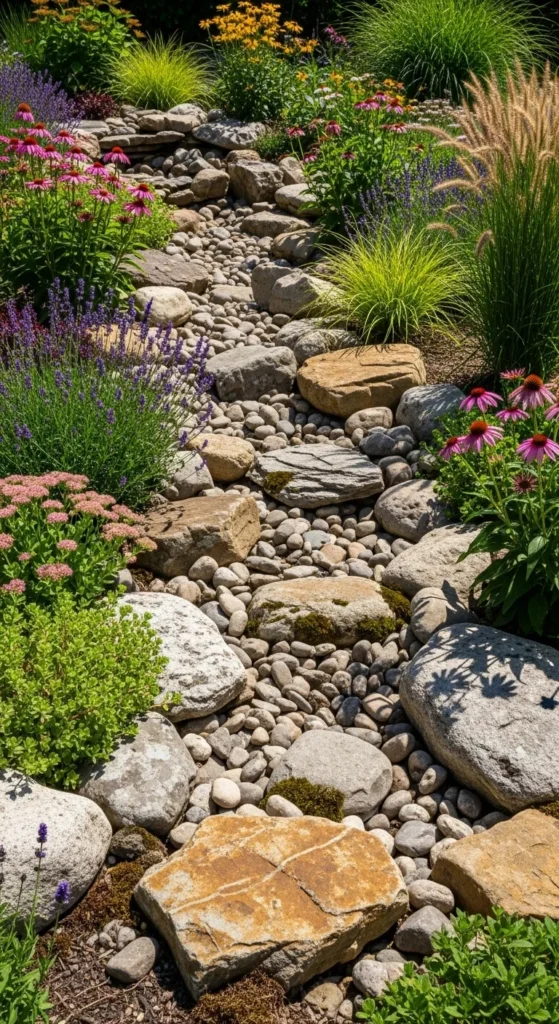
Dry creek beds guide water away during heavy irrigation. They also add visual structure.
Use mixed stones and gravel. Line with fabric to stop weeds.
They work well in sun-baked yards with runoff issues.
18. Sun-Friendly Lawn Alternatives
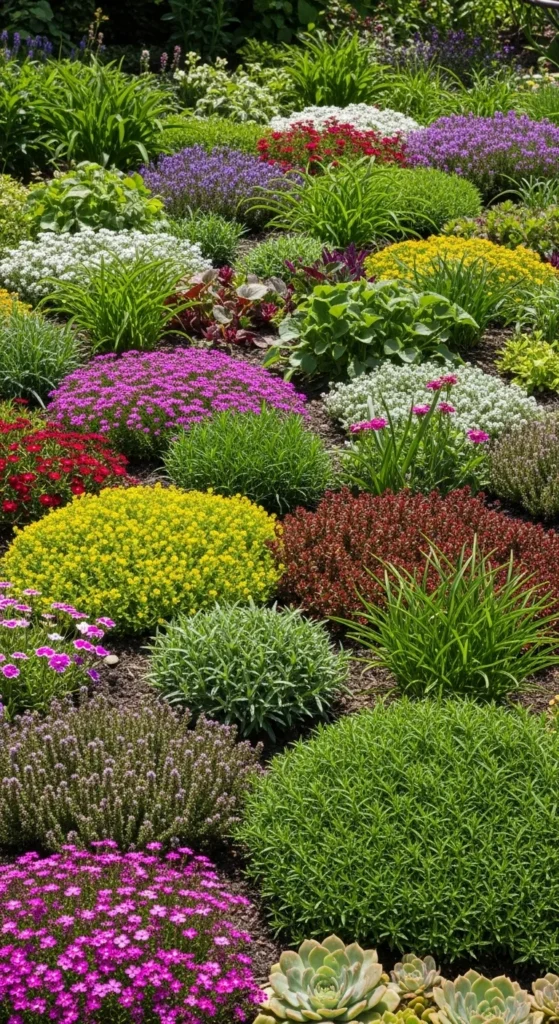
Grass struggles in intense sun. Alternatives reduce mowing and watering.
Choose low plants that spread slowly. Prepare soil well before planting.
This cuts maintenance time and water use.
19. Open Spacing Between Plants
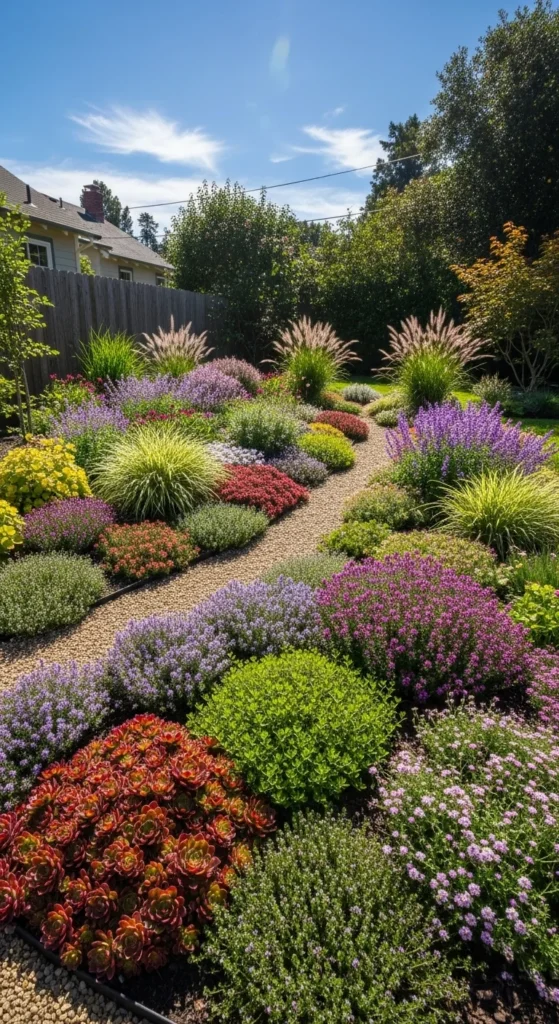
Crowding traps heat and stress. Open spacing allows airflow and deeper roots.
Follow spacing guidelines on seed packets. Resist filling gaps too fast.
Plants grow sturdier and last longer.
20. Reflective Garden Mulches
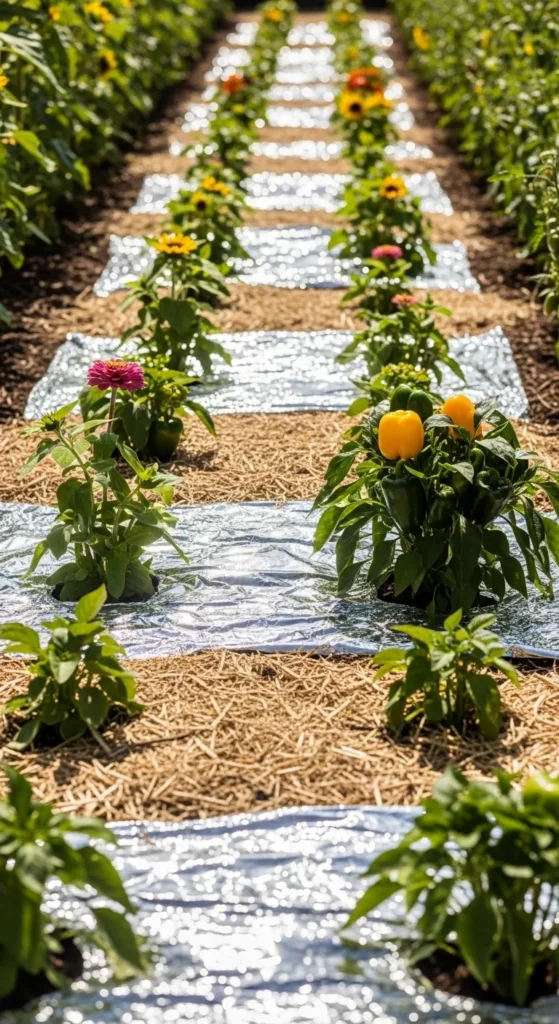
Light mulches reflect sunlight upward. This reduces soil temperature swings.
Straw and pale wood chips work well. Apply evenly.
They suit beds that face south or west.
21. Wind-Open Garden Layouts
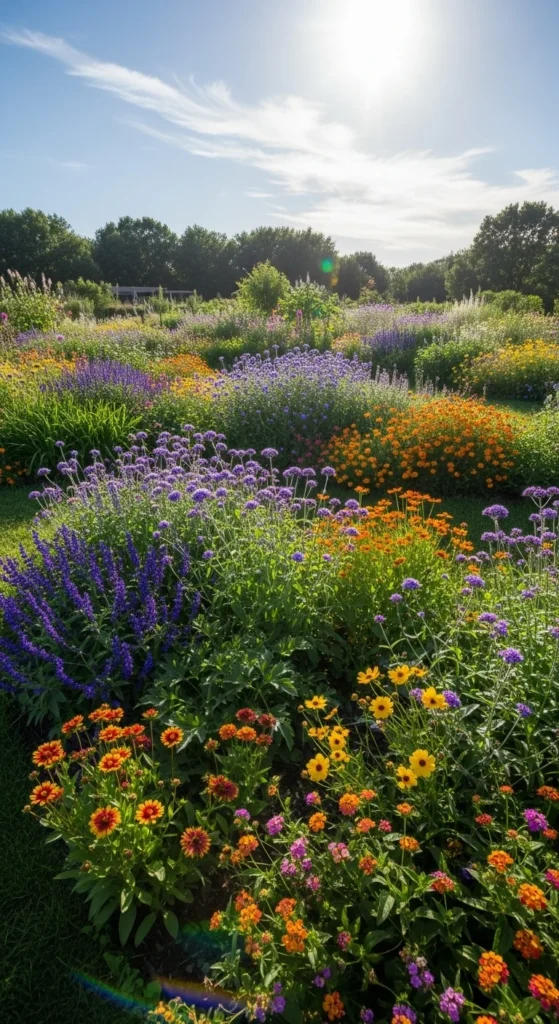
Airflow cools plants during hot afternoons. Avoid blocking wind paths with solid fences.
Use spaced shrubs instead. This balances heat and airflow naturally.
Plants dry faster after watering, lowering disease risk.
22. Simple Soil Moisture Checks

Full sun dries soil quickly. Regular checks guide watering timing.
Stick a finger into soil a few inches deep. Water only when dry below the surface.
This prevents shallow roots and wasted water.
Conclusion
Full-sun gardens reward smart planning. Heat-friendly plants, simple layouts, and small DIY changes turn bright spaces into steady growers. By working with sunlight instead of fighting it, you save time, cut costs, and enjoy stronger plants all season. Pick a few ideas that fit your yard and start building a garden that handles sunny days with ease.

Leave a Reply