

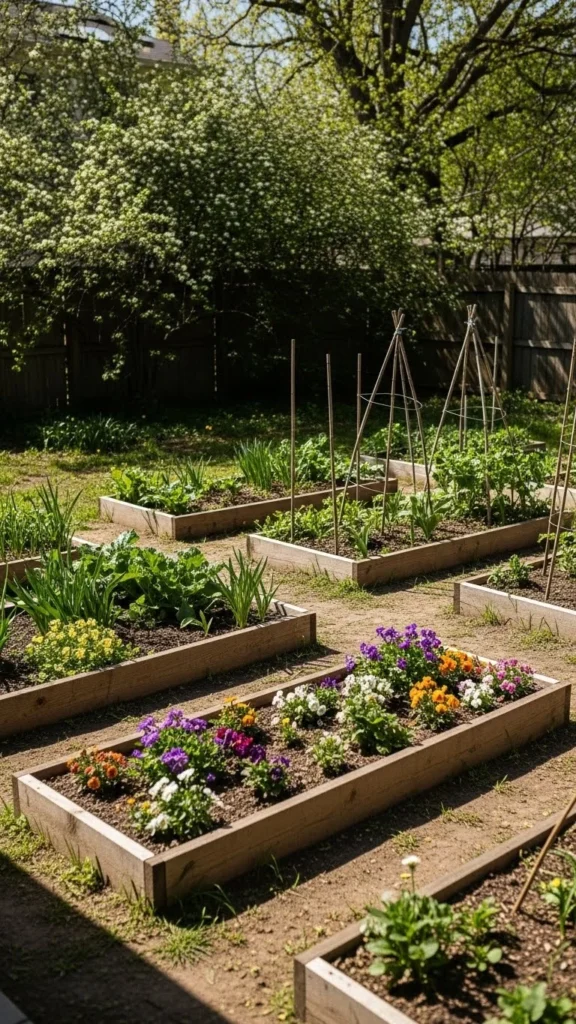
Spring gardening often works best when it follows nature instead of forcing results. Many gardeners now want simple ways to grow plants while saving money, cutting waste, and working with the soil they already have. Sustainable gardening does not require expensive tools or complicated systems. Small, thoughtful choices can shape a garden that feels calm, balanced, and practical. The ideas below focus on realistic actions that fit everyday spaces and budgets. Each one helps you grow with intention while keeping the process approachable and rewarding.
1. Start With the Soil You Already Have
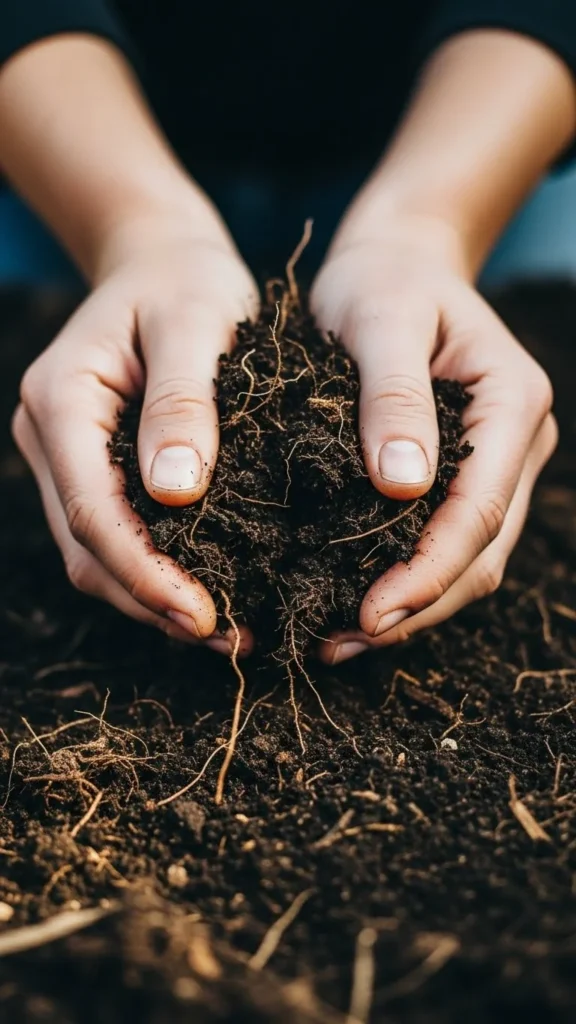
Healthy soil begins with observation. Before buying anything, look at what is already in your garden beds. Dig a small hole and check texture. Clay holds shape. Sandy soil falls apart. Knowing this saves money right away.
You can improve most soils using simple materials. Add fallen leaves, grass clippings, or homemade compost. Mix lightly by hand or with a shovel. No machines required.
If drainage feels slow, loosen the top layer instead of digging deep. Roots grow better when soil stays layered. This keeps helpful organisms close to the surface.
Skip packaged soil tests at first. Watch how plants respond. Growth patterns often say more than numbers. Adjust over time using small changes.
Working with existing soil keeps costs down and respects the land beneath your feet.
2. Collect Rainwater the Simple Way
[Image Prompt: Write a prompt to describe a photograph about: 21 Sustainable Spring Gardening Ideas That Feel Natural in the context of rainwater collection. A basic rain barrel under a gutter beside a garden bed, water droplets visible, soft overcast light, green plants nearby. No text or words in the image. High-end camera realism. Less than 75 words.]
Rainwater works well for gardens and costs nothing. You do not need a complex system. A clean barrel placed under a downspout does the job.
If barrels feel out of reach, use buckets or storage bins. Set them out during rain and cover later to keep debris out. Even small amounts help during dry weeks.
Water collected this way feels gentle on plants. Use a watering can to control where it goes. This avoids waste and soggy soil.
Check containers weekly. Empty and refresh when needed. Simple habits keep things clean and useful.
Rainwater collection fits into any space and supports steady garden care.
3. Reuse Containers as Planters
[Image Prompt: Write a prompt to describe a photograph about: 21 Sustainable Spring Gardening Ideas That Feel Natural in the context of reused containers. Recycled metal tins and wooden crates used as planters with herbs and seedlings, natural window light, rustic garden setting. No text or words in the image. High-end camera feel. Less than 75 words.]
Old containers often make great planters. Buckets, tins, wooden crates, and sturdy jars all work with a few drainage holes.
Wash items well and add small stones at the bottom. This helps water move through. Fill with soil mixed with compost scraps.
Container gardening saves space and keeps materials out of trash. It also allows easy movement if light changes.
Group reused planters together for a relaxed look. Mismatched items add character without spending money.
This approach supports sustainability while keeping your garden flexible and personal.
4. Grow From Seeds Instead of Buying Starts
[Image Prompt: Write a prompt to describe a photograph about: 21 Sustainable Spring Gardening Ideas That Feel Natural in the context of seed starting. Small seed trays on a windowsill with sprouting seedlings, soft daylight, neutral tones, shallow focus. No text or words in the image. High-end camera quality. Less than 75 words.]
Seeds cost less and offer more variety. Starting them at home requires only light, water, and patience.
Use egg cartons, paper cups, or recycled trays. Poke small holes for drainage. Fill with light soil and plant seeds at the depth listed.
Place near a sunny window. Rotate trays every few days so growth stays even. Water gently using a spray bottle.
Saving seeds from year to year builds independence. Label plants using scrap paper or sticks.
Growing from seed feels rewarding and keeps gardening affordable.
5. Choose Native Plants for Easy Care
[Image Prompt: Write a prompt to describe a photograph about: 21 Sustainable Spring Gardening Ideas That Feel Natural in the context of native plants. Native flowering plants growing naturally in a backyard garden with pollinators visible, soft sunlight, natural color palette. No text or words in the image. High-end camera look. Less than 75 words.]
Native plants adapt well to local weather and soil. They often need less water and attention once settled.
Visit a nearby nursery or community plant sale. Ask which plants grow naturally in your area. These choices save time and effort later.
Native plants support insects and birds already nearby. This keeps your garden active without extra work.
Group similar plants together. This simplifies watering and care routines.
Choosing native varieties builds a garden that fits its surroundings naturally.
6. Mulch With What You Have
[Image Prompt: Write a prompt to describe a photograph about: 21 Sustainable Spring Gardening Ideas That Feel Natural in the context of natural mulch. Garden beds covered with leaf mulch and straw, young plants emerging, warm afternoon light. No text or words in the image. High-end camera realism. Less than 75 words.]
Mulch protects soil and helps hold moisture. You do not need store-bought bags.
Use dried leaves, straw, or shredded paper. Spread a thin layer around plants, leaving space near stems.
Mulch keeps weeds down and reduces watering. It also feeds soil as it breaks down.
Refresh mulch as needed throughout the season. Small additions work better than thick piles.
Natural mulch keeps soil calm and balanced.
7. Build Simple Garden Edges From Salvaged Materials
[Image Prompt: Write a prompt to describe a photograph about: 21 Sustainable Spring Gardening Ideas That Feel Natural in the context of garden edging. Garden bed edges made from reclaimed bricks and wood, earthy tones, soft side lighting. No text or words in the image. High-end camera style. Less than 75 words.]
Clear edges help define garden spaces. Old bricks, stones, or wood pieces work well.
Lay materials directly on soil. No cement required. This allows adjustments later.
Edging keeps mulch in place and paths clear. It also gives gardens a tidy appearance.
Salvaged materials reduce spending and add character.
Simple borders guide movement while keeping the layout relaxed.
8. Compost Kitchen Scraps at Home
[Image Prompt: Write a prompt to describe a photograph about: 21 Sustainable Spring Gardening Ideas That Feel Natural in the context of home composting. Open compost bin with vegetable scraps and garden waste, natural backyard setting, soft light. No text or words in the image. High-end camera look. Less than 75 words.]
Composting turns scraps into soil food. A basic bin or pile works fine.
Add fruit peels, vegetable scraps, and dry leaves. Turn occasionally using a shovel or stick.
Keep moisture like a damp sponge. Too wet slows breakdown. Too dry stops progress.
Use finished compost in garden beds or containers. Mix lightly into the top layer.
Composting reduces waste and supports steady soil health.
9. Plant in Groups to Save Water
[Image Prompt: Write a prompt to describe a photograph about: 21 Sustainable Spring Gardening Ideas That Feel Natural in the context of grouped planting. Garden bed with plants clustered by size and type, soft sunlight, visible soil texture. No text or words in the image. High-end camera quality. Less than 75 words.]
Grouping plants with similar water habits makes care easier. Water reaches roots more evenly.
This method reduces runoff and dry spots. It also saves time during watering sessions.
Arrange plants by height and spread. Taller plants shade smaller ones naturally.
Grouped planting creates a balanced look while using fewer resources.
10. Let Some Areas Stay Wild
[Image Prompt: Write a prompt to describe a photograph about: 21 Sustainable Spring Gardening Ideas That Feel Natural in the context of wild garden areas. Slightly untamed garden corner with grasses and wildflowers, bees visible, warm light. No text or words in the image. High-end camera realism. Less than 75 words.]
Not every corner needs control. Leaving areas natural supports insects and soil life.
Allow grasses or flowers to grow freely in certain spots. Trim only when needed.
Wild areas reduce maintenance and support balance. They also soften garden design.
This approach adds life without added cost or effort.
11. Use Hand Tools Instead of Machines
[Image Prompt: Write a prompt to describe a photograph about: 21 Sustainable Spring Gardening Ideas That Feel Natural in the context of hand tools. Simple hand tools resting on soil beside a garden bed, natural light, shallow depth of field. No text or words in the image. High-end camera style. Less than 75 words.]
Hand tools give control and reduce energy use. A trowel, fork, and pruners cover most tasks.
They also protect soil structure better than machines. Gentle work keeps layers intact.
Hand tools cost less and last longer with care.
Slow gardening often leads to better results.
12. Save Seeds From Healthy Plants
[Image Prompt: Write a prompt to describe a photograph about: 21 Sustainable Spring Gardening Ideas That Feel Natural in the context of seed saving. Dry seed pods on a wooden table, natural light, neutral background. No text or words in the image. High-end camera realism. Less than 75 words.]
Seed saving reduces yearly spending. Choose strong plants and let them mature fully.
Dry seeds on paper towels. Store in labeled envelopes.
Keep seeds in a cool, dry place. Use them next season.
This habit builds self-reliance over time.
13. Rotate Crops Each Season
[Image Prompt: Write a prompt to describe a photograph about: 21 Sustainable Spring Gardening Ideas That Feel Natural in the context of crop rotation. Garden beds with different plant types marked by natural spacing, soft daylight. No text or words in the image. High-end camera look. Less than 75 words.]
Rotating crops helps soil stay balanced. It also reduces plant stress.
Move plant families to new spots each year. Keep notes on paper or a notebook.
Rotation improves long-term growth without extra products.
Small changes add up over seasons.
14. Water Early in the Day
[Image Prompt: Write a prompt to describe a photograph about: 21 Sustainable Spring Gardening Ideas That Feel Natural in the context of early watering. Morning light on a watering can pouring water onto garden soil, soft shadows. No text or words in the image. High-end camera quality. Less than 75 words.]
Early watering reduces loss and supports roots. Soil absorbs moisture before heat arrives.
Use watering cans or hoses slowly. Focus on soil, not leaves.
This habit saves water and supports steady growth.
15. Share Plants With Neighbors
[Image Prompt: Write a prompt to describe a photograph about: 21 Sustainable Spring Gardening Ideas That Feel Natural in the context of plant sharing. Hands exchanging small potted plants outdoors, natural light, friendly setting. No text or words in the image. High-end camera realism. Less than 75 words.]
Plant sharing builds community and saves money. Divide plants during spring growth.
Offer extras to friends or neighbors. Accept new varieties in return.
Shared plants often adapt well locally.
Gardening feels more connected this way.
16. Use Paths to Protect Soil
[Image Prompt: Write a prompt to describe a photograph about: 21 Sustainable Spring Gardening Ideas That Feel Natural in the context of garden paths. Simple garden path made of wood chips between beds, soft afternoon light. No text or words in the image. High-end camera style. Less than 75 words.]
Designated paths prevent soil compaction. Use wood chips, stones, or gravel.
Keep walking areas clear. This protects root zones.
Paths also guide movement naturally.
17. Prune Only When Necessary
[Image Prompt: Write a prompt to describe a photograph about: 21 Sustainable Spring Gardening Ideas That Feel Natural in the context of gentle pruning. Close-up of pruning shears trimming a branch, natural light, soft focus background. No text or words in the image. High-end camera quality. Less than 75 words.]
Pruning supports plant shape and airflow. Cut only damaged or crowded growth.
Use clean tools. Make simple cuts.
Over-pruning wastes energy. Less often works better.
18. Grow Food in Small Batches
[Image Prompt: Write a prompt to describe a photograph about: 21 Sustainable Spring Gardening Ideas That Feel Natural in the context of small food gardens. Raised bed with mixed vegetables at early growth stage, natural sunlight. No text or words in the image. High-end camera realism. Less than 75 words.]
Small food plots reduce waste. Harvest only what you use.
Plant a few rows at a time. Repeat later in the season.
This method fits busy schedules and small spaces.
19. Use Shade From Trees and Structures
[Image Prompt: Write a prompt to describe a photograph about: 21 Sustainable Spring Gardening Ideas That Feel Natural in the context of natural shade. Garden bed partially shaded by a tree, dappled sunlight. No text or words in the image. High-end camera look. Less than 75 words.]
Natural shade reduces water loss. Place shade-loving plants near trees or fences.
Observe sun patterns. Adjust planting locations slowly.
Shade supports steady soil moisture.
20. Observe Before Changing Anything
[Image Prompt: Write a prompt to describe a photograph about: 21 Sustainable Spring Gardening Ideas That Feel Natural in the context of observation. Gardener standing quietly observing plants, soft evening light. No text or words in the image. High-end camera realism. Less than 75 words.]
Observation guides better decisions. Watch plant growth over days.
Note leaf color, spacing, and soil condition.
Adjust gradually. Small changes feel easier.
21. Keep a Simple Garden Journal
[Image Prompt: Write a prompt to describe a photograph about: 21 Sustainable Spring Gardening Ideas That Feel Natural in the context of garden journaling. Notebook and pencil resting on a garden bench, natural light. No text or words in the image. High-end camera quality. Less than 75 words.]
A notebook tracks progress. Write planting dates and observations.
Sketch layouts or jot reminders.
This record helps future planning without digital tools.
Conclusion
Sustainable spring gardening works best when it feels practical and grounded. These ideas show how small, thoughtful actions shape a garden that grows steadily without waste or strain. By reusing materials, observing patterns, and working with natural cycles, you create a space that supports plants and people alike. Choose a few ideas to try this season, adjust as you go, and let your garden develop at its own pace.
Leave a Reply