

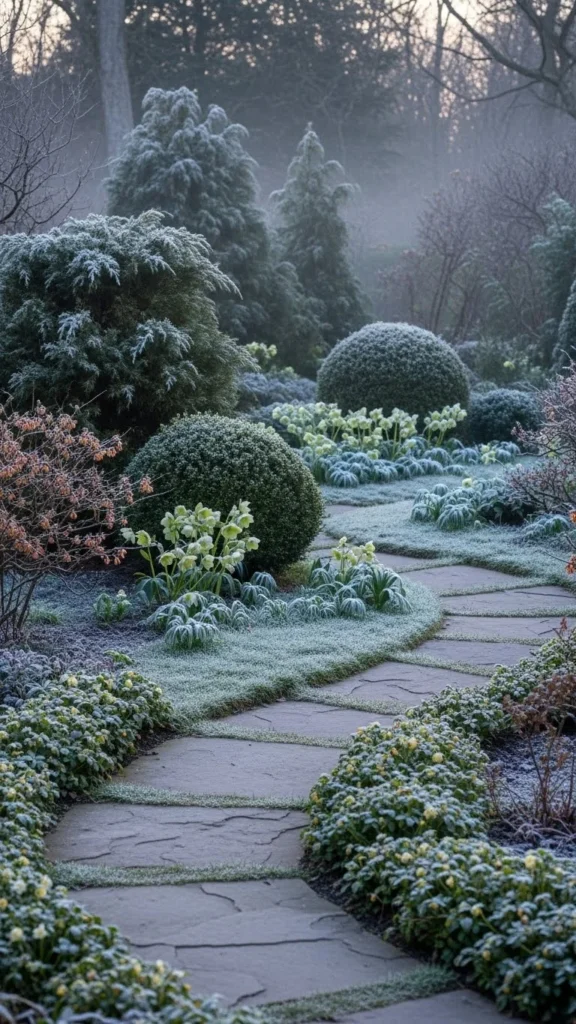
Winter gardens often look calm and structured, but scent is what turns them into places people remember. Even on cold days, certain plants release gentle fragrance that drifts through entryways, patios, and garden paths. These plants work hard when little else is happening outdoors. Many are affordable, low-effort, and well suited to small spaces or containers. This guide focuses on plants that quietly perfume winter air and show how to place them where scent matters most.
1. Winter Honeysuckle (Lonicera fragrantissima)
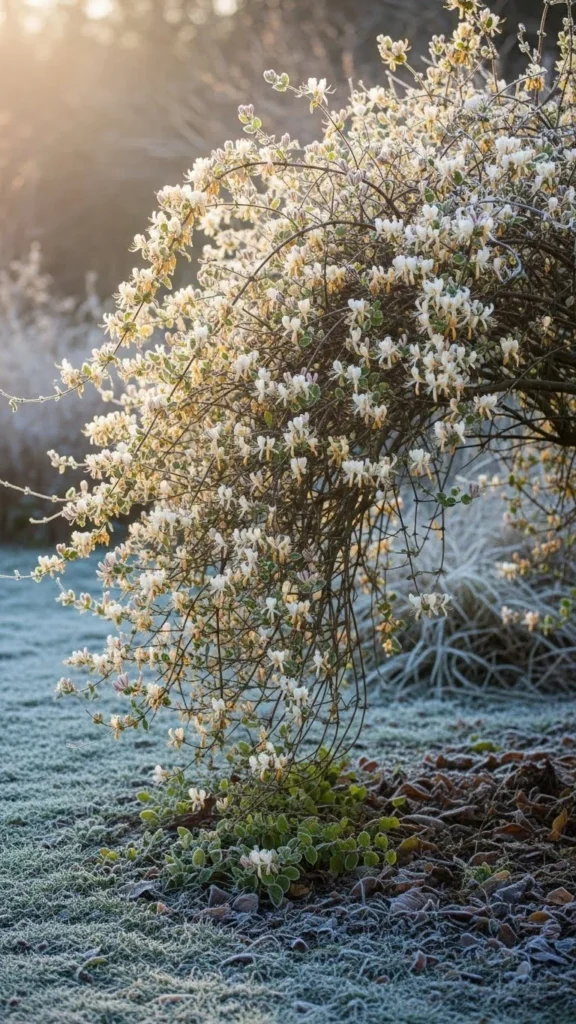
Winter honeysuckle releases a gentle scent that carries surprisingly far. The shrub flowers when most plants rest, making it a smart choice near walkways or doors. You don’t need a large yard. A single plant can scent a small garden corner.
This shrub grows well in average soil. It handles cold without extra care. Place it where winter sun reaches the branches. That warmth helps fragrance travel.
For tight budgets, buy a young plant. It grows quickly and fills space within a few seasons. Light pruning after flowering keeps it tidy. Fallen branches can be trimmed with basic hand tools.
If space is limited, plant it near a fence or wall. The structure traps scent instead of letting it drift away. Even a small patio garden benefits from this placement.
2. Sweet Box (Sarcococca confusa)
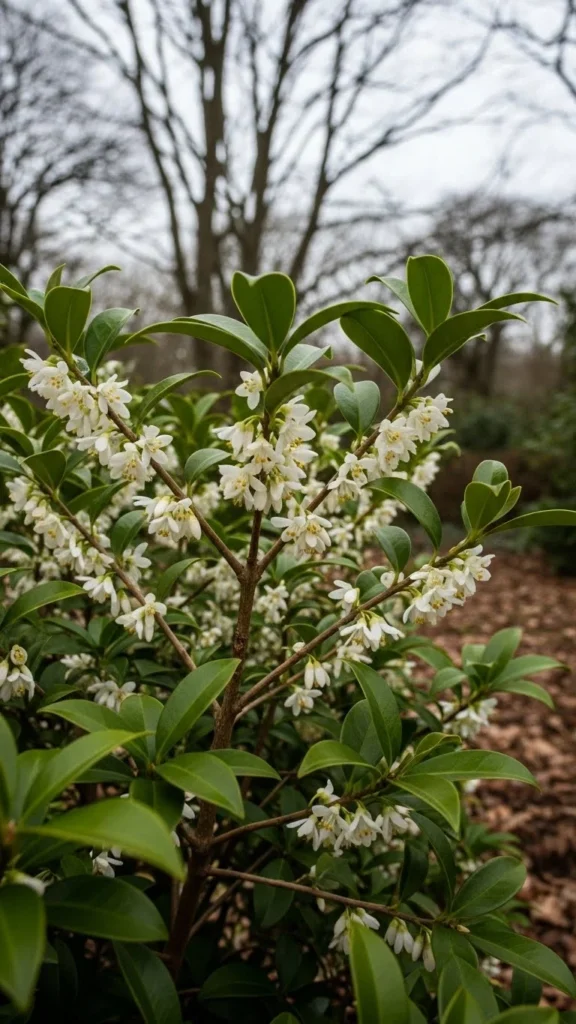
Sweet box is known for strong winter scent packed into small flowers. It thrives in shade, which makes it ideal under trees or along north-facing walls. Many gardeners overlook shaded spots, yet this plant shines there.
The flowers appear close to the stems. You won’t notice them visually, but you’ll notice the aroma while walking past. That makes it perfect along paths or near steps.
Sweet box stays compact. It works well in containers, too. A sturdy pot and basic soil mix are enough. Keep the pot near an entrance so scent drifts indoors when doors open.
Water sparingly once established. Mulch helps protect roots during deep cold. This is a low-effort plant that quietly changes how winter gardens feel.
3. Daphne odora
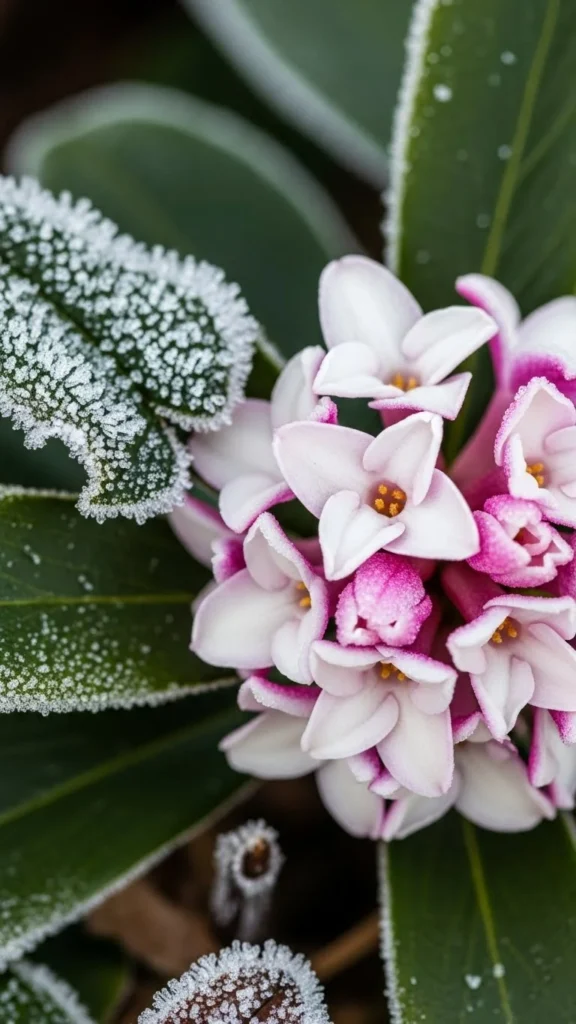
Daphne odora produces one of the strongest winter fragrances. The scent feels rich and noticeable without being overwhelming. Place it near a door or seating area for best effect.
This plant prefers sheltered locations. Cold wind can damage buds, so planting near a wall helps. Soil drainage matters more than feeding. Raised beds or mounded soil work well.
Daphne doesn’t like being moved. Choose its spot carefully. Once settled, it asks for little care. Avoid heavy pruning. Let the natural shape stay intact.
For budget gardeners, smaller nursery plants adapt better than large ones. Patience pays off. When it blooms, even one plant can scent a whole corner of the garden.
4. Witch Hazel (Hamamelis)
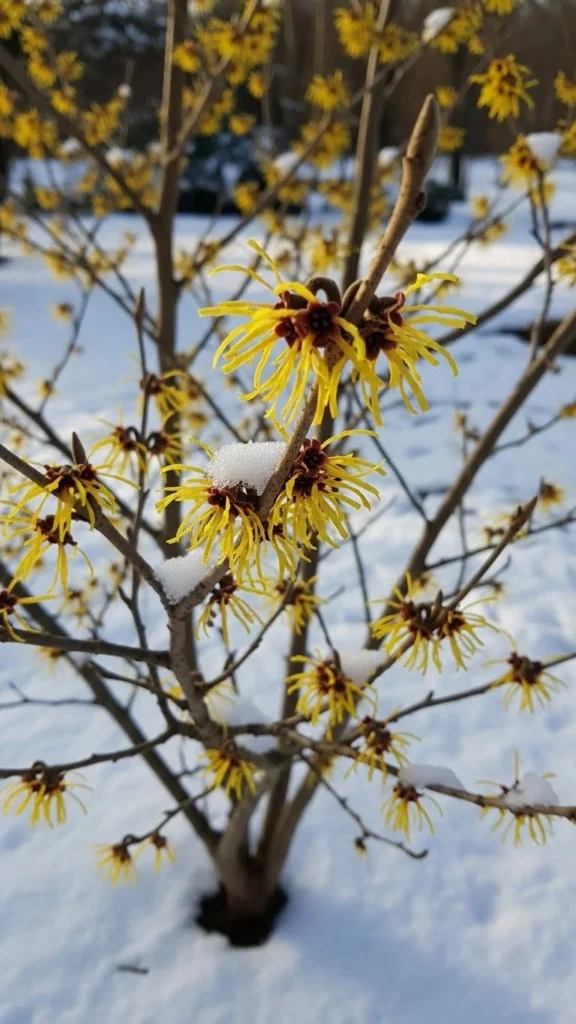
Witch hazel flowers appear like ribbons along bare branches. The scent is soft but spreads well in cold air. This plant works best where winter sun hits the branches.
It grows as a large shrub or small tree. If space allows, plant it where you walk often. The fragrance becomes more noticeable on mild winter days.
Witch hazel handles poor soil better than many flowering shrubs. Compost once a year is enough. No special feeding routine required.
For smaller gardens, choose compact varieties. Even young plants flower reliably. Let fallen leaves stay nearby as natural mulch during winter months.
5. Wintersweet (Chimonanthus praecox)
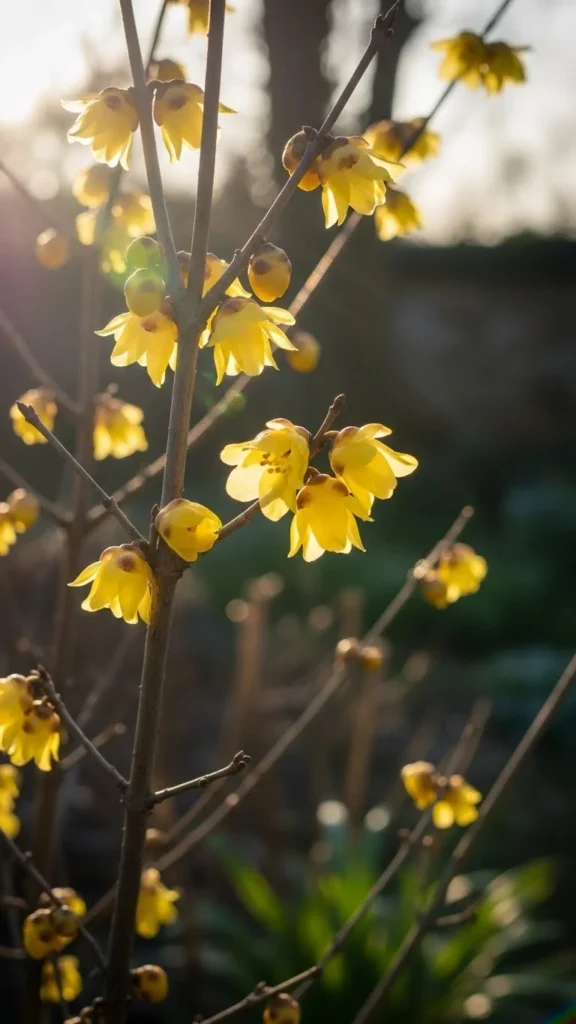
Wintersweet offers a strong, clean scent that carries across open spaces. The flowers look delicate but handle cold well. This shrub works well as a focal point.
Plant it where afternoon sun warms the branches. That warmth helps release scent. Avoid deep shade for best results.
Wintersweet grows slowly at first. Buying a slightly older plant can save time. Once established, it asks for little attention.
Use basic pruning after flowering to shape it. Cut branches can be brought indoors to scent rooms naturally during winter.
6. Paperbush (Edgeworthia chrysantha)
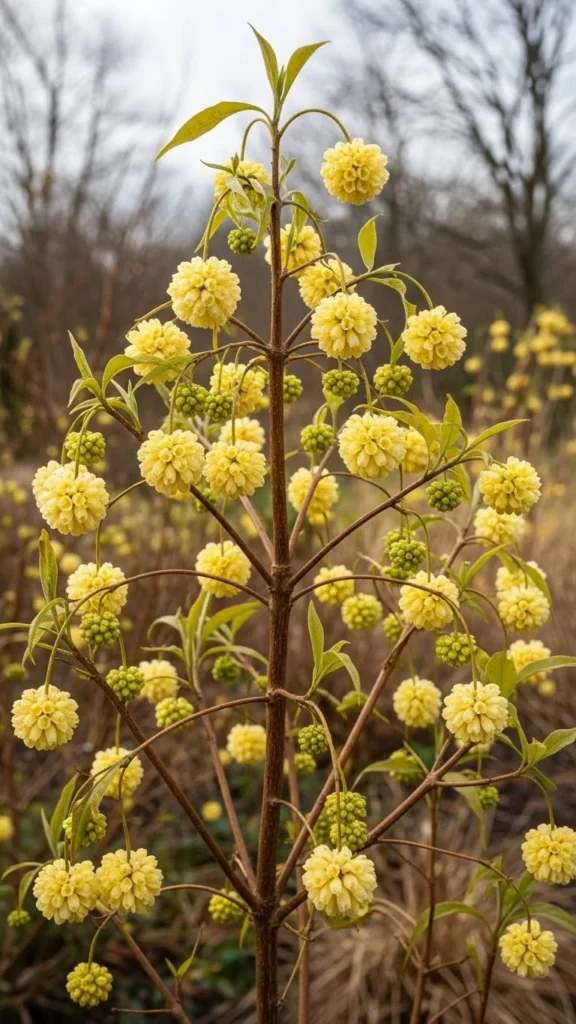
Paperbush produces clusters of flowers that release fragrance during late winter. The plant has an architectural shape even without leaves.
It prefers sheltered areas with good drainage. Plant near a wall or hedge for protection from harsh wind. Mulch helps regulate soil temperature.
This shrub works well in medium-sized gardens. For smaller spaces, choose a compact cultivar. It doesn’t require pruning beyond removing dead branches.
Paperbush adds structure and scent at the same time. Few plants manage both during winter.
7. Christmas Box (Sarcococca humilis)
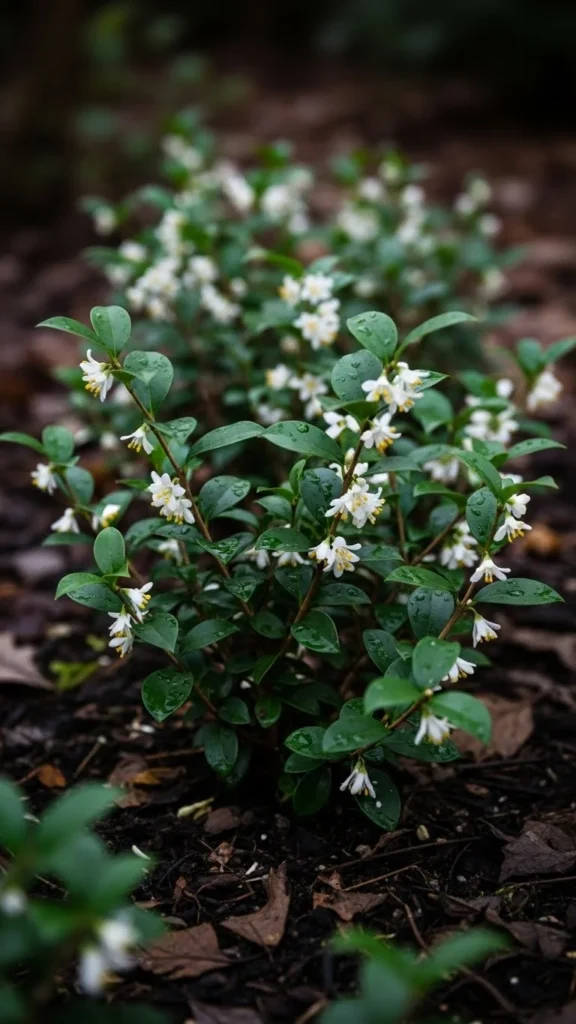
Christmas box stays low and dense, making it ideal for borders. Its scent surprises people who don’t expect fragrance from such a small plant.
Use it along paths where brushing past leaves releases aroma. Shade doesn’t bother it, which helps fill underused areas.
It grows slowly, so spacing matters. Plant several close together for better scent coverage. Smaller starter plants keep costs down.
Once planted, it asks for little care. Occasional watering during dry winters is enough.
8. Winter Jasmine (Jasminum nudiflorum)
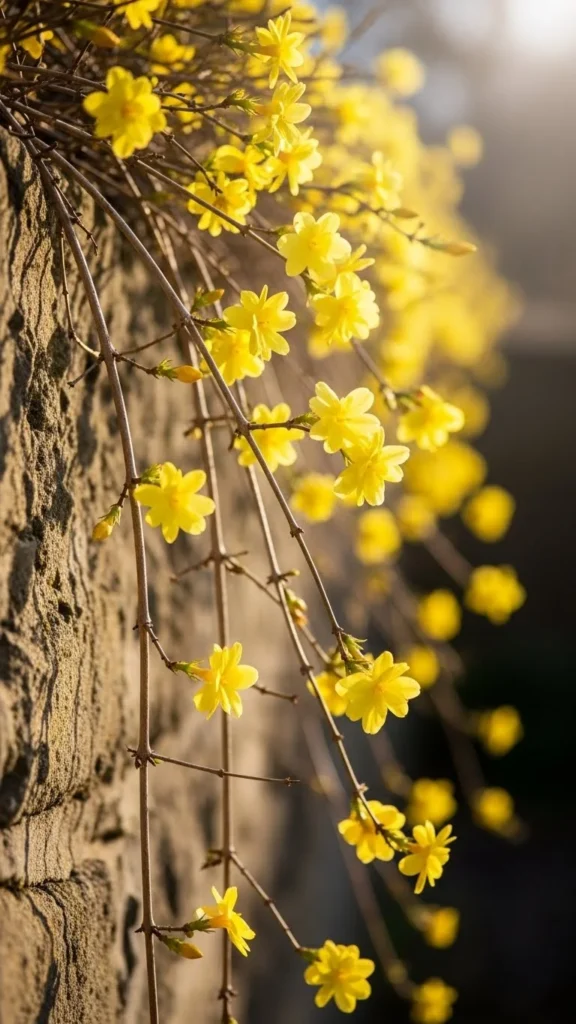
Winter jasmine adds light scent along walls and fences. The flowers appear early and brighten dull spaces.
It works well trained along supports. Basic wire or trellis materials are enough. No expensive structure required.
Prune after flowering to guide growth. This keeps the plant tidy and manageable.
Though scent is mild, placing it near walkways makes a difference. It pairs well with stronger scented shrubs nearby.
9. Viburnum tinus
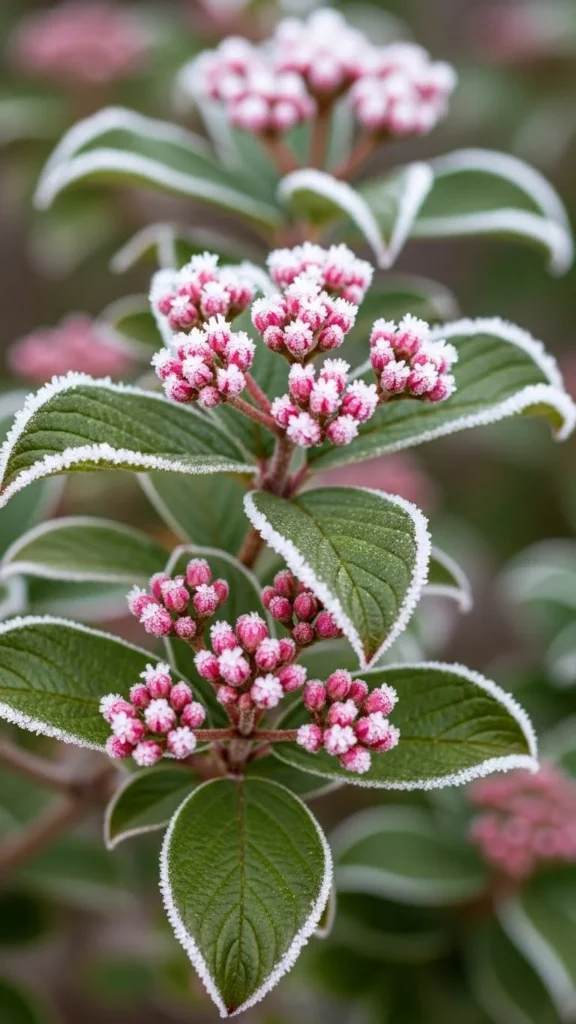
Viburnum tinus offers subtle scent with evergreen structure. It suits hedges or standalone shrubs.
Plant it near seating or doors where scent can be noticed. It handles cold and varied soil well.
This plant grows steadily without special feeding. Occasional trimming keeps shape neat.
For budget-friendly gardens, it offers year-round value with little effort.
10. Viburnum bodnantense
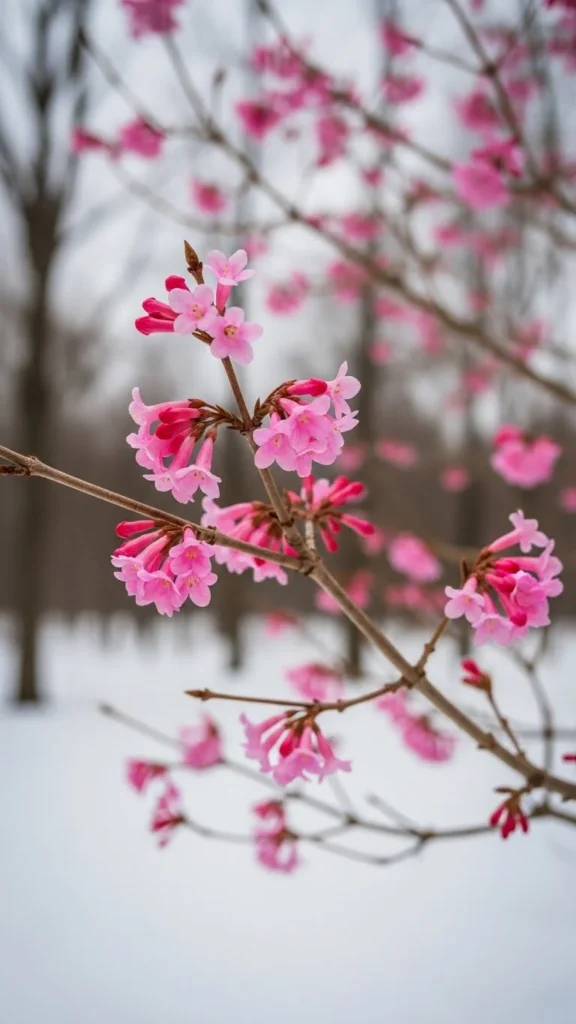
This viburnum produces one of the most noticeable winter scents. The flowers appear on bare stems, making fragrance easier to detect.
Plant near entrances or windows. The scent drifts indoors on calm days.
It prefers sun but tolerates light shade. Simple compost once a year supports growth.
Choose young plants for better adaptation. They flower well within a few seasons.
11. Rosemary (upright varieties)
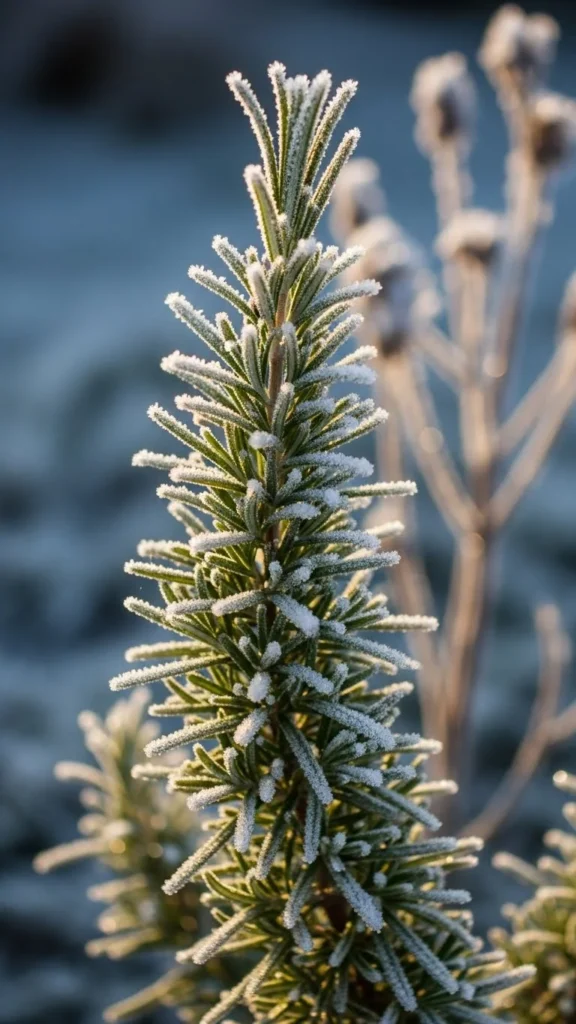
Rosemary releases aroma even in cold weather. Upright types handle winter better than trailing ones.
Grow it in pots near doors. Brushing past releases scent instantly. Containers also allow moving plants during extreme cold.
Basic soil and drainage matter more than feeding. Avoid heavy watering in winter.
This plant pulls double duty by offering fragrance and kitchen use without extra cost.
12. Winter Heath (Erica carnea)
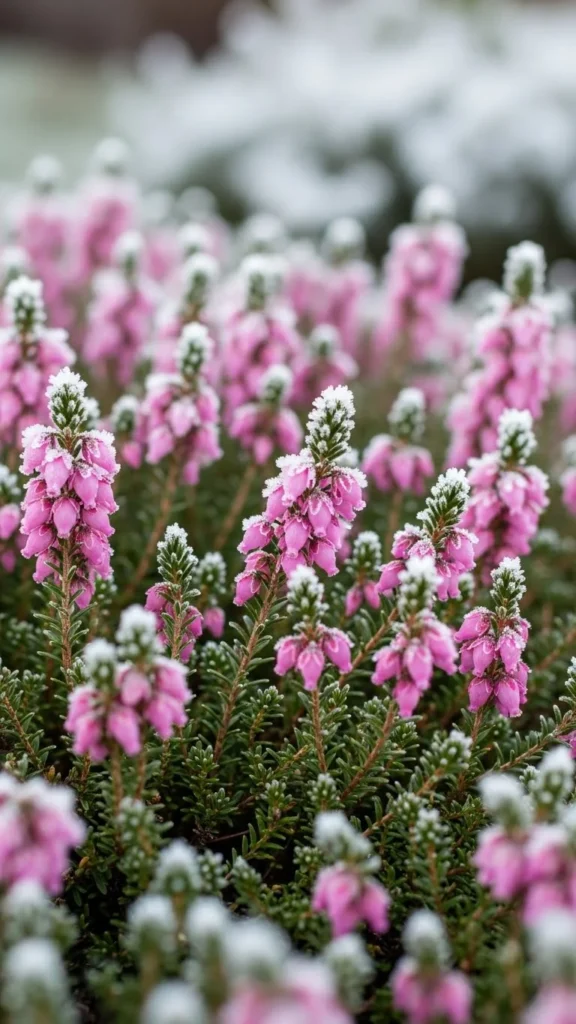
Winter heath forms low mats of flowers that release gentle scent. It works well along paths or slopes.
It prefers acidic soil. Use affordable ericaceous compost if soil isn’t suitable.
Plant in groups for better impact. Maintenance stays simple with light trimming after flowering.
This plant adds color and aroma without effort.
13. Skimmia japonica
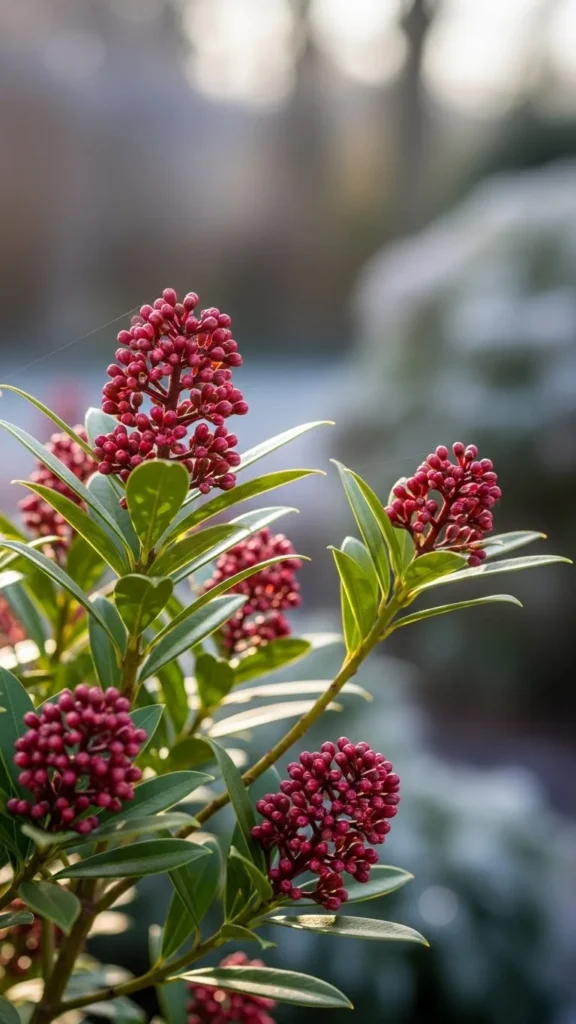
Skimmia produces scented flowers and decorative buds. It suits shaded gardens and containers.
Male plants provide scent. Check labels when buying. One plant can serve small spaces well.
Keep soil moist but not wet. Mulch protects roots during cold spells.
This plant rewards patience with consistent winter interest.
14. Sweet Osmanthus (Osmanthus heterophyllus)
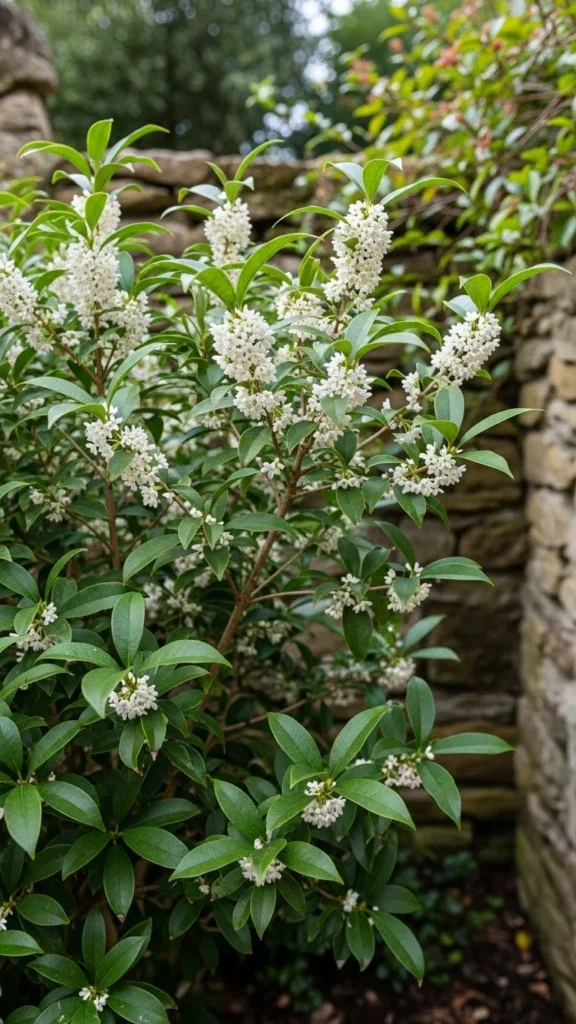
Osmanthus produces powerful scent from tiny flowers. Evergreen leaves add structure.
It prefers sheltered spots. Cold wind reduces flowering, so placement matters.
Prune lightly after flowering. Over-pruning reduces blooms.
This shrub works well as a hedge or specimen plant.
15. Winter Cyclamen
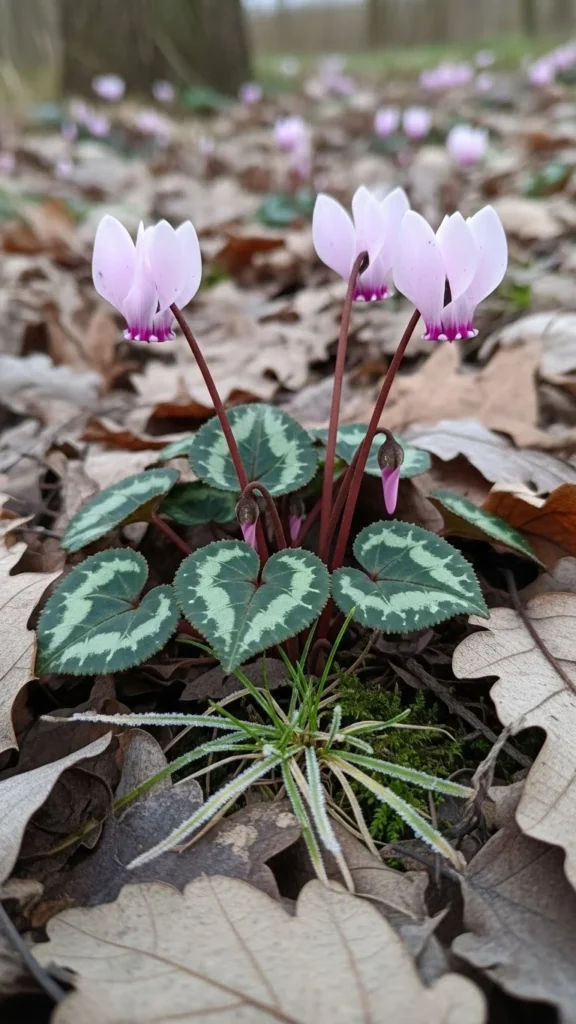
Winter cyclamen offers light scent close to the ground. It works well under trees.
Plant bulbs in autumn. They multiply naturally over time.
Little care required once established. Avoid disturbing soil.
This plant suits woodland-style gardens.
16. Hellebores
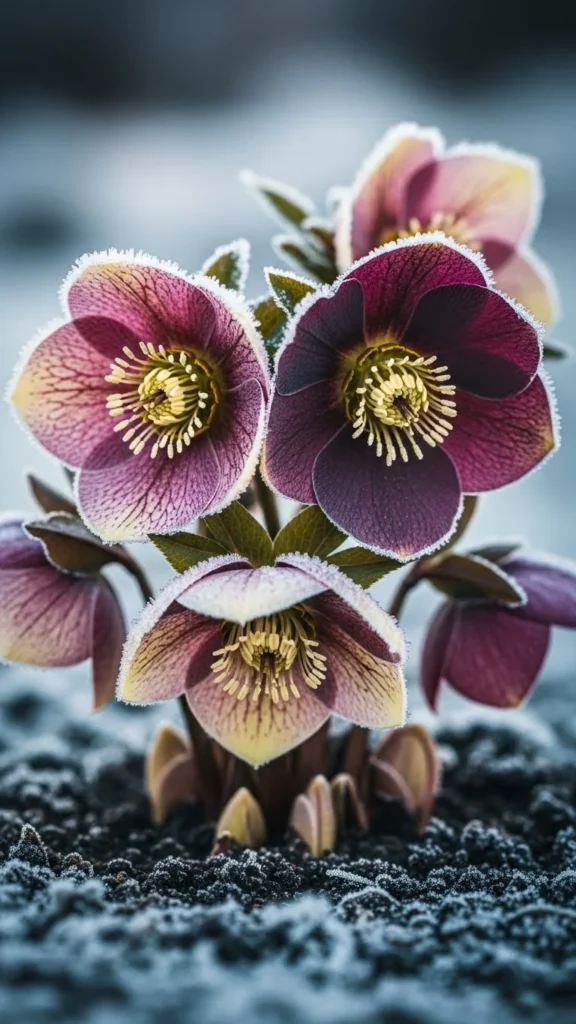
Hellebores offer subtle fragrance and long-lasting flowers.
They thrive in shade and handle cold well.
Remove old leaves to show blooms better.
Affordable starter plants establish quickly.
17. Winter Clematis (Clematis cirrhosa)
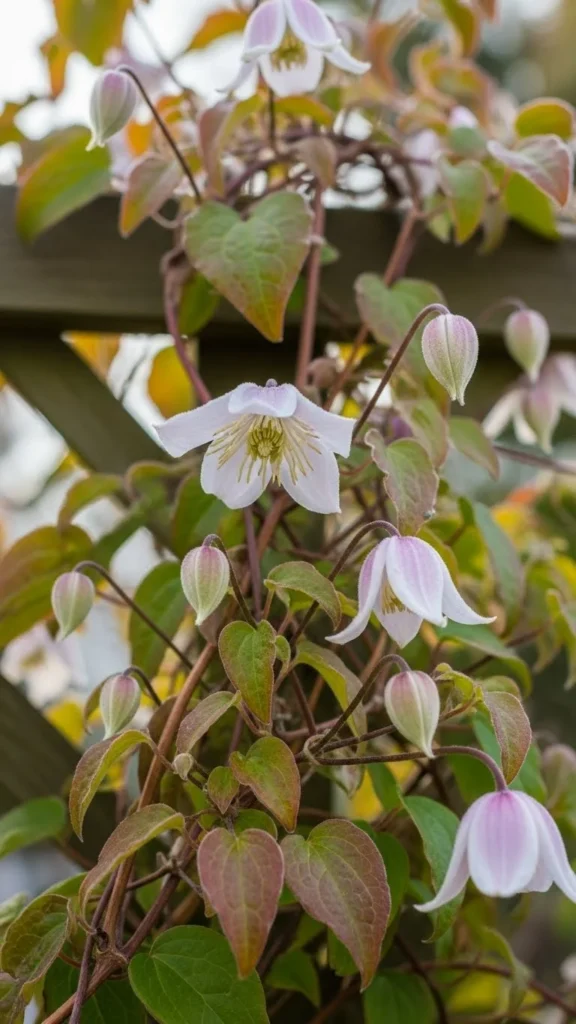
This clematis flowers during winter and releases gentle scent.
Train it along walls or fences.
Minimal pruning required.
It suits small spaces with vertical interest.
18. Bay Laurel
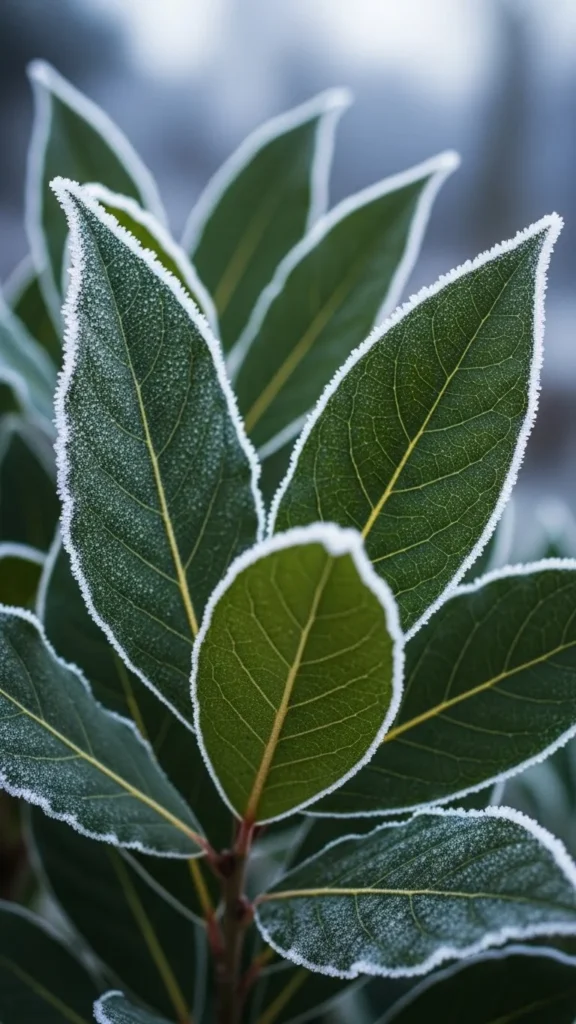
Bay laurel leaves release aroma year-round.
Grow it in pots for flexibility.
Protect roots during extreme cold.
Leaves can be harvested sparingly.
19. Lavender (cold-hardy types)
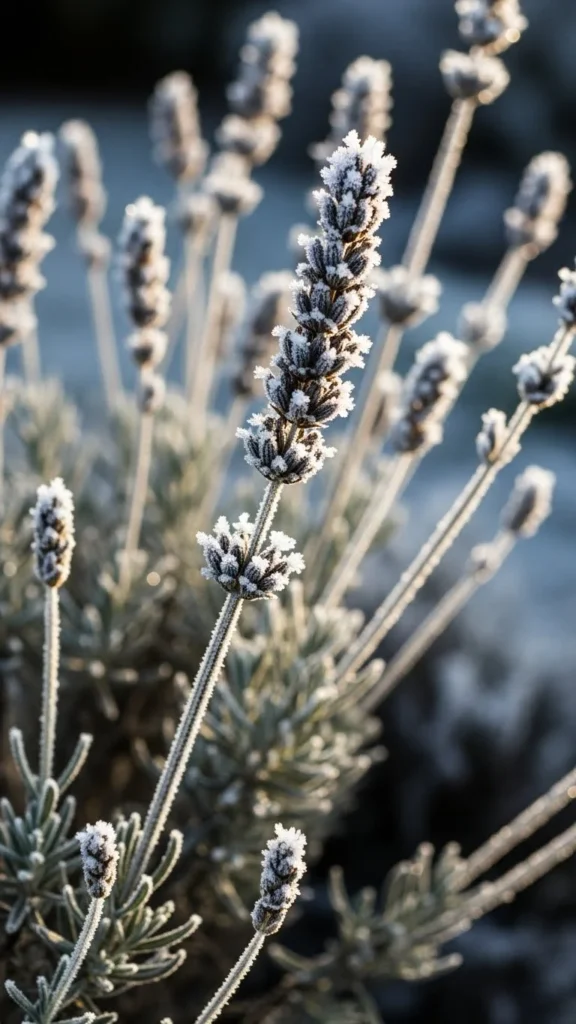
Some lavender varieties release scent even in cold.
Good drainage is key.
Use gravel mulch to protect roots.
Prune lightly in spring.
20. Sweet Alyssum (cool-season planting)
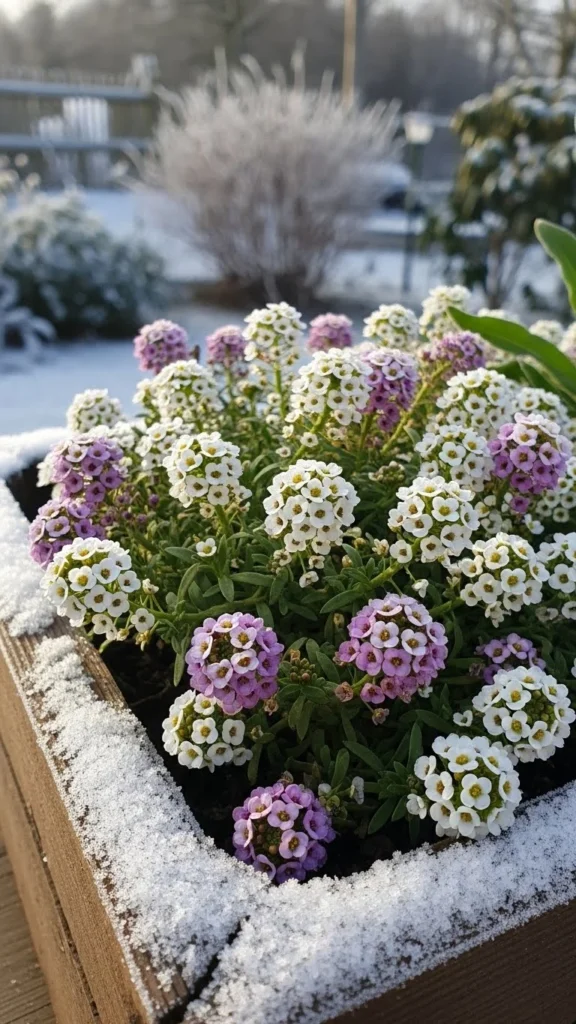
Sweet alyssum releases honey-like scent in mild winters.
Grow in containers near doors.
Low cost and fast growth.
Replace annually if damaged by cold.
21. Korean Spice Viburnum
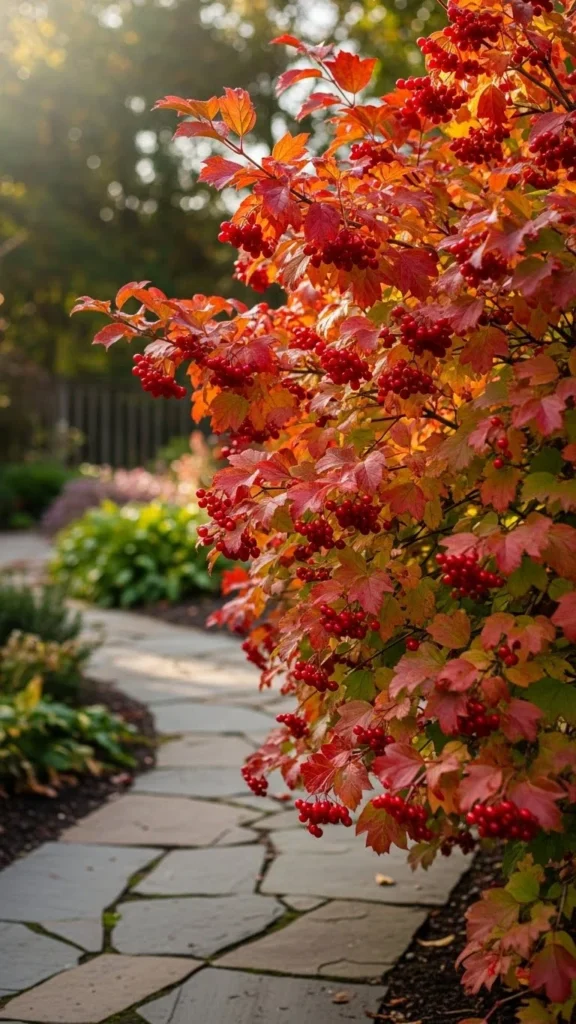
This viburnum produces strong spring fragrance but buds develop during winter.
Plant where buds catch sun.
Basic care only.
Worth planting for seasonal payoff.
22. Winter Savory
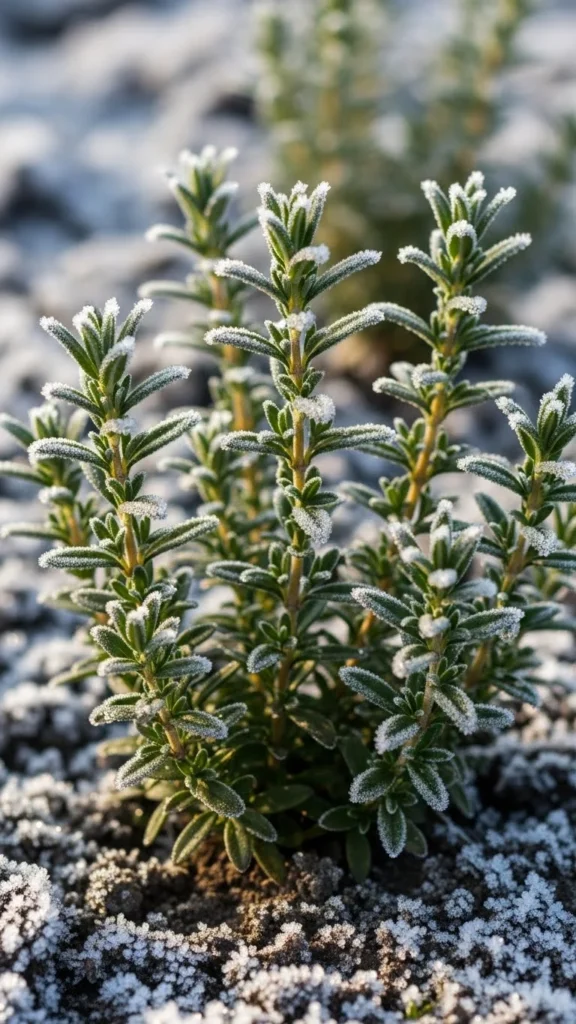
Winter savory releases aroma when brushed.
Grow in pots near walkways.
Handles cold well.
Minimal care required.
23. Sweet Pea Shrub (Calycanthus praecox)
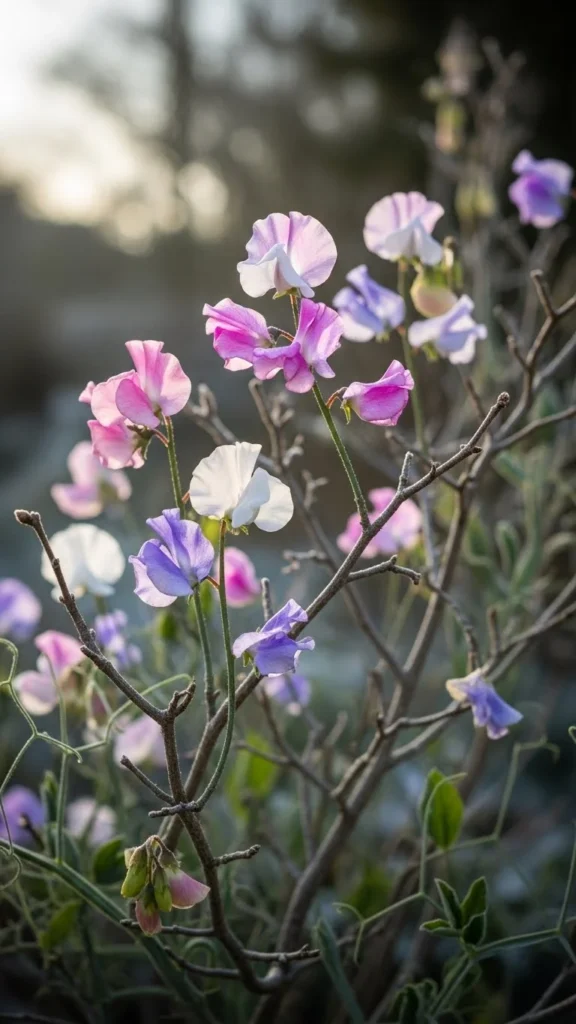
This shrub flowers in late winter with strong scent.
Plant near paths.
Sheltered spots work best.
Prune lightly after flowering.
24. Winter-Blooming Camellia (scented varieties)
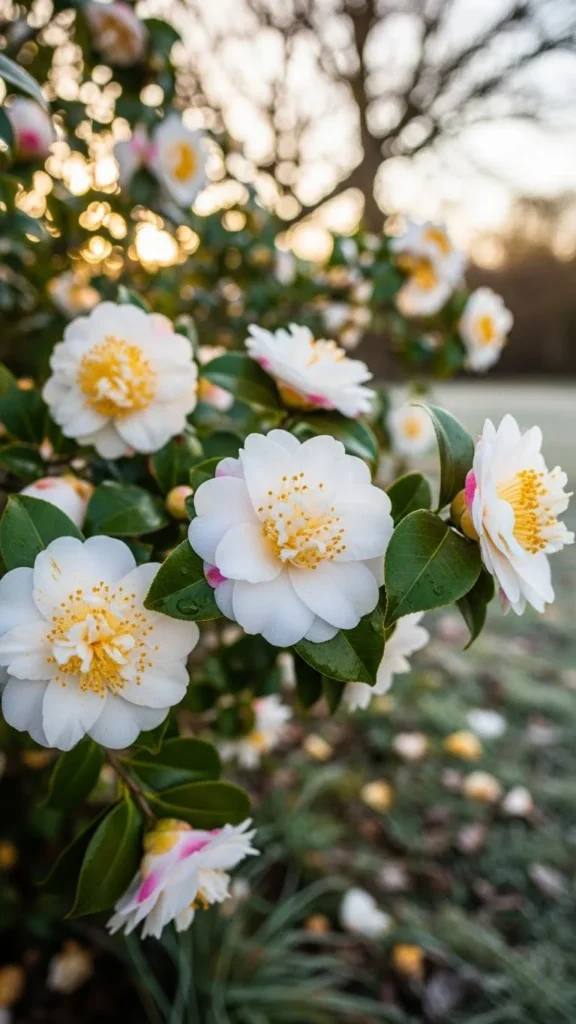
Some camellias release light fragrance.
Choose scented cultivars.
Shelter from wind.
Use mulch to protect roots.
25. Lemon Balm (protected planting)
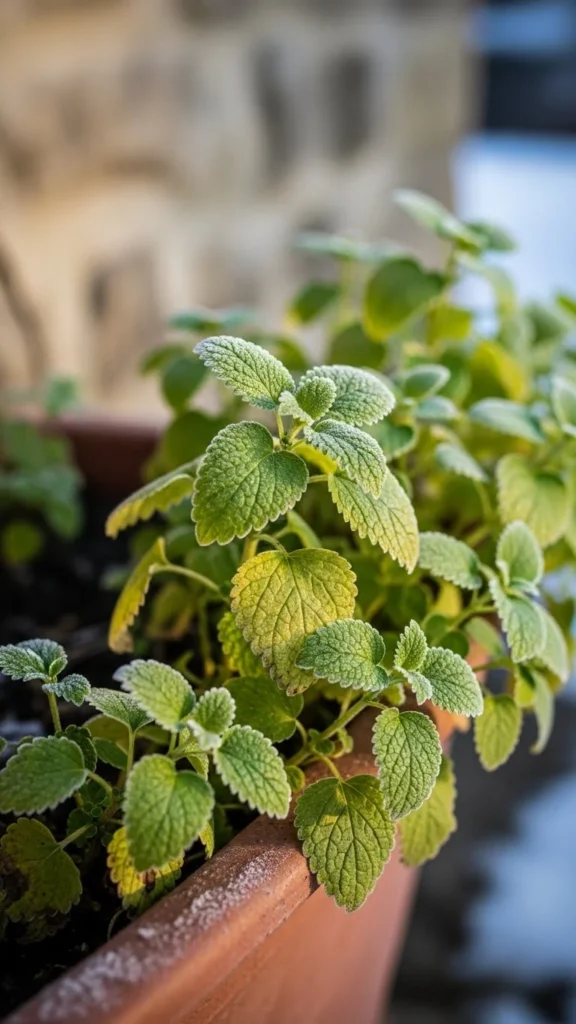
Lemon balm releases citrus-like scent even in cool weather.
Grow in containers to control spread.
Place near doors.
Cut back lightly as needed.
Conclusion
Winter gardens don’t have to rely on visuals alone. Fragrant plants bring warmth to cold days and turn short walks outside into sensory moments. With thoughtful placement near paths, doors, and walls, even a small garden can carry scent through the quiet season. Many of these plants ask for little care and fit modest budgets. Choose a few that suit your space, plant them where you pass often, and let winter air carry their scent.
Leave a Reply