

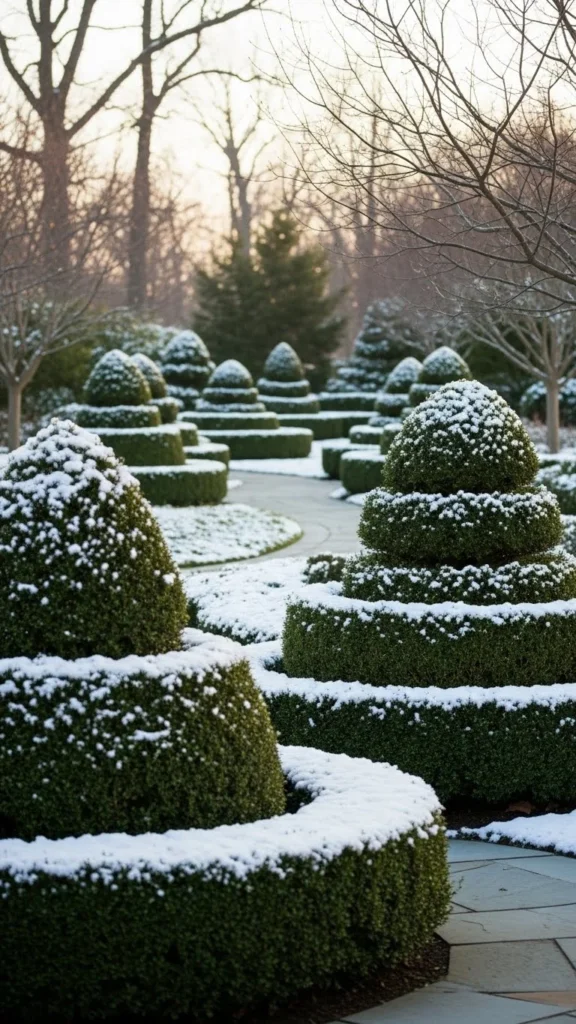
Winter gardens do not have to feel bare or dull. The right shrubs bring structure, color, and quiet polish even in the coldest months. Many of these plants look high-end because they hold their shape, texture, or color when everything else fades back. The best part is that you do not have to overspend or redesign your entire yard. With smart placement, patience, and a few budget-friendly choices, winter shrubs can make any garden feel thoughtful and well cared for.
Below are winter shrubs that give off a refined look while still being realistic for everyday gardens.
1. Boxwood (Buxus sempervirens)
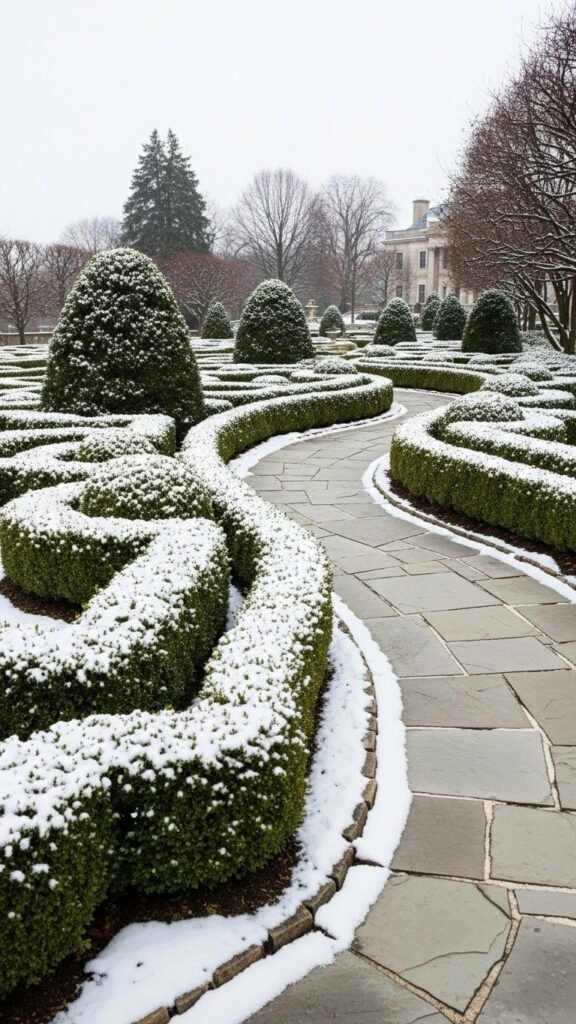
Boxwood brings instant structure. Even in winter, it keeps its deep green color and tidy shape. That alone makes a garden feel planned instead of accidental. You do not need a large estate to use it well. A few small plants placed along a path or near the front door can make a strong visual impact.
For a budget-friendly approach, buy smaller boxwood plants and allow them to grow slowly. Pruning once or twice a year keeps them looking clean. Use hand clippers instead of power tools to avoid uneven edges.
Boxwood works well in containers too. Two matching pots flanking an entryway can change the entire look of a space. If winter winds are harsh, tuck containers close to walls for protection.
This shrub pairs nicely with stone, brick, or gravel. Even simple mulch around the base keeps things looking tidy through winter months.
2. Japanese Holly (Ilex crenata)
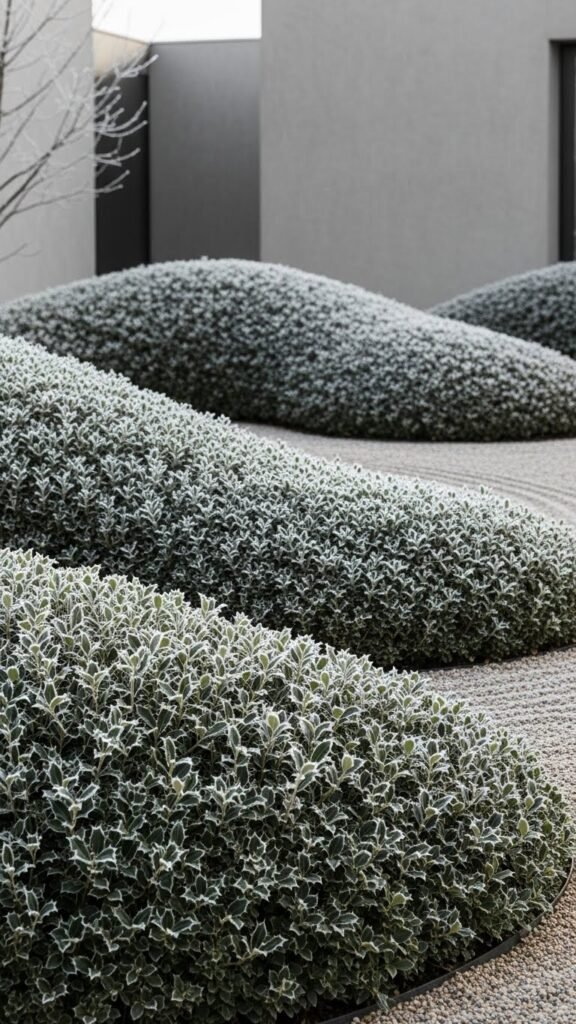
Japanese holly offers a boxwood-like look with a slightly looser feel. Its small, glossy leaves hold up well in winter and give gardens a calm, polished appearance. This shrub works well in modern or traditional spaces.
Plant it in rows or clusters to create visual balance. Even spacing matters more than size. Young plants can still look refined when placed thoughtfully.
For those watching costs, choose nursery-sized plants and focus on shape over height. Occasional trimming keeps the outline clean without much effort.
Japanese holly works well near walkways or patios. In winter light, its dark leaves contrast nicely with pale stone or concrete. Add simple ground cover or mulch underneath to keep the base neat and reduce maintenance.
3. Inkberry Holly
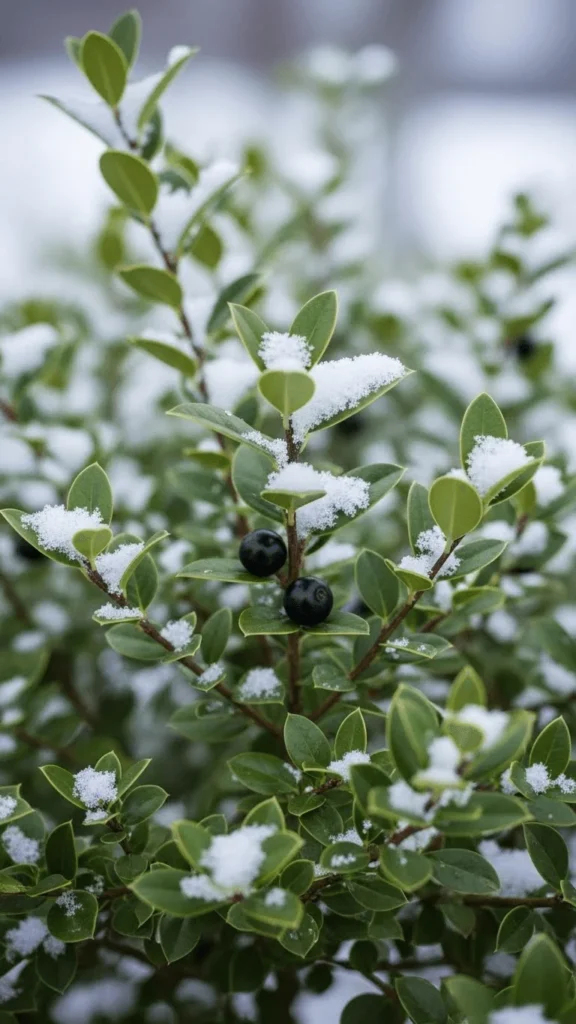
Inkberry holly has a relaxed look that still feels intentional. It keeps its leaves through winter and works especially well in natural-style gardens. The shrub fills space without looking stiff.
This plant is great for creating low hedges or filling empty corners. You can plant several together for a fuller effect without buying large specimens.
Pruning is minimal. Simply remove stray branches in early spring. Letting it grow naturally saves time and money.
Inkberry holly pairs well with ornamental grasses left standing for winter. The contrast between solid green and soft dried textures gives depth to the garden even during cold months.
4. Dwarf Alberta Spruce
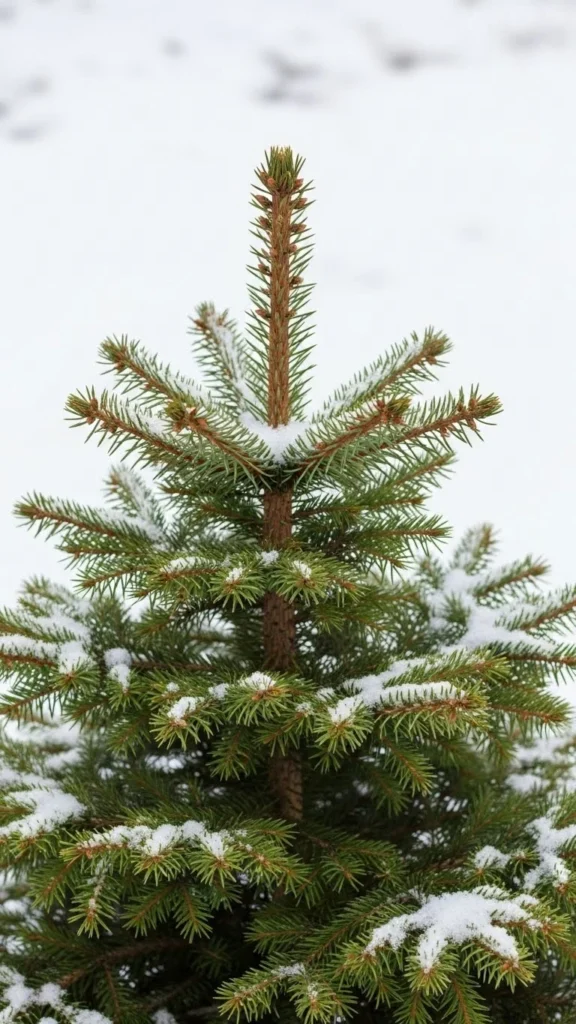
This compact evergreen looks elegant without effort. Its natural cone shape gives a formal feel that works well near entrances or along paths. It holds its shape with almost no pruning.
For smaller budgets, start with one or two plants rather than lining an entire walkway. Even a single spruce in a container can act as a focal point.
Use matching planters to create balance. Simple clay or concrete pots work just fine. Keep soil well-drained to avoid root issues in winter.
This shrub looks especially good when paired with subtle lighting. Solar path lights nearby can make the shape stand out during long winter evenings.
5. Winterberry Holly
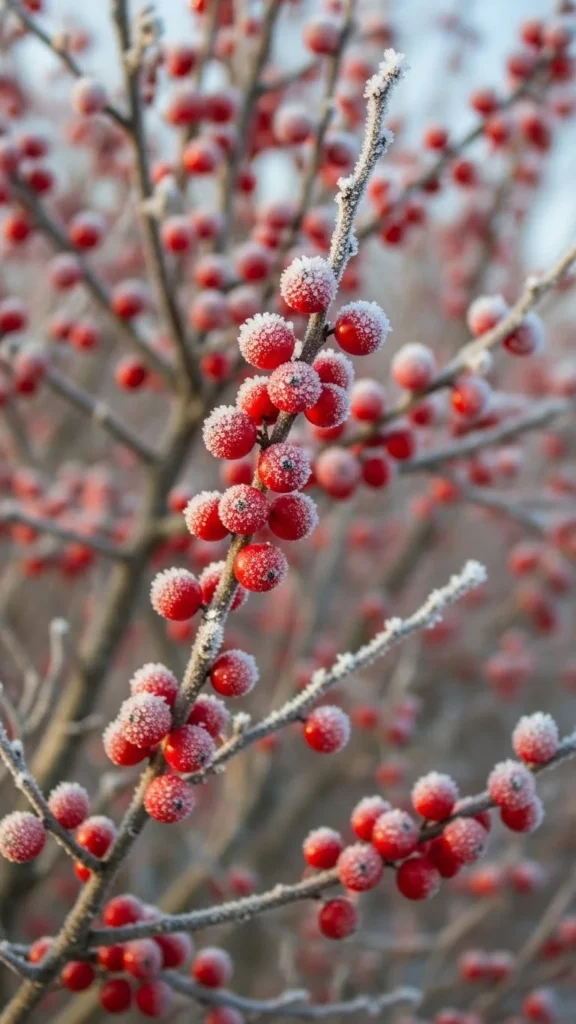
Winterberry holly stands out because of its berries. Once leaves drop, the branches become a natural display. The color adds life to winter gardens without looking flashy.
Plant both male and female shrubs to ensure berries form. This does not require many plants. One male can support several females.
Place winterberry near paths or windows where the color can be enjoyed. Cutting a few branches for indoor arrangements stretches the value even further.
This shrub looks great in mixed borders. Surround it with evergreens or dried perennials to highlight the berries. Mulching helps protect roots and keeps the area neat through winter.
6. Camellia (Cold-Hardy Varieties)
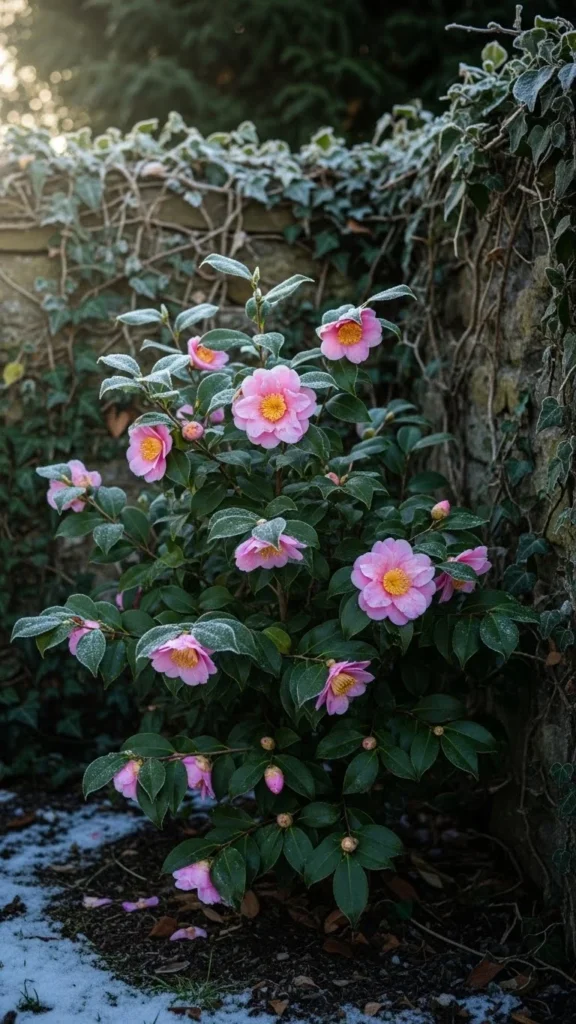
Camellias bring winter flowers that feel refined rather than loud. Their glossy leaves already give a polished look before blooms even appear. Choose cold-hardy types suited to your climate.
Plant camellias near walls or fences for wind protection. This also helps reflect warmth during cold nights.
If budget is tight, buy younger plants and give them time. Even without flowers, the foliage adds value to the garden.
Keep soil slightly acidic and well-drained. A simple layer of mulch supports roots and keeps the planting area tidy through winter months.
7. Yew (Taxus)
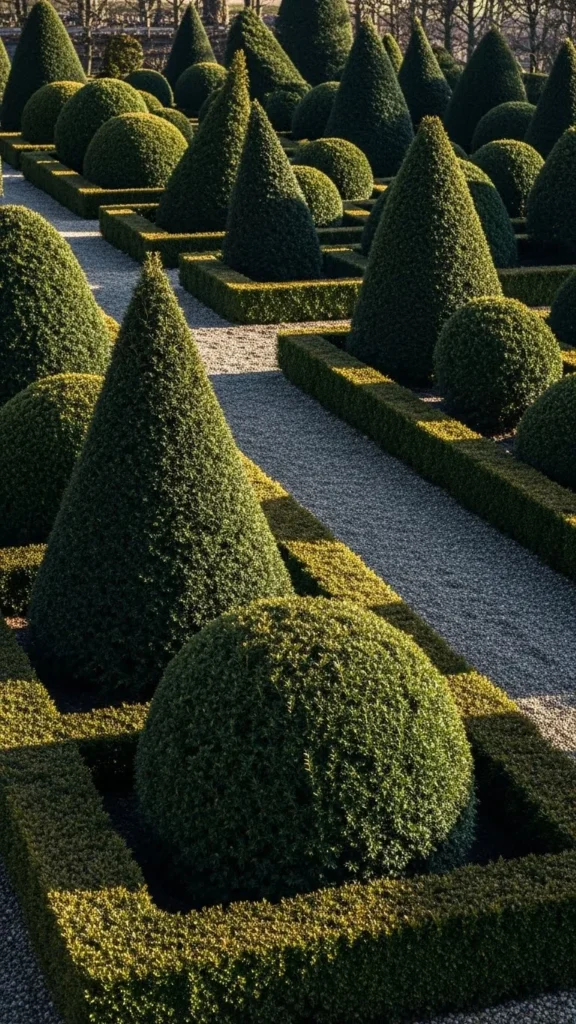
Yew shrubs have been used in formal gardens for centuries. Their dense foliage and rich color make spaces feel grounded and calm.
They handle pruning well, which means you can shape them over time instead of buying large plants upfront. Start small and trim gradually.
Yews work well as low hedges or individual accents. Placing them along property lines or driveways adds structure without feeling heavy.
Pair yew with stone borders or gravel paths. The contrast highlights the shrub’s shape and keeps the garden looking orderly through winter.
8. Mahonia
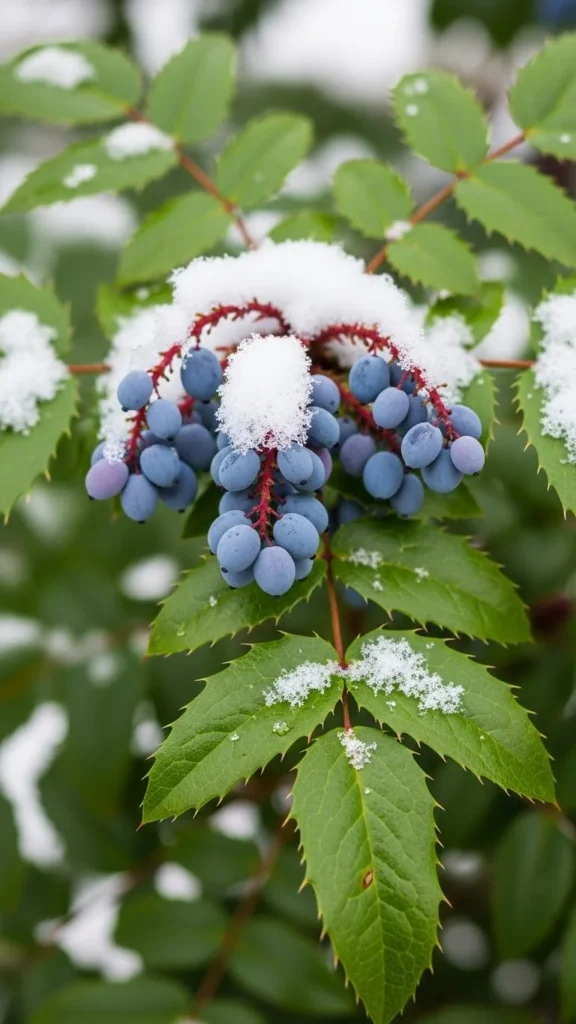
Mahonia adds texture that feels intentional and bold. Its spiky leaves and winter flowers bring interest to shaded areas where many plants struggle.
This shrub works well under trees or along north-facing walls. It fills space without needing constant care.
For a cost-friendly setup, plant mahonia as a background shrub. Let it grow naturally without heavy pruning.
The contrast between its leaves and smoother shrubs nearby makes the garden feel layered. Even in winter shade, it adds depth and character.
9. Euonymus (Evergreen Types)
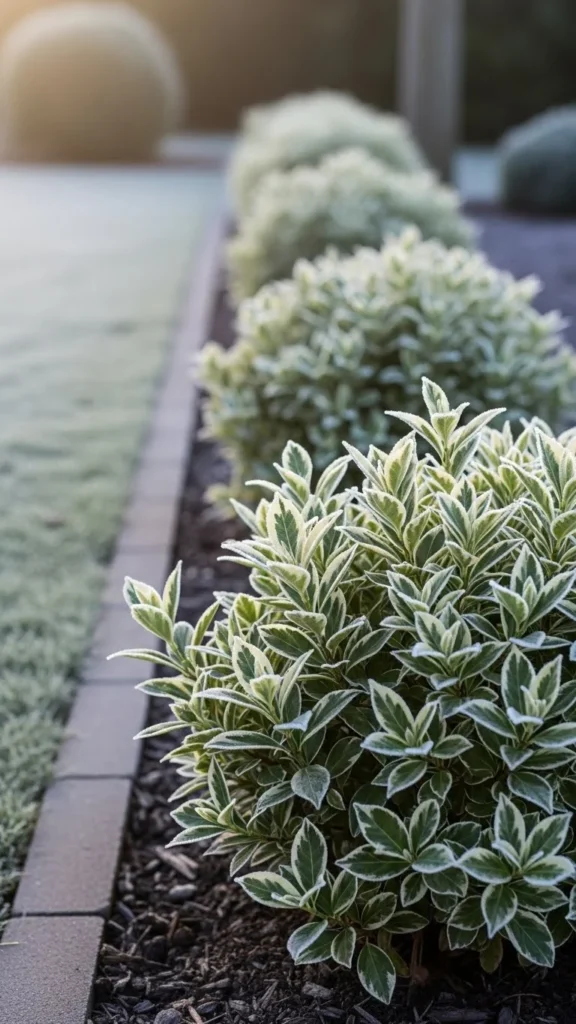
Evergreen euonymus brings subtle color variation that brightens winter gardens. Variegated leaves catch light and stand out against dull surroundings.
This shrub is adaptable and easy to place. Use it as low hedging or in mixed beds.
Choose smaller plants to save money. They fill in quickly with basic care.
Euonymus works well near walkways or patios where details are noticed up close. Keeping edges trimmed helps maintain a clean look all winter.
10. Skimmia
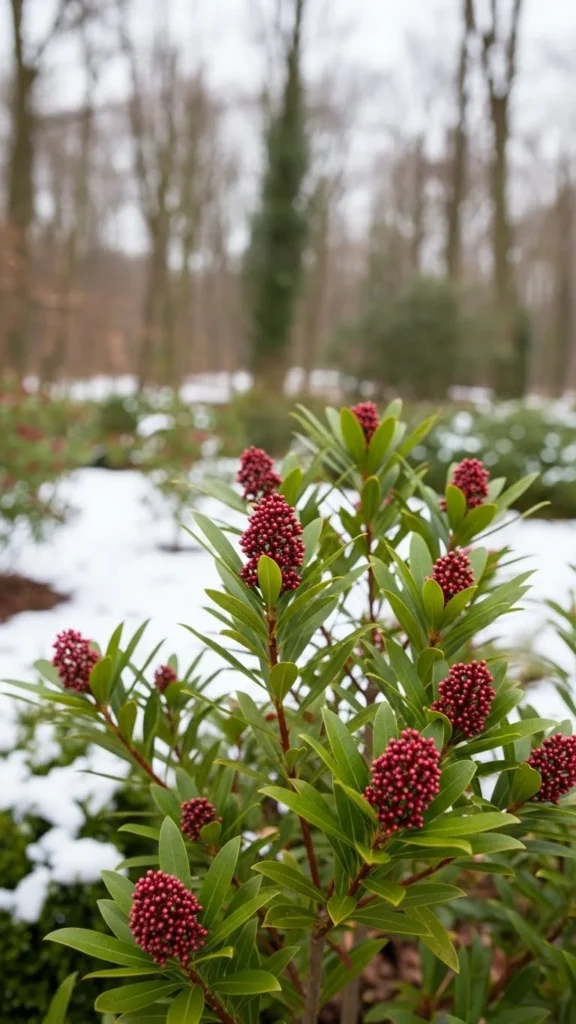
Skimmia offers quiet color during colder months. Its red buds sit above dark leaves, giving just enough contrast without overpowering the space.
This shrub prefers shade, making it perfect for underused areas of the garden.
Plant skimmia in groups for a fuller look. Smaller plants grouped together often look better than one large specimen.
Mulch heavily to protect roots and keep the soil surface neat. This small step adds to the overall tidy appearance of the garden.
11. Mountain Laurel
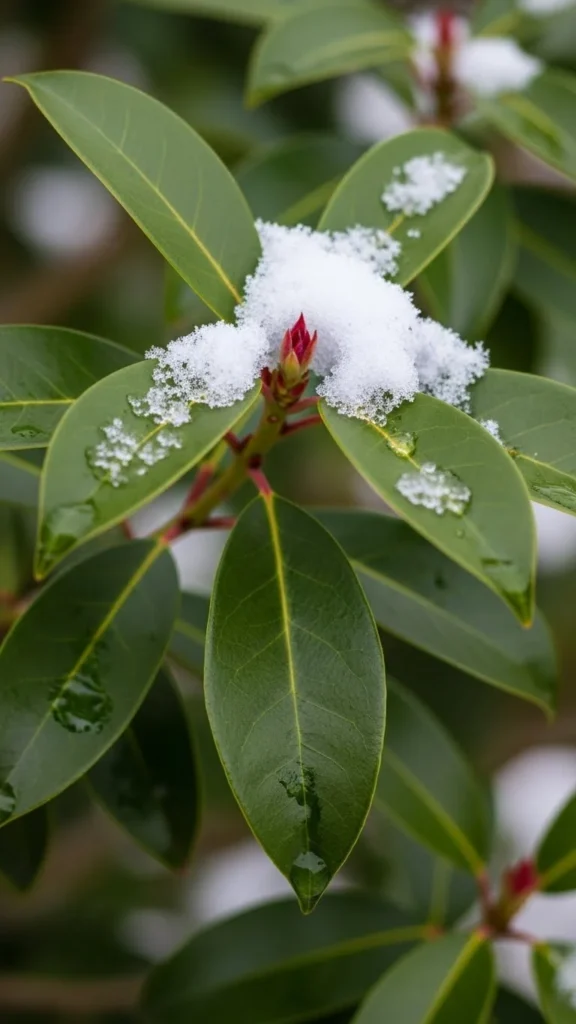
Mountain laurel has broad leaves that hold their presence through winter. The shape feels calm and established.
It works well in woodland-style gardens or along property edges. Plant it where it can grow without heavy pruning.
Buying younger plants saves money. Over time, they develop into strong anchor shrubs.
Keep the area around the base clear of clutter. Clean lines around shrubs help the entire garden feel more polished.
12. Leucothoe
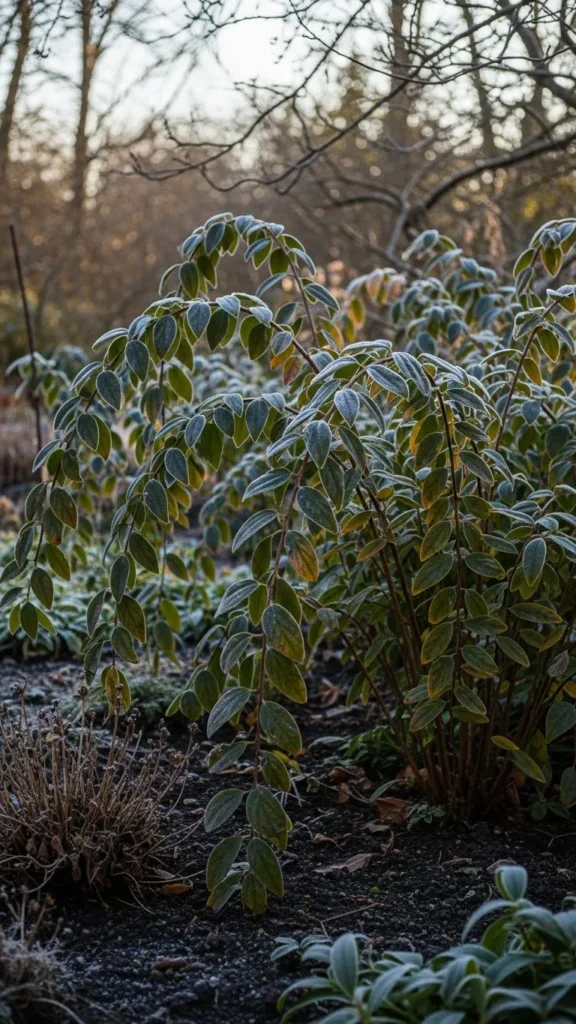
Leucothoe brings graceful lines to winter gardens. Its arching branches soften hard edges and make spaces feel relaxed yet intentional.
This shrub works best in partial shade. It is ideal for filling gaps under trees.
Minimal pruning keeps it looking natural. Let the shape do the work.
Pair leucothoe with simple ground cover or mulch. The contrast highlights the shrub without adding clutter.
13. Pieris Japonica
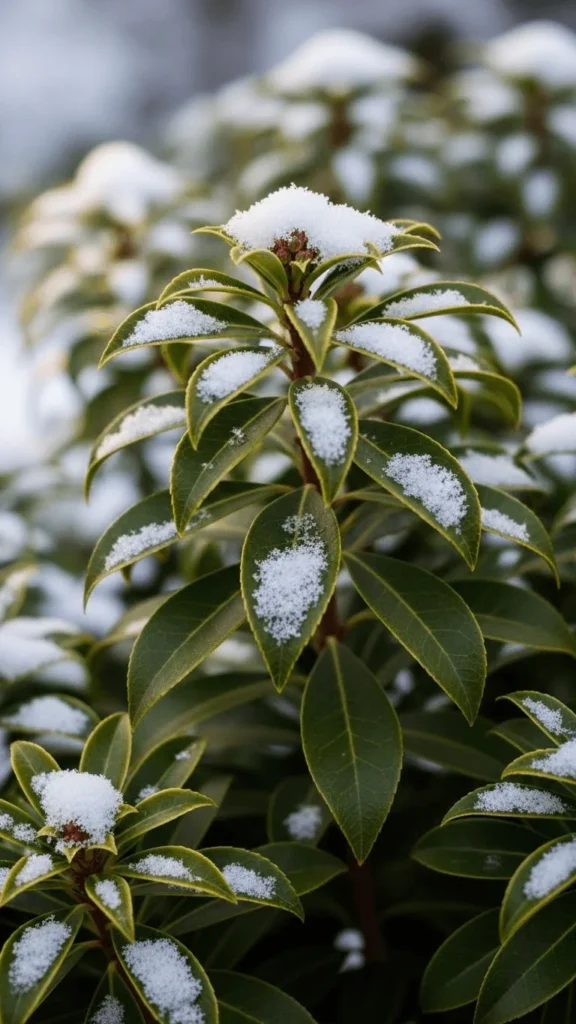
Pieris offers winter interest through colorful new growth and tidy form. It fits well in front gardens where details matter.
Plant it near paths or entrances to enjoy the subtle color shifts.
Smaller plants are affordable and grow steadily. Focus on spacing rather than size.
Keep soil conditions stable with mulch. This helps maintain an even, cared-for appearance year-round.
14. Rhododendron (Evergreen Types)
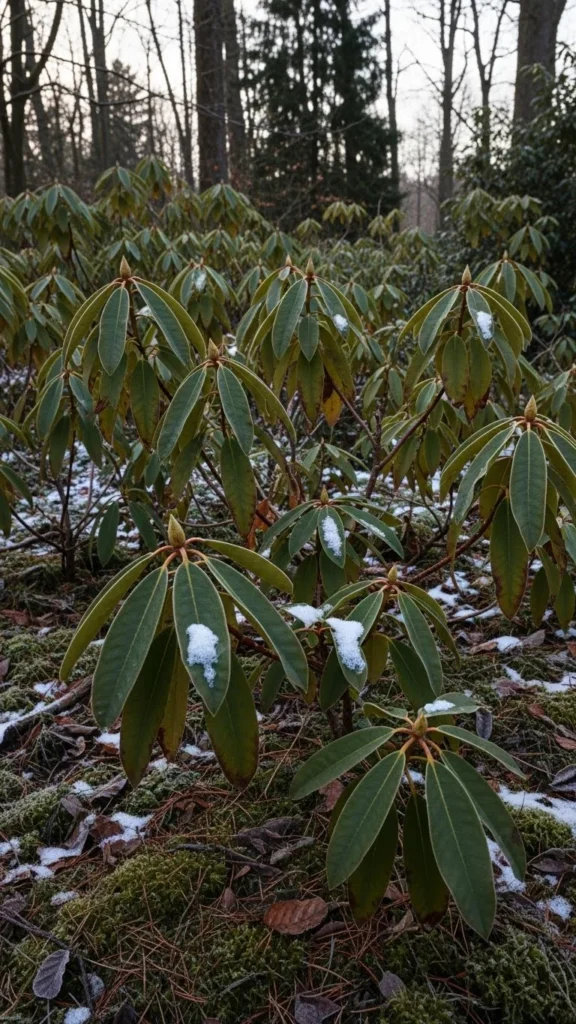
Evergreen rhododendrons bring broad leaves that hold visual weight through winter. Even when leaves curl in cold weather, the shrub still looks full.
They work well as background plants. Place them behind lower shrubs for depth.
Buy smaller plants and allow time. They grow slowly but steadily.
Simple maintenance keeps them looking neat. Avoid clutter around the base to keep lines clean.
15. Osmanthus
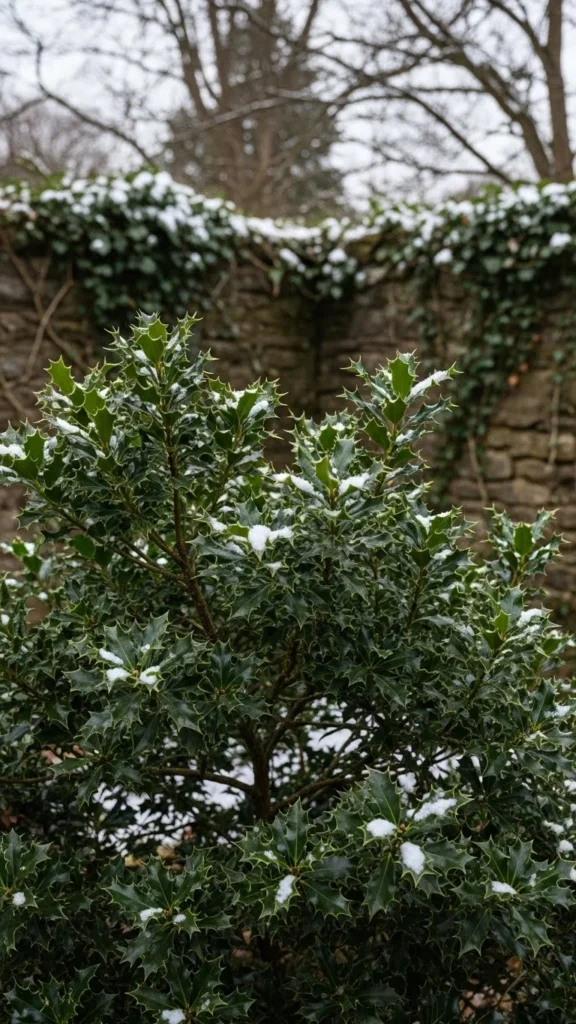
Osmanthus has dense foliage that feels refined and calm. It works well in sheltered areas.
Use it as a hedge or standalone feature. Even one plant can anchor a space.
Minimal trimming keeps the shape tidy. Let it grow naturally for a relaxed look.
Pair with stone or wood elements to enhance the overall feel of the garden.
16. Daphne (Winter-Blooming Types)
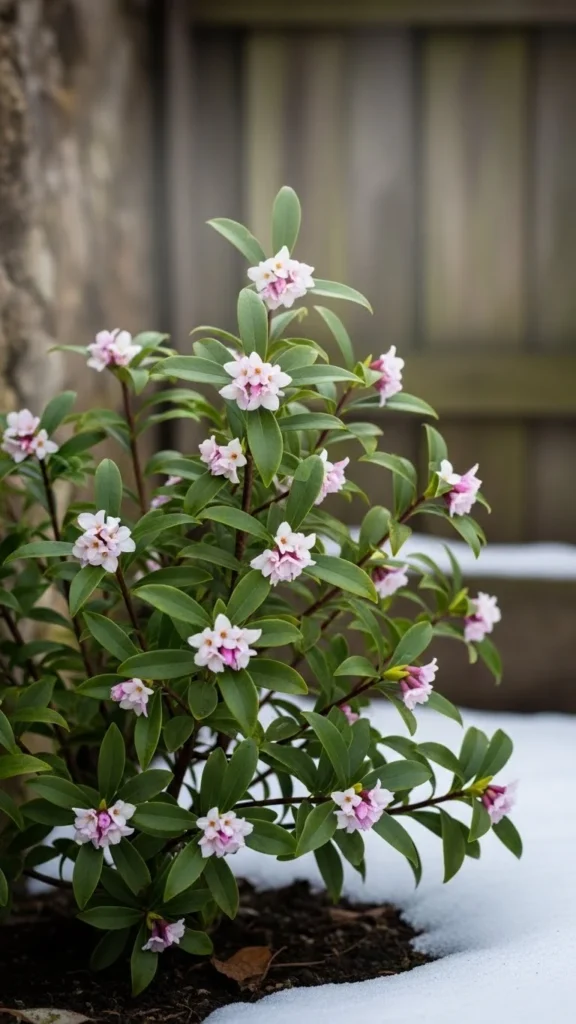
Daphne brings subtle beauty to winter gardens. Its small flowers add interest without dominating.
Place it near paths or seating areas to enjoy it up close.
Choose healthy young plants and protect them from strong wind.
Keep surrounding areas simple. Clean space around daphne helps it stand out naturally.
17. Juniper Shrubs
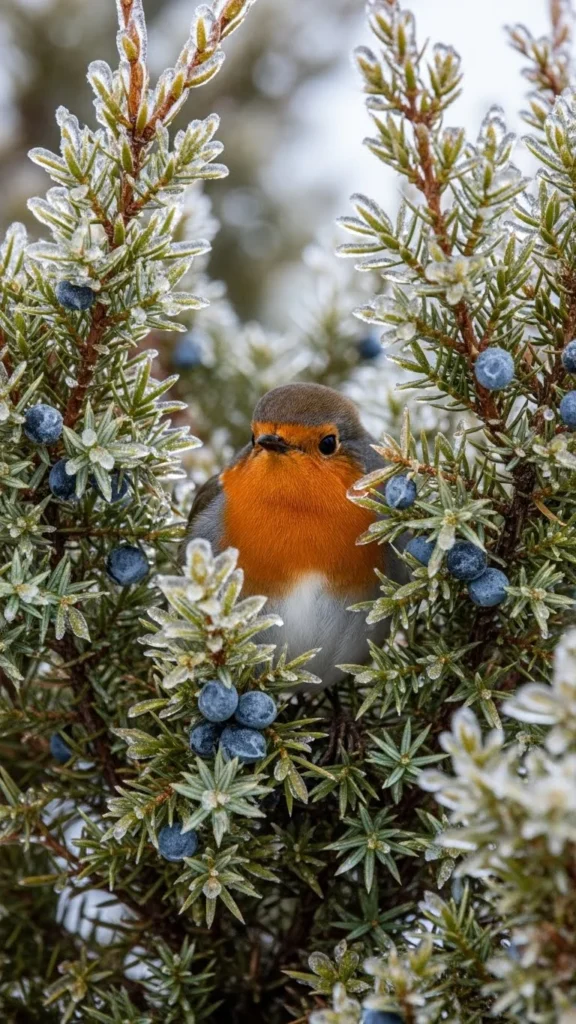
Junipers add texture and color variation. Their blue-green tones work well in winter.
Use them as ground-hugging shrubs or low borders.
They require little care and fill space efficiently.
Pair with gravel or stone for a clean, modern look that lasts all winter.
18. False Cypress (Chamaecyparis)
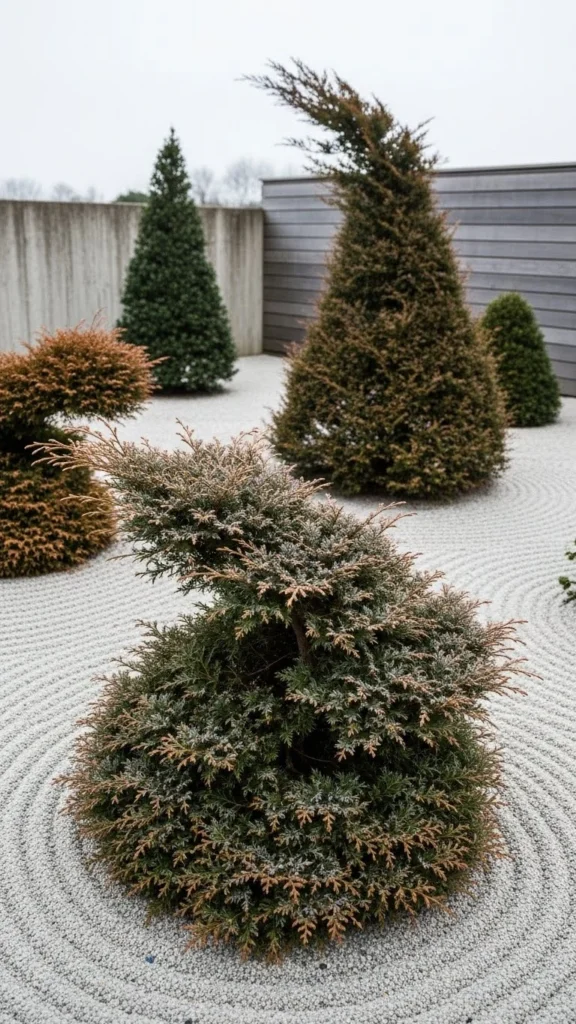
False cypress offers fine texture that feels carefully chosen. Its shape adds height and interest.
Plant one or two as focal points instead of many.
They look good even without pruning.
Simple placement is enough to give the garden a thoughtful layout.
19. Holly (Traditional Varieties)
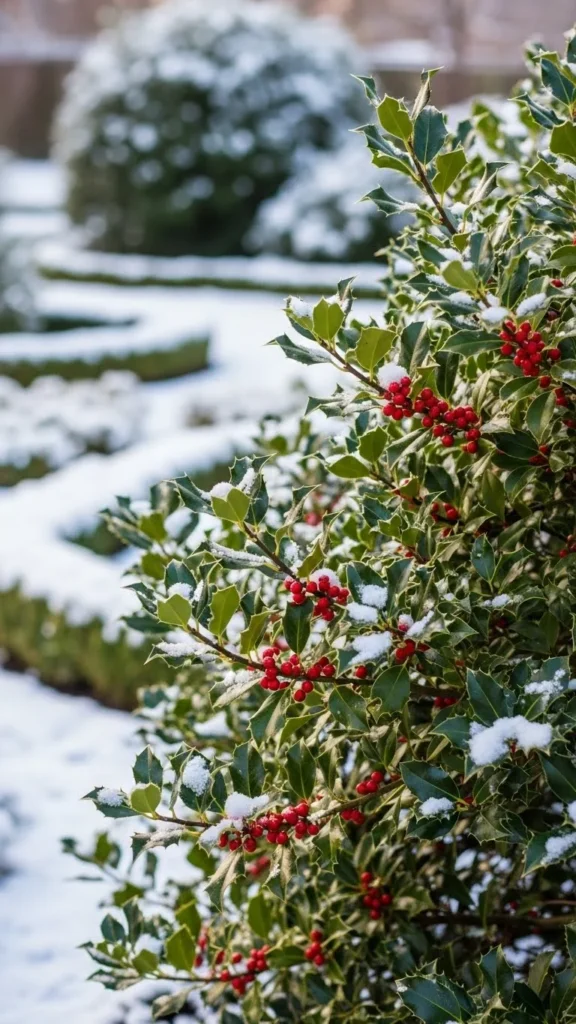
Traditional holly brings shine and color to winter spaces. The leaves reflect light well.
Plant in mixed borders or as standalone features.
Smaller plants cost less and still perform well.
Keep spacing even for a clean appearance.
20. Laurel (Cherry Laurel)
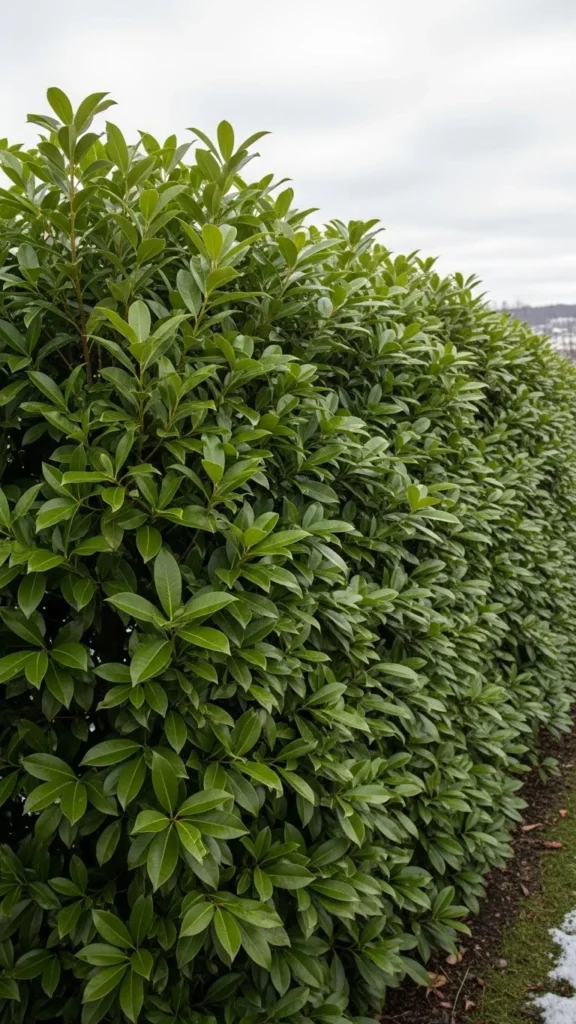
Cherry laurel creates solid green backdrops. It works well for privacy and structure.
Plant in rows for a clean line.
Minimal care keeps it looking orderly.
Use mulch to keep the base neat through winter.
21. Sarcococca (Sweet Box)
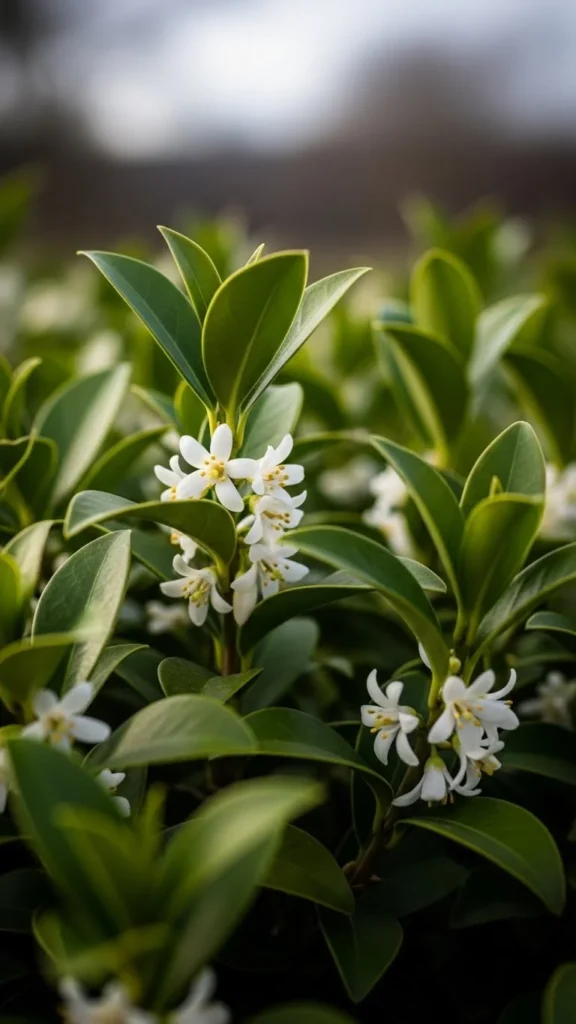
Sweet box thrives in shade and keeps a tidy look.
Use it near paths or doors.
Small plants spread slowly and evenly.
Clean edges around planting areas help it look intentional.
22. Photinia (Red Tip Varieties)
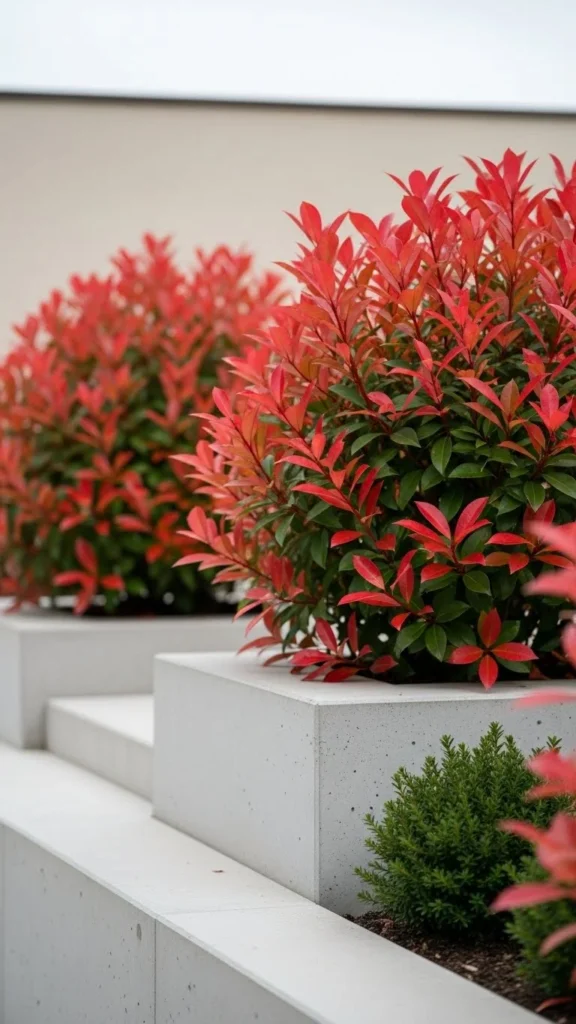
Photinia adds color through red-tinted foliage. It feels bold yet controlled.
Plant as hedging or single accents.
Regular light trimming keeps shape balanced.
Simple placement gives strong visual results.
Conclusion
Winter shrubs shape how a garden feels long after flowers fade. Thoughtful choices, clean spacing, and simple care go a long way. You do not need rare plants or large budgets. Start small, focus on structure, and allow time to do the work. Save this list, choose one or two shrubs that fit your space, and build a winter garden that feels calm, polished, and well planned year after year.
Leave a Reply