

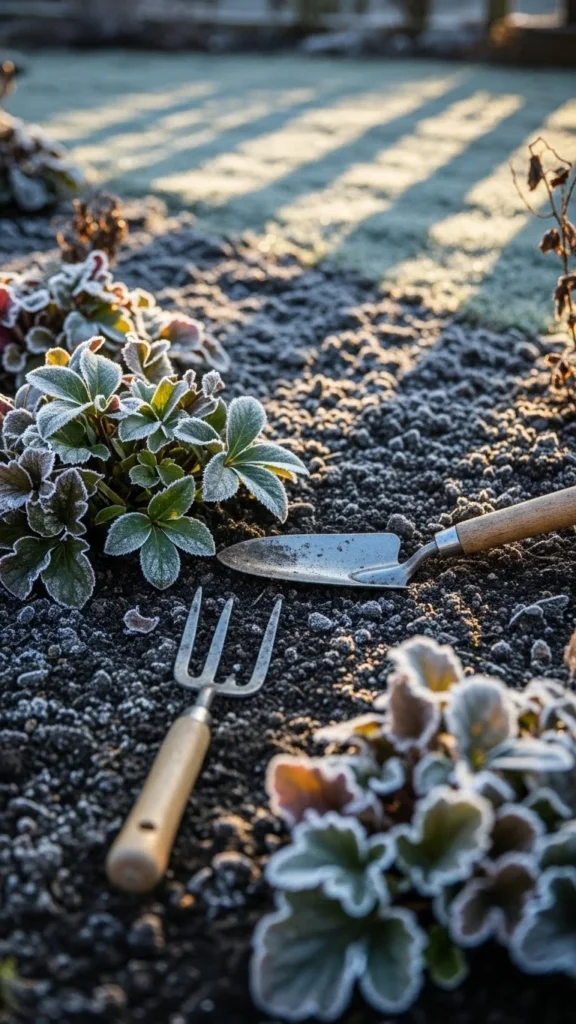
Winter is the quiet season in the garden, but the soil is still alive under the cold surface. Small changes you make now can lead to strong spring growth without stress or expensive products. These practical ideas help you prepare the ground, enrich the soil, and improve structure so your plants start the season with strength. Whether you’re working with compacted clay, sandy beds, raised planters, or backyard vegetable rows, these tips make winter soil prep simple, doable, and budget-friendly.
1. Add a Layer of Homemade Compost
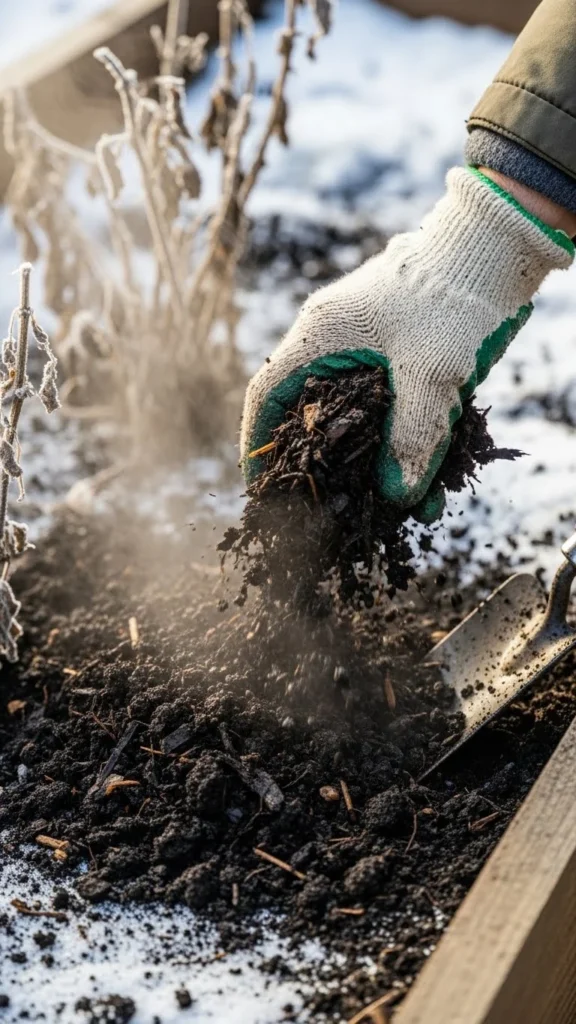
Adding compost is one of the simplest ways to prepare soil during winter. It slowly breaks down, adds organic matter, and enriches the ground before spring planting. Spread a light layer over your beds and let the winter moisture help it settle. You don’t need fancy tools. A small garden fork or even a bucket works fine. If you have kitchen scraps, leaves, and yard debris, keep a small compost pile going all season. The cold slows things down but doesn’t stop decomposition. Even a thin layer of compost can improve soil texture. Healthy soil grows stronger plants, and this step sets the stage for that. If you’re on a tight budget, ask neighbors for leaf bags they plan to toss. Mix those leaves into your compost pile and stretch your supply without spending anything.
2. Mulch Beds to Prevent Soil Erosion
Mulch protects the soil from harsh winter winds and heavy rain. A light layer keeps the ground stable and stops nutrients from washing away. You don’t need expensive mulches. Straw, chopped leaves, and small wood chips work well for most beds. Spread about two to three inches across the surface. If you live in a windy area, add a few small branches on top to keep the mulch from blowing away. This creates a natural shield that keeps soil temperatures steadier. Mulch also helps retain moisture during dry winter spells. When spring arrives, pull the mulch back and mix a bit into the top few inches of soil. This small step gives your garden a stronger start without much effort or cost.
3. Test Soil pH Using an Inexpensive Kit
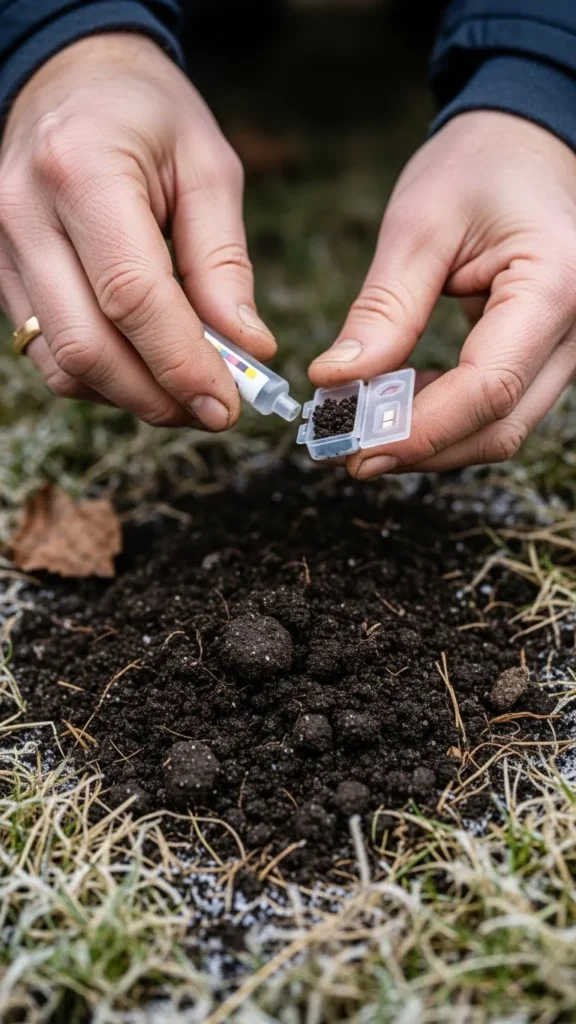
Winter is a calm time to test soil pH. You can buy an inexpensive kit online or at local garden shops. These kits help you understand whether your soil leans acidic or alkaline. Knowing this helps you make small adjustments before planting season. Follow the directions on the kit, then write down your results so you can check again in spring. If your soil is too acidic, sprinkle crushed eggshells or garden lime lightly. If it’s more alkaline, peat moss or pine needles help balance it. These are simple, low-cost fixes you can do anytime during the cold months. Making small adjustments now means you’ll have better results when your seedlings go into the ground.
4. Turn Over Compact Soil Before It Freezes

If your soil tends to compact, winter is a good time to loosen it. Use a garden fork or shovel to lift and gently break apart the top layer. You don’t need to dig deeply. Just create small pockets of air that help moisture and organic matter move through the soil. This simple step also helps earthworms work their way in, which improves texture naturally. Avoid overworking the soil. A light lift is enough. If the ground is frozen, wait for a warmer day. This is a quick chore that improves spring planting without much effort.
5. Mix in Leaf Mold for Better Soil Structure
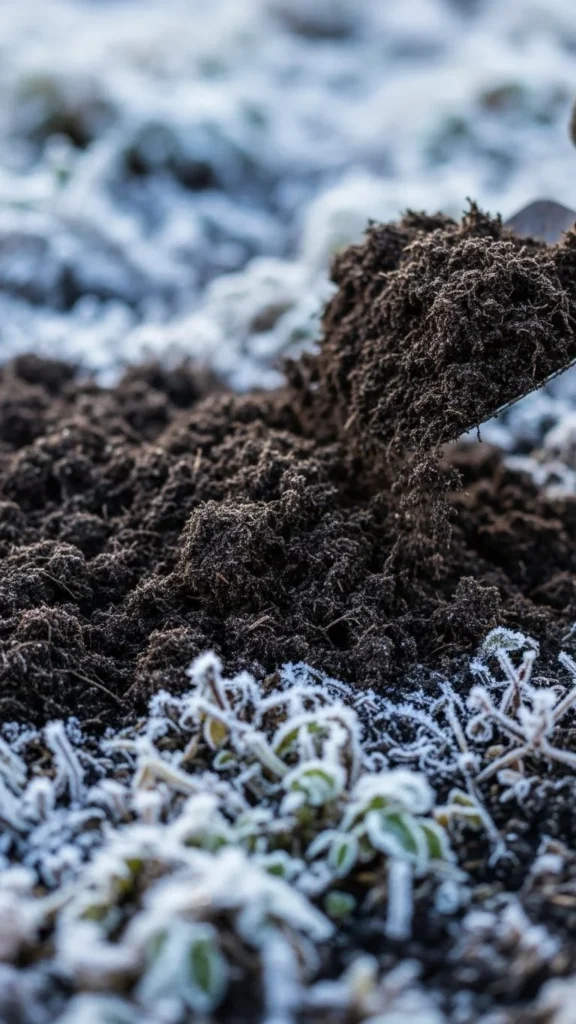
Leaf mold is incredibly helpful for soil structure. It holds moisture well and breaks down slowly. If you collected leaves in fall, winter is the perfect time to use them. Crush the leaves by hand or with a mower. Mix a few handfuls into your soil, especially if it’s sandy or crumbly. This helps the ground stay moist and easier to work with in spring. If you don’t have stored leaves, gather some from your yard or ask neighbors before their bags go out for pickup. It’s completely free and makes a noticeable difference.
6. Add Worm Castings for Gentle Enrichment

Worm castings are gentle and safe for winter soil. They don’t burn plants and enrich the soil slowly. Scatter a light cupful over each bed. Rain and melting snow pull the nutrients downward. Worm castings help with moisture retention and improve texture. If you’re on a budget, buy a small bag and use it sparingly. A little goes a long way. You can also start a small worm bin indoors during winter to create your own castings for spring.
7. Cover Beds With Cardboard to Suppress Weeds
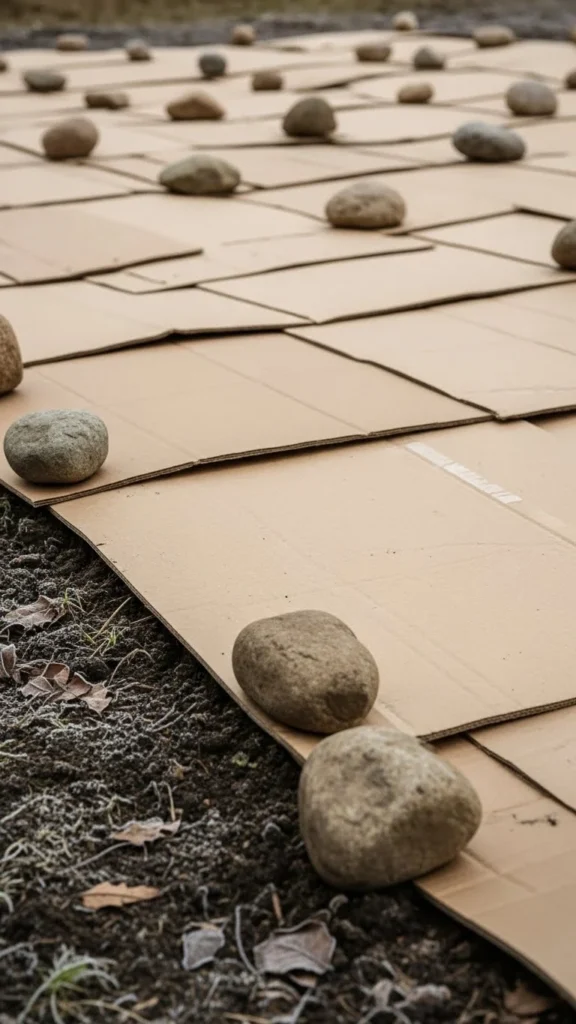
Cardboard is one of the easiest ways to keep weeds under control. Lay flat pieces over the soil. Weigh down the edges using rocks, bricks, or wood scraps. Winter moisture breaks down the cardboard, and by spring, it becomes soft enough to mix into the soil. This simple hack reduces weed pressure and helps the soil stay protected. Best of all, cardboard is free if you reuse shipping boxes or ask local shops for extra.
8. Top Off Raised Beds With Fresh Soil Mix
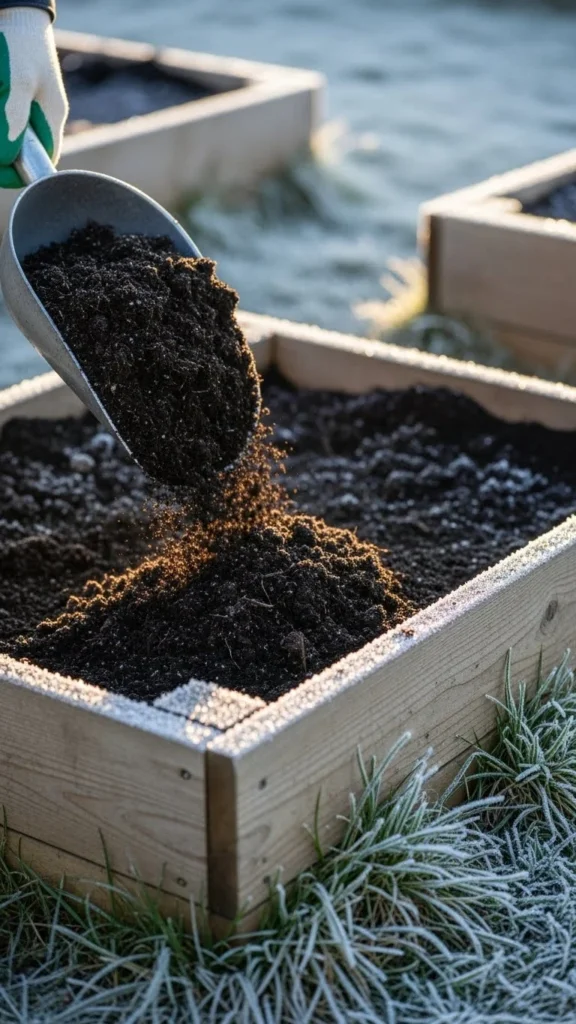
Raised beds naturally settle over the year. Winter is a good time to add a few inches of fresh soil mix. You don’t need anything fancy. A simple mix of compost, garden soil, and peat moss works well. Fill the bed until the soil reaches near the top again. This keeps moisture levels steady and gives spring seeds a strong foundation. If you’re looking to save money, buy soil in bulk or mix your own using leftover yard materials.
9. Use Green Manure Cover Crops

Cover crops are great for soil health. Even in winter, hardy types like rye or clover grow slowly and protect the soil. They add organic matter when you cut them back in spring. If you plant them early enough in fall, they’ll stay green through winter. If not, sow seeds during early winter thaws. Even light growth helps reduce erosion. When spring arrives, trim the plants and mix the cuttings into the soil for added richness.
10. Spread Wood Ash Lightly for Added Minerals

Wood ash from untreated firewood adds minerals to the soil. Use it sparingly. A thin dusting is enough. Too much can affect pH, so apply lightly and mix into the topsoil. This is a low-cost way to recycle fireplace ash. Make sure to avoid ash from painted or treated wood. If you aren’t sure, skip it. When done right, wood ash adds depth to soil that helps support spring growth.
11. Improve Drainage With Coarse Sand
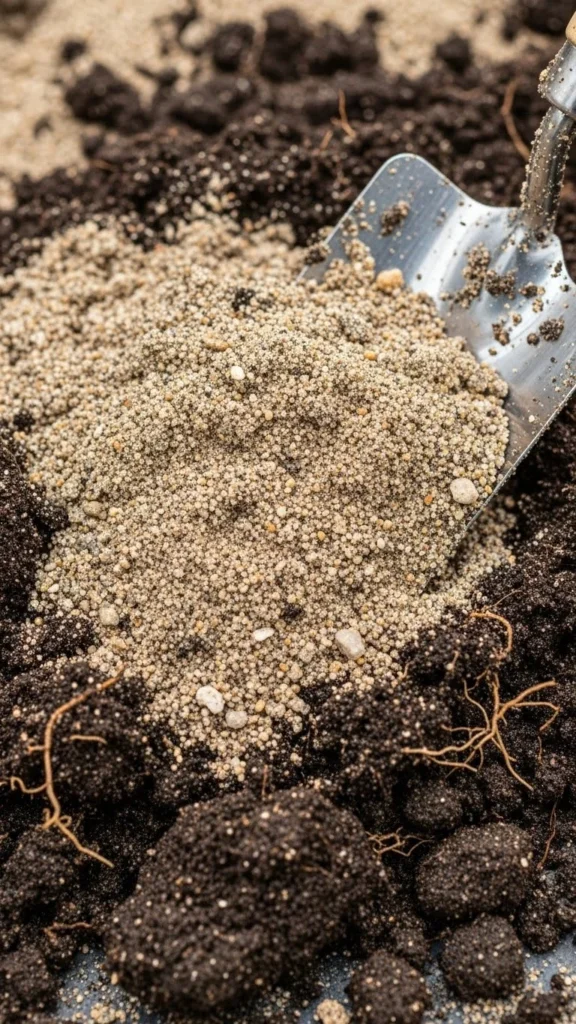
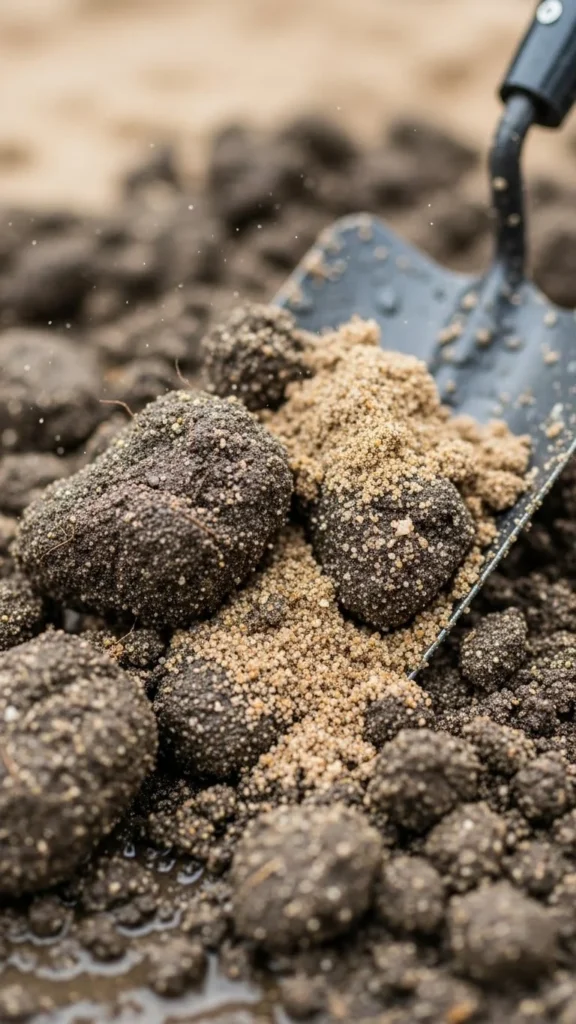
If your garden holds too much water, mix in a small amount of coarse sand. Avoid using fine sand since it can make clay tighter. Coarse sand helps create better drainage channels. You don’t have to treat the entire bed. Focus on problem spots where water sits after rain or melt. This small fix helps roots breathe and prevents soggy spring conditions.
12. Add Pine Needles for Acid-Loving Plants
Pine needles slowly add acidity to the soil. They’re great for plants like blueberries, rhododendrons, and hydrangeas. Spread them around the base of these plants in winter. They act as mulch and break down gently over time. Pine needles are easy to gather and free if you have trees nearby. They help protect soil from freezing, too. If you don’t need acidity, use them lightly or skip this step.
13. Build Simple Windbreaks Using Branches
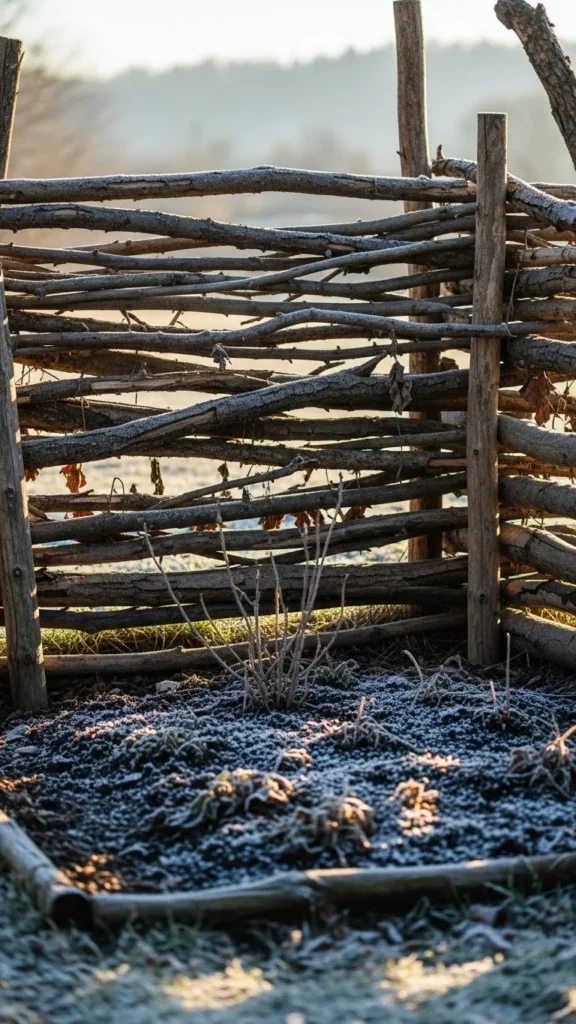
Strong winter winds can dry soil out. A simple windbreak helps protect the ground. Use leftover branches or wooden pallets leaned against stakes. This creates a natural barrier that holds soil moisture longer. It’s an easy DIY you can do in under an hour. When spring arrives, remove the branches and add them to your compost pile.
14. Add Coffee Grounds for Slow Nutrient Release
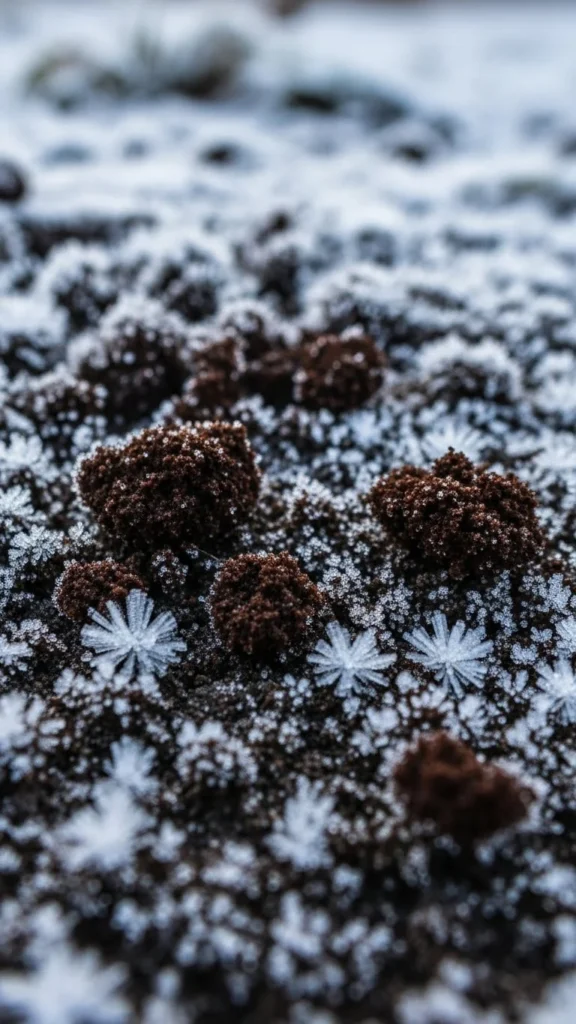
Coffee grounds break down slowly and add organic matter to the soil. Scatter a thin layer across your garden beds. Don’t pile them thickly or they can clump. You can mix them into compost or combine with leaves for a balanced blend. Many coffee shops offer free grounds, making this a helpful option if you want soil enrichment without spending. Over winter, the grounds soften and blend naturally into the soil.
15. Use Garden Fabric to Keep Soil Warm

Garden fabric helps hold warmth in the soil. It also protects against erosion and heavy rain. Choose a breathable type so moisture can pass through. Lay the fabric over the bed and secure the edges with rocks or stakes. If you plant cover crops or garlic, fabric helps them stay protected through cold spells. Remove it gradually in early spring once temperatures rise.
16. Break Up Frozen Soil Crusts After Thaws
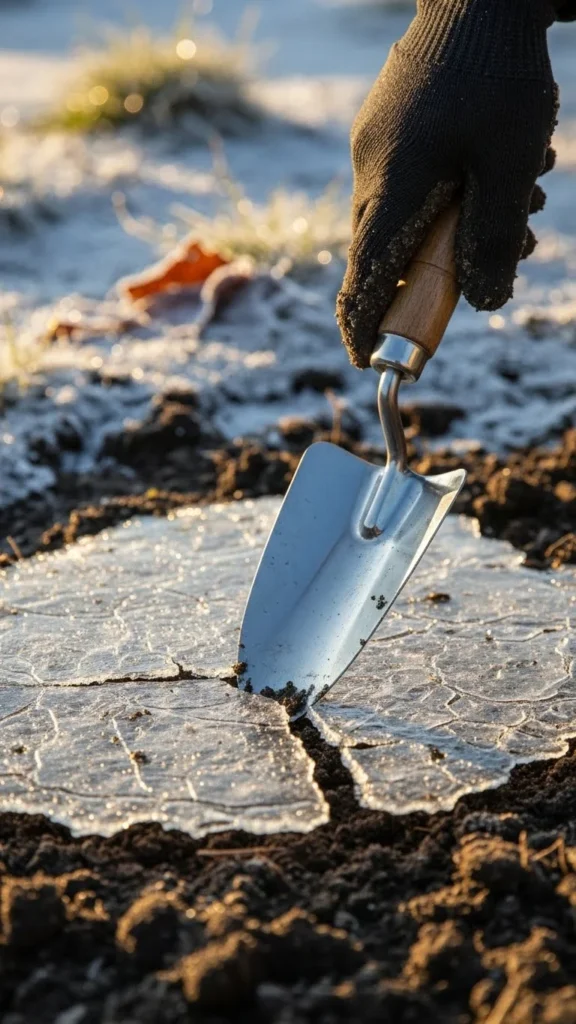
Sometimes a frozen crust forms on top of garden beds. Wait for a mild day and gently break the surface so moisture can move through again. Don’t dig deeply. Just loosen the top layer. This prevents water runoff and helps organic matter blend into the soil. It’s a quick weekend task that improves spring planting conditions.
17. Add Grass Clippings for Extra Organic Matter
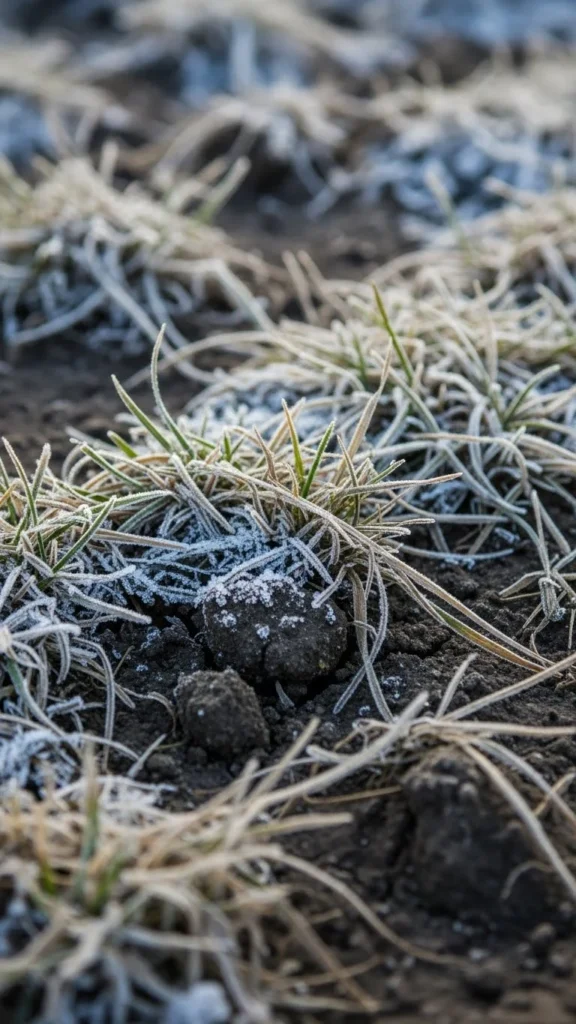
If you saved grass clippings from summer, winter is a good time to use them. Sprinkle a thin layer across your beds. They break down quickly and add organic matter. Avoid applying them too thick or they can mat down. Combine them with leaves or straw for balance. This simple step enriches the soil surface without much work.
18. Create Simple Compost Trenches
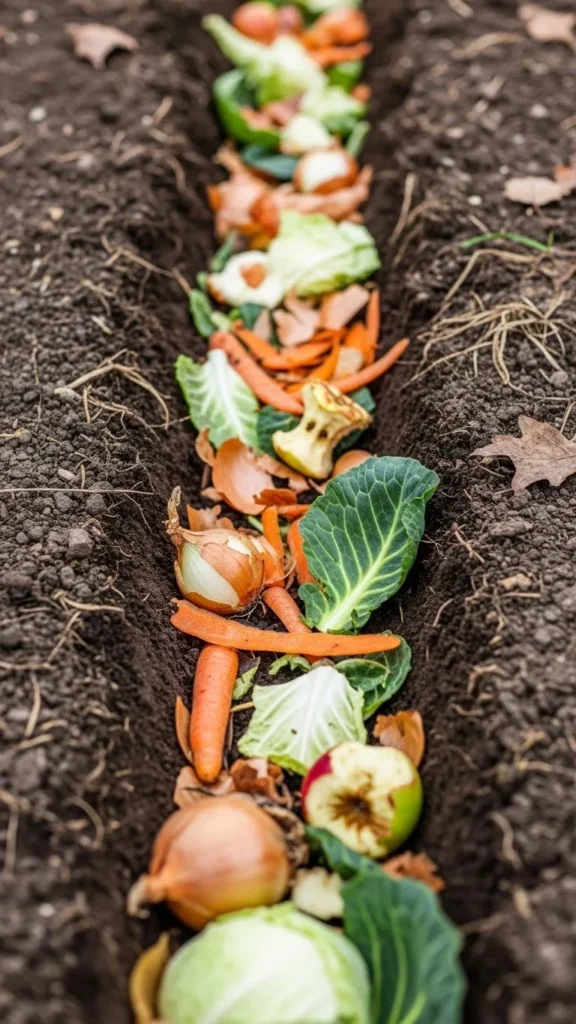
Compost trenches are easy to make. Dig a narrow trench, fill it with kitchen scraps, and cover it with soil. Over winter, the contents break down underground. By spring, the trench becomes a nutrient-rich planting zone. Rotate trench locations each season to refresh different areas of your garden. This method is discreet, budget-friendly, and perfect for small yards.
19. Add Gypsum to Help Break Up Clay Soil
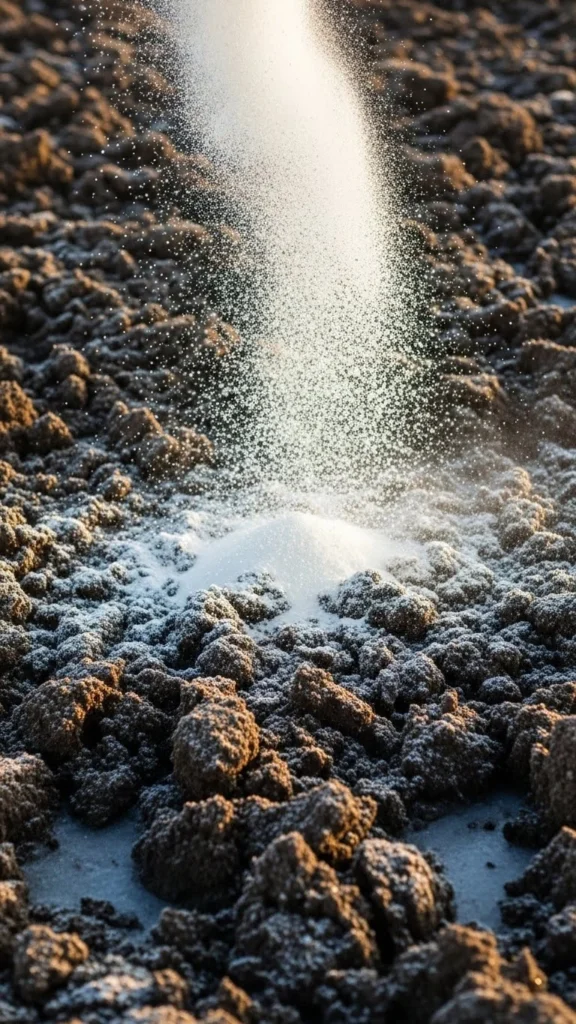
If you have clay soil, sprinkle a light layer of gypsum during winter. It helps loosen the structure without harming the soil. Moisture from snow and rain carries it downward. You don’t need to over-apply. Follow the package guidance, but usually a light scatter is enough. This makes your soil easier to work in spring and helps roots spread more easily.
20. Protect Soil With Evergreen Branches
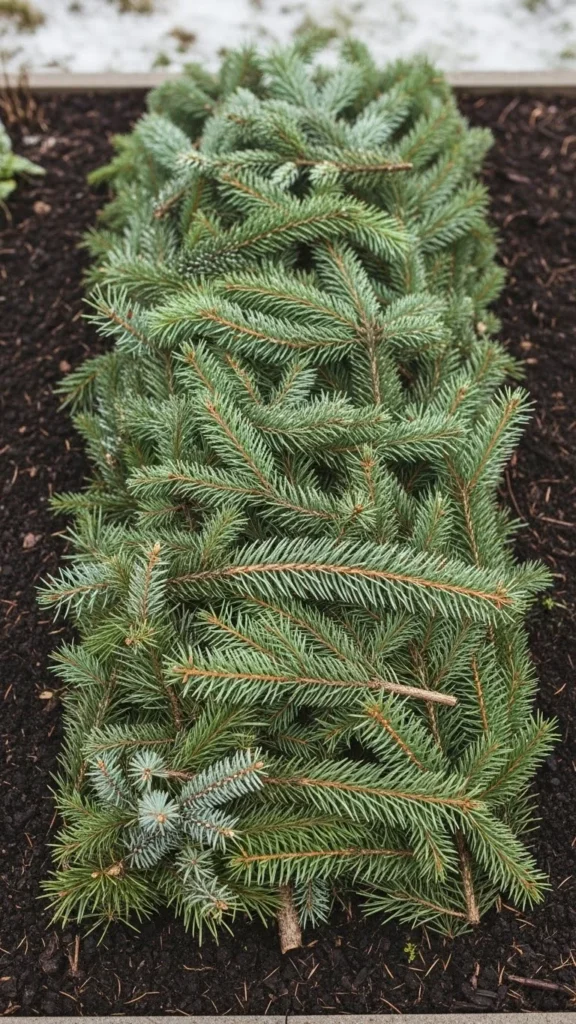
Evergreen branches shield soil from wind and heavy frost. They act like a natural blanket. After trimming holiday greenery, place the branches over your garden beds. Remove them in early spring. This protects the soil surface while allowing airflow. It’s an easy way to recycle greenery and reduce waste.
21. Add a Thin Layer of Manure (Aged Only)
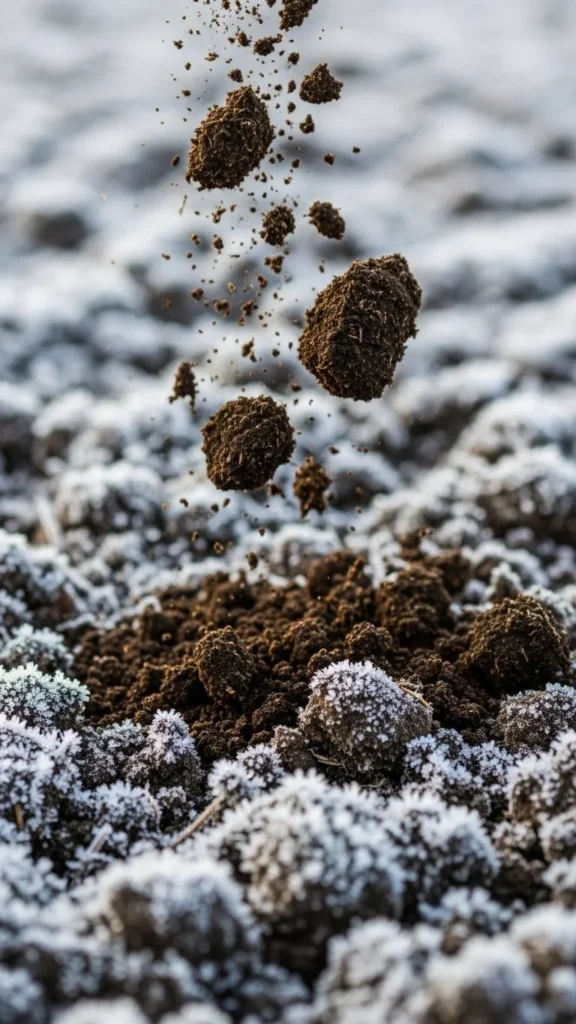
Aged manure adds gentle nutrients to garden beds. Never use fresh manure during winter. Aged manure mixes safely with cold soil and breaks down slowly. Spread a thin layer and let winter moisture pull nutrients downward. This supports strong spring planting. If you don’t have access to manure, many farms offer it free or at a low cost.
22. Remove Old Roots and Debris
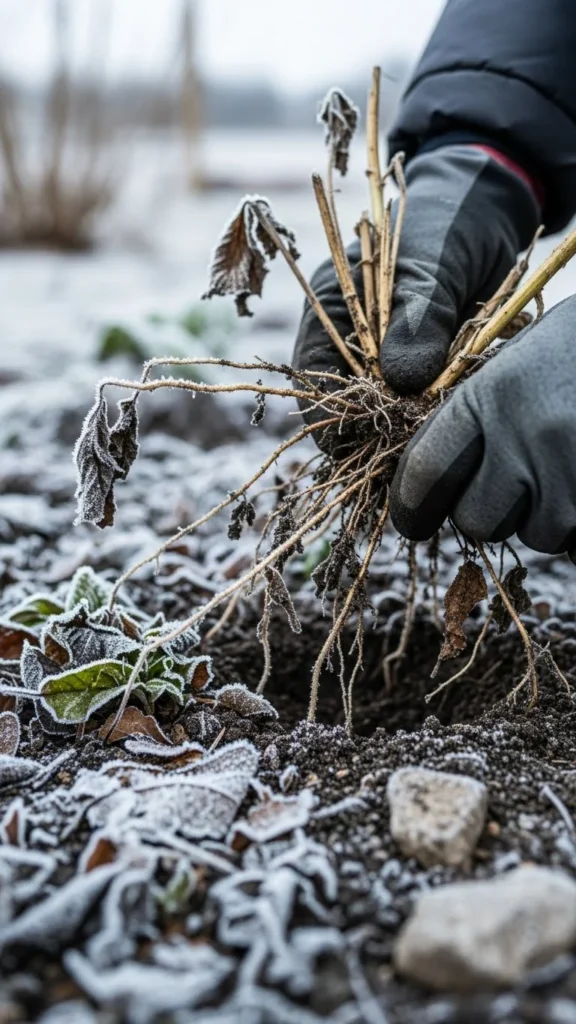
Clearing old roots, stems, and plant debris helps prevent pests and disease from lingering in your soil. Use a hand fork to lift and remove leftover roots. Don’t yank them by hand, as this can disturb soil structure. Once removed, add the debris to compost unless it looks diseased. Clean soil is easier to work with when spring arrives and helps young plants grow without stress.
23. Create Dig-Free Beds for Spring Planting
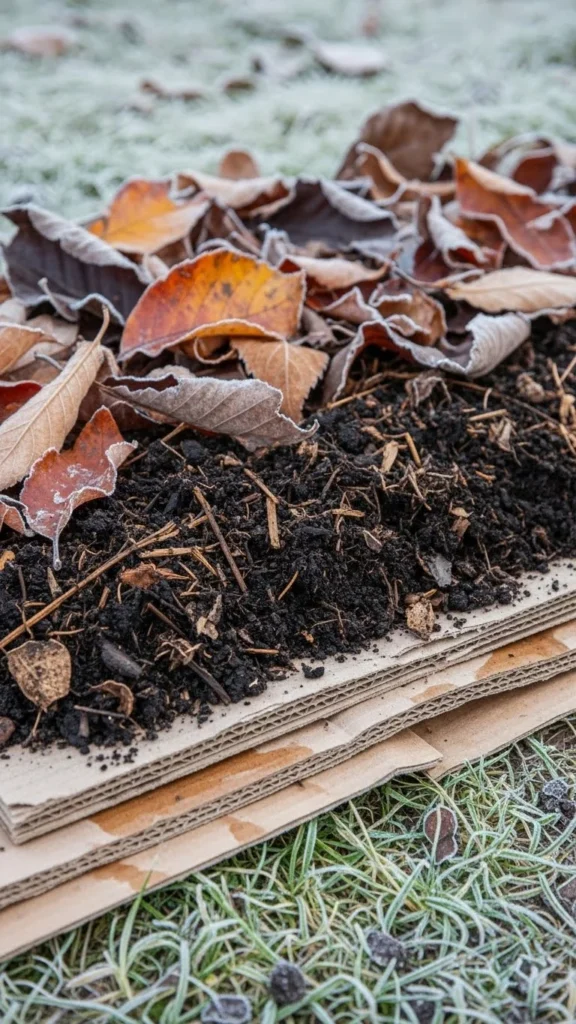
If you plan to expand your garden, winter is the time to prepare new beds. Use a dig-free method by laying cardboard, then adding compost, leaves, and soil. This creates a layered bed that breaks down over winter. By spring, the cardboard weakens and blends into the soil underneath. It’s an affordable way to create new planting areas without heavy digging.
24. Add Small Stones to Improve Air Flow in Heavy Soil
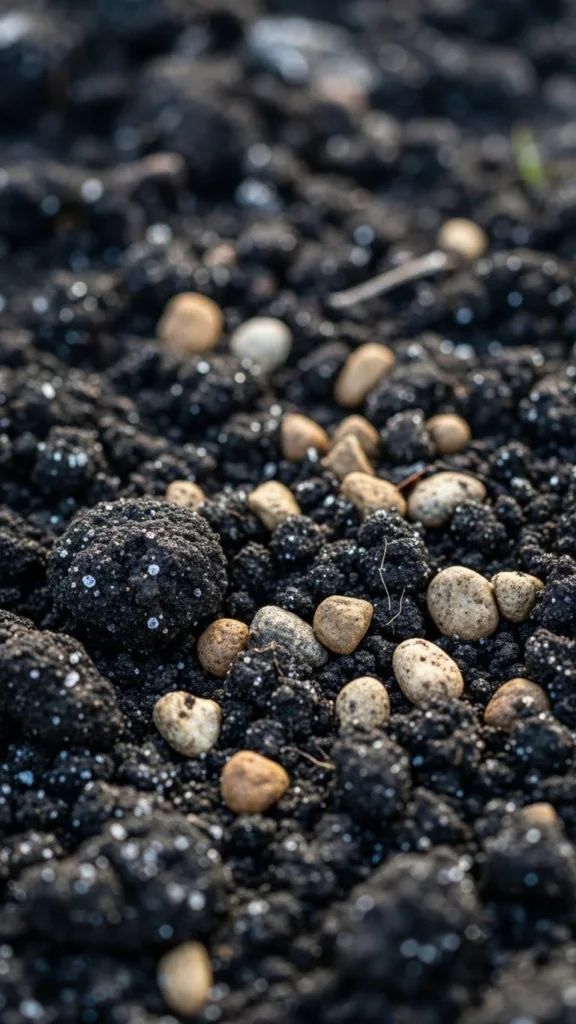
If your soil holds water and becomes dense, adding a small amount of stones can help. Don’t over-apply. Just sprinkle stones through areas where water pools. They create tiny air pockets and improve drainage. This trick works well in small sections that stay soggy all winter. It’s an inexpensive way to help the ground breathe better.
25. Add Small Stones to Improve Air Flow in Heavy Soil
Uneven soil can lead to puddles, erosion, and nutrient loss when spring rains arrive. Use a simple rake to level the surface. You don’t need to make it perfect. Just create a smooth, gentle grade across your beds. This improves water flow and prevents soggy spots. It’s a small job that takes only a few minutes but makes planting easier when warmer weather returns.
Conclusion
Winter soil prep doesn’t have to be complicated or expensive. Small actions like adding compost, leveling soil, mixing in organic matter, and covering beds create noticeable improvements when spring rolls around. Choose a few ideas from this list that fit your garden and your budget. By working with the winter season rather than waiting for spring, you give your plants the strong, healthy start they deserve. Happy gardening!

Leave a Reply