

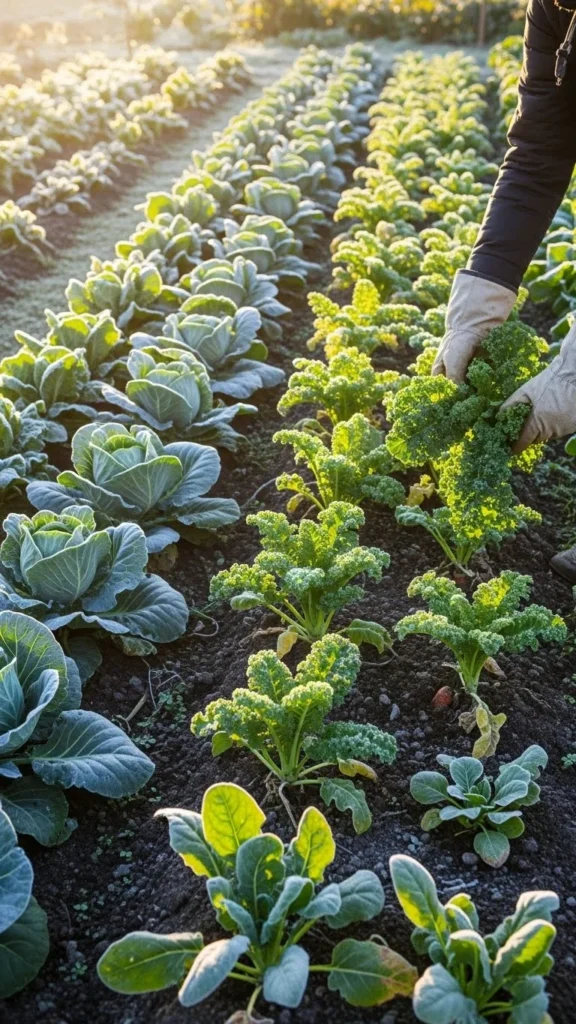
When the days grow short and chilly, your garden doesn’t have to rest. Many cold-tolerant vegetables thrive through the frost, giving you fresh food even when snow dusts the ground. Growing winter vegetables is not only practical—it’s deeply rewarding. With a few protective covers and the right timing, you can keep your garden productive and colorful all season long. Here’s a list of 23 hardy winter crops that don’t mind the cold.
1. Kale
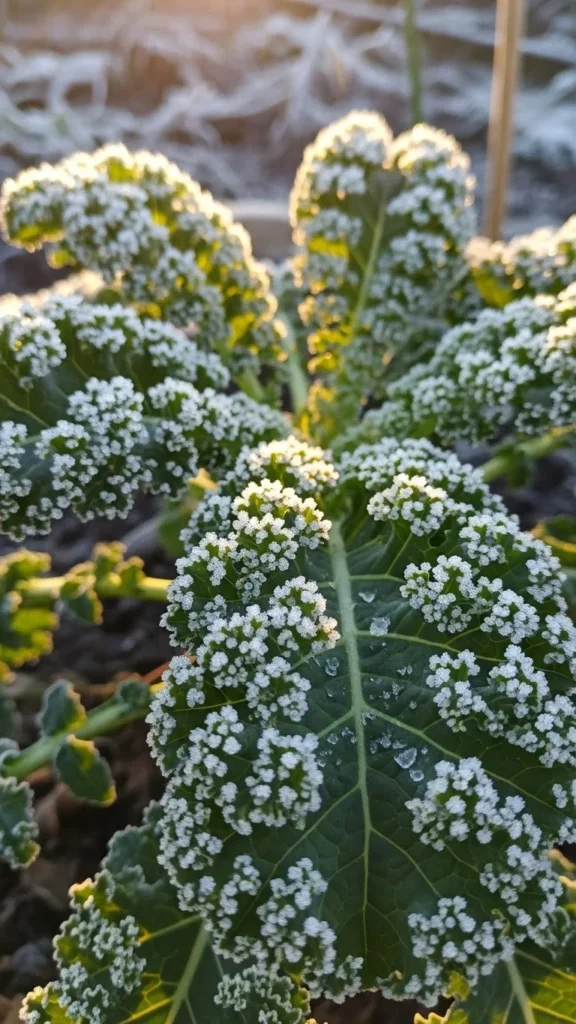
Kale is a cold champion. In fact, it gets sweeter after a frost. Plant it in late summer, and by the time winter hits, it’ll be ready to harvest. Choose varieties like Lacinato or Siberian for better cold tolerance.
To keep it healthy, mulch around the base to retain warmth. You can even cover it with a small hoop tunnel for extra protection. Snip outer leaves regularly to encourage new growth, and you’ll have greens for soups, smoothies, and salads all winter.
2. Spinach
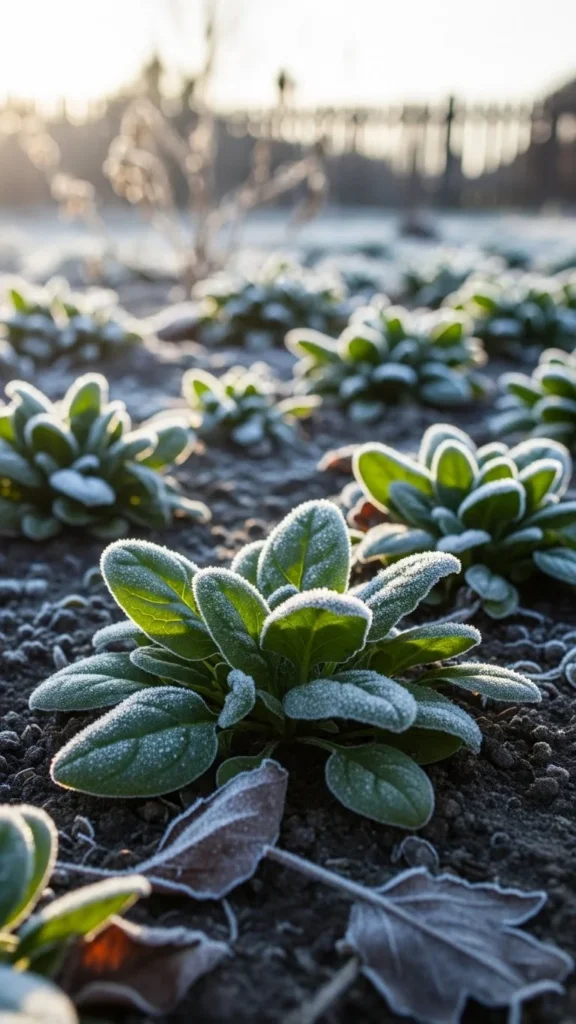
Spinach loves cool soil and handles freezing weather better than most greens. Sow seeds in late fall under a cold frame or frost cloth. The key is steady moisture—don’t let it dry out even in cold months.
Harvest outer leaves as needed and let the center continue producing. You’ll notice that winter-grown spinach tastes richer and milder than summer-grown ones. Perfect for omelets, salads, and quick sautés.
3. Carrots
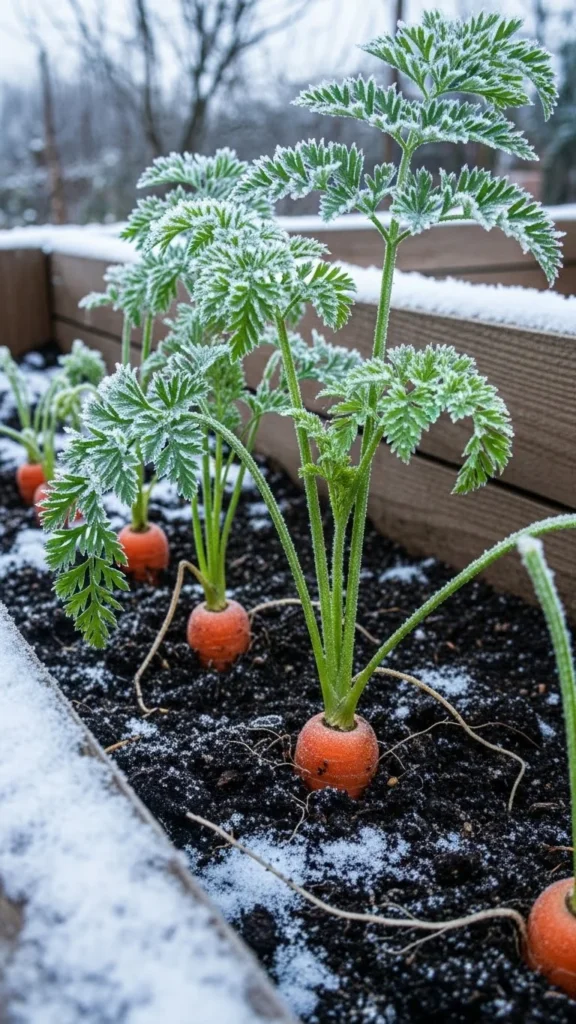
Carrots can handle the chill, and frost even improves their sweetness. Plant them in late summer or early fall for winter harvesting. Use deep, loose soil to help roots grow straight.
If your ground freezes hard, cover the bed with thick straw or leaf mulch. This acts like a natural refrigerator—keeping the carrots crisp underground until you’re ready to pull them.
4. Cabbage
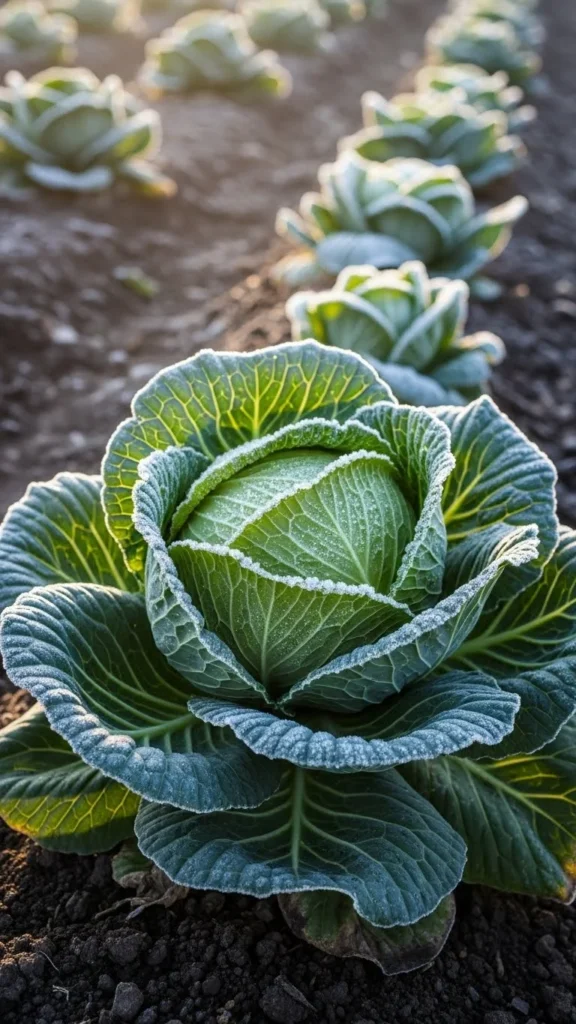
Cabbage thrives in cold weather and can handle light snow. Pick hardy varieties like January King or Savoy. Space them generously so heads can fully form before heavy freezes.
Mulch the soil and wrap plants loosely with row covers when frost deepens. Harvest firm heads, and store them in a cool, dry place for weeks of hearty winter meals.
5. Leeks
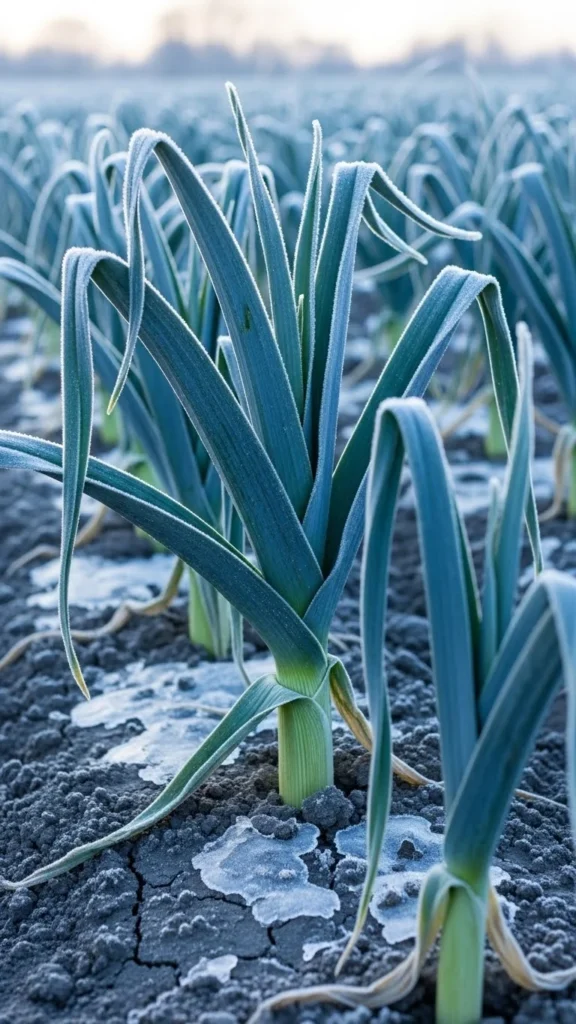
Leeks are one of the most winter-hardy vegetables you can grow. They’re slow-growing, but patience pays off. Plant in early fall, and by winter, you’ll have thick, flavorful stalks.
Hill up soil around their bases for longer white stems, and use straw mulch for insulation. You can pull them straight from frozen soil with a sturdy trowel.
6. Garlic
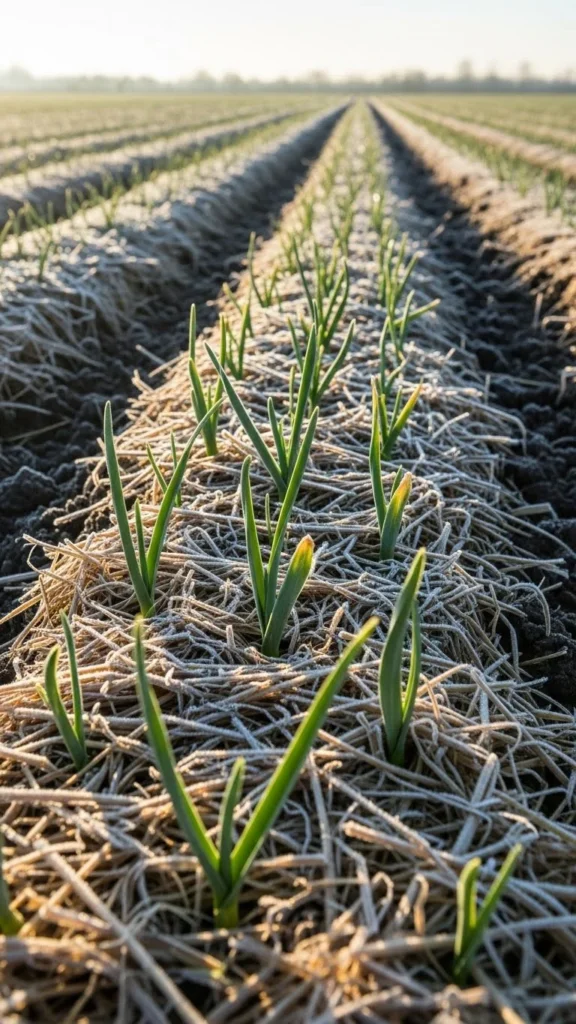
Garlic is planted before winter sets in and rests underground until spring growth begins. Choose hardneck varieties for cold regions.
Mulch heavily with leaves or straw to protect the bulbs. When spring arrives, remove the mulch to let shoots grow freely. This low-effort crop rewards you with plump bulbs by early summer.
7. Beets
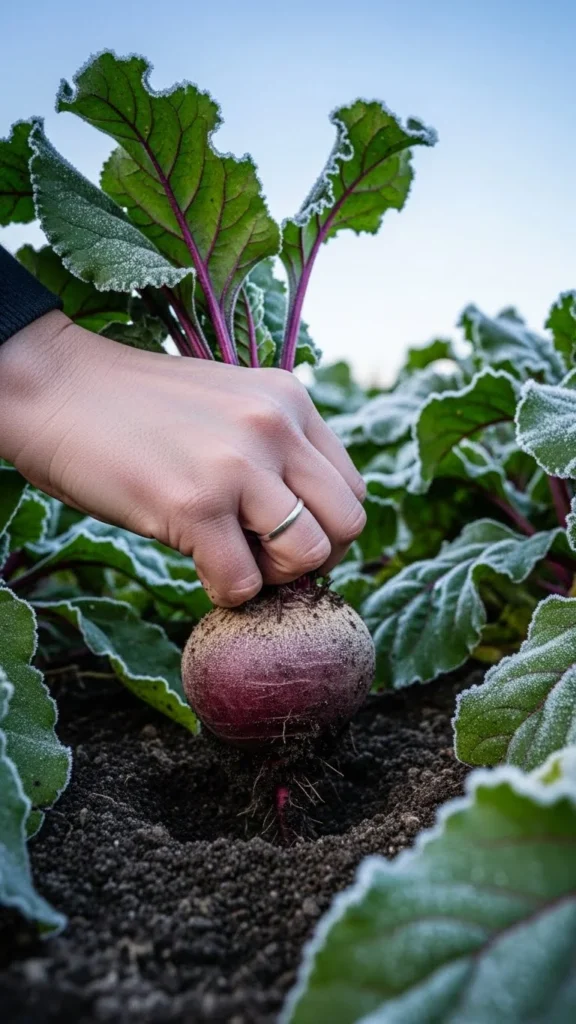
Beets handle cold surprisingly well. Sow them in late summer, and let them mature as the temperature drops. The roots get sweeter after light frost.
For winter storage, keep them in the ground and cover with straw. You can also harvest and store in a cool, dark cellar. Beet greens are edible too—just sauté them lightly for a quick side dish.
8. Swiss Chard
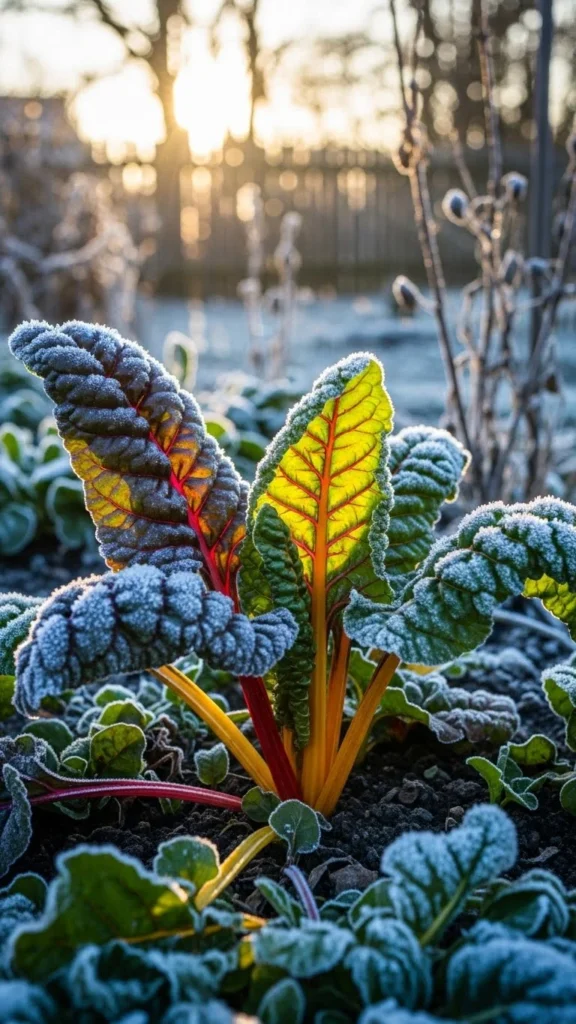
Swiss chard is more cold-tolerant than most think. With a little cover, it’ll keep producing through winter. Plant rainbow or Fordhook Giant varieties for durability.
Cut outer leaves as needed, and protect the crown with mulch. Even if frost bites the tops, the roots often regrow when temperatures rise again.
9. Brussels Sprouts
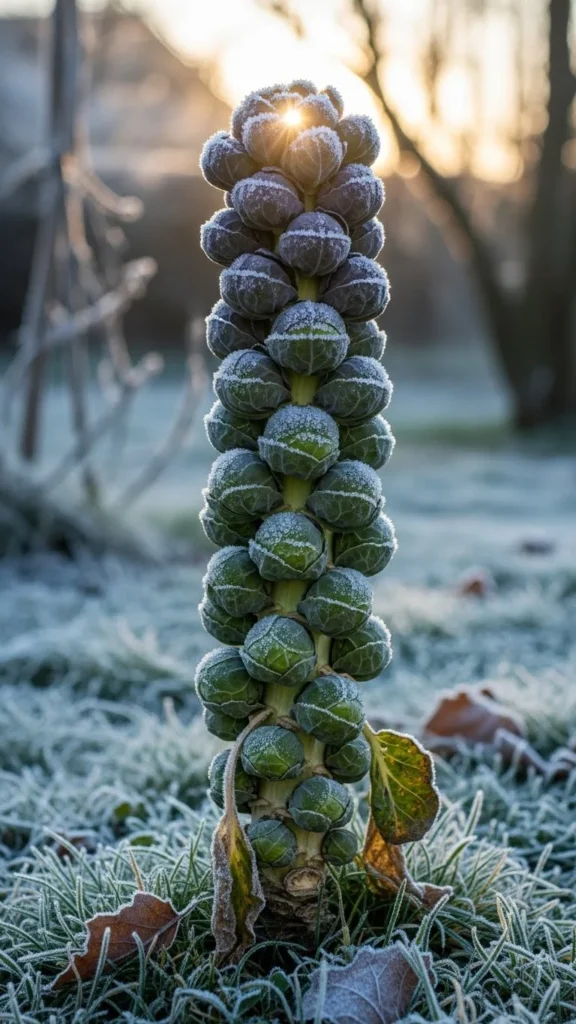
Brussels sprouts love cold weather. They taste better after frost touches them. Plant them early enough to mature before heavy snow.
Keep them staked upright and remove yellow leaves. Harvest from the bottom up as sprouts firm up. Each stalk gives plenty of mini cabbages for roasting or steaming.
10. Turnips
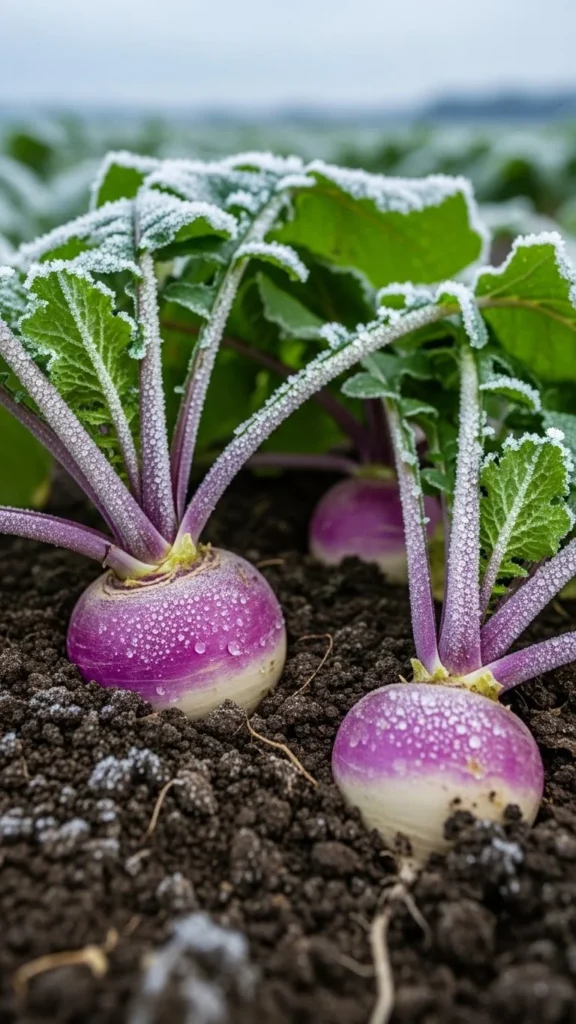
Turnips grow fast and handle cold easily. Both roots and greens are edible. Sow seeds in late fall for small, tender bulbs by midwinter.
Cover lightly with mulch to protect against deep freezes. Roast them, mash them, or use greens in soups—they’re cheap, reliable, and tasty.
11. Radishes
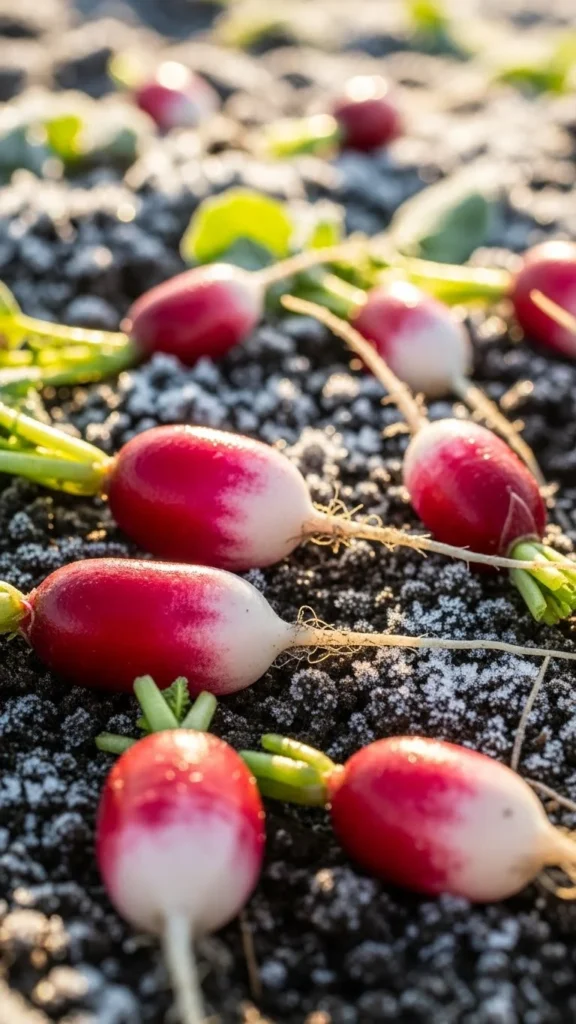
Winter radish varieties like Daikon or Black Spanish thrive in cold conditions. They take longer to mature than spring types but stay crisp.
Plant them in late summer, and they’ll store well in the ground through early winter. Cover with straw when heavy frost threatens. Pull as needed for crunchy salads and pickles.
12. Onions
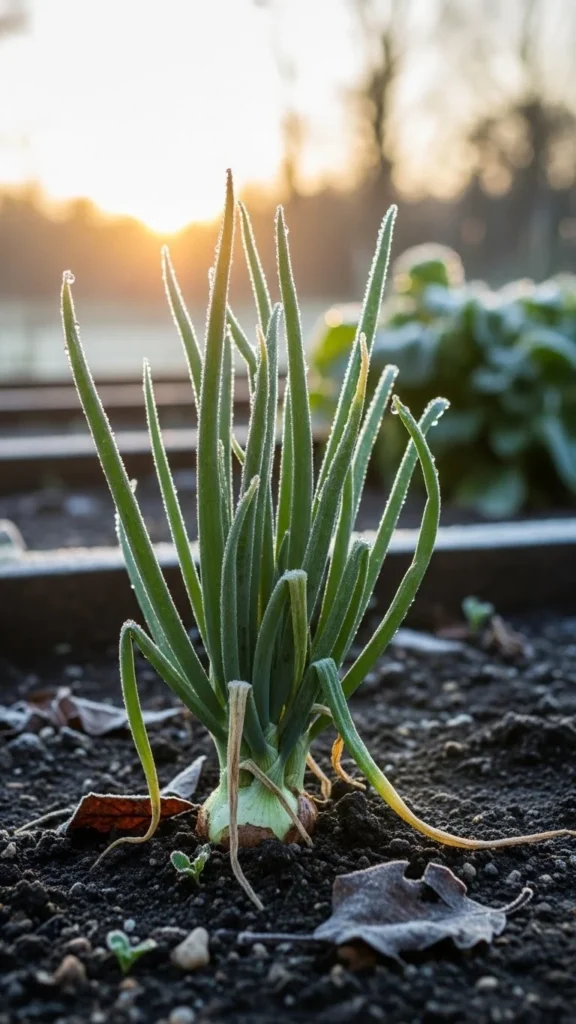
Choose overwintering onion varieties if your region gets mild winters. Plant them in fall and let them rest through the cold season.
Mulch well to protect bulbs and prevent heaving. Once spring arrives, growth takes off quickly, leading to early summer harvests.
13. Broccoli
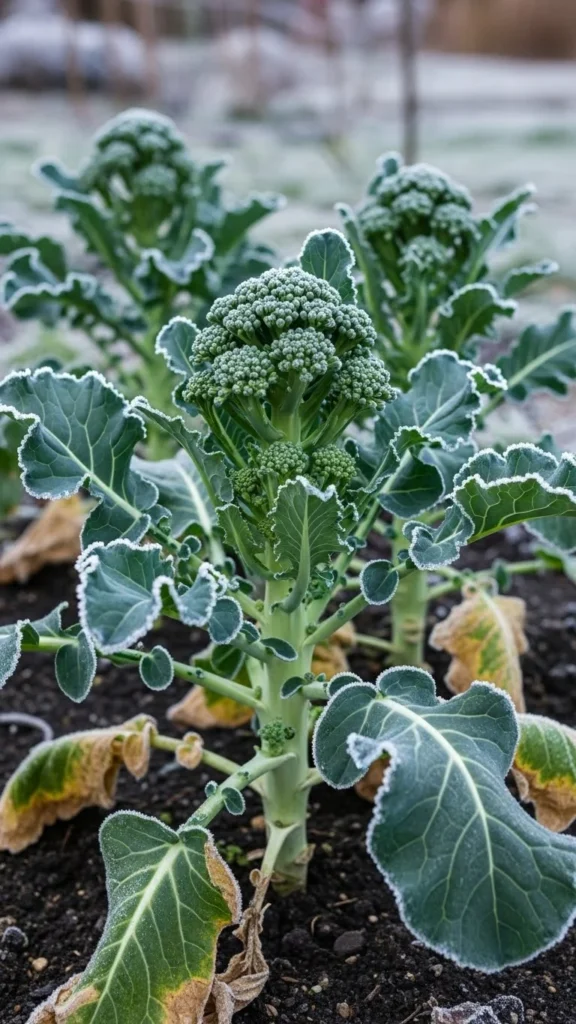
Broccoli is one of the easiest winter crops. Start plants in late summer so they’re mature before frost.
Cover with row tunnels to extend harvests. Side shoots keep growing after the main head is cut, offering continuous produce well into winter.
14. Collard Greens
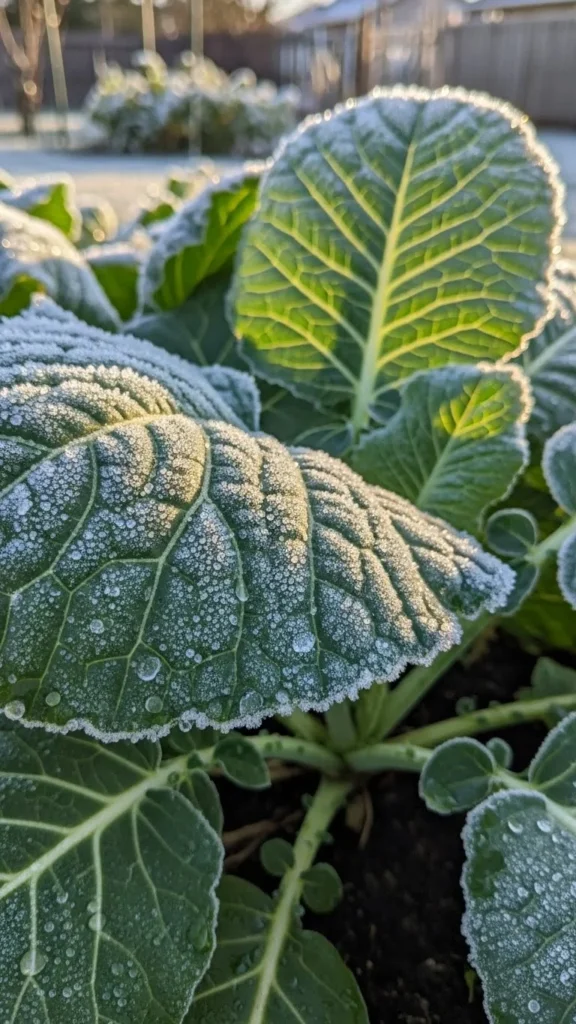
Collard greens are Southern favorites that stand up to cold better than most. The leaves actually taste milder after frost.
Harvest the lower leaves regularly and keep the center intact. A little mulch and a cover can keep them growing even below freezing.
15. Parsnips
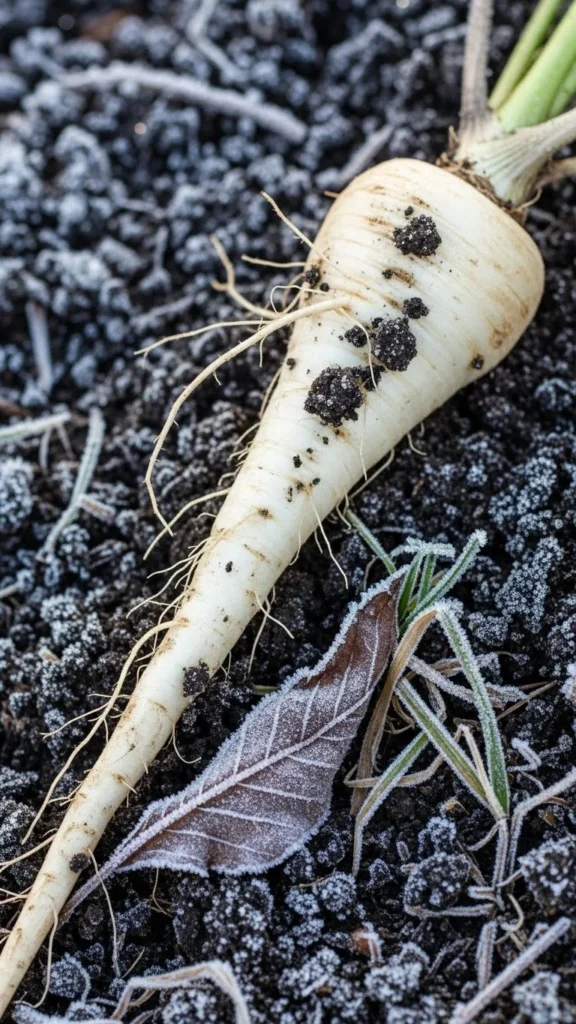
Parsnips develop a nutty flavor after being touched by frost. Sow seeds in early fall for winter harvesting.
They’re slow growers, so patience helps. Leave them in the ground through cold spells and dig up as needed for roasting or mashing.
16. Mustard Greens
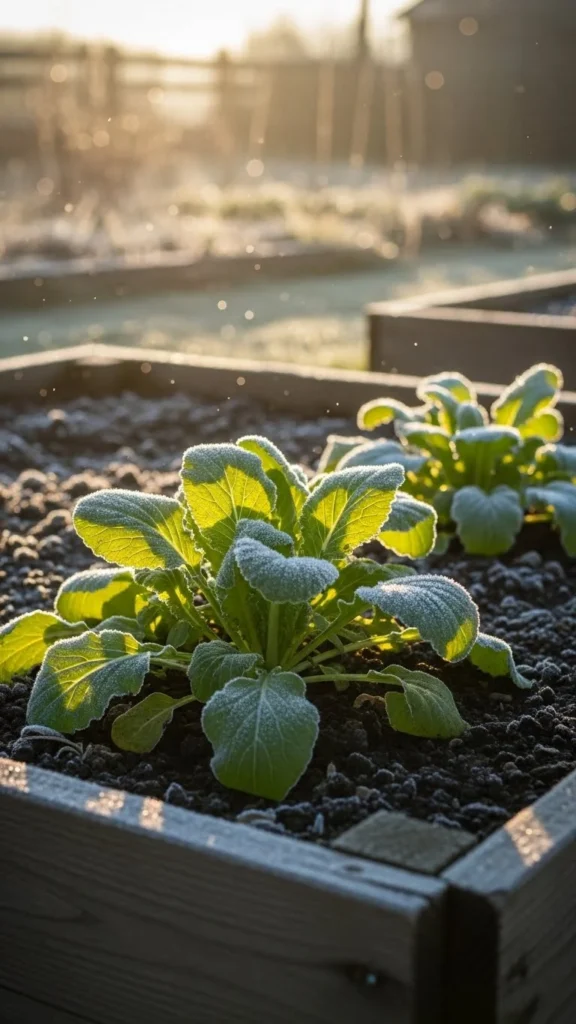
Mustard greens grow fast and can handle short freezes. Their peppery flavor brightens winter meals.
Plant them in late fall, and keep soil moist. If you live in a harsher climate, add a simple plastic cover for insulation. Harvest tender young leaves often for the best flavor.
17. Radicchio
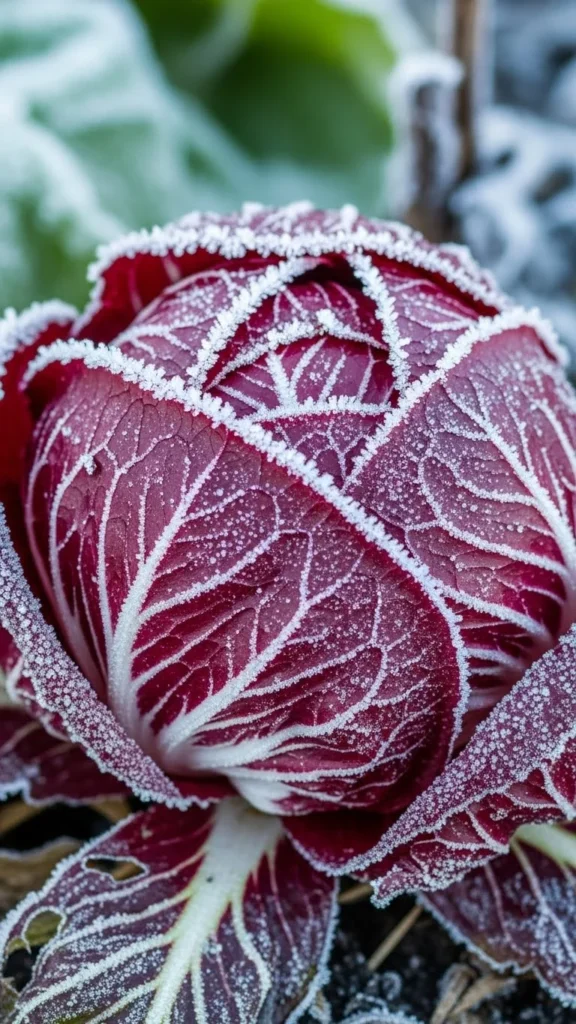
Radicchio’s bold color and slightly bitter taste make it a striking winter vegetable. It thrives in cool weather and even benefits from light frost.
Keep soil evenly moist, and harvest tight heads when firm. It’s perfect for salads and grilled side dishes through the cold months.
18. Arugula
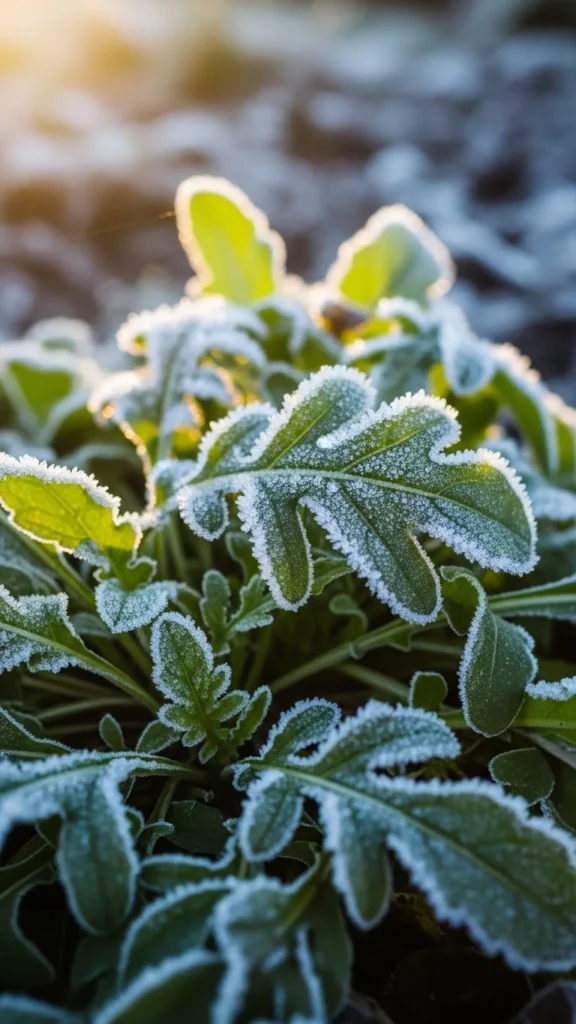
Arugula grows fast and survives cold snaps well. Sow seeds every few weeks for a steady winter harvest.
Grow it in containers or under a small tunnel. Pick outer leaves often to encourage fresh growth. Its peppery bite adds life to sandwiches and salads.
19. Endive
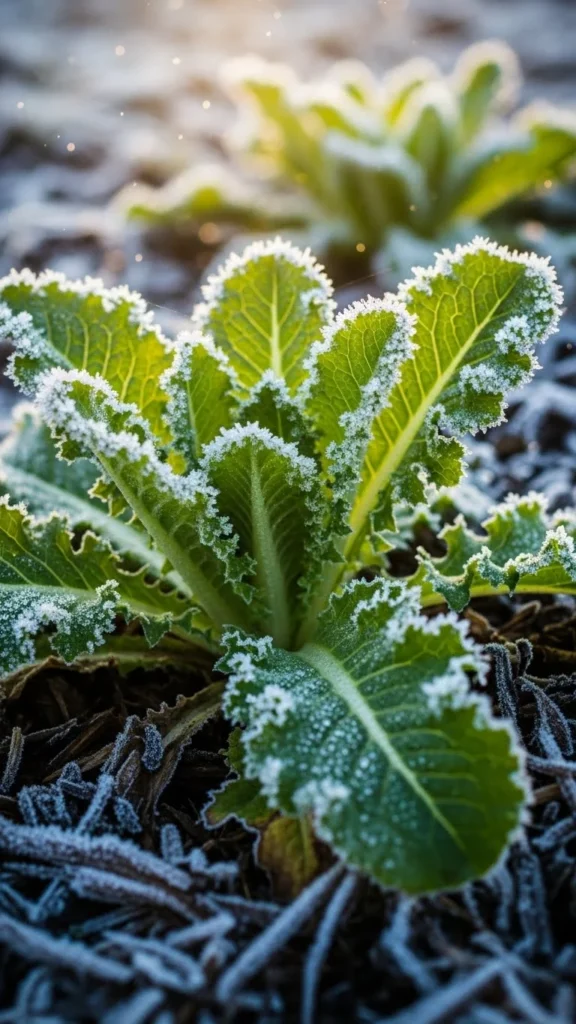
Endive handles cold beautifully and grows crisp in low light. Plant in late summer for steady winter picking.
Water evenly, and harvest heads as they mature. It’s a fantastic salad green that thrives when most plants stop growing.
20. Mache (Corn Salad)
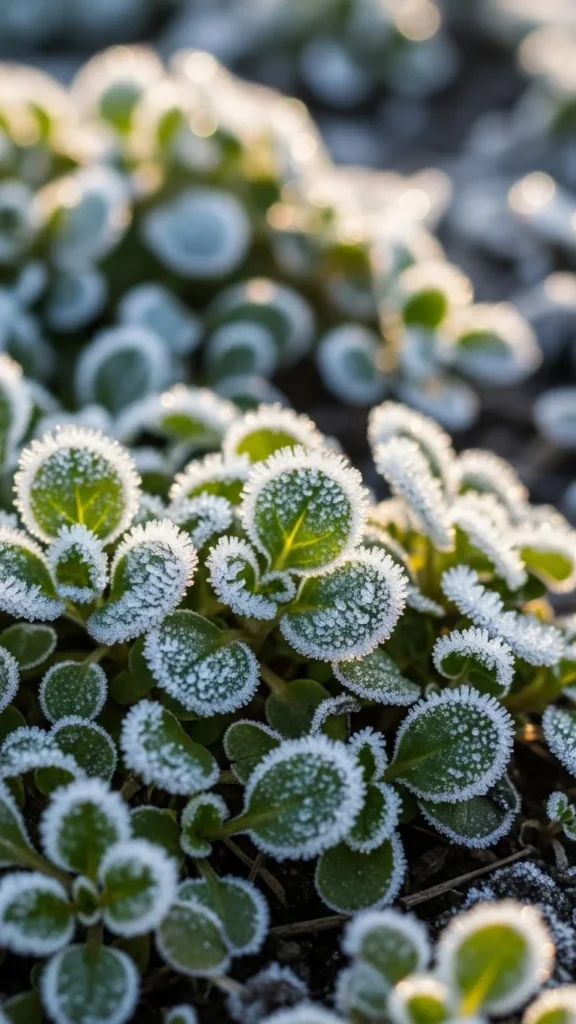
Mache, also known as corn salad, is one of the most cold-tolerant greens. It grows slowly but steadily even under snow.
Sow directly into beds or containers. Its mild, buttery flavor makes it perfect for winter salads and garnishes.
21. Celery
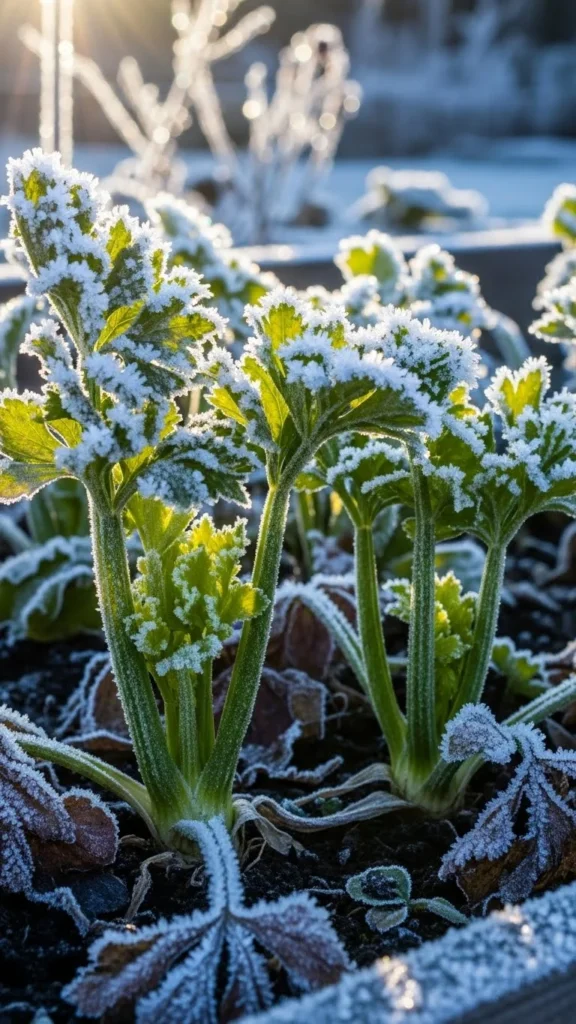
Celery grows slower in winter but still does well with protection. Start it early and keep roots covered with mulch or straw.
Use frost blankets on extremely cold nights. The crisp stalks and leaves can flavor soups, stews, and broths all season long.
22. Rutabagas
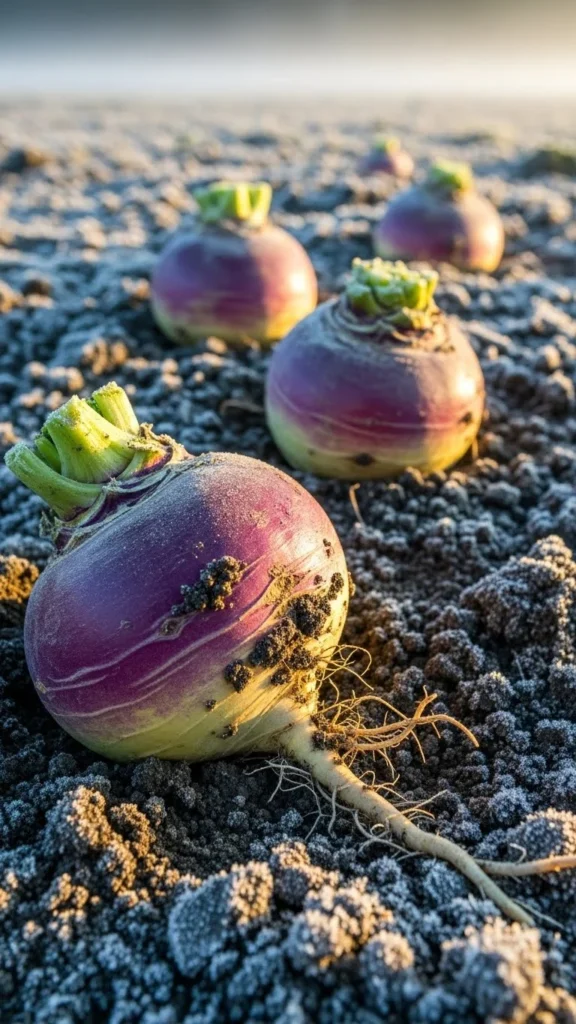
Rutabagas are easy to grow and last through long cold spells. They’re like turnips but denser and sweeter.
Plant in fall and harvest before the ground freezes solid. Cover the bed with straw for insulation. Store harvested roots in a cool, dark place for months.
23. Green Onions
Green onions grow quickly and handle the cold well. Sow seeds or plant sets in early fall.
Use row covers for extra warmth, and harvest the greens as needed. They’ll regrow multiple times, giving you a steady winter supply for soups and stir-fries.
Conclusion
Cold weather doesn’t have to mean a quiet garden. With the right choices and simple protection methods, you can enjoy fresh, homegrown vegetables all winter long. Start small—plant a few cold-hardy crops this season and see how easy it is to keep growing even in the frost. Winter gardening is peaceful, productive, and a wonderful way to stay connected to the soil year-round.

Leave a Reply